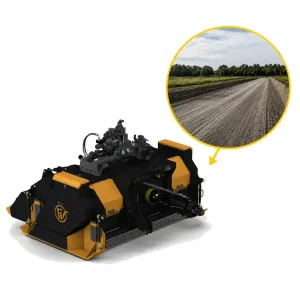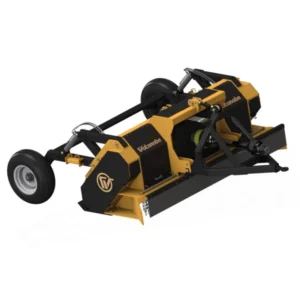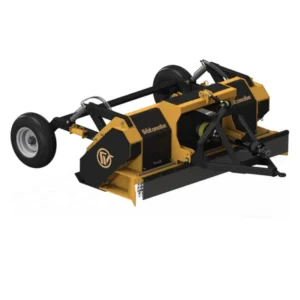
كسارة أحجار THOR FLM - زراعة الغابات وفتح الأراضي، 230 حصان
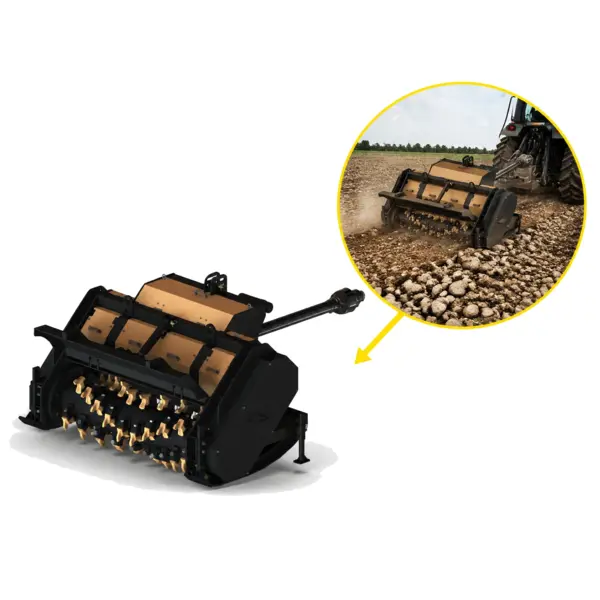
يُعدّ جهاز THOR FLM النموذج الأكثر تنوعًا في سلسلة THOR، وهو مصمم خصيصًا لزراعة الغابات وفتح الأراضي حيثما... جذوع الأشجار والجذور والصخور يجب معالجتها في نفس المرحلة. يتوفر نوعان من المطارق القابلة للتبديل، حيث يمكن استخدامها مع الصخور الصلبة أو المواد النباتية اللينة.
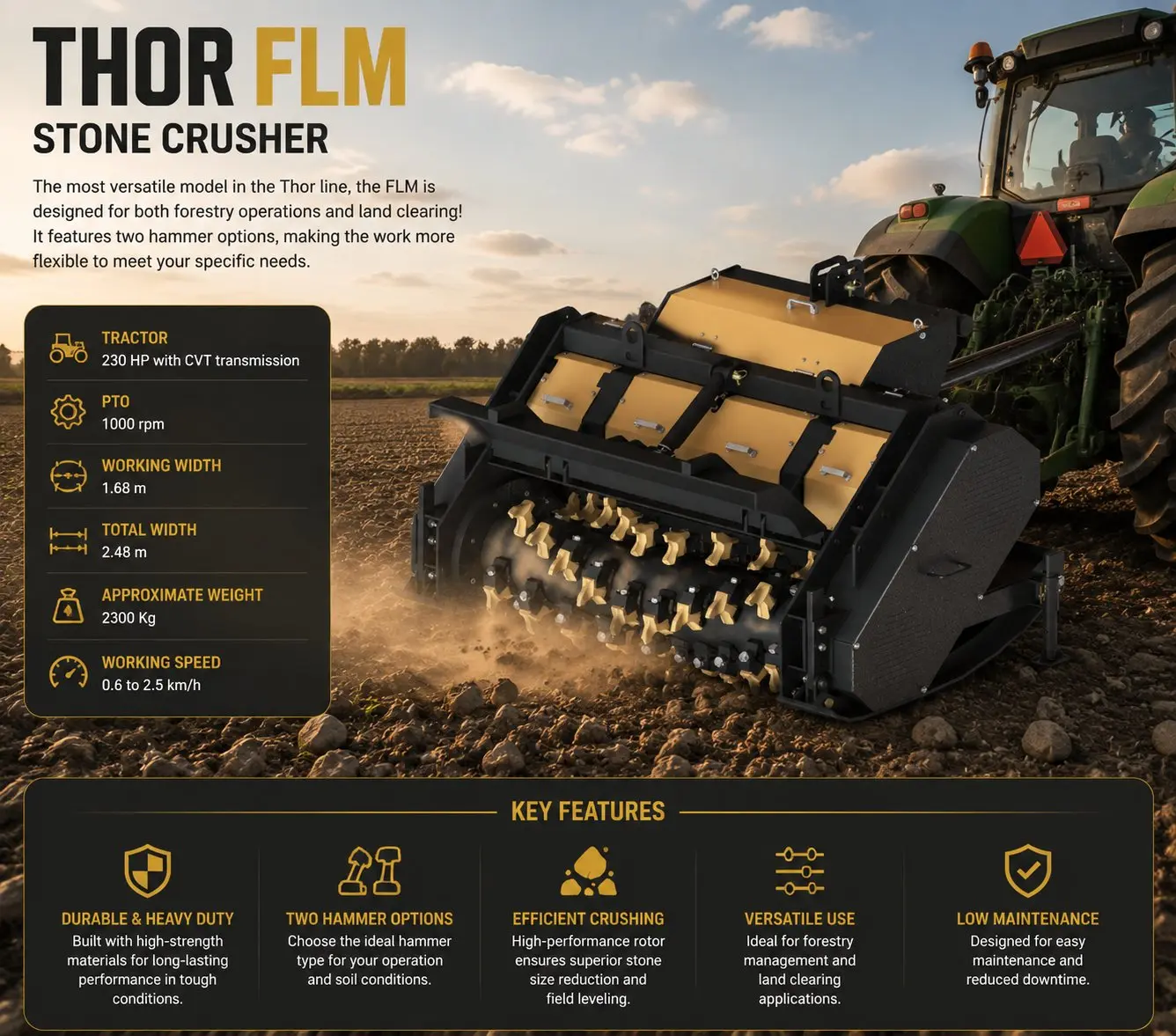
230 حصان + ناقل حركة CVT مطلوب. سرعة دوران عمود إدارة الطاقة 1000 دورة في الدقيقة. عرض العمل 1.68 متر. ضيق بما يكفي لمسارات الوصول إلى الغابات حيث لا تستطيع طرازات THOR الأعرض العمل.
حيث يلتقي الصخر والنباتات - آلة ثور المصممة لأعمال الغابات
تُعدّ THOR 2.4 وTHOR 3.0 كسارات صخور. وهي مُحسّنة لطحن الأحجار - حيث تقوم بطحن الصخور الكبيرة والصخور السطحية إلى ركام بكفاءة قصوى على الأراضي الزراعية المُستصلحة. فيلم ثور إنها آلة مختلفة لمهمة مختلفة. ويصفها واتانابي بأنها "الطراز الأكثر تنوعًا ضمن خط إنتاج ثور"، وقد صُممت خصيصًا لـ زراعة الغابات وفتح الأراضي — الظروف التي توجد فيها الأحجار السطحية والصخور المدفونة جنبًا إلى جنب مع جذوع الأشجار والجذور والشجيرات وغيرها من المواد النباتية الخشبية التي يجب معالجتها جميعًا في عملية إزالة واحدة.
تستمد الخصائص المميزة لـ THOR FLM مباشرة من هذا التطبيق:
▶ أضيق — 1.68 متر
في حين أن آلات THOR 2.4 و 3.0 تقطع مسافات واسعة لتغطية الأراضي الزراعية المفتوحة، فإن عرض العمل البالغ 1.68 متر لآلة THOR FLM يناسب مسارات الوصول إلى الغابات وممرات المزارع ومساحات العمل الضيقة لإزالة الغابات حيث لا تستطيع الآلات الأعرض المناورة.
▶ تكوينان للمطرقة
يُصمَّم نوعٌ من المطارق خصيصًا للصخور الصلبة، برأسٍ من الكربيد وهندسةٍ مُصمَّمة لتحقيق أقصى قدرٍ من التفتيت. أما النوع الثاني، فيُصمَّم خصيصًا للمواد اللينة، كالجذوع والجذور والشجيرات والأخشاب الخضراء، حيث تُنتج زاوية الشفرة وشكل الحافة المختلفان قطعًا نظيفًا بدلًا من الصدم القوي. ويتيح التبديل بين التكوينين للمشغل اختيار نوع المطرقة المناسب للمادة السائدة في كل منطقة عمل.
▶ ناقل حركة متغير باستمرار + سرعة منخفضة للغاية
تُعدّ سرعة العمل المنخفضة التي تصل إلى 0.6 كم/ساعة - أي سرعة المشي - ضروريةً عند مواجهة الدوّار لمواد كثيفة مُدمجة. يسمح ناقل الحركة المتغير باستمرار (CVT) في الجرار للمشغل بخفض السرعة بسلاسة إلى أي نقطة بين 0.6 و2.5 كم/ساعة دون تغييرات مفاجئة في تروس ناقل الحركة قد تُعيق تلامس الدوّار مع المادة المُعالَجة.
والنتيجة هي آلة تغطي عملية إزالة الأشجار التي تقع بين آلة تقطيع الأشجار وآلة تكسير الصخور - وهي فئة تواجهها العمليات الميدانية في تحويل الأراضي المرتفعة الكورية بعد إزالة الغابات بشكل متكرر. تحتوي معظم المواقع في مناطق تحويل الغابات إلى أراضٍ زراعية في كوريا على كل من الصخور والمواد العضوية (جذوع الأشجار، والجذور، والشجيرات) بنسب متفاوتة عبر الحقل نفسه - وتتعامل آلة THOR FLM مع كليهما من نفس الآلة، مع تغيير المطرقة بين المناطق التي يتغير فيها نوع المادة السائد.
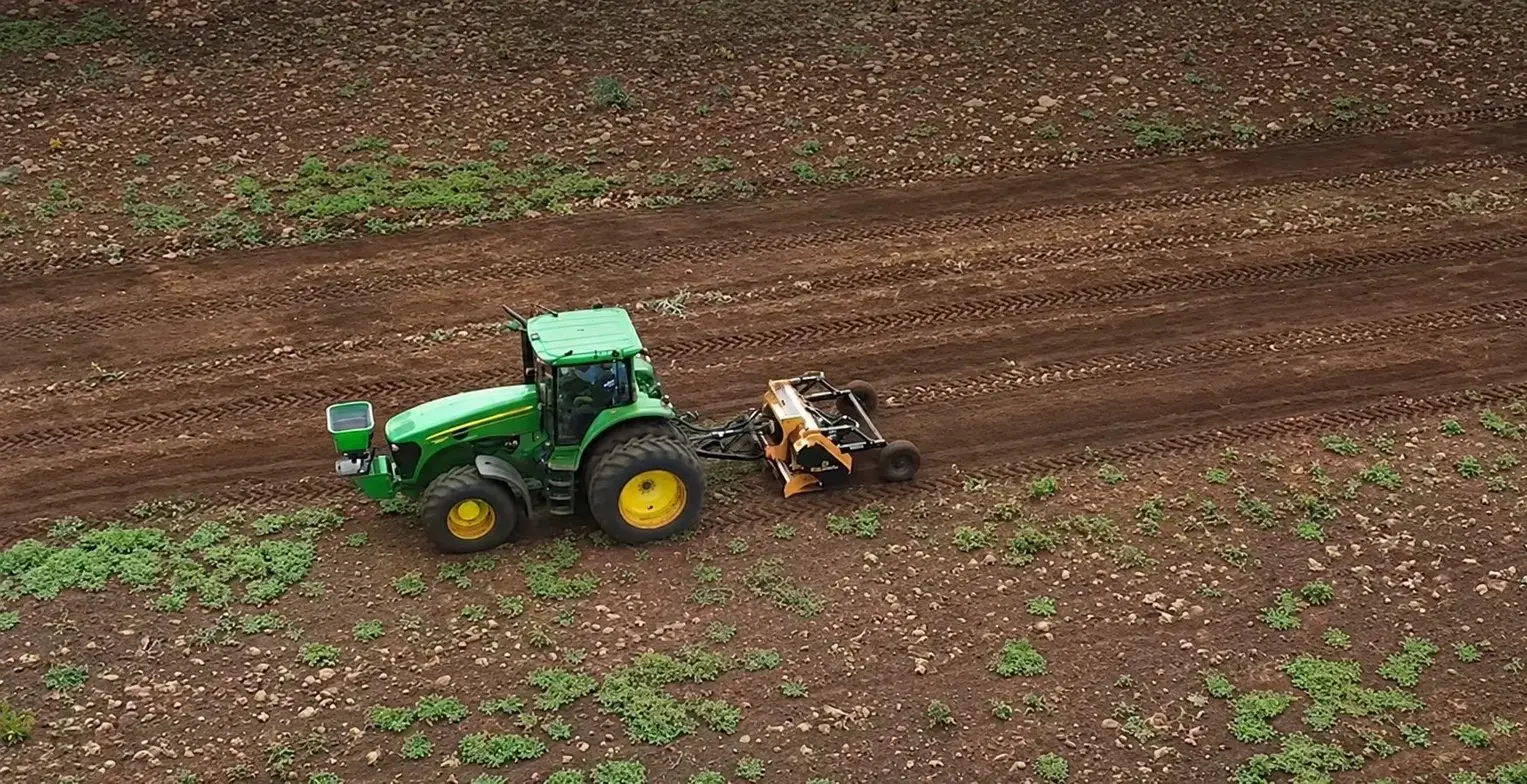
المواصفات الفنية - كسارة الحجارة THOR FLM
جميع البيانات مأخوذة من الموقع الرسمي لشريك واتانابي. يُعدّ شرط وجود جرار بناقل حركة متغير باستمرار (CVT) في جرار THOR FLM أهم عامل توافق يجب التحقق منه قبل الطلب، إذ لا يمكن لجرار ذي ناقل حركة تقليدي تشغيل هذه الآلة بأمان أو بكفاءة بالسرعات المطلوبة.
| المعلمة | فيلم ثور |
|---|---|
| الأبعاد والوزن | |
| عرض العمل | 1.68 متر |
| العرض الكلي | 2.48 متر |
| وزن | 2300 كجم |
| متطلبات الجرارات | |
| قوة المحرك | 230 حصان |
| الانتقال | ناقل الحركة المتغير باستمرار (CVT) مطلوب |
| سرعة PTO | 1000 دورة في الدقيقة |
| أداء | |
| سرعة العمل | 0.6–2.5 كم/ساعة |
| روتور آند هامرز | |
| تكوينات المطرقة | نوعان مختلفان (صخور / نباتات) |
ⓘ جميع البيانات من موقع الشريك الرسمي لشركة واتانابي (soilstabilizermachine.com). ناقل الحركة المتغير باستمرار (CVT) هو مواصفة أساسية في الجرار، وليس ميزة اختيارية. لا يستطيع الجرار بدون ناقل الحركة المتغير باستمرار الحفاظ على نطاق سرعة العمل المطلوب (0.6-2.5 كم/ساعة) الذي يتطلبه جهاز THOR FLM للتشغيل الآمن والفعال. يُرجى التحقق من نوع ناقل الحركة في جرارك قبل الاستفسار.
⚠ الجرار ذو ناقل الحركة المتغير باستمرار (CVT) إلزامي - وليس اختيارياً
لا يمكن تحقيق الحد الأدنى لسرعة عمل جرار THOR FLM، البالغة 0.6 كم/ساعة (أي ما يعادل سرعة المشي تقريبًا)، بشكل موثوق باستخدام جرار ذي تروس متدرجة تقليدي دون التعرض لخطر كبير لزيادة الحمل على الدوار وتوقف المحرك عند ملامسة مواد كثيفة. يتيح ناقل الحركة المتغير باستمرار (CVT) تخفيض السرعة بسلاسة ودون تدرج إلى أي نقطة بين 0.6 و2.5 كم/ساعة في الوقت الفعلي مع تغير كثافة المواد. تشمل طرازات الجرارات الكورية المزودة بناقل الحركة المتغير باستمرار (CVT) في فئة 230 حصانًا: John Deere 6R 230 (ناقل حركة AutoPowr)، وFendt 724 Vario، وNew Holland T7.230 (ناقل حركة AutoCommand)، وValtra T174 SmartTouch. يُرجى التأكد من نوع ناقل الحركة الخاص بجرارك من خلال ورقة المواصفات أو من خلال الوكيل قبل الطلب.
مقارنة ضمن عائلة منتجات THOR:
| المواصفات | ثور 2.4 | ثور 3.0 | فيلم ثور |
|---|---|---|---|
| عرض العمل | 2.4 متر | 3.0 متر | 1.68 متر |
| الحد الأدنى لقوة الجرار | 180 حصان | 230 حصان | 230 حصان ناقل حركة متغير باستمرار |
| سرعة مخرج القدرة | 1000 دورة في الدقيقة | 1000 دورة في الدقيقة | 1000 دورة في الدقيقة |
| سرعة العمل | عامل | عامل | 0.6–2.5 كم/ساعة |
| نوع المطرقة | صخر | صخر | صخرة أم نباتات |
| التطبيق الأساسي | تكسير الصخور | موسيقى الروك الثقيلة | زراعة الغابات، فتح الأراضي |
كيف يعمل جهاز THOR FLM - معالجة المواد المختلطة بالصدمات
الدوار - تأثير عالي السرعة بسرعة أمامية منخفضة للغاية
يعتمد مبدأ تشغيل آلة THOR FLM على نفس مبدأ جميع طرازات THOR: حيث يقوم دوار أفقي، يُدار بواسطة عمود إدارة الطاقة (PTO) للجرار بسرعة 1000 دورة في الدقيقة، بمسح منطقة العمل، وتقوم المطارق المثبتة على الدوار بضرب المواد - شظايا الصخور، جذوع الأشجار، الجذور، الشجيرات - بسرعة عالية، مما يؤدي إلى تكسيرها أو تمزيقها إلى قطع أصغر يتم نثرها أو تركها على سطح الأرض كغطاء عضوي. الطاقة الحركية الناتجة عن الاصطدام هي التي تقوم بالعمل؛ وتحدد سرعة الدوار الطاقة المتاحة لكل ضربة مطرقة.
ما يُميّز آلة THOR FLM عن طرازات THOR المُخصصة للصخور هو تصميم الدوّار والمطارق للتعامل مع نطاق أوسع من خصائص المواد التي تُصادف في زراعة الغابات وفتح الأراضي، بدءًا من صخور الجرانيت الصلبة التي تتطلب تأثيرًا يُؤدي إلى الكسر الهش، مرورًا بالخشب الأخضر اللين الذي يتطلب القصّ والقطع، وصولًا إلى جذوع الأشجار الجافة التي تتطلب مزيجًا من الاثنين. ويُمكن لتكويني المطارق القابلين للتبديل مُعالجة هذه الخصائص المختلفة للمواد من خلال تغيير هندسة المطرقة ومواصفات حافتها بين مناطق العمل.
تكوينان للمطرقة - التكيف مع المادة
تم تحسين تكوين المطرقة الأول لـ الصخور الصلبة والحجرتستخدم هذه المطارق رؤوسًا من الكربيد بزاوية تزيد من طاقة التكسير المُوَصَّلة إلى سطح الصخر عند التلامس. يشابه تصميمها الهندسي مواصفات مطارق THOR 2.4 وTHOR 3.0، المصممة خصيصًا لنمط التكسير الانضغاطي للمواد الصلبة الهشة. يُعد هذا التصميم مناسبًا للعمل في المناطق التي تكثر فيها الصخور المدفونة والصخور السطحية، مع الحد الأدنى من المواد العضوية.
تم تحسين تصميم المطرقة الثاني لـ المواد اللينة - جذوع الأشجار، والجذور، والشجيرات، والخشب الأخضر أو الجافتستخدم هذه المطارق زاوية شفرة وحافة مختلفتين تُنتجان حركة قصّ للمواد العضوية الليفية بدلاً من حركة التكسير بالصدم. فعندما يصطدم الدوّار بجذر جذع كبير، يقوم هذا التصميم بتقطيع الخشب الليفي إلى رقائق بدلاً من ارتداده عنه، مما يُنتج تكسيرًا أكثر اكتمالاً للمواد العضوية بعدد أقل من المرورات.
عمليًا، تتميز معظم مواقع زراعة الغابات واستصلاح الأراضي في كوريا بتوزيع مكاني للصخور والمواد العضوية في جميع أنحاء الحقل - مناطق ذات كثافة صخرية أعلى بالقرب من النتوءات الصخرية، ومناطق ذات كثافة أعلى من المواد العضوية في المناطق التي تكون فيها أنظمة الجذور أكثر كثافة. يمكن للمشغل تغيير تكوين المطرقة على هوامش الحقل بين هذه المناطق، أو اختيار التكوين الذي يتناسب بشكل أفضل مع نوع المادة السائد في معظم منطقة العمل، مع قبول انخفاض الكفاءة على نوع المادة الأقل شيوعًا.
ناقل الحركة المتغير باستمرار (CVT) - مطابقة السرعة مع كثافة المواد في الوقت الفعلي
يُعد شرط وجود ناقل الحركة المتغير باستمرار (CVT) في الجرار أهم مواصفات التشغيل الحرجة لـ THOR FLM - وهو الأكثر سوء فهمًا من قبل المشترين الذين يتعاملون معه من خلفية THOR 2.4/3.0 القياسية.
عند سرعة 0.6 كم/ساعة - وهي الحد الأدنى لسرعة التشغيل - يقوم الدوار بمعالجة كمية كبيرة من المواد لكل وحدة حركة أمامية. هذه هي السرعة المناسبة عندما يواجه المشغل مجموعة كثيفة من جذوع الأشجار، أو تجمعًا للصخور، أو نظامًا جذريًا متجذرًا شديد المقاومة. إذا كان الجرار مزودًا بعلبة تروس ميكانيكية قياسية، فمن المرجح أن ينتج عن أدنى ترس زحف متاح سرعة أعلى من 0.6 كم/ساعة عند عدد دورات المحرك المطلوبة للحفاظ على سرعة عمود إدارة الطاقة (PTO). والأهم من ذلك، أن خفض السرعة إلى ما دون خطوة تروس معينة يتطلب إما التوقف وتغيير الترس إلى ترس أقل (مما يؤدي إلى فقدان الزخم وتعطيل تعشيق الدوار) أو السماح للقابض بالانزلاق جزئيًا (مما يولد حرارة وتآكلًا).
تتيح ناقلة الحركة المتغيرة باستمرار (CVT) للمشغل خفض سرعة الأرض بسلاسة وبشكل متواصل مع الحفاظ على سرعة تشغيل المحرك ووحدة نقل الحركة (PTO) المطلوبة. يستطيع المشغل خفض السرعة من 2.0 كم/ساعة إلى 0.6 كم/ساعة عند الاقتراب من منطقة كثيفة المواد دون أي تغيير في التروس أو انقطاع في سرعة الدوار، حيث تُغير ناقلة الحركة المتغيرة باستمرار نسبة النقل لتتناسب مع سرعة الأرض المختارة بينما يعمل المحرك عند نقطة التحميل المثلى. عند إزالة المنطقة الكثيفة، يمكن زيادة السرعة بسلاسة إلى 2.0 كم/ساعة للأراضي المفتوحة. هذا التكيف المستمر للسرعة في الوقت الفعلي هو ما يجعل آلة THOR FLM فعالة في بيئة المواد ذات الكثافة المتغيرة في أعمال زراعة الغابات وفتح الأراضي.
ماذا يحدث للمواد المعالجة؟
تتفتت شظايا الصخور إلى قطع صغيرة - عادةً أقل من 10 سم بعد كل عملية - تبقى على سطح الأرض أو تنتشر في منطقة العمل. تتراص هذه الشظايا في التربة خلال عمليات الحراثة اللاحقة، أو تُقلص أكثر في عملية لاحقة إذا بقيت أحجامها أكبر من الحجم المستهدف لخطوة الحراثة التالية. تُشابه نتائج معالجة الصخور في جهاز THOR FLM نتائج جهاز THOR 2.4 على أحجام صخور مماثلة، إلا أن عرض العمل الأضيق يعني الحاجة إلى عدد أكبر من عمليات المرور لتغطية نفس المساحة.
تُحوّل المواد الخشبية - كالجذوع والجذور والأغصان - إلى رقائق وقطع صغيرة تبقى على السطح كغطاء عضوي. تتحلل هذه المواد على مدى الأشهر أو السنوات التالية، مُساهمةً في زيادة خصوبة التربة. في المواقع ذات المحتوى العضوي العالي، يُمكن دمج طبقة الغطاء العضوي في التربة عن طريق الحراثة الدورانية (باستخدام آلة مثل PSW-3200 Rotavator) بعد عملية إزالة الأشجار والشجيرات باستخدام نظام THOR FLM، مما يُسرّع عملية التحلل ويُهيئ التربة للزراعة في نفس موسم إزالة الأشجار والشجيرات.
لماذا تُعدّ آلة THOR FLM هي الآلة المناسبة لأعمال زراعة الغابات؟
■ يتعامل مع الصخور والنباتات
تُعدّ آلات THOR 2.4 و 3.0 مُخصصة للصخور، بينما تُعدّ آلة تقطيع الأشجار مُخصصة للنباتات. أما آلة THOR FLM، المزودة بتكوينين قابلين للتبديل للمطارق، فتُغطي كلا النوعين من المواد من خلال آلة واحدة. في مواقع ما بعد إزالة الغابات في مناطق تحويل المرتفعات الكورية، غالبًا ما يوجد كلا النوعين من المواد في مناطق عمل متجاورة، وتقوم آلة THOR FLM بمعالجة كليهما دون الحاجة إلى تغيير الآلة.
■ 1.68 متر — عرض ممر الوصول إلى الغابات
يبلغ عرض مسارات الوصول إلى الغابات الجبلية وممرات المزارع في كوريا عادةً 3-4 أمتار، وهو عرض مناسب لجرار مزود بملحق بعرض إجمالي 2.48 متر (THOR FLM)، ولكنه غير مناسب لجرار THOR 3.0 بعرض 3 أمتار. يسمح عرض العمل الأضيق لجرار THOR FLM بالدخول والعمل داخل ممرات الوصول التي تحدد هندسة العمل في مزارع الغابات وأراضي الغابات المُدارة.
■ ناقل الحركة المتغير باستمرار (CVT) يُمكّن من التحكم الدقيق في السرعة
يُتيح نطاق السرعة من 0.6 إلى 2.5 كم/ساعة، والذي لا يُمكن تحقيقه إلا باستخدام ناقل الحركة المتغير باستمرار (CVT)، للمشغل تحكمًا دقيقًا وفوريًا في معدل معالجة المواد. يُمكن تقليل السرعة عند المرور عبر المواد الكثيفة المدمجة، وزيادة السرعة عند المرور عبر المناطق المُزالة. يُنتج هذا التكيف المستمر نتائج معالجة أكثر اتساقًا من التشغيل البطيء باستخدام التروس الثابتة، كما يحمي الدوار ونظام القيادة من ارتفاعات الحمل الزائد التي تحدث عند مواجهة مواد صلبة بسرعة أعلى من السرعة المثلى.
■ لا توجد خطوة منفصلة لإزالة الجذع
تتطلب عمليات تجهيز الأراضي التقليدية بعد إزالة الغابات عمليات منفصلة لإزالة جذوع الأشجار أو طحنها، وتجريف الجذور، وإزالة الأحجار - ثلاثة أنواع من الآلات وثلاث عمليات تمرير منفصلة في الحقل. أما آلة THOR FLM المزودة بمطرقة نباتية، فتُحوّل الجذوع والجذور إلى رقائق على مستوى سطح الأرض في نفس عملية معالجة الصخور، مما يُلغي خطوة إزالة الجذوع المخصصة وتكاليف تجهيز الآلة المرتبطة بها.
■ النشارة العضوية - تحسين التربة
تُشكّل رقائق الخشب وبقايا النباتات الناتجة عن عملية إزالة الغطاء النباتي في آلة THOR FLM مصدرًا هامًا للمواد العضوية في الأرض المُستصلحة. وعلى عكس إزالة جذوع الأشجار والتخلص منها - والتي تُزيل هذه المواد العضوية من الموقع - فإن معالجة THOR FLM تُبقي على المحتوى العضوي في مكانه، حيث يتحلل في التربة ويُساهم في الحفاظ على توازن المواد العضوية في التربة على المدى الطويل في الأراضي الزراعية المُستصلحة حديثًا.
أين يتم استخدام فيلم ثور في كوريا
🌿 تحويل الأراضي بعد إزالة الغابات — افتتاح الزراعة في المرتفعات
تضم المناطق الجبلية في كوريا، ولا سيما مقاطعة غانغوون وحزام الجبال المركزي في شمال غيونغسانغ وشمال تشونغتشيونغ، مساحات شاسعة من مزارع الغابات السابقة التي يجري إحالتها تدريجياً إلى التقاعد وتقييمها تمهيداً لتحويلها إلى استخدامات زراعية. وتتكون هذه المزارع بشكل أساسي من أشجار الأرز الياباني (Cryptomeria japonica) والصنوبر (소나무) التي وصلت إلى مرحلة النضج الزراعي، وتراجعت جدواها الاقتصادية كأخشاب مقارنةً بالقيمة المحتملة للأراضي كمناطق إنتاج زراعي جبلي.
بعد حصاد الأشجار القائمة، تُصبح الأرض مليئة بتحديات ما بعد إزالة الغابات: جذوع الأشجار على مستوى سطح الأرض، وطبقة من الجذور السطحية الممتدة من كل جذع، وبقايا الأغصان والأغصان المتبقية بعد الحصاد، والصخور والأحجار المكشوفة التي كانت مُغطاة سابقًا بأرضية الغابة. يمكن لآلة طحن الجذوع التقليدية التعامل مع الجذوع، ويمكن لآلة تكسير الصخور التعامل مع الأحجار، لكن لا يمكن لأي منهما التعامل مع كليهما. أما آلة THOR FLM، بتكويناتها المزدوجة للمطرقة، فتُعالج جميع أنواع المواد هذه في عملية تنظيف مُنسقة - مطرقة للنباتات في مناطق الجذوع والجذور، ومطرقة للصخور في مناطق تجمع الأحجار - دون الحاجة إلى آلة أخرى.
🏙 إدارة المزارع وعمليات زراعة الغابات
في قطاع الغابات التجارية النشطة في كوريا، ولا سيما مزارع الأخشاب اللينة المُدارة في مقاطعتي غانغوون وجيونغبوك، تتطلب عمليات زراعة الغابات الدورية صيانة مسارات الوصول، وإزالة الأشجار والشجيرات، وإدارة الحدود. تتراكم مخلفات الصخور والأخشاب المتساقطة والنباتات الغازية على مسارات الوصول في مزارع الغابات على مر السنين بين دورات الإزالة. يتيح عرض العمل البالغ 1.68 متر لآلة THOR FLM، والذي يتوافق مع عرض مسارات الغابات القياسية، العمل داخل البنية التحتية النشطة للمزارع دون إلحاق الضرر بالأشجار القائمة، أو إزالة عوائق المسارات، والحفاظ على سهولة الوصول لعمليات الحصاد والإدارة.
يُعدّ تصميم مطرقة إزالة الغطاء النباتي مناسبًا بشكل خاص لإزالة الطبقة السفلى من الأشجار والشجيرات، حيث تتكون هذه الطبقة في الغالب من الشجيرات والأغصان الخشبية بدلًا من الصخور. وتُلزم لوائح إدارة الغابات الكورية بشكل متزايد بإزالة الطبقة السفلى المعرضة لخطر الحرائق في المزارع المُدارة، ولا سيما طبقة الشجيرات الكثيفة القابلة للاشتعال التي تتشكل في ممرات المزارع المهملة. وتُعالج آلة THOR FLM المزودة بمطرقة إزالة الغطاء النباتي هذه المواد بكفاءة عالية دون إلحاق الضرر بأشجار المزارع الموجودة أعلاها.
🍋 أرض مختلطة صخرية ونباتية متاحة للمزارع الكبيرة
كانت بعض أكثر مناطق زراعة البطاطس والخضراوات إنتاجية في المرتفعات الكورية في الأصل أراضٍ حرجية أُزيلت منها الأشجار للاستخدام الزراعي على مدى الأربعين إلى الخمسين عامًا الماضية. وتواجه المزارع التي تتوسع الآن إلى أراضٍ مجاورة غير مزروعة - أراضٍ كانت رعي وتحولت إلى شجيرات، أو هوامش غابات هامشية لم تُزرع رسميًا قط - التحدي نفسه المتمثل في مزيج الصخور والنباتات الذي تواجهه مواقع تحويل الغابات، ولكن على نطاق أصغر وبنسبة أعلى من الشجيرات مقارنة بجذوع الأشجار الصالحة للأخشاب.
في عمليات إزالة الأشجار والأعشاب هذه، تُعدّ آلة THOR FLM الأداة العملية الأمثل، فهي تجمع بين قدرات إزالة الصخور والنباتات في آلة واحدة، مع عرض مناسب للعمل في الحواف غير المنتظمة للحقول الزراعية القائمة. فاستخدام آلة تقطيع الأشجار (للشجيرات) وآلة تكسير الصخور (للحجارة) يتطلب مسارين منفصلين وإعدادين مختلفين للآلة؛ بينما تقوم THOR FLM بكلا المهمتين من آلة واحدة، مع تغيير المطرقة عند الحاجة.

أي جهاز THOR هو الأنسب لعمليتك؟
تخدم نماذج THOR الثلاثة تطبيقات أساسية مختلفة. استخدم الجدول أدناه لتحديد النموذج المناسب - الخطأ الأكثر شيوعًا هو اختيار THOR FLM بينما يكون THOR 2.4 أو 3.0 هو الأداة المناسبة، أو العكس:
| وضعك | أفضل ثور | لماذا |
|---|---|---|
| أرض زراعية مفتوحة، صخور سطحية فقط، جرار بقوة 180 حصان | ثور 2.4 | طاقة أقل، وأوسع نطاقًا من FLM، وتطبيق مخصص للصخور فقط |
| أرض مفتوحة، حمولة صخور ثقيلة، أقصى قدرة على تكسير الصخور، أكثر من 230 نقطة صحة | ثور 3.0 | أقصى قدرة على تحمل الصخور وعرض العمل للأراضي المفتوحة |
| أرض ما بعد إزالة الغابات، صخور مختلطة + جذوع/جذور، 230 نقطة صحة ناقل الحركة المتغير باستمرار (CVT) | فيلم ثور | نوعان من المطارق، ضيقة للوصول إلى الغابات، تحكم في سرعة ناقل الحركة المتغير باستمرار (CVT). |
| مسارات الوصول إلى المزرعة، وإزالة الغطاء النباتي السفلي (بدون صخور كبيرة) | فيلم ثور | مطرقة إزالة النباتات، عرض ضيق لأعمال السكك الحديدية |
| أرض زراعية مفتوحة، صخور كبيرة، جرار بقوة 300 حصان، أعلى إنتاجية | شحرور + ثور 3.0 | نظام التمشيط والسحق لتحقيق أقصى إنتاجية في الأراضي المفتوحة |
⚠ إذا لم يكن جرارك مزودًا بناقل حركة متغير باستمرار (CVT)، فإن جرار THOR 2.4 أو THOR 3.0 هو جرارك THOR
يمكن لكل من THOR 2.4 وTHOR 3.0 العمل بكفاءة مع الجرارات ذات ناقل الحركة القياسي ضمن فئات قوتهما. أما THOR FLM، فيتطلب ناقل حركة متغير باستمرار (CVT) بشكل أساسي. إذا كان استخدامك هو إزالة الأشجار بعد عمليات التحريج، وكان جرارك من طراز ناقل الحركة القياسي، فناقش معنا ظروف المواد المحددة؛ ففي بعض الحالات، يمكن لـ THOR 3.0، مع التحكم الدقيق في السرعة، التعامل مع المواد المختلطة، وذلك بحسب حجم جذع الشجرة وكثافته.
مجموعة منتجات واتانابي الكاملة لإزالة الأشجار
يعمل جهاز THOR FLM ضمن نطاق منتجات واتانابي الكاملة لإزالة الغابات وتجهيز التربة. إليكم موقع كل منتج في التسلسل المعتاد لعمليات فتح الأراضي بعد إزالة الغابات على نطاق واسع:
ثور فيلم - إزالة المواد المختلطة أنت هنا
معالجة جذوع الأشجار والجذور والشجيرات والصخور السطحية في آن واحد. تصميمان للمطرقة يتكيفان مع نوع المادة. عرض 1.68 متر لممرات الوصول إلى الغابات.
مجرفة الصخور EP-EW-4000 أو مجرفة الصخور بلاكبيرد
تشكيل أكوام من الحجارة على السطح بعد عملية إزالة الأشجار باستخدام آلة THOR FLM. تُستخدم آلة EW-4000 للمساحات الصغيرة، بينما تُستخدم آلة BlackBird للحقول المفتوحة الكبيرة بعد إزالة ممرات الغابات.
ثور 3.0 - معالجة الصخور المتبقية
قم بسحق أكوام الحجارة التي تشكلت بواسطة المجرفة إلى ركام. أو قم بتوصيل ثور 3.0 مباشرة خلف جهاز بلاك بيرد على وصلة الجر الخلفية للقيام بعملية الكشط والسحق المتزامنة على الأراضي المفتوحة والمُزالة منها الأعشاب.
الحراثة الأولية - المحراث الدوار PSW-3200
بعد تنظيف الأرض ومعالجة سطحها بالحجارة، تُهيئ عملية الحراثة الأولية مهد البذور لأول محصول زراعي. يقوم جهاز PSW-3200 (بعرض 3.0-3.6 متر، وقوة 140 حصانًا) بدمج ما تبقى من المواد السطحية وبناء طبقة التربة.
واتانابي ثور للهندسة - مصممة لأعمال زراعة الغابات الثقيلة
نشأت سلسلة منتجات THOR من خبرة واتانابي في قطاع استصلاح الأراضي الزراعية في البرازيل، وتحديدًا في منطقتي سيرادو والأمازون الانتقاليتين، حيث تُزال مساحات شاسعة من الغطاء النباتي الأصلي تدريجيًا لأغراض الزراعة. وتُعدّ الظروف السائدة في هذه المناطق البرازيلية - من صخور متداخلة، وأنظمة جذور عميقة، وتربة لاتيريتية صلبة، وغطاء نباتي خشبي كثيف - من بين أصعب بيئات استصلاح الأراضي في العالم، وهي المرجع التصميمي الذي شكّل مواصفات متانة سلسلة THOR.
يتمثل التحدي التصميمي الخاص بآلة THOR FLM في متطلبات معالجة مادتين في آن واحد؛ إذ يجب على الدوار ونظام الدفع التعامل مع الارتفاعات المفاجئة والحادة في الأحمال الناتجة عن اصطدام الصخور الصلبة، بالإضافة إلى مقاومة السحب المستمرة وعالية العزم الناتجة عن معالجة جذوع الأشجار الليفية وجذورها، وذلك خلال نفس جلسة التشغيل. وتعكس مواصفات نظام الدفع، وأبعاد عمود الدوار، وهندسة تثبيت المطرقة، جميعها هذا المتطلب المزدوج. ولا يُعدّ شرط ناقل الحركة المتغير باستمرار (CVT) مواصفة إضافية، بل هو أساسي لحماية نظام الدفع من الارتفاعات المفاجئة في الأحمال الزائدة التي قد تحدث إذا حاول الجرار العمل بسرعة منخفضة في مواد كثيفة باستخدام ناقل حركة تقليدي.
✓ تم التحقق من توافق ناقل الحركة المتغير باستمرار (CVT)
نتأكد من توفر ناقل الحركة المتغير باستمرار (CVT) في طراز جرارك المحدد قبل إتمام الطلب. ليست كل الجرارات التي تُسوّق على أنها "ذات سرعة متغيرة" مزودة بناقل حركة CVT حقيقي، إذ تختلف أنظمة ناقل الحركة المتغيرة باستمرار اختلافًا كبيرًا في قدرتها على العمل بسرعات منخفضة. نراجع مواصفات جرارك للتأكد من ملاءمته.
✓ إرشادات تكوين المطرقة
نقدم إرشادات حول تكوين المطرقة الذي يجب البدء به بناءً على نوع المواد السائد في موقعك - سواء كان غنيًا بالصخور أو غنيًا بالنباتات - وكيفية قراءة مؤشرات حمل الدوار لتحديد متى يجب تغيير التكوينات في موقع مختلط.
✓ توريد قطع الغيار
كلا نوعي المطارق محدودا التآكل؛ فعملية الحفر على الصخور الصلبة تُؤدي إلى تآكل رؤوس الكربيد، بينما تُؤدي معالجة جذوع الأشجار الكثيفة إلى تآكل حواف القطع. نحافظ على تواصلنا مع شركة واتانابي البرازيلية لتوفير مجموعات المطارق البديلة، مع توفير مواعيد التسليم المعتادة للطلبات إلى كوريا عند الشراء.
الأسئلة الشائعة – كسارة الحجارة THOR FLM
ماذا يرمز إليه اختصار "FLM"؟
FLM هو الاسم الذي أطلقته شركة واتانابي على نسخة THOR المخصصة للغابات وفتح الأراضي. ويُشار إلى هذا التطبيق باللغة البرتغالية على النحو التالي: زراعة الغابات (زراعة الغابات/الحراجة) و abertura de áreas (فتح/إزالة الأراضي) - وهما الاستخدامان الرئيسيان اللذان صُمم من أجلهما جهاز FLM. يميز هذا التصنيف هذا النموذج عن طرازي THOR 2.4 وTHOR 3.0 المخصصين للصخور الزراعية، واللذين يحملان اسم THOR ولكنهما يخدمان تطبيقًا رئيسيًا مختلفًا.
لماذا يُعد ناقل الحركة المتغير باستمرار (CVT) إلزاميًا؟ هل يمكنني استخدام جرار عادي مزود بترس زحف منخفض جدًا؟
تتميز الجرارات التقليدية ذات التروس المتدرجة بخطوات تروس منفصلة، حيث يؤدي الانتقال من ترس إلى آخر إلى تغيير مفاجئ في سرعة الأرض. في المواد الكثيفة (مثل جذر جذع شجرة كبير أو مجموعة صخور)، قد يحتاج المشغل إلى خفض السرعة إلى ما دون أدنى ترس متاح للزحف، وعندها يكون أمامه خياران: إما التوقف والرجوع للخلف (مما يعطل عملية إزالة الأشجار)، أو السماح للقابض بالانزلاق عند الترس الحالي (مما يولد حرارة ويسرع من تآكل القابض). يسمح ناقل الحركة المتغير باستمرار (CVT) بخفض السرعة بشكل متواصل حتى 0.6 كم/ساعة دون أي من هذين العيبين. بالإضافة إلى ذلك، يوفر مضاعفة عزم الدوران عند السرعات المنخفضة في ناقل الحركة المتغير باستمرار (CVT) عند عجلة الأرض قوة جر وزخمًا إضافيين في حالات المواد الكثيفة، وهو ما لا تستطيع الجرارات التقليدية ذات التروس المتدرجة توفيره عند سرعة أرضية مكافئة. لا نوصي باستخدام نظام THOR FLM مع الجرارات غير المزودة بناقل حركة متغير باستمرار (CVT)، حيث يكون خطر التحميل الزائد على الدوار وتلف نظام الدفع في المواد الصعبة كبيرًا.
متى يجب عليّ استخدام مطرقة الصخور مقابل مطرقة إزالة النباتات؟
استخدم مطرقة الصخور عندما تكون منطقة العمل مليئة بالصخور المتداخلة والصخور الكبيرة، مع الحد الأدنى من المواد العضوية، كما هو الحال في النتوءات الصخرية ومناطق تركيز الصخور الشائعة في مواقع إزالة الأشجار في المرتفعات الكورية. استخدم مطرقة النباتات عند العمل في المناطق ذات الجذوع الكثيفة، أو المناطق المغطاة بالشجيرات، أو الأجزاء ذات الغطاء الجذري الكثيف حيث تفوق المواد العضوية الصخور بشكل ملحوظ. في موقع مختلط نموذجي، قد تحتاج إلى تغيير الإعدادات مرة أو مرتين خلال اليوم أثناء التنقل بين مناطق أنواع المواد المختلفة. مع الخبرة، يكتسب المشغلون إحساسًا بصوت حمل الدوار وسلوكه، مما يشير إلى متى سيؤدي تغيير المطرقة إلى تحسين جودة المعالجة على المواد الحالية.
هل يستطيع جهاز THOR FLM معالجة جذوع الأشجار الكبيرة؟
صُممت آلة THOR FLM المزودة بمطرقة تقطيع النباتات لمعالجة جذوع الأشجار عند مستوى سطح الأرض - أي الجذوع التي قُطعت بمستوى سطح الأرض بعد حصاد الأخشاب. وهي أكثر فعالية مع الجذوع التي يصل قطرها إلى 30-40 سم تقريبًا. أما بالنسبة للجذوع الأكبر حجمًا - كأشجار المزارع التي يزيد قطر جذعها عن 30 سم عند ارتفاع القطع - فقد تتطلب آلة THOR FLM عدة تمريرات على الجذع نفسه، أو قد يحتاج الجذع إلى تقليل قطره مسبقًا باستخدام آلة طحن جذوع مخصصة أو حفارة قبل تمرير آلة THOR FLM. يرجى تزويدنا بمعلومات عن أقطار الجذوع المتوقعة عند التواصل معنا لتقييم مدى ملاءمتها.
كيف تتم مقارنة آلة THOR FLM بآلة تقطيع الأشجار المخصصة للغابات؟
صُممت آلة تقطيع الأشجار المخصصة للغابات خصيصًا للتعامل مع الغطاء النباتي - الشجيرات والأشجار الصغيرة - وتستخدم عادةً شفرات ثابتة أو متأرجحة بدلاً من المطارق الصدمية، وهي فعالة للغاية في معالجة المواد العضوية، ولكنها عادةً لا تستطيع معالجة الصخور المدمجة دون إتلاف الشفرات بشكل كبير. أما آلة THOR FLM، فتقع في منطقة التداخل: فهي تتعامل مع كل من الغطاء النباتي (باستخدام مطرقة الغطاء النباتي) والصخور (باستخدام مطرقة الصخور)، مما يجعلها أكثر تنوعًا في المواقع المختلطة، ولكن على حساب كونها أقل كفاءة من آلة التقطيع المخصصة للغابات في المواقع ذات الغطاء النباتي النقي. بالنسبة للمواقع ذات المحتوى الصخري الضئيل، قد تُنتج آلة تقطيع الأشجار المخصصة للغابات نتائج معالجة أنظف. أما بالنسبة للمواقع ذات المحتوى الصخري الكبير المختلط بالمواد العضوية - كما هو الحال في مواقع إزالة الغابات الكورية النموذجية في المرتفعات - فإن القدرة المزدوجة لآلة THOR FLM أكثر عملية من تشغيل آلة تقطيع (التي ستتضرر من الصخور) وكسارة صخور THOR منفصلة.
ما هي التغطية اليومية لمنطقة THOR FLM؟
بسرعة قصوى تبلغ 2.5 كم/ساعة وعرض عمل 1.68 متر، يبلغ معدل التغطية النظري الأقصى حوالي 0.42 هكتار/ساعة. في عمليات إزالة الغابات العملية، حيث تتباطأ الآلة غالبًا إلى 0.6-1.0 كم/ساعة على المواد الكثيفة وتتطلب الانعطافات عند نهايات الممرات، فإن التغطية اليومية التي تتراوح بين 1.5 و2.5 هكتار تُعدّ واقعية، وذلك اعتمادًا على كثافة المواد وتصميم الموقع. ستنتج المواقع ذات الجذوع الكثيفة والجذور الكبيرة إنتاجية يومية أقل من المواقع ذات الجذوع الخفيفة أو التي تهيمن عليها الشجيرات. إن آلة THOR FLM ليست آلة ذات إنتاجية عالية، بل هي آلة إزالة دقيقة للمواقع المختلطة الصعبة حيث تكون الإنتاجية مقيدة بنوعية المواد وليس بقدرة الآلة.
هل جهاز THOR FLM مناسب للعمل على المنحدرات في غابات المرتفعات الكورية؟
يُعدّ جرار THOR FLM، بوزنه البالغ 2300 كجم، أخف وزنًا من جرار THOR 3.0 (الأثقل وزنًا)، ويتمتع بنفس فئة قوة جرار THOR 2.4، مما يسمح له بالعمل على المنحدرات المتوسطة. تُجرى عمليات قطع الأشجار في المرتفعات الكورية عمومًا على منحدرات تتراوح بين 15 و25%، وهو نطاق مناسب لتشغيل الجرار بحذر مع المعدات الخلفية. يُعدّ العمل صعودًا وهبوطًا على المنحدر (وليس بشكل عرضي) هو الأسلوب الآمن على التضاريس الأكثر انحدارًا، كما أن التحكم السلس في سرعة جرار CVT يُعدّ ميزةً في العمل على المنحدرات حيث تُشكّل التغييرات المفاجئة في التروس مخاطر على الاستقرار. بالنسبة للمنحدرات التي تزيد عن 20% تقريبًا، يُرجى مناقشة ظروف موقعك المحددة واتجاه العمل المُخطط له معنا قبل تأكيد استخدام جرار THOR FLM.
طرازات الجرارات الكورية المزودة بناقل حركة CVT - ما هي الطرازات المتوافقة؟
تشمل الجرارات المجهزة بناقل حركة متغير باستمرار (CVT) في فئة 230 حصانًا والمتوفرة في السوق الكورية: John Deere 6R 230 (ناقل حركة AutoPowr أو DirectDrive)، وFendt 724 Vario (ناقل حركة Vario CVT)، وNew Holland T7.230 (ناقل حركة AutoCommand)، وValtra T174 (ناقل حركة SmartTouch CVT)، وCLAAS Arion 650 (ناقل حركة CMATIC CVT). تجدر الإشارة إلى أن العلامات التجارية الكورية المحلية للجرارات (Daedong، LS، TYM) تُصنّع في الغالب ناقلات حركة متدرجة وناقلات حركة كهربائية في فئة 200 حصان فأكثر، ولا تُقدّم معظمها حاليًا ناقل حركة CVT حقيقيًا في هذه الفئة. إذا كان أسطول جراراتك الحالي يتكون بالكامل من جرارات من علامات تجارية كورية محلية، فتأكد من الوكيل من توفر أي خيار ناقل حركة CVT في فئة 230 حصانًا قبل الاستفسار عن جرار THOR FLM.
ما يقوله عملاؤنا
إم سيونغ تاي - مقاول تطوير الأراضي بعد إزالة الغابات، غانغوون-دو (2024)
★★★★★
قمنا بتطهير 35 هكتارًا من أراضي مزارع الأرز السابقة في مقاطعة غانغوون لتحويلها إلى إنتاج البطاطس، وكانت الأرض مليئة بالأحجار وجذوع الأشجار. كانت آلة THOR FLM هي الخيار الأمثل لأننا واجهنا كلا المشكلتين في الموقع نفسه. كان فريق شركة واتانابي الكورية واضحًا جدًا بشأن متطلبات ناقل الحركة المتغير باستمرار (CVT) قبل الشراء، وكان لدينا جرار John Deere 6R 230 AutoPowr ضمن أسطولنا، والذي يفي بالمواصفات. عملنا بسرعة تتراوح بين 0.8 و1.2 كم/ساعة في المناطق ذات الجذوع الكثيفة، و2.0 كم/ساعة في المناطق الصخرية الأكثر انفتاحًا، وغطينا حوالي هكتارين يوميًا. تعاملت مطرقة إزالة النباتات مع جذوع الأرز بكفاءة عالية، بينما قامت مطرقة الصخور بتفتيت الجرانيت السطحي. أصبحت الأرض جاهزة للزراعة في غضون 25 يوم عمل.
باي غوانغ جين - مدير غابات المزارع، شمال غيونغسانغ (2024-2025)
★★★★★
ندير ما يقارب 800 هكتار من مزارع الأشجار الصنوبرية المختلطة، ونستخدم آلة THOR FLM لصيانة مسارات الوصول وإزالة الغطاء النباتي السفلي بشكل دوري في المناطق المعرضة لخطر الحرائق. عرض العمل البالغ 1.68 متر مناسب تمامًا لمعايير مسارات مزارعنا، حيث نعمل داخل المسار دون أي خطر على الأشجار المجاورة. موسمان من الاستخدام المنتظم: مطرقة لإزالة الغطاء النباتي السفلي، ومطرقة للصخور لصيانة سطح المسار حيث تتراكم أحجار الجرانيت. لا توجد أي مشاكل في الدوار أو نظام الدفع. ناقل الحركة المتغير باستمرار (CVT) في جرار Fendt 724 Vario هو السبب الرئيسي في كفاءة هذه الآلة في بيئة المسارات حيث نغير السرعة باستمرار حول العوائق.
سونغ مين هو – مشروع توسيع مزرعة المرتفعات، إنجي غون، جانج وون دو (ربيع 2025)
★★★★★
أضفنا 22 هكتارًا من الأراضي الشجرية السابقة المجاورة لحقول البطاطس الحالية - وهي عبارة عن مزيج من شجيرات الألدر والصخور السطحية على تربة بركانية مرتفعة. قامت آلة THOR FLM المثبتة على جرار New Holland T7.230 AutoCommand بإزالة الغطاء النباتي والصخور السطحية في غضون 12 يوم عمل. تعاملت مطرقة إزالة الغطاء النباتي بكفاءة مع جذور الألدر؛ ثم انتقلنا إلى استخدام مطرقة الصخور في الأجزاء ذات الكثافة الحجرية الأعلى بالقرب من حدود الحقل السابقة. كان تقييم فريق كوريا للمواد قبل البيع دقيقًا - فقد راجعوا الصور التي أرسلتها وتوقعوا بدقة مناطق تغيير المطرقة في موقعنا.
هوانغ جاي وون - مقاول تطوير الأراضي الزراعية، منطقة تشونتشون (2025)
★★★★★
اخترتُ تحديدًا آلة THOR FLM بدلًا من THOR 3.0 لأعمال الغابات نظرًا لمرونة المطرقة فيها؛ فآلة THOR 3.0 مُصممة لتكسير الصخور، بينما مطرقة FLM المُخصصة لتكسير النباتات هي ما يُتيح لي تنفيذ مشاريع إزالة جذوع الأشجار الكثيفة التي لا تستطيع الكسارات الصخرية التعامل معها دون إتلاف الدوار. آلة FLM الخاصة بي مُثبتة على جرار John Deere 6R 250 DirectDrive، وكان شرط ناقل الحركة المتغير باستمرار (CVT) هو العامل الحاسم في اختيار الجرار المُناسب لها. موسمان، مواقع متعددة، دون أي مشاكل في الدوار. يعني العرض الأضيق عددًا أكبر من مرات المرور لتغطية نفس المساحة مقارنةً بآلة THOR 3.0 في الأراضي المفتوحة، ولكن بالنسبة لبيئة عمل الغابات، يُعد هذا العرض هو المواصفات الصحيحة، فلا يُمكن استخدام آلة أعرض في ممرات المزارع على أي حال.
أوه جاي هون - مقاول تحويل الغابات إلى أراضٍ زراعية، مرتفعات غيونغبوك (2024)
★★★★★
كنتُ أستخدم آلة تقطيع الأشجار وآلة THOR 2.4 منفصلتين على جرارين مختلفين لأعمال إزالة الأشجار بعد إزالة الغابات - آلة لتقطيع النباتات، وأخرى لتقطيع الصخور، وعاملان، وفاتورتا وقود منفصلتان. أما آلة THOR FLM فقد جمعت كل ذلك في آلة واحدة وعامل واحد. لا تحتاج جميع مواقع إزالة الأشجار إلى كلا التكوينين بنفس القدر، ولكن في المواقع المختلطة في غيونغبوك، حيث تتوزع الصخور والمواد العضوية بشكل غير متوقع عبر نفس منطقة الإزالة، فإن توفر كليهما من آلة واحدة مع تغيير المطرقة في غضون 30 دقيقة يُعد أكثر عملية بكثير من التعامل مع آلتين. ساعدني فريق كوريا واتانابي في دراسة الجدوى الاقتصادية قبل أن أتحول إلى هذه الآلة - كانت الأرقام واضحة.
شين دونغ وو - مزرعة الثروة الحيوانية والغابات، يانغغو-غون، غانغوون-دو (ربيع 2025)
★★★★★
تضم مزرعتنا مزيجًا من الأراضي الزراعية ومناطق الغابات المُدارة. نستخدم آلة THOR FLM لثلاث مهام مختلفة على مدار الموسم: إزالة الأشجار بعد الحصاد في فبراير ومارس قبل بدء أعمال الزراعة الربيعية، وإزالة الشجيرات والأعشاب الضارة في مناطق المزارع خلال فصل الصيف، وإزالة الشجيرات والأعشاب الضارة على أطراف الأراضي المجاورة لمراعي الماشية في الخريف. تتوافق هذه المهام الثلاث مع قدرات آلة THOR FLM - فهي مطرقة لإزالة الشجيرات والأعشاب الضارة، ومطرقة لصيانة سطح المسار. آلة واحدة، ثلاث مهام، وجرار واحد من نوع CVT Fendt. مزيج مثالي لعمليات زراعية متنوعة.
التعامل مع الصخور والنباتات - من آلة واحدة
أخبرنا بنوع المواد السائدة في موقعك (صخور / نباتات / مختلطة)، والمساحة المقدرة، ونوع الجرار ونوع ناقل الحركة، وظروف المنحدر - سنؤكد مدى ملاءمة THOR FLM، وتوصية تكوين المطرقة، والجدول الزمني للتسليم في غضون يوم عمل واحد.
لست متأكدًا مما إذا كان جهاز THOR FLM أو THOR 2.4 أو THOR 3.0 هو الأنسب لعملية إزالة الأشجار لديك؟ تواصل معنا وأرسل لنا صورًا لموقعك، وسنوصي لك بالجهاز المناسب قبل اتخاذ أي قرار.