
حفارة بطاطس مجرورة EP-AWB-1600 - صفين وأربعة صفوف، بسرعة تصل إلى 10 كم/ساعة
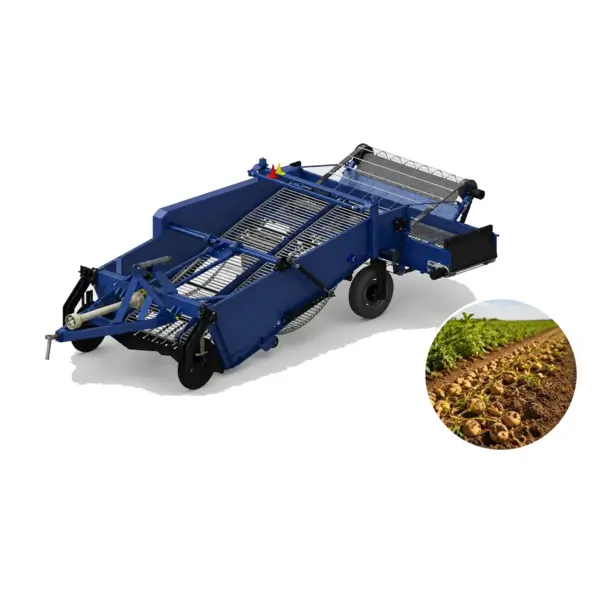
"مصممة لتلبية متطلبات المنتجين الأكثر تطلبًا." تعمل سلسلة EP-AWB-1600 المقطورة في 5-10 كم/ساعة — تصل سرعتها إلى ضعف سرعة النسخة المثبتة — حيث تحصد صفين في كل تمريرة مع نفس التعامل اللطيف مع الشبكة.
هل تحتاج إلى أقصى إنتاجية؟ EP-AWB-3200 سيارة الحصاد 4 صفوف في وقت واحد بسرعة تصل إلى 10 كم/ساعة على جرار بقوة 140 حصانًا - وهي الآلة ذات أعلى إنتاجية في خط حصاد البطاطس واتانابي.
للمنتجين الأكثر تطلبًا - السرعة، النطاق، الأداء
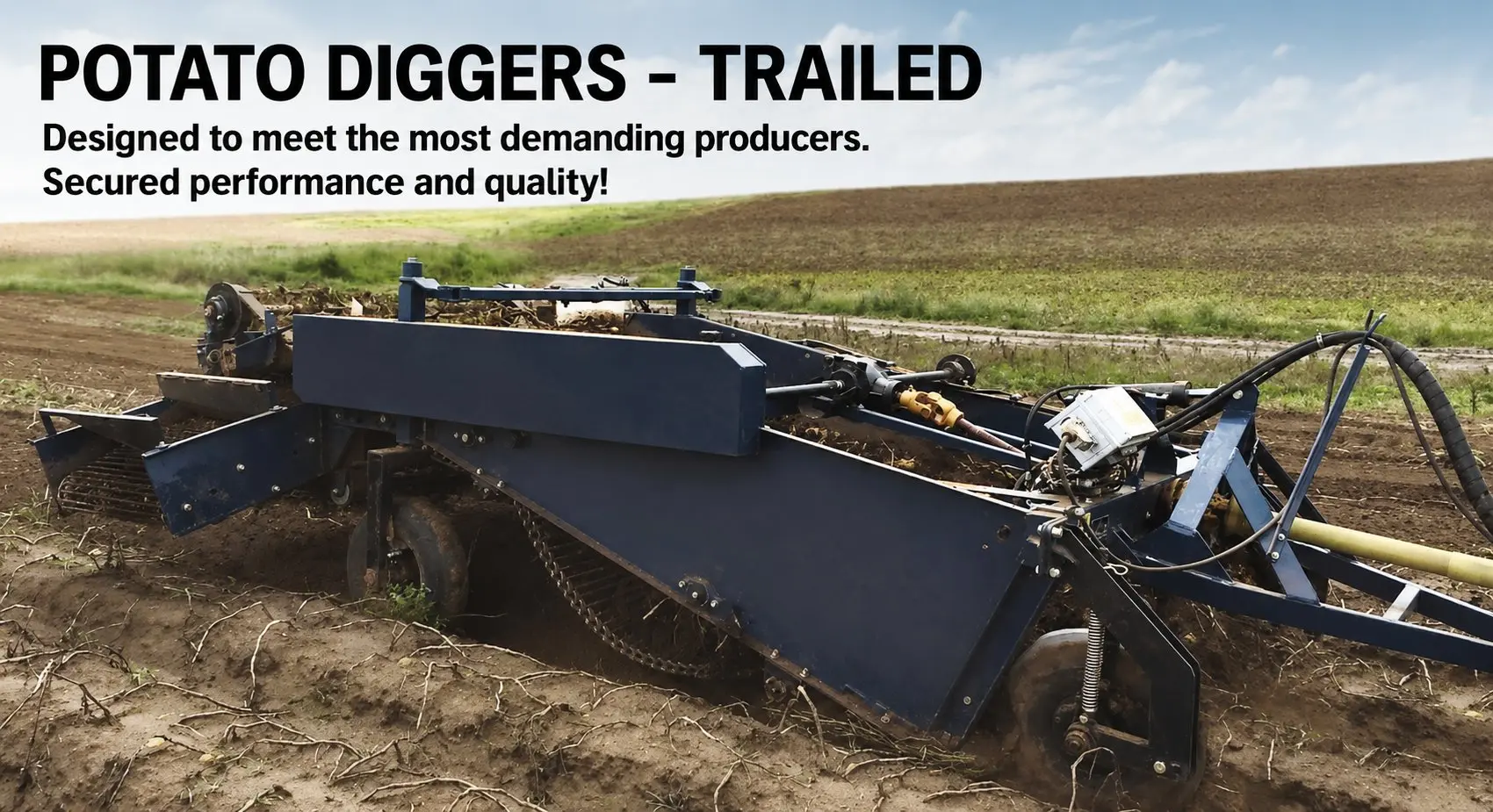
يصف واتانابي هذه السلسلة بوضوح: "مصممة لتلبية متطلبات المنتجين الأكثر تطلبًا. أداء وجودة مضمونة." تم تصميم مجموعة حفارات البطاطس المقطورة EP-AWB-1600 - التي تغطي متغيرات AAR وBAR وCAR - وEP-AWB-3200 CAR ذات الأربعة صفوف للعمليات التي لا يكون فيها السؤال ما إذا كانت الآلة قادرة على القيام بالمهمة، ولكن كم هكتارًا يمكنها معالجتها في يوم حصاد واحد.
الفرق الجوهري عن سلسلة EP-AWB-1600 المركبة السرعة هي العامل الحاسم. فبينما تعمل النسخ المركبة بسرعة 3-5 كم/ساعة على وصلة ثلاثية النقاط من الفئة 2، تعمل النماذج المقطورة بسرعة 3-5 كم/ساعة. 5-10 كم/ساعة بفضل وصلة قضيب السحب، يتضاعف معدل تغطية الحقل فعليًا لنفس التكوين ذي الصفين. عند سرعة 8 كم/ساعة وبمسافة 60 سم بين الصفوف، تغطي الآلة المقطورة ذات الصفين مساحة تقارب 0.96 هكتار لكل ساعة إنتاجيةتضاعف عربة الركاب EP-AWB-3200، ذات الصفوف الأربعة بنفس السرعة، ذلك مرة أخرى إلى ما يقارب 1.92 هكتار في الساعة — ما يقارب أربعة أضعاف إنتاجية النموذج الأساسي المُثبَّت.
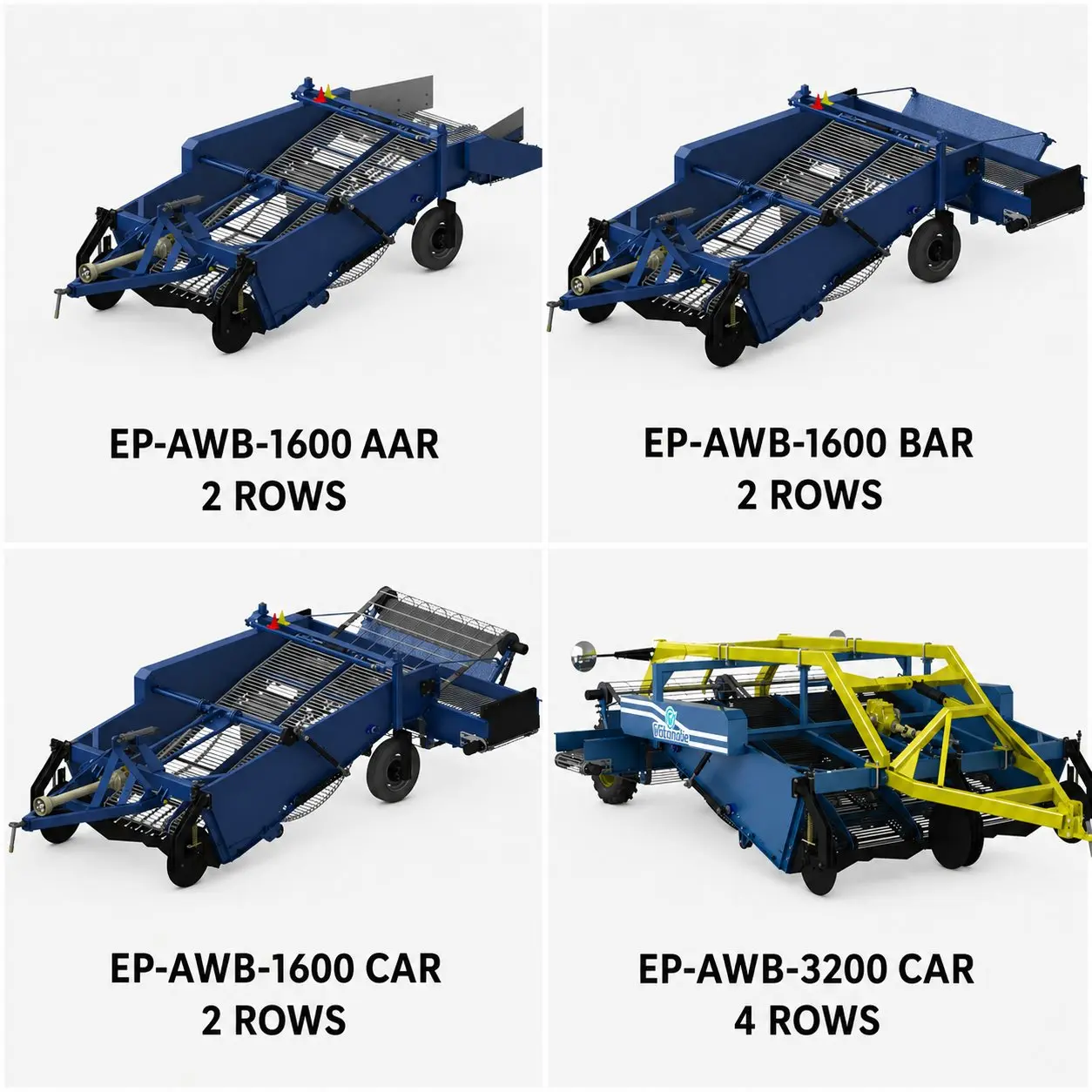
هذه هي النماذج الأربعة في المجموعة التجريبية:
▶ EP-AWB-1600 AAR
1150 كجم, 95 حصان الحد الأدنى، بدون صمامات هيدروليكية. الطراز المقطور للمبتدئين - أبسط تكوين، متوافق مع المجموعة أ (التفريغ المركزي). خيار جيد عندما لا يكون التفريغ الجانبي أو فصل السيقان مطلوبًا.
▶ EP-AWB-1600 بار شائع
1350 كجم, 95 حصان دقيقة، صمامان هيدروليكيانالطراز الأكثر شيوعًا ذو الصفين المقطور - يدعم جميع خيارات المجموعة الثلاثة. يُعد التفريغ الجانبي (المجموعة ب) الإعداد الأكثر شيوعًا للمزارع التي تستخدم مقطورة بجانبها.
▶ EP-AWB-1600 سيارة
1500 كجم, 95 حصان دقيقة، صمامان هيدروليكيان. أثقل نسخة مقطورة ذات صفين - التكوين الأكثر قوة للاستخدام الموسمي عالي الكثافة، والتربة الحجرية، والعمليات التي تتطلب المجموعة ج (الجانبية + شبكة ديفينر).
▶ EP-AWB-3200 سيارة — 4 صفوف
3000 كجم, 140 حصان آلة حصاد البطاطس ذات السعة الأعلى من واتانابي (منذ عام 1996) — 4 صفوف لكل تمريرة، 5-10 كم/ساعة. للمزارع التجارية الكبيرة والتعاونيات والمقاولين الذين يتعاملون مع أكثر من 30 هكتارًا في الموسم حيث تكون إنتاجية الحصاد هي القيد الأساسي.
تشترك جميع الطرازات الأربعة في نفس محرك PTO بسرعة 540 دورة في الدقيقة، ونفس نطاق سرعة العمل من 5 إلى 10 كم/ساعة، ونفس آلية النقل السلسة الأساسية التي تُعرّف فلسفة تصميم حفارات البطاطس من واتانابي. ويكمن الاختلاف في الوزن، ومتطلبات الصمام الهيدروليكي، وعدد الصفوف، وقوة الجرار المستخدمة. ويُتيح تصميم الجرار نفسه - حيث يتم تثبيت قضيب الجر على عجلات الآلة نفسها بدلاً من حملها على وصلة الجر من الفئة الثانية للجرار - السرعة العالية: إذ تتبع الآلة الجرار بسلاسة على محورها الأرضي بدلاً من نقلها على وصلة الجر على ارتفاع يحد من سرعة التشغيل.
المواصفات الفنية - سلسلة حفارات البطاطس المقطورة EP
مُقدَّم في جدولين: نماذج المقطورة ذات الصفين (AAR/BAR/CAR) ونماذج EP-AWB-3200 CAR ذات الأربعة صفوف. جميع البيانات مأخوذة من كتيب منتجات واتانابي الرسمي. لاحظ عمود صمام التحكم - فهو يُحدد توافق المجموعة، تمامًا كما هو الحال في السلسلة المُركَّبة.
الجدول 1 - EP-AWB-1600 AAR / BAR / CAR (مقطورة ذات صفين)
| البيانات الفنية | EP-AWB-1600 AAR | EP-AWB-1600 بار | EP-AWB-1600 سيارة |
|---|---|---|---|
| الوزن والتكوين | |||
| وزن | 1150 كجم | 1350 كجم | 1500 كجم |
| عدد الصفوف | 2 | 2 | 2 |
| نوع التركيب | قضيب السحب / المقطورة | قضيب السحب / المقطورة | قضيب السحب / المقطورة |
| متطلبات الجرارات | |||
| قوة المحرك (بالدقائق) | 95 حصان | 95 حصان | 95 حصان |
| سرعة إدخال PTO | 540 دورة في الدقيقة | 540 دورة في الدقيقة | 540 دورة في الدقيقة |
| صمامات التحكم المطلوبة | — | 2 | 2 |
| سرعة العمل | 5-10 كم/ساعة | 5-10 كم/ساعة | 5-10 كم/ساعة |
الجدول 2 - سيارة EP-AWB-3200 (ذات 4 صفوف)
| البيانات الفنية | EP-AWB-3200 سيارة |
|---|---|
| وزن | 3000 كجم |
| عدد الصفوف | 4 |
| نوع التركيب | قضيب السحب / المقطورة |
| قوة المحرك (بالدقائق) | 140 حصان |
| سرعة إدخال PTO | 540 دورة في الدقيقة |
| صمامات التحكم المطلوبة | — |
| سرعة العمل | 5-10 كم/ساعة |
ⓘ cv = القدرة الحصانية المترية. 95 cv ≈ 93.6 حصان؛ 140 cv ≈ 138 حصان. صمام التحكم EP-AWB-3200 CAR مُحدد في حقله بـ "—" وفقًا لكتيب واتانابي — يُرجى التأكد من تكوين التفريغ قبل البيع. تقديرات الإنتاجية (بمسافة 60 سم بين الصفوف، وسرعة 8 كم/ساعة): 2 صف مجرورة ≈ 0.96 هكتار/ساعة؛ EP-AWB-3200 CAR ≈ 1.92 هكتار/ساعة. يعتمد الإنتاج الفعلي على ظروف الحقل، ومنعطفات نهاية الحقل، ومتطلبات فصل التربة.
تكوينات المجموعة الاختيارية - سلسلة المقطورات
| عدة | ما يضيفه | الطرازات المتوافقة |
|---|---|---|
| المجموعة أ | الموقع الثاني - مركز الخروج | AAR، BAR، CAR |
| مجموعة ب | الشبكة الثانية - إفرازات جانبية | البار والسيارة فقط (صمامان) |
| مجموعة ج | تصريف جانبي + شبكة ديفينر | البار والسيارة فقط (صمامان) |
كيف تحقق سلسلة المقطورات سرعة أعلى دون التضحية بالرقة
لماذا يتفوق الحصان المتخلف عن الركب على الحصان الراكب؟ - فيزياء السرعة العالية في الميدان
تُحمل أداة ثلاثية النقاط مثبتة على وصلة الجرار الخلفية، حيث تستقر الآلة فوق الأرض على هيكل الجرار نفسه. عند السرعات الأمامية العالية، تتعرض الآلة المثبتة على وصلة الجرار لاهتزاز رأسي متزايد أثناء عبور الجرار أرضًا غير مستوية: ترتد الآلة على وصلة الجرار، وترتفع الشفرة عن قاع التل ثم تغوص فيه مجددًا، مما ينتج عنه عمق حفر غير منتظم وتلف أكبر للدرنات. لهذا السبب، تُحدد سلسلة EP-AWB-1600 المثبتة بسرعة تتراوح بين 3 و5 كم/ساعة، ففوق هذا النطاق، تتأثر دقة العمل.
تتميز الآلة المقطورة بعجلاتها الخاصة التي تتبع الأرض، والتي تحمل وزنها بشكل مستقل عن الجرار. فعندما يعبر الجرار تلة في الحقل، تمتص عجلات الآلة المقطورة التموجات عند نقطة مختلفة على طول الهيكل، مما يقلل بشكل كبير من الحركة الرأسية المنتقلة إلى الشفرة والشبكة. هذا الثبات في تتبع الأرض هو ما يسمح لهذه السلسلة المقطورة بالعمل بكفاءة عالية بسرعة تتراوح بين 5 و10 كم/ساعة، حيث تبقى الآلة على اتصال دائم بتضاريس التلة عند هذه السرعة لأنها تتبع الأرض بدلاً من أن تُحمل فوقها.
والنتيجة عمليًا: عند سرعة 8 كم/ساعة باستخدام آلة EP-AWB-1600 BAR في حقل مزروع بصفين بمسافة 60 سم بين الصفوف، يمكن لمشغل واحد تغطية ما يقارب 0.96 هكتار لكل ساعة إنتاجية من حيث وقت التنقل في الحقل. ينتج عن يوم حصاد مدته ثماني ساعات - مع الأخذ في الاعتبار الانعطافات عند نهاية الحقل والتوقفات القصيرة - عادةً ما بين 6 و8 هكتارات من المساحة المحصودة. بالنسبة للمزارع التي تخطط لحصاد متعدد الأيام لمساحة بطاطس تتراوح بين 20 و30 هكتارًا خلال فترة جوية ضيقة، فإن مستوى الإنتاج هذا هو ما يحدد ما إذا كان الحصاد سيتم في الوقت المحدد أم سيواجهون عاصفة جوية أخرى.
نظام ناقل الويب - السرعة دون تلف
يعتمد تصميم ناقل الشبكة في السلسلة المقطورة على نفس مبدأ القضبان المرنة المستخدم في النسخ المثبتة - قضبان فولاذية صلبة بمسافات ثابتة تسمح للتربة بالانزلاق بينما تتحرك الدرنات للخلف لتفريغها. وتعني سرعة التشغيل الأعلى في السلسلة المقطورة وصول كمية أكبر نسبيًا من مواد التلال إلى الشبكة في وحدة الزمن: فعند سرعة 8 كم/ساعة مقابل 4 كم/ساعة، تتعامل الشبكة الرئيسية مع ضعف معدل تدفق المواد.
يتغلب واتانابي على هذه المشكلة بتحديد طول ناقل الشبكة والمسافة بين القضبان بما يتناسب مع معدل نقل المواد الأعلى في السلسلة المقطورة. يبلغ طول الشبكة حدًا كافيًا لضمان مرور التربة ووصول الدرنات إلى نقطة التفريغ خلال فترة زمنية كافية - أي الفترة التي تقضيها كل وحدة من مواد التلال المرفوعة على سطح الشبكة المتحرك - حتى مع سرعة التشغيل العالية. أما نصف قطر حافة القضيب ومواصفات تشطيب السطح التي تحدد خاصية "عدم إتلاف البطاطس" في السلسلة المركبة، فتُطبق على النسخ المقطورة دون تغيير.
المجموعة أ، والمجموعة ب، والمجموعة ج - نفس الخيارات، سياق أسرع
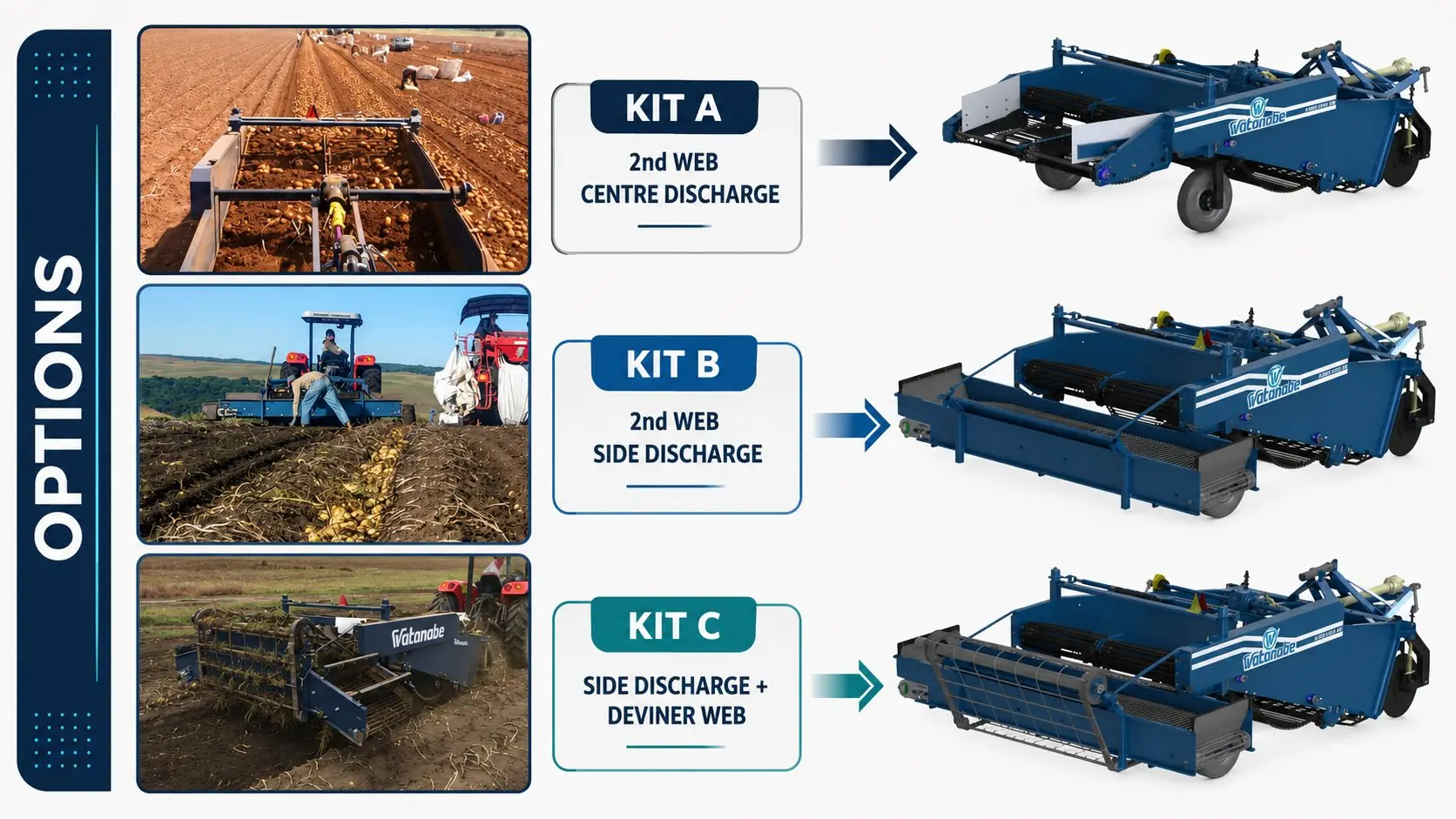
تعمل خيارات مجموعة التفريغ الثلاثة المتوفرة في سلسلة المقطورات بنفس طريقة عملها في النسخ المركبة: توفر المجموعة (أ) صفًا مركزيًا، وتوجه المجموعة (ب) الدرنات إلى صف جانبي أو مباشرة إلى مقطورة موازية، وتضيف المجموعة (ج) شبكة فصل السيقان قبل التفريغ الجانبي. ونظرًا لسرعة التشغيل العالية لسلسلة المقطورات، فإن اختيار المجموعة يؤثر بشكل مباشر على جدولة العمل.
- المجموعة ب (تفريغ جانبي في المقطورة) يُعدّ هذا التكوين الأكثر شيوعًا في العمليات التجارية التي تستخدم نظام الجرارات المقطورة، إذ تسمح السرعة الأمامية العالية للمقطورة التالية بالبقاء بجانبها باستمرار، واستقبال تدفق ثابت من الدرنات المحصودة دون الحاجة للتوقف لجمعها. هذا هو سير العمل الذي يجعل نظام الجرارات المقطورة أسرع فعليًا من البداية إلى النهاية، وليس فقط أسرع في مرحلة الحفر.
- مجموعة C (جانبية + كاشفة) يُفضّل استخدام هذه الطريقة عند حصاد الأصناف ذات الغطاء النباتي الكثيف، لا سيما في موسم الربيع في مقاطعة غانغوون، حيث قد تكون الكروم لا تزال خضراء جزئيًا. عند سرعة تتراوح بين 8 و10 كيلومترات في الساعة، يكون حجم مواد الكروم في الساعة كبيرًا، كما أن قيام شبكة آلة فصل الكروم بفصلها ميكانيكيًا بدلًا من تركها للفرز اليدوي عند صفوف الحصاد يوفر جهدًا أكبر نسبيًا مقارنةً بالسرعات المنخفضة للآلات المثبتة.
- المجموعة أ (تفريغ مركزي) يناسب هذا النظام العمليات التي يتم فيها الجمع في جولة ثانية - حيث تتبع رافعة أو جامع التربة مسار الحفارة. وهو أقل شيوعًا في عمليات التعاقد، ولكنه عملي للمزارع التي يديرها أصحابها والتي تتمتع بجدولة حصاد مرنة.
لماذا تناسب سلسلة المقطورات عمليات زراعة البطاطس الكورية واسعة النطاق؟
■ مضاعفة سرعة السلسلة المركبة
تتراوح سرعة الآلة المقطورة ذات الصفين بين 5 و10 كم/ساعة مقابل 3 إلى 5 كم/ساعة للنسخة المركبة. عند سرعة 8 كم/ساعة، تغطي الآلة المقطورة ذات الصفين نفس المساحة في نصف وقت العمل في الحقل، ما يعني مساحة أكبر يوميًا، أو نفس المساحة بساعات تشغيل أقل للجرار. بالنسبة للعمليات التي يُقاس فيها موسم الحصاد بالأيام لا بالأسابيع، فإن هذا الفرق في الإنتاجية له قيمة موسمية حقيقية.
■ سيارة EP-AWB-3200 — 4 صفوف بسرعة 10 كم/ساعة
تُعدّ آلة حصاد البطاطس EP-AWB-3200 CAR ذات الصفوف الأربعة الأعلى إنتاجيةً ضمن مجموعة واتانابي. فبسرعة 8 كم/ساعة ومسافة 60 سم بين الصفوف، تُغطي ما يقارب 1.92 هكتار في الساعة الإنتاجية، أي ما يُعادل أربعة أضعاف إنتاجية الحفارة الأساسية المُثبّتة. بالنسبة للعمليات التجارية التي تزيد مساحتها عن 30 هكتارًا، تُتيح هذه الآلة إمكانية تحقيق جدول حصاد مُحكم.
■ ثبات تتبع الأرض عند السرعة
تمتص عجلات الجرار الأرضية تضاريس الأرض بشكل مستقل عن الجرار، مما يحافظ على تلامس الشفرة مع سطح الأرض حتى عند السرعات العالية. هذا الثبات هو ما يسمح بالتشغيل بسرعة تتراوح بين 5 و10 كم/ساعة مع الحفاظ على دقة الحفر - وهو أمر لا يمكن تحقيقه عمليًا بواسطة آلة مثبتة على وصلة الجرار بنفس السرعة على تربة المرتفعات الكورية غير المستوية.
■ مناسب للعمليات التعاقدية والتعاونية
يحتاج مقاولو الآلات الزراعية الذين يحصدون محاصيل مزارع متعددة خلال موسم زراعي قصير إلى إنتاجية يومية عالية قبل كل شيء. صُممت كل من آلة الحصاد EP-AWB-1600 BAR/CAR المزودة بمجموعة الأدوات B وآلة الحصاد EP-AWB-3200 CAR وفقًا لهذا النمط التشغيلي - أقصى مساحة محصودة يوميًا، ومتانة كافية للاستخدام المتواصل لعدة مواسم، مع توفر قطع الغيار من خلال شبكتنا المحلية في كوريا.
■ تصميم مواقع ويب منخفض الضرر
لا تعني السرعة العالية بالضرورة زيادة الضرر، إذ تُحدد شركة واتانابي طول ناقل الشبكة وخصائص الفصل في سلسلة الحصادات المقطورة لضمان معدل إنتاجية أعلى للمواد. وينطبق مبدأ التصميم "دون إتلاف البطاطس" الذي يميز عائلة EP-AWB على الطرازات المقطورة أيضًا. فالحصاد الأسرع لا ينبغي أن يؤثر سلبًا على جودة المنتج في مصنع الرقائق أو في السوق.
أين تُستخدم آلة حفر البطاطس المقطورة
🌿 مزارع بطاطس تجارية كبيرة — موسم مرتفعات غانغوون-دو
تواجه مزارع البطاطس التجارية التي تتراوح مساحتها بين 20 و50 هكتارًا فأكثر - والتي تُدار إما من قِبل مالك واحد أو بموجب عقود توريد لمصانع رقائق البطاطس أو موزعي الأسواق الطازجة - ضغطًا شديدًا فيما يتعلق بتوقيت الحصاد، وهو أكبر ضغط من أي نوع آخر من أنواع إنتاج البطاطس في كوريا. يُحدد موسم حصاد البطاطس الربيعي في مقاطعة غانغوون، والذي يمتد من أواخر يونيو إلى يوليو، من جهة بنضج الدرنات وتكوين القشرة، ومن جهة أخرى بحرارة الصيف وانتشار الأمراض واقتراب موسم الأمطار. إن تفويت هذا الموسم يعني حصاد محصول غير ناضج، بينما يعني تفويته حصاد محصول تالف.
تُتيح آلة الحصاد EP-AWB-1600 BAR أو CAR المزودة بالطقم B لهذه العمليات حصاد مساحة يومية واقعية تتراوح بين 8 و12 هكتارًا لآلة واحدة ومشغل واحد، وهو ما يكفي لحصاد قطعة أرض مساحتها 25 هكتارًا خلال ثلاثة أيام عمل، بافتراض ظروف حقلية مناسبة وأكثر من 8 ساعات عمل إنتاجية يوميًا. بالنسبة للمزارع التي تتطلب حصاد قطعتين أو ثلاث قطع أرض تتراوح مساحة كل منها بين 10 و15 هكتارًا بالتتابع مع الحد الأدنى من مخاطر الطقس بينها، فإن مستوى الإنتاجية هذا يوفر ثقة في الجدول الزمني لا يمكن أن توفرها حفارة محمولة بسرعة 3-5 كم/ساعة.
🌻 عقود توريد الآلات الزراعية للحصاد
شهد قطاع استئجار الآلات الزراعية في إنتاج البطاطس في كوريا نموًا ملحوظًا خلال العقد الماضي، مدفوعًا بشيخوخة القوى العاملة الزراعية وجدوى الميكنة الاقتصادية. يحتاج مشغلو الحصاد المتعاقدون - الذين يديرون عادةً آلة أو اثنتين في عشر مزارع أو أكثر خلال موسم الحصاد الواحد - إلى إنتاج يومي مرتفع بما يكفي لتبرير الاستثمار في الآلات والتكاليف اللوجستية للتنقل بين المزارع.
تُعدّ سلسلة الجرارات المقطورة، وخاصة طرازَي BAR وCAR المزودين بنظام التفريغ الجانبي Kit B، التكوينَ الأمثل لعمليات الحصاد التعاقدية. فالتفريغ الجانبي في مقطورة موازية مملوكة للعميل يُغني عن الحاجة إلى عملية جمع منفصلة؛ إذ يقوم المشغل بتشغيل الحفارة، ويتبعه العميل بمقطورة، وتُنقل البطاطس المحصودة مباشرةً إلى المخزن أو إلى مركبة الجمع المنتظرة. وبسرعة تتراوح بين 8 و10 كيلومترات في الساعة، يستطيع مشغل حصاد تعاقدي واحد خدمة 2-3 مزارع متوسطة الحجم خلال يوم حصاد طويل.
🍋 EP-AWB-3200 CAR — أقصى إنتاجية لأكبر العمليات
تستهدف آلة حصاد البطاطس EP-AWB-3200 CAR ذات الصفوف الأربعة أعلى مستويات إنتاج البطاطس التجارية في كوريا، أي المزارع التي تبلغ مساحتها 40 هكتارًا فأكثر، والعمليات التعاونية واسعة النطاق، والشركات الزراعية التي تتجاوز مساحاتها المزروعة قدرة أي آلة ذات صفين على إتمام موسم الحصاد. عند سرعة 8 كم/ساعة وتغطية 4 صفوف، تحصد آلة EP-AWB-3200 CAR ما يقارب 1.92 هكتارًا في الساعة الإنتاجية الواحدة بمسافة 60 سم بين الصفوف. ينتج عن يوم عمل مدته ثماني ساعات حصاد ما بين 12 و15 هكتارًا، ويمكن إتمام حصاد مساحة 40 هكتارًا في غضون ثلاثة أيام عمل في ظل ظروف جيدة.
يُعدّ شرط قوة الجرار البالغة 140 حصانًا أمرًا بالغ الأهمية، فهو يُمثّل نفس الحد الأدنى لقوة جرار زراعة البطاطس EP-PAI-480-AR، ما يعني أن المزارع التي تستخدم بالفعل جرارًا كبيرًا للزراعة تمتلك بالفعل القدرة اللازمة لحصاد البطاطس باستخدام جرار EP-AWB-3200 CAR. يُحقق نظام الزراعة والحصاد المتوافق، بنفس مستوى الطاقة وعدد الصفوف (4 صفوف)، اتساقًا تشغيليًا حقيقيًا طوال الموسم.
مركبة أم مقطورة - وأي طراز مقطورة؟
القرار الأول هو تحديد ما إذا كانت السلسلة المركبة أو المقطورة هي الأنسب لعملياتك. توضح المقارنة أدناه العوامل الرئيسية:
| عامل | مُثبّت (AWB-1600) | مُجرَّر (AWB-1600 AAR/BAR/CAR) |
|---|---|---|
| سرعة العمل | 3-5 كم/ساعة | 5-10 كم/ساعة |
| التركيب | وصلة ثلاثية النقاط من الفئة الثانية | قضيب السحب / العجلات المقطورة |
| جرار صغير | ابتداءً من 75 حصانًا | ابتداءً من 95 حصانًا |
| مقياس مناسب | تصل المساحة إلى حوالي 20 هكتارًا في الموسم الواحد | أكثر من 20 هكتارًا في الموسم الواحد |
| نوع الحقل | متراصة، متدرجة، شديدة الانحدار | أرض مفتوحة، مسطحة إلى متوسطة الانحدار |
| الأفضل لـ | مزرعة عائلية، رؤوس حقول ضيقة | مزرعة تجارية، مقاول |
إذا كنت قد قررت اختيار السلسلة التي تم سحبها، فاستخدم هذا الدليل لاختيار النسخة المناسبة من السلسلة التي تم سحبها:
| متطلباتك | أفضل خيار | مجموعة (مجموعات) متوافقة |
|---|---|---|
| 95 حصان، بدون صمامات هيدروليكية، يلزم فقط المجموعة أ | تقرير ما بعد الحدث | المجموعة أ فقط |
| 95 حصان، مطلوب تفريغ جانبي في المقطورة | حاجِز | المجموعة أ، أو ب، أو ج |
| 95 حصان، فصل السيقان مطلوب، استخدام شاق | سيارة | المجموعة أ، أو ب، أو ج (المجموعة ج هي الخيار الموصى به) |
| 140 حصان، 4 صفوف، مشروع تجاري كبير أو مشروع مقاولات | AWB-3200 سيارة | يرجى التأكيد قبل بدء البيع |
⚠ تحقق من سعة قضيب السحب للجرار قبل طلب سيارة AWB-3200
بوزن فارغ يبلغ 3000 كجم، وقدرته على السحب في تربة بطاطس ثقيلة بسرعة تتراوح بين 5 و10 كم/ساعة، يُحمّل جرار EP-AWB-3200 CAR الجرار بحمل كبير على قضيب السحب. قبل تأكيد هذا الطراز، يُرجى التحقق من سعة السحب المقدرة لجرارك وقدرة عمود إدارة الطاقة (PTO) عند الحمل التشغيلي. يُشير الحد الأدنى الموصى به وهو 140 حصانًا إلى الحمل التشغيلي الكامل، وليس فقط الجرار فارغًا. تواصل معنا لتزويدنا بتفاصيل طراز جرارك، وسنؤكد التوافق قبل إتمام الطلب.
الخطوة 7 - خيار الحصاد عالي الإنتاجية
وكما هو الحال مع المركبة EP-AWB-1600، فإن السلسلة المقطورة تشغل الخطوة 7 — المرحلة الأخيرة في سلسلة إنتاج بطاطس واتانابي الكاملة. يكمن الاختلاف في حجم الإنتاج. إليكم سلسلة الخطوات السبع كاملةً:
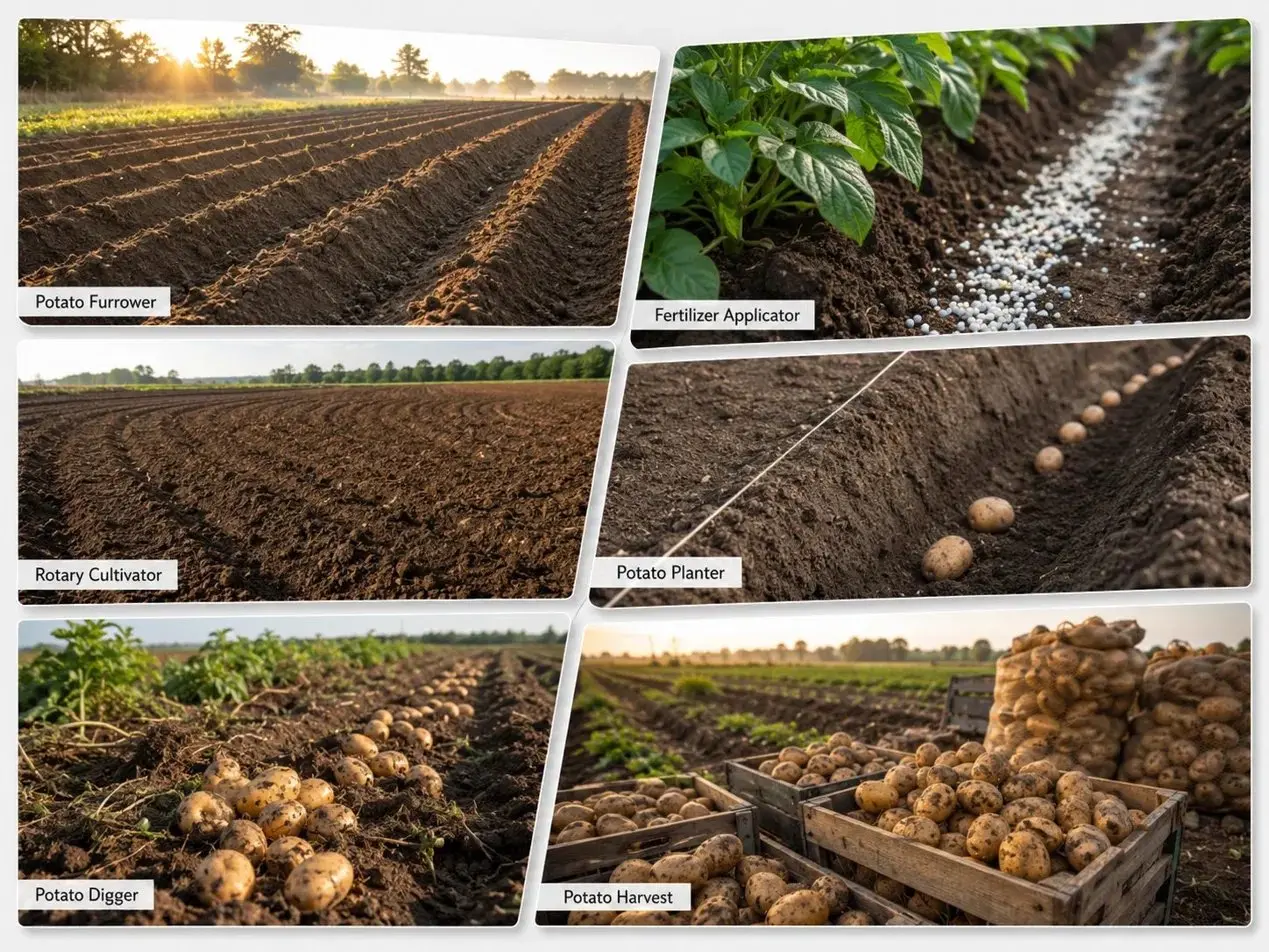
إزالة الأحجار — مجرفة الصخور EP-EW-4000
3.6 متر، من 75 حصان
الحراثة الأولية — المحراث الدوار PSW-3200
3.0–3.6 متر، 140 حصان
فتح الأخدود — EP-R-380 / EP-R-580
3 أو 5 صفوف، من 75 حصانًا
التسميد الأساسي — EP-ADB-380 / EP-ADB-480
350 كجم/صف، 8-10 كم/ساعة
الزراعة — EP-PAI-2100 / EP-PANTHER
بذور + سماد + مبيد حشري.
منتصف الموسم — محراث دوار من طراز EP-ERA
تكثيف التربة + التسميد + مكافحة الأعشاب الضارة. يكرر من مرتين إلى ثلاث مرات.
سلسلة الحفارات المقطورة عالية السرعة أنت هنا
مقطورة ذات صفين (5-10 كم/ساعة، 95 حصان) أو سيارة AWB-3200 ذات 4 صفوف (5-10 كم/ساعة، 140 حصان).
لست متأكدًا مما إذا كنت سأختار مثبت EP-AWB-1600 أو هذه السلسلة الترويجية؟ تواصل معنا شركة كوريا واتانابي لتصنيع جرارات تكسير الصخور المحدودة سنقوم بمراجعة منطقة زراعة البطاطس الخاصة بك، وأسطول الجرارات، والجدول الزمني الموسمي لتحديد الخيار الذي يوفر الملاءمة التشغيلية الأفضل لوضعك المحدد.
صُممت خصيصًا للمنتجين الأكثر تطلبًا - جودة واتانابي منذ عام 1970

تمثل سلسلة حفارات البطاطس المقطورة الفئة العليا من مجموعة واتانابي لحصاد البطاطس، وهي آلات مصممة للاستخدام الموسمي المكثف على مساحات واسعة، موسمًا بعد موسم. ويعكس بيان "الأداء والجودة المضمونة" الوارد في الكتيب معيارًا هندسيًا يراعي هذا المطلب. فقد صُممت لحامات الإطار، وتركيب الشفرات، ومواصفات قضبان الشبكة، وبنية عمود نقل الحركة، جميعها لتحمل الأحمال الديناميكية العالية التي تتراوح بين 5 و10 كم/ساعة عند التشغيل في التربة الصخرية الجبلية.
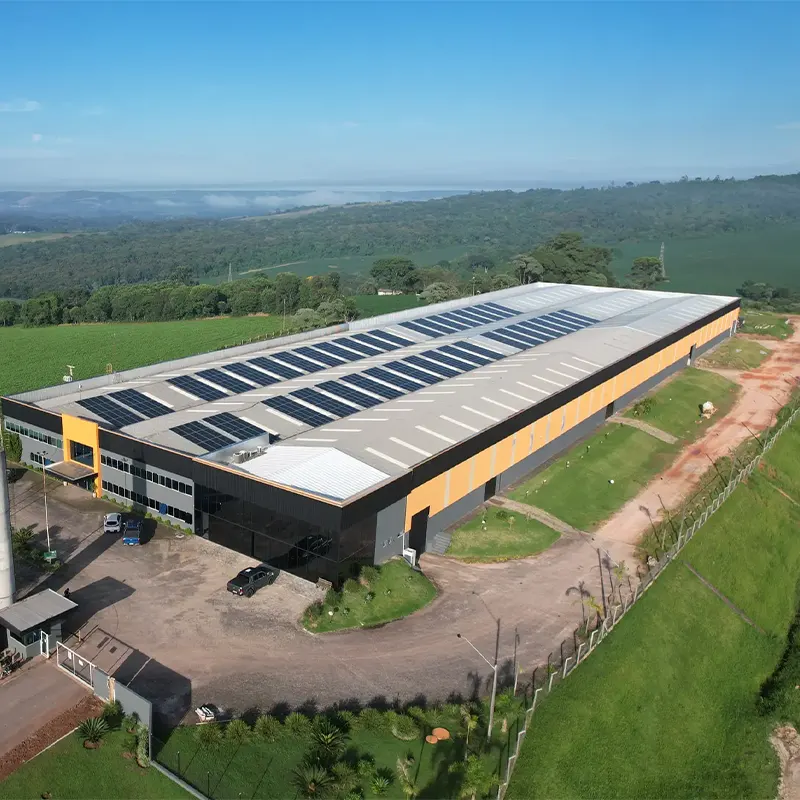
بالنسبة لآلة حصاد البطاطس EP-AWB-3200 CAR تحديدًا، فإن وزنها البالغ 3000 كجم، وسرعتها العالية في تربة البطاطس، تفرض ضغطًا هيكليًا كبيرًا على جميع مكوناتها. وتعكس مواصفات واتانابي لهذه الآلة متطلبات الاستخدام التجاري عالي الإنتاجية في الحصاد، وليس المتطلبات الأقل صرامة للمزارع العائلية الصغيرة. ويحتفظ فرع الشركة في كوريا بمخزون من قطع الغيار الأساسية المقاومة للتآكل، والمخصصة تحديدًا لطرازات AWB المقطورة.
✓ فحص توافق الجرار قبل البيع
نقوم بالتحقق من سعة قضيب السحب، وتوصيل طاقة PTO، وتوافر الصمام الهيدروليكي مقابل طراز الجرار المحدد الخاص بك قبل تقديم الطلب - وهو أمر مهم بشكل خاص بالنسبة لـ EP-AWB-3200 CAR نظرًا لمتطلبات حمل قضيب السحب العالية عند 140 حصانًا.
✓ قضبان وشفرات الويب متوفرة في المخزون
تتوفر قطع الغيار الاستهلاكية الشائعة لسلسلة AWB المقطورة محلياً في مدينة أنسان. بالنسبة للمشغلين المتعاقدين الذين لا يستطيعون تحمل توقف العمل في منتصف الموسم، يُنصح بإجراء فحص ما قبل الموسم وطلب قطع الغيار من خلال شبكتنا في كوريا كإجراء قياسي.
✓ تكوين المجموعة في مرحلة الطلب
كما هو الحال مع السلسلة المركبة، يجب تحديد مجموعة التفريغ عند الطلب. نتأكد من توافق الطراز مع المجموعة وعدد صمامات النظام الهيدروليكي في جرارك قبل إتمام الطلب لتجنب أكثر حالات عدم التوافق شيوعًا.
الأسئلة الشائعة – سلسلة EP Trailed Potato Digger
ما هي الميزة الرئيسية للسلسلة المقطورة مقارنة بالسلسلة المركبة EP-AWB-1600؟
سرعة العمل: ٥-١٠ كم/ساعة مقابل ٣-٥ كم/ساعة للنسخة المُركبة، ما يُضاعف فعلياً تغطية الحقل اليومية. تسير الآلة المقطورة على عجلاتها الأرضية بدلاً من أن تُحمل على وصلة الجر الخلفية للجرار، مما يوفر الثبات اللازم للحفاظ على عمق شفرة ثابت وجودة فصل جيدة للشبكة عند السرعات العالية. بالنسبة للعمليات التي تُمثل فيها المساحة الإجمالية المحصودة يومياً قيداً أساسياً، فإن ميزة السرعة هذه تُحدد بشكل مباشر إمكانية إتمام الحصاد خلال الفترة الموسمية.
ماذا تعني كلمة "مقطورة" بالنسبة لوصلة الجرار؟
تتصل الآلة المقطورة بالجرار عبر وصلة قضيب السحب - وهي وصلة دبوسية عند نقطة قضيب السحب الخلفي للجرار، وليست وصلة ثلاثية النقاط. تتحرك الآلة على عجلاتها الأرضية الخاصة ويتم سحبها خلف الجرار بدلاً من رفعها وحملها على وصلة السحب. لا يزال عمود نقل الحركة متصلاً بعمود نقل الحركة الخلفي للجرار كما هو الحال في الآلات المركبة. تأكد من أن جرارك مزود بقضيب سحب خلفي يعمل بكفاءة وبسعة مناسبة لوزن الآلة قبل الطلب.
ما الفرق بين AAR و BAR و CAR؟
جميعها حفارات مجرورة ثنائية الصفوف تعمل بسرعة 5-10 كم/ساعة، بقوة 95 حصان كحد أدنى، وسرعة دوران عمود إدارة الطاقة 540 دورة في الدقيقة. يكمن الاختلاف بينها في الوزن ومتطلبات الصمامات الهيدروليكية: AAR (1150 كجم، بدون صمامات - المجموعة A فقط)، BAR (1350 كجم، صمامان - المجموعات A/B/C)، CAR (1500 كجم، صمامان - المجموعات A/B/C). تُمكّن متطلبات الصمامات الهيدروليكية في BAR وCAR من التفريغ الجانبي في المجموعة B وشبكة الحفر في المجموعة C. إذا كنت بحاجة إلى التفريغ الجانبي أو فصل السيقان، فيجب عليك اختيار BAR أو CAR.
هل يمكنني تحقيق سرعة 10 كم/ساعة في حقول البطاطس الكورية بشكل واقعي؟
تبلغ السرعة القصوى ضمن النطاق المحدد 10 كم/ساعة، ويمكن تحقيقها في الظروف المثالية: تربة مستوية وجاهزة، وارتفاع ثابت للتلال، وظروف خريفية جافة. في حصاد الربيع في المرتفعات الكورية ذات التربة الطينية الثقيلة، تتراوح سرعات العمل النموذجية بين 6 و8 كم/ساعة. ويتمثل النهج العملي في بدء كل حقل بسرعة معتدلة (6 كم/ساعة) وزيادتها إذا كانت جودة الفصل وحالة الدرنات في الصفوف مقبولة. صُممت الآلة للعمل ضمن نطاق السرعات الكامل من 5 إلى 10 كم/ساعة؛ ويقوم المشغل بضبط السرعة وفقًا لظروف اليوم.
ما نوع الجرار المطلوب لسيارة EP-AWB-3200 CAR؟
يتطلب جرار EP-AWB-3200 CAR قوة لا تقل عن 140 حصانًا عند عمود إدارة الطاقة (PTO) وقدرة سحب مناسبة لوزن الجرار. تشمل الجرارات الشائعة الاستخدام مع هذا الجرار في العمليات التجارية الكورية جرارات John Deere من سلسلتي 6M و6R (بقوة تتراوح بين 140 و180 حصانًا)، وجرارات New Holland من سلسلتي T6 وT7، وجرارات Kubota من سلسلة M7. تأكد من قدرة السحب وقوة عمود إدارة الطاقة (PTO) من خلال مراجعة مواصفات جرارك قبل الطلب - 140 حصانًا هي الحد الأدنى، والعمل في تربة طينية ثقيلة بأربعة صفوف بسرعة عالية سيستهلك جزءًا كبيرًا من هذه القدرة.
هل يؤثر اتصال قضيب السحب على الثبات في الحقول المنحدرة؟
يُعدّ تصميم الجرار المقطور مناسبًا عمومًا للمنحدرات المعتدلة إلى المتوسطة الشائعة في الأراضي الزراعية التجارية الكورية لزراعة البطاطس. أما في المنحدرات الأكثر انحدارًا، فإن وصلة قضيب الجر تعني أن الآلة تميل إلى اتباع الجرار بشكل أدق صعودًا وهبوطًا، مع هامش خطأ جانبي أوسع قليلًا عند المناورة في نهاية الحقل عبر المنحدر. وتُعدّ سلسلة الجرار المقطور أقل ملاءمة من النسخة المثبتة في الحقول المدرجة ذات المنعطفات الضيقة جدًا، حيث يتطلب الطول الإجمالي الأكبر للآلة (الجرار + قضيب الجر + الآلة) مساحة أكبر في نهاية الحقل. أما بالنسبة للحقول المدرجة في المرتفعات ذات النهايات الضيقة، فإن سلسلة EP-AWB-1600 المثبتة هي الخيار الأكثر عملية.
ما هي مساحة زراعة البطاطس التي تغطيها آلة الزراعة ذات الصفين المقطورة يومياً؟
بسرعة 8 كم/ساعة، وتغطية صفين، ومسافة 60 سم بين الصفوف، يبلغ معدل إنتاجية الحقل حوالي 0.96 هكتار في الساعة من العمل الفعلي. في يوم عمل مدته ثماني ساعات (مع الأخذ في الاعتبار الانعطافات عند نهاية الحقل، وتوقفات التعبئة/الجمع، والاستراحات العادية)، ينتج عادةً ما بين 6 و8 هكتارات محصودة في الظروف التجارية الكورية. وهذا يعادل تقريبًا ضعف الإنتاج اليومي لآلة الحصاد EP-AWB-1600 المركبة بسرعة 4 كم/ساعة. أما آلة الحصاد EP-AWB-3200 CAR، بنفس السرعة وتغطية أربعة صفوف، فتضاعف إنتاجية الحصاد بصفين مرة أخرى، لتصل إلى حوالي 12-15 هكتارًا يوميًا في الظروف الجيدة.
كيف تتم مقارنة جهاز EP-AWB-3200 CAR بحصادة البطاطس ذاتية الدفع؟
توفر حصادات البطاطس ذاتية الدفع - وهي آلات كبيرة مخصصة لوظيفة واحدة - إنتاجية قصوى، وغالبًا ما تتضمن خزانات وطاولات فرز مدمجة، ولكن بتكلفة شراء وتشغيل أعلى بكثير، بالإضافة إلى تعقيد لوجستي أكبر عند نقلها بين المزارع. تستخدم حصادة EP-AWB-3200 CAR جرارًا موجودًا بقوة 140 حصانًا كوحدة طاقة، مما يقلل بشكل كبير من الاستثمار الرأسمالي مع توفير إنتاجية حصاد تنافسية تجاريًا. بالنسبة للمزارع الكورية التي تتراوح مساحتها بين 30 و80 هكتارًا، يوفر استخدام المقطورة عادةً عائدًا أفضل على الاستثمار من الآلة ذاتية الدفع؛ أما بالنسبة للمزارع الكبيرة جدًا التي تزيد مساحتها عن 100 هكتار، فيُرجى مناقشة المفاضلات معنا عند الاستفسار.
ما هي أعمال الصيانة الموصى بها في نهاية الموسم للسلسلة المقطورة؟
بعد الحصاد: اغسل جميع الأتربة والمواد العضوية من الهيكل والشبكة والشفرة - تغطي الآلات المقطورة مساحة أكبر في الموسم الواحد مقارنةً بالآلات المركبة، وتتراكم عليها كمية أكبر من مخلفات التآكل. افحص كل قضيب من قضبان الشبكة بحثًا عن أي انحناء أو تشقق أو تآكل ملحوظ في الطرف. تحقق من وصلة قضيب السحب ودبوس الربط وسلسلة الأمان. افحص عمود نقل الحركة بحثًا عن أي تآكل، واستبدل الواقي إذا كان تالفًا. قم بتشحيم جميع نقاط التشحيم. اطلب أي قضبان أو شفرات بديلة في الخريف لتكون متوفرة قبل الموسم التالي. بالنسبة لطراز EP-AWB-3200 CAR تحديدًا، اطلب من فني مؤهل فحص لحامات الهيكل وأقواس تثبيت الشفرة في نهاية كل موسم كامل - حيث أن وزن التشغيل والسرعة العاليين يجعلان الإجهاد الهيكلي عاملًا أكثر أهمية من الطرازات الأخف وزنًا.
ما يقوله عملاؤنا
لي سانغ هيون - مزرعة بطاطس تجارية (أتلانتيك، 28 هكتارًا)، جيونغسون غون، غانغوون دو (صيف 2024)
★★★★★
قبل موسمين، قمنا بترقية نظام الحصاد من آلة AWB-1600 C المُثبتة إلى آلة EP-AWB-1600 BAR المزودة بمجموعة الأدوات B. كانت الآلة المُثبتة جيدة، لكننا لم نتمكن من حصاد 28 هكتارًا بسهولة ضمن الوقت المُحدد. تتميز آلة BAR بسرعة 8 كم/ساعة، حيث تُفرغ المحصول جانبيًا في مقطورتنا أثناء الحركة، وهذا هو التغيير الرئيسي في سير العمل. الآن، نحصد المزرعة بأكملها في ثلاثة أيام ونصف بدلًا من ستة. لاحظ مُشتري مصنع رقائق الخشب انخفاضًا ملحوظًا في تلف المحصول مقارنةً بالآلة السابقة، فالتعامل مع المحصول بسرعة عالية أسهل بكثير مما توقعت.
كيم بيونغ جين - مقاول آلات زراعية (AWB-3200 CAR)، بيونغتشانغ غون، غانغوون دو (2024 و2025)
★★★★★
أستخدم آلة الحصاد EP-AWB-3200 CAR كخدمة حصاد تعاقدية على جرار John Deere 6135R. موسمان كاملان، حوالي 85 هكتارًا موزعة على سبع مزارع. بسرعة 8 كم/ساعة على 4 صفوف، تُنهي الآلة حصاد 12 هكتارًا في ما يزيد قليلاً عن يوم واحد، بما في ذلك الإعداد والتحصيل. هذا المستوى من الإنتاجية هو ما يجعل العمل التعاقدي مجديًا - لو كنت أستخدم آلة ذات صفين، لما استطعت خدمة هذا العدد من المزارع خلال الموسم. كشف فحص توافق قضيب السحب مع الفريق الكوري قبل الشراء عن مشكلة في سعة قضيب السحب المقدرة لجراري، وقد تم حلها قبل إتمام الطلب.
تشوي يون سيك - تعاونية البطاطس، إنجي غون، غانغوون دو (حصاد 2025)
★★★★★
تستخدم التعاونية آلة الحصاد EP-AWB-1600 AAR كأداة حصاد مشتركة في خمس مزارع أعضاء، بمساحة إجمالية قدرها 22 هكتارًا. اخترنا آلة AAR لأن أيًا من مزارعنا الأعضاء لا تستخدم صمامين هيدروليكيين في جراراتها - نظام التفريغ المركزي من النوع A مناسب تمامًا لإعدادات التجميع لدينا، حيث نتبعها بجرافة. بسرعة 7 كم/ساعة، نستطيع حصاد حوالي 7 هكتارات يوميًا، مما يعني أن آلة التعاونية تزور كل مزرعة على مدار يوم أو يومين، وتكمل الدورة في حوالي 10 أيام عمل. كنا نفكر في نسخة محمولة على جرار قبل ذلك - لكن فرق السرعة جعل آلة AAR المقطورة الخيار الأفضل بسعر مماثل.
بارك غوانغ-هو - مزرعة بطاطس تجارية (سوبيريور، 35 هكتارًا)، يونغوول-غون، غانغوون-دو (صيف 2025)
★★★★★
أستخدم حصادة EP-AWB-1600 CAR المزودة بالطقم C (الجانبي + وحدة إزالة العروق) في محصولنا من نوع Superior. نحصد المحصول بينما لا تزال الكروم كثيفة على النباتات، وشبكة إزالة العروق ضرورية للحفاظ على نظافة صفوف الحصاد. بوزن 1500 كجم، تتعامل الحصادة مع تربة المرتفعات الصخرية لدينا بسلاسة تامة دون أي مشاكل في تفاوت العمق. تُعد CAR الخيار الأمثل لنا مقارنةً بـ BAR، فالوزن الإضافي البالغ 150 كجم للهيكل يُحدث فرقًا ملحوظًا في تجانس الحصاد في الأجزاء الوعرة من حقولنا. بعد موسمين من الاستخدام، لم أواجه أي مشاكل هيكلية، وتتوفر قطع الغيار من فريق كوريا في غضون يومين عند الحاجة إليها.
أوه جون هيون - مقاول الآلات الزراعية (AWB-3200 CAR)، هوينجسونغ غون، غانغوون دو (2025)
★★★★★
"هذا هو موسمي الأول مع حصادة AWB-3200 CAR بعد الترقية من حصادة ثنائية الصفوف. الفرق في الإنتاج اليومي ملحوظ للغاية - لقد غطيت مساحة 15 هكتارًا لأحد العملاء في يوم واحد، وهو أمر لم يكن ممكنًا من قبل. يدفع مشتري مصنع رقائق الخشب سعرًا أعلى لمحصول الأطلسي لهذا العميل، وتوقيت الحصاد مهم جدًا لضمان جودة الرقائق. كان فحص التوافق الذي أجراه فريق كوريا قبل البيع على حصادة New Holland T6 الخاصة بي دقيقًا للغاية - فقد اكتشفوا أن قضيب السحب الخاص بي يحتاج إلى محول وصلة لمواصفات وصلة الجر الخاصة بالآلة، وقاموا بتوفيره وإرفاقه مع الشحنة. هذا النوع من الاهتمام بالتفاصيل هو ما يجعل تجربة الشراء احترافية."
جونغ إيون سيو – مزرعة بطاطس تجارية متوسطة (ديجيما، 18 هكتارًا)، تشانشيون، جانج وون دو (ربيع 2025)
★★★★★
انتقلنا مباشرةً إلى حصادة AAR المقطورة بدلاً من النسخة المثبتة لأن موسم حصاد ديجيما المبكر لدينا ضيق للغاية - أسبوعان فقط من الظروف المثالية بين نضج القشرة وبداية حرارة الصيف. عند سرعة 7 كم/ساعة، تحصد حصادة AAR حوالي 8 هكتارات يوميًا، أي 18 هكتارًا في يومين فقط. هذا هو الفرق بين إتمام الحصاد في الوقت المحدد أو حصاد النصف الثاني في ظروف غير مثالية. يعمل نظام التفريغ المركزي في المجموعة A إلى اللودر الأمامي لدينا بشكل ممتاز مع نظامنا. لا توجد أي مشاكل هيدروليكية. ساعدنا فريق ما قبل البيع في حساب التوقيت للتأكد من أن إنتاجية حصادة AAR كافية - تجربة شراء رائعة.
أكمل نظام الحصاد الخاص بك - في الوقت المحدد، كل موسم
أخبرنا بنوع جرارك وتصنيف قوة السحب، ومساحة البطاطس الإجمالية، وأيام الحصاد المستهدفة، وطريقة التفريغ المفضلة لديك - سنؤكد لك الطراز المناسب، وتكوين المجموعة، والجدول الزمني الحالي للتسليم في غضون يوم عمل واحد.
هل تفكر في نظام واتانابي الكامل المكون من 7 خطوات بدءًا من إزالة الأحجار وحتى الحصاد؟ اسأل عن حزمة متكاملة ومتناسقة - جميع الأدوات مهيأة لنفس المسافة بين الصفوف لضمان تشغيل موسمي سلس على النطاق الذي تختاره.
معلومات إضافية
| محرر | Cxm |
|---|
منتجات ذات صلة
-
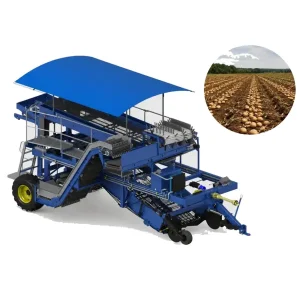
حصادة البطاطس EP-CWB-2L – كيس كبير، صفان، فرز في الحقل
-
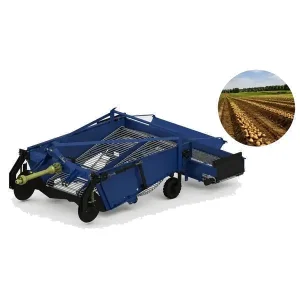
حفارة البطاطس EP-AWB-1600 – صفين، صغيرة الحجم، وقليلة الضرر
-
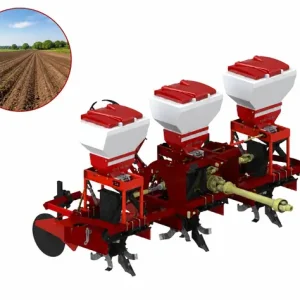
محراث دوار EP-ERA – صفان، 3 صفوف، و5 صفوف | آلة بطاطس 3 في 1
-
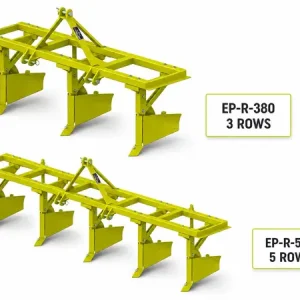
آلة حرث البطاطس EP-R-380 / EP-R-580 - 3 و 5 صفوف، ابتداءً من 75 حصانًا
-
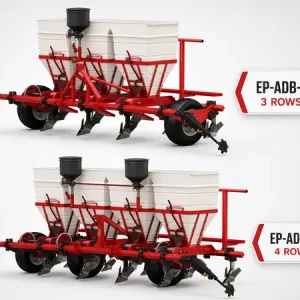
جهاز توزيع الأسمدة EP-ADB-380 / EP-ADB-480 - 3 و 4 صفوف
-
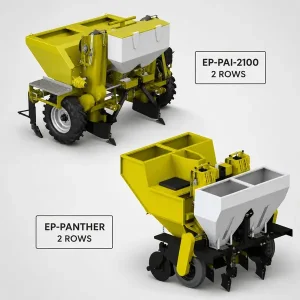
زارعة البطاطس EP-PAI / EP-PANTHER - 2-4 صفوف | بذور + سماد + بخاخ