The Korean highland 4-year crop rotation (potato → highland radish → highland cabbage → legume/cover crop) is the standard disease management, soil health, and economic diversification structure described across multiple articles in this series. But while the rotation logic has been covered from agronomic and ROI perspectives, one angle has not been addressed directly: how the stone management machine deployment — the THOR 2.4, CT-2100, PSW-3200, and EP-EW-4000 — actually changes year by year across the rotation, and what the practical operating hours and cost implications of those changes are.
This article provides the complete rotation-integrated stone management calendar: what each machine does in each of the four years, why deployment intensity differs, what the operating hours look like for a representative 10 ha block across the full 4-year cycle, and how the total 4-year stone management cost compares to the alternative of deploying the THOR 2.4 at maximum intensity every year regardless of crop. The answer to that last question consistently surprises Korean highland farmers — the rotation-optimised deployment reduces total 4-year THOR operating hours by 35–45% versus uniform annual THOR deployment, without reducing the clearance quality in the years that need it most.
The Four Years, Four Requirements — Why Each Crop Sets a Different Standard
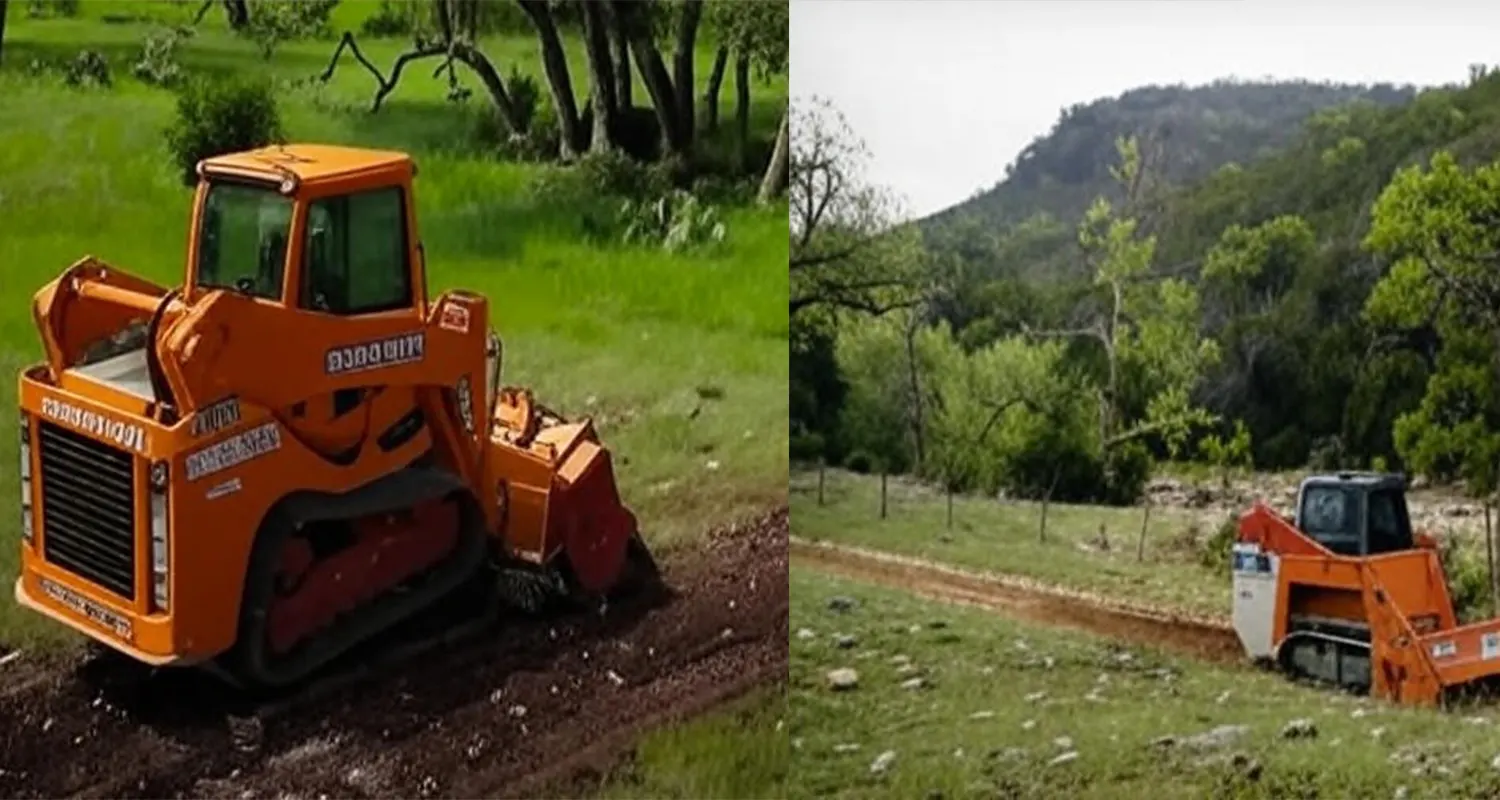
Each crop in the rotation has a different stone sensitivity profile that determines the appropriate clearance standard — and therefore the appropriate machine deployment intensity. Getting this calibration right is the difference between proportionate stone management investment and either under-investment (damaging crop quality) or over-investment (spending on clearance that does not improve the season’s economic outcome):
HIGHEST INTENSITY
Stone sensitivity: maximum. Every residual stone above 5 cm causes Grade 1 downgrade or harvest machine damage. The full THOR 2.4 protocol is mandatory: thorough pre-planting clearance to 25–30 cm, CT-2100 collection, and EP-EW-4000 final surface sweep. This is the year that justifies the THOR 2.4 investment — and the year in which inadequate clearance produces the largest revenue loss relative to the cost of additional clearance.
HIGH INTENSITY
Stone sensitivity: high — radish taproots fork around stones, immediately downgrading from Grade 1 straight root to Grade 3 forked root (price loss 60–80% per affected root). THOR 2.4 full clearance pass required to 25–30 cm. However, because the potato year THOR clearance removed all large stones from the field the previous year, the radish year THOR pass operates on a field with only frost-heave re-emerged stones — typically requiring only one THOR pass rather than the two-pass protocol sometimes used for new land. CT-2100 collection and EP-EW-4000 final sweep complete the radish year preparation.
MEDIUM INTENSITY
Stone sensitivity: moderate — cabbage is transplanted on ridges and does not develop a taproot into the stone zone. Stone impact on cabbage is operational (machinery damage, irrigation punctures) rather than direct crop quality. One full THOR 2.4 pass clears frost-heave re-emergents from the radish year, but the clearance target can be less fine than potato or radish year — stones below 5 cm are acceptable in the cabbage year. EP-EW-4000 can substitute for THOR in light frost-heave years where the stone population is below 40 Kg.
MINIMAL INTENSITY
Stone sensitivity: low — legumes (hairy vetch, soybean, or field pea) are broadcast or drilled with minimal tillage. Surface stones cause minor drilling interference but not crop quality impact. EP-EW-4000 annual surface sweep (30–40 minutes per ha) is typically the only stone management needed. THOR 2.4 is not deployed in the legume year on established fields — this rest year allows the THOR to be deployed on other blocks or other farms without scheduling conflicts, reducing the tractor and THOR operating hours that contribute to machine wear.
Month-by-Month Stone Management Operations Across the Full 4-Year Rotation

| Month | Year 1 — Potato | Year 2 — Radish | Year 3 — Cabbage | Year 4 — Legume |
|---|---|---|---|---|
| January | Order tooth sets + CT-2100 parts. Machinery service | Order tooth sets. Machinery service | Machinery service. Parts order if THOR being deployed | EP-EW-4000 tine inspection only |
| March | THOR 2.4 full pass (25–30 cm). CT-2100 collection. PSW-3200 double pass. EP-EW-4000 final sweep | Surface assessment: heavy frost heave → THOR + CT-2100 + PSW-3200; light year → EP-EW-4000 + PSW-3200 only | EP-EW-4000 annual sweep. PSW-3200 single pass. THOR only if heavy stone year | EP-EW-4000 sweep only (30–45 min/ha). No THOR needed |
| April–May | Furrowing (EP-R). Planting (EP-PAI-2100). Irrigation setup | No stone management operations. Radish planted May 15–June 5 | Cabbage transplanting (May). Ridge preparation | Legume seeding (May). Minimal soil disturbance |
| May–June | EP-ERA hilling. Stone management complete for season | Radish growing — no machinery in field | Cabbage establishment. Irrigation management | Legume growing — minimum intervention |
| Aug–Sept | EP-AWB-1600 harvest. Post-harvest field assessment | Radish harvest (Aug 20–Sept 20). Note stone issues for Year 3 THOR decision | Cabbage harvest (Sept). Note any machinery stone damage for Year 4 EP-EW-4000 assessment | Legume incorporation (PSW-3200 single pass). Soil test submission |
| Nov–Dec | Post-harvest soil test. Lime application (PSW-3200) if needed. Record stone clearance quality for next year planning | Post-harvest soil test. Note forking % as stone clearance quality record | Soil test. Winter cover crop seeding optional | Confirm Year 1 (potato return) THOR 2.4 and CT-2100 parts order for January. Plan Year 5 potato preparation |
Estimated Operating Hours Per Year — 10 Ha Block Across the Full Rotation
THOR 2.4 + CT-2100 estimated operating hours per 10 ha block, by rotation year:
| Machine | Year 1 Potato | Year 2 Radish | Year 3 Cabbage | Year 4 Legume |
|---|---|---|---|---|
| THOR 2.4 | 8–12 hrs | 5–8 hrs (heavy year) / 0 hrs (light year) | 3–5 hrs (heavy year) / 0 hrs (light year) | 0 hrs |
| CT-2100 | 8–12 hrs | 5–8 hrs / 0 hrs | 3–5 hrs / 0 hrs | 0 hrs |
| PSW-3200 | 6–8 hrs (double pass) | 4–5 hrs (single or double) | 3–4 hrs (single pass) | 2–3 hrs (incorporation only) |
| EP-EW-4000 | 1–2 hrs (final sweep) | 3–5 hrs (light year substitute for THOR) | 3–5 hrs (primary clearance if light year) | 3–5 hrs (sole stone management) |
Based on 10 ha block at 600 m altitude, moderate Gangwon-do granite stone density. Heavy year = significant frost heave stone emergence; light year = minimal re-emergence after previous year’s thorough clearance. THOR hours include CT-2100 following in the same session.
The contrast between Year 1 potato (8–12 hours of THOR + CT-2100 combined per 10 ha) and Year 4 legume (zero THOR hours) across the same field block illustrates the core efficiency of rotation-calibrated stone management: the most expensive machine in the system (THOR 2.4, highest fuel cost, highest tooth wear cost) is concentrated in the years where its contribution to revenue is highest, and rested in the year where it would add cost without adding proportionate return.
4-Year Operating Cost Comparison — Rotation-Optimised vs Uniform Annual THOR Deployment
| Deployment strategy | 4-year total THOR hours (10 ha) | Relative 4-yr cost | Trade-off |
|---|---|---|---|
| Uniform THOR every year (all 4 years at Year 1 intensity) | 32–48 hrs | 100% (baseline) | Over-deploys in cabbage and legume years; accelerates tooth wear; consumes budget without proportionate return |
| Rotation-calibrated deployment (described in this guide) | 18–28 hrs | 55–65% of uniform | Achieves zero-tolerance standard in potato and radish years; EP-EW-4000 handles cabbage and legume years. No quality compromise on high-value years. |
The 35–45% reduction in 4-year THOR operating hours under rotation-calibrated deployment directly translates to tooth set cost savings (fewer tooth sets consumed), fuel cost savings (fewer THOR operating hours = fewer litres of diesel), and extended time between gearbox and bearing maintenance intervals. For a 10 ha Korean highland farm running a strict 4-block rotation (one block in each year simultaneously), the annual stone management cost in Years 3 and 4 is substantially lower than Years 1 and 2 — providing natural cash flow relief in the cabbage and legume years that also tend to generate lower gross margins than potato.
Cross-Block Rotation Planning — Coordinating Stone Management Across Multiple Field Blocks
Most Korean highland farms of 10 ha and above operate multiple field blocks simultaneously — each block in a different rotation year at the same time. A 10 ha farm with four 2.5 ha blocks will, in a given year, have one block in Year 1 (potato), one in Year 2 (radish), one in Year 3 (cabbage), and one in Year 4 (legume) — requiring THOR deployment on 2 blocks and EP-EW-4000 on 2 blocks in the same March preparation window. Planning this cross-block machine allocation prevents the spring scheduling conflict that occurs when operators try to deploy the THOR on all four blocks simultaneously:
March Week 1:
THOR 2.4 on Block 1 (potato year, highest priority). CT-2100 following. PSW-3200 double-pass immediately after. This is the most time-critical block — the potato planting window (late April) requires the longest lead time for complete preparation.
March Week 2:
Assess Block 2 (radish year). Decision: if significant frost heave visible → THOR 2.4 pass + CT-2100 + PSW-3200. If light year → EP-EW-4000 surface sweep + PSW-3200 only. Radish is planted May 15–June 5, giving 8 more weeks of preparation time than potato — Block 2 has more scheduling flexibility than Block 1.
March Weeks 2–3:
EP-EW-4000 on Block 3 (cabbage year) and Block 4 (legume year) in parallel — both can use the EP-EW-4000 on the same or consecutive days. Cabbage is not transplanted until May, providing ample time. The EP-EW-4000 can cover both blocks in 1–2 days at 10+ ha/day coverage rate on established cleared fields.
Key planning principle:
The THOR 2.4 is a sequentially deployed machine in a multi-block rotation — not a simultaneously-deployed machine. Scheduling THOR deployment by block priority (potato first, then radish) with EP-EW-4000 covering the lower-priority blocks in parallel maximises the productive use of both machines in the narrow March preparation window.
Korea Watanabe full-rotation system planning support
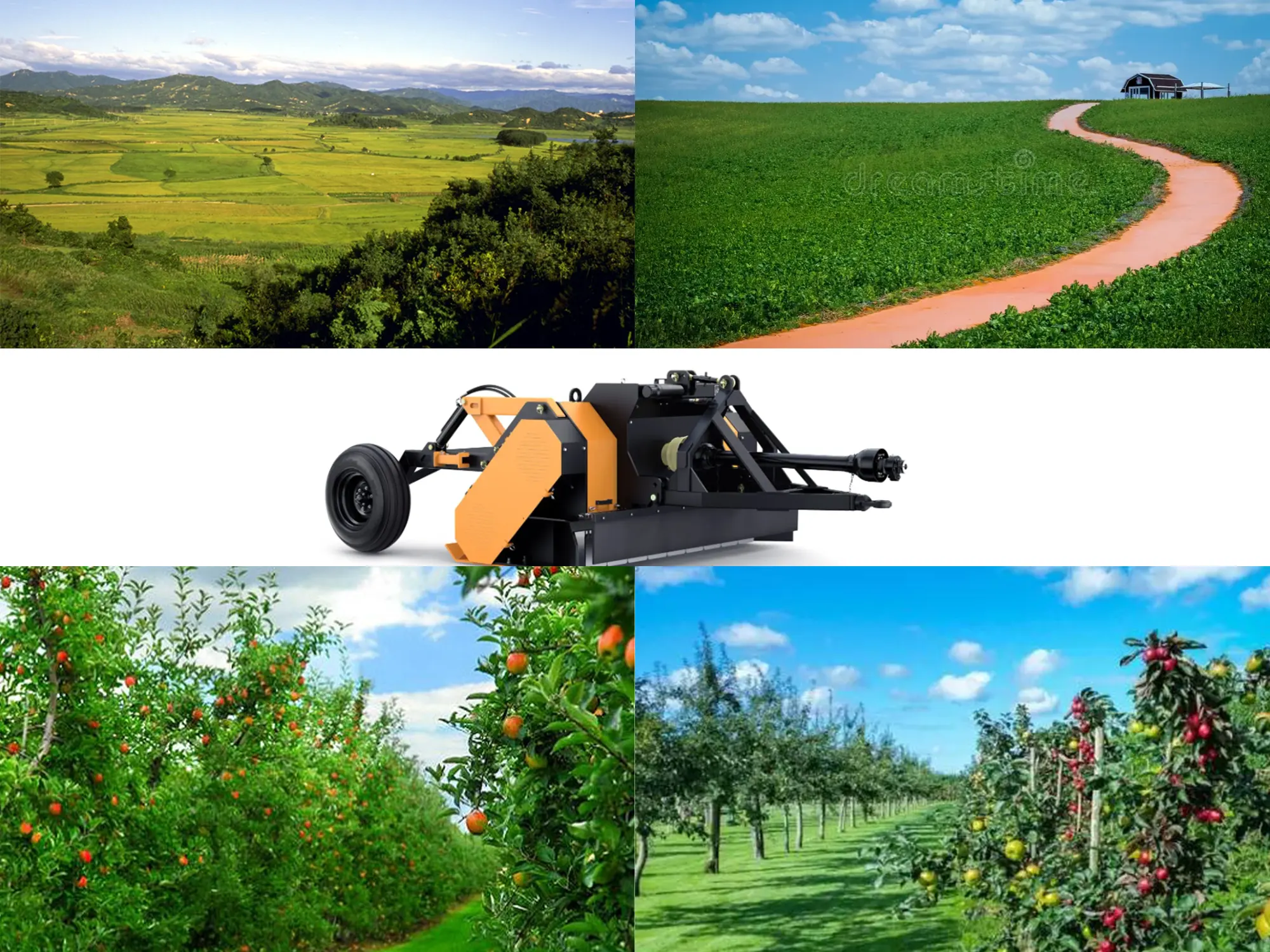
Korea Watanabe provides rotation-integrated system planning for Korean highland farms building or optimising the Watanabe machine configuration across the 4-year cycle. The planning consultation covers: which machine to prioritise purchasing first (always the THOR 2.4 stone crusher for Year 1 establishment); how to phase subsequent machine purchases in Years 2–4 using annual subsidy applications; and how to structure the cross-block machine deployment schedule to complete all March preparation operations within the spring calendar window. For farms with multiple blocks in different rotation years simultaneously, Korea Watanabe provides a written block-by-block machine deployment plan at no charge as part of the purchase consultation.
Frequently Asked Questions
How do I decide whether a given radish or cabbage year needs THOR or just EP-EW-4000?
The decision is made during the spring field walk in early March — before any machine is mobilised. Walk each field block after soil thaw (typically mid-February at 600 m) and count the stones above 40 Kg (the EP-EW-4000’s working threshold) per 100 m² of field area. If you find more than 3–4 stones per 100 m² that require two people to move, deploy the THOR 2.4. If all visible stones are below 40 Kg and movable by one person, the EP-EW-4000 is sufficient. For the cabbage year specifically, also consider whether the radish year THOR clearance (which should have addressed all major stones above 5 cm) has left the field in a condition where only light frost-heave maintenance is needed — in which case EP-EW-4000 is almost always the correct machine for Year 3.
Does switching from 4-year to 3-year rotation change the stone management calendar significantly?
A 3-year rotation (potato → radish → cabbage, then back to potato) eliminates the legume year — removing the zero-THOR-deployment year from the cycle. This increases average annual THOR operating hours compared to 4-year rotation and reduces the disease management benefit of the legume soil-building break. From a stone management perspective, the 3-year rotation also means the potato year arrives on a field that was last cleared for cabbage (Year 3) rather than for legume (Year 4 with no stone management need) — meaning the field has had only one year’s frost heave accumulation since the last THOR pass instead of two years’. This is actually marginally better stone management (lower re-emergence per THOR deployment event), but the loss of the legume year’s soil health and disease management benefits is generally considered to outweigh the minor stone management advantage of the shorter rotation.
Can I use the THOR 2.4 to provide clearance services to neighboring farms in the legume year when it is idle on my own blocks?
Yes — and this is one of the most economically attractive features of the 4-block rotation for farms investing in the THOR 2.4. In Year 4 (legume year on one or more blocks), the THOR 2.4 is available for approximately 10–15 days in March that would otherwise represent idle capital. Providing clearance services to neighbouring Korean highland farms at a per-hectare service fee during this idle period generates additional revenue from the machine that covers tooth wear, fuel, and operator costs for those days — effectively reducing the THOR 2.4’s net annual ownership cost. Korea Watanabe can advise on typical Korean highland clearance service pricing per hectare as a benchmark for setting service rates. Note the Korean agricultural machinery subsidy mandatory-use period (5 years after purchase): providing paid services to third parties may require confirmation that this is permitted under the specific subsidy terms — check with your county agricultural office before beginning service operations on the subsidised machine.
What stone clearing standard should be applied when returning to potato after a full 4-year rotation cycle?
The second-cycle potato year (Year 5 in the full calendar, Year 1 of the second rotation cycle) should apply the same full THOR 2.4 + CT-2100 zero-tolerance protocol as the first-cycle potato year — with one important difference. On the first potato year (when the field may be genuinely new agricultural land or coming from a non-Watanabe system), the stone population encountered by the THOR is the original in-situ stone density. On the second-cycle potato year (after three years of progressive clearance through radish, cabbage, and legume years), the stone population is dramatically lower — composed only of frost-heave re-emergents from the 4-year interval since the last potato-year THOR pass. The second-cycle Year 1 THOR pass typically takes 40–60% fewer operating hours per hectare than the first-cycle Year 1 pass, because the large embedded stones that dominated the first-cycle operation have been permanently fragmented and removed. The standard (zero-tolerance residual) is the same; the time and cost to achieve it decreases with each rotation cycle.
How does the PSW-3200 deployment intensity change across the rotation?
The PSW-3200 rotavator deployment mirrors the THOR deployment intensity in terms of the quality target, but the mechanism differs. Year 1 potato: double pass (first pass at 25 cm, second pass at 20 cm in the opposite direction) to achieve the finest possible 5–8 mm tilth for potato ridging. Year 2 radish: double or single pass depending on whether the potato year double-pass left adequate residual tilth for the radish seedbed. Year 3 cabbage: single pass for transplanting seedbed — cabbage does not require the finest tilth that potato needs. Year 4 legume: incorporation of the previous crop residue and green manure — single pass at minimum depth needed to turn in the surface organic matter. This progression from double-pass fine tilth (Year 1) to single-pass incorporation (Year 4) mirrors the crop value and soil preparation requirement — and the PSW-3200’s blade wear follows this pattern, with highest wear in Years 1 and 2 and lowest wear in Year 4.
Full 4-Year Rotation Stone Management Plan — Tailored to Your Block Configuration
Number of blocks + current rotation year per block + total farm area (ha) + existing machines → complete 4-year stone management calendar with annual machine deployment plan, operating hour estimate, and cost projection. Korea Watanabe, Ansan-si, Gyeonggi-do.
Editor: Cxm