
EP-ERA Rotary Cultivator – 2, 3 & 5 Row | 3-in-1 Potato Machine
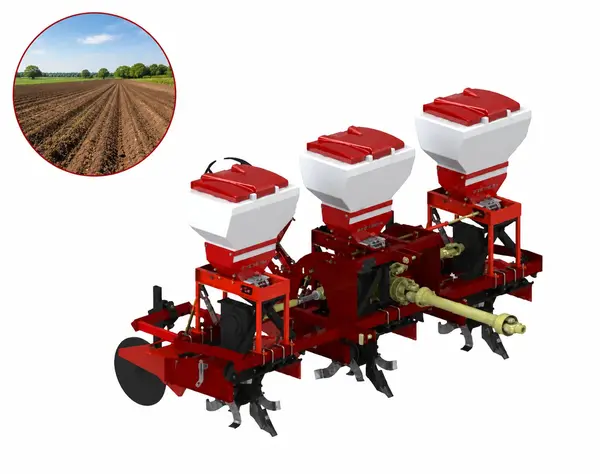
Three operations in a single pass — rotary inter-row tillage, potato hill-up (배토), and top-dress fertilizer application. PTO-driven at 540 RPM, spring-loaded rows that protect developing tubers.
Available in 2, 3, or 5 rows. From 75 HP for the EP-ERA-2100 and EP-ERA-3100. Each row carries an independent 125 Kg fertilizer bunker.
One Mid-Season Pass That Replaces Three Separate Operations
After the potatoes are in the ground and the plants begin to grow, the field needs regular attention: soil between the rows needs to be loosened to suppress weeds and improve aeration, the ridges need to be built up progressively to keep developing tubers covered and prevent greening, and the crop needs its top-dress fertilizer applied. The Watanabe EP-ERA rotary cultivator does all three in a single tractor pass at 3–5 km/h — combining PTO-driven rotary inter-row cultivation, potato hill-up (배토), and in-row fertilizer top-dressing simultaneously.
The range covers three working widths to match different row-count configurations:
▶ EP-ERA-2100 — 2 Rows
720 Kg, min. 75 cv. 2 spring-loaded rows, 250 Kg total bunker. Lightest model — suited to small plots and narrow row spacing in mountainous terrain.
▶ EP-ERA-3100 — 3 Rows Popular
1,020 Kg, min. 75 cv. 3 spring-loaded rows, 375 Kg total bunker. The most widely used model in commercial Korean potato production — matches common 3-row furrower and planter configurations.
▶ EP-ERA-5100 — 5 Rows
1,300 Kg, min. 100 cv. 5 spring-loaded rows, 625 Kg total bunker. For large commercial farms and contractors needing maximum throughput in the mid-season cultivation window.
What sets the EP-ERA apart from simpler inter-row cultivators is the combination of capabilities in a single machine. Running three separate implements — a rotary cultivator, a hiller, and a fertilizer applicator — through the same field on the same day is logistically complex and time-consuming. The EP-ERA runs once, on a single tractor, and delivers the result of all three operations simultaneously. Over a season with two or three cultivation passes, that consolidation adds up to a meaningful reduction in total field time and tractor hours.
The PTO-driven rotary system operates at 540 RPM input speed — the standard tractor PTO for this power range — while the spring-loaded furrower arms allow each row's working assembly to respond independently to ground variations, protecting developing potato tubers from the mechanical damage that rigid-tine implements cause when they contact the ridge unexpectedly. This combination of active rotary cultivation with passive spring protection is the central engineering feature of the EP-ERA design.
As part of the Watanabe potato machinery system, the EP-ERA operates in Step 6 — after planting, during the active growing period — and it may be used two or three times per season as the crop develops and the hill-up program progresses.
Technical Specifications – EP-ERA-2100, ERA-3100 & ERA-5100
The table below covers all three models. Note that the EP-ERA-5100 requires 100 cv minimum — a step up from the 75 cv threshold shared by the 2-row and 3-row models. This reflects the heavier weight (1,300 Kg) and the additional load of driving five rotary assemblies and five spring furrower units through a full growing-season cultivation pass. All data sourced from the Watanabe official product brochure.
| TECHNICAL DATA | EP-ERA-2100 | EP-ERA-3100 | EP-ERA-5100 |
|---|---|---|---|
| Weight & Linkage | |||
| Empty Weight | 720 Kg | 1,020 Kg | 1,300 Kg |
| Bottom Linkage Category | 2 | 2 | 2 |
| Furrowers with Spring | 2 | 3 | 5 |
| Tractor Requirements | |||
| Engine Power (min.) | 75 cv | 75 cv | 100 cv |
| Capacity & Performance | |||
| Bunker Capacity (per row) | 125 Kg | 125 Kg | 125 Kg |
| Total Bunker Capacity | 250 Kg | 375 Kg | 625 Kg |
| PTO Input Speed | 540 RPM | 540 RPM | 540 RPM |
| Working Speed | 3–5 Km/h | 3–5 Km/h | 3–5 Km/h |
ⓘ cv = metric horsepower. 75 cv ≈ 73.9 HP; 100 cv ≈ 98.6 HP. Total bunker capacity calculated from brochure spec (125 Kg × number of rows). PTO required — ensure your tractor's rear PTO delivers 540 RPM at the standard setting. Data sourced from the official Watanabe product brochure.
Key distinction from the EP-ADB fertilizer applicator: The EP-ERA is PTO-driven (540 RPM) and uses rotary blades for active soil cultivation — it is not a passive hitch-only implement. Your tractor must have a functioning rear PTO to run the EP-ERA series. The EP-ADB fertilizer applicator (base application, pre-planting) requires no PTO; the EP-ERA (top-dressing, mid-season) does.
How the EP-ERA Rotary Cultivator Works
PTO-Driven Rotary Cultivation — Active Inter-Row Tillage
The EP-ERA's rotary blades are driven by the tractor's rear PTO at 540 RPM. As the tractor moves through the field at 3–5 km/h, the rotating blades engage the soil between the potato rows and along the ridge sides — breaking up any surface crust that has formed since planting, cutting through emerging weed seedlings before they establish, aerating the root zone, and throwing loosened soil up onto the ridge in the hill-up action. This is an active cultivation: the blades are doing work on the soil independent of forward speed, unlike a passive tine that relies only on draft force. The result is a more thorough, consistent soil-working action than any passive inter-row cultivator can achieve, particularly in soils that have developed a hard surface layer after rain or irrigation.
Spring-Loaded Furrower Arms — Protecting the Developing Crop
The spring-loaded furrower arms are the feature that makes mid-season cultivation alongside a growing potato crop practical rather than damaging. In the weeks following emergence, potato plants develop an expanding root system that spreads laterally from the main stem into the inter-row zone — exactly the area the cultivator works. Rigid-tine inter-row cultivators that contact a root or an unexpected stone in the ridge side exert a sudden jolt that transmits directly to the plant stem and, in more advanced crop stages, to developing tubers. This mechanical stress causes physical damage, disrupts tuber development, and creates entry points for disease.
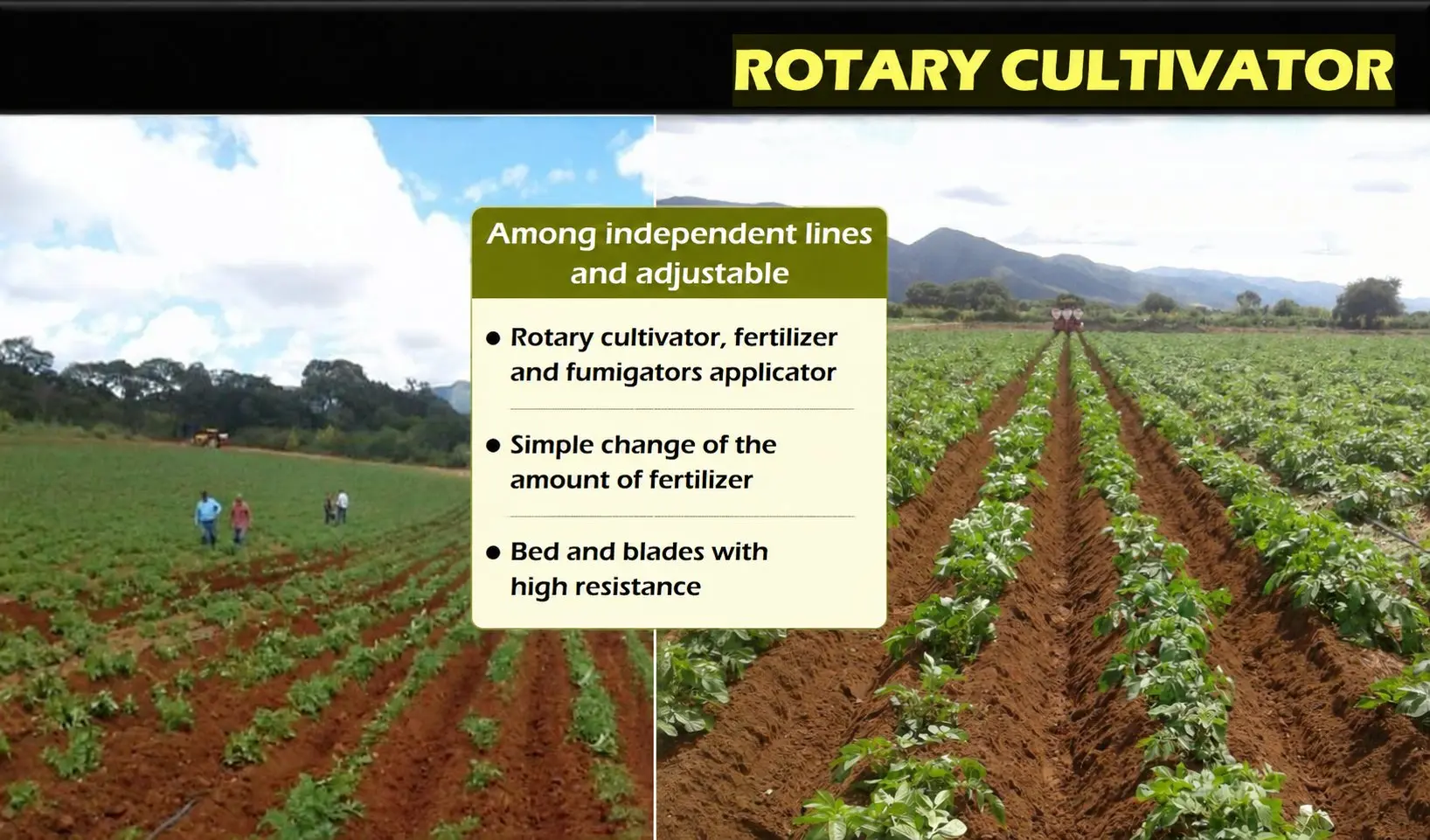
The spring-loaded design addresses this by allowing each furrower arm to flex rearward when it contacts an obstacle, absorbing the impact and releasing the arm back to working position once the obstacle is cleared. The rotary blades continue working throughout, and the flexible arms follow the actual ground contour of each ridge rather than forcing a rigid geometry onto it. This is particularly important in Korean highland potato fields — Gangwon-do hillside plots in particular — where ridge height and profile often vary across the field due to the undulating topography. The EP-ERA brochure describes this as working "among independent lines and adjustable" — each row's assembly adapts to its specific ridge conditions independently.
Fertilizer Top-Dressing Delivery
Each row carries a 125 Kg independent hopper from which granular fertilizer is metered and delivered to the root zone during the cultivation pass. The fertilizer placement happens simultaneously with the rotary cultivation — as the blades loosen the soil, the fertilizer is incorporated into the freshly worked layer rather than sitting on the surface where it is exposed to volatilization and runoff. This incorporation-at-delivery approach improves the efficiency of the top-dress fertilizer application compared to surface-broadcast top-dressing that is not incorporated until the next rain event works it in.
The brochure notes "simple change of the amount of fertilizer" — the application rate can be adjusted quickly between passes or before the season starts. For a typical Korean potato top-dressing program applying nitrogen and potassium at the first and second hill-up passes, being able to set different application rates for each pass without a lengthy calibration procedure reduces the logistical overhead of the mid-season fertilizer management program.
Optional Fumigator and Pesticide Application
The EP-ERA's design includes the capability to apply soil fumigants or pesticide treatments at the same time as cultivation and fertilizing. This option is particularly relevant for potato production operations that need to manage soil-borne disease or pest pressure during the growing season. Consult your local agricultural advisory service (농업기술센터) for guidance on which products are approved for in-season soil application in your specific Korean growing region and crop variety, and confirm with us at the pre-sale stage whether the fumigator attachment is required for your application.
Key Advantages of the EP-ERA Rotary Cultivator
■ Three Operations in One Pass
Inter-row rotary cultivation, potato ridge hill-up (배토), and top-dress fertilizer application — all completed in a single tractor pass. Over a season with two hill-up passes, replacing three separate operations with one saves multiple tractor-hours per hectare and reduces soil compaction from repeated passes.
■ Spring Arms Protect Developing Tubers
Spring-loaded furrower arms flex around obstacles and absorb ridge contact without transmitting impact to the plant. This design allows cultivation to run closer to the crop row than rigid-arm implements — getting more of the inter-row area worked while leaving the root zone and developing tubers undisturbed.
■ Independent Row Adjustment
Each row assembly operates independently and can be adjusted individually in working depth and lateral position. On Korean hillside fields where ridge profiles vary from one side of the field to the other, independent row adjustment allows the machine to conform to the actual field geometry rather than forcing a fixed frame height onto varying terrain.
■ Fertilizer Incorporated Directly
Top-dress fertilizer is delivered and immediately incorporated into freshly cultivated soil by the rotary blades — not surface-applied to wait for rainfall. Direct incorporation reduces the volatilization loss that surface nitrogen applications are prone to, particularly during the warm, dry periods that can follow late-spring rain events in the Gangwon-do highlands.
■ High-Resistance Blades and Frame
The brochure specifies "bed and blades with high resistance" — Watanabe's designation for blade steel hardness and frame construction specification that exceeds standard light-duty cultivators. Blades operate in stony highland soils for multiple passes per season; the wear specification matters for season-long blade service life without mid-season replacement.
How and When the EP-ERA Gets Used in the Potato Season
🌿 First and Second Hill-Up (배토) — The Core Application
Hill-up is the practice of progressively adding soil over the potato ridge as the crop grows. In Korean commercial potato production, the first hill-up typically runs when plants are 15–20 cm tall, adding 5–8 cm of soil to the ridge. The second hill-up follows two to three weeks later, adding further soil depth to the now-taller ridge. Some larger operations run a third hill-up pass before the canopy closes.
Hill-up serves several functions simultaneously. It keeps developing tubers covered — exposed tubers turn green within days in direct light, becoming unsuitable for sale. It expands the soil volume available for tuber growth, directly affecting final tuber size and yield. It buries the lower stem zone, encouraging additional root and stolon development that increases the productive root system. And it suppresses late-emerging weeds in the inter-row zone by covering them before they establish. The EP-ERA performs all of this while also placing the top-dress fertilizer application that each hill-up pass typically carries in commercial Korean potato production programs.
🌻 Weed Control Between Passes
Between the first and second hill-up, and after the canopy begins to close in, inter-row weed pressure can reduce yield by competing for soil moisture and nutrients. The EP-ERA's rotary blades cut through emerging weeds before they develop a root system deep enough to survive cultivation — mechanical weed control at the inter-row level without herbicide application at a time when foliar spray would risk contact with the potato crop. For organic-certified potato production, this mechanical inter-row weed management capability is particularly relevant. Jeju Island's organic potato sector, which has grown considerably over the past five years, regularly uses inter-row rotary cultivation as the primary weed management tool during the growing season.
🍋 Top-Dress Fertilizer Delivery — Timed to Crop Demand
Korean potato production recommendations typically call for two top-dress applications: one at the time of the first hill-up (nitrogen to support rapid vegetative growth) and one at or around the time of tuber initiation (potassium and nitrogen balance to support tuber bulking). The EP-ERA's 125 Kg per row bunker provides enough fertilizer for a meaningful application rate across the field for each cultivation pass without requiring mid-field refills on most farm sizes.
The timing of top-dress applications with cultivation passes makes agronomic sense beyond operational convenience. The soil disturbance from the rotary blades opens the surface layer, allowing fertilizer to be incorporated more readily than it would be on an undisturbed ridge surface. Rain events in the days following a cultivation and fertilizer pass carry incorporated nutrients down toward the root zone more efficiently than surface-applied material, improving uptake timing relative to crop demand.
EP-ERA-2100, ERA-3100 or ERA-5100 — Which Model Fits Your Farm
All three models deliver the same rotary cultivation, hill-up, and fertilizer functions at the same 540 RPM PTO and 3–5 km/h working speed. The selection criteria are farm scale, tractor power, and whether your row count from the furrower and planter is 2, 3, or 5 rows. The table maps these factors across all three models:
| Selection Factor | EP-ERA-2100 | EP-ERA-3100 | EP-ERA-5100 |
|---|---|---|---|
| Empty weight | 720 Kg | 1,020 Kg | 1,300 Kg |
| Min. engine power | 75 cv | 75 cv | 100 cv |
| Working rows | 2 | 3 | 5 |
| Total bunker | 250 Kg | 375 Kg | 625 Kg |
| Recommended area/season | Up to ~5 ha | 5–15 ha | 15 ha+ |
| Best matched furrower | EP-R-380 (3-row) | EP-R-380 (3-row) | EP-R-580 (5-row) |
| Suited operation type | Small / terraced | Commercial / family | Large / contractor |
⚠ Match row count to your full potato machinery line
For a fully matched system, the cultivator's row count should match the furrower, the planter, and the digger. The EP-ERA-3100 (3-row) pairs naturally with the 3-row EP-R-380 furrower. The EP-ERA-5100 (5-row) pairs with the 5-row EP-R-580 furrower. The ERA-2100 is sometimes used on 3-row planted fields where the narrower coverage is intentional — for example, when only 2 of 3 inter-row spaces need cultivation. Confirm your complete machinery line row counts with us at the pre-sale stage to ensure full compatibility before ordering.
Step 6 — Mid-Season Hub of the Watanabe Potato System
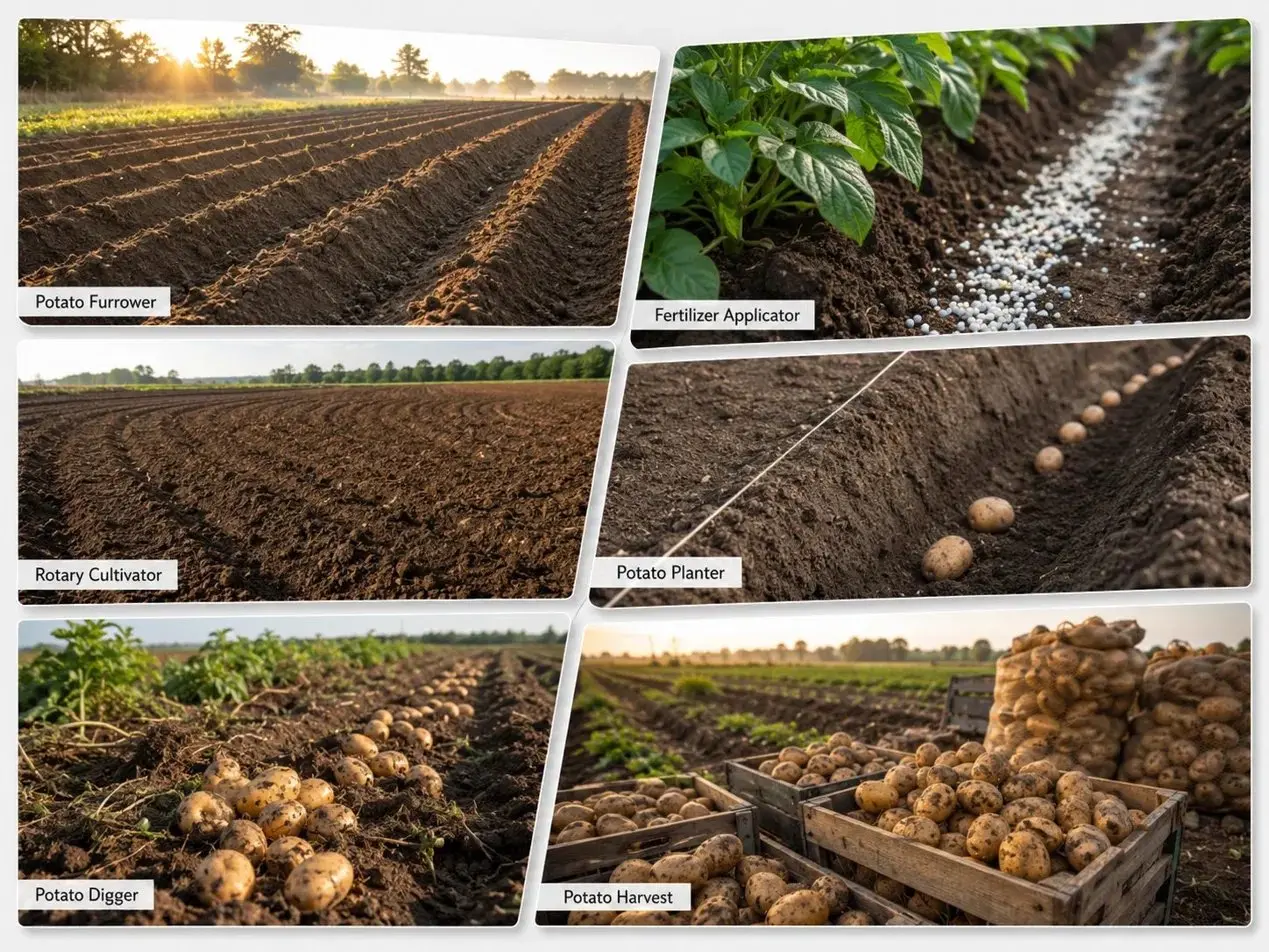
The EP-ERA operates at Step 6 in the full Watanabe potato production sequence. It is the only step that repeats — running two to three times per season as the hill-up program progresses. Here is where it fits across all seven steps:
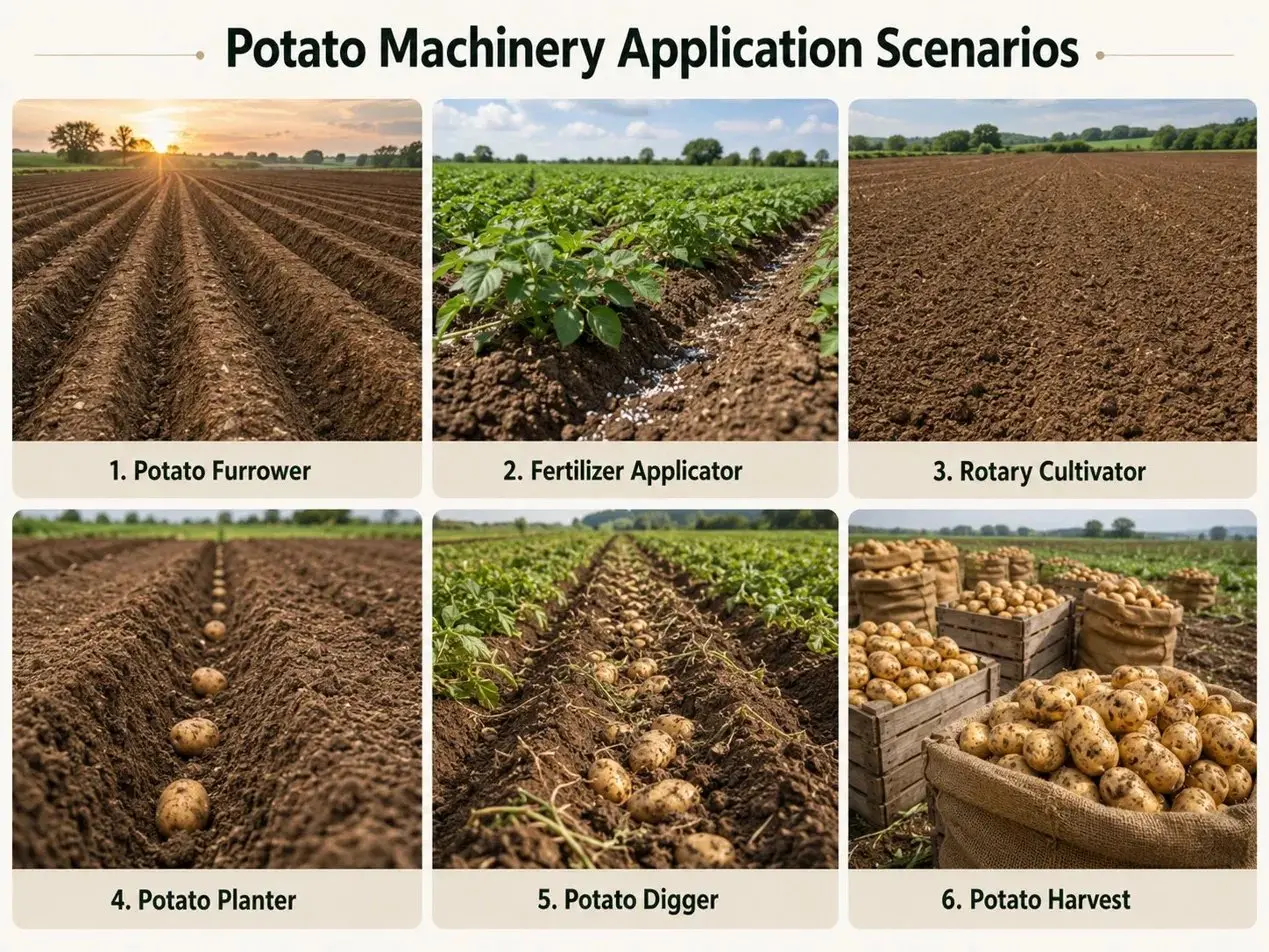
Stone Clearance — EP-EW-4000 Rock Rake
3.6 m, from 75 HP
Primary Tillage — PSW-3200 Rotavator
3.0–3.6 m, 140 HP
Furrow Opening — EP-R-380 / EP-R-580
3 or 5 rows, from 75 HP, 5–8 km/h
Base Fertilization — EP-ADB-380 / EP-ADB-480
3 or 4 rows, 350 Kg/row, 8–10 km/h
Planting — EP-PAI-2100 / EP-PANTHER Potato Planter
2–4 rows. Page coming soon.
Mid-Season Cultivation — EP-ERA Rotary Cultivator YOU ARE HERE
Hill-up + fertilizer + weed control. 2/3/5 rows, 540 RPM, 3–5 km/h. Repeats 2–3× per season.
Harvest — EP-AWB-1600 Potato Digger
2-row, PTO-driven, low-damage. Page coming soon.
Contact Korea Watanabe Rock Crusher Tractor Co., Ltd. to discuss a complete matched potato machinery package — including furrower, fertilizer applicator, planter, rotary cultivator, and digger — all sized to your farm area and tractor fleet.
Watanabe Quality — Built for Repeated Season Use
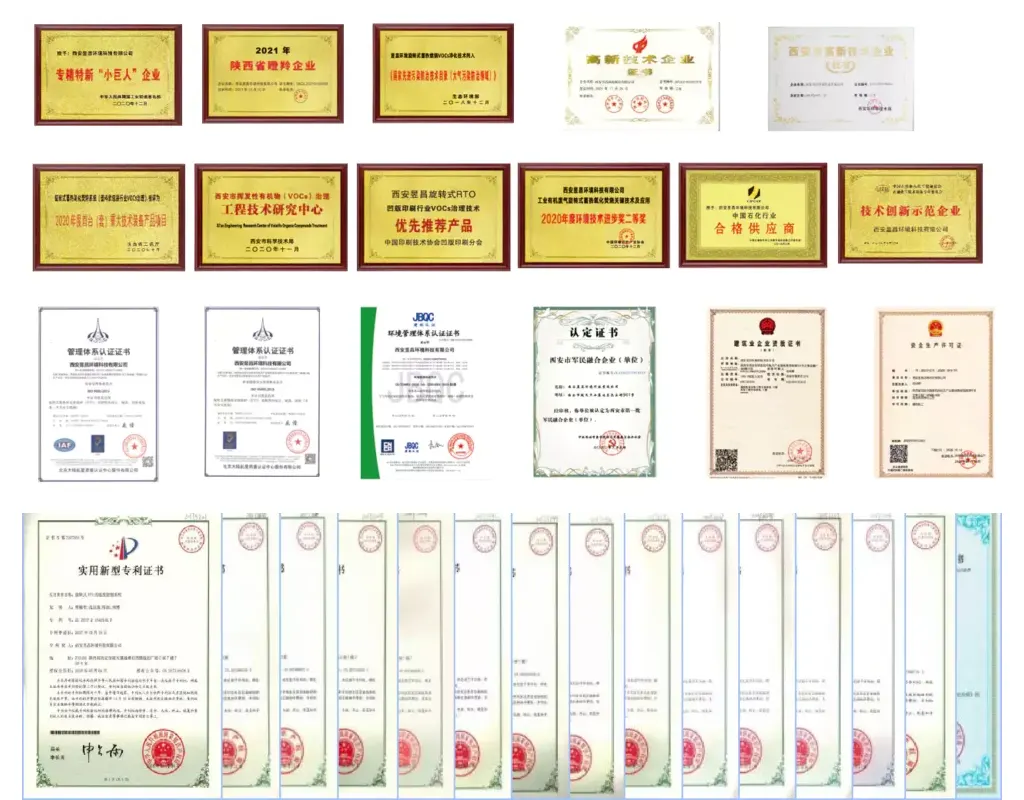
The EP-ERA rotary cultivator is one of the most intensively used implements in the potato machinery line — operating two or three times per season at the period of peak crop sensitivity, when any mechanical failure directly affects the hill-up and fertilizer program timing. Watanabe's specification of "high-resistance bed and blades" reflects a production standard oriented toward this repeated-use requirement.
Blade steel specification for rotary cultivators is a meaningful quality factor. Under-specified blades in stony highland soil lose their cutting geometry within a season — at that point the blades push soil rather than cut it, increasing the draft force required and reducing the quality of the cultivation result. Watanabe specifies blade material hardness appropriate for sustained seasonal use in the stony highland soils common across the Korean potato growing belt.
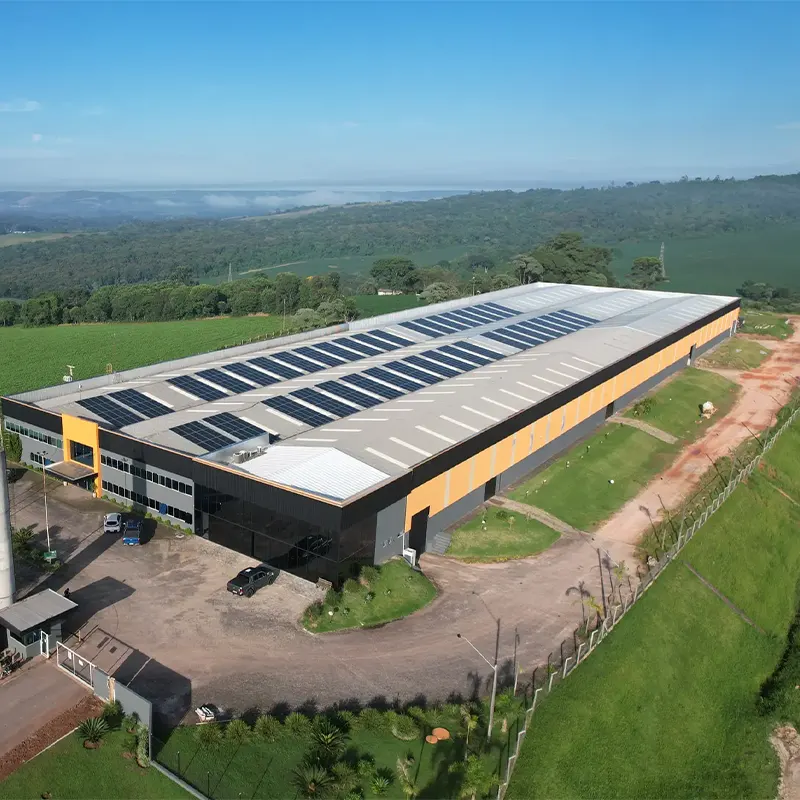
✓ PTO Compatibility Verified
We confirm PTO shaft speed and implement drive compatibility against your specific tractor model before the order is placed. This includes confirming that 540 RPM standard (not 540E economy) PTO is available at the required speed for the working conditions.
✓ Blades Stocked Locally
Replacement rotary blades for the EP-ERA series are stocked locally in Ansan-si, Gyeonggi-do. End-of-season blade checks and pre-season replacement orders can be handled domestically without international parts lead times.
✓ Row Spacing Set at Order
Row spacing on the EP-ERA must match your furrower and planter configuration. We confirm the correct inter-row spacing and working width settings at the pre-sale stage, so the cultivator arrives configured to run straight into your existing field setup.
Frequently Asked Questions – EP-ERA Rotary Cultivator
What exactly does "3-in-1" mean for the EP-ERA series?
The three functions are: (1) rotary inter-row cultivation — PTO-driven blades actively loosen the soil between potato rows, cutting weeds and aerating the root zone; (2) potato hill-up (배토) — the rotary action throws cultivated soil upward onto the ridge, building ridge height progressively with each pass; (3) fertilizer top-dressing — granular fertilizer from the row hoppers is delivered and incorporated into the freshly worked soil at the same time as cultivation. An optional fourth capability — fumigant or pesticide application — is also available on the EP-ERA platform.
What is hill-up (배토) and why does it matter for potatoes?
Hill-up is the practice of progressively adding soil to the ridge as the potato plant grows. It serves multiple functions: covering developing tubers to prevent greening (exposure to light makes tubers green and inedible), expanding the soil volume available for tuber growth (directly linked to final yield and tuber size), encouraging additional stolon and root development from the buried stem zone, and suppressing weeds in the inter-row area. In Korean commercial potato production, two to three hill-up passes are standard practice. Missing a hill-up pass — or running it late — results in measurable yield loss and increased tuber greening at harvest.
What does the spring-loaded furrower arm protect against?
The spring-loaded arms protect against two main risks. First, physical damage to developing potato tubers and roots — a rigid arm that catches on a root or strikes a developing tuber causes mechanical injury that can reduce yield and create disease entry points. The spring arm flexes rearward and releases without transmitting the impact to the plant. Second, implement damage from stones in the ridge — springs absorb the shock of stone contact, reducing the risk of bent or broken furrower arms that would otherwise require mid-season repair. On stony Korean highland soil, this protection is particularly relevant.
When in the potato season should I run the first hill-up pass?
The first hill-up with the EP-ERA typically runs when potato plants reach 15–20 cm above the ridge surface. At this stage the root system has established enough that inter-row cultivation is safe, and the stem zone is long enough to benefit meaningfully from the additional soil coverage. Running too early — while the plant is still fragile — risks physical damage. Running too late — after significant stolon development into the inter-row zone — increases the risk of stolon damage. Your local agricultural extension office (농업기술센터) can confirm the recommended timing for your specific variety under your growing region's conditions.
How many hill-up passes are typically needed per season?
Most Korean commercial potato operations run two hill-up passes — the first when plants reach 15–20 cm, and the second two to three weeks later when plants are 30–40 cm tall and the ridges have expanded to near final size. Some growers on high-yielding varieties or in regions with significant late-season stone frost-heave run a third pass. Each EP-ERA hill-up pass also delivers the top-dress fertilizer application for that growth stage, so the number of cultivation passes should be coordinated with your seasonal fertilizer program.
Does the EP-ERA require 540 RPM standard or 540E (economy) PTO?
The EP-ERA requires 540 RPM standard PTO input, as specified in the Watanabe brochure. Many modern tractors offer both 540 and 540E (economy) modes — 540E achieves 540 RPM at a lower engine RPM for fuel efficiency, which is suitable for light implements. For a rotary cultivator working in potato soil with the additional weight and draft of a hill-up pass, standard 540 RPM is the specified operating condition. Confirm your tractor's PTO setting before operating. Running at below-specification PTO speed reduces blade tip speed and cultivation quality.
What types of fertilizer work in the 125 Kg row hoppers?
Free-flowing granular fertilizer — the standard form of compound fertilizer (복합비료) or single-nutrient granules used in Korean commercial potato production. The same hopper care rules as for the ADB fertilizer applicator apply: empty the hoppers completely after each use, avoid leaving fertilizer in for extended periods, and do not use fine-powder or damp fertilizer that may bridge or block the metering system. Confirm any non-standard fertilizer formulations with us before use.
How does the EP-ERA differ from the EP-ADB fertilizer applicator?
These are different machines for different stages of the production cycle. The EP-ADB is used before planting to place base fertilizer (기비) in the furrow — it is a passive implement with no PTO requirement, a larger 350 Kg/row bunker, and a working speed of 8–10 km/h. The EP-ERA is used after planting during the growing season for mid-season cultivation and top-dressing (추비) — it is PTO-driven at 540 RPM, has a smaller 125 Kg/row bunker, and works at 3–5 km/h. Both apply fertilizer, but to different zones, at different crop stages, with different delivery mechanisms.
How often should the rotary blades be replaced?
Blade service life depends on soil abrasiveness, stone content, and seasonal operating hours. In Korean highland soils with volcanic or granite-derived stone content, inspect blades at the end of each hill-up pass for tip deformation or breakage. A full seasonal inspection before the start of each new planting season is the minimum maintenance standard. Blades that have lost their cutting edge should be replaced before they cause smearing rather than cutting — the quality of the cultivation result deteriorates noticeably before a blade breaks completely, so waiting for breakage is a poor maintenance strategy. Replacement blades are stocked locally through our Korea operation.
What Our Customers Say
Kim Dong-su — Commercial Potato Farm, Jeongseon-gun, Gangwon-do (2024 season)
★★★★★
"We run the EP-ERA-3100 on 15 hectares of Atlantic potato. Before switching to this machine, we ran the hill-up pass and the fertilizer application as separate operations with two different tractors on the same day. The EP-ERA does both in one pass, which freed one tractor for other work during the planting period when everyone is busy at the same time. The spring arms work noticeably better than the rigid-arm cultivator we used before — we see far less tuber skin damage at harvest that we were attributing to cultivation injury. Blade life after two full seasons has been good."
Lee Yeon-hee — Potato and Vegetable Farm, Eumseong, North Chungcheong (spring 2025)
★★★★★
"We use the EP-ERA-2100 for our 4-hectare potato plot. The 2-row model at 720 Kg is manageable on our 78 HP Daedong and fits in our storage shed without issues. The 3-in-1 capability was the reason we bought it — we wanted to stop making a separate fertilizer run during hill-up week, which was always a scheduling headache when also managing other seasonal work. First season result: we ran two hill-up passes, applied the top-dress fertilizer both times with the ERA, and the crop looked more uniform at emergence than any previous season."
Na Sung-ho — Agricultural Machinery Contractor, Wonju, Gangwon-do (2024 and 2025)
★★★★★
"Running the EP-ERA-5100 for contract hill-up services across about 10 potato farms in the Wonju area, totalling around 35 hectares per season. At 5-row coverage and 4 km/h working speed, I can complete a full hill-up pass on a 3-hectare farm in two hours including fills and headland turns. The farms I service all report better tuber sizing compared to the seasons when they were doing hill-up with older rigid-arm cultivators. The local Korea service team confirmed blade stock availability before I bought — replacement blades have been dispatched next day on the one occasion I needed them."
Hwang Ji-young — Potato Farming Cooperative Member, Inje-gun, Gangwon-do (spring 2025)
★★★★★
"Our cooperative operates the EP-ERA-3100 as shared equipment across three member farms, about 20 hectares total. The machine has run for two full seasons without any issues that required parts. The hill-up quality is consistent — we ran two passes per season and the ridge height and profile matched what the digger needed at harvest. One thing worth mentioning: the independent row adjustment on the ERA-3100 was genuinely useful on our hillside fields where ridge height varies from the high to the low side of the slope. The rigid-arm machine we had before left the low-side rows under-hilled on every pass."
Song Min-jun — Certified Seed Potato Farm, Pyeongchang-gun, Gangwon-do (2024)
★★★★★
"Seed potato certification requires very consistent crop management through the whole season — any mechanical damage during cultivation shows up in the inspection. The EP-ERA-2100's spring arms were the specific reason I chose it for our seed plots. Two full seasons in, the certification inspector has not flagged any tuber or stem mechanical damage attributable to cultivation. The hopper size of 125 Kg per row is appropriate for seed production plots, which are smaller and typically apply top-dress at lower rates than commercial production. Good machine for precision work."
Cho Yun-kyeong — Organic Potato Farm, Seogwipo, Jeju Island (spring 2025)
★★★★★
"We grow organic Haryoung (하령) on 3 hectares in Jeju and needed a machine that could do mechanical weed control and hill-up without chemical inputs. The EP-ERA-3100 does this — we run it without using the fertilizer hoppers on the weed control passes, which is fine since the machine still does the rotary cultivation and hill-up regardless of whether the hoppers are loaded. The Jeju basalt soil wears blades faster than mainland soil and I was upfront about this with the Korea team before buying — replacement costs have been as they described, nothing unexpected."
Take Control of Your Mid-Season Cultivation
Tell us your tractor model, potato area, row count, and how many hill-up passes you plan per season — we will confirm the right EP-ERA model, PTO compatibility, and delivery timeline within one business day.
Already running the EP-R-380 furrower or EP-ADB fertilizer applicator? Ask about a matched 3-row system — furrower, base fertilizer applicator, and rotary cultivator — all configured to the same row spacing for seamless seasonal operation.
Additional information
| Editor | Cxm |
|---|
Related products
-
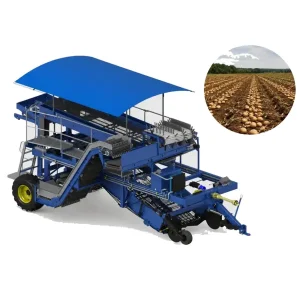
EP-CWB-2L Potato Harvester – Big Bag, 2-Row, On-Field Sorting
-
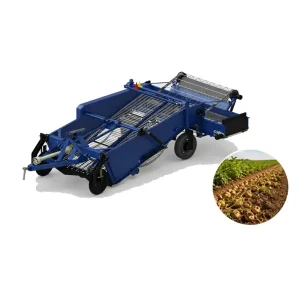
EP-AWB-1600 Trailed Potato Digger – 2 & 4 Row, up to 10 km/h
-
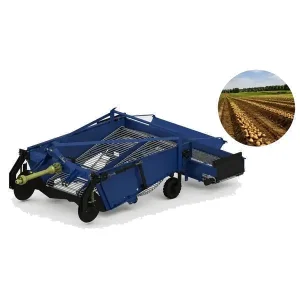
EP-AWB-1600 Potato Digger – 2-Row, Compact & Low Damage
-
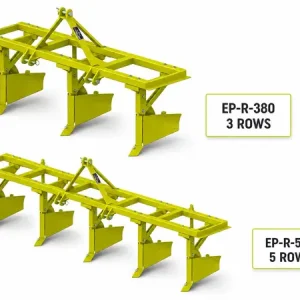
EP-R-380 / EP-R-580 Potato Furrower – 3 & 5 Row, from 75 HP
-
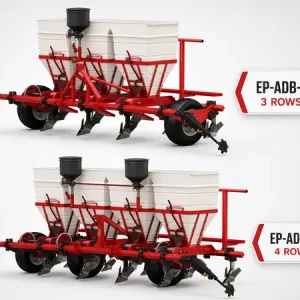
EP-ADB-380 / EP-ADB-480 Fertilizer Applicator – 3 & 4 Row
-
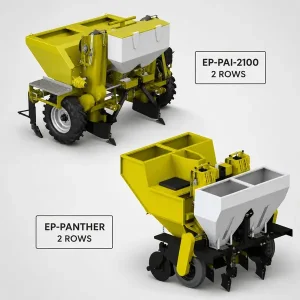
EP-PAI / EP-PANTHER Potato Planter – 2–4 Row | Seeds+Fertilizer+Spray