Korean certified seed potato (NAAS-certified, // classification system) is produced under a controlled, multi-tiered inspection programme administered by the National Institute of Agricultural Sciences (NAAS), a division of the Rural Development Administration (RDA). The certification system exists to ensure that commercially planted Korean potato has known genetic identity, freedom from viruses (PVY, PLRV, PVX, PVS), and freedom from seed-borne diseases (Fusarium dry rot, Rhizoctonia) — characteristics that deteriorate rapidly in uncertified saved seed propagated through multiple generations.
For Korean highland farmers, certified seed production offers the highest value potato operation available — but it also demands the most rigorous management standards. The THOR 2.4 stone crusher stone clearing standard and PSW-3200 rotavator seedbed preparation for certified seed fields are stricter than for commercial highland potato — because a seed potato with stone-contact skin damage cannot pass the certification visual inspection, and because the concentrated planting of the highest-quality seed in the best-managed fields demands a soil environment free of every preventable yield and quality constraint. This guide covers the full NAAS certification system and exactly why each step demands the highest stone management standard.
NAAS Certification Tiers — The Three-Generation Seed Supply Chain
The Korean NAAS certified seed potato system operates through three production tiers, each representing one generation further from the original tissue culture source material. Each tier has progressively less stringent inspection requirements — but all three require stone-cleared, disease-managed production fields:
Produced by NAAS directly from tissue culture minitubers in insect-proof screenhouses. Not produced by commercial farmers — this tier is entirely within the NAAS controlled facilities. Foundation seed is the source material for Registered Seed growers. It has the highest health status of the entire system — zero virus tolerance, zero disease tolerance, full genetic verification. The stone clearing and field management standards for foundation seed production are irrelevant to commercial growers because commercial growers never produce at this tier.
Produced by designated NAAS-approved growers from Foundation Seed. Registered seed growers are specialised, inspected farms — typically operated by provincial agricultural research stations or elite farmer cooperatives with the facilities and management capability to maintain the inspection requirements. Stone clearing at the Registered Seed level requires the two-pass THOR 2.4 protocol (autumn + spring) with CT-2100 collection and manual final walk, achieving the strictest 2 cm residual standard. A single failing field inspection disqualifies the entire lot from Registered Seed certification.
Produced by approved commercial farmers from Registered Seed. This is the tier accessible to Korean highland farmers who want to enter seed potato production as a premium revenue strategy. Certified Seed growers must be registered with the county RDA, complete the field application and approval process, plant only NAAS-approved Registered Seed from approved sources, maintain all field management standards, pass all growing season inspections, and provide harvested seed for final health testing before the lot is officially certified for sale. The Certified Seed tier is where the stone clearing, isolation distance, aphid management, and vine destruction standards described in this guide are mandatory requirements.
Why Certified Seed Fields Require the Strictest Stone Clearing Standard

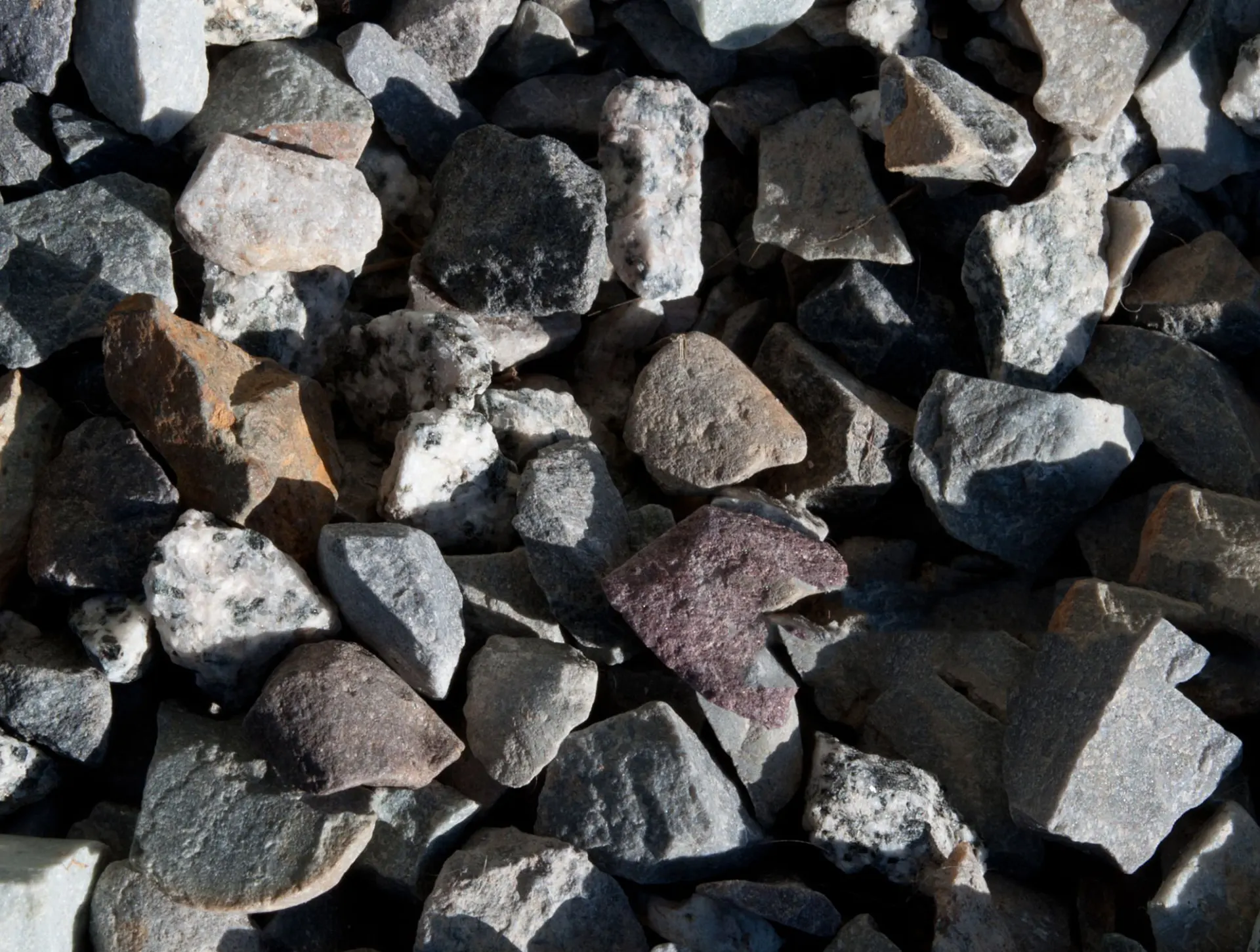
Certified seed potato has stricter stone clearing requirements than commercial potato for four specific reasons that are unique to the seed certification context. Understanding these reasons explains why the two-pass THOR 2.4 protocol (autumn + spring) that may be standard for ginseng land preparation is also the minimum standard for certified seed potato fields in Korean highland granite zones:
Reason 1: Visual inspection at harvest
NAAS Certified Seed requires visual inspection of harvested tubers for skin integrity — stone-contact abrasion, bruising, and skin defects are disqualifying factors in the visual inspection protocol. On stone-cleared fields, the EP-AWB-1600 harvest produces tubers with minimal skin damage. On un-cleared fields, even minor stone contact during harvest that would produce marginal Grade 2 for commercial potato can produce certification rejection for seed lot — the certification visual standard is stricter than fresh market Grade 1.
Reason 2: Field inspection standards
NAAS inspectors visit certified seed fields twice during the growing season (early growth inspection and pre-harvest inspection). The field inspection includes assessment of crop uniformity, which is directly affected by stone clearing quality — non-uniform emergence from stone-disrupted planting conditions, irregular plant vigour from variable soil depth above stones, and canopy gaps over stone-deflected rows all reduce the field uniformity score that determines inspection pass/fail status. Uniform emergence and canopy development on stone-cleared fields produces a field that passes the uniformity assessment reliably.
Reason 3: Premium price justifies maximum investment
NAAS Certified Seed commands a price 40–80% above commercial potato prices. The THOR 2.4 two-pass protocol cost (additional operating hours in spring + autumn) represents a small fraction of the premium revenue generated by converting a commercial potato field to certified seed production. The investment case for the strictest stone clearing standard is strongest for certified seed fields — because the return per hectare is highest, and because any certification failure (from stone-contact damage at harvest) eliminates the entire price premium for that lot.
Reason 4: Lot integrity across 6 years
A Registered Seed lot used to produce Certified Seed in Year 1 can be re-planted to produce additional Certified Seed for up to 3 generations before requiring fresh Registered Seed. If the Year 1 Certified Seed production field has poor stone clearing and harvest damage produces high stone-contact skin abrasion in the stored tubers, those damaged tubers are used as the planting material for Year 2 — carrying physical damage into the seed piece that reduces Year 2 crop emergence and performance. Seed potato field stone clearing quality cascades through up to 3 subsequent production seasons, multiplying the consequences of a single season’s inadequate clearance.
Field Requirements — Isolation Distance, History, and Inspection Schedule
Beyond stone clearing quality, NAAS Certified Seed field approval requires several additional field-specific criteria that determine whether a given Korean highland field is eligible for certification production:
| Requirement | Standard | Rationale |
|---|---|---|
| Isolation distance from commercial potato | Minimum 50 m from nearest commercial potato planting at the same altitude | Prevents virus-carrying aphids from moving between commercial potato (potentially virus-infected) and the seed field. 50 m provides adequate flight distance buffer for non-persistent virus vectors in calm conditions. |
| Potato production history | Minimum 3-year potato-free interval before Certified Seed production on any given field (Registered Seed: 4-year interval) | Reduces Rhizoctonia, Fusarium, and Verticillium wilt soil inoculum below the threshold that produces significant seed-borne disease incidence at harvest inspection |
| Volunteer potato plants | Zero tolerance for volunteer potato plants from previous seasons in the seed field | Volunteer plants carry the previous season’s virus status — any PVY-infected volunteer in a seed field creates a local virus source that aphids move from the volunteer to the current season’s certified plants |
| Growing season inspection visits | Minimum 2 NAAS inspector visits (early growth + pre-harvest). Additional visits if previous season virus testing raised concerns. | Early visit assesses variety purity, emergence uniformity, and disease status. Pre-harvest visit confirms vine destruction completion, canopy health, and confirms field meets certification criteria before harvest. |
| Post-harvest tuber testing | Random sample (minimum 200 tubers) from each lot tested at NAAS laboratory for PVY, PLRV, PVX, PVS by ELISA and PCR methods | Laboratory confirmation of virus freedom below certification threshold (Certified Seed: maximum 1% virus incidence allowed). Lab result required before lot can be officially certified for sale. |
The Economic Case — Certified Seed Premium vs Investment Required
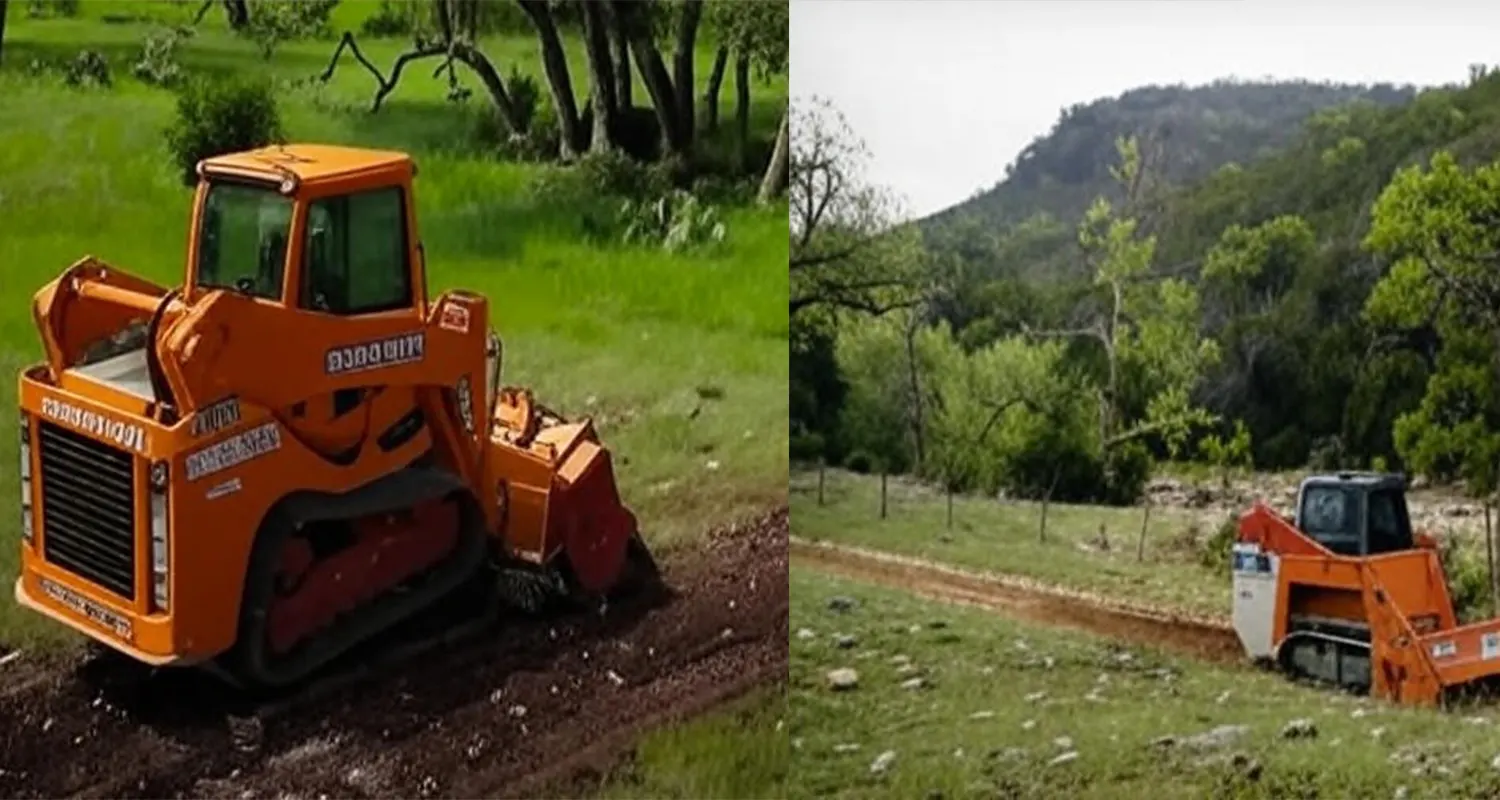
The economic case for certified seed production as a premium strategy for Korean highland farms requires comparing the additional investment in management (stone clearing protocol, isolation management, inspection compliance, virus testing) against the price premium available. The framework:
Certified Seed vs Commercial Potato — Economic Comparison Framework (per hectare)
Application and Approval Timeline — When to Start the Certification Process
Korean highland farmers who want to produce NAAS Certified Seed for the following season must begin the application process well before the spring planting date. The certification calendar at Tier 3 (Certified Seed production):
Frequently Asked Questions
What happens if a NAAS field inspection fails — is the entire season’s production lost?
A failed NAAS field inspection disqualifies the specific lot from Certified Seed status — the potato can be sold as commercial fresh market potato at commercial prices rather than seed prices. The investment in Registered Seed planting material and the additional management costs are sunk — so the economic loss compared to commercial production is the price premium foregone minus the seed planting material cost difference. The harvested potato is not lost or unsellable; it simply cannot be sold as certified seed. The inspection failure reason is documented and reported — the grower receives guidance on what corrective management is needed before the following season’s application. Most inspection failures on Korean highland certified seed fields are preventable: field uniformity (which stone clearing supports), isolation distance compliance (management decision), and vine destruction timing (scheduling compliance). Virus failures at post-harvest testing are less common on properly isolated highland fields above 600 m and are addressed through improved aphid management in the following season.
Does the EP-AWB-1600 potato digger need any specific setup adjustment for certified seed harvest vs commercial harvest?
Yes — certified seed harvest requires the EP-AWB-1600 to operate at the lowest speed range (1.5 km/h rather than 2.0–2.5 km/h) to minimise mechanical bruising of the seed tubers. The tubers must be not only visually clean but physically undamaged in their cellular structure — sub-surface bruising that is invisible at harvest but develops into internal browning during the storage/certification period can disqualify a lot at post-harvest inspection. Additionally, the share depth should be set 2–3 cm deeper than commercial harvest setting to maximise complete tuber extraction — any tubers left in the ground on a seed field are a loss of expensive Registered Seed investment. Complete extraction at careful speed is the combined goal of certified seed EP-AWB-1600 operation.
How much does certified seed production typically yield compared to commercial potato on the same field?
Certified seed potato fields managed to NAAS standards typically yield comparably to or slightly above commercial potato — because the seed production management (use of Registered Seed with the highest genetic vigour, strictest disease management, optimal planting depth and spacing) produces crops that perform at the upper end of their yield potential. The difference is not in biological yield but in how the yield is harvested: certified seed harvest is more conservative (slower speed, greater care) and vine destruction is earlier (3 weeks before harvest) — the early vine destruction reduces total tuber weight at harvest by approximately 5–10% compared to harvesting at full maturity. This small yield reduction from early vine destruction is offset by the premium price of the certified product. On a per-hectare revenue basis, certified seed production on well-managed stone-cleared highland fields consistently outperforms commercial potato by 25–60% net revenue per hectare — the primary reason Korean highland farmers are increasingly applying for certified seed production status.
Can I produce certified seed on a field that previously had heavy weed pressure?
Yes, with management. Weed pressure in the field history does not directly affect certification eligibility — the key exclusion criteria are potato production history (3-year minimum interval), isolation distance, and soil-borne disease history. However, heavy weed pressure fields may harbour volunteer potato plants from previous seasons that can carry virus — these must be completely eliminated before certified seed planting. The PSW-3200 deep tillage at Step 2 effectively destroys most volunteer potato shoots by cutting and burying the above-ground growth. Post-PSW-3200 field walk confirms no surviving volunteer growth before seed planting proceeds. If volunteer potato emerged density is high (more than 5 visible plants per 100 m² after tillage), a second PSW-3200 pass 10–14 days after the first, targeting any regenerated growth, is recommended before planting proceeds.
Is there a minimum field area for NAAS Certified Seed field registration?
Korean NAAS Certified Seed field registration does not specify an absolute minimum area — however, practical economic and inspection efficiency considerations mean that county RDA offices typically encourage applications for fields of at least 0.3 ha (30 a). Fields below this size produce insufficient certified seed volume to justify the inspection overhead and the fixed cost components of the testing and certification programme. For Korean highland farms building a certified seed programme incrementally, the practical approach is to designate one well-managed, stone-cleared block (0.5–1.0 ha) for certified seed in Year 1, produce and sell the certified lot, use the premium revenue to offset additional stone clearing investment in the seed block, and expand the certified seed area in Year 2 based on demonstrated inspection compliance and market access. Korea Watanabe can advise on the two-pass THOR 2.4 clearance protocol and documentation preparation for NAAS certified seed field applications.
Certified Seed Production System — THOR 2.4 Two-Pass Protocol and Field Preparation
Field area (ha) + current potato history + isolation distance from commercial fields → two-pass THOR 2.4 clearance protocol with CT-2100 and PSW-3200 schedule for NAAS Certified Seed field preparation. Korea Watanabe, Ansan-si, Gyeonggi-do.
Editor: Cxm