
Stone clearing is the necessary first step for Korean highland mechanised agriculture. But a stone-cleared field is not yet a biologically productive soil — it is a mineral-dominated profile with low organic matter, reduced microbial diversity (from the physical disturbance of clearance operations), and a freshly exposed mineral surface area that has the potential to support high biological activity but has not yet done so. The long-term value of the THOR 2.4 rock crusher investment is fully realised only when this soil-building programme is implemented alongside the physical clearance — and the programme’s outcome over 10–20 years is a Korean highland soil that progressively requires less mineral fertiliser, less fungicide, and less annual THOR 2.4 maintenance to produce the same or higher crop yields.
This article covers the specific soil-building processes that occur after THOR 2.4 clearance: the microbial community disruption and recovery sequence, the mechanisms by which freshly crushed granite mineral surfaces accelerate nutrient release, the organic matter accumulation programme using compost, cover crop residue, and the EP-DESTROYER system, and the realistic timeline for Korean highland granite soil to progress from the sub-1% organic matter of newly cleared land to the 3%+ that supports stable, high-yielding, low-input highland agriculture.
THOR 2.4 Operation and Soil Microbial Communities — Disruption Followed by Rapid Recovery
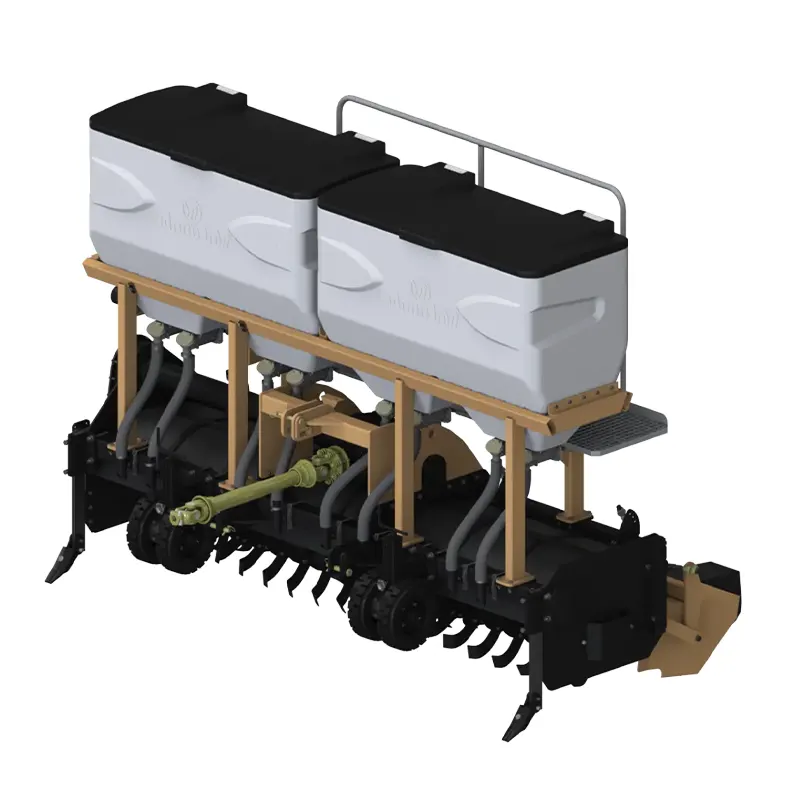
The THOR 2.4’s rotor action at 25–30 cm depth physically disrupts the soil profile — moving and fragmenting material that has been largely stationary for decades. This disruption temporarily reduces microbial population density and community diversity in the treated zone through three mechanisms:
The rotor impact and soil mixing disrupts the micro-aggregate structures within which microbial communities establish stable habitats. Soil micro-aggregates (clusters of mineral particles bound by microbial secretions and organic glues) provide the pore architecture that supports fungal hyphae networks and bacterial biofilms. THOR 2.4 rotor fragmentation breaks these micro-aggregates throughout the operating depth.
Fragmented stone mineral material is mixed throughout the soil profile, effectively diluting the existing organic matter (which was concentrated near the surface and within aggregate zones) across a larger mineral volume. Microbial population density is proportional to available organic matter — dilution reduces the energy source per unit volume of soil.
Korean highland soil microbial communities are resilient — population recovery after THOR 2.4 disturbance is rapid when organic matter is supplied. Microbial populations on freshly cleared Korean highland soil return to approximately 70–80% of pre-disturbance density within the first growing season when organic matter inputs are maintained (cover crop, compost application). Full microbial community diversity (not just population density) takes 3–5 seasons to recover fully. The critical management action: apply organic matter to the cleared soil in the first season after THOR 2.4 clearance to provide the energy substrate that drives microbial recovery.
The Freshly Crushed Granite Benefit — New Mineral Surface Area and Nutrient Release
The THOR 2.4’s fragmentation of intact granite stones creates a benefit that is less commonly discussed than stone clearing’s physical advantages: the freshly exposed mineral surfaces on fragmented granite release nutrients at a significantly higher rate than the original intact stone surfaces. This is the “rock weathering accelerant” effect of stone crushing:
Surface area multiplication
A 20 cm diameter intact granite stone has a surface area of approximately 0.013 m². When fragmented to 3 cm average pieces by the THOR 2.4, the same stone material produces approximately 200 fragments with a combined surface area of approximately 0.5 m² — a 40-fold increase. This surface area multiplication is directly proportional to the rate at which soil acids (from roots, organic matter decomposition, and rainfall) can weather the granite mineral surfaces and release potassium, calcium, magnesium, and trace elements into plant-available forms.
Long-term potassium release
Korean highland granite (biotite-containing granodiorite) contains significant potassium locked in the biotite mica lattice. Weathering of biotite surfaces releases this structural potassium into plant-available exchangeable form over years to decades. THOR 2.4 fragmentation that increases biotite surface area accelerates this potassium release — contributing a measurable slow-release potassium credit to Korean highland cleared soils that un-cleared fields with intact stones do not receive. This slow-release K credit is not immediately measurable in the Year 1 soil test but accumulates progressively over Years 3–10 as the freshly exposed biotite surfaces weather.
The Organic Matter Building Programme — Four Inputs, One Timeline
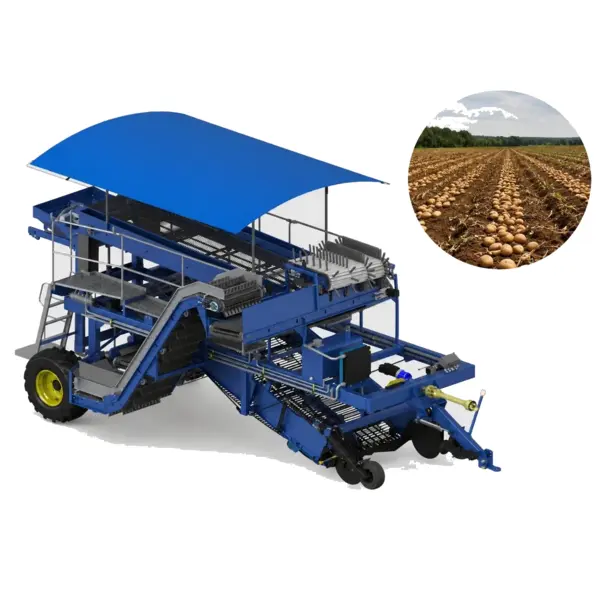
Korean highland granite soils begin at below 1% organic matter on most un-managed sites. Reaching 3% — the threshold above which soil water-holding capacity, nutrient buffering, and microbial diversity converge to produce the stable, self-regulating soil chemistry that reduces input requirements — requires consistent organic matter additions over multiple rotation cycles. Four primary organic matter inputs are available to Korean highland farms:
Highest single-application impact
Application rate: 10–20 t/ha in the potato year or legume year block. Organic matter contribution per application: approximately 0.15–0.30% OM increase per ha at 15 t/ha (assuming 50% of compost organic matter persists in the soil profile after decomposition). Compost is the most efficient single-application organic matter source available to Korean highland farms that also operate cattle — the EP-DESTROYER compost barn system transforms cattle manure from a waste management challenge into the primary organic matter source for the field system. Three consecutive years of compost application at 15 t/ha before the next crop year in the rotation raises organic matter from 0.8% to approximately 1.3–1.5%.
Contribution: 0.05–0.15% OM increase per rotation cycle from PSW-3200-incorporated hairy vetch or red clover biomass. Slower and smaller per-cycle contribution than compost, but sustained across every rotation without requiring external inputs. Over 10 rotation cycles (40 years), consistent legume year management contributes 0.5–1.5% cumulative OM — comparable to the compost programme at lower per-cycle input cost.
Harvested potato, radish, and cabbage crops leave root systems and harvest residues (leaves, stems, non-marketable roots) in the field. When incorporated by the PSW-3200 after harvest, this residue contributes 0.03–0.08% OM per year. The contribution is modest individually but continuous — it is present in every year of the rotation, including the harvest years when no specific organic amendment is applied. Cabbage leaf residue after harvest (October) incorporated by PSW-3200 before winter frost is the most voluminous single-crop residue in the Korean highland rotation.
Planting an autumn cover crop (winter rye, oats, or a Brassica cover) on Korean highland blocks in the September–October period after the primary crop harvest protects the soil from erosion during the winter monsoon transition period AND provides additional organic matter for PSW-3200 incorporation the following spring. Although non-legume winter cover crops do not fix nitrogen, their organic matter contribution (0.02–0.06% OM per incorporation) adds to the annual accumulation from all sources. Winter cover crops also support microbial community maintenance through the winter — the cover crop root system sustains microbial activity at low but positive levels even at Korean highland winter soil temperatures of 2–5°C.
The 20-Year Korean Highland Soil Building Timeline
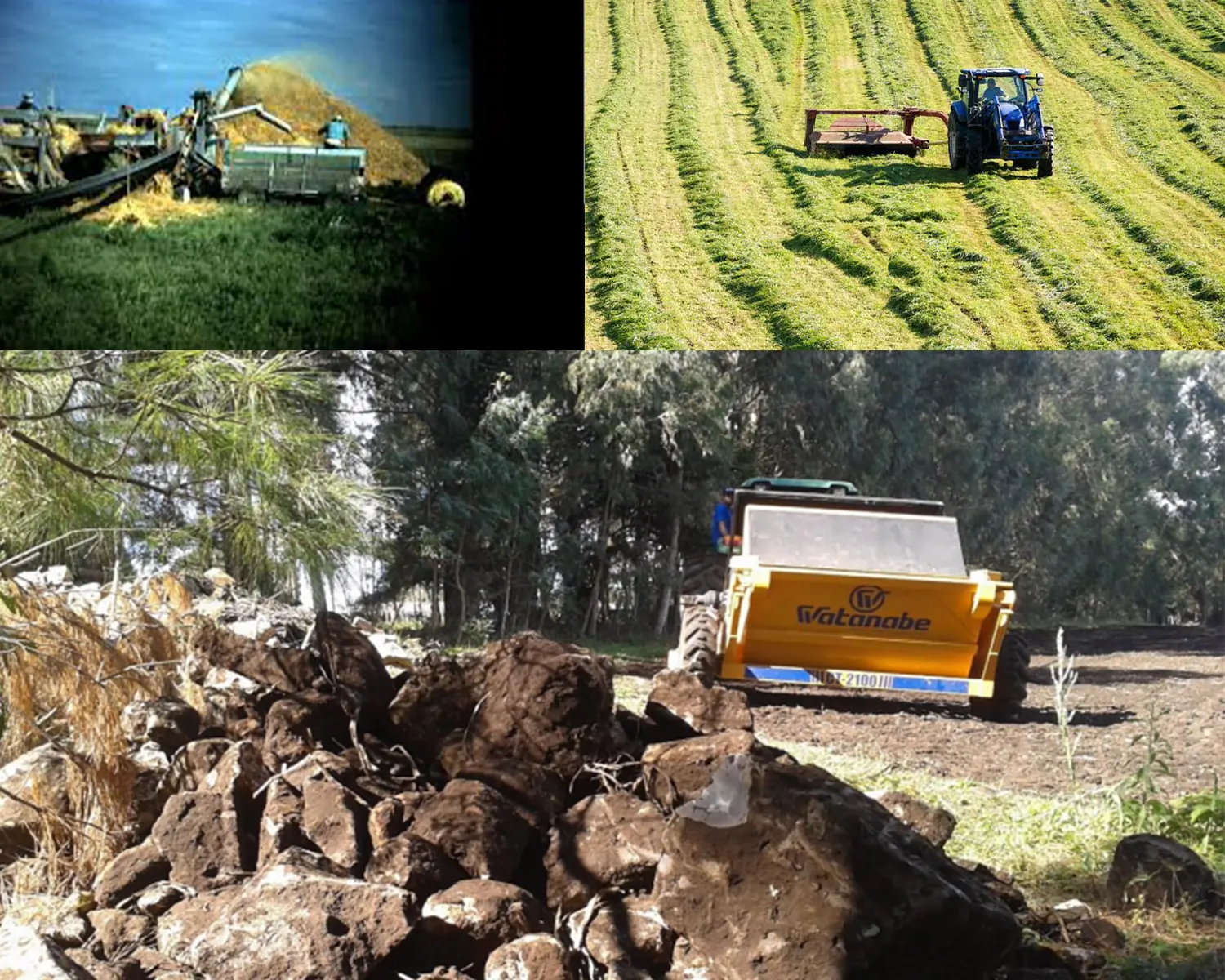
Korean highland granite soil organic matter trajectory — fully managed programme (compost + legume year + crop residue):
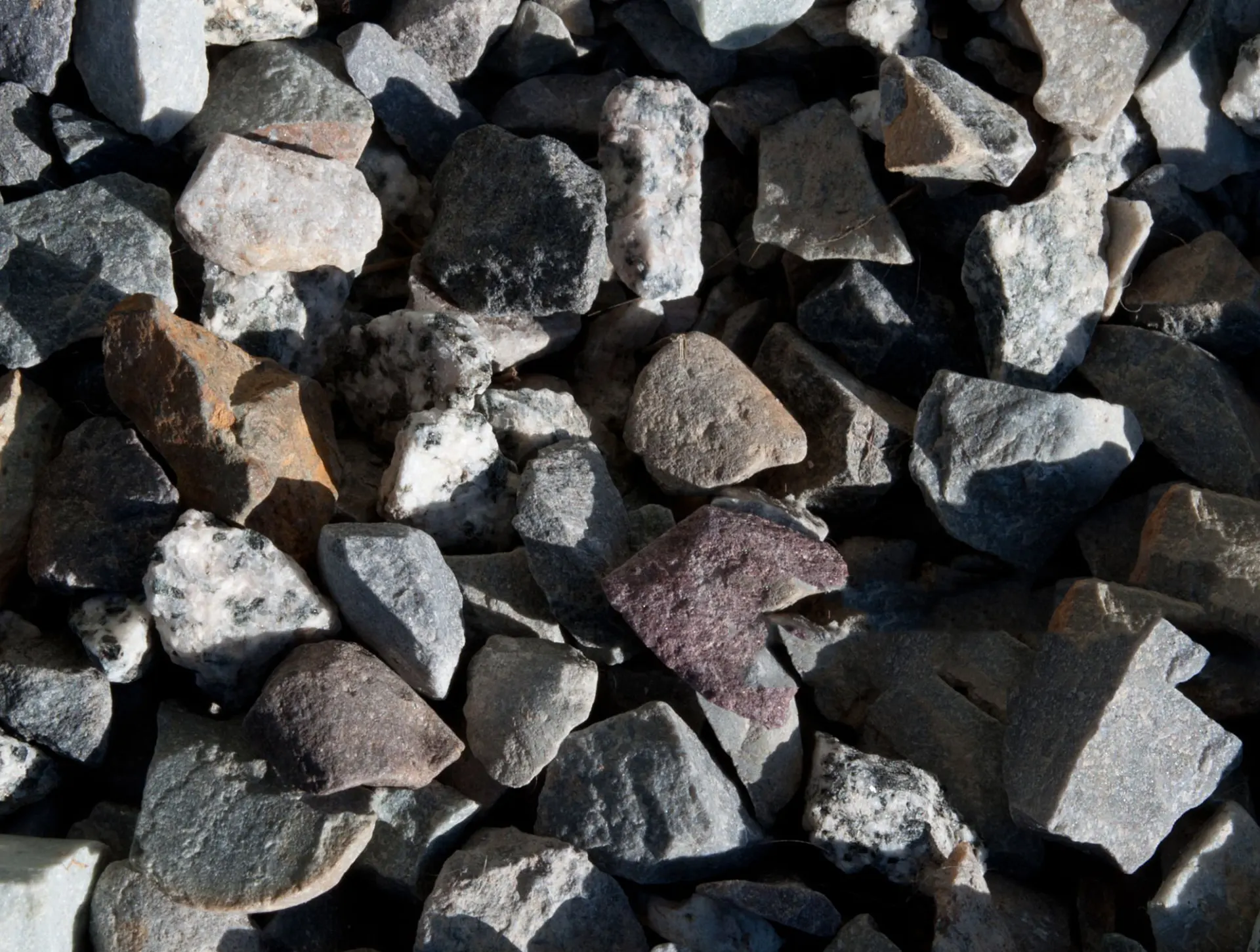
Monitoring Soil Building Progress — Using October Soil Tests to Track the Trajectory
The October annual soil test (described in the soil pH and lime management guide) is the primary monitoring tool for tracking the organic matter building programme’s progress. The OM% figure on each year’s soil test report documents the trajectory — confirming that the programme is working or identifying where inputs need to be increased to maintain the target accumulation rate.
A fully managed programme (compost + legume year + crop residue) should increase OM by approximately 0.10–0.20% per year on Korean highland granite soil. If the October soil test shows less than 0.08% increase from the previous year, identify which inputs are deficient: insufficient compost application, failed legume establishment, or absent crop residue incorporation. More than 0.25% per year increase is achievable with very high compost rates (20+ t/ha) but is difficult to sustain financially without a large cattle operation.
Begin adjusting mineral N and K application rates (as described in the nutrient management guide) when the October soil test first confirms OM above 2.0% — at this level, mineralisation from organic matter is providing sufficient nutrient release to justify a 10–15% reduction in mineral N rate. Above 3.0% OM, reduce mineral N by 20–30% from the Year 0 baseline rate. The nutrient management guide provides the specific adjustment factors for different OM levels — the October test is the annual data point that triggers each year’s fertiliser rate decision.
Frequently Asked Questions
Does the THOR 2.4’s annual operation reset the soil building progress each year?
Partially and progressively less so over time. In Year 1 after initial clearance, the THOR 2.4 annual pass on the potato year block disrupts the full 25–30 cm soil profile again — resetting the micro-aggregate structure that began forming in the previous season. However, the organic matter that was added (compost, legume residue, crop residue) is not removed by the THOR 2.4 pass — it is re-distributed through the profile but remains in the soil. Each THOR 2.4 pass after the first disruption is a lighter disturbance than the original clearance because: (1) there are fewer intact stones to fragment; (2) the existing soil has more micro-aggregate structure that partially survives the rotor action; (3) the depth of essential THOR treatment progressively decreases as the sub-surface stone population is reduced. By Year 5–8, the annual THOR pass on the potato year block is maintaining the clearance standard rather than dramatically disrupting the soil — the soil building programme continues to advance between the annual THOR passes rather than being reset each year.
What is the measurable crop yield benefit of moving from 1% to 3% OM on Korean highland potato?
The yield benefit of organic matter improvement on Korean highland potato operates through four simultaneous mechanisms, each contributing independently: (1) improved water-holding capacity (3% OM soil holds 50–70% more plant-available water than 1% OM soil at equivalent texture) — reduces drought stress incidence and duration during July–August dry intervals between typhoon events, directly increasing tuber size and preventing pithiness; (2) improved nutrient retention (higher CEC from OM) — reduces leaching losses, allowing lower mineral fertiliser application rates to maintain equivalent nutrient availability to roots; (3) Rhizoctonia and nematode suppression from diverse microbial community — reduces the soil-borne disease pressure that causes 5–15% yield loss annually on high-disease-pressure Korean highland soils; (4) improved soil structure from stabilised aggregates — produces more uniform fine tilth from the PSW-3200 rotavator pass, improving tuber development consistency. The combined yield benefit from 1% to 3% OM transition on Korean highland potato is estimated at 10–20% higher yield per unit mineral fertiliser applied — a return that compounds over each successive rotation cycle.
Can biochar be used to accelerate organic matter building on Korean highland cleared soils?
Biochar (charcoal produced from crop residues or wood at high temperature without combustion) has been applied as a soil amendment on Korean agricultural research plots, including highland research sites, with mixed results. The theoretical benefits of biochar — high surface area for nutrient adsorption, long persistence in soil (hundreds to thousands of years), improved water retention — are most pronounced on highly weathered, nutrient-poor tropical soils. On Korean highland granite soils, the benefits are less clearly demonstrated in field trial data. The freshly crushed mineral surfaces from THOR 2.4 clearance already provide high surface area for nutrient adsorption, partially substituting for biochar’s primary mechanism. For Korean highland farms, the evidence supports prioritising the established organic matter inputs (compost, legume residue, crop residue) over emerging amendments like biochar — the established inputs have clear agronomic track records in Korean highland conditions while biochar applications require site-specific trial data to confirm benefit before large-scale investment.
How does the stone clearing history affect the organic matter building rate?
Stone clearing history affects the rate of organic matter accumulation through the surface area and pore space mechanism. A soil with high residual stone content (poorly cleared or never cleared) has less mineral surface area for organic matter adsorption, fewer micro-aggregate binding sites for stabilising organic matter against decomposition, and less pore space for the microbial communities that produce the stable humic substances that constitute soil organic matter. Freshly THOR 2.4-cleared soil provides the maximum mineral surface area from freshly exposed granite faces — these surfaces are chemically reactive and provide more binding sites for organic matter stabilisation than the weathered, rounded surfaces of old intact stones. Korean highland soil organic matter accumulation rates are therefore highest in the first 3–5 years after THOR 2.4 clearance, when the freshly exposed mineral surfaces are at their maximum reactivity — a one-time soil chemistry advantage that the stone clearing operation provides beyond its physical clearing benefit.
Does improving soil organic matter reduce the annual THOR 2.4 operating requirement?
Yes — this is one of the most important long-term economic benefits of the soil-building programme. As organic matter increases and the stable soil aggregate structure strengthens, two mechanisms reduce the annual THOR 2.4 requirement. First, the improved micro-aggregate structure means that the soil better holds fragmented stone material in place rather than allowing it to be progressively heaved to the surface by freeze-thaw cycles — well-structured soils with higher OM show lower annual frost-heave re-emergence rates than low-OM structureless soils. Second, the progressively decreasing sub-surface stone population means that annual probe tests begin confirming freedom from stones above the critical threshold without requiring a THOR 2.4 pass — the EP-EW-4000 substitutes for the THOR 2.4 on an increasing proportion of field blocks as both the sub-surface stone density and the annual frost-heave emergence rate decline. A Korean highland farm at Year 10–15 of the managed programme typically requires the THOR 2.4 on only 30–50% of its total field area per year — the rest being manageable with the EP-EW-4000 alone — reducing THOR 2.4 fuel, tooth, and operating costs proportionally while maintaining the zero-tolerance surface standard.
Soil Building Programme — From Stone Clearing to 3% Organic Matter
Current OM% from soil test + compost source (cattle/no cattle) + legume year management + THOR 2.4 clearance history → 10-year organic matter accumulation plan with annual input targets and fertiliser reduction timeline. Korea Watanabe, Ansan-si, Gyeonggi-do.
Editor: Cxm