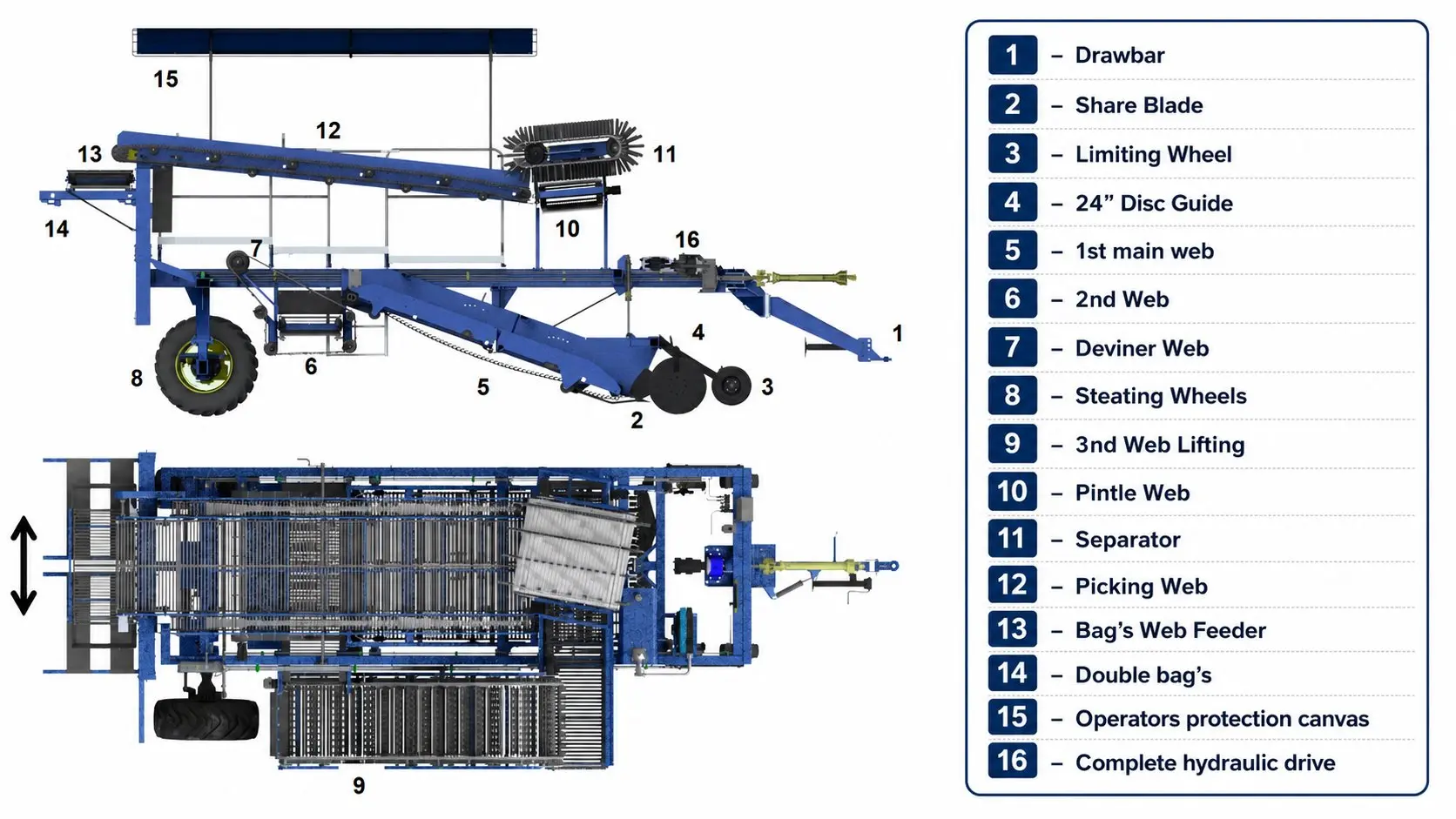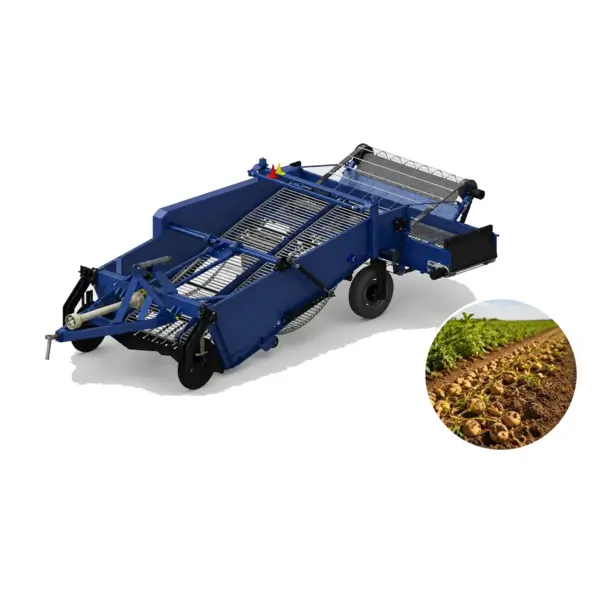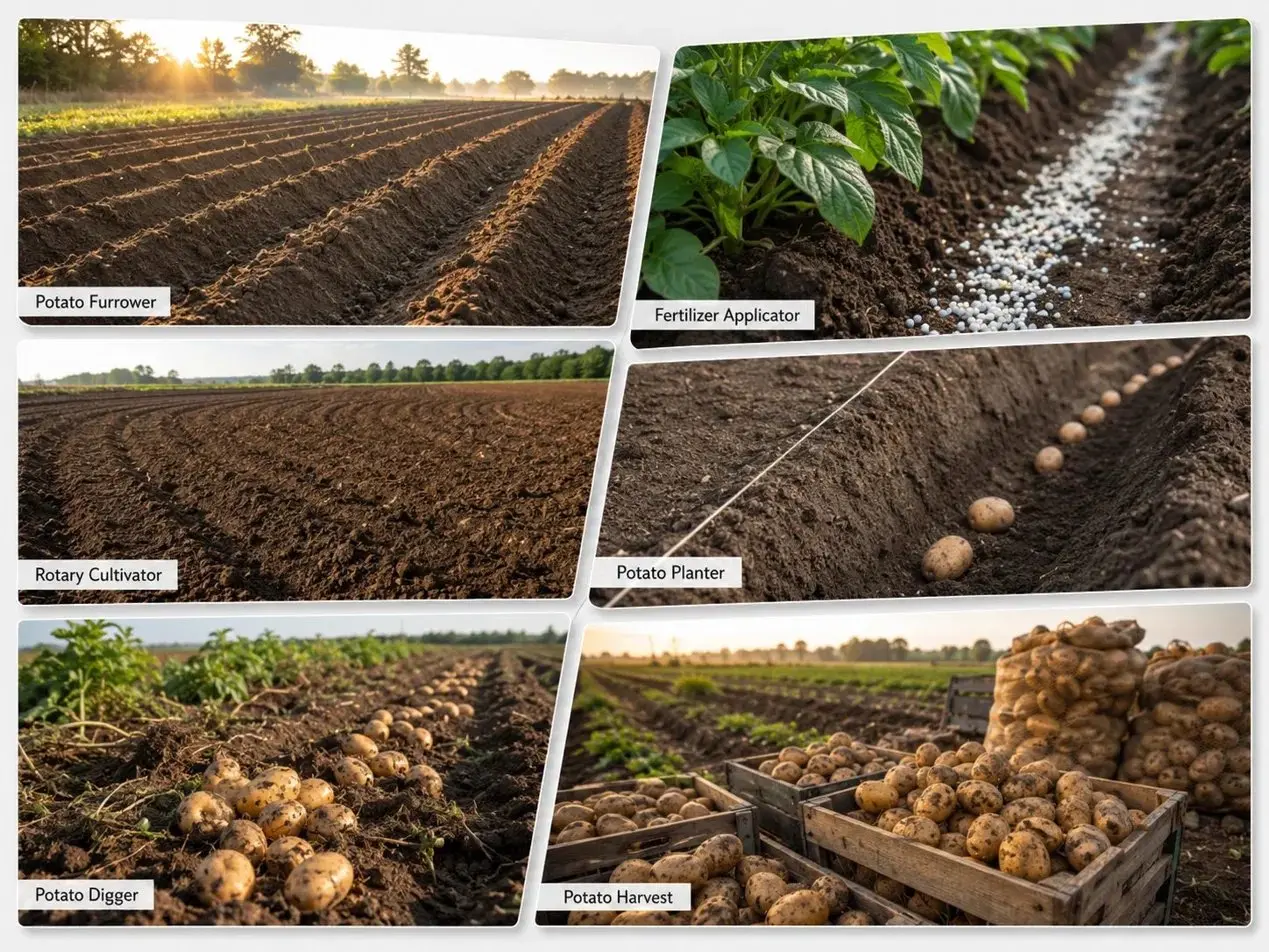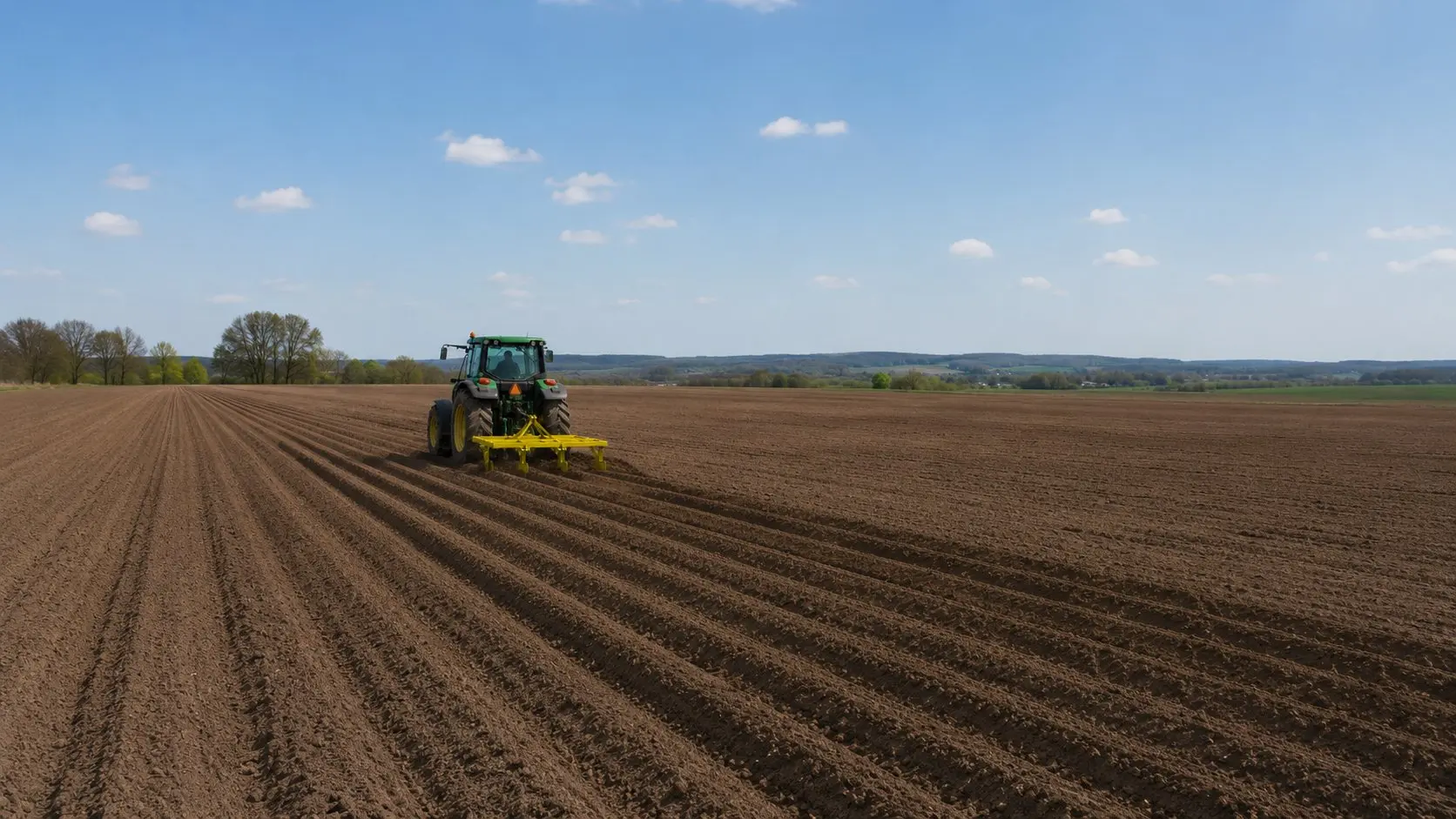
The Watanabe 7-step potato production system ends at Step 7 with the EP-AWB-1600 ポテト掘り機 lifting the tubers from the harvest ridge. But the harvest operation is not the end of the value chain — for most Korean highland potato producers, storage represents the most economically consequential phase of the production cycle. Fresh market potatoes that enter unmarketable storage conditions lose value rapidly; processing potatoes that are stored at the wrong temperature develop sugar accumulation that destroys processing quality; certified seed potato stored without proper lot segregation loses its traceability and certification status.
This guide covers the post-harvest storage requirements for each major Korean highland potato market channel — fresh market, processing supply, and certified seed — explaining the agrophysiological basis for each storage condition and the practical management protocols that maintain the value created by the preceding season’s stone clearing, tillage, and cultivation investment.
Why Stone Clearing Quality Affects Storage Outcome

The connection between stone clearing quality and storage outcome is skin integrity. A potato tuber’s periderm (skin layer) is its primary barrier against moisture loss, pathogen entry, and mechanical damage during storage. Tubers harvested from stone-cleared fields arrive at the storage facility with intact periderm — the skin was not abraded, scored, or pierced by stone contact during the mechanical harvest pass. Tubers from un-cleared fields frequently have skin abrasions, cuts, and pressure wounds from stone contact during the harvest operation — all of which become entry points for storage pathogens during the storage period.
Stone-cleared field harvest
Intact skin; no abrasion wounds; natural wax layer undamaged; periderm provides complete pathogen barrier. Expected storage loss in well-managed cold storage: 2–5% over 6 months. Grade maintenance: 90–95% of harvest grades retained at point of sale.
Un-cleared field harvest
Skin abrasions and cuts from stone contact; Fusarium and bacterial soft rot entry at wound sites; accelerated moisture loss from compromised skin. Expected storage loss: 8–20% over 6 months. Grade degradation compounds during storage as wound sites expand.
The Curing Period — The Most Critical 10–14 Days After Harvest
Curing is the process by which freshly harvested potato tubers form a new suberized wound periderm over mechanical harvest wounds. This wound periderm — produced when the tuber’s cells respond to wound exposure — provides the same moisture and pathogen barrier that the natural periderm does, sealing harvest cuts and abrasions within 10–14 days under correct conditions.
Korean Highland Potato Curing Conditions
In Korean highland production, curing conditions must be managed intentionally — the late August to September harvest period has ambient temperatures of 18–28°C in Gangwon-do, which is above the optimal curing temperature range of 12–16°C. Highland farmers who simply pile newly harvested potatoes in an open barn during the early part of the harvest season risk: temperatures above 20°C accelerating wound periderm formation but also accelerating Rhizoctonia and bacterial rot at wound sites; or (in cooler late-September harvests at high altitude) temperatures below 8°C slowing wound periderm formation to the point where wounds remain unsealed for 3–4 weeks rather than 10–14 days.
The practical solution for most Korean highland potato operations without purpose-built curing rooms: harvest and move to a shaded, ventilated barn space with good airflow to moderate temperature. Avoid direct sun on freshly harvested potatoes and avoid piling deeper than 1.0 m during the curing phase — deep piling generates heat from respiration that raises the internal temperature of the pile above the optimal curing range.
Long-Term Storage by Market Channel

Fresh Market Potato (, , Superior)
Fresh market varieties stored at 3–6°C maintain dormancy for 3–6 months depending on variety and tuber maturity at harvest. Below 3°C, sugar accumulation begins in fresh market varieties — converting starch to reducing sugars that produce unacceptable sweet taste in fresh-cooked potato. This sweetening problem is irreversible in most conditions — once sugars accumulate below 3°C, the potato is no longer suitable for fresh market sale even if temperature is restored. Maintain storage temperature above 3°C consistently throughout the storage period.
Processing Potato (Atlantic)
Atlantic processing potato requires the most precise temperature management of all Korean highland potato supply chains. At storage temperatures below 8°C, Atlantic undergoes cold-induced sweetening (CIS) — accumulating reducing sugars (glucose and fructose) that produce dark, unacceptable Maillard browning when the potato is fried for crisps or chips. Korean crisp manufacturers (Lotte, Orion, Nongshim) specify maximum reducing sugar content at intake — tubers that fail this specification are rejected or accepted only at significant price discount. The 8–10°C storage temperature is higher than most Korean cold storage is designed for; many Korean highland potato producers use ambient shed storage with temperature monitoring rather than cold storage for their Atlantic supply, accepting higher sprouting and shrinkage risk in exchange for avoiding CIS.
Certified Seed Potato ()
Common Korean Highland Potato Storage Diseases — Prevention and Recognition

Fusarium Dry Rot () — Most Common Korean Highland Storage Disease
Caused by Fusarium solani and related species. Entry via harvest wounds and stone abrasion damage. Produces dry, shrunken, internally rotted tubers that collapse during storage. Korean highland fields with Fusarium history in the soil contribute higher initial inoculum. Prevention: thorough curing to seal harvest wounds before cold storage; adequate airflow in storage to prevent condensation on tuber surfaces.
Connection to stone clearing: Stone abrasion wounds on un-cleared field harvests are the primary Fusarium entry points. Stone-cleared field harvests with intact skin have dramatically lower Fusarium dry rot incidence during storage.
Late Blight () — In-Store Spread from Infected Harvested Tubers
Tubers infected with Phytophthora infestans during the growing season (from foliar late blight infection that moves down the stem) are harvested with internal infection that is not visible at harvest time. These infected tubers develop visible wet rot in storage and can spread infection to adjacent healthy tubers in the storage pile. Prevention: thorough haulm destruction 2–3 weeks before harvest to allow infection to die back; storage pile inspection and removal of any soft or discoloured tubers within the first 2–3 weeks of storage.
Common Scab () — Affects Grade but Not Storability
Streptomyces-caused surface scarring that produces rough, scabby patches on the tuber skin. Predominantly a cosmetic downgrade issue rather than a storage rot — scabby tubers store adequately but arrive at fresh market with reduced appearance grade. Prevention is primarily through soil pH management (scab is suppressed at pH below 5.2, which is impractical for most crops) and irrigation management during tuber bulking. Stone clearing does not directly reduce scab incidence, but maintaining soil pH at the recommended 5.8–6.2 range (achievable with correct lime application after stone clearing) balances scab suppression against crop nutritional requirements.
EP-CWB-2L Big Bag Harvester — Eliminating Field Storage Handling

For Korean highland potato operations supplying directly to processing manufacturers (Lotte, Orion crisp lines), the EP-CWB-2L big bag harvester eliminates the most problematic storage handling step — transferring bulk-collected potatoes from field collection containers to storage facility. The EP-CWB-2L packs harvested potatoes directly into 500 Kg FIBC big bags in the field during the harvest pass. These bags are then moved directly to processor-specified collection points or short-term staging areas, bypassing the farm storage facility altogether.
For Atlantic crisp potato supply chains with tight delivery scheduling (manufacturer receives specific volumes on specific dates from contracted highland farms), the EP-CWB-2L system’s traceability and direct-fill capability aligns with the processor’s quality management requirements — each 500 Kg FIBC bag is filled from a specific field section and tagged with field identification, filling date, and variety. This lot-by-fill traceability is more granular than bulk storage lot management and directly supports the processor’s intake quality control procedures.
Practical Storage Management Tips for Korean Highland Operators
Monitor, don’t assume
Install min/max thermometers in the storage space — not just at the room level but inside the pile at 30 cm depth (where the tubers are). Internal pile temperature can be 2–4°C higher than ambient room temperature from respiration heat, particularly in the first 3–4 weeks of storage when respiration rates are highest. Correct airflow to maintain internal pile temperature in the target range.
Inspect weekly in the first month
Diseased tubers (late blight wet rot, soft rot) spread rapidly in storage. Weekly inspection of accessible pile surfaces in the first 4 weeks allows early removal of infected tubers before disease spreads to adjacent healthy stock. After the first month of stable storage conditions, inspection frequency can reduce to bi-weekly.
Ventilate before marketing
Potatoes that have been stored at cold storage temperatures (3–6°C) should be brought to ambient temperature (10–15°C) gradually over 2–3 days before bagging and marketing — preventing condensation on the cold tuber surface when it contacts warm ambient air (condensation accelerates surface mould growth during transport and retail display).
Contact Korea Watanabe for storage condition guidance specific to your variety, market channel, and storage facility type — including EP-CWB-2L big bag configuration for direct processing supply.
How Long to Store — Matching Supply Release to Market Price Cycles
Korean fresh market potato prices follow a predictable seasonal cycle that rewards farmers who can hold supply through the low-price period immediately after harvest (August–September, when all highland farms harvest simultaneously) and release to market during the higher-price periods (November–February, when highland supply is depleted and warm-region winter production is not yet available). The storage infrastructure that enables this price arbitrage is therefore not just a preservation tool — it is a market positioning tool.
| 期間 | Market condition | Storage strategy |
|---|---|---|
| 8月~9月 | Highland supply peak — prices lowest | Hold; sell only processing contract volumes; complete curing before cold storage entry |
| 10月~11月 | Supply depleting; prices rising | Begin releasing fresh market lots; target cooperative weekly consignment dates |
| 12月~2月 | Winter premium season — highest prices | Release stored highland potato into premium market; maximise Grade 1 lot releases |
| 3月~4月 | New Jeju and warm-region supply entering | Complete storage releases before new supply compresses prices again |
The key requirement for achieving the December–February premium is maintaining Grade 1 quality through 3–6 months of storage. This is only achievable when the harvest operation begins with stone-cleared field tubers — intact skin from the harvest through the storage period. Tubers harvested from un-cleared fields with skin abrasion damage that was adequate for September cooperative delivery frequently deteriorate below Grade 1 standards by December. The complete ジャガイモ加工機械 system — from stone clearing through mechanical harvest — ensures quality is preserved at every handling stage. The stone clearing investment that protected skin integrity at harvest is what enables the December price premium.
Variety-Specific Storage Characteristics
Korean highland potato varieties differ significantly in their storage characteristics — matching variety selection to the intended storage duration and market release timing is as important as matching to the market grade specification. Key variety storage profiles relevant to Korean highland production:
(Sumi)
Medium dormancy — 3–5 months at 3–5°C. Good for November–January market release. Lower CIS sensitivity than Atlantic.
Atlantic ()
Low dormancy — 3–4 months. High CIS sensitivity — must maintain 8–10°C. Processing contracts typically specify October–December delivery — storage beyond January is not recommended.
(Dubaek)
Long dormancy — up to 8 months at 3–5°C. Excellent for extended storage through the full winter. Preferred by farms targeting February–March premium release.
Korean Potato Grade Standards — What Each Grade Requires at Point of Sale
Understanding the official Korean potato grade standards is essential for aligning storage management with market expectations. Korean fresh market potato is graded under the Agricultural Products Quality Management Act () standards. The key grade criteria that storage management affects:
| 学年 | Skin condition | Shape | Greening | Sprouting |
|---|---|---|---|---|
| Grade 1 (/) | Intact, no abrasions | Variety-typical, no deformity | なし | None visible |
| Grade 2 () | Minor abrasion ≤10% surface | Minor irregularity | ≤5% surface area | ≤3mm sprout tips |
| Rejection | Significant damage, rot entry | Severe deformity or forking | >5% or deep green | Sprouts >3mm |
Every cell in the Grade 1 column depends on management decisions that begin before harvest. Intact skin at Grade 1 standard requires stone-cleared field harvest (no stone abrasion), correct curing conditions (wound periderm sealed before cold storage), and correct storage temperature (no chilling injury below 3°C). Absence of greening requires complete darkness throughout storage. Absence of visible sprouting requires maintaining storage temperature at or below 5°C consistently through the storage period. These are the management levers that convert stored potatoes from Grade 2 to Grade 1 — and the Grade 1 to Grade 2 price differential in Korean wholesale markets is typically 30–50% per kilogram, making each storage management decision economically significant.

よくある質問
My harvest window is compressed by early frost — can I skip curing and go straight to cold storage?
Skipping curing and placing freshly harvested potatoes directly into cold storage (below 6°C) dramatically increases Fusarium dry rot losses during the storage period — the harvest wounds remain unsealed and the cold temperature slows wound healing to near-zero. If the harvest window is compressed, a compromise approach is to apply rapid wound healing conditions (higher temperature, higher humidity) for 5–7 days before cold storage — accepting shortened curing versus the standard 10–14 days rather than no curing at all. For potato with significant stone abrasion damage from un-cleared fields, this compromise is particularly important because the wound surface area requiring healing is larger. The correct long-term solution is stone clearing before harvest to reduce wound surface area — which compresses the required curing time rather than eliminating it.
Does the EP-AWB-1600 digger speed affect tuber skin damage at harvest?
Yes — tractor forward speed during harvesting directly affects the mechanical impact of tubers against the lifting shares, web conveyor, and discharge point. Slower harvesting speed (1.5–2.5 km/h) reduces the velocity of tuber-to-metal contact and generally produces less skin damage than higher harvesting speeds. For fresh market potato where skin appearance grade is critical, harvesting at the lower end of the working speed range (1.5–2 km/h) is worth the reduced daily coverage area. For Atlantic processing potato where skin appearance is less critical than specific gravity and reducing sugar content, harvesting speed can be higher without grade penalty. A stone-cleared, well-tilled ridged field also allows the digger to work at its full rated speed without the erratic stone-impact decelerations that increase shock loads on harvested tubers in un-cleared field conditions.
What cold storage specification should I build or adapt for Korean highland potato storage?
A functional Korean highland potato storage facility requires: temperature control from 2°C to 10°C with ±1°C accuracy at tuber level (not just air temperature); relative humidity control from 85–95% with active humidification if the storage space is prone to drying; ventilation with ability to move air through the pile rather than just across the room surface (under-floor or in-pile ductwork for forced ventilation through the bulk); darkness (no light penetration — even diffuse light exposure accelerates greening in susceptible varieties at storage temperatures); and separate compartments for different lot types (fresh market, processing, and seed potato should not share the same compartment if all three are produced). Korea Watanabe does not supply cold storage facilities, but can direct Korean highland potato producers to agricultural storage construction specialists and the NAAS storage design guidelines applicable to each storage purpose category.
How do I prevent greening (chlorophyll development) in stored potatoes?
Potato tubers exposed to light — even diffuse artificial light in a storage building — develop solanine-containing green patches beneath the skin. Greened potatoes are downgraded for fresh market (green areas must be removed before cooking) and rejected outright by processing manufacturers. Prevention is straightforward: keep storage completely dark throughout the storage period. Even brief light exposure during inspection visits accumulates greening over a multi-month storage period. Use a torch for inspections and keep any lighting in the storage space off except during active inspection. Black polythene sheeting over the potato pile provides an additional layer of darkness protection if the storage building has windows or gaps admitting natural light.
What is the maximum pile height for Korean highland potato storage without forced ventilation?
Without forced ventilation (under-pile air ducts), the maximum recommended pile height for Korean highland potato storage is 1.0–1.5 metres. Above this height, heat from respiration accumulates in the pile centre — potentially raising internal temperature 3–5°C above ambient in the first weeks of storage when respiration rates are highest. This internal heating is particularly problematic for Atlantic processing potato, where even brief excursions above 10°C during the curing phase slow wound healing without triggering cold-induced sweetening — creating a narrow window where neither benefit nor protection applies. For storage piles deeper than 1.5 m, install simple under-pile ventilation ducts (perforated PVC pipe sections) that allow natural convection to move warm air from the pile base upward and out of the storage space.
Complete Potato System — from Stone Clearing to Harvest and Storage
Target market (fresh/processing/seed) + storage facility type + farm scale → complete harvest system recommendation covering EP-AWB-1600 or EP-CWB-2L selection with post-harvest management guidance. Korea Watanabe, Ansan-si, Gyeonggi-do.
編集者: Cxm