
कोरिया में प्रतिवर्ष लगभग 270,000-330,000 टन लहसुन का उत्पादन होता है - मूली और पत्तागोभी के बाद यह तीसरी सबसे अधिक उगाई जाने वाली सब्जी है - जिससे यह व्यावसायिक रूप से महत्वपूर्ण पहाड़ी फसलों में से एक बन जाती है, जिस पर पत्थर हटाने के काम का सीधा प्रभाव पड़ता है। आलू के विपरीत, जहाँ ग्रेड 1 मुख्य रूप से कंद के आकार और छिलके की स्थिति से निर्धारित होता है, लहसुन का ग्रेड 1 एक ही अपरिवर्तनीय मानदंड द्वारा निर्धारित होता है: कंद संपूर्ण, सममित और आधार से अविभाजित होना चाहिए। लहसुन का कंद जो भूमिगत विकास के दौरान पार्श्व पत्थर के प्रतिरोध से - आंशिक रूप से भी - फट गया हो, वह अपने आकार, छिलके की गुणवत्ता या स्वाद की परवाह किए बिना ग्रेड 1 प्रीमियम बाजार से स्थायी रूप से अयोग्य घोषित कर दिया जाता है।
कोरियाई लहसुन की खेती में पत्थर की सफाई यह सिर्फ पैदावार बढ़ाने के बारे में नहीं है। यह उस निवेश की सुरक्षा के बारे में है जो कोई भी परिणाम दिखने से पहले पांच से छह महीने तक जमीन में लगा रहता है — और यह सुनिश्चित करने के बारे में है कि कंद के विकास की जैविक प्रक्रिया सही ढंग से पूरी हो सके। यह मार्गदर्शिका कोरियाई पहाड़ी और मैदानी लहसुन उत्पादन के लिए पत्थर हटाने की विशिष्ट आवश्यकताओं, ग्रेड 1 मानक के पीछे की जैविक प्रक्रिया, पत्थर हटाने से संभव होने वाली यूइसीओंग प्रीमियम प्रमाणन प्रणाली और शरद ऋतु में THOR 2.4 पास से लेकर PSW-3200 उठी हुई क्यारियों के निर्माण तक संपूर्ण खेत की तैयारी के प्रोटोकॉल को कवर करती है।
लहसुन का ग्रेड 1 मानक — पत्थर क्यों ऐसा नुकसान पहुंचाते हैं जो कोई अन्य कारक नहीं पहुंचाता
कोरियाई लहसुन का बल्ब मार्च से मई तक एक मानक शीतकालीन लहसुन उत्पादन चक्र में जमीन के नीचे विकसित होता है। बल्ब का निर्माण तने के आधार पर शुरू होता है जहाँ लौंग के आवरण बनते हैं - मेड़ की सतह से 8-15 सेंटीमीटर नीचे। जैसे-जैसे बल्ब इस आरंभिक बिंदु से क्षैतिज रूप से फैलता है, यह आसपास की मिट्टी में मौजूद किसी भी ठोस पदार्थ के संपर्क में आता है। लहसुन में पथरी से होने वाली क्षति की भौतिक प्रक्रिया आलू में होने वाली क्षति की प्रक्रिया से मौलिक रूप से भिन्न है।
आलू को नुकसान पहुंचाने की प्रक्रिया
एक पत्थर आलू की बढ़ती हुई जड़ की दिशा बदल देता है — जड़ पत्थर के चारों ओर बढ़ती है, जिससे एक दोमुंहा कंद बनता है। आलू रुकावट के चारों ओर बढ़ता रहता है, जिससे एक विकृत लेकिन अक्सर पूर्ण आकार का आलू बनता है। क्षति कंद के लंबे या दोमुंहे आकार में प्रकट होती है।
लहसुन से होने वाले नुकसान का तंत्र
एक पत्थर लहसुन के बढ़ते हुए कंद पर पार्श्व संपीडन बल लगाता है। कंद का बाहरी आवरण, जो वृद्धि के दबाव में बाहर की ओर फैलता है, पत्थर से टकराता है और दिशा बदल लेता है — कंद अपनी कलियों की संरचना को एक या अधिक विखंडन तलों के साथ तोड़ देता है, जिससे एक "टूटा हुआ" या "दोहरा गोल" कंद बनता है जिसे ग्रेड 1 साबुत लहसुन के रूप में बेचा नहीं जा सकता। आलू के विपरीत, क्षति आंतरिक संरचना को होती है — कंद लगभग पूर्ण आकार का हो सकता है लेकिन पूरी तरह से ग्रेड 2 का होता है।
लहसुन की कली का विकास — पथरी के संपर्क से दूसरी कक्षा का परिणाम कैसे प्राप्त होता है
पत्थर रहित मैदान → ग्रेड 1
संपूर्ण, सममित, अखंड आवरण
→ 8,000–20,000 KRW/किलोग्राम
पत्थर पर
विकास की गहराई
स्टोन-प्रेजेंट फील्ड → ग्रेड 2
बाहरी आवरण फटा हुआ, लौंग अपनी जगह से हट गई
→ 500–1,500 केआरडब्ल्यू/किग्रा
यह आरेख केवल एक योजनाबद्ध चित्र है — यह दर्शाता है कि भूमिगत विकास के दौरान पार्श्व पत्थर प्रतिरोध किस प्रकार लहसुन की कली की व्यवस्था को विस्थापित करता है।
| श्रेणी | परिभाषा | अनसाफ़ किए गए खेत का अनुपात | साफ़ किए गए क्षेत्र का अनुपात | मूल्य सीमा KRW/Kg |
|---|---|---|---|---|
| ग्रेड 1 (संग-पम (ग्रेड 1)) | पूरी तरह से अक्षुण्ण आवरण। 6-8 बराबर लौंग। कोई दरार, टूटन या विकृति नहीं। | 55–681टीपी5टी | 87–941टीपी5टी | 4,000–20,000 |
| ग्रेड 2 (जंग-पम (ग्रेड 2)) | बाहरी आवरण में मामूली दरार, थोड़ी विषमता, कुछ लौंग गायब हैं। भोजन परोसने और प्रसंस्करण के लिए उपयुक्त। | 20–281टीपी5टी | 5–101टीपी5टी | 1,500–4,000 |
| ग्रेड 3 / प्रोसेसिंग | काफी फटा हुआ, दोहरा गोल, बेहद विकृत। केवल बारीक कटा हुआ लहसुन और अर्क प्रसंस्करण के लिए। | 12–171टीपी5टी | 1–31टीपी5टी | 500–1,500 |
कोरिया के एक लहसुन फार्म में ग्रेड 1 (बिना साफ किया हुआ) से 91% ग्रेड 1 (पत्थर साफ किया हुआ) में ग्रेड परिवर्तन से प्रीमियम मूल्य प्राप्त करने वाले उत्पादन के अनुपात में 40% की वृद्धि हुई है। यह राजस्व गुणक प्रत्येक किलोग्राम उत्पादन पर तब तक लागू होता है जब तक खेत साफ रहता है। यूइसोंग प्रीमियम बाजार में ग्रेड 1 की कीमत (प्रमाणित सूखे लहसुन के लिए 8,000-20,000 KRW/किलोग्राम) पर, यह ग्रेड परिवर्तन कोरिया की सभी पहाड़ी फसलों में पत्थर साफ करने से होने वाले सबसे अधिक मूल्य वाले राजस्व लाभों में से एक है।
यूइसोंग प्रीमियम — कोरिया के सबसे मूल्यवान लहसुन की उत्पत्ति पत्थर रहित उत्पादन पर कैसे निर्भर करती है
यूइसीओंग काउंटी (उत्तर ग्योंगसांग प्रांत) कोरिया में लहसुन का सबसे मान्यता प्राप्त मूल स्थान है। यूइसीओंग लहसुन के लिए पंजीकृत भौगोलिक संकेत (GDI) गैर-प्रमाणित मूल स्थानों से प्राप्त समान गुणवत्ता वाले लहसुन की तुलना में 2-5 गुना अधिक मूल्य प्रदान करता है। यूइसीओंग प्रमाणन की आवश्यकताओं और पत्थर हटाने की प्रक्रिया के साथ इसके संबंध को समझने से पता चलता है कि पत्थर हटाने में किया गया निवेश प्रमाणन के लिए एक अनिवार्य शर्त क्यों है, न कि अतिरिक्त खर्च।
यूइसोंग लहसुन का प्रमाणित मूल स्थान — प्रमुख उत्पादन आवश्यकताएँ
उत्तरी ग्योंगसांग प्रांत के यूइसीओंग काउंटी में पंजीकृत कृषि क्षेत्र। यह क्षेत्र काउंटी के प्रमाणित मूल क्षेत्र रजिस्टर में सूचीबद्ध होना चाहिए। पत्थर हटाकर साफ किए गए खेतों को प्राथमिकता के आधार पर रजिस्टर में सूचीबद्ध किया जाता है - ग्रेड 1 से कम उत्पादन गुणवत्ता वाले बिना साफ किए गए खेतों को गुणवत्ता समीक्षा के बाद रजिस्टर से हटाया जा सकता है।
प्रमाणित उत्पत्ति लेबलिंग के लिए प्रस्तुत किसी भी लॉट में न्यूनतम 85% ग्रेड 1 का संपूर्ण बल्ब होना चाहिए। यह सीमा आमतौर पर केवल पत्थर से साफ किए गए खेतों में ही प्राप्त होती है - बिना साफ किए गए खेतों में 55-68% ग्रेड 1 की श्रेणी प्रमाणन सीमा से नीचे आती है, जिससे बिना साफ किए गए खेतों में उत्पादित फसल अन्य कारकों की परवाह किए बिना प्रमाणित उत्पत्ति का दर्जा प्राप्त करने के लिए संरचनात्मक रूप से अपात्र हो जाती है।
यूइसीओंग प्रमाणित उत्पत्ति के लिए पंजीकृत यूइसीओंग लहसुन इकोटाइप (मानक कोरियाई लहसुन किस्मों की तुलना में छोटी कली, अधिक तीखापन और उच्च एलिसिन सामग्री) का उपयोग करके उत्पादन आवश्यक है। इस इकोटाइप के छोटे बल्ब के आकार के कारण यह मानक व्यावसायिक किस्मों की तुलना में गुठली से संबंधित विकृति के प्रति अधिक संवेदनशील होता है - यूइसीओंग इकोटाइप के लिए गुठली को हटाना मानक कोरियाई लहसुन की तुलना में कहीं अधिक महत्वपूर्ण है।
यूइसीओंग इकोटाइप के लिए pH 6.0–6.5 है — जो मानक कोरियाई लहसुन की स्वीकार्य सीमा 5.8–7.0 से अधिक है। ग्रेनाइट-आधारित यूइसीओंग मिट्टी (प्राकृतिक रूप से pH 4.5–5.5) पर, DCW 2.2 स्प्रेडर के माध्यम से वार्षिक चूने का प्रयोग प्रमाणन रखरखाव की आवश्यकता है, न कि वैकल्पिक मृदा सुधार।
प्रमुख कोरियाई खुदरा विक्रेताओं (ई-मार्ट, होमप्लस, कॉस्टको कोरिया) को यूइसीओंग द्वारा प्रमाणित मूल बिक्री के लिए मूल प्रमाण पत्र के साथ-साथ जीएपी प्रमाणन की भी आवश्यकता बढ़ती जा रही है। जीएपी फील्ड पंजीकरण के लिए THOR 2.4 + CT-2100 सिस्टम की जांच सत्यापन प्रक्रिया द्वारा तैयार किए गए त्रुटिरहित, दस्तावेजित फील्ड रिकॉर्ड की आवश्यकता होती है। ये दोनों प्रमाणन फील्ड तैयारी रिकॉर्ड के माध्यम से संचालन में जुड़े हुए हैं।
यूइसीओंग लहसुन के किसानों के लिए, पत्थर हटाने के निवेश का मूल्यांकन कोरियाई पहाड़ी क्षेत्र की सामान्य उपज पर लाभ के आधार पर नहीं किया जाता है - बल्कि प्रीमियम बाजार में यूइसीओंग प्रमाणित सूखे लहसुन की विशिष्ट मूल्य सीमा के आधार पर किया जाता है। यह सीमा इस मार्गदर्शिका श्रृंखला में शामिल किसी भी अन्य कोरियाई पहाड़ी फसल की तुलना में काफी अधिक है, यही कारण है कि प्रमाणन स्थापित होने के बाद यूइसीओंग लहसुन उत्पादन पर पत्थर हटाने के निवेश की प्रति हेक्टेयर वापसी अवधि किसी भी अन्य कोरियाई पहाड़ी फसल की तुलना में सबसे कम है।
पत्थर हटाने की गहराई और समय — लहसुन की खेती के लिए अक्टूबर का समय क्यों आवश्यक है
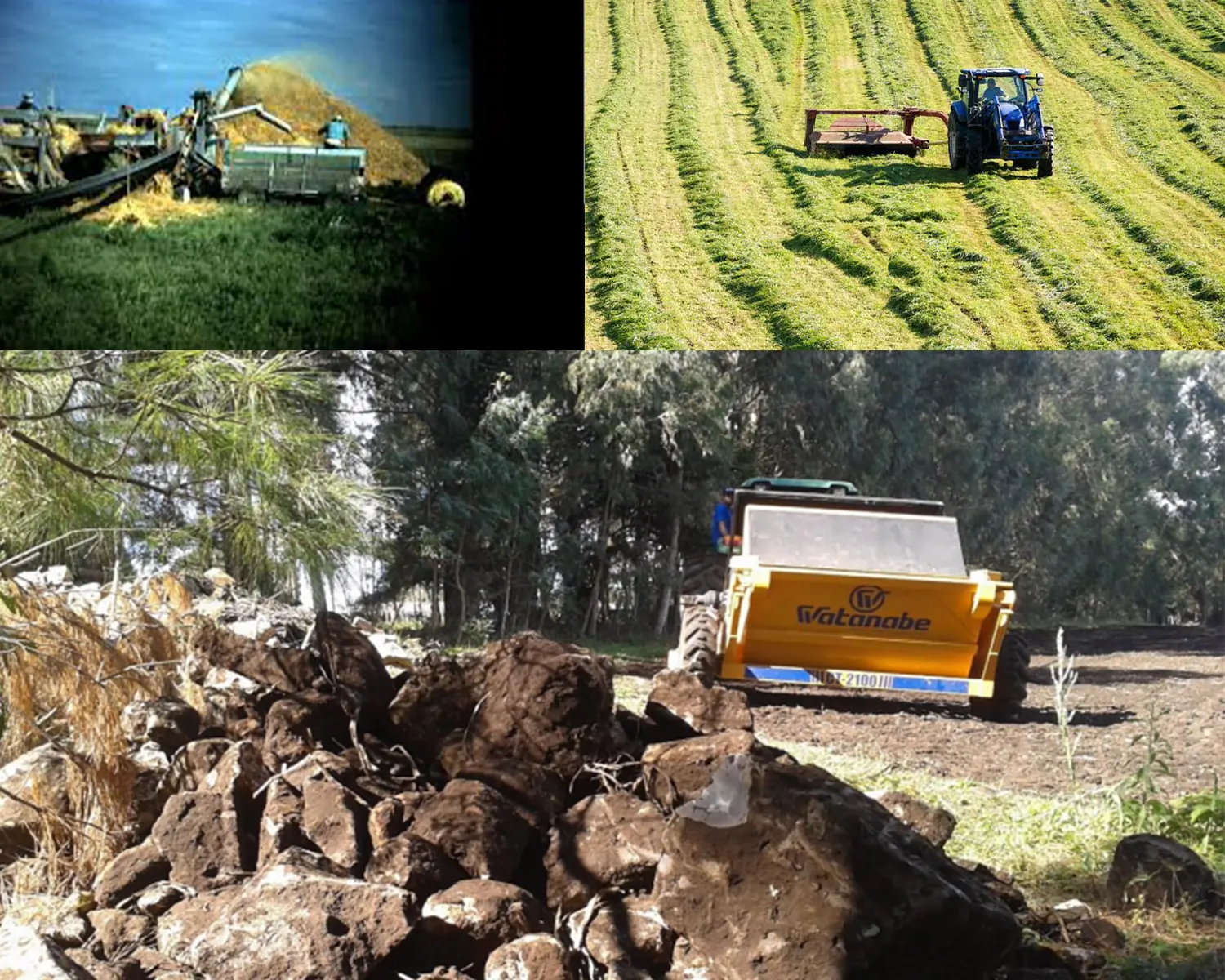 alt=”CT-2100 रॉक पिकर THOR 2.4 पास के बाद पत्थर इकट्ठा करने का काम पूरा कर रहा है — कोरियाई लहसुन उत्पादन के लिए, सीटी-2100 पीएसडब्लू-3200 की उठी हुई क्यारियों की तैयारी और नवंबर में शीतकालीन लहसुन की बुवाई समय पर हो सके, इसके लिए कटाई का काम अक्टूबर के अंत से पहले पूरा हो जाना चाहिए।
शीर्षक="सीटी-2100 लहसुन संग्रहण का समय - अक्टूबर की अवधि अनिवार्य है"
style=”width:100%;height:auto;display:block;border-radius:6px;margin:20px 0 28px 0;” />
कोरियाई लहसुन उत्पादन चक्र — समय की बाधाओं को समझना
कोरियाई शीतकालीन लहसुन (यूइसोंग और ग्योंगनाम क्षेत्रों में उत्पादित प्रमुख किस्म) की बुवाई अक्टूबर-नवंबर में की जाती है और अगले वर्ष मई-जून में इसकी कटाई होती है। बुवाई का यह समय पत्थर हटाने के लिए अनिवार्य है: THOR 2.4 क्लियरिंग पास, CT-2100 कलेक्शन और PSW-3200 रेज़्ड-बेड प्रिपरेशन, ये सभी कार्य नवंबर में बुवाई से पहले पूरे होने चाहिए। इससे पिछली फसल की कटाई (आमतौर पर गर्मियों की सब्जियों के लिए सितंबर के अंत में या शरद ऋतु के आलू के लिए शरद ऋतु की शुरुआत में) से पत्थर प्रबंधन और बेड तैयार करने की पूरी प्रक्रिया को पूरा करने के लिए अधिकतम 4-6 सप्ताह का समय मिलता है।
लहसुन के लिए पत्थर हटाने की गहराई 25-28 सेमी है, जबकि आलू के लिए यह 30 सेमी है।
कोरियाई लहसुन के कंद 8-15 सेंटीमीटर की गहराई पर विकसित होते हैं और उनकी जड़ें 20-25 सेंटीमीटर तक फैलती हैं। इसलिए लहसुन के लिए पत्थर हटाने की आवश्यक गहराई 25-28 सेंटीमीटर है - जो आलू (30 सेंटीमीटर) से कम और जिनसेंग (40 सेंटीमीटर) से काफी कम है। लहसुन की तैयारी के लिए 25-28 सेंटीमीटर की गहराई पर चलने वाली THOR 2.4 मशीन आमतौर पर आलू या जिनसेंग की तैयारी की तुलना में थोड़ी अधिक गति से आगे बढ़ सकती है, क्योंकि पत्थर के मानक घनत्व पर कोरियाई पहाड़ी ग्रेनाइट के लिए यह गहराई मशीन के सबसे कुशल संचालन क्षेत्र के भीतर आती है।
एक महत्वपूर्ण बात: लहसुन की जड़ का क्षेत्र आलू की तुलना में उथला होता है, लेकिन लहसुन के कंदों को सबसे अधिक नुकसान पहुंचाने वाले पत्थर मुख्य रूप से 25-30 सेंटीमीटर की गहराई में दबे हुए पत्थर नहीं होते हैं - बल्कि वे 10-20 सेंटीमीटर के पत्थर होते हैं जो सीधे कंद के विकास की ऊंचाई पर स्थित होते हैं। THOR 2.4 का एक पास जो 25-28 सेंटीमीटर की गहराई को लक्षित करता है, पहले से साफ न किए गए खेत में एक ही पास में सतह की पत्थर की परत और 10-20 सेंटीमीटर क्षेत्र दोनों को खंडित कर देता है। पिछले वर्षों में 30 सेंटीमीटर तक साफ किए गए खेत में, 20-22 सेंटीमीटर पर लहसुन के वार्षिक रखरखाव का पास पर्याप्त है - प्रारंभिक सफाई के बाद 20-25 सेंटीमीटर की गहराई पर बचे हुए पत्थर छोटे और कम होते हैं क्योंकि कई पाले के चक्रों ने धीरे-धीरे सतह के नीचे की सामग्री को सतह की ओर स्थानांतरित कर दिया है जहां CT-2100 इसे एकत्र कर सकता है।
PSW-3200 लहसुन की उठी हुई क्यारी की विशिष्टताएँ — आलू की क्यारी बनाने से भिन्न

कोरिया में लहसुन की खेती आलू की खेती में इस्तेमाल होने वाली संकरी क्यारियों के बजाय उठी हुई क्यारियों में की जाती है। लहसुन के लिए उठी हुई क्यारियों की संरचना उसकी पंक्ति रिक्ति आवश्यकताओं (कोरियाई लहसुन आमतौर पर प्रति क्यारी कई पंक्तियों में 15-18 सेमी की दूरी पर लगाया जाता है) और जल निकासी आवश्यकताओं (उठी हुई क्यारियां यह सुनिश्चित करती हैं कि वसंत मानसून के दौरान कंद विकास क्षेत्र में हवा का संचार बना रहे) के अनुरूप होती है।
PSW-3200 लहसुन की उठी हुई क्यारी बनाम आलू की रिज
The PSW-3200 रॉक क्रशर 1000 आरपीएम पर, 3.0 मीटर चौड़ाई (लहसुन की क्यारियों के बीच सामान्य दूरी के लिए निर्धारित) और 2.0 किमी/घंटा की गति से चलने वाली यह मशीन 5-8 मिमी की महीन मिट्टी वाली क्यारी तैयार करती है, जो लहसुन की कलियों को हाथ से रोपने या मशीनी रोपण के लिए आवश्यक होती है। चौड़ी लहसुन की क्यारी में एक बार में 4-6 पंक्तियाँ लगाई जा सकती हैं - जिससे आलू की खेती के बराबर ही जमीन कवर हो जाती है, लेकिन PSW-3200 मशीन को कम बार चलाना पड़ता है क्योंकि इस क्यारी में आलू लगाने वाली मशीनों की तरह सटीक रिज पीक ज्यामिति की आवश्यकता नहीं होती है।
लहसुन के लिए पीएच प्रबंधन — डीसीडब्ल्यू 2.2 लाइम पास क्यों अनिवार्य है
लहसुन कोरिया की पहाड़ी क्षेत्रों में उगने वाली सबसे अधिक पीएच संवेदनशील फसलों में से एक है। इष्टतम पीएच सीमा 6.0-6.5 है, जो सीमित है - 5.8 से कम पीएच पर, मैंगनीज विषाक्तता और कैल्शियम की कमी से कंद का विकास बाधित होता है; 7.0 से अधिक पीएच पर, आयरन क्लोरोसिस दिखाई देता है और एलिसिन संश्लेषण कम हो जाता है, जिससे यूइसियोंग किस्म के लहसुन का स्वाद कम हो जाता है। कोरिया की ग्रेनाइट मूल मिट्टी का पीएच 4.5-5.5 से शुरू होता है और फसल उगाने के दौरान समय के साथ अम्लीय हो जाता है।
कोरिया में लहसुन के खेतों में आमतौर पर ग्रेनाइट मिट्टी पर pH स्तर को 6.0-6.5 के बीच बनाए रखने के लिए प्रति चक्र (हर 1-2 वर्ष में) 2.5-3.5 टन प्रति हेक्टेयर कृषि चूने की आवश्यकता होती है। DCW 2.2 की 2,140 मिमी की फैलाव चौड़ाई और समायोज्य अनुप्रयोग दर, पहाड़ी सीढ़ीदार खेतों पर इन दरों पर सटीक कवरेज की अनुमति देती है।
CT-2100 स्टोन कलेक्शन पूरा होने के बाद, लेकिन PSW-3200 इनकॉर्पोरेशन पास से पहले, चूना डालें। क्रम इस प्रकार है: THOR 2.4 फ्रैग्मेंटेशन → CT-2100 कलेक्शन → DCW 2.2 लाइम स्प्रेड → PSW-3200 इनकॉर्पोरेशन पास। यह क्रम सुनिश्चित करता है कि एक ही PSW-3200 पास में चूना पूरे 22-25 सेमी प्रोफाइल में वितरित हो जाए, सतह पर न रह जाए।
चूना और नाइट्रोजन उर्वरक एक साथ या 7 दिनों के अंतराल में न डालें। चूना दाने के आसपास की मिट्टी का pH तुरंत बढ़ा देता है। यदि नाइट्रोजन (अमोनियम आधारित उर्वरक) एक साथ डाला जाता है, तो चूने के दाने के आसपास बढ़ा हुआ pH अमोनियम-N को अमोनिया गैस में बदल देता है, जिससे नाइट्रोजन का वाष्पीकरण काफी अधिक होता है। नाइट्रोजन उर्वरक डालने से कम से कम 1 सप्ताह पहले या बाद में चूना डालें।
5-वर्षीय निवेश पर प्रतिफल (ROI) — कोरियाई लहसुन की पथरी हटाने में निवेश बनाम संरक्षित राजस्व
लहसुन एक वार्षिक फसल है जिसका उत्पादन चक्र 6-8 महीने का होता है - जिनसेंग (4-6 वर्ष) की तुलना में छोटा और जिनसेंग की बहुवर्षीय जोखिम संरचना के विपरीत वार्षिक राजस्व उत्पन्न करता है। हालांकि, लहसुन का प्रति हेक्टेयर वार्षिक राजस्व आलू की तुलना में काफी अधिक है, जिससे लहसुन की गुठली हटाने की 5-वर्षीय निवेश पर लाभ (आरओआई) की गणना आलू की तुलना में समान लागत पर काफी अधिक अनुकूल हो जाती है।
लहसुन की गुठलियों को हटाने पर 5 साल का रिटर्न ऑन इन्वेस्टमेंट (ROI) — 1 हेक्टेयर संदर्भ क्षेत्र (यूइसोंग प्रकार, मानक पहाड़ी फसल चक्र)
उपज लगभग 8-10 टन प्रति हेक्टेयर। ग्रेड 1: 65%। कीमत: 2,500 केआरडब्ल्यू/किग्रा (गैर-प्रमाणित, मानक बाजार)। वार्षिक सकल आय: लगभग 16 मिलियन-20 मिलियन केआरडब्ल्यू।
उपज ~9–11 टन/हेक्टेयर। ग्रेड 1: 91%। कीमत: 6,000–12,000 KRW/किग्रा (यूइसोंग प्रमाणित मूल, प्रत्यक्ष बाजार)। वार्षिक सकल आय: ~49 मिलियन–110 मिलियन KRW। 7,000 KRW/किग्रा के रूढ़िवादी मूल्य का उपयोग करते हुए: लगभग 57 मिलियन केआरडब्ल्यू/वर्ष।
57 महीने – 18 महीने = प्रति हेक्टेयर शुद्ध राजस्व में लगभग 39 मिलियन केआरडब्ल्यू/वर्ष की वृद्धि।
40% सब्सिडी के बाद THOR 2.4 + CT-2100: लगभग 24 मिलियन KRW। आलू और अन्य फसलों के साथ साझा - लहसुन का सफाई निवेश में हिस्सा: लगभग 8 मिलियन-12 मिलियन KRW (कुल वार्षिक साफ किए गए खेत के उपयोग में लहसुन के क्षेत्र के हिस्से के अनुपात में)।
यूइसियोंग-प्रमाणित पहली फसल की कटाई के लगभग 10-14 सप्ताह बाद। लहसुन क्षेत्र द्वारा साफ़ किए गए क्षेत्र की लागत का हिस्सा, साफ़ किए गए क्षेत्र के बाद के पहले उत्पादन सत्र की पहली तिमाही में वसूल हो जाता है।
लगभग 39 मिलियन KRW/वर्ष × 5 वर्ष = ~195 मिलियन केआरडब्ल्यू लहसुन की कटाई की लागत 8M–12M KRW होने के बावजूद, केवल लहसुन से ही अतिरिक्त राजस्व प्राप्त होगा। लहसुन की कटाई में किए गए निवेश पर प्रतिफल: 16–24× 5 साल से अधिक।
सभी आंकड़े अनुमानित मूल्य निर्धारण के आधार पर प्रतिनिधि आंकड़े हैं। यूइसीओंग प्रीमियम की कीमतें वार्षिक आपूर्ति और बाजार की स्थितियों के अनुसार बदलती रहती हैं। यूइसीओंग मूल्य लागू होने से पहले प्रमाणन स्थापित होना आवश्यक है - प्रमाणन प्रक्रिया पूरी होने तक एक पूरे सीज़न के लिए मानक गैर-प्रमाणित मूल्य निर्धारण की अपेक्षा करें।
अक्सर पूछे जाने वाले प्रश्नों
कोरियाई लहसुन की खेती के लिए पत्थर हटाने की गाइड — लहसुन के खेतों के लिए THOR 2.4 की सही गहराई क्या है?
कोरियाई लहसुन की खेती की तैयारी के लिए THOR 2.4 मशीन द्वारा अनुशंसित सफाई की गहराई, पहली फसल के लिए बिना साफ की गई जमीन पर 25-28 सेमी और पहले से साफ किए गए खेतों में वार्षिक रखरखाव के लिए 20-22 सेमी है। 25-28 सेमी की प्रारंभिक सफाई की गहराई 10-25 सेमी के पथरीले क्षेत्र को लक्षित करती है जो लहसुन के कंद के विकास को सीधे प्रभावित करता है - इस गहराई पर मौजूद पथरी ही ग्रेड 2 कंद के फटने का मुख्य कारण है। 25-28 सेमी से नीचे के पथरी आमतौर पर लहसुन के कंद के विकास और जड़ क्षेत्र से नीचे होते हैं और लहसुन के लिए विशेष सफाई के दौरान उन्हें लक्षित करने की आवश्यकता नहीं होती है (जिनसेंग के विपरीत, जिसके लिए मुख्य जड़ विकास क्षेत्र के लिए 40 सेमी तक सफाई की आवश्यकता होती है)। कोरियाई उच्चभूमि ग्रेनाइट पर लहसुन के मौसम की मिट्टी की नमी की स्थिति (आमतौर पर अक्टूबर की कटाई के बाद, मध्यम रूप से शुष्क) में 25-28 सेमी की परिचालन गहराई पर THOR 2.4 मशीन 1.5-2.0 किमी/घंटा की गति से चल सकती है - जो आलू या जिनसेंग की तैयारी की गहराई सेटिंग्स से थोड़ी तेज है।
यूइसोंग लहसुन के बीज रहित उत्पादन का मानक क्या है और क्या कोरिया के अन्य काउंटी भी इसी तरह का प्रीमियम मूल्य प्राप्त कर सकते हैं?
यूइसीओंग लहसुन का प्रमाणित भौगोलिक संकेत (जीआई) केवल उत्तरी ग्योंगसांग प्रांत के यूइसीओंग काउंटी के लिए है - उत्पादन विधि या गुणवत्ता स्तर की परवाह किए बिना, अन्य काउंटी के लहसुन इस पर दावा नहीं कर सकते। हालांकि, कोरिया के अन्य लहसुन उत्पादक क्षेत्रों ने अपनी-अपनी प्रीमियम उत्पत्ति पहचान विकसित की हैं, जिसके तहत प्रमाणित मूल से प्राप्त ग्रेड 1 सूखे लहसुन की कीमत मानक से अधिक होती है: नामहे लहसुन (दक्षिण ग्योंगसांग), ताएआन लहसुन (दक्षिण चुंगचेओंग) और यूइसीओंग लहसुन, ये सभी प्रमाणित मूल उत्पादकों से प्राप्त ग्रेड 1 लहसुन के मानक सहकारी बाजार मूल्य से अधिक प्रीमियम प्राप्त करते हैं। ग्रेड 1 के लिए आवश्यक पत्थर रहित उत्पादन सीमा, जो प्रीमियम बाजार तक पहुंच प्रदान करती है, इन सभी क्षेत्रीय पदनामों पर लागू होती है - सटीक मूल्य प्रीमियम क्षेत्र और बाजार वर्ष के अनुसार भिन्न होता है, लेकिन अंतर्निहित उत्पादन आवश्यकता (85%+ ग्रेड 1 साबुत कंद) समान है। कोरिया वातानाबे ग्राहकों के परामर्श के लिए विशिष्ट लहसुन उत्पादक काउंटी के लिए लागू प्रीमियम गंतव्य पर मार्गदर्शन प्रदान करता है।
क्या पत्थरों से साफ किए गए एक ही खेत में लहसुन और आलू को बारी-बारी से उगाया जा सकता है?
जी हां— एक ही पत्थर-मुक्त कोरियाई पहाड़ी खेत में लहसुन और आलू की बारी-बारी से खेती करना कृषि विज्ञान की दृष्टि से अनुकूल और आर्थिक रूप से लाभदायक है। दोनों फसलों को पत्थर-मुक्त करने के समान मानक से लाभ होता है (हालांकि लहसुन के लिए 25 सेमी और आलू के लिए 30 सेमी की आवश्यकता होती है, जिसका अर्थ है कि लहसुन के खेत की सफाई आलू के खेत की सफाई की आवश्यकता का एक उपसमूह है)। यह बारी-बारी से खेती करने से दोनों फसलों में होने वाले एक ही फसल की खेती से होने वाले रोगजनन को रोका जा सकता है: लगातार आलू की खेती के दौरान होने वाले सोलानेसी रोगजनन के संचय के बिना आलू लहसुन के बाद लगाया जाता है, और आलू की गहरी जड़ प्रणाली से मिट्टी की संरचना में सुधार का लाभ लहसुन को मिलता है। एक महत्वपूर्ण बात: लहसुन को ऐसी मिट्टी में न लगाएं जहां पिछले 3 वर्षों में एलियम (लहसुन, प्याज, लीक) उगाए गए हों—लहसुन में पाया जाने वाला रोगजनक फ्यूजेरियम कल्मोरम लगातार एलियम की खेती के दौरान जमा हो जाता है और लहसुन की जड़ों पर सीधा हमला करता है। एक ही खेत में लहसुन की बारी-बारी से एक अनाज या ब्रासिका की फसल लगाने की सलाह दी जाती है। कोरिया वातानाबे की बारी-बारी से खेती की योजना संबंधी परामर्श सेवा विशिष्ट साफ किए गए खेत के लिए इष्टतम फसल क्रम को कवर करती है।
क्या लहसुन की कोई ऐसी विशेष किस्म है जो कोरियाई पहाड़ी क्षेत्रों की परिस्थितियों में पत्थर हटाने के लिए अन्य किस्मों की तुलना में बेहतर प्रतिक्रिया देती है?
यूइसीओंग किस्म (छोटे लौंग वाली, तेज़ तीक्ष्णता वाली शीतकालीन किस्म) पत्थर हटाने की प्रक्रिया में सबसे बेहतर प्रतिक्रिया देती है क्योंकि इसके छोटे बल्ब व्यास के कारण यह बड़े बल्ब वाली व्यावसायिक किस्मों की तुलना में पार्श्व पत्थर प्रतिरोध के प्रति अधिक संवेदनशील होती है। मानक कोरियाई व्यावसायिक शीतकालीन लहसुन (नामदो, दाएसान किस्में) भी पत्थर हटाने की प्रक्रिया से काफी लाभान्वित होती हैं, लेकिन यूइसीओंग किस्म की तुलना में ग्रेड 1 उत्पादन प्रतिशत थोड़ा कम होता है। प्रीमियम लहसुन उत्पादन के लिए विकसित किए जा रहे पत्थर रहित खेतों के लिए, कोरिया वातानाबे यूइसीओंग काउंटी क्षेत्र में स्थित खेत के लिए यूइसीओंग किस्म से शुरुआत करने की सलाह देता है, या अन्य प्रमाणित मूल क्षेत्रों के लिए क्षेत्रीय रूप से उपयुक्त किस्म का उपयोग करने की सलाह देता है। गैर-प्रीमियम बाजार उत्पादन के लिए, व्यावसायिक शीतकालीन किस्में (नामदो-प्रकार) यूइसीओंग किस्म की तुलना में अवशिष्ट पत्थर की आबादी के प्रति अधिक सहनशील होती हैं और उन खेतों में विश्वसनीय ग्रेड 1 अनुपात प्रदान करती हैं जहां पूर्ण पत्थर हटाने की प्रक्रिया के बजाय आंशिक पत्थर हटाने का उपचार किया गया हो।
क्या कोरियाई कृषि मशीनरी सब्सिडी विशेष रूप से लहसुन के खेत की तैयारी के लिए THOR 2.4 की खरीद पर लागू होती है?
जी हां— कोरियाई कृषि मशीनरी सब्सिडी इस पर लागू होती है थोर 2.4 रॉक क्रशर चाहे साफ किए गए खेत में कोई भी फसल उगाई जाए, सब्सिडी लागू होती है। सब्सिडी मशीन की खरीद पर लागू होती है, फसल पर नहीं। लहसुन की खेती के लिए THOR 2.4 मशीन खरीदने वाले लहसुन किसान को भी वही 40–50% सब्सिडी दर मिलती है जो आलू की खेती के लिए मशीन खरीदने वाले आलू किसान को मिलती है। सब्सिडी आवेदन के लिए पंजीकृत कृषि क्षेत्र और कृषि परिवार पंजीकरण आवश्यक है, जो आमतौर पर प्रमाणित मूल क्षेत्र में रहने वाले लहसुन किसान के पास पहले से ही होते हैं। कोरिया वातानाबे लहसुन किसानों के लिए सब्सिडी संबंधी दस्तावेज़ उसी तरह तैयार करता है जैसे आलू किसानों के लिए करता है – जनवरी आवेदन अवधि, काउंटी कोटा प्रणाली और 5 वर्ष की अनुपालन अवधि सभी समान रूप से लागू होती हैं। अगले जनवरी आवेदन अवधि के लिए संयुक्त सब्सिडी और खेत की तैयारी की योजना प्रक्रिया शुरू करने के लिए अक्टूबर-नवंबर में कोरिया वातानाबे से संपर्क करें।
लहसुन के खेत की तैयारी — अक्टूबर का महीना महत्वपूर्ण समय है
खेत का क्षेत्रफल + वर्तमान पत्थर घनत्व + लक्षित लहसुन की किस्म (यूइसोंग इकोटाइप या व्यावसायिक) + मौजूदा ट्रैक्टर एचपी → कोरिया वातानाबे अक्टूबर क्लियरिंग शेड्यूल, THOR 2.4 गहराई प्रोटोकॉल, PSW-3200 उठे हुए बेड विनिर्देश, DCW 2.2 चूने की दर और 2026 सब्सिडी गणना प्रदान करता है।
संपादक: सीएक्सएम