Corea produce aproximadamente entre 270.000 y 330.000 toneladas de ajo al año, siendo el tercer cultivo hortícola más importante después del rábano y la col, lo que lo convierte en uno de los cultivos de tierras altas más relevantes comercialmente y directamente afectado por la limpieza de piedras. A diferencia de la patata, donde la clasificación de Grado 1 se define principalmente por el tamaño del tubérculo y el estado de la piel, la clasificación de Grado 1 del ajo se define por un único criterio innegociable: el bulbo debe ser entero, simétrico y sin divisiones en la base. Un bulbo de ajo que se haya partido, incluso parcialmente, por la resistencia de las piedras laterales durante su desarrollo subterráneo queda permanentemente excluido del mercado de Grado 1, independientemente de su tamaño, calidad de la piel o sabor.
Limpieza de piedras en el cultivo de ajo coreano No se trata simplemente de mejorar el rendimiento. Se trata de proteger una inversión que permanece en el suelo de cinco a seis meses antes de que se vean los resultados, y de asegurar que el desarrollo biológico del bulbo se complete correctamente. Esta guía abarca los requisitos específicos de limpieza de piedras para el cultivo de ajo en tierras altas y bajas de Corea, la biología que respalda el estándar de Grado 1, el sistema de certificación premium Euiseong que permite la limpieza de piedras y el protocolo completo de preparación del campo, desde el cultivo de otoño THOR 2.4 hasta la formación de los bancales elevados PSW-3200.
El estándar de grado 1 del ajo: por qué las piedras causan el daño que ningún otro factor causa.
El desarrollo del bulbo de ajo coreano ocurre bajo tierra desde marzo hasta mayo, siguiendo un ciclo de producción de ajo de invierno estándar. El bulbo se inicia en la base del tallo, donde se forman las envolturas de los dientes, a una profundidad de 8 a 15 cm por debajo de la superficie del surco. A medida que el bulbo se expande horizontalmente desde este punto de inicio, encuentra cualquier material sólido presente en el suelo circundante. El mecanismo físico del daño causado por las piedras en el ajo es fundamentalmente diferente del mecanismo de daño en la papa.
Mecanismo de daño de la patata
Una piedra desvía la raíz principal en desarrollo de la patata; la raíz crece alrededor de la piedra, produciendo un tubérculo bifurcado. La patata continúa creciendo alrededor de la obstrucción, dando como resultado un tubérculo deforme, aunque a menudo de tamaño normal. El daño se manifiesta en la forma alargada o bifurcada del tubérculo.
Mecanismo de daño del ajo
Una piedra ejerce una presión lateral sobre el bulbo de ajo en expansión. La envoltura exterior del bulbo, que se expande hacia afuera bajo la presión de su crecimiento, choca con la piedra y se deforma. El bulbo divide sus dientes a lo largo de uno o más planos de clivaje, produciendo un bulbo partido o doblemente redondo que no puede venderse como ajo entero de primera calidad. A diferencia de la patata, el daño afecta a la estructura interna: el bulbo puede tener un tamaño casi completo, pero ser completamente de segunda calidad.
Desarrollo del bulbo de ajo: cómo el contacto con piedras produce un resultado de grado 2.
Campo libre de piedras → Grado 1
Envoltorio entero, simétrico e intacto
→ 8.000–20.000 KRW/kg
Piedra en
profundidad de desarrollo
Campo Stone-Present → Grado 2
Envoltorio partido, dientes desplazados
→ 500–1.500 KRW/kg
Diagrama esquemático únicamente: ilustra cómo la resistencia lateral de las piedras desplaza la disposición de los dientes de ajo durante el desarrollo subterráneo.
| Calificación | Definición | Proporción de terreno sin despejar | Proporción de campo despejado | Rango de precios KRW/Kg |
|---|---|---|---|---|
| Grado 1 (sang-pum (Grado 1)) | Envoltura entera e intacta. De 6 a 8 dientes de ajo parejos. Sin roturas, grietas ni deformaciones. | 55–68% | 87–94% | 4.000–20.000 |
| Grado 2 (jung-pum (Grado 2)) | Ligera rotura en el envoltorio, leve asimetría, faltan pequeños dientes de ajo. Apto para el servicio y procesamiento de alimentos. | 20–28% | 5–10% | 1.500–4.000 |
| Grado 3 / Procesamiento | Agrietamiento significativo, forma doblemente redonda, gravemente deformada. Solo se procesa para obtener ajo picado y extracto. | 12–17% | 1–3% | 500–1.500 |
El cambio de grado de 65% Grado 1 (sin limpiar) a 91% Grado 1 (limpiado con piedras) en una plantación de ajo coreana representa una mejora de 40% en la proporción de producto que recibe el precio premium, un multiplicador de ingresos que opera sobre cada kilogramo producido mientras el campo permanezca limpio. Con los precios de Grado 1 del mercado premium de Euiseong (8.000–20.000 KRW/kg para ajo seco entero certificado), este cambio de grado se encuentra entre las mejoras de ingresos de mayor valor que produce la limpieza de piedras en todos los cultivos de las tierras altas coreanas.
La prima Euiseong: cómo el origen del ajo más valioso de Corea depende de la producción sin piedras.
El condado de Euiseong (provincia de Gyeongsang del Norte) es el origen de ajo más reconocido de Corea. La indicación geográfica registrada para el ajo de Euiseong conlleva un precio entre 2 y 5 veces superior al del ajo de calidad equivalente procedente de orígenes no certificados. Comprender los requisitos de la certificación de Euiseong —y cómo la limpieza de los terrenos concuerda con dichos requisitos— revela por qué la inversión en limpieza es un requisito previo para la certificación, y no un complemento.
Ajo Euiseong con certificación de origen: requisitos clave de producción
Campo agrícola registrado en el condado de Euiseong, provincia de Gyeongsang del Norte. El campo debe estar inscrito en el registro de campos de origen certificado del condado. Los campos desbrozados reciben un estatus de registro preferencial; los campos sin desbrozar con una calidad de producción documentada inferior al umbral de Grado 1 pueden ser excluidos del registro tras una revisión de calidad.
Mínimo 85% Grado 1 bulbo entero en cualquier lote presentado para el etiquetado de origen certificado. Este umbral se alcanza habitualmente solo en campos desbrozados; el rango de 55–68% Grado 1 en campos sin desbrozar queda por debajo del mínimo de certificación, lo que hace que la producción de campos sin desbrozar sea estructuralmente inelegible para el estatus de origen certificado, independientemente de otros factores.
La certificación de origen Euiseong exige que la producción se realice con el ecotipo de ajo Euiseong registrado (dientes más pequeños, sabor más intenso y mayor contenido de alicina que las variedades estándar de ajo coreano). El menor tamaño del bulbo de este ecotipo lo hace más vulnerable a la deformación por piedras que las variedades comerciales estándar; la eliminación de piedras es aún más importante para el ecotipo Euiseong que para el ajo coreano estándar.
pH 6,0–6,5 para el ecotipo Euiseong, un rango más estricto que el rango aceptable de 5,8–7,0 para el ajo coreano estándar. En suelos Euiseong de origen granítico (con un pH natural de 4,5–5,5), la aplicación anual de cal mediante el esparcidor DCW 2.2 es un requisito de mantenimiento para la certificación, no una mejora opcional del suelo.
Las ventas de productos con certificación de origen de Euiseong a los principales minoristas coreanos (E-Mart, Homeplus, Costco Korea) requieren cada vez más la certificación GAP junto con el certificado de origen. El registro de campo GAP requiere el registro de campo documentado y libre de impurezas que genera el procedimiento de verificación de sonda del sistema THOR 2.4 + CT-2100. Ambas certificaciones están vinculadas operativamente a través del registro de preparación de campo.
Para los productores de ajo de Euiseong, la inversión en la limpieza de piedras no se evalúa según un marco genérico de retorno de la inversión para cultivos de montaña coreanos, sino según el precio máximo específico del ajo seco entero certificado de Euiseong en el mercado premium. Este precio máximo es considerablemente más alto que el de cualquier otro cultivo de montaña coreano incluido en esta serie de guías, razón por la cual el período de recuperación de la inversión en la limpieza de piedras para la producción de ajo de Euiseong es el más corto por hectárea de cualquier cultivo de montaña coreano una vez que se obtiene la certificación.
Profundidad y momento oportuno para la limpieza de piedras: por qué el ajo requiere la ventana de octubre.
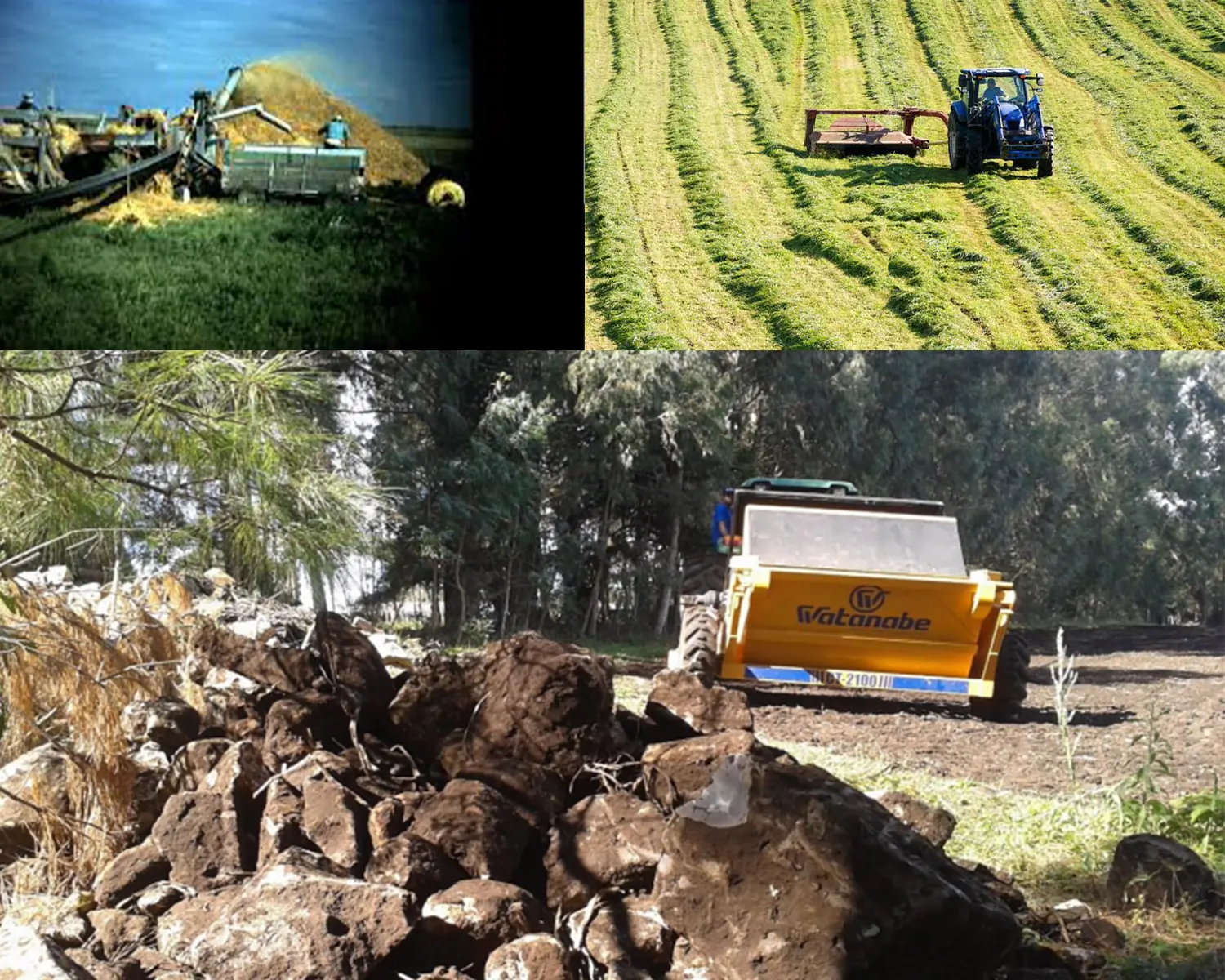 alt=”La recolectora de rocas CT-2100 completa la recolección de piedras después de pasar por THOR 2.4 — para la producción de ajo coreano, la CT-2100 La recolección debe completarse antes de finales de octubre para permitir la preparación de los bancales elevados PSW-3200 y la siembra de ajo de invierno en noviembre según lo previsto.
Título=”Plazo de recolección de ajo CT-2100: el período de octubre es obligatorio”
style=”width:100%;height:auto;display:block;border-radius:6px;margin:20px 0 28px 0;” />
El ciclo de producción del ajo coreano: comprender la limitación temporal.
El ajo de invierno coreano (el tipo de cultivo predominante en las regiones de Euiseong y Gyeongsang del Sur) se siembra entre octubre y noviembre y se cosecha entre mayo y junio del año siguiente. Esta fecha de siembra impone una restricción innegociable para la limpieza de piedras: la pasada de limpieza con THOR 2.4, la recolección con CT-2100 y la preparación de los bancales elevados con PSW-3200 deben completarse antes de la fecha de siembra de noviembre. Esto deja un máximo de 4 a 6 semanas desde la cosecha del cultivo anterior (normalmente a finales de septiembre para las hortalizas de verano o a principios de otoño para las patatas) para completar la secuencia completa de gestión de piedras y preparación de los bancales.
Profundidad de limpieza de piedras para el ajo: 25-28 cm frente a los 30 cm de la patata.
Los bulbos de ajo coreano se desarrollan a una profundidad de 8 a 15 cm y sus sistemas radiculares se extienden hasta los 20 a 25 cm. Por lo tanto, la profundidad de limpieza requerida para el ajo es de 25 a 28 cm, menor que la de la patata (30 cm) y considerablemente menor que la del ginseng (40 cm). La THOR 2.4, al operar a una profundidad de 25 a 28 cm en la preparación del ajo, puede moverse a una velocidad de avance ligeramente superior a la de la patata o el ginseng, ya que la profundidad de limpieza se encuentra dentro de la zona de operación más eficiente de la máquina para el granito de las tierras altas coreanas con la densidad estándar de la piedra.
Un matiz importante: la zona radicular del ajo es menos profunda que la de la patata, pero las piedras que causan mayor daño a los bulbos de ajo no son principalmente las que se encuentran a una profundidad de 25-30 cm, sino las que están a 10-20 cm de profundidad, justo a la altura de desarrollo del bulbo. Una pasada con THOR 2.4 dirigida a una profundidad de 25-28 cm fragmenta tanto la capa superficial de piedras como la zona de 10-20 cm en una sola pasada en un campo que no se ha limpiado previamente. En un campo que se ha limpiado en años anteriores a 30 cm, la pasada de mantenimiento anual del ajo a 20-22 cm es suficiente: las piedras que quedaron a una profundidad de 20-25 cm después de la limpieza inicial son más pequeñas y menos numerosas después de que varios ciclos de levantamiento por heladas hayan movido progresivamente el material subsuperficial hacia la superficie, donde el CT-2100 puede recogerlo.
Especificaciones del sistema de cultivo en bancales elevados para ajo PSW-3200: Diferente de la formación de surcos para patatas.

En Corea, el cultivo de ajo se realiza en bancales elevados en lugar de los surcos más estrechos que se usan para la patata. La geometría de los bancales elevados para el ajo se adapta a las necesidades de espaciamiento entre hileras (el ajo coreano se suele plantar con una separación de 15 a 18 cm entre plantas en varias hileras por bancal) y a sus requisitos de drenaje (los bancales elevados garantizan que la zona de desarrollo del bulbo se mantenga aireada durante el período del monzón de primavera).
Especificaciones del sistema de cultivo en bancales elevados para ajo PSW-3200 frente al sistema de cultivo en bancales elevados para patatas
El Trituradora de rocas PSW-3200 A 1000 RPM, con un ancho de 3,0 m (ajustado para el espaciamiento típico entre surcos de ajo) y una velocidad de 2,0 km/h, se crea la capa superior de labranza fina de 5 a 8 mm que requiere la siembra manual o el trasplante mecánico de dientes de ajo. El mayor ancho del surco permite sembrar de 4 a 6 hileras por pasada, cubriendo la misma superficie que la producción de patatas con menos pasadas de la PSW-3200, ya que el surco no requiere la geometría precisa de la cresta que exigen las máquinas sembradoras de patatas.
Control del pH para el ajo: por qué el paso de cal DCW 2.2 es innegociable.
El ajo es uno de los cultivos de las tierras altas coreanas más sensibles al pH. El rango óptimo de pH, entre 6,0 y 6,5, es estrecho: por debajo de 5,8, la toxicidad por manganeso y la deficiencia de calcio suprimen el desarrollo del bulbo; por encima de 7,0, aparece la clorosis férrica y se reduce la síntesis de alicina, disminuyendo la intensidad del sabor que caracteriza al ajo Euiseong. Los suelos graníticos coreanos tienen un pH inicial de entre 4,5 y 5,5 y se acidifican con el tiempo debido al cultivo.
Los campos de ajo coreanos suelen requerir entre 2,5 y 3,5 t/ha de cal agrícola por ciclo de aplicación (cada 1 o 2 años) para mantener un pH entre 6,0 y 6,5 en suelos graníticos cultivados. El ancho de esparcimiento de 2140 mm y la tasa de aplicación ajustable del DCW 2.2 permiten una cobertura precisa con estas dosis en terrazas de gran altitud.
Aplique la cal una vez finalizada la recolección de piedra con CT-2100, pero antes de la pasada de incorporación con PSW-3200. La secuencia es: fragmentación THOR 2.4 → recolección CT-2100 → aplicación de cal DCW 2.2 → pasada de incorporación con PSW-3200. Esta secuencia garantiza que la cal se distribuya a lo largo de todo el perfil de 22 a 25 cm en una sola pasada con PSW-3200, sin que quede en la superficie.
No aplique cal y fertilizante nitrogenado simultáneamente ni con menos de 7 días de diferencia. La cal eleva el pH del suelo inmediatamente alrededor del gránulo; si se aplica nitrógeno (fertilizante a base de amonio) al mismo tiempo, el pH elevado alrededor del gránulo de cal convierte el nitrógeno amoniacal en gas amoníaco, lo que provoca una importante pérdida de nitrógeno por volatilización. Aplique la cal al menos una semana antes o después de cualquier aplicación de fertilizante nitrogenado.
Retorno de la inversión a 5 años: Inversión en la limpieza de piedras de ajo coreano frente a ingresos protegidos
El ajo es un cultivo anual con un ciclo de producción de 6 a 8 meses, más corto que el del ginseng (4 a 6 años), y genera ingresos anuales en lugar de la estructura de riesgo compuesto plurianual del ginseng. Sin embargo, los ingresos anuales por hectárea del ajo son sustancialmente mayores que los de la patata, lo que hace que el cálculo del retorno de la inversión a 5 años para la limpieza de piedras de ajo sea significativamente más favorable que para la patata con un coste de limpieza equivalente.
Retorno de la inversión (ROI) de la limpieza de piedras de ajo a 5 años — Campo de referencia de 1 ha (tipo Euiseong, rotación estándar de tierras altas)
Rendimiento: ~8–10 t/ha. Grado 1: 65%. Precio: 2500 KRW/kg (sin certificar, mercado estándar). Ingresos brutos anuales: ~16M–20M KRW.
Rendimiento ~9–11 t/ha. Grado 1: 91%. Precio: 6.000–12.000 KRW/Kg (origen certificado Euiseong, mercado directo). Ingresos brutos anuales: ~49M–110M KRW. Utilizando un valor conservador de 7.000 KRW/Kg: ~57 millones de KRW/año.
57M – 18M = Mejora de los ingresos netos por hectárea de aproximadamente 39 millones de wones coreanos al año.
THOR 2.4 + CT-2100 después del subsidio 40%: ~24 millones de KRW. Compartido con la papa y otros cultivos: la participación del ajo en la inversión de desbroce: ~8 a 12 millones de KRW (proporcional a la participación del área de ajo en el uso total anual de campos desbrozados).
Aproximadamente entre 10 y 14 semanas después de la primera cosecha certificada de Euiseong. La parte del costo de desbroce que corresponde al área de cultivo de ajo se recupera en el primer trimestre de la primera temporada de producción posterior al desbroce.
~39 millones de KRW/año × 5 años = ~195 millones de wones coreanos Ingresos adicionales provenientes únicamente del ajo, frente a un costo de compensación de acciones de ajo de entre 8 y 12 millones de KRW. Rentabilidad de la inversión en compensación de ajo: 16–24× más de 5 años.
Todas las cifras son estimaciones representativas basadas en precios conservadores. Los precios premium de Euiseong varían según la oferta anual y las condiciones del mercado. La certificación debe obtenerse antes de que se aplique el precio de Euiseong; prevea una temporada completa con el precio estándar para productos no certificados mientras se completa el proceso de certificación.
Preguntas frecuentes
Guía coreana para la limpieza de piedras en el cultivo de ajo: ¿cuál es la profundidad correcta de THOR 2.4 para los campos de ajo?
La profundidad de limpieza recomendada para la THOR 2.4 en la preparación de campos de ajo coreano es de 25–28 cm en la primera limpieza de terrenos sin limpiar, y de 20–22 cm para las pasadas de mantenimiento anuales en campos previamente limpiados. La profundidad de limpieza inicial de 25–28 cm apunta a la zona de piedras de 10–25 cm que afecta directamente al desarrollo del bulbo de ajo; las piedras a esta profundidad son la causa principal de la división del bulbo de Grado 2. Las piedras por debajo de 25–28 cm generalmente están por debajo de la zona de desarrollo y raíz del bulbo de ajo y no es necesario abordarlas en la pasada de limpieza específica para el ajo (a diferencia del ginseng, que requiere una limpieza a 40 cm para la zona de desarrollo de la raíz principal). La THOR 2.4 a una profundidad de operación de 25–28 cm en granito de tierras altas coreanas con condiciones de humedad del suelo propias de la temporada del ajo (típicamente después de la cosecha de octubre, moderadamente seco) puede operar a una velocidad de avance de 1.5–2.0 km/h, ligeramente más rápido que los ajustes de profundidad de preparación para papa o ginseng.
¿Cuál es el estándar de producción de ajo sin hueso de Euiseong y pueden otros condados coreanos lograr el mismo precio superior?
La indicación geográfica (IG) certificada del ajo de Euiseong es específica del condado de Euiseong, provincia de Gyeongsang del Norte; no puede ser reclamada por ajo de otros condados, independientemente del método de producción o el nivel de calidad. Sin embargo, otras regiones productoras de ajo de Corea han desarrollado sus propias identidades de origen premium que permiten obtener precios superiores al estándar para el ajo seco entero de Grado 1 de origen verificado: el ajo de Namhae (Gyeongsang del Sur), el ajo de Taean (Chungcheong del Sur) y el ajo de Uiseong alcanzan precios superiores al precio estándar del mercado cooperativo para el ajo entero de Grado 1 de productores con origen certificado. El umbral de producción de Grado 1 sin piedras que permite el acceso al mercado premium se aplica a todas estas designaciones regionales; el precio premium exacto varía según la región y el año del mercado, pero el requisito de producción subyacente (85%+ Grado 1 bulbo entero) es consistente. Korea Watanabe ofrece orientación sobre el destino premium aplicable al condado productor de ajo específico para cualquier consulta del cliente.
¿Se pueden cultivar ajo y patata de forma rotativa en el mismo campo despejado de piedras?
Sí, la rotación de ajo y papa en el mismo campo de tierras altas coreanas, previamente desbrozado, es agronómicamente compatible y económicamente ventajosa. Ambos cultivos se benefician del mismo estándar de desbroce (aunque el ajo a 25 cm frente a la papa a 30 cm implica que el desbroce del campo de ajo es, en la práctica, un subconjunto del desbroce del campo de papa). La rotación rompe la acumulación de enfermedades propias del monocultivo, a la que ambos cultivos son propensos: la papa sigue al ajo sin la acumulación de patógenos solanáceos que se produce en la producción continua de papa, y el ajo sigue a la papa con el beneficio de la mejora estructural del suelo gracias al sistema radicular más profundo de la papa. Una restricción importante: no se debe plantar ajo en suelos donde se hayan cultivado alliums (ajo, cebolla, puerro) en los últimos 3 años, ya que el patógeno transmitido por el suelo Fusarium culmorum se acumula en cultivos continuos de alliums y ataca directamente las raíces del ajo. Se recomienda un cultivo intercalado de cereales o brasicáceas entre las rotaciones de ajo en el mismo campo. La consultoría de planificación de rotación de Korea Watanabe abarca la secuencia óptima de cultivos para el campo desbrozado específico.
¿Existe alguna variedad específica de ajo que responda mejor a la limpieza con piedras que otras en las condiciones de las tierras altas de Corea?
El ecotipo Euiseong (variedad de invierno de diente pequeño y alto picor) responde de manera más notable a la eliminación de piedras, ya que su menor diámetro de bulbo lo hace más sensible a la resistencia lateral a las piedras que las variedades comerciales de bulbo grande. El ajo de invierno comercial coreano estándar (tipos Namdo y Daesan) también se beneficia significativamente de la eliminación de piedras, pero con un porcentaje de aumento de Grado 1 ligeramente menor que el ecotipo Euiseong. Para campos desbrozados destinados a la producción de ajo premium, Korea Watanabe recomienda comenzar con el ecotipo Euiseong si el campo se encuentra en la zona del condado de Euiseong, o con el ecotipo regionalmente apropiado para otras zonas de origen certificadas. Para la producción en mercados no premium, las variedades comerciales de invierno (tipo Namdo) son más tolerantes a las poblaciones residuales de piedras que el ecotipo Euiseong y producen proporciones confiables de Grado 1 en campos que han recibido un tratamiento de eliminación de piedras parcial en lugar de completo.
¿Se aplica el subsidio coreano para maquinaria agrícola a las compras de THOR 2.4 específicamente para la preparación de campos de ajo?
Sí, el subsidio coreano para maquinaria agrícola se aplica a la Trituradora de rocas THOR 2.4 independientemente del cultivo que se vaya a destinar al terreno despejado. La subvención se aplica a la compra de la maquinaria, no al cultivo: un agricultor de ajo que compre una THOR 2.4 para la preparación del terreno recibe la misma tasa de subvención 40–50% que un agricultor de patatas que compre una para la preparación del terreno de patatas. La solicitud de subvención requiere un terreno agrícola registrado y un registro de la explotación agrícola, ambos requisitos que un agricultor de ajo en una zona de origen certificada normalmente ya posee. Korea Watanabe prepara la documentación de la subvención para los agricultores de ajo de la misma manera que para los agricultores de patatas: el plazo de solicitud de enero, el sistema de cuotas por condado y el período de cumplimiento de 5 años se aplican por igual. Póngase en contacto con Korea Watanabe entre octubre y noviembre para comenzar el proceso combinado de planificación de la subvención y la preparación del terreno para el siguiente plazo de solicitud de enero.
Preparación del terreno para el cultivo de ajo: octubre es el período crítico.
Área del campo + densidad actual de piedras + variedad de ajo objetivo (ecotipo Euiseong o comercial) + HP del tractor existente → Korea Watanabe proporciona el cronograma de limpieza de octubre, el protocolo de profundidad THOR 2.4, la especificación de la cama elevada PSW-3200, la tasa de cal DCW 2.2 y el cálculo del subsidio de 2026.
Editor: Cxm