कोरियाई सरकार का कृषि मशीनरी सब्सिडी कार्यक्रम — विशेष रूप से 2026 कोरियाई कृषि मशीनरी सब्सिडी आवेदन चक्र - कोरियाई पहाड़ी किसानों के लिए मशीनरी में निवेश की लागत कम करने का प्राथमिक वित्तीय तंत्र है। कृषि मशीनरी खरीद सहायता कार्यक्रम - कृषि, खाद्य और ग्रामीण मामलों के मंत्रालय (MAFRA) द्वारा प्रशासित और काउंटी स्तर पर नोंग-ह्यूप नेटवर्क के माध्यम से वितरित - महत्वपूर्ण संरचनात्मक परिवर्तनों के साथ अपने 2026 चक्र में प्रवेश कर रहा है। MAFRA ने 2025 की तुलना में अपने कुल 2026 कृषि बजट (KRW 234.8 बिलियन / लगभग USD 162 मिलियन) में 16.9% की वृद्धि की घोषणा की है, जिसमें नई प्राथमिकताएं शामिल हैं जो सीधे तौर पर प्रभावित करती हैं कि किन मशीनों को उच्च समर्थन दरें प्राप्त होंगी और काउंटी स्तर पर कोटा वितरण कैसे काम करता है।
यह मार्गदर्शिका कोरिया वातानाबे की पिछली सब्सिडी मार्गदर्शिका में शामिल 2025 के ढांचे को अद्यतन करती है। यह विशेष रूप से इस बात पर केंद्रित है कि 2026 में क्या बदलाव हैं, ये बदलाव कोरियाई पहाड़ी खेतों द्वारा पत्थर तोड़ने वाली मशीनों, पत्थर बीनने वाली मशीनों, रोटावेटर और आलू की मशीनरी की खरीद को कैसे प्रभावित करते हैं, और वार्षिक सीमा के भीतर प्राप्त कुल सब्सिडी को अधिकतम करने के लिए संयुक्त मशीन खरीद आवेदन को कैसे तैयार किया जाए। 2026 की सभी सब्सिडी दरों के लिए खरीद प्रतिबद्धता से पहले कोरिया वातानाबे और संबंधित काउंटी कार्यालय से अंतिम पुष्टि आवश्यक है।
2026 में क्या बदलाव हुए — 2025 के कार्यक्रम से पांच प्रमुख अंतर
2026 का कार्यक्रम केवल अद्यतन संख्याओं वाला 2025 का कार्यक्रम नहीं है। पाँच संरचनात्मक परिवर्तन इस बात को प्रभावित करते हैं कि कोरियाई पहाड़ी किसानों को अपने आवेदन की योजना कैसे बनानी चाहिए:
2026 में कौन सी वातानाबे मशीनें योग्य मानी जाएंगी — श्रेणी पुष्टिकरण और मूल्य सीमाएँ
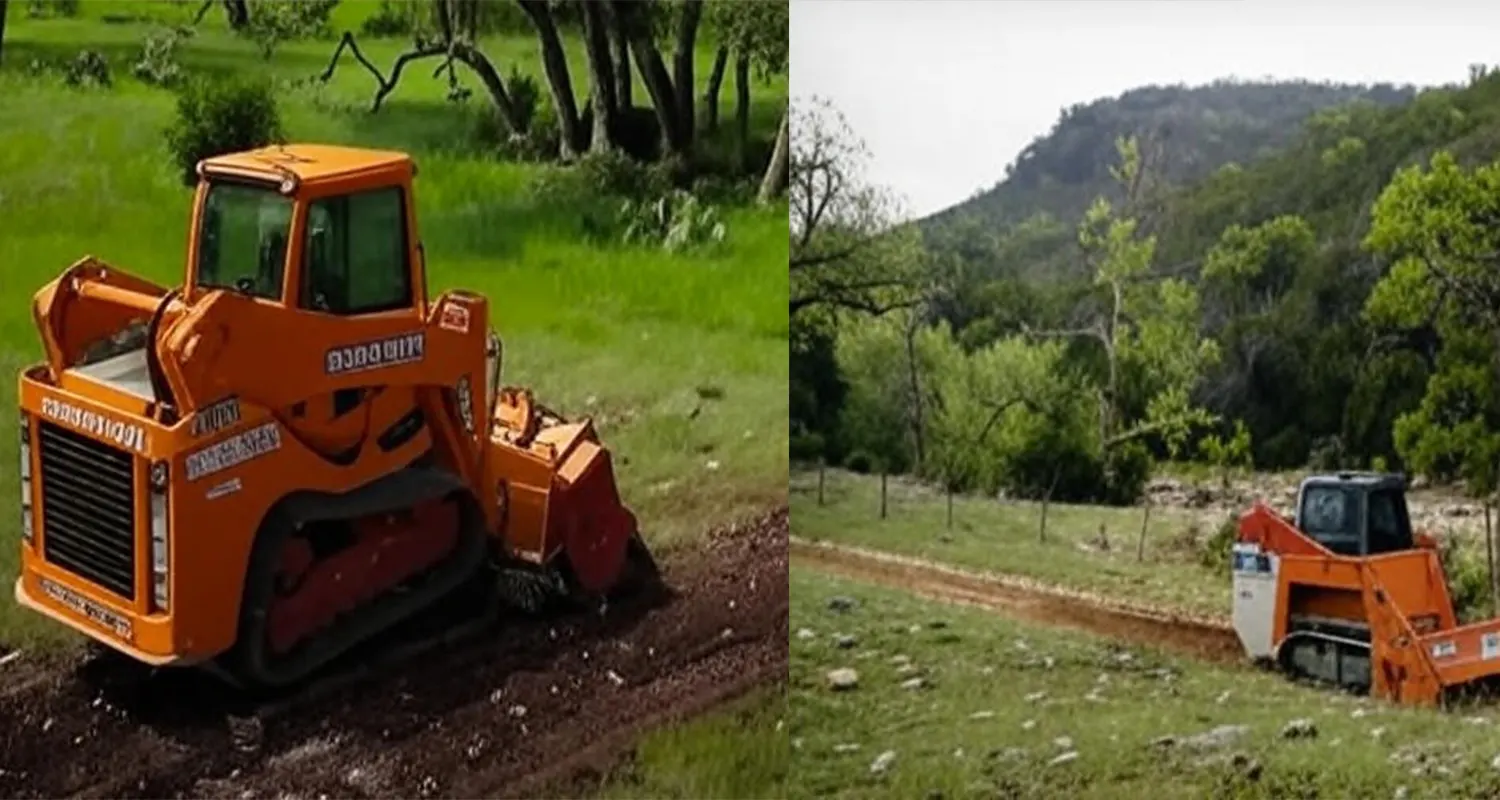
कोरिया में बेची जाने वाली सभी वातानाबे मशीनों में सब्सिडी पात्रता के लिए आवश्यक कोरियाई कृषि मशीनरी प्रमाणन होता है। 2026 के लिए निम्नलिखित दरें लागू होती हैं - सभी दरों की खरीद प्रतिबद्धता से पहले कोरिया वातानाबे और काउंटी नोंग-ह्यूप के साथ अंतिम पुष्टि आवश्यक है, क्योंकि काउंटी-स्तरीय दरें राष्ट्रीय आधार रेखा से भिन्न हो सकती हैं।
★ जिन दरों पर ★ का निशान लगा है, उन्हें खरीदने से पहले कोरिया वातानाबे और काउंटी कृषि कार्यालय से पुष्टि करवाना आवश्यक है। काउंटी स्तर पर आवेदन दरें राष्ट्रीय कार्यक्रम की आधारभूत दरों से ±10% तक भिन्न हो सकती हैं। कोरिया वातानाबे प्रत्येक ग्राहक परामर्श के लिए काउंटी-विशिष्ट पुष्ट दरें प्रदान करता है।
काउंटी कोटा प्रणाली — 2026 में शीघ्र आवेदन करना अधिक महत्वपूर्ण क्यों है?
कोरिया में कृषि मशीनरी पर दी जाने वाली सब्सिडी मांग के अनुरूप नहीं है, बल्कि यह एक निश्चित कोटा वाला कार्यक्रम है जो प्रति वर्ष प्रत्येक काउंटी को आवंटित किया जाता है। एक बार किसी काउंटी का कोटा समाप्त हो जाने पर, आवेदक या मशीन की पात्रता की परवाह किए बिना, निर्धारित समय सीमा के भीतर कोई और आवेदन स्वीकार नहीं किया जाता है। हाल के वर्षों में काउंटी कोटा समाप्त होने की गति तेज हो गई है, और अनुमान है कि 2026 में गंगवोन-डो और ग्योंगगी-डो के अधिकांश पहाड़ी काउंटी में कोटा 2025 की तुलना में पहले समाप्त हो जाएगा।
काउंटी कोटा समाप्त होने का जोखिम — 2026 आवेदन की तत्काल आवश्यकता का कैलेंडर
कोटा समाप्त होने की अनुमानित तिथियां 2023-2025 के उपभोग पैटर्न पर आधारित हैं। 2026 की वास्तविक तिथियां काउंटी और कुल आवेदन मात्रा के आधार पर भिन्न-भिन्न होंगी।
इसका व्यावहारिक परिणाम यह है कि जनवरी के दूसरे सप्ताह में जमा किए गए आवेदन को पूरी सब्सिडी मिलने की लगभग निश्चित संभावना होती है। अप्रैल में जमा किए गए आवेदन के लिए यह काफी संभावना है कि काउंटी का कोटा पहले ही समाप्त हो चुका हो और अगले जनवरी चक्र तक कोई सब्सिडी उपलब्ध न हो। कोरिया वातानाबे दस्तावेज़ तैयार करने की प्रक्रिया शुरू करने की सलाह देते हैं। अक्टूबर या नवंबर खरीद से एक साल पहले आवेदन जमा करने के लिए जनवरी के पहले कार्य दिवस पर आवेदन तैयार होना चाहिए।
2026 ऑनलाइन पोर्टल — चरण-दर-चरण आवेदन प्रक्रिया
2026 का चक्र पहला वर्ष है जिसमें एमएएफआरए का ऑनलाइन कृषि सहायता पोर्टल (www.agrix.go.kr) पूरक विकल्प के बजाय प्राथमिक आवेदन माध्यम है। नोंग-ह्यूप शाखा कार्यालय में कागजी आवेदन बैकअप के रूप में स्वीकार किए जाते रहेंगे, लेकिन ऑनलाइन पोर्टल तेज़ प्रसंस्करण समय (आमतौर पर 5-10 कार्यदिवस बनाम कागजी आवेदन के लिए 15-20 कार्यदिवस), वास्तविक समय में आवेदन की स्थिति की ट्रैकिंग और डिजिटल दस्तावेज़ अपलोड करने की सुविधा प्रदान करता है, जिससे प्रारंभिक आवेदन चरण के लिए व्यक्तिगत रूप से आने की आवश्यकता समाप्त हो जाती है।
संयुक्त खरीद रणनीति — प्रति आवेदन चक्र कुल सब्सिडी को अधिकतम करना
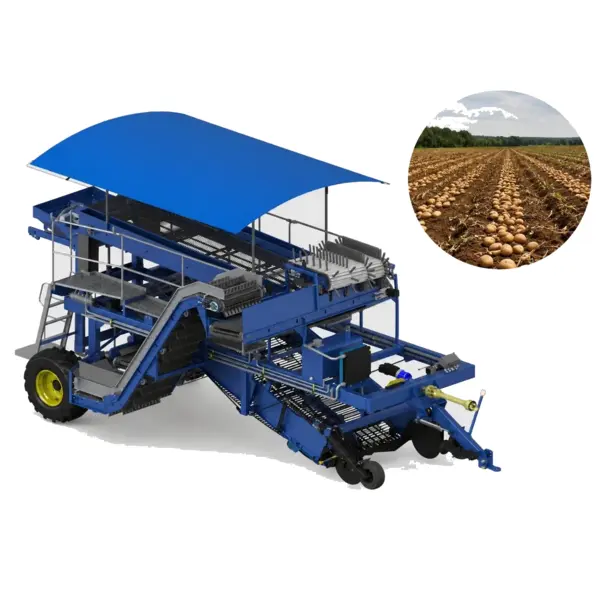
कोरिया के अधिकांश पहाड़ी खेतों को वातानाबे प्रणाली से एक से अधिक मशीनों की आवश्यकता होती है - पूरी साफ की गई खेत उत्पादन श्रृंखला THOR 2.4 स्टोन क्रशर से लेकर EP-AWB हार्वेस्टर तक चलती है। जनवरी के एक ही चक्र में सभी मशीन आवेदन जमा करना शायद ही कभी इष्टतम होता है क्योंकि प्रति किसान वार्षिक सब्सिडी सीमा किसी भी एक चक्र में कुल सब्सिडी को सीमित करती है। एक चरणबद्ध 3-वर्षीय आवेदन रणनीति आमतौर पर एक वर्ष की खरीद की तुलना में काफी अधिक कुल सब्सिडी प्रदान करती है।
(सीलिंग बाधा)
2026 स्मार्ट कृषि बोनस — वातानाबे मशीनों को प्रभावित करने वाली नई पात्र प्रणालियाँ
MAFRA के 2026 के बजट में सटीक कृषि और इलेक्ट्रॉनिक नियंत्रण प्रणालियों के लिए समर्थन में उल्लेखनीय विस्तार किया गया है। यह विस्तार इलेक्ट्रॉनिक कैब नियंत्रण सुविधाओं से युक्त कई वातानाबे मशीनों को प्रभावित करता है - विशेष रूप से DCW 2.2 के इलेक्ट्रॉनिक अनुप्रयोग दर नियंत्रक को, जो पहले मानक कृषि मशीनरी के रूप में योग्य था, लेकिन अब उन काउंटियों में उन्नत स्मार्ट कृषि दर के लिए योग्य हो सकता है जहां यह श्रेणी सक्रिय हो गई है।
2026 स्मार्ट कृषि पात्रता - वातानाबे मशीनें इसकी जांच करेंगी
अनुप्रयोग दर समायोजन के लिए इलेक्ट्रॉनिक कैब नियंत्रण प्रणाली 2026 के विस्तारित स्मार्ट कृषि श्रेणी के अंतर्गत सटीक कृषि घटक के रूप में योग्य हो सकती है। कोरिया वातानाबे, एमएएफआरए से पुष्टि कर रहा है कि क्या यह विशेषता डीसीडब्ल्यू 2.2 को उन्नत दर के लिए योग्य बनाती है - परामर्श के दौरान विशेष रूप से पूछें। ★ आवेदन से पहले पुष्टि करें।
मृदा नमी संवेदन से युक्त ड्रिप सिंचाई प्रणालियों को "सटीक जल प्रबंधन" के अंतर्गत MAFRA 2026 की पात्र मशीनरी सूची में शामिल किया गया है। कोरियाई पहाड़ी क्षेत्रों में खेतों की सफाई के साथ-साथ ड्रिप टेप सिस्टम लगाने वाले किसानों के लिए ड्रिप टेप सिस्टम हेतु एक अलग सब्सिडी आवेदन पर विचार करना उपयोगी हो सकता है। ★ काउंटी कार्यालय से श्रेणी पात्रता की पुष्टि करें।
ISOBUS या टेलीमैटिक्स डेटा कनेक्टिविटी वाले कोरियाई घरेलू ट्रैक्टर 2026 में स्मार्ट कृषि सहायता के लिए पात्र हो सकते हैं। यदि आप वातानाबे मशीन के साथ एक नया ट्रैक्टर खरीद रहे हैं, तो कोरिया वातानाबे से पूछें कि क्या ट्रैक्टर की कनेक्टिविटी विशिष्टता आपके देश के 2026 कार्यक्रम में कुल सब्सिडी पात्रता को प्रभावित करती है।

वार्षिक सीमा और कैरीओवर नियम — 2026 की सीमाएं संयुक्त खरीदारी पर क्या प्रभाव डालती हैं
कोरिया के पहाड़ी क्षेत्र के प्रत्येक किसान को किसी भी एक कैलेंडर वर्ष में मिलने वाली कुल सब्सिडी एक वार्षिक सीमा के अधीन होती है - यह सीमा प्रति आवेदन वर्ष प्रति किसान परिवार को प्राप्त होने वाली अधिकतम सब्सिडी राशि है। यह सीमा काउंटी और किसान के पंजीकृत कृषि क्षेत्र के अनुसार अलग-अलग होती है, लेकिन सामान्य संरचना को समझने से एक ही चक्र में बहुत अधिक मशीनों के लिए आवेदन करने और सीमा तक पहुँचने की आम गलती से बचा जा सकता है, जिससे उस वर्ष सब्सिडी का कुछ हिस्सा बिना प्राप्त किए रह जाता है।
| फार्म का आकार (पंजीकृत) | सामान्य वार्षिक अधिकतम सीमा (2025 आधार रेखा) | 2026 अपडेट की दिशा ★ | रणनीति निहितार्थ |
|---|---|---|---|
| 3 हेक्टेयर से कम | प्रति वर्ष कुल सब्सिडी लगभग 15 मिलियन KRW है। | 2026 की अधिकतम सीमा की पुष्टि करें ★ | प्रति चक्र एक प्रमुख मशीन (केवल THOR 2.4 या केवल CT-2100) |
| 3–10 हेक्टेयर | लगभग 25-30 मिलियन किलोवॉट/वर्ष | 2026 की अधिकतम सीमा की पुष्टि करें ★ | THOR 2.4 + CT-2100 सीलिंग के भीतर आराम से फिट हो जाते हैं — स्टेज 1 के लिए आदर्श संयोजन |
| 10–20 हेक्टेयर | लगभग 40 मिलियन केआरडब्ल्यू/वर्ष | 2026 की अधिकतम सीमा की पुष्टि करें ★ | स्टेज 1 + PSW-3200 को 10 हेक्टेयर से अधिक क्षेत्र में एक चक्र में शामिल किया जा सकता है; प्रयोग करने से पहले कुल क्षेत्रफल की पुष्टि कर लें। |
| 20 हेक्टेयर से ऊपर | काउंटी विवेकाधीन | 2026 की अधिकतम सीमा की पुष्टि करें ★ | कोरिया वातानाबे की सलाह के अनुसार, बड़े फार्म काउंटी समिति के साथ कार्यक्रम की शर्तों पर सीधे बातचीत कर सकते हैं। |
सभी अधिकतम सीमा के आंकड़े 2025 कार्यक्रम के प्रतिनिधि आधारभूत आंकड़े हैं। 2026 की अधिकतम सीमाएं काउंटी के बजट आवंटन निर्णयों पर निर्भर करती हैं और इनमें परिवर्तन हो सकता है। कोरिया वातानाबे आवेदन जमा करने से पहले प्रत्येक ग्राहक के लिए 2026 की काउंटी-विशिष्ट अधिकतम सीमाओं की पुष्टि करता है।
अक्सर पूछे जाने वाले प्रश्नों
कोरिया में कृषि मशीनरी सब्सिडी के लिए आवेदन करने की अंतिम तिथि 2026 क्या है?
कोई एक राष्ट्रीय समयसीमा निर्धारित नहीं है — प्रभावी समयसीमा वह है जब आपके काउंटी का कोटा समाप्त हो जाता है, न कि कोई निश्चित तिथि। गंगवोन-डो और उत्तरी ग्योंगगी-डो के अधिकांश पहाड़ी काउंटी में, गारंटीकृत अनुमोदन की व्यावहारिक समयसीमा जनवरी 2026 के पहले दो सप्ताह हैं। फरवरी की शुरुआत के बाद जमा किए गए आवेदनों के कोटा समाप्त होने का जोखिम उत्तरोत्तर बढ़ता जाता है। पूरक कोटा वाले पहाड़ी क्षेत्र के काउंटी के लिए, मार्च में एक वैकल्पिक समय सीमा हो सकती है — लेकिन इसे योजना के लिए एक निश्चित आधार नहीं माना जा सकता। कोरिया वातानाबे का सर्वमान्य मार्गदर्शन यह है: अक्टूबर-नवंबर में दस्तावेज़ तैयार कर लें, जनवरी के पहले कार्यदिवस पर जमा करें, और बाद की किसी भी समय सीमा को बैकअप के बजाय बोनस के रूप में मानें।
क्या मैं 2026 के एक ही आवेदन में स्टोन क्रशर सब्सिडी और आलू प्लांटर सब्सिडी दोनों के लिए आवेदन कर सकता हूं?
जी हां—एक ही आवेदन में कई मशीनों को शामिल किया जा सकता है, और कोरिया वातानाबे प्रशासनिक बोझ को कम करने के लिए मशीन आवेदनों को संयोजित करने की सलाह देता है। हालांकि, संयुक्त आवेदन में सभी मशीनों से मिलने वाली कुल सब्सिडी आपके फार्म के आकार के लिए आपके काउंटी की वार्षिक सीमा से अधिक नहीं होनी चाहिए। यदि सभी अनुरोधित मशीनों से मिलने वाली कुल सब्सिडी सीमा से अधिक हो जाती है, तो काउंटी समिति आमतौर पर आवेदन की प्राथमिकता के क्रम में मशीनों को तब तक स्वीकृत करती है जब तक कि सीमा तक नहीं पहुंच जाती—जिसका अर्थ यह हो सकता है कि आवेदन में शामिल एक या अधिक मशीनों को उस चक्र में सब्सिडी न मिले। कोरिया वातानाबे आवेदन जमा करने से पहले सीमा की स्थिति की समीक्षा करता है और यह सलाह देता है कि क्या आवेदन को दो क्रमिक प्रस्तुतियों (जनवरी और पूरक अवधि) में विभाजित किया जाए ताकि यह सुनिश्चित हो सके कि सभी मशीनों को पूरी सब्सिडी दर मिले।
मैंने 2025 के आवेदन की समय सीमा चूक दी। क्या मैं 2025 में खरीदी गई मशीन के लिए 2026 में पूर्वव्यापी रूप से आवेदन कर सकता हूँ?
कोरियाई कृषि मशीनरी खरीद सहायता कार्यक्रम के तहत पहले से खरीदी गई मशीनरी के लिए पूर्वव्यापी सब्सिडी आवेदन उपलब्ध नहीं है। कार्यक्रम के अनुसार, खरीद को अंतिम रूप देने से पहले आवेदन और स्वीकृति प्राप्त होना आवश्यक है - सब्सिडी पूर्व-खरीद समीक्षा और स्वीकृति प्रक्रिया पर निर्भर करती है। स्वीकृति प्राप्त होने से पहले खरीदी गई मशीन उस चक्र के लिए अपात्र खरीद मानी जाती है। यदि आपने 2025 में सब्सिडी के लिए आवेदन किए बिना वातानाबे मशीनरी खरीदी थी, तो आप 2026 चक्र में 2025 की सब्सिडी का दावा नहीं कर सकते। हालांकि, यदि मशीन अभी भी 2026 के लिए कार्यक्रम की पात्र मशीनों की सूची में है और आप एक अतिरिक्त मशीन खरीदते हैं, तो नई खरीद 2026 की सब्सिडी के लिए पूरी तरह से पात्र है। अपनी पिछली खरीद के इतिहास को ध्यान में रखते हुए, अपनी अगली खरीद पर 2026 की सब्सिडी को अधिकतम करने के विकल्पों पर चर्चा करने के लिए कोरिया वातानाबे से संपर्क करें।
क्या कोरियाई कृषि मशीनरी सब्सिडी सेकंड-हैंड वातानाबे मशीनों पर भी लागू होती है?
यह सब्सिडी कार्यक्रम केवल नई मशीनरी की खरीद पर लागू होता है। पुरानी या इस्तेमाल की हुई मशीनरी, चाहे उसकी स्थिति या उम्र कुछ भी हो, इस योजना के अंतर्गत नहीं आती। यह शर्त इसलिए रखी गई है क्योंकि सब्सिडी मशीन के प्रारंभिक प्रमाणन और निर्माता के अनुपालन दस्तावेज़ों पर आधारित है - ये दोनों ही खरीद के समय आवश्यक दस्तावेज़ हैं। कोरियाई पहाड़ी क्षेत्रों में खेती करने वाले जो किसान किफायती विकल्प के रूप में पुरानी मशीन खरीदने पर विचार कर रहे हैं, उन्हें कोरिया वातानाबे कंपनी सब्सिडी वाली नई मशीन और बिना सब्सिडी वाली पुरानी मशीन के बीच कुल लागत अंतर के बारे में सलाह दे सकती है। इसमें कोरियाई बाजार में उपलब्ध वातानाबे की इस्तेमाल की हुई मशीनों की सामान्य स्थिति और शेष सेवा अवधि को ध्यान में रखा जाएगा।
कोरिया वातानाबे की सब्सिडी दस्तावेज़ीकरण सेवा 2026 में कैसे काम करेगी — इसमें क्या-क्या शामिल होगा?
कोरिया वातानाबे एक व्यापक सब्सिडी आवेदन सहायता सेवा प्रदान करता है जो प्रारंभिक पात्रता मूल्यांकन से लेकर भुगतान पुष्टि तक हर चरण को कवर करती है। इस सेवा में शामिल हैं: (1) विशिष्ट मशीन मॉडल और काउंटी के लिए 2026 की सब्सिडी दर की पुष्टि करना; (2) काउंटी द्वारा निर्धारित प्रारूप में KOLAS/KOAT प्रमाणन विवरण और औपचारिक आपूर्तिकर्ता कोटेशन सहित सभी आवश्यक तकनीकी दस्तावेज़ तैयार करना; (3) सही पोर्टल श्रेणी चयन और आवेदन पत्र भरने पर सलाह देना; (4) जमा करने से पहले वार्षिक सीमा के विरुद्ध संयुक्त आवेदन की समीक्षा करना ताकि सीमा उल्लंघन का कोई जोखिम न हो; (5) आवेदन की स्थिति की निगरानी करना और काउंटी समिति के दस्तावेज़ अनुरोधों का जवाब देना। प्रत्येक नई वातानाबे मशीन की खरीद के हिस्से के रूप में यह दस्तावेज़ीकरण सेवा बिना किसी अतिरिक्त शुल्क के प्रदान की जाती है। कोरिया वातानाबे को प्रत्येक पहाड़ी काउंटी की सब्सिडी प्रशासन टीम की संस्थागत जानकारी है, जिससे दस्तावेज़ीकरण संबंधी समस्याओं के कारण प्रशासनिक देरी या अस्वीकृति का जोखिम काफी कम हो जाता है। 2026 आवेदन तैयारी प्रक्रिया शुरू करने के लिए नीचे दिए गए लिंक के माध्यम से कोरिया वातानाबे से संपर्क करें।
2026 की सब्सिडी के लिए आवेदन जनवरी में शुरू होंगे — नवंबर में तैयारी शुरू करें
कोरिया वातानाबे सभी दस्तावेज तैयार करता है, आपके काउंटी की 2026 की कोटा स्थिति और सीमा की पुष्टि करता है, और प्रत्येक मशीन परामर्श के हिस्से के रूप में बिना किसी अतिरिक्त शुल्क के आपकी कुल सब्सिडी को अधिकतम करने वाली संयुक्त मशीन खरीद की गणना करता है।
संपादक: सीएक्सएम