Le gouvernement coréen subvention pour les machines agricoles programme — plus précisément le programme 2026 Subventions coréennes pour les machines agricoles Le cycle d'application des aides est le principal mécanisme financier permettant aux agriculteurs des hauts plateaux coréens de réduire leurs coûts d'investissement en machines agricoles. Le programme d'aide à l'achat de machines agricoles, géré par le ministère de l'Agriculture, de l'Alimentation et des Affaires rurales (MAFRA) et distribué au niveau des comtés via le réseau nong-hyup, entame son cycle 2026 avec d'importantes modifications structurelles. Le MAFRA a annoncé une augmentation de 16,91 billions de wons (TP5 T) de son budget agricole total pour 2026 (234,8 milliards de wons, soit environ 162 millions de dollars américains) par rapport à 2025, avec de nouvelles priorités qui influent directement sur les machines bénéficiant de taux d'aide majorés et sur les modalités de répartition des quotas au niveau des comtés.
Ce guide actualise le cadre de 2025 présenté dans le précédent guide de subventions de Korea Watanabe. Il se concentre sur les changements intervenus en 2026, leur impact sur les exploitations agricoles des hauts plateaux coréens qui achètent des concasseurs de pierres, des trieuses de pierres, des rotoculteurs et du matériel pour la culture de pommes de terre, et la manière de structurer une demande groupée d'achat de machines afin d'optimiser le montant total des subventions perçues dans les limites annuelles. Tous les taux de subvention de 2026 sont soumis à confirmation finale de Korea Watanabe et du bureau du comté concerné avant tout engagement d'achat.
Qu’est-ce qui a changé en 2026 ? — Les cinq principales différences par rapport au programme de 2025
Le programme 2026 n'est pas simplement le programme 2025 avec des chiffres actualisés. Cinq changements structurels influent sur la manière dont les agriculteurs des hauts plateaux coréens doivent préparer leurs demandes :
Quelles machines Watanabe sont admissibles en 2026 ? — Confirmation de catégorie et fourchettes de prix
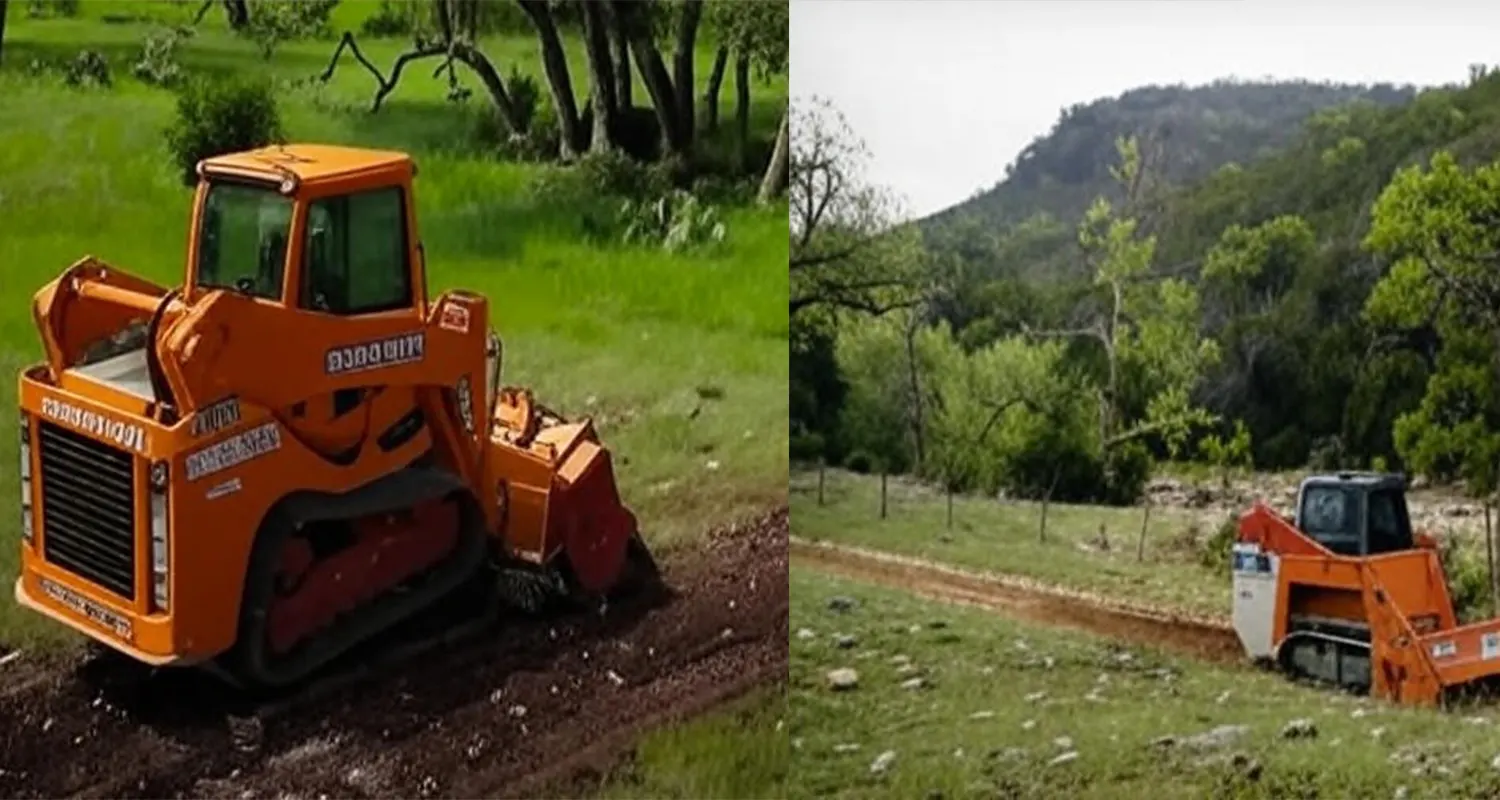
Toutes les machines Watanabe vendues en Corée sont certifiées conformes aux normes coréennes en matière de machines agricoles et sont éligibles aux subventions. Les barèmes suivants s'appliquent pour 2026 ; toutefois, les taux appliqués au niveau du comté peuvent différer du taux national et doivent être confirmés par Korea Watanabe et le nong-hyup du comté avant tout achat.
★ Tous les tarifs marqués d'une ★ doivent être confirmés auprès de Korea Watanabe et du bureau agricole du comté avant tout achat. Les doses d'application au niveau du comté peuvent différer de ±10% par rapport aux doses de référence du programme national. Korea Watanabe fournit des doses spécifiques au comté, confirmées et validées, lors de chaque consultation client.
Le système de quotas par comté : pourquoi il est plus important de déposer sa candidature tôt en 2026
La subvention pour les machines agricoles en Corée n'est pas un droit modulable en fonction de la demande ; il s'agit d'un programme à quotas fixes alloués par comté et par an. Une fois le quota d'un comté épuisé, aucune nouvelle demande n'est acceptée pendant la période habituelle, quelles que soient les conditions d'éligibilité du demandeur ou de la machine. L'épuisement des quotas par comté s'est accéléré ces dernières années, et on prévoit que la plupart des comtés montagneux des provinces de Gangwon-do et de Gyeonggi-do atteindront leur épuisement plus tôt en 2026 qu'en 2025.
Risque d'épuisement des quotas par comté — Calendrier d'urgence des demandes 2026
Les dates d'épuisement des quotas sont des estimations basées sur les tendances de consommation de 2023 à 2025. Les dates réelles pour 2026 varient selon le comté et le volume total des demandes.
Conséquence pratique : une demande déposée durant la deuxième semaine de janvier a de fortes chances d’obtenir la subvention intégrale. En revanche, une demande déposée en avril risque fortement de se voir refuser toute subvention, le quota du comté étant déjà épuisé. Korea Watanabe recommande donc d’entamer la préparation du dossier dès le début du mois de janvier. octobre ou novembre de l'année précédant l'achat, afin que la demande soit prête à être soumise le premier jour ouvrable de janvier.
Portail en ligne 2026 — Procédure de candidature étape par étape
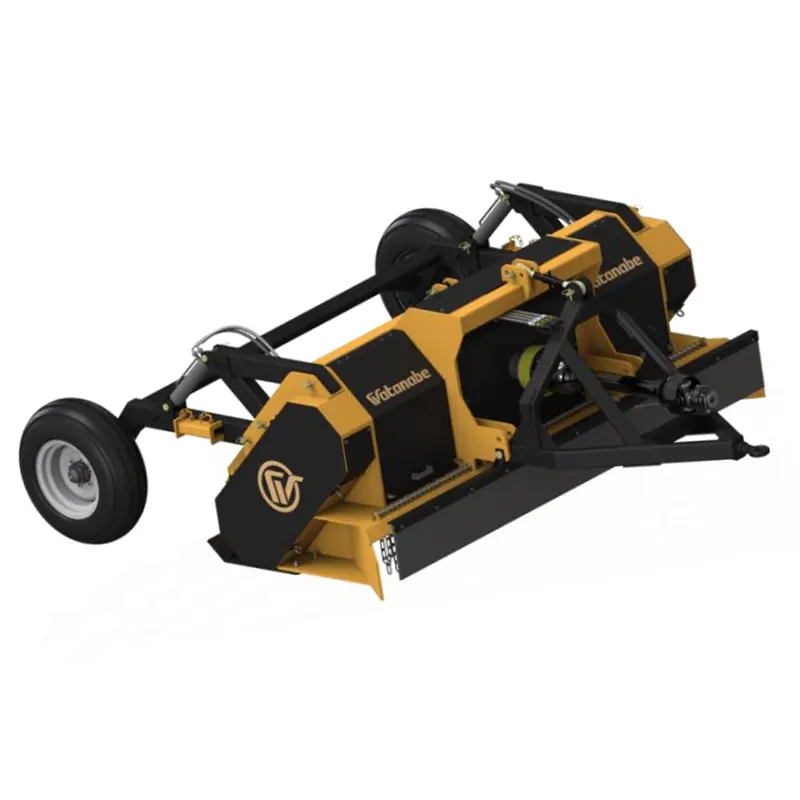
Le cycle 2026 marque la première année où le portail en ligne d'assistance agricole du MAFRA (www.agrix.go.kr) devient le principal canal de dépôt des demandes, et non plus une option complémentaire. Les demandes papier déposées au bureau de Nong-hyup restent acceptées à titre de solution de repli, mais le portail en ligne offre un délai de traitement plus rapide (généralement 5 à 10 jours ouvrables contre 15 à 20 jours ouvrables pour les demandes papier), un suivi en temps réel de l'état d'avancement des demandes et la possibilité de télécharger des documents numériques, ce qui élimine la nécessité de se déplacer pour la première étape du dépôt.
Stratégie d'achat combinée — Maximiser la subvention totale par cycle de demande
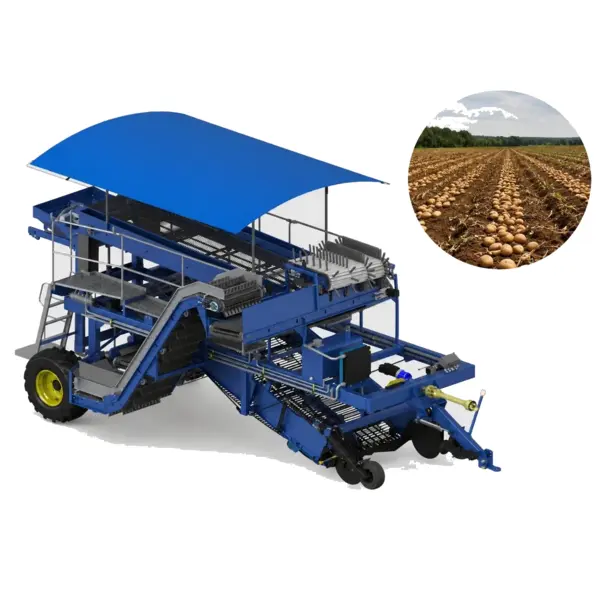
La plupart des exploitations agricoles des hauts plateaux coréens ont besoin de plusieurs machines du système Watanabe : la chaîne de production complète, hors-sol, s’étend du concasseur de pierres THOR 2.4 à la moissonneuse-batteuse EP-AWB. Déposer toutes les demandes de machines en une seule fois, en janvier, est rarement optimal, car le plafond annuel des subventions par agriculteur limite le montant total des subventions pour chaque cycle. Une stratégie de demande échelonnée sur trois ans permet généralement d’obtenir un montant total de subventions nettement supérieur à celui d’un achat en une seule année.
(contrainte de plafond)
Prime pour l'agriculture intelligente 2026 — Nouveaux systèmes admissibles concernant les machines Watanabe
Le budget 2026 du MAFRA renforce considérablement le soutien à l'agriculture de précision et aux systèmes de contrôle électronique. Cette mesure concerne plusieurs machines Watanabe dotées de commandes électroniques en cabine, notamment le régulateur de débit électronique du DCW 2.2, qui, auparavant considéré comme du matériel agricole standard, peut désormais bénéficier du tarif majoré pour l'agriculture intelligente dans les comtés où cette catégorie est en vigueur.
Éligibilité à l'agriculture intelligente 2026 — Machines Watanabe à vérifier
Le système de commande électronique de la cabine pour le réglage du débit d'application pourrait être considéré comme un composant d'agriculture de précision dans le cadre de la catégorie élargie « agriculture intelligente » de 2026. Korea Watanabe est en train de vérifier auprès du MAFRA si cette fonctionnalité rend le DCW 2.2 admissible au débit majoré ; veuillez poser la question lors de votre consultation. ★ À confirmer avant application.
Les systèmes d'irrigation goutte à goutte associés à la détection de l'humidité du sol ont été ajoutés à la liste des machines admissibles au programme MAFRA 2026 dans la catégorie « gestion précise de l'eau ». Pour les exploitations agricoles des hauts plateaux coréens qui installent des systèmes d'irrigation goutte à goutte en même temps que la préparation des parcelles défrichées, il est conseillé d'étudier la possibilité de demander une subvention distincte pour le système d'irrigation goutte à goutte. ★ Veuillez vérifier l'admissibilité auprès du bureau du comté.
Les tracteurs coréens de fabrication nationale dotés d'une connectivité ISOBUS ou télématique pourraient bénéficier d'une aide supplémentaire pour l'agriculture intelligente en 2026. Si vous achetez un nouveau tracteur en même temps qu'une machine Watanabe, demandez à Korea Watanabe si les spécifications de connectivité du tracteur ont une incidence sur l'éligibilité totale aux subventions dans le cadre du programme 2026 de votre comté.

Plafond annuel et règles de report — Ce que les limites de 2026 signifient pour les achats combinés
Le montant total des subventions accordées à chaque agriculteur des hauts plateaux coréens est plafonné annuellement : il s’agit du montant maximal de subvention qu’il peut recevoir par exploitation et par année de demande. Ce plafond varie selon le comté et la superficie de l’exploitation enregistrée. Comprendre le système permet d’éviter l’erreur fréquente de demander un trop grand nombre de machines en une seule fois et d’atteindre ainsi le plafond, ce qui empêche de percevoir une partie de la subvention pour l’année en question.
| Taille de l'exploitation (enregistrée) | plafond annuel typique (scénario de référence 2025) | Orientation de la mise à jour 2026 ★ | Implications stratégiques |
|---|---|---|---|
| Moins de 3 ha | Subvention totale d'environ 15 millions de KRW par an | Confirmation du plafond de 2026 ★ | Une machine principale par cycle (THOR 2.4 seule, ou CT-2100 seule) |
| 3 à 10 ha | ~25 à 30 millions de KRW par an | Confirmation du plafond de 2026 ★ | THOR 2.4 + CT-2100 parfaitement intégrés au plafond — combinaison idéale pour la phase 1 |
| 10–20 ha | ~40 millions de KRW/an | Confirmation du plafond de 2026 ★ | L'étape 1 + PSW-3200 peut être intégrée à un seul cycle sur une superficie de plus de 10 ha ; veuillez confirmer la superficie totale avant application. |
| Au-dessus de 20 ha | discrétionnaire du comté | Confirmation du plafond de 2026 ★ | Les grandes exploitations agricoles peuvent négocier directement les modalités du programme avec le comité de comté — conseille Korea Watanabe. |
Tous les plafonds indiqués sont des valeurs de référence représentatives du programme 2025. Les plafonds pour 2026 sont soumis aux décisions d'allocation budgétaire des comtés et peuvent avoir évolué. Korea Watanabe confirme les plafonds spécifiques à chaque comté pour 2026 à chaque client avant le dépôt de sa demande.
Foire aux questions
Quelle est la date limite pour déposer une demande de subvention pour les machines agricoles en Corée en 2026 ?
Il n'existe pas de date limite nationale unique ; la date limite effective correspond à l'épuisement du quota de votre comté, et non à une date calendaire. Dans la plupart des comtés montagneux de Gangwon-do et du nord de Gyeonggi-do, la date limite pratique pour une approbation garantie se situe durant les deux premières semaines de janvier 2026. Les demandes soumises après début février sont exposées à un risque croissant d'épuisement du quota. Pour les comtés de la zone montagneuse disposant d'un quota supplémentaire, une seconde période peut être envisagée en mars, mais il est déconseillé de s'y fier pour planifier son projet. La recommandation constante de Korea Watanabe est la suivante : finalisez la préparation de votre dossier en octobre-novembre, soumettez-le le premier jour ouvrable de janvier et considérez toute possibilité de dépôt ultérieur comme une opportunité supplémentaire et non comme une solution de repli.
Puis-je demander à la fois une subvention pour un concasseur de pierres et une subvention pour une planteuse de pommes de terre dans la même demande pour 2026 ?
Oui, plusieurs machines peuvent figurer dans une seule demande. Korea Watanabe recommande d'ailleurs de regrouper les demandes afin de réduire les démarches administratives. Toutefois, le montant total des subventions pour l'ensemble des machines de la demande ne doit pas dépasser le plafond annuel fixé par votre comté pour la taille de votre exploitation. Si ce montant dépasse le plafond, le comité de comté approuve généralement les demandes par ordre de priorité jusqu'à ce que le plafond soit atteint. Il est donc possible qu'une ou plusieurs machines de la demande ne soient pas subventionnées pour ce cycle. Korea Watanabe examine la situation du plafond avant le dépôt de la demande et conseille sur l'opportunité de la scinder en deux dépôts successifs (en janvier et lors de la période supplémentaire) afin de garantir que toutes les machines reçoivent la subvention maximale.
J'ai raté la période de candidature de 2025. Puis-je faire une demande rétroactive en 2026 pour une machine que j'ai achetée en 2025 ?
Le programme coréen d'aide à l'achat de machines agricoles ne permet pas de demander une subvention rétroactive pour des machines déjà achetées. Le programme exige que la demande et l'approbation soient reçues avant la finalisation de l'achat ; la subvention est conditionnée par l'examen et l'approbation préalables à l'achat. Une machine achetée avant approbation est considérée comme non éligible pour le cycle concerné. Si vous avez acheté une machine Watanabe en 2025 sans demander de subvention, vous ne pourrez pas prétendre à la subvention de 2025 pour le cycle 2026. Toutefois, si la machine figure toujours sur la liste des machines éligibles du programme pour 2026 et que vous achetez une machine supplémentaire, ce nouvel achat sera pleinement éligible à la subvention de 2026. Contactez Korea Watanabe pour discuter des options permettant d'optimiser la subvention de 2026 pour votre prochain achat, compte tenu de votre historique d'achats.
La subvention coréenne pour les machines agricoles s'applique-t-elle aux machines Watanabe d'occasion ?
Le programme de subventions s'applique uniquement à l'achat de machines neuves. Les machines d'occasion ne sont pas éligibles, quels que soient leur état ou leur âge. Cette exigence se justifie par le fait que la subvention est basée sur la certification initiale de la machine et la documentation de conformité du fabricant, deux documents requis lors du premier achat. Pour les exploitations agricoles des hauts plateaux coréens qui envisagent l'achat d'une machine d'occasion comme solution plus abordable, Korea Watanabe peut les conseiller sur la différence de coût net entre une machine neuve subventionnée et une machine d'occasion non subventionnée, en tenant compte de l'état général et de la durée de vie restante des machines Watanabe d'occasion disponibles sur le marché coréen.
Comment fonctionne le service de documentation des subventions de Korea Watanabe en 2026 ? Qu’est-ce qu’il comprend ?
Korea Watanabe propose un service complet d'assistance pour les demandes de subventions, couvrant chaque étape, de l'évaluation initiale de l'éligibilité à la confirmation du paiement. Ce service inclut : (1) la confirmation du taux de subvention 2026 pour le modèle de machine et le comté concernés ; (2) la préparation de toute la documentation technique requise, notamment l'attestation de certification KOLAS/KOAT et le devis officiel du fournisseur au format exigé par le comté ; (3) des conseils sur le choix de la catégorie appropriée sur le portail et le remplissage du formulaire de demande ; (4) la vérification de la conformité de la demande au plafond annuel afin d'éviter tout risque de dépassement avant soumission ; (5) le suivi de l'état d'avancement de la demande et la réponse à toute demande de documents émanant du comité de comté. Ce service de documentation est inclus sans frais supplémentaires pour tout achat d'une nouvelle machine Watanabe. La connaissance approfondie qu'a Korea Watanabe des services administratifs des subventions de chaque comté de montagne réduit considérablement le risque de retard administratif ou de rejet lié à des problèmes de documentation. Contactez Korea Watanabe via le lien ci-dessous pour lancer la préparation de votre demande 2026.
Demande de subvention 2026 : à partir de janvier – Préparez-vous dès novembre
Korea Watanabe prépare toute la documentation, confirme le statut et le plafond du quota de votre comté pour 2026, calcule l'achat combiné de machines qui maximise votre subvention totale — sans frais supplémentaires dans le cadre de chaque consultation sur les machines.
Éditeur : Cxm