L'une des questions les plus fréquentes que Korea Watanabe reçoit des agriculteurs des hauts plateaux coréens qui envisagent leur premier investissement important en machines agricoles est une variante de : « Dois-je acheter un concasseur de pierres ou un sous-soleur ? » Cette question révèle une connaissance de soi pertinente : l'agriculteur reconnaît que son sol présente un problème structurel et recherche la machine qui le résoudra. Mais la question elle-même repose sur une prémisse erronée : celle que les concasseurs de pierres et les sous-soleurs sont des alternatives équivalentes qui servent le même objectif.
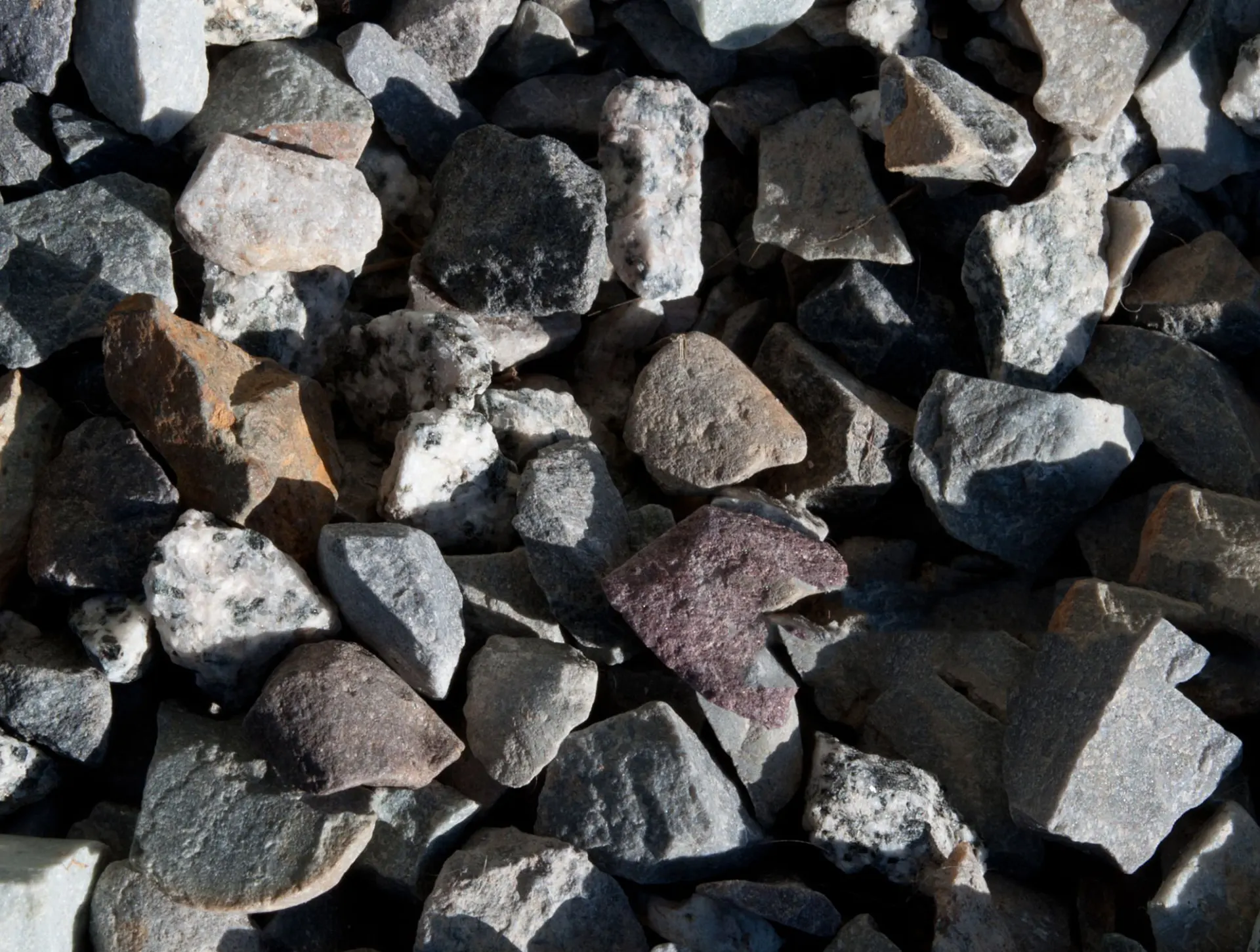
Ils ne le sont pas. concasseur de pierres Les fragments de roches incrustées sont réduits en petits morceaux — cela ne brise pas la compaction de la couche dure. sous-soleuse Ce procédé fracture les couches compactées en profondeur, sans fragmenter ni enlever les pierres. Sur les sols granitiques des hauts plateaux coréens, où ces deux problèmes coexistent généralement, la question n'est pas de savoir « lequel » mais « lequel en premier, et quand appliquer le second ». Ce guide présente les bases techniques nécessaires à la compréhension de chaque outil, un cadre de diagnostic pour identifier le problème spécifique à votre parcelle, ainsi qu'une comparaison des coûts illustrant le coût d'un système de gestion des sols adapté à trois scénarios agricoles réalistes.
Ce que chaque machine fait réellement — La physique est complètement différente
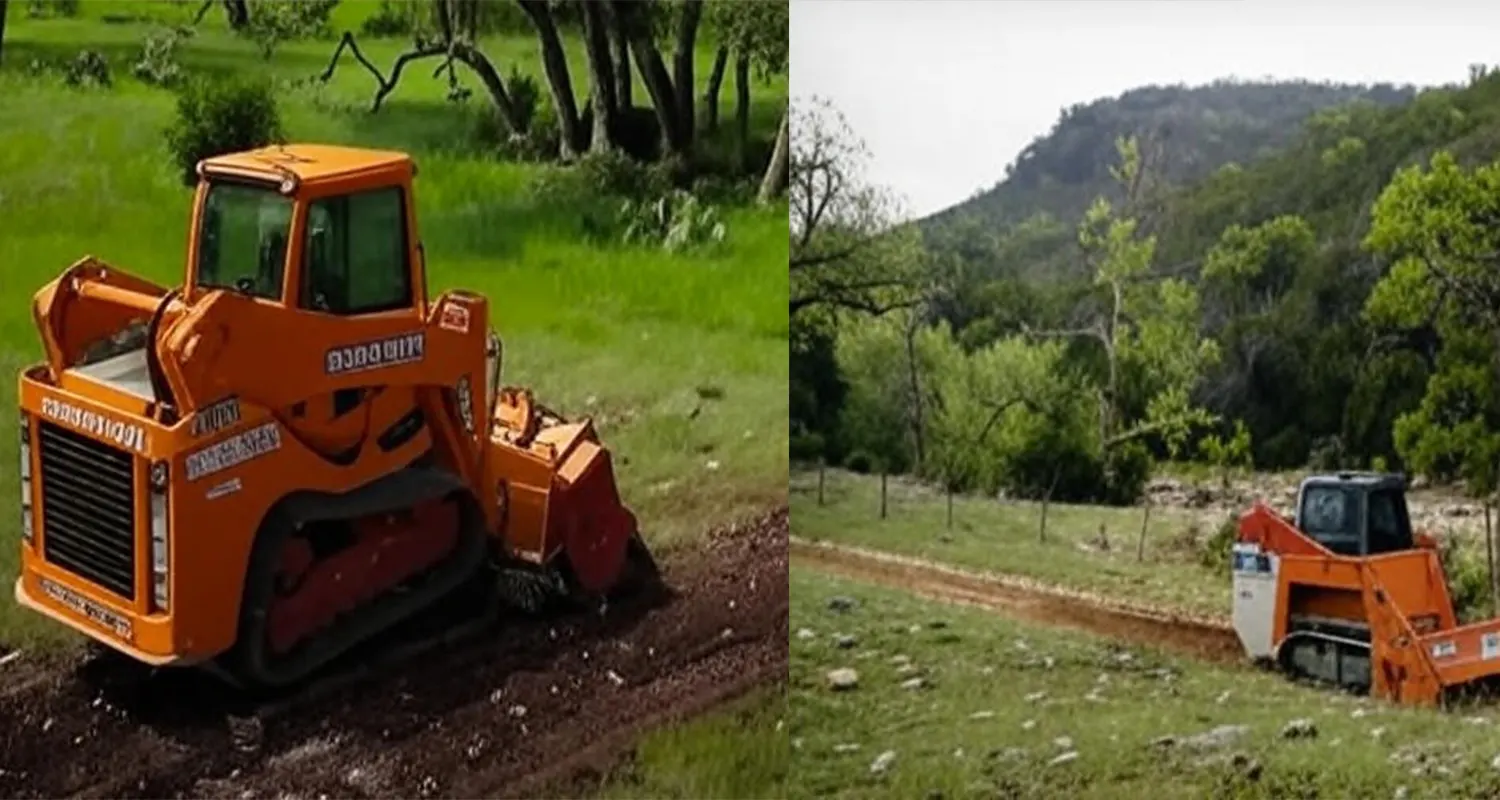
Comprendre le mécanisme physique de chaque outil permet de saisir immédiatement pourquoi l'un ne peut pas se substituer à l'autre — et pourquoi le sol granitique des hauts plateaux coréens a généralement besoin des deux.
⚠ Idée reçue courante — Corrigée
« Un sous-soleur brisera les pierres de mon champ si j'en utilise un lourd. » C'est incorrect. La dent d'un sous-soleur est conçue pour fracturer les couches compactées fragiles en appliquant une contrainte de traction concentrée. Son fonctionnement repose sur la fracturation du sol en amont de la pointe de la dent. Les pierres de granit coréen sont plus dures que l'acier de la dent du sous-soleur ; les contacts répétés avec les pierres à vitesse de travail entraînent la déformation ou la rupture de la dent plutôt que la fracturation de la pierre. L'utilisation d'un sous-soleur dans les sols granitiques non défrichés des hauts plateaux coréens provoque des dommages coûteux à la dent et aucune fragmentation significative des pierres. Le THOR 2.4 est l'outil idéal pour la fragmentation des pierres : son rotor de 550 mm à 1 000 tr/min génère un mécanisme totalement différent (impact à haute vitesse plutôt qu'une force de traction statique) auquel le granit réagit correctement.
Sol granitique des hauts plateaux coréens — Pourquoi ces deux problèmes existent-ils simultanément ?
Le sol granitique des hauts plateaux coréens est particulier car il développe les deux problèmes que ces deux machines tentent de résoudre — et il les développe selon une configuration spatiale spécifique qui détermine quelle machine doit intervenir en premier.
①
②
③
| Type de sol | Problème de calculs rénaux ? | Problème de compactage ? | Outil(s) approprié(s) |
|---|---|---|---|
| Granit des hauts plateaux coréens (Gangwon-do, N. Gyeonggi au-dessus de 400 m) | OUI — important | OUI — après plus de 5 ans d'utilisation du tracteur | THOR 2.4 PREMIER → Sous-soleur deuxième (après débroussaillage) |
| Argilo-limoneux des basses terres coréennes (plaine du Honam, plaine du Gyeonggi) | FAIBLE / Aucun | OUI — courant de la pelle à charrue | Sous-soleuse SEULEMENT — aucun concasseur de pierres nécessaire |
| fond de vallée alluviale de haute altitude (terrasse fluviale, dépôt glaciaire) | MODÉRÉ — pavés communs | MODÉRÉ — accords relatifs aux inondations saisonnières | Collecte de surface en premier (CT-2100), puis labour profond (PSW-3200), puis sous-soleuse si la restriction racinaire est confirmée. |
| terres forestières récupérées (conversion de première saison) | OUI — très haut + souches | FAIBLE (sol vierge, pas encore compacté) | THOR FLM + THOR 2.4 — aucun sous-soleur nécessaire au départ |
| Terrains défrichés établis (plus de 5 ans après THOR 2.4) | FAIBLE (épuisé) | EN COURS — à partir du trafic annuel de tracteurs PSW-3200 + | Effectuez un sous-solage tous les 3 à 4 ans pour briser la couche de terre compactée qui s'accumule. |
Ai-je besoin d'un concasseur de pierres ? — Diagnostic sur le terrain en 5 questions
Avant d'investir dans l'une ou l'autre machine, chaque agriculteur des hauts plateaux coréens devrait compléter ce questionnaire de diagnostic de terrain en 5 questions. Chaque question se résout en moins de 30 minutes par un simple test physique ; aucune analyse en laboratoire n'est nécessaire.
Résumé du diagnostic — Interprétation de vos résultats
Le concasseur de pierres est la priorité immédiate. Achat CT-2100 + Système THOR 2.4. Le sous-soleur est un élément secondaire, à ajouter une fois le déblaiement des pierres effectué.
Compactage sans pierres. Le sous-soleur est l'outil approprié. Aucun concasseur de pierres n'est nécessaire pour ce terrain.
Les deux problèmes sont présents. Concasseur de pierres THOR 2.4 en premier, puis sous-soleuse la même saison ou la suivante. C'est le profil le plus courant des exploitations agricoles coréennes établies en altitude.
L'ordre correct : pourquoi le concasseur de pierres doit précéder le sous-soleur
Lorsque des problèmes de pierres et de compactage sont diagnostiqués, l'ordre des opérations est impératif. Le concasseur de pierres doit être mis en service en premier, pour une raison mécanique et non agronomique.
0–30 cm
Supprimer définitivement
18–25 cm
30–50 cm (sans calculs)
💡 Quand ajouter le sous-soleur ? — Après le débroussaillage
L'opération de sous-solage ne doit pas nécessairement être effectuée lors de la même saison que le décapage. Sur une parcelle ayant bénéficié d'un premier décapage au THOR 2.4, la couche compactée peut mettre 1 à 2 ans à se stabiliser complètement, comme le confirme l'évaluation du développement racinaire. De nombreux agriculteurs constatent, après la première saison de culture de pommes de terre suivant le décapage, que leurs cultures se sont comportées comme prévu sans sous-solage. Si des symptômes de restriction racinaire persistent après la première saison de décapage (zones rabougries, drainage insuffisant malgré l'élimination des pierres), un sous-solage la deuxième année est la solution appropriée. La pratique courante pour les exploitations agricoles des hauts plateaux coréens, avec plus de 8 ans d'expérience, est la suivante : année 1 — décapage au THOR 2.4 et au CT-2100 ; année 2 ou 3 — sous-solage pour corriger la compaction ; ensuite — entretien annuel au PSW-3200 et sous-solage tous les 3 à 4 ans.
Comparaison des coûts selon 3 scénarios — Le coût réel de chaque approche de gestion des sols
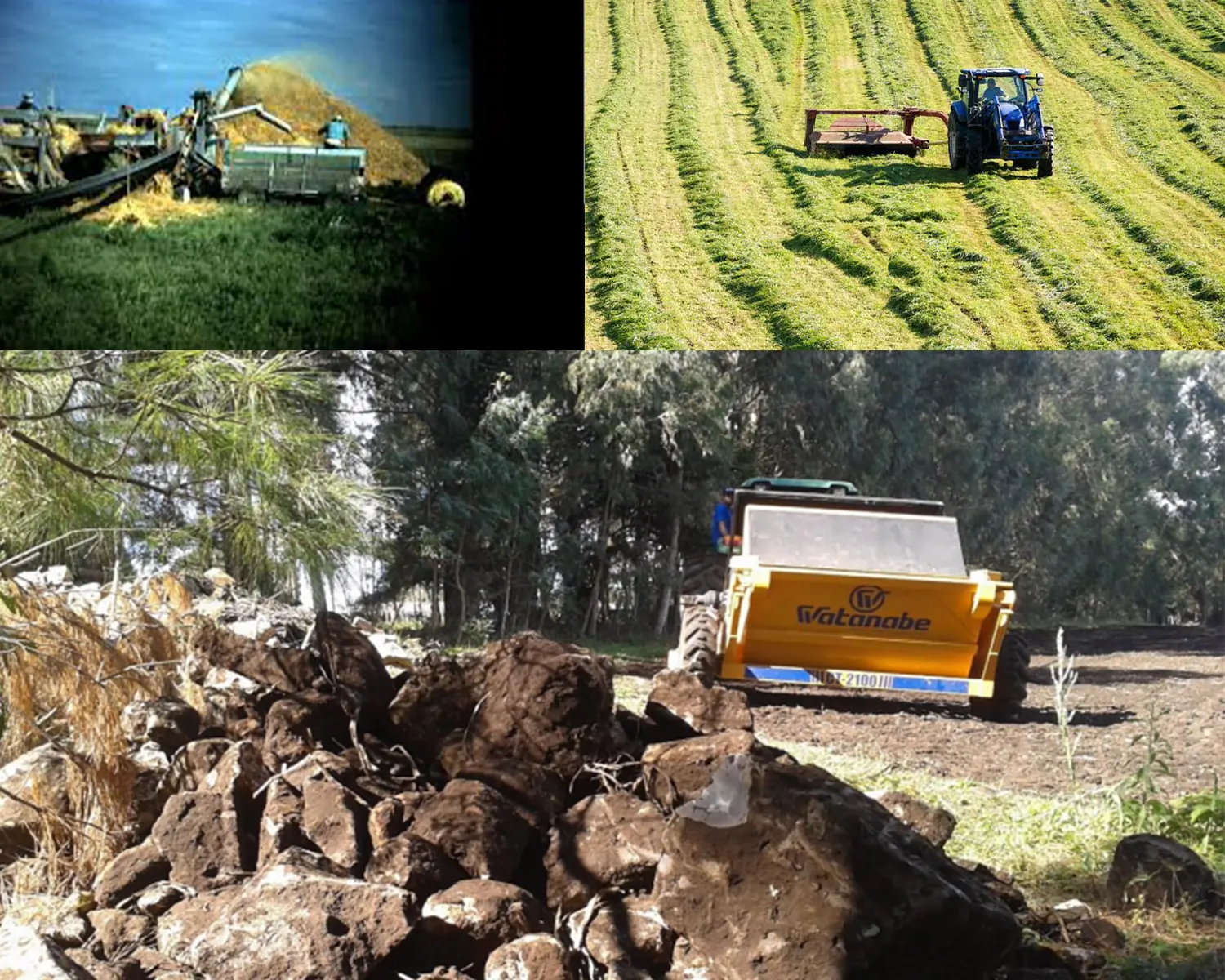
Les scénarios de coûts suivants concernent une exploitation agricole représentative de 10 ha située en altitude en Corée, sur un sol granitique présentant des pierres (présence confirmée de pierres au premier trimestre) et un compactage modéré (présence limite au quatrième trimestre, risque à 6 ans au cinquième trimestre). Les prix des machines sont indicatifs ; veuillez vérifier les tarifs actuels auprès de Korea Watanabe. Les taux de subvention correspondent au programme 2026 (40%) ; veuillez les confirmer auprès du comté.
Foire aux questions
Ai-je besoin d'un concasseur de pierres ou d'un sous-soleur pour l'agriculture en altitude en Corée du Sud ? Lequel dois-je acheter en premier ?
Pour la plupart des exploitations agricoles coréennes situées sur des sols granitiques de haute altitude (au-dessus de 400 m) et n'ayant jamais été déminéralisées, le concasseur de pierres est le premier investissement judicieux, et plus précisément le THOR 2.4 associé au ramasse-pierres CT-2100 pour une élimination définitive des pierres. La raison est simple : les pierres sont présentes dans la zone de 0 à 30 cm, et le sous-soleur ne peut y travailler en toute sécurité si les sols sont exempts de pierres (le contact avec les pierres endommage les dents du sous-soleur). De plus, les dommages causés par les pierres constituent généralement le principal facteur limitant les revenus ; une amélioration de la proportion de sol de qualité 1, par exemple de 65% à 90%+, génère un impact immédiat et mesurable sur les revenus, permettant de financer tout investissement ultérieur en traitement du sol. Si vous avez déjà effectué le déminage et que vous rencontrez des problèmes de croissance racinaire ou de drainage malgré le déminage, le sous-soleur est l'investissement suivant approprié pour la deuxième ou la troisième année. Contactez Korea Watanabe et fournissez-leur les résultats de vos diagnostics du premier au cinquième trimestre pour obtenir une recommandation personnalisée en fonction de l'état actuel de votre terrain.
Un concasseur de pierres peut-il briser les sols compactés et fragmenter les pierres ?
Le mécanisme du rotor du concasseur de pierres perturbe la structure du sol dans sa plage de profondeur de fonctionnement : l’impact des dents à 1 000 tr/min crée un important remaniement du sol jusqu’à 25-30 cm, brisant temporairement toute compaction dans la zone de travail. Cependant, cet effet est limité à cette profondeur et ne s’étend pas aux couches de compaction qui se forment généralement entre 30 et 45 cm dans les sols granitiques des hauts plateaux coréens, soumis à une culture prolongée. De plus, l’effet de travail du sol du rotor du concasseur est accessoire à sa fonction de fragmentation des pierres ; il n’est ni conçu ni optimisé pour l’amélioration de la structure du sol. Le rotoculteur PSW-3200 offre une amélioration de la structure du sol plus contrôlée et prévisible dans la zone de travail de 18 à 25 cm que le concasseur de pierres. Le sous-soleur cible spécifiquement la zone de compaction de 30 à 50 cm, que ni le concasseur de pierres ni le PSW-3200 n’atteignent efficacement. Chaque machine du système a un rôle spécifique à une profondeur donnée ; aucune machine ne couvre à elle seule les trois zones.
À quelle profondeur un sous-soleur doit-il travailler sur un sol granitique des hauts plateaux coréens qui a été débarrassé de ses pierres ?
Sur les sols granitiques des hauts plateaux coréens, décompactés à 30 cm de profondeur par le THOR 2.4, le sous-soleur doit cibler la zone de 30 à 50 cm de profondeur où la couche de compaction est la plus susceptible de s'être formée. Il est généralement recommandé de travailler à une profondeur de 35 à 45 cm : suffisamment profond pour fracturer la couche de compaction sous la zone décompactée, mais pas trop profond pour éviter de remonter à la surface de gros matériaux de sous-sol ou des fragments de granit non altérés qui réintroduiraient des pierres dans la zone agricole décompactée. L'écartement des dents du sous-soleur pour les sols granitiques des hauts plateaux coréens (sol à texture grossière et bien drainé) doit être de 40 à 50 cm, plus faible que pour les sols argileux, car la distance de propagation des fractures est plus courte dans le granite que dans l'argile plastique. Avant le premier passage du sous-soleur sur votre parcelle, confirmez la profondeur de travail et l'écartement des dents recommandés auprès du fournisseur du sous-soleur ou de l'équipe d'évaluation des sols de Korea Watanabe.
Est-ce que Korea Watanabe fournit des sous-soleuses, ou seulement des machines de gestion des pierres et de travail du sol ?
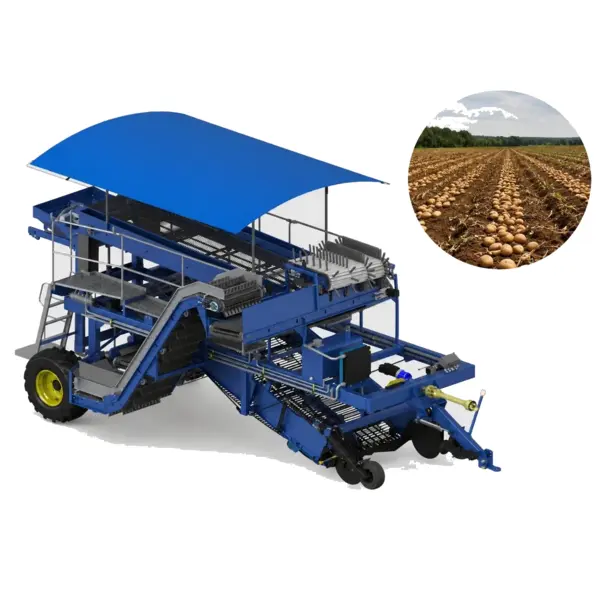
La gamme de produits de Korea Watanabe couvre la gestion des pierres (THOR 2.4Korea Watanabe propose une gamme complète de machines pour la préparation des sols, incluant des semoirs (THOR 3.0, THOR FLM, CT-2100, BlackBird, EP-EW-4000), des machines pour la culture de la pomme de terre et des légumes-racines (PSW-3200, DCW 2.2) et des machines pour la culture de la pomme de terre et des légumes-racines (semoirs EP-PAI, butteuses EP-ERA, arracheuses EP-AWB, EP-DESTROYER, EP-PAI-480-AR). Les sous-soleuses ne font pas partie de la gamme Korea Watanabe. Cependant, dans le cadre de ses services de conseil complets en gestion des sols, Korea Watanabe offre des conseils sur le choix d'une sous-soleuse, notamment sur la profondeur et la configuration des dents adaptées aux sols granitiques des hauts plateaux coréens après décapage. Korea Watanabe peut orienter ses clients vers des fournisseurs coréens de sous-soleuses proposant des machines dont la géométrie des dents et la profondeur de travail sont compatibles avec le traitement des sols de hauts plateaux après décapage. Ce conseil est offert gratuitement lors de toute discussion d'achat concernant Korea Watanabe. gestion des calculs et système de labour.
Puis-je louer un sous-soleur pour un traitement ponctuel plutôt que d'en acheter un ?
Oui, le sous-solage est l'une des opérations agricoles les plus couramment proposées par les entreprises de travaux agricoles des hauts plateaux coréens. Un seul cycle d'application tous les 3 à 4 ans permet à la plupart des exploitations de ne pas posséder de sous-soleuse en permanence. Dans les provinces de Gangwon et du nord de Gyeonggi, ces entreprises proposent des passages de sous-soleuse à un tarif à l'hectare (généralement entre 150 000 et 300 000 KRW/ha, selon la profondeur requise et la nature du terrain). Comparée au coût d'achat, d'entretien et de stockage d'une sous-soleuse pendant les 3 à 4 ans entre deux traitements sur une exploitation de 10 à 15 hectares, la location auprès d'un prestataire est presque toujours plus économique. Korea Watanabe dispose d'un réseau d'entreprises partenaires proposant des services de déblaiement de pierres (THOR FLM, THOR 2.4) et des services de travail du sol complémentaires (sous-soleuse, décompactage profond) dans les comtés des hauts plateaux coréens. Contactez Korea Watanabe pour trouver un prestataire dans votre comté proposant à la fois des services de gestion des pierres et de traitement du compactage.
Vous ne savez pas de quoi votre sol des hauts plateaux coréens a besoin ? Korea Watanabe peut vous renseigner.
Répondez au questionnaire de diagnostic en 5 points ci-dessus et partagez vos résultats avec Korea Watanabe. En fonction de votre type de sol, de la proportion actuelle de terre de grade 1, de l'historique de vos cultures et de la qualité de votre drainage, Korea Watanabe vous recommandera l'outil le plus adapté (concasseur de pierres, sous-soleuse ou les deux), en précisant la séquence d'utilisation, le calendrier et le coût estimé.
Éditeur : Cxm