कोरिया वातानाबे को कोरियाई पहाड़ी किसानों से अक्सर एक सवाल मिलता है, जो पहली बार कोई बड़ी मशीनरी खरीदने की सोच रहे होते हैं: "क्या मुझे स्टोन क्रशर खरीदना चाहिए या सबसॉइलर?" यह सवाल किसान की समझदारी को दर्शाता है - किसान को पता है कि उसकी मिट्टी में संरचनात्मक समस्या है और वह ऐसी मशीन ढूंढ रहा है जो इसे हल कर सके। लेकिन यह सवाल एक गलत धारणा पर आधारित है: कि स्टोन क्रशर और सबसॉइलर एक दूसरे के विकल्प हैं और एक ही काम करते हैं।
वे नहीं हैं। पत्थर क्रशर खंडित चट्टानें छोटे-छोटे टुकड़ों में टूट जाती हैं - यह कठोर परत के संघनन को नहीं तोड़ती। कल्टीवेटर यह गहराई में संघनन परतों को तोड़ता है - यह पत्थरों को खंडित या हटाता नहीं है। कोरियाई उच्चभूमि ग्रेनाइट मिट्टी पर, जहाँ आमतौर पर दोनों समस्याएँ एक ही खेत में साथ-साथ मौजूद होती हैं, प्रश्न यह नहीं है कि "पहले कौन सा" बल्कि "पहले कौन सा, और दूसरा कब जोड़ना है"। यह मार्गदर्शिका प्रत्येक उपकरण को समझने के लिए इंजीनियरिंग आधार, आपके विशिष्ट खेत में वास्तव में कौन सी समस्या है, इसकी पहचान करने के लिए एक नैदानिक ढांचा और तीन वास्तविक कृषि परिदृश्यों में सही मृदा प्रबंधन प्रणाली की लागत की तुलना प्रस्तुत करती है।
प्रत्येक मशीन वास्तव में क्या करती है — उनके भौतिकी सिद्धांत पूरी तरह से भिन्न हैं।
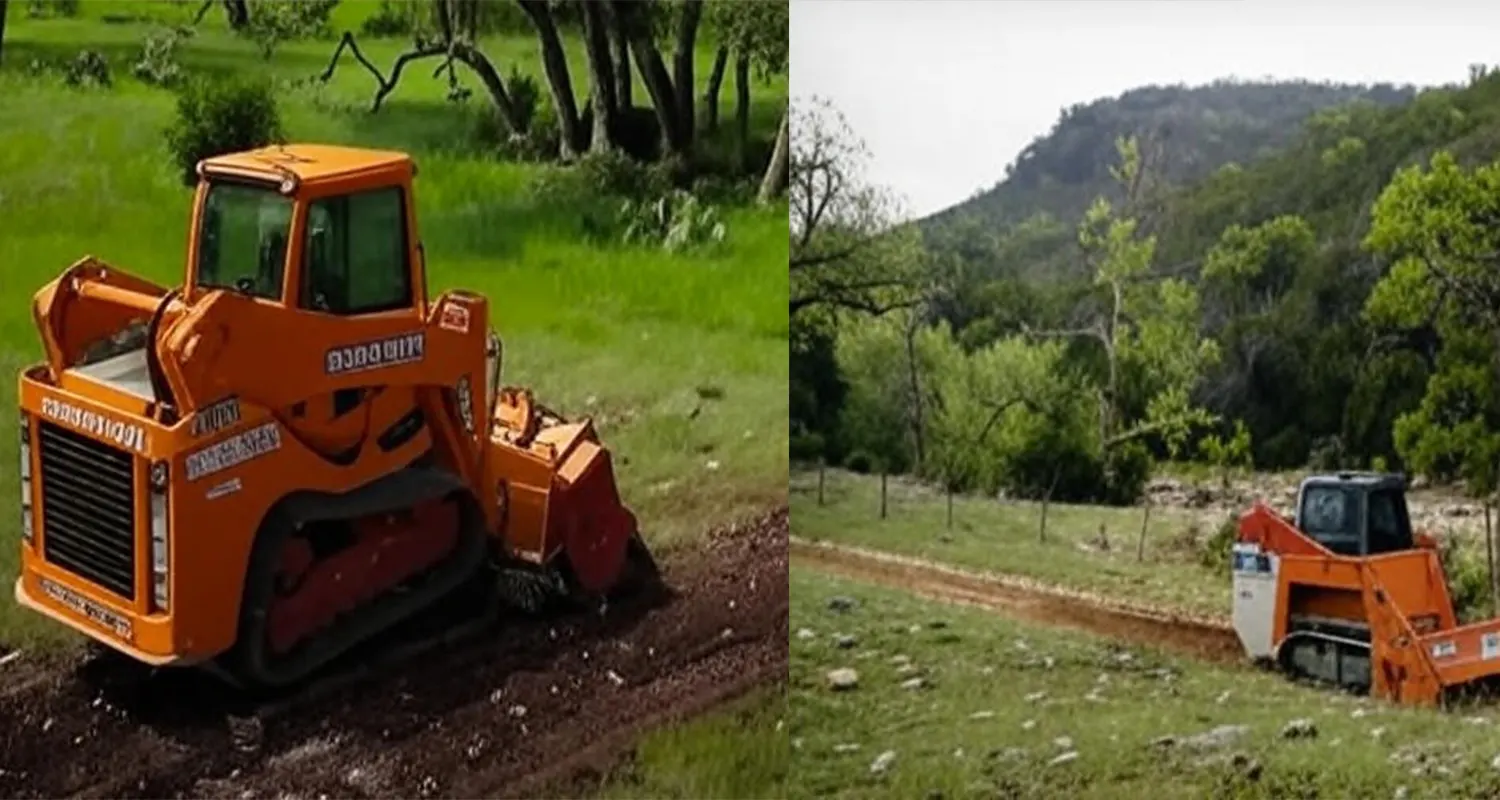
प्रत्येक उपकरण की भौतिक कार्यप्रणाली को समझने से यह तुरंत स्पष्ट हो जाता है कि एक उपकरण दूसरे का विकल्प क्यों नहीं हो सकता - और कोरियाई उच्चभूमि की ग्रेनाइट मिट्टी को आमतौर पर दोनों की आवश्यकता क्यों होती है।
⚠ आम गलतफहमी — सुधारा गया
“अगर मैं भारी सबसॉइलर का इस्तेमाल करूँ तो वह मेरे खेत के पत्थरों को तोड़ देगा।” यह गलत है। सबसॉइलर शैंक को केंद्रित तनाव बल लगाकर भंगुर संपीडन परतों को तोड़ने के लिए डिज़ाइन किया गया है। यह शैंक बिंदु से आगे मिट्टी के टूटने पर निर्भर करता है। कोरियाई ग्रेनाइट पत्थर सबसॉइलर शैंक के स्टील से अधिक कठोर होते हैं - परिचालन गति पर बार-बार पत्थर के संपर्क में आने से पत्थर के टूटने के बजाय शैंक मुड़ जाता है या टूट जाता है। बिना साफ की गई कोरियाई उच्चभूमि ग्रेनाइट मिट्टी में सबसॉइलर चलाने से शैंक को भारी नुकसान होता है और पत्थर के कोई सार्थक विखंडन नहीं होते। THOR 2.4 पत्थर के विखंडन के लिए सही उपकरण है - इसका 550 मिमी रोटर 1,000 आरपीएम पर एक पूरी तरह से अलग तंत्र (स्थैतिक तनाव बल के बजाय उच्च-वेग प्रभाव) उत्पन्न करता है जिस पर ग्रेनाइट सही प्रतिक्रिया देता है।
कोरियाई उच्चभूमि ग्रेनाइट मिट्टी — ये दोनों समस्याएं एक साथ क्यों मौजूद हैं?
कोरियाई उच्चभूमि की ग्रेनाइट से व्युत्पन्न मिट्टी इस मायने में विशिष्ट है कि यह उन दोनों समस्याओं को उत्पन्न करती है जिनका समाधान ये दोनों मशीनें करती हैं - और यह उन्हें एक विशिष्ट स्थानिक व्यवस्था में विकसित करती है जो यह निर्धारित करती है कि कौन सी मशीन पहले चलनी चाहिए।
①
2
③
| मिट्टी का प्रकार | पथरी की समस्या? | संघनन की समस्या? | सही उपकरण |
|---|---|---|---|
| कोरियाई हाईलैंड ग्रेनाइट (गैंगवोन-डो, एन. ग्योंगगी 400 मीटर से ऊपर) | हाँ — महत्वपूर्ण | हां — 5+ वर्षों तक ट्रैक्टर के उपयोग के बाद | THOR 2.4 FIRST → Subsoiler second (सफाई के बाद) |
| कोरियाई तराई मिट्टी-दोमट (होनम मैदान, ग्योंगगी मैदान) | कम / कोई नहीं | हाँ — हल से बनी पपड़ी आम है | केवल सबसॉइलर का उपयोग करें — स्टोन क्रशर की आवश्यकता नहीं है। |
| उच्चभूमि जलोढ़ घाटी तल (नदी की सीढ़ी, हिमनदी द्वारा भराई गई भूमि) | मध्यम — आम तौर पर कंकड़-पत्थर वाली सड़कें | मध्यम — मौसमी बाढ़ संबंधी समझौते | पहले CT-2100 से सतही मिट्टी का संग्रहण करें, फिर PSW-3200 से गहरी जुताई करें, और यदि जड़ों में रुकावट की पुष्टि हो जाए तो सबसॉइलर का प्रयोग करें। |
| पुनः प्राप्त वन भूमि (प्रथम-अवधि रूपांतरण) | हाँ — बहुत ऊँचा + ठूंठ | कम (अछूती मिट्टी, अभी तक संघनन नहीं हुआ है) | थॉर फिल्म + थॉर 2.4 — शुरुआत में किसी सबसॉइलर की आवश्यकता नहीं है |
| स्थापित स्वच्छ पहाड़ी क्षेत्र (THOR 2.4 के 5+ वर्ष बाद) | कम (क्षीण) | विकास जारी है — वार्षिक PSW-3200 + ट्रैक्टर यातायात से | हर 3-4 साल में सबसॉइलर का उपयोग करके जमा हुई कठोर परत को तोड़ें। |
क्या मुझे पत्थर तोड़ने वाली मशीन की ज़रूरत है? — 5 प्रश्नों वाला फील्ड डायग्नोस्टिक
किसी भी मशीन में निवेश करने से पहले, कोरिया के प्रत्येक पहाड़ी किसान को यह 5 प्रश्नों वाला फील्ड डायग्नोस्टिक पूरा करना चाहिए। प्रत्येक प्रश्न का उत्तर देने में 30 मिनट से भी कम समय लगता है और इसमें एक सरल शारीरिक परीक्षण शामिल है - किसी प्रयोगशाला विश्लेषण की आवश्यकता नहीं है।
नैदानिक सारांश — अपने परिणामों को पढ़ना
पत्थर तोड़ने वाली मशीन हमारी तत्काल प्राथमिकता है। खरीद सीटी-2100 + THOR 2.4 सिस्टम। सबसॉइलर द्वितीयक है, इसे पत्थर हटाने का काम पूरा होने के बाद जोड़ा जाएगा।
पत्थरों के बिना संघनन। सबसॉइलर इसके लिए उपयुक्त उपकरण है। इस विशेष क्षेत्र के लिए स्टोन क्रशर की आवश्यकता नहीं है।
दोनों समस्याएं मौजूद हैं। पहले THOR 2.4 स्टोन क्रशर का उपयोग किया जाता है, फिर उसी या अगले मौसम में सबसॉइलर का। स्थापित कोरियाई पहाड़ी खेतों में यही मुख्य कार्यप्रणाली है।
सही क्रम — स्टोन क्रशर को सबसॉइलर से पहले क्यों इस्तेमाल करना चाहिए
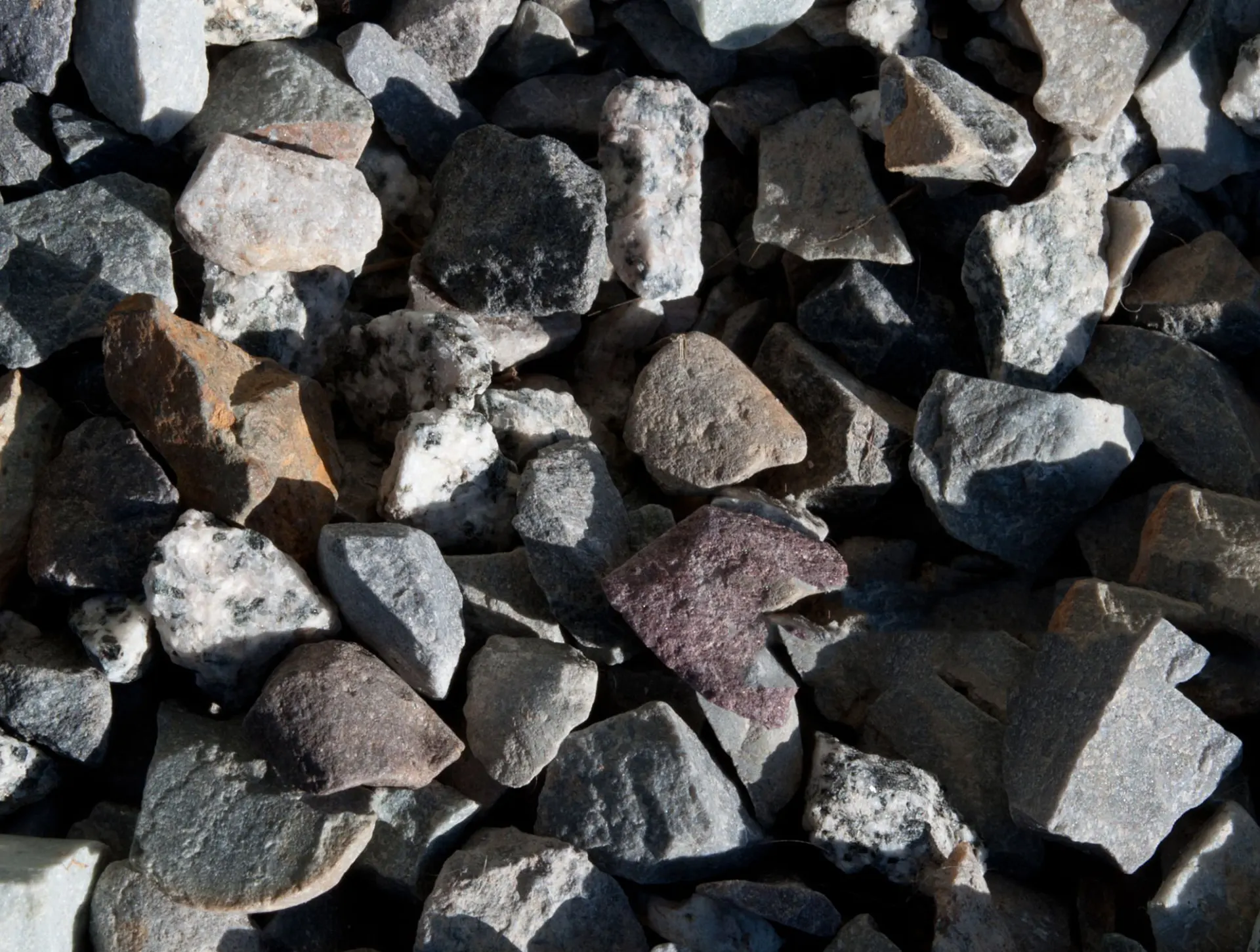
जब पत्थर और संघनन दोनों समस्याओं का निदान हो जाता है, तो क्रम में कोई समझौता नहीं किया जा सकता। पत्थर तोड़ने वाली मशीन को पहले चलाना होगा - और इसका कारण यांत्रिक है, न कि कृषि संबंधी:
0–30 सेमी
स्थायी रूप से हटाएँ
18–25 सेमी
30-50 सेमी (पथ रहित)
💡 सबसॉइलर कब डालें — पत्थर हटाने के बाद का समय
सबसॉइलर का प्रयोग पत्थर हटाने के मौसम में ही करना आवश्यक नहीं है। जिस खेत में पहली बार THOR 2.4 विधि से मिट्टी हटाई जाती है, वहां जड़ विकास के आकलन के माध्यम से मिट्टी की सघनता को पूरी तरह से समझने में 1-2 वर्ष लग सकते हैं। कई किसान पहले आलू की खेती के बाद पाते हैं कि उनकी फसल बिना सबसॉइलर के भी उम्मीद के मुताबिक हुई। यदि पहले साफ किए गए मौसम के बाद भी जड़ विकास में रुकावट के लक्षण बने रहते हैं (पत्थर हटाने के बावजूद पौधों का विकास रुक जाना, जल निकासी में कमी), तो दूसरे वर्ष में सबसॉइलर का प्रयोग करना उचित उपाय है। 8 वर्ष से अधिक की खेती का इतिहास रखने वाले कोरियाई पहाड़ी खेतों में प्रचलित प्रक्रिया इस प्रकार है: पहला वर्ष - THOR 2.4 + CT-2100 विधि से मिट्टी हटाना; दूसरा या तीसरा वर्ष - मिट्टी की सघनता को दूर करने के लिए सबसॉइलर विधि; इसके बाद - PSW-3200 से वार्षिक रखरखाव + हर 3-4 वर्ष में सबसॉइलर विधि।
तीन परिदृश्यों के आधार पर लागत तुलना — प्रत्येक मृदा प्रबंधन पद्धति की वास्तविक लागत क्या है
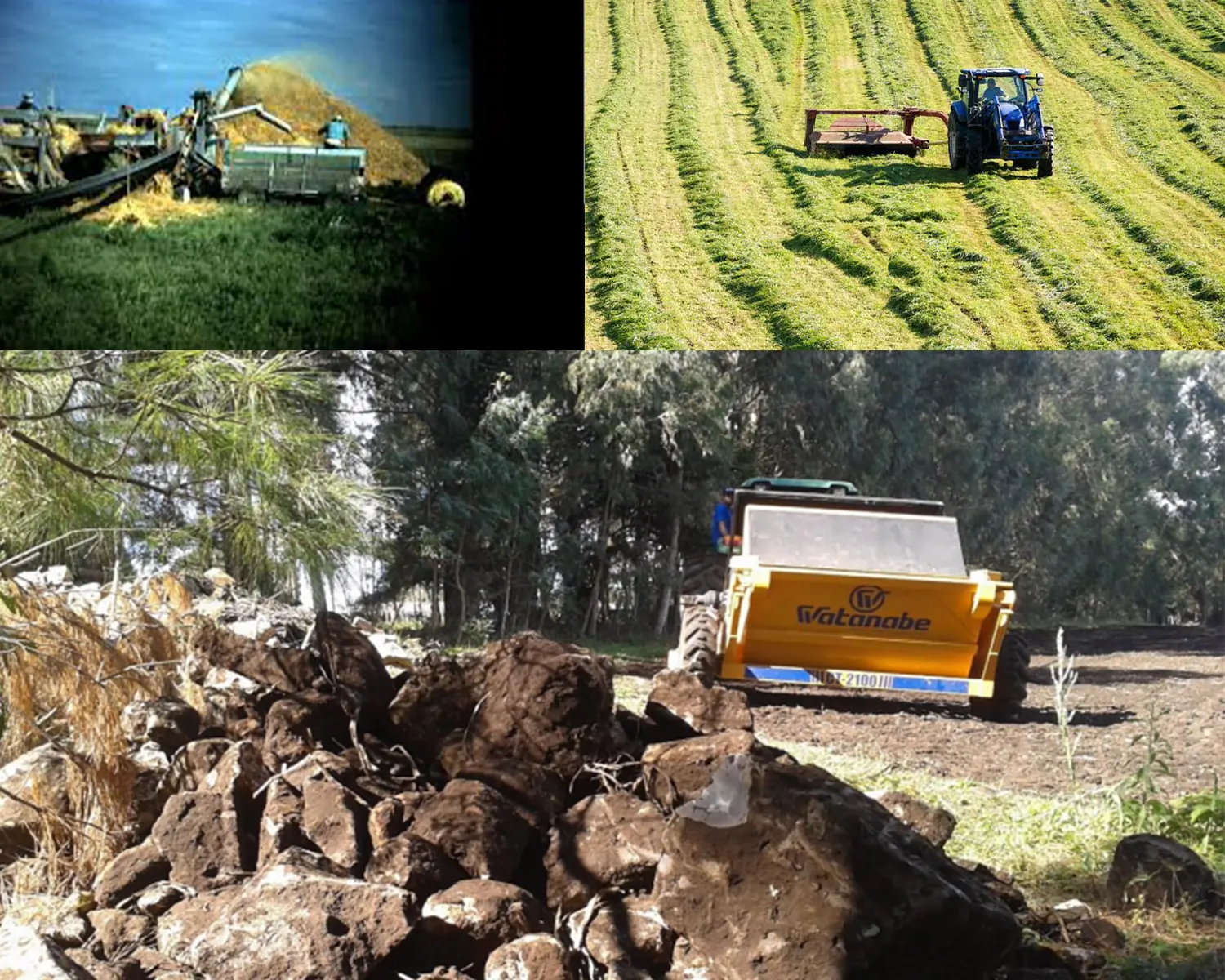
निम्नलिखित लागत परिदृश्य 10 हेक्टेयर कोरियाई पहाड़ी ग्रेनाइट मिट्टी वाले एक प्रतिनिधि फार्म के लिए हैं, जिसमें पत्थरों की पुष्टि हो चुकी है (Q1 सकारात्मक) और मध्यम संघनन है (Q4 सीमा रेखा पर, Q5 6 वर्ष)। मशीन की कीमतें सांकेतिक हैं - कोरिया वातानाबे से वर्तमान कीमतों की पुष्टि करें। सब्सिडी दरें 2026 के 40% कार्यक्रम को दर्शाती हैं (काउंटी से पुष्टि करें)।
अक्सर पूछे जाने वाले प्रश्नों
कोरिया के पहाड़ी इलाकों में खेती के लिए मुझे स्टोन क्रशर या सबसॉइलर में से किसकी जरूरत है? मुझे पहले कौन सा खरीदना चाहिए?
कोरिया के 400 मीटर से अधिक ऊंचाई वाले अधिकांश पहाड़ी ग्रेनाइट मिट्टी वाले खेतों के लिए, जहां पहले पत्थर नहीं हटाए गए हैं, स्टोन क्रशर पहली सही खरीद है - और विशेष रूप से, स्थायी पत्थर हटाने के लिए CT-2100 रॉक पिकर के साथ THOR 2.4 का उपयोग करना बेहतर है। इसका कारण सीधा है: 0-30 सेमी क्षेत्र में पत्थर मौजूद होते हैं, और पत्थर रहित स्थिति के बिना सबसॉइलर उस क्षेत्र में सुरक्षित रूप से काम नहीं कर सकता (पत्थर के संपर्क में आने से सबसॉइलर के शाफ्ट खराब हो जाते हैं)। इसके अलावा, पत्थर से होने वाली क्षति आमतौर पर राजस्व को सीमित करने वाला मुख्य कारक होता है - 65% से 90%+ तक ग्रेड 1 अनुपात में सुधार से तत्काल, मापने योग्य राजस्व प्रभाव पड़ता है जो बाद में मिट्टी के उपचार में किए जाने वाले किसी भी निवेश को वित्तपोषित करता है। यदि आपने पहले ही पत्थर हटा दिए हैं और साफ किए गए खेत के बावजूद जड़ों के विकास में रुकावट या जल निकासी की समस्या का सामना कर रहे हैं, तो सबसॉइलर दूसरे या तीसरे वर्ष के लिए उपयुक्त अगला निवेश है। अपने खेत की वास्तविक स्थिति के आधार पर विशिष्ट अनुशंसा के लिए अपने Q1-Q5 निदान परिणामों के साथ कोरिया वातानाबे से संपर्क करें।
क्या स्टोन क्रशर कठोर परत को तोड़ने के साथ-साथ पत्थरों को छोटे-छोटे टुकड़ों में भी तोड़ सकता है?
स्टोन क्रशर का रोटर तंत्र अपनी परिचालन गहराई सीमा के भीतर मिट्टी की संरचना को बाधित करता है — 1,000 आरपीएम पर टाइन का प्रभाव 25-30 सेमी तक मिट्टी में महत्वपूर्ण हलचल पैदा करता है, जिससे परिचालन क्षेत्र में किसी भी प्रकार का संघनन अस्थायी रूप से टूट जाता है। हालांकि, यह प्रभाव परिचालन गहराई तक ही सीमित है और कोरियाई उच्चभूमि ग्रेनाइट मिट्टी में दीर्घकालिक खेती के तहत 30-45 सेमी पर बनने वाली संघनन परतों तक नहीं फैलता है। इसके अतिरिक्त, स्टोन क्रशर के रोटर का जुताई प्रभाव इसके पत्थर विखंडन कार्य का आकस्मिक हिस्सा है — इसे मिट्टी की संरचना में सुधार के लिए डिज़ाइन या अनुकूलित नहीं किया गया है। PSW-3200 रोटावेटर स्टोन क्रशर की तुलना में 18-25 सेमी जुताई क्षेत्र में अधिक नियंत्रित और पूर्वानुमानित मिट्टी की संरचना में सुधार प्रदान करता है। सबसॉइलर विशेष रूप से 30-50 सेमी संघनन क्षेत्र को लक्षित करता है, जहां न तो स्टोन क्रशर और न ही PSW-3200 प्रभावी ढंग से पहुंच पाते हैं। सिस्टम में प्रत्येक मशीन की एक विशिष्ट गहराई क्षेत्र में एक विशिष्ट भूमिका होती है — कोई भी एक मशीन तीनों क्षेत्रों को कवर नहीं कर सकती।
पत्थर हटाकर साफ की गई कोरियाई पर्वतीय ग्रेनाइट मिट्टी पर सबसॉइलर को कितनी गहराई तक काम करना चाहिए?
कोरिया के पहाड़ी ग्रेनाइट मिट्टी पर, जिसे THOR 2.4 मशीन द्वारा 30 सेमी तक साफ किया गया है, सबसॉइलर को 30-50 सेमी की गहराई वाले क्षेत्र को लक्षित करना चाहिए, जहां संघनन के कारण कठोर परत बनने की सबसे अधिक संभावना होती है। 35-45 सेमी की गहराई पर काम करना मानक अनुशंसा है - इतनी गहराई कि साफ किए गए क्षेत्र के नीचे की कठोर परत टूट जाए, लेकिन इतनी गहरी नहीं कि बड़ी उपमृदा सामग्री या बिना अपक्षयित ग्रेनाइट के टुकड़े सतह पर आ जाएं और साफ किए गए कृषि क्षेत्र में पत्थरों की उपस्थिति फिर से बढ़ जाए। कोरिया के पहाड़ी ग्रेनाइट मिट्टी (मोटे बनावट वाली, अच्छी जल निकासी वाली मिट्टी) के लिए सबसॉइलर के लेग्स के बीच की दूरी 40-50 सेमी होनी चाहिए - चिकनी मिट्टी की तुलना में यह दूरी कम होती है क्योंकि ग्रेनाइट मिट्टी में दरार फैलने की दूरी प्लास्टिक चिकनी मिट्टी की तुलना में कम होती है। अपने खेत में पहली बार सबसॉइलर चलाने से पहले, अनुशंसित संचालन गहराई और लेग्स के बीच की दूरी की पुष्टि सबसॉइलर उपकरण आपूर्तिकर्ता या कोरिया वातानाबे की मृदा मूल्यांकन टीम से कर लें।
क्या कोरिया वातानाबे सबसॉइलर की आपूर्ति करता है, या केवल पत्थर प्रबंधन और जुताई मशीनें ही आपूर्ति करता है?
कोरिया वातानाबे की उत्पाद श्रृंखला में पत्थर प्रबंधन शामिल है (थोर 2.4कोरिया वातानाबे के उत्पादों में सबसॉइलर (जैसे कि THOR 3.0, THOR FLM, CT-2100, BlackBird, EP-EW-4000), मिट्टी की तैयारी के लिए मशीनरी (PSW-3200, DCW 2.2), और आलू एवं जड़ वाली फसलों के लिए मशीनरी (EP-PAI प्लांटर्स, EP-ERA हिलर्स, EP-AWB हार्वेस्टर्स, EP-DESTROYER, EP-PAI-480-AR) शामिल हैं। सबसॉइलर फिलहाल कोरिया वातानाबे रेंज का हिस्सा नहीं हैं। हालांकि, कोरिया वातानाबे संपूर्ण मृदा प्रबंधन परामर्श के हिस्से के रूप में सबसॉइलर के चयन पर सलाह देता है — विशेष रूप से पत्थर हटाने के बाद कोरियाई पहाड़ी ग्रेनाइट मिट्टी की स्थितियों के लिए उपयुक्त गहराई और शैंक कॉन्फ़िगरेशन पर। कोरिया वातानाबे ग्राहकों को उपयुक्त कोरियाई घरेलू सबसॉइलर आपूर्तिकर्ताओं के पास भेज सकता है जो पत्थर हटाने के बाद पहाड़ी मिट्टी के उपचार के लिए उपयुक्त शैंक ज्यामिति और परिचालन गहराई प्रदान करते हैं। कोरिया वातानाबे से संबंधित किसी भी खरीद चर्चा के हिस्से के रूप में यह परामर्श नि:शुल्क प्रदान किया जाता है। पत्थर प्रबंधन और जुताई प्रणाली।
क्या मैं एक बार के उपचार के लिए सबसॉइलर को खरीदने के बजाय किराए पर ले सकता हूँ?
जी हां, सबसॉइलिंग कोरियाई पहाड़ी कृषि मशीनरी ठेकेदारों द्वारा सबसे आसानी से उपलब्ध कराई जाने वाली कृषि प्रक्रियाओं में से एक है, क्योंकि 3-4 साल के एक ही चक्र में सबसॉइलर का उपयोग करने से अधिकांश व्यक्तिगत खेतों को साल भर सबसॉइलर रखने की आवश्यकता नहीं होती है। गंगवोन-डो और उत्तरी ग्योंगगी-डो में कृषि मशीनरी ठेकेदार प्रति हेक्टेयर की दर से सबसॉइलर सेवा प्रदान करते हैं (आमतौर पर आवश्यक गहराई और भूभाग के आधार पर 150,000-300,000 KRW/हेक्टेयर)। 10-15 हेक्टेयर के खेत में 3-4 साल के अंतराल में सबसॉइलर खरीदने, रखरखाव करने और भंडारण करने की लागत की तुलना में, ठेकेदार से किराए पर लेना लगभग हमेशा अधिक किफायती होता है। कोरिया वातानाबे के पास संबद्ध ठेकेदारों का एक नेटवर्क है जो कोरिया के पहाड़ी क्षेत्रों में पत्थर हटाने की ठेकेदारी सेवाएं (THOR FLM, THOR 2.4) और पूरक जुताई सेवाएं (सबसॉइलर, डीप रिपिंग) दोनों प्रदान करते हैं - अपने विशिष्ट क्षेत्र में पत्थर प्रबंधन और संघनन उपचार सेवाएं प्रदान करने वाले ठेकेदार से जुड़ने के लिए कोरिया वातानाबे से संपर्क करें।
क्या आप नहीं जानते कि आपकी कोरियाई पहाड़ी मिट्टी को क्या चाहिए? कोरिया वातानाबे आपको बता सकते हैं।
ऊपर दिए गए 5 प्रश्नों वाले निदान को पूरा करें और अपने परिणाम कोरिया वातानाबे के साथ साझा करें। आपकी मिट्टी के प्रकार, वर्तमान ग्रेड 1 अनुपात, जुताई के इतिहास और जल निकासी प्रदर्शन के आधार पर, कोरिया वातानाबे आपको एक विशिष्ट उपकरण की अनुशंसा प्रदान करेगा — स्टोन क्रशर, सबसॉइलर, या दोनों — जिसमें क्रम, समय और लागत का अनुमान शामिल होगा।
संपादक: सीएक्सएम