
تُعدّ سلسلة EP-ADB - طراز EP-ADB-380 (ثلاثي الصفوف) وطراز EP-ADB-480 (رباعي الصفوف) - نسخةً من آلة تشكيل الأخاديد من واتانابي، حيث تدمج قادوسًا للأسمدة ونظام قياس في آلة تشكيل الأخاديد، لتوفير سماد حبيبي على شكل شريط مركّز عند قاعدة الأخاديد بالتزامن مع عملية تشكيل الأخاديد. بالنسبة لمزارع البطاطس في المرتفعات الكورية، تُغني عملية EP-ADB المدمجة عن عمليتي تمرير منفصلتين في الحقل، حيث يتم دمج عملية نثر الأسمدة قبل الزراعة (التي تُجرى عادةً قبل أو أثناء حرث PSW-3200) وعملية تشكيل الأخاديد EP-R في عملية واحدة لـ EP-ADB في الخطوة 3.
هذا المقال هو دليل مخصص لآلة EP-ADB، وهو يختلف عن دليل آلة الحراثة EP-R-380/580 (الذي يغطي آلة الحراثة فقط) وعن دليل إدارة المغذيات (الذي يغطي معدلات التسميد وتوقيته كموضوع زراعي). ينصب التركيز هنا على الآلة نفسها: القادوس وآلية القياس، وإجراءات المعايرة، ومواصفات الحبيبات التي تضمن تدفقًا موثوقًا، وكيف يُغير النهج المتكامل لآلة EP-ADB عملية الحقل في الخطوة 3 مقارنةً بتسلسل التسميد المنفصل لآلة EP-R، ومتطلبات مطابقة النظام للتشغيل الكامل. آلات بطاطس سلسلة.
المواصفات المؤكدة لـ EP-ADB-380 و EP-ADB-480
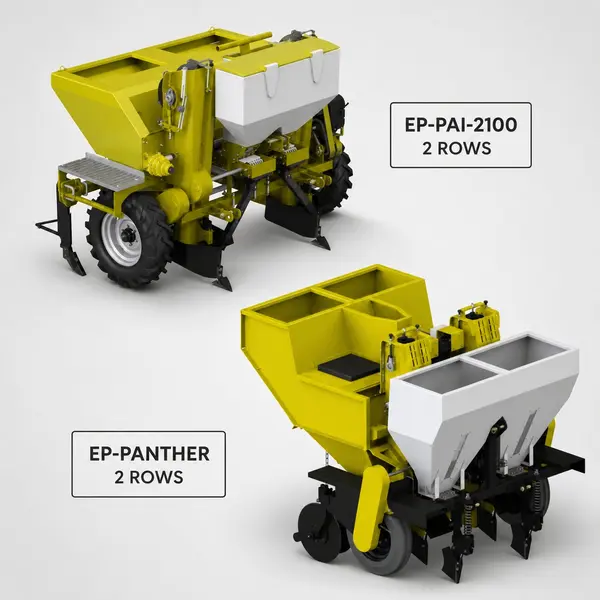
جميع المواصفات مأخوذة من كتيب منتجات واتانابي الرسمي.
EP-ADB-380
محراث بثلاثة صفوف + سماد
- ▸الصفوف: 3 صفوف متزامنة
- ▸القدرة: 75 حصان كحد أدنى
- ▸وصلة جر: الفئة 2
- ▸السماد: قادوس مدمج + نظام قياس
EP-ADB-480
محراث ذو 4 صفوف + سماد
- ▸الصفوف: 4 صفوف متزامنة
- ▸القدرة: 75 حصان كحد أدنى
- ▸وصلة جر: الفئة 2
- ▸السماد: قادوس مدمج + نظام قياس؛ سعة أكبر من EP-ADB-380
مقارنة بين تقنية EP-ADB وتقنية EP-R مع البث المنفصل - لماذا يتفوق النهج المتكامل في الأراضي المرتفعة الكورية؟
السؤال الأساسي الذي يواجه مزارعي البطاطس في المرتفعات الكورية عند الاختيار بين آلة EP-ADB وآلة EP-R (آلة حرث التربة فقط) هو ما إذا كانت وظيفة التسميد المتكاملة تضيف قيمة زراعية وتشغيلية كافية لتبرير التكلفة الإضافية للآلة. وتعتمد الإجابة على فهم ما يحققه تطبيق الأسمدة بالرش على تربة الجرانيت في المرتفعات الكورية مقارنةً بوضع الأسمدة على شكل شرائط في آلة EP-ADB.
| الأبعاد | البث + EP-R منفصلان | EP-ADB متكامل |
|---|---|---|
| موضع السماد | يتم توزيعه عبر كامل حجم التربة في PSW-3200 - بما في ذلك منطقة الأخاديد حيث لا تنمو الجذور في بداية الموسم | شريط مركز على بعد 5-8 سم أسفل موضع البذرة وبجانبه - حيث تصل إليه الجذور الأولى في غضون أيام من الإنبات |
| مخاطر التسرب (التربة الجرانيتية الكورية) | تتمتع طبقات K و N في حجم التربة الكامل بمساحة سطح أكبر معرضة لعملية غسل مياه الأمطار الموسمية من يونيو إلى أغسطس | تقع طبقة باند في عمق المقطع الجانبي (أسفل المنطقة الأكثر نشاطًا في عملية الترشيح) ويمكن الوصول إليها عن طريق الجذور قبل بدء عملية الترشيح في موسم الأمطار الموسمية |
| تصاريح ميدانية مطلوبة | 2: جهاز نثر البذور + جهاز حفر الأخاديد EP-R | 1: يقوم EP-ADB بالأمرين معًا |
| كفاءة استخدام الأسمدة | خط الأساس - متوسط كفاءة امتصاص النيتروجين والبوتاسيوم | 15-30% امتصاص أعلى للنيتروجين والبوتاسيوم في الأسابيع الأربعة الأولى بعد الزراعة (موثق في التجارب الميدانية في المرتفعات الكورية) |
| نوع السماد المناسب | جميع الأشكال الحبيبية والمسحوقة متوافقة مع الموزع | مركب NPK حبيبي فقط - يمكن للمواد المسحوقة والحبيبات الكبيرة (أكبر من 4 مم) أن تعيق آلية القياس |
تُعدّ حجة الحماية من التسرب العامل الرئيسي الذي يميز المرتفعات الكورية
تتعرض تربة الجرانيت في المرتفعات الكورية، ذات السعة التبادلية الكاتيونية المنخفضة ومعدلات التصريف العالية، لتأثير غسل كامل بفعل أمطار الأعاصير التي تهطل في شهري يوليو وأغسطس، والتي قد تتجاوز 200 ملم خلال 48 ساعة. يتم وضع شريط التسميد المركز (EP-ADB) على عمق 8-12 سم أسفل سطح التلال، وهو عمق كافٍ لمنع جريان مياه الأمطار الموسمية من المرور مباشرة عبر منطقة الشريط، وعلى العمق الذي يمتص فيه نظام جذور البطاطس العناصر الغذائية بنشاط خلال مرحلة تكوين الدرنات وبداية نموها، عندما يكون الطلب في ذروته. ويُقدر أن تأثير الحماية من الغسل الناتج عن وضع الشريط على تربة الجرانيت في المرتفعات الكورية يُبقي على 15-251 تيرا باوند إضافي من البوتاسيوم المضاف في منطقة الجذور النشطة خلال موسم الأمطار في شهري يوليو وأغسطس، مقارنةً بالتسميد المماثل بالرش.
آلية القادوس والقياس - كيف تعمل وما هي المشاكل المحتملة

يقع قادوس السماد الخاص بآلة EP-ADB فوق وحدات صفوف الحراثة ويقوم بتغذية السماد الحبيبي من خلال نظام قياس إلى مخرج الإيداع لكل صف، والذي تم وضعه لوضع شريط السماد في قاعدة التل المتشكل - أسفل المستوى الذي ستضع فيه آلة زراعة البذور EP-PAI-2100 قطعة البذور في الخطوة 4. آلية القياس مدفوعة بالأرض (مدفوعة بعجلة أو ترس أرضي يدور أثناء تحرك الآلة للأمام)، مما يعني أن معدل التطبيق يتم تعويضه تلقائيًا حسب السرعة - يظل المعدل لكل وحدة مساحة ثابتًا بغض النظر عن اختلاف سرعة التقدم على منحدرات المدرجات الجبلية الكورية:
كيف تعمل تقنية الدفع الأرضي:
تدور عجلة التوزيع عددًا ثابتًا من الدورات لكل متر من الحركة الأمامية. كل دورة تُحرك دوار التوزيع بمقدار ثابت، مما يُطلق كمية محددة من السماد لكل دورة. تُؤدي تغييرات السرعة الأمامية (صعودًا ببطء، ونزولًا بسرعة) إلى زيادة أو نقصان نسبي في عدد دورات عجلة التوزيع لكل وحدة مساحة، وبالتالي يظل معدل التوزيع لكل هكتار ثابتًا. هذه هي الميزة التشغيلية الرئيسية مقارنةً بأنظمة التوزيع التي تعمل بنظام نقل الحركة (PTO) والتي تُحافظ على نفس حجم التوزيع بغض النظر عن السرعة، مما يُؤدي إلى زيادة التوزيع عند تباطؤ الجرار على التلال.
نمط الفشل الشائع - انسداد نظام القياس:
تتمثل المشكلة التشغيلية الأكثر شيوعًا في نظام EP-ADB في الانسداد الجزئي أو الكامل لآلية القياس، وذلك بسبب: (1) حبيبات ماصة للرطوبة امتصت الرطوبة من التخزين وتكتلت في كتل كبيرة جدًا بحيث لا يمكن لمنفذ القياس المرور عبرها - تحقق دائمًا من حالة الحبيبات (انسيابها بحرية، وعدم تكتلها) قبل التحميل؛ (2) أحجام الحبيبات التي يزيد قطرها عن 4 مم والتي لا تمر عبر المنفذ - تأكد من مطابقة مواصفات الحبيبات لحجم منفذ نظام EP-ADB قبل اختيار منتج السماد؛ (3) وجود مواد غريبة (بذور أو غبار من التخزين المختلط) في القادوس تعيق مرور السماد عبر المنفذ. تحقق من تدفق القياس في اختبار ثابت (تدوير يدوي لآلية القياس) قبل أول عملية تشغيل في كل موسم وبعد أي توقف مطول خلال يوم العمل في الحقل.
إجراء معايرة قادوس الرش - ضبط معدل الرش الصحيح قبل كل موسم
نظرًا لأن معدل استخدام الأسمدة في نظام EP-ADB يُعدّ عاملًا زراعيًا بالغ الأهمية (إذ أن الإفراط في استخدام النيتروجين يزيد من خطر الإصابة بالأمراض ويقلل من المادة الجافة، بينما يؤدي نقص استخدامه إلى انخفاض المحصول)، يجب التأكد من معايرة خزان السماد باستخدام المنتج المحدد المستخدم قبل بدء الموسم. الإجراء:
مواصفات الحبيبات لضمان تدفق EP-ADB موثوق
صُمم نظام قياس EP-ADB خصيصًا للأسمدة المركبة الحبيبية NPK القياسية التي يتراوح قطر حبيباتها بين 2 و4 ملم. يجب على مزارعي البطاطس في المرتفعات الكورية التأكد من مواصفات حبيبات منتج السماد قبل التحميل، إذ يُعد عدم توافق حجم الحبيبات السبب الأسهل والأكثر قابلية للتجنب لفشل القياس في الحقل.
متوافق مع: سماد NPK حبيبي مركب (2-4 مم)
يتدفق السماد المركب المحبب القياسي، بتركيبات 10-20-20 أو 15-15-15 أو ما شابهها، وبحجم حبيبات يتراوح بين 2 و4 مم، بسلاسة عبر نظام القياس EP-ADB عند جفافه. تتميز الحبيبات بكثافتها الكافية لتسقط بحرية عبر فتحة القياس دون انسداد، وصغر حجمها الكافي لمرورها عبر قطر الفتحة دون أي عائق. هذه هي المواصفات القياسية للأسمدة المركبة الزراعية الكورية التي يتم توريدها عبر التعاونيات الزراعية المحلية.
غير متوافق مع: المساحيق، الحبيبات الكبيرة، المواد المسترطبة
تتسبب المساحيق (مثل الجير المطحون ناعماً ومسحوق السوبر فوسفات) في انسداد مخرج جهاز القياس، مما يؤدي إلى تدفق غير منتظم أو انعدام التدفق. أما الحبيبات الكبيرة التي يزيد حجمها عن 4 مم (تستخدم بعض الأسمدة المخلوطة مصادر بوتاسيوم كبيرة الحجم) فتتسبب في انسداد دوار جهاز القياس. تمتص المواد المسترطبة (مثل اليوريا ونترات الأمونيوم) ندى الصباح وتتكتل في القادوس - لذا تأكد دائماً من جفاف القادوس قبل التعبئة ومن تخزين السماد في مكان جاف. يُعد كلوريد البوتاسيوم (KCl) في شكله الحبيبي متوافقاً، ولكنه شديد الاسترطاب - لذا قم بتعبئته قبل الاستخدام مباشرة ولا تتركه مملوءاً طوال الليل.
موضع شريط السماد بالنسبة للبذرة - القاعدة الحرجة من 5 إلى 8 سم
تعتمد القيمة الزراعية لوضع شريط السماد في جهاز EP-ADB كليًا على وضع السماد في الموضع الصحيح بالنسبة لمكان وضع البذور بواسطة آلة الزراعة EP-PAI-2100 بعد 2-5 أيام. الموضع الصحيح هو: 5-8 سم أسفل عمق البذور المقصود، و3-7 سم جانبيًا من محور البذور. يضع هذا الموضع شريط السماد ضمن نطاق نمو الجذور بدءًا من اليوم العاشر بعد الزراعة (عندما تبدأ الجذور الأولى بالنمو من البذور النابتة)، مع تجنب التلامس المباشر بين البذور والسماد الذي قد يُسبب احتراق سطح البذور بالسماد.
الشريط الموضوع بشكل صحيح - ما يحققه
تنمو الجذور الأولى من بذرة البطاطا النابتة إلى الأسفل وإلى الجانبين من قطعة البذرة، لتصل إلى شريط السماد في غضون 5-8 أيام من الإنبات في تربة الربيع الدافئة (15 درجة مئوية فأكثر) في المرتفعات الكورية. يصل نظام الجذور إلى شريط الفوسفور والبوتاسيوم المركز قبل أن توفر المنطقة المحيطة المسمدة تركيزًا مكافئًا، مما ينتج عنه نمو أسرع للجذور في المراحل المبكرة، وظهور أكثر تجانسًا، وامتصاص أكبر للعناصر الغذائية في المراحل المبكرة، وهو ما يفيد النبات خلال مرحلة تكوين الدرنات الحرجة بعد 5-6 أسابيع.
شريط التسميد قريب جدًا من البذور - خطر احتراق البذور
إذا كان مخرج توزيع السماد في جهاز EP-ADB قريبًا جدًا من عمق وضع البذور (بمسافة أفقية أقل من 3 سم أو مسافة رأسية أقل من 3 سم)، فإن التركيز الأسموزي العالي لشريط السماد المجاور مباشرةً لسطح البذرة المقطوعة يمنع الإنبات وقد يؤدي إلى موت البرعم النابت - وهو خلل لا يظهر إلا عند ظهور بقع غير منتظمة في الحقل وعدم وضوح السبب. للتأكد من المسافة بين شريط السماد والبذور، يُنصح بإجراء فحص ميداني على أول 10 أمتار من مسار الاختبار الأول لجهاز EP-ADB: احفر 3 تلال وقم بقياس موضع شريط السماد بالنسبة لعمق وضع البذور المُقدّر قبل تشغيل آلة الزراعة.
تطبيق مقسم باستخدام EP-ADB - الأساس عند التخديد، والتسميد العلوي عند التل
يتولى جهاز EP-ADB معالجة عنصر التسميد الأساسي ضمن برنامج التسميد على مرحلتين الموصى به في دليل إدارة المغذيات. فيما يلي توقيت المرحلتين ودور جهاز EP-ADB فيهما:
| طلب | آلة | الكسر N | الكسر P | كسر K |
|---|---|---|---|---|
| القاعدة - EP-ADB عند بدء عملية التخديد (الخطوة 3) | EP-ADB-380 أو EP-ADB-480 | 40–50% | 100% | 60–70% |
| الطبقة العلوية - قبل عملية التلال EP-ERA (الخطوة 6) | يُرشّ المنتج باستخدام جهاز رشّ أو يُطبّق يدويًا قبل اجتياز اختبار EP-ERA | 50–60% | 0% | 30–40% |
لماذا يتعامل نظام EP-ADB مع الطبقة الأساسية فقط، وليس الطبقة العلوية؟
تُضاف طبقة النيتروجين السطحية في الخطوة 6 (قبل عملية التل بواسطة جهاز EP-ERA) إلى سطح المحصول النابت، ثم تُدمج بواسطة أذرع التل. لا يمكن تطبيقها بواسطة جهاز EP-ADB لأنه يعمل في مرحلة حرث التربة قبل زراعة المحصول، فهو جهاز ما قبل الزراعة. يجب أن تكون عملية التسميد السطحي عملية منفصلة باستخدام موزع نثر أو موزع حبيبات يعمل في المساحة بين صفوف المحصول النابت قبل مرور جهاز EP-ERA. هذا الإجراء هو نفسه سواءً تم تطبيق السماد الأساسي بواسطة جهاز EP-ADB أو بواسطة النثر مع جهاز EP-R، فطريقة تطبيق التسميد السطحي لا تتغير باختلاف طريقة تطبيق السماد الأساسي.
مطابقة النظام - عدد صفوف EP-ADB وسلسلة الخطوات السبع
ينطبق نفس نظام المحاذاة المطبق على EP-R-380/580 على EP-ADB-380/480 تمامًا، حيث يحدد عدد صفوف آلة الحراثة هندسة جميع الخطوات اللاحقة. يجب أن تتطابق المسافة بين صفوف EP-ADB بدقة مع تكوينات آلة البذر EP-PAI-2100، وآلة التلال EP-ERA، وآلة الحصاد EP-AWB-1600. ويشترط أيضًا في EP-ADB تعديل موضع مخرج السماد لكل صف ليتوافق مع إعداد المسافة بين الصفوف، فبما أن المخرج يجب أن يصب السماد في قاعدة التل المتشكل، فإن أي تعديل في المسافة بين الصفوف يؤدي إلى تغيير موضع جسم آلة التلال يجب أن يؤدي بدوره إلى تغيير موضع مخرج السماد لذلك الصف.
قاعدة عدّ الصفوف:
استخدم جهاز EP-ADB-380 (ثلاثي الصفوف) مع نمط زراعة ثلاثي الصفوف. استخدم جهاز EP-ADB-480 (رباعي الصفوف) مع نمط زراعة رباعي الصفوف. تجنب خلط عدد الصفوف بين جهاز EP-ADB وآلة الزراعة؛ فاستخدام محراث رباعي الصفوف مع آلة زراعة ثلاثية الصفوف ينتج عنه صفوف غير متناسقة في الخطوة الرابعة، ولن تصل أي بذرة في نمط الزراعة ثلاثي الصفوف إلى شريط السماد من الصف الرابع لجهاز EP-ADB.
فحص تباعد الصفوف - خاص بـ EP-ADB:
بعد ضبط تباعد صفوف جهاز EP-ADB ليتناسب مع تباعد الصفوف المزروعة في مزرعتك (70 أو 75 أو 80 سم)، تأكد من أن موضع مخرج السماد لا يزال محاذيًا لجسم آلة تسوية التلال لكل صف. يجب أن يصب السماد في قاع الأخدود، وليس على جانب التل - وللتأكد من وضع الشريط على العمق الصحيح والإزاحة الجانبية المناسبة قبل بدء عملية التسميد الكاملة، قم بإجراء فحص ميداني سريع عن طريق حفر قاع الأخدود بعد مرور تجريبي بطول 5 أمتار.
جودة إزالة الأحجار ودقة نطاق EP-ADB - لماذا تُعدّ الحقول النظيفة مهمة لوضع الأسمدة؟
ال كسارة الحجارة THOR 2.4 و المحراث الدوار PSW-3200 تؤثر جودة الحراثة بشكل مباشر على دقة توزيع السماد بواسطة جهاز EP-ADB. ويعمل هذا الربط من خلال ثبات عمق عمل جسم المحراث.
حقل تم تنظيفه بالحجارة
تتحرك آلة EP-ADB لتوزيع الأسمدة على عمق ثابت عبر تربة ناعمة متجانسة، حيث يحافظ مخرج السماد على ارتفاع ثابت فوق قاع الأخدود. ويقوم كل متر طولي من مسار EP-ADB بتوزيع السماد على العمق المطلوب. أما البذور التي يوزعها جهاز EP-PAI-2100 فوق هذا الشريط، فتكون على عمق ثابت فوقه في جميع أنحاء الحقل، مما يحقق التباعد المطلوب بين البذور بمسافة 5-8 سم في كل مكان.
حقل غير ممهد
عند ملامسة الأحجار المتبقية لجسم آلة التسميد EP-ADB، يرتفع مخرجها مع الجسم، مما يؤدي إلى ترسب السماد على عمق أقل من العمق المصمم له. عند نقطة انحراف الحجر، تضيق المسافة بين السماد والبذور الموضوعة فوقه، مما قد يُسبب تلامسًا مباشرًا بين البذور والسماد عند موضع الحجر. يؤدي اختلاف عمق السماد في الحقول غير المُزالة من التربة إلى تفاوت معدلات وصول العناصر الغذائية إلى التربة، وقد يتسبب أحيانًا في احتراق البذور نتيجة التلامس المباشر مع الأحجار.
الأسئلة الشائعة
هل يمكن استخدام الأسمدة العضوية (السماد العضوي أو السماد المجفف) في قادوس EP-ADB؟
لا، لا تُناسب المُحسّنات العضوية، بما في ذلك السماد العضوي، وروث الدواجن المُجفف، والأسمدة العضوية المُحببة، نظامَ قياس EP-ADB. يُؤدي التوزيع المُتفاوت لحجم جزيئات المواد العضوية (أشكال غير منتظمة، وكثافات مُختلفة) إلى قياس غير مُنتظم، حيث يختلف المُعدل بشكل غير مُتوقع مع مرور أحجام الجزيئات المُختلفة عبر المخرج بمعدلات مُختلفة. بالإضافة إلى ذلك، تمتص المواد العضوية ذات المحتوى الرطوبي المُتبقي الرطوبة من بيئة القادوس، وتتراكم عبر المخرج، مما يُؤدي إلى انسداد كامل في غضون 30-60 دقيقة من التحميل في صباحات الربيع الكورية الرطبة. يجب تطبيق المُحسّنات العضوية بشكل مُنفصل بواسطة آلة نثر، ودمجها في مُحاذي PSW-3200 قبل أو أثناء المرور المُزدوج، حيث تُساهم في ميزانية العناصر الغذائية الإجمالية، ولكن يجب تطبيقها في مرحلة حرث PSW-3200، وليس في مرحلة حفر الأخاديد EP-ADB.
هل يؤثر استخدام جهاز EP-ADB على الوقت بين عملية حرث الأرض والزراعة؟
لا يُغيّر نظام EP-ADB الفترة المثلى بين حرث الأرض والزراعة، والتي تتراوح بين يومين وخمسة أيام، والموضحة في دليل استخدام آلة حرث الأرض. يقع شريط السماد في قاعدة التل - أسفل منطقة توازن الرطوبة - ولا يتأثر بفترة استقرار سطح التربة التي تتراوح بين يومين وخمسة أيام. يُطبّق توازن رطوبة سطح قمة التل، الذي توفره هذه الفترة (مما يسمح لتربة التل المُزاحة حديثًا بالاستقرار وتكوين بنية ثابتة)، بغض النظر عما إذا كان السماد الأساسي قد وُضع بالرش أو باستخدام نظام EP-ADB. لا تُقلّل الفترة بين حرث الأرض والزراعة عند استخدام نظام EP-ADB، فأسباب هذه الفترة (استقرار التل، وتوازن الرطوبة) مستقلة عن طريقة وضع السماد.
هل هناك خطر من أن يكون شريط EP-ADB قريبًا جدًا من البذرة إذا كان عمق زراعة EP-PAI-2100 أقل من المعتاد؟
نعم، تعتمد المسافة بين الشريط والبذور على كلٍ من موضع مخرج جهاز EP-ADB (المُثبَّت أثناء المعايرة) وعمق زراعة جهاز EP-PAI-2100 (المُحدَّد في الخطوة 4). إذا كان عمق الزراعة المُخطَّط له 8-10 سم، وكان الشريط على عمق 14-17 سم (المسافة الصحيحة 5-8 سم)، ولكن لأي سببٍ كان، تمَّ ضبط جهاز EP-PAI-2100 للزراعة على عمق 5-6 سم (أقل من العمق المُصمَّم)، فإنَّ المسافة تضيق إلى 8-12 سم، وهو عمق آمن. مع ذلك، إذا تمَّ ضبط عمق الزراعة عن طريق الخطأ على 3-4 سم فقط (وهو خطأ شائع عند الانتقال من الحقول غير المُزالة منها الأحجار إلى الحقول المُزالة منها الأحجار، حيث يقوم المُشغِّل بخفض حذاء الزراعة دون داعٍ)، فقد تقترب المسافة من منطقة الخطر أو تصل إليها. الوقاية: تأكد من عمق زراعة EP-PAI-2100 (باستخدام فحص حفر الأخدود) في أول 10 أمتار من مسار الزراعة، وتأكد من مطابقته للعمق المصمم المستخدم في معايرة EP-ADB وإعداد موضع المخرج.
هل يمكن استخدام جهاز EP-ADB بدون وظيفة التسميد - كآلة حراثة عادية؟
نعم، يمكن ترك خزان السماد ونظام التوزيع فارغين وإغلاق منفذ التوزيع، واستخدام آلة EP-ADB كآلة حراثة مكافئة لآلة EP-R-380/480. يُعد هذا مفيدًا عند استخدام EP-ADB في حقل تم فيه نثر السماد في دورة PSW-3200 ولا يتطلب إضافة سماد موضعي عند الحراثة. تكون EP-ADB في وضع الحراثة العادية أثقل من نظيرتها EP-R (بسبب إضافة الخزان وآلية التوزيع للوزن)، لكنها تعمل بنفس الكفاءة في تشكيل التلال. بالنسبة للمزارع التي تُبدّل بين استراتيجيات التسميد الموضعي والنثر بين سنوات الدورة الزراعية (التسميد الموضعي في سنوات زراعة البطاطس لتحقيق أقصى قدر من الكفاءة؛ والنثر في السنوات الأخرى لتبسيط العملية)، توفر EP-ADB هذه المرونة في آلة واحدة دون الحاجة إلى شراء آلتين حراثتين منفصلتين.
هل يحق لبنك التنمية الآسيوي (EP-ADB) الحصول على إعانات الآلات الزراعية الكورية؟
نعم، كل من EP-ADB-380 وEP-ADB-480 مؤهلان ضمن برنامج دعم شراء الآلات الزراعية الكوري في فئة آلات زراعة البطاطس (التي تشمل آلة الحراثة والتسميد المدمجة لإنتاج البطاطس). شركة كوريا واتانابي حاصلة على شهادة اعتماد الآلات الزراعية الكورية لكلا طرازي EP-ADB، وتوفر جميع وثائق الدعم مجانًا. عادةً ما يتم تقديم طلب دعم EP-ADB في نفس طلب دعم آلة زراعة البطاطس EP-PAI-2100 (الخطوتان 3 و4 معًا كنظام متكامل للحراثة والتسميد والزراعة). يُرجى التأكد من أسعار العام الحالي وتوافر المنتج مع شركة كوريا واتانابي في يناير قبل فتح باب التقديم.
EP-ADB-380 أو EP-ADB-480 — عدد الصفوف، ومعدل التسميد، ومحاذاة النظام
عدد الصفوف المزروعة + المسافة بين الصفوف (سم) + معدل التسميد الأساسي المستهدف (كجم/هكتار NPK) + إعدادات آلة الزراعة والحصاد الحالية ← توصية نموذج EP-ADB مع دليل إعداد المعايرة. كوريا، واتانابي، أنسان-سي، جيونجي-دو.
المحرر: Cxm