Black pepper — Piper nigrum — is the world’s most widely traded spice by volume, present in virtually every cuisine on earth and worth approximately USD 4 billion annually in global trade. Its cultivation demands rocky, well-drained, mineral-rich highland soils where the vine’s deep root system — pepper climbs support poles on a root system extending 2–3 m laterally and 1.5 m deep — can access the mineral profile that concentrates piperine, the alkaloid compound responsible for pepper’s characteristic pungency. The two zones producing the world’s most commercially significant and premium pepper — Vietnam’s Phu Quoc island and Cambodia’s Kampot province — share this geological imperative: both grow on rocky terrain whose mineral character defines their reputation, and both require systematic stone management before new plantation establishment. The Kampot story carries an additional dimension that is unique among all crops in this E-series: the near-complete destruction of the plantation zone under the Khmer Rouge, and the extraordinary reconstruction that has followed.
Cambodia Kampot — The Elephant Mountains, the Khmer Rouge, and the First Cambodian GI
Kampot province in southwestern Cambodia lies at the foot of the Cardamom-Elephant Mountains massif — the largest remaining lowland-to-highland continuous forest zone in mainland Southeast Asia. The mountains rise from the Gulf of Thailand coastal plain to over 1,800 m at their highest points, formed on Precambrian and Mesozoic basement rocks overlain by Cenozoic volcanic deposits. The lower slopes and foothills where Kampot pepper is traditionally cultivated — at 10–400 m elevation on the mountain’s southern and eastern flanks — are developed on basalt and laterite soils derived from both the Cenozoic basalt flows and the iron-rich laterite weathering crust that develops on tropical volcanic terrain over geological time. The basalt and laterite rock fragments in the 0–40 cm soil zone are the geological character that has given Kampot pepper its distinctive pungency and has made it Cambodia’s first and most celebrated protected geographical indication.
Kampot pepper’s modern story begins in the shadow of one of the 20th century’s worst agricultural destructions. Cambodia’s pepper industry — which before 1975 produced 8,000–10,000 metric tonnes annually and supplied significant portions of Southeast Asian pepper demand — was systematically destroyed by the Khmer Rouge between 1975 and 1979. Pepper vines, as private property and as a commodity linked to market economy activity, were destroyed by the Khmer Rouge cadres as part of the agrarian collectivisation policy. By 1979, virtually no productive Kampot pepper plantation survived. The reconstruction that followed has been one of Southeast Asia’s most remarkable agricultural heritage recovery stories: from near-zero production in 1980 to current output of approximately 80–120 metric tonnes of Kampot pepper per season, with premium prices of USD 30–80/kg for the hand-sorted white and red varieties sold by the Kampot Pepper Promotion Association (KPPA) to specialty food markets in France, Belgium, the United States, and Japan.
Piperine — (E,E)-1-[5-(1,3-benzodioxol-5-yl)-1-oxo-2,4-pentadienyl]piperidine — is the primary pungent compound in black pepper, responsible for approximately 90% of pepper’s heat response in human sensory systems. Piperine is biosynthesised through the phenylpropanoid/polyketide combined pathway, beginning with phenylalanine and proceeding through the PAL (phenylalanine ammonia-lyase) enzyme step — the same initial enzymatic step documented in E-51 (star anise/shikimic acid), E-52 (cardamom/cineole), and E-53 (coffee/chlorogenic acid). PAL is an iron-containing metalloenzyme with documented sensitivity to soil Fe²⁺ availability. Kampot basalt and laterite soils are among the most iron-rich agricultural soils in Southeast Asia: Cenozoic basalt releases 8–12% Fe₂O₃ by weight during weathering, and the laterite cap concentrated by prolonged tropical weathering contains 30–50% Fe₂O₃ as iron hydroxides and goethite. Rock crushing of the basalt and laterite fragments in the 0–35 cm zone — the primary pepper root activity zone — accelerates Fe²⁺ release from fresh fracture surfaces, supporting the PAL enzyme system that initiates piperine synthesis. This mechanism, connecting crushed basalt mineral release to piperine concentration in Kampot pepper, is consistent with the broader PAL-Fe pattern documented across this E-series for high-pungency phenylpropanoid-pathway spice crops, and represents a plausible biochemical explanation for the empirically-observed higher piperine concentrations in basalt-grown versus alluvial-soil-grown pepper from the same geographic zone.
Vietnam Phu Quoc — Granite Island Pepper and the ASEAN GI Framework
Phu Quoc island — Vietnam’s largest island, lying in the Gulf of Thailand off the coast of Kien Giang province — is as famous for its pepper as for its beaches. The island’s granite bedrock (the same Precambrian-to-Mesozoic granitic basement that underlies the adjacent Cambodian Elephant Mountains) produces a rocky, well-drained, iron-and-manganese-rich soil profile that has made Phu Quoc pepper synonymous with the highest grade Vietnamese pepper for at least three centuries. The pepper is grown on hillside plots at 50–300 m elevation, where the weathered granitic soil over fresh granite cobbles and boulders creates both the drainage conditions that pepper vines require and the rocky surface preparation challenge that plantation expansion necessitates.
The Phu Quoc pepper geographical indication is registered in Vietnam under the Ministry of Science and Technology’s GI administration and referenced in the Vietnam-EU Free Trade Agreement (EVFTA) as one of the Vietnamese GIs receiving EU recognition. The GI specification cites the granite-derived soil of the island — with its characteristic iron and manganese-rich profile — as a defining quality condition for certified Phu Quoc pepper. Vietnam also produces substantial quantities of non-GI black pepper from Binh Phuoc, Ba Ria-Vung Tau, and Dak Lak provinces — these productions, on more varied soils including basalt and alluvial ground, supply the commodity market. The Phu Quoc GI premium (Phu Quoc pepper prices at 30–50% above Vietnamese commodity pepper in export markets) reflects the specifically granitic island soil character that the GI protects.
| Parameter | Cambodia Kampot | Vietnam Phu Quoc |
|---|---|---|
| Primary rock type | Cenozoic basalt and laterite (iron-rich); some Precambrian basement exposed on higher slopes | Precambrian-Mesozoic granite; weathered lateritic granite residuum |
| Stone size in planting zone (0–35 cm) | Basalt cobbles 5–20 cm; laterite nodules 2–8 cm; occasional larger blocks on steeper slopes | Granite cobbles 5–25 cm; granite boulders on upper hillside plots (some to 30 cm) |
| GI / Protected origin | Kampot Pepper PGI (EU recognition, ASEAN framework, KPPA administered) | Phu Quoc GI (Vietnam MOST; EVFTA EU recognition; ASEAN framework) |
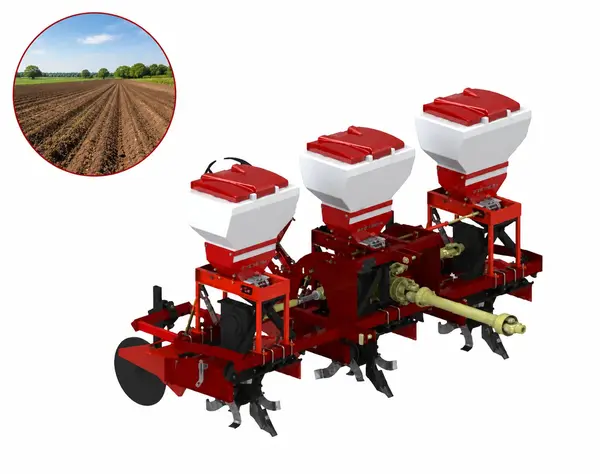
| Recommended THOR model | THOR 2.4 (180HP) — basalt and laterite well within rated size; typical plantation scale suits 2.4m width | THOR 2.4 (180HP) — granite cobbles within spec; island logistics require maritime delivery to Phu Quoc port |
World-First Insights 2 and 3 — GI Specification and the Reconstruction Agriculture Story
For Kampot pepper plantation and Phu Quoc THOR rock crusher specification, Korea Watanabe can provide THOR 2.4 specifications, maritime export documentation from Busan to Sihanoukville or Phu Quoc, and technical guidance on basalt-laterite versus granite operating parameters.
Frequently Asked Questions
▶How does the pepper vine’s support pole system interact with THOR rock crushing — can poles be driven after treatment?
Black pepper requires climbing support — traditionally wooden poles (1.5–2.0 m above ground, with 0.5–0.7 m buried depth) planted at 2.5 × 2.5 m to 3 × 3 m spacing before vine cuttings are installed at the pole base. Driving support poles into rocky basalt-laterite or granite soil is one of the primary labour challenges on rocky Kampot and Phu Quoc plots: manual post-driving on stony ground requires a two-person team with a heavy post driver and takes 5–8 minutes per pole (compared to 1–2 minutes on stone-free alluvial ground). On a 1-hectare plot at 1,600 poles/ha, the difference is approximately 60–100 person-hours of post-driving labour per hectare. After THOR treatment, post-driving time typically reduces by 50–70% on previously rocky ground: the fragmented stone profile at 0–40 cm depth offers much less resistance to post penetration than intact cobbles, and the post’s blunt driving tip can displace the smaller fragments rather than being deflected by them. This labour saving — in pole installation alone — often justifies the per-hectare cost of rock crusher hire in Kampot or Phu Quoc, independent of any benefit to root penetration or mineral availability. Post-driving should be performed 2–4 weeks after THOR treatment, after the disturbed soil has re-settled around the fragmented stone profile.
▶Is the KPPA (Kampot Pepper Promotion Association) involved in recommending mechanised stone management as part of plantation preparation?
The KPPA manages quality certification, GI administration, and export documentation for Kampot pepper — its primary focus is on post-harvest quality standards (moisture content, visual grading, piperine content testing, geographic authenticity verification), not on pre-planting mechanisation. The KPPA has not, to our knowledge, published a formal recommendation on rock crusher or mechanised stone management for new plantation preparation. However, several development-funded agricultural support programmes operating in Kampot province — including programmes supported by the French Development Agency (AFD) and international NGO agricultural development organisations — have explored mechanised soil preparation as a component of Kampot pepper smallholder productivity improvement programmes, recognising that stone management efficiency is a significant bottleneck to new plantation establishment in the rocky Elephant Mountains foothill zone. Any producer seeking KPPA guidance on plantation preparation methods for GI compliance purposes should contact the KPPA directly at their Kampot town office — the Association maintains an active member support function and can advise on any mechanisation questions that bear on GI certification compliance.
▶Given Phu Quoc’s island geography, how would a THOR rock crusher be delivered and operated on the island?
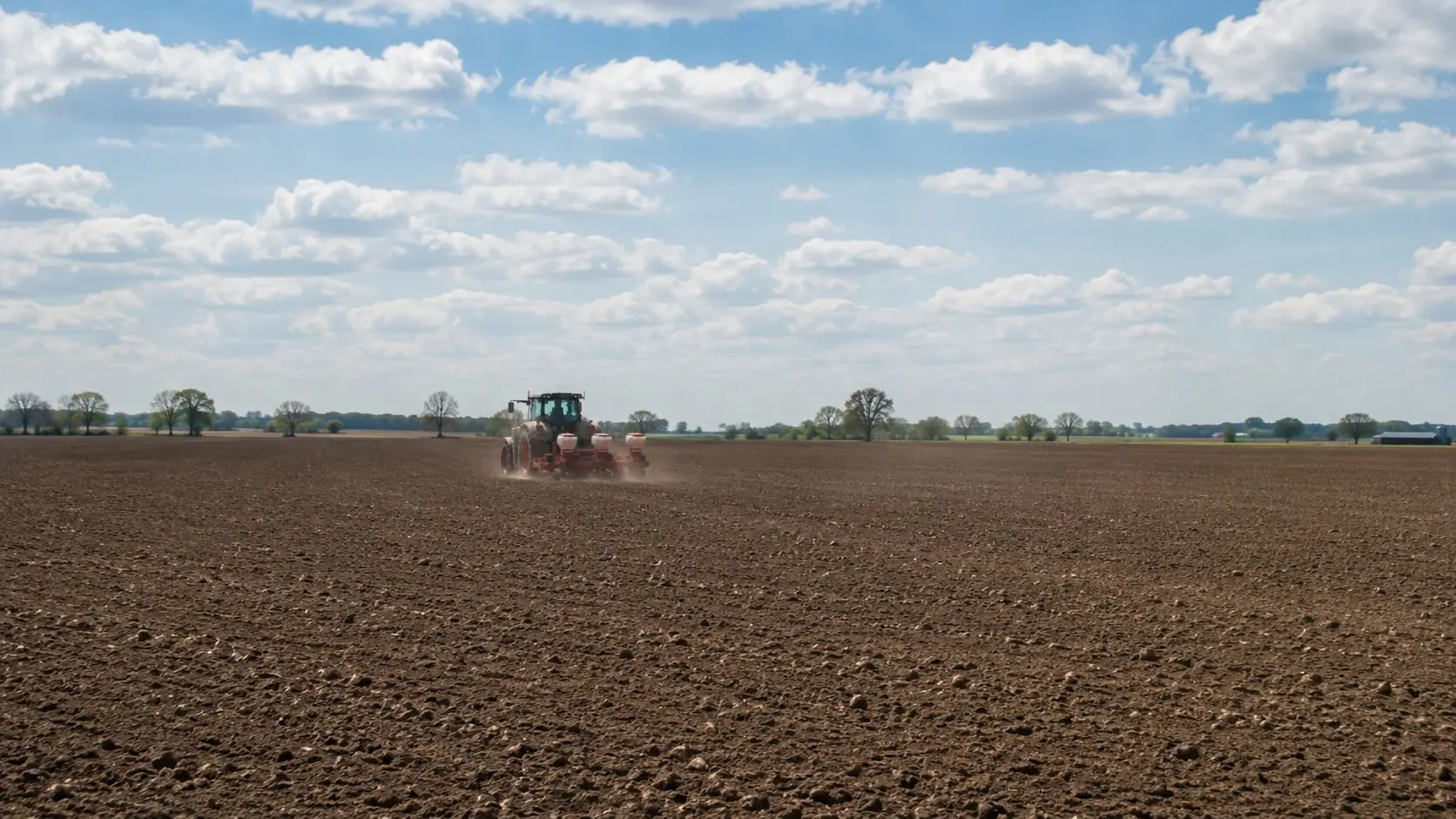
Phu Quoc island has a regular ro-ro (roll-on roll-off) ferry service from Rach Gia on the Vietnamese mainland and from Ha Tien near the Cambodian border — the ferry can accommodate standard agricultural machinery including a THOR 2.4 mounted on or accompanied by a tractor. The THOR 2.4’s 2,300 kg machine weight and 2.4 m working width (transport width with wings folded approximately 3.0 m) is within the capacity of both the Ha Tien ferry and the Rach Gia service. For a machinery dealer or agricultural contractor establishing a THOR service on Phu Quoc — serving the island’s pepper plantation preparation market, estimated at 200–400 ha of rocky plantation ground potentially requiring treatment — the ro-ro ferry provides the practical import route. Alternative import route for a Korean Watanabe THOR: sea freight from Busan to Ho Chi Minh City (HCMC) port, then overland and ferry transport to Phu Quoc. Korea Watanabe’s export team can provide shipping documentation from Busan and advise on the most cost-effective logistics routing for Phu Quoc delivery. THOR operation on the island’s hillside pepper plots uses the same gradient management guidelines as other highland applications — standard wheeled tractor with adequate HP, 4WD engagement on slopes above 12°.
▶How does the black pepper vine’s 15–25 year productive life affect the rock crusher investment calculation for Kampot farmers?
A Kampot pepper vine, once established, has a productive life of 15–25 years before replanting is typically required. This means that the rock crusher treatment before planting is a once-per-generation investment for each plot — the cost of preparation is amortised over 15–25 years of commercial production. At Kampot GI premium prices of USD 30–80/kg and a productive plantation yield of 1,500–2,500 kg/ha/year, the gross annual revenue from a 1-hectare established Kampot plot is USD 45,000–200,000. The cost of a THOR rock crusher treatment per hectare (contractor hire or owned machine amortisation) of USD 400–800/ha, amortised over even 15 years, is a negligible proportion (less than 0.2%) of the total production revenue from that hectare. This makes the stone management investment case in Kampot uniquely strong — the financial return from a well-established GI-certified pepper plot is so high relative to the preparation cost that any factor (including rock crushing) that ensures successful vine establishment and full productive potential is economically justified without detailed ROI calculation. The risk is not that rock crushing is too expensive — it is that vine establishment failure from inadequate site preparation on rocky ground costs 3–5 years of lost production during replanting and re-establishment. Thorough preparation is the dominant financial logic at Kampot price points.
▶Beyond Kampot and Phu Quoc, what other Asian black pepper regions could benefit from THOR rock crushing on rocky highland soils?
Black pepper grown on rocky volcanic and granitic terrain exists in several other significant Asian producing zones beyond Kampot and Phu Quoc. India’s Malabar pepper region — particularly the Western Ghats districts of Wayanad, Idukki, and Coorg (Kodagu) in Karnataka — grows on the same Precambrian granitic and charnockite terrain documented in E-52 for cardamom. Wayanad district’s pepper farms encounter granite and laterite cobbles in the 0–40 cm zone at densities comparable to Kampot. Indonesia’s Bangka Island (Bangka-Belitung province) — one of the world’s historically important pepper producing zones (Muntok white pepper) — grows on Palaeozoic granitic terrain with characteristic granite cobbles that have always complicated manual plantation preparation. Malaysia’s Sarawak pepper (Kuching and Serian districts) grows on deeply-weathered tropical soils but with some granodiorite and andesite cobble presence in hillside plots. Sri Lanka’s pepper, grown alongside cardamom in the same Western Ghats ridge zone, encounters the same charnockite and quartzite documented for E-52 and E-54. Each of these zones represents a potential market for THOR rock crushing services alongside Kampot and Phu Quoc — Korea Watanabe’s distribution network and export capabilities serve all of these markets from the Ansan-si manufacturing facility.
Pepper Plantation Rock Crusher Enquiry
Share your plantation location, stone type (basalt/laterite or granite), slope gradient, and area. Korea Watanabe will confirm the correct THOR rock crusher model, tractor HP pairing, and export logistics to Cambodia (Sihanoukville) or Vietnam (HCMC or Phu Quoc).
Korea Watanabe Rock Crusher Tractor Co., Ltd. — Ansan-si, Gyeonggi-do, Republic of Korea
Editor: Cxm