Complete Watanabe Equipment Maintenance and Winter Storage Guide — Protecting Your Machine Investment Through the Korean Off-Season

THOR stone crusher, CT-2100 rock picker, PSW-3200 rotavator, EP-ERA cultivator, and potato digger — what to check after the season ends and what to do before the spring calendar forces you back to the field.

Order Maintenance Parts from Korea Watanabe

The Korean agricultural machinery season for stone crushing, potato production, and vegetable field preparation runs from approximately March to November — a 9-month active period followed by 3 months of winter storage. How machines are treated during this storage period determines how reliably they perform when the spring calendar reopens — and what maintenance costs are encountered at the start of the next season versus deferred from insufficient end-of-season preparation.

This guide covers the post-season and pre-season maintenance procedures for the complete Korea Watanabe machinery range — stone crushers (THOR 2.4 and THOR 3.0), rock picker (CT-2100), rotavator (PSW-3200), rotary cultivator (EP-ERA), and potato digger (EP-AWB-1600). All procedures described are standard agricultural machinery maintenance practice — none require specialist workshop facilities. Most can be completed by the machine operator with basic tools, following the machine-specific operation manual for torque specifications and fluid volumes.

The Korean Maintenance Calendar — What to Do When

기간 타이밍 활동
Spring pre-season 2월~3월 Full inspection; tooth/blade replacement as needed; gearbox oil check; hydraulic test; lubrication; first pass at low speed before full-load operation
In-season Mar–Nov Daily: inspect teeth/tines before each session. Weekly: greasing points. Every 50 hours: gearbox oil check, hydraulic filter inspection. Every 100 hours: consider oil change, full tooth/blade inspection
Post-season 11월~12월 Full season-end inspection; replace worn teeth/blades immediately (don’t defer to spring); gearbox oil change; hydraulic fluid check; clean all surfaces; treat exposed metal; store properly
Winter storage 12월~2월 Monthly: visual check for rodent damage, moisture ingress, hydraulic line integrity. Order replacement parts needed for spring before the pre-season rush depletes stock

THOR 2.4 / THOR 3.0 Stone Crusher Maintenance

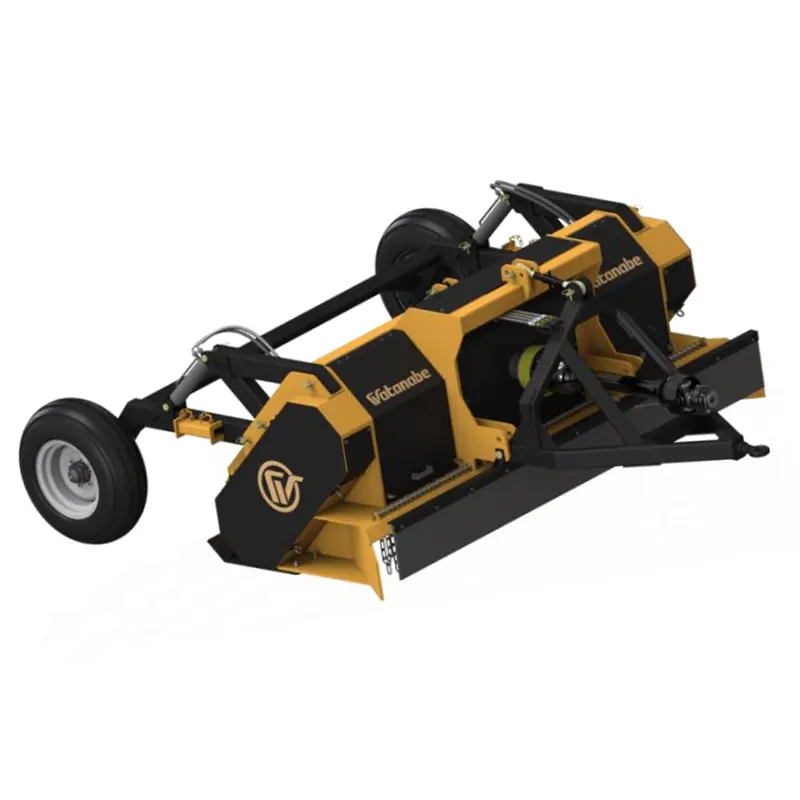
THOR 2.4 stone crusher — post-season maintenance includes carbide tooth inspection, gearbox oil change, and Kit Drawbar storage

Carbide Tooth Inspection and Replacement

The carbide teeth are the primary wear items on the THOR stone crusher. Their condition determines crushing effectiveness — worn teeth produce coarser, less consistent output and increase rotor loading as they become less efficient at impact fracture. Post-season tooth inspection and replacement at the end of the operating season (November–December) is strongly preferred over deferred spring replacement:

Replace teeth in autumn (recommended)

Teeth replaced in November–December are ordered and received without time pressure; the tractor is not needed for field work so there is no urgency driving rushed installation; the machine arrives at spring with fresh teeth, fully calibrated rotor balance, and zero in-season tooth service time lost at the busiest period of the clearing calendar.

Deferred to spring (not recommended)

Spring tooth discovery means ordering during the highest-demand period; potential 1–2 day wait for parts during the compressed spring clearing window when every day of machine downtime costs field preparation time directly.

Tooth inspection procedure: With the machine stationary and rotor locked, inspect each tooth position on the rotor. Replace teeth showing: tip shortening (current tip height measurably shorter than a new tooth); carbide tip chipping, cracking, or visible fractures; brazed joint looseness (wiggle the tooth — any movement indicates bond failure). Check all tooth holder bores for wear or deformation from repeated impact loading. Confirm all tooth mounting bolts torque to specification from the operation manual. THOR 2.4 tooth count: 90 working teeth + 6 counter-teeth. THOR 3.0: 108 + 8.

Oil-Cooled Gearbox Service

Annual gearbox oil change. Drain the gearbox oil while warm (immediately after the last operating session of the season, before the oil cools and contaminants settle). Contaminated oil from a season’s operation contains metal particles from normal gear wear — draining warm ensures these particles are suspended and come out with the oil rather than settling on the gearbox floor. Refill with the oil type and volume specified in the operation manual.

Oil cooler inspection. Check the oil cooler (heat exchanger) for external debris blockage — rock dust, chaff, and soil can pack into the cooler fins during operation. Clean the cooler fins with compressed air or a soft brush. Inspect cooler hose connections for cracks or weeping. A blocked oil cooler reduces cooling effectiveness and increases operating temperature — directly shortening gearbox service life.

Rotor bearing check. With the rotor unlocked and stationary, grasp the rotor shaft and attempt to move it axially and radially. Excessive play (above the specification in the operation manual) indicates bearing wear. Rotor bearing replacement is a workshop job — if bearing play is detected in post-season inspection, schedule the replacement before spring rather than waiting until the bearing fails during the operating season.

Rotor Housing and Guards

The THOR’s wear-resistant steel rotor housing takes continuous impact from stone fragments during operation. Inspect the housing interior for: wear through (holes or thin spots where the steel has been worn to below 3–4 mm thickness); cracking at weld joints; deformation of the rear hood that would prevent correct adjustment for output size control. Minor wear marks are normal — through-wear or cracking requires repair or replacement of the affected plate section before the next season. Contact Korea Watanabe for housing plate replacement parts if wear-through is detected.

CT-2100 Rock Picker Maintenance

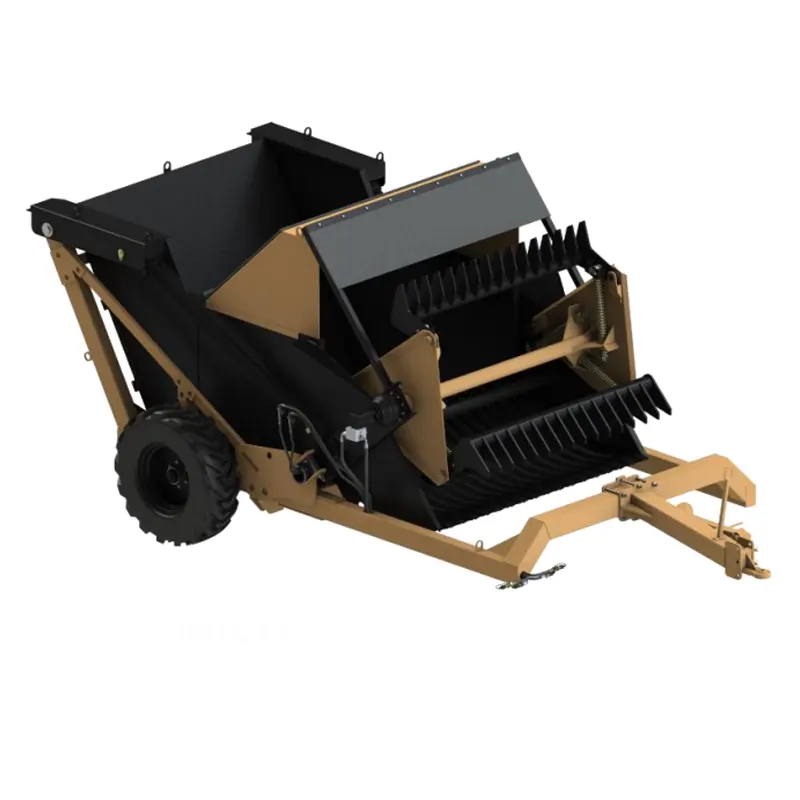
CT-2100 rock picker — post-season maintenance includes picking tine inspection, hydraulic bunker check, and conveyor belt service

Picking Tine Inspection

The CT-2100’s picking tines are hardened steel with tip wear characteristics similar to the THOR’s carbide teeth — they wear progressively through abrasive contact with soil and stone. Post-season tine inspection follows the same principle as THOR tooth inspection: assess tip shortening and replace worn tines before winter storage rather than deferring to spring. Rotate the drum by hand and visually check all tines — worn tines will be visibly shorter than new ones in the same row. Bent tines (impact damage from hitting large stones above the 80 Kg limit) should be replaced immediately; attempting to straighten bent tines risks metal fatigue cracking at the bend point.

Hydraulic Bunker System

CT-2100 hydraulic bunker end-of-season procedure:

  • Lower the bunker to the transport position. Inspect hydraulic cylinder rods for: corrosion (surface rust on exposed rod — treat with penetrating oil and wipe clean); score marks (parallel scratches along the rod length indicate seal damage risk); pitting (deep surface damage that will damage the seal on next operation).
  • Apply a thin coat of grease or rust-preventive oil to all exposed hydraulic cylinder rod surfaces before winter storage. This prevents surface corrosion during the 3-month storage period.
  • Check all hydraulic hose connections at the machine end for weeping or seepage. A small seep during operation becomes a significant leak after a winter freeze-thaw cycle on stressed fittings. Tighten or replace weeping connections before winter.
  • With the bunker lowered and cylinders retracted, cap all hydraulic quick-connect couplings at the machine and tractor ends with dust caps. Debris that enters hydraulic connections during winter storage causes premature pump and valve wear when the system is first pressurised in spring.

PSW-3200 Rotavator Maintenance

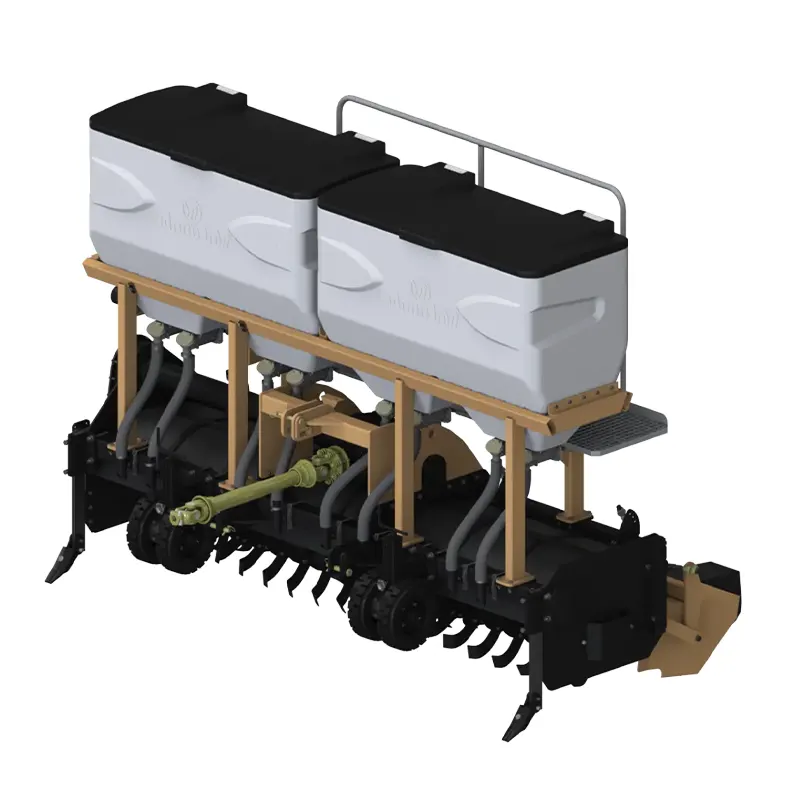
PSW-3200 rotavator — post-season blade inspection, gearbox service, and rotor shaft bearing check for Korean winter storage

Rotavator Blade Wear Assessment

The PSW-3200’s high-chromium alloy steel blades wear during operation on Korean highland granite soil. Blade wear rate is higher than on softer European or alluvial soils. Post-season blade assessment: compare blade tip profile to a new blade or the wear limit template in the operation manual. Blades worn to below the minimum length specification (typically 65–70% of original blade length) should be replaced. On Korean highland granite operations, full blade set replacement every 150–250 operating hours is typical — farms operating the PSW-3200 for 80–100 hours per season may need to replace blades every 2 seasons.

Rotor Shaft and Side Gearbox

Check the rotor shaft bearings (same procedure as THOR: axial and radial play assessment with the rotor stationary). Inspect the side gearboxes (end plates of the rotor housing that contain the drive shaft bearings) for: oil seepage from shaft seals (replace seals before winter if seeping); bearing noise or roughness during manual rotor rotation; housing crack at mounting bolt areas. Annual gearbox oil change in the side gearboxes follows the same post-season procedure as the THOR gearbox: drain warm, inspect for metal particles, refill to specification.

Model B Fertilizer System (if applicable)

As described in the PSW-3200 B model guide: end-of-season bunker flush, metering aperture cleaning, and distribution tube inspection. Additional winter storage step: ensure all fertilizer has been removed from the bunker and metering system — residual hygroscopic fertilizer absorbs winter moisture and can create hard deposits that block the metering system at spring startup. Store the empty bunker with the top sealed against moisture ingress.

Potato Machinery — Furrower, Planter, Cultivator, Digger

감자 기계 응용 프로그램 3

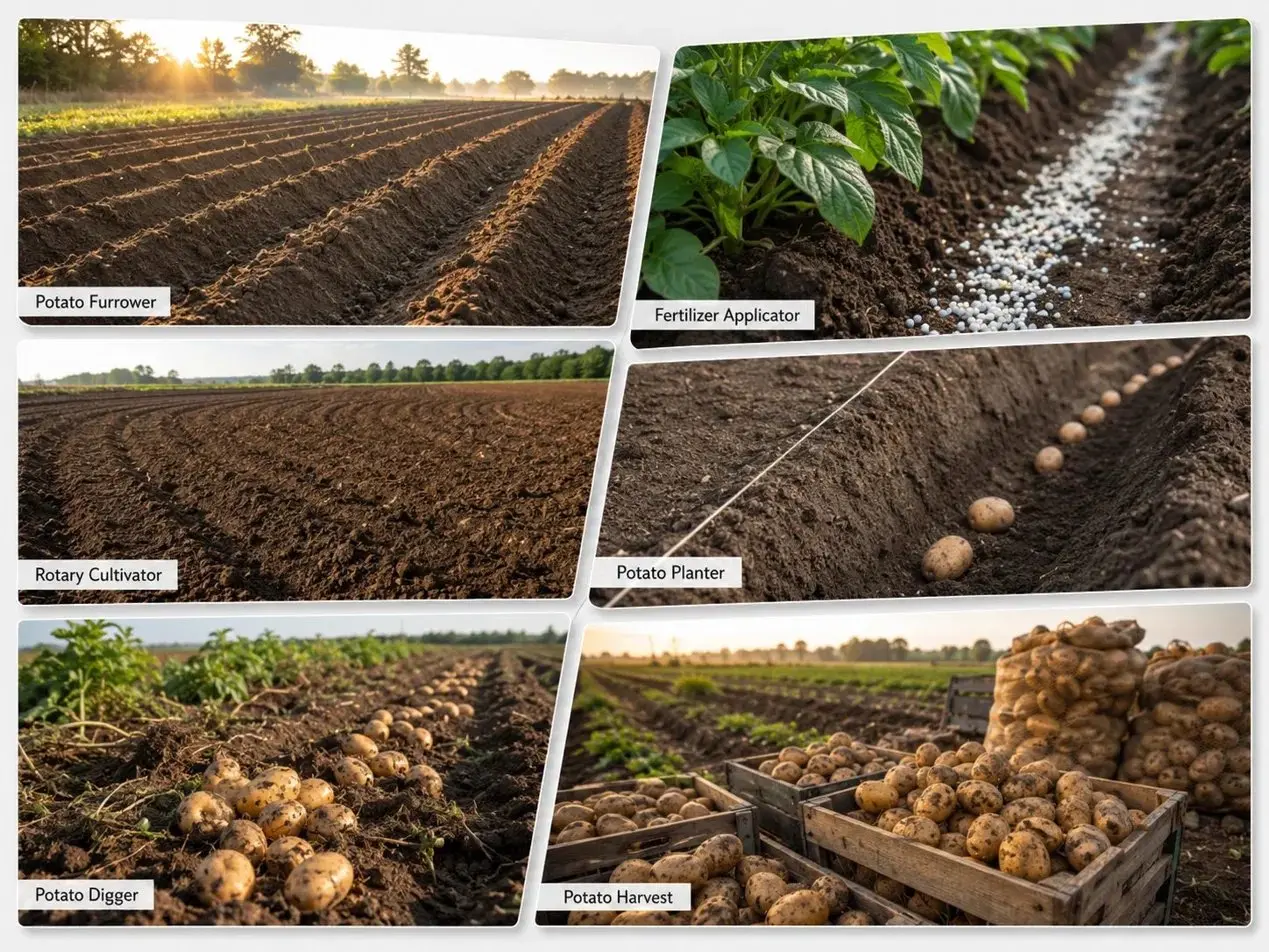
The potato machinery system’s 7-step implements each require specific end-of-season attention:

EP-R-380/580 Furrower

Inspect furrower shins (leading points) for wear — worn shins lose their point profile and produce wider, less precise furrows. Replace worn shins before storage so the machine arrives at spring ready to form correct furrow geometry. Grease all pivot points and the tine-to-frame connection points. Remove soil accumulation from ridging board surfaces and treat with a light coat of rust-preventive oil.

EP-PAI-2100 / PANTHER Planter

Empty all seed residue from bunkers and distribution mechanisms — any residual plant material in the bunkers over winter attracts pests and creates moisture retention that can corrode the mechanism. Clean the seed cup mechanism and check for cracked or deformed cups that would cause seed doubles or skips in the following season. Note the current gear position for the seed spacing used this season — document it for reference at spring calibration.

EP-ERA 회전식 경운기

Tine tip inspection (same procedure as CT-2100 tines). Ridging board condition check — bent or damaged ridging boards produce uneven hilling at Step 6 next season. Gearbox oil check and change if due. Document the arm spacing setting used this season for reference at spring setup confirmation.

EP-AWB-1600/3200 Digger

Lifting share inspection — shares worn to below the wear limit specification produce inconsistent soil separation and higher tuber miss rates. Replace worn shares before winter. Clean the web conveyor thoroughly — potato vine material and soil left on the web during winter creates moisture retention that accelerates belt corrosion. Check web tension at spring pre-season; web stretches during use and may need adjustment. Hydraulic system same procedure as CT-2100.

Korean Winter Storage — How Korean Climate Affects Machine Storage

Korea’s winters at agricultural machine storage altitude (100–800 m in Gangwon-do and highland zones) range from -15 to -25°C in the coldest months. This temperature range creates specific storage risks that differ from storage in milder climates:

Hydraulic fluid freeze risk (water contamination): Hydraulic oil that has accumulated water contamination through the season can partially freeze in cold storage — freezing expands the water component and can damage cylinder seals and housing. After the season, if hydraulic oil appears milky or discoloured (indicating water contamination), drain and replace before winter storage. Use hydraulic fluid rated for the expected minimum storage temperature.

Gearbox oil viscosity in cold starts: At -20°C, lubricating oil viscosity is significantly higher than at operating temperature. Cold-starting the THOR or PSW-3200 PTO immediately at full load before the gearbox oil has warmed to operating viscosity creates high-viscosity oil stress on gear tooth surfaces. Spring pre-season procedure: idle the PTO at low RPM for 5 minutes before engaging full working load — this allows the gearbox oil to warm to adequate viscosity before full torque application.

Rubber component cracking: Korean highland winter temperatures accelerate hardening and cracking of rubber components — hydraulic hoses, shaft seals, rubber curtains, and conveyor belts. Inspect all rubber components at spring pre-season. Hoses that show surface cracking at the exterior should be replaced regardless of whether they are currently leaking — cold-cracked hoses fail more readily when pressurised under full load in spring operation. Rubber shaft seals that have hardened through cold cycling are more prone to leaking than seals that maintained flexibility through mild winter storage — Korean highland machines may need seal replacement more frequently than machines stored in warmer conditions.

Storage Location Best Practices

🏠

Covered, dry storage

Roof prevents direct precipitation on machine surfaces. Floor elevation above ground water level. Minimum acceptable: roof + dry floor

🚗

Raised off ground

Rest machine on wood blocks or stands; prevents ground moisture wicking into metal components through direct soil contact

🐭

Pest protection

Rodents nest in machinery over winter and chew electrical wiring, rubber hoses, and seed mechanism components. Check monthly and place bait if evidence of activity

📝

Parts on order

Order replacement parts identified in post-season inspection before January — Korea Watanabe Ansan-si stock, next-day dispatch available year-round

자주 묻는 질문

How do I know when it’s time to do a full gearbox oil change vs just a top-up?

Annual oil change is the standard recommendation for all working gearboxes — regardless of oil level. The reason: gearbox oil does not just deplete (which a top-up addresses) — it degrades thermally and chemically through the season, and accumulates metal wear particles from normal gear contact. A top-up adds fresh oil to degraded oil with accumulated particles; an oil change removes the degraded oil and particles and replaces with fresh. For the THOR’s heavily-loaded oil-cooled gearbox operating in Korean highland granite conditions (high shock loading, high summer ambient temperatures), annual full oil change is the minimum standard. If you operate the THOR for more than 100 hours in a season, consider a mid-season oil check (checking for metal particles in the drained sample) in addition to the post-season change.

Can I buy replacement carbide teeth and rotavator blades from Korea Watanabe without buying a new machine?

Yes — Korea Watanabe stocks all replacement wear items (THOR carbide teeth sets, PSW-3200 blade sets, CT-2100 tine sets, EP-AWB-1600 lifting shares) locally in Ansan-si, Gyeonggi-do, with next-day domestic dispatch available to all Korean addresses. Parts can be ordered directly from Korea Watanabe by contacting through the website or by telephone. Provide your machine model and the specific part needed — Korea Watanabe’s parts staff will confirm the correct part number for your machine serial number and configuration.

Is there a Korea Watanabe service network for major repairs — gearbox rebuild, rotor shaft bearing replacement?

Major repairs that require workshop facilities (gearbox rebuild, bearing replacement, housing plate replacement) are handled through Korea Watanabe’s Ansan-si facility or through Korea Watanabe’s authorised service network. Contact Korea Watanabe directly for repair assessment — describe the symptom (gearbox noise, bearing play measurement, housing damage location) and we will confirm whether the repair can be done on-site at the farm or whether the machine needs to be transported to a workshop. For machines in active warranty, all major repairs are coordinated through Korea Watanabe under the warranty terms applicable to your machine.

I operate on Jeju Island basalt — does the higher abrasiveness mean more frequent maintenance than mainland granite?

Yes — Jeju Island basalt is one of the most abrasive materials in Korean agricultural use. Basalt’s high silica content and angular vesicular (bubble-textured) fracture surfaces produce a more aggressive cutting action on carbide teeth, rotavator blades, and picker tines compared to mainland granite. As a general guideline, apply the following adjustments for Jeju Island basalt operation: THOR carbide tooth inspection interval — every 60–80 operating hours rather than every 100 hours. PSW-3200 blade replacement interval — every 120–160 hours rather than 150–200 hours. CT-2100 tine inspection — every 50–60 hours. These shortened inspection intervals are starting points — after 2–3 seasons of operation, you will develop your own wear data specific to your Jeju field’s basalt density and fragment size, and can calibrate the intervals accordingly.

Need Replacement Parts? Order Now Before Spring Demand.

THOR carbide teeth sets, CT-2100 tine sets, PSW-3200 blade sets, and EP-AWB-1600 lifting shares all available from Korea Watanabe local stock in Ansan-si, Gyeonggi-do. Next-day domestic dispatch. Order before January for stress-free spring preparation.

지금 바로 연락주세요

편집자: Cxm

태그: