Korean certified seed potato (씨감자, 種薯) is produced under the oversight of the National Institute of Agricultural Sciences (NAAS, 국립농업과학원) and distributed through the provincial agricultural technology center (농업기술원) network for replanting by commercial highland potato producers. Certified seed potato must be: free from specified diseases and pests; of verified variety purity; within defined size grade; produced on approved land; and inspected at multiple growth stages by NAAS field inspectors.
The land preparation standard for certified seed potato production is the strictest in Korean potato agronomy — stricter than processing potato (Atlantic) production and stricter than fresh market table potato. This is because certified seed potato is the upstream input that determines the quality of the entire downstream commercial potato production system. Disease carried in certified seed infects the buyer’s field for the full production season; physical damage from stone contact produces seed pieces with irregular cut surfaces that are entry points for soil pathogens. Every stone management standard in certified seed production is therefore set to protect the integrity of the supply chain, not just the individual grower’s yield.
Why Certified Seed Potato Pays 30–50% Premium — and What That Requires
The price premium for Korean certified seed potato versus commercial table potato reflects the value that commercial potato producers place on planting material with verified disease status and variety purity. A commercial highland potato farmer who purchases sub-standard seed — whether un-certified local stock or poorly managed certified stock — risks introducing late blight (감자역병), common scab (더뎅이병), or virus infection to their field at planting. The resulting disease pressure can reduce commercial yield by 20–40% in a bad infection year — a loss far exceeding the marginal cost difference between certified and un-certified seed.
The premium
Korean certified seed potato prices run 30–50% above commercial table potato price at equivalent weight. For a 10 ha certified seed production operation at 30 t/ha yield, the premium represents a significant margin improvement over commercial production — justifying the additional land preparation, inspection, and traceability overhead that certified production requires.
The entry requirement
Certified seed potato producer registration with NAAS requires: approved highland altitude (typically 400 m minimum for phytosanitary isolation), approved land inspection, clean field history (no potato in the same field for the previous 3 seasons), and compliance with NAAS production guidelines throughout the season including multiple inspector visits.
The land standard
NAAS field inspection for certified seed potato production includes assessment of field preparation quality — including stone clearance. Fields with visible stone contamination above threshold at the inspection date fail field approval and cannot be registered for the season’s certified seed allocation. Stone clearance to zero-tolerance standard is therefore both an agronomic requirement and an administrative prerequisite.
Why Certified Seed Potato Needs Stricter Stone Clearance Than Table Potato

Three specific mechanisms make certified seed potato more sensitive to residual stone than commercial potato production:
The Complete Stone Clearance and Land Preparation Sequence for Certified Seed Potato
Altitude and Isolation — Why Highland Stone Land Is Preferred for Certified Seed
Korean certified seed potato production is concentrated in high-altitude highland zones for a specific phytosanitary reason: vector isolation. The primary virus diseases of Korean potato (PLRV, PVY, PVX) are transmitted by aphid vectors. Aphid populations are significantly lower at high altitude (600–900 m) than in valley floor or lowland agricultural zones. Fields at high altitude are therefore inherently more isolated from aphid-vectored virus infection than lowland fields — making them suitable for certified seed production where virus-free status is the core quality requirement.
This altitude requirement for certified seed production intersects directly with the stone problem that high-altitude Korean highland fields present. The same granite soils and severe frost-heave cycles that make highland land valuable for virus-isolated seed production also make it the most stone-challenged agricultural land in Korea. Certified seed potato producers are therefore simultaneously managing the most valuable potato product and the most demanding stone clearing requirement in Korean potato production.
The premium-to-clearance-cost calculation for certified seed
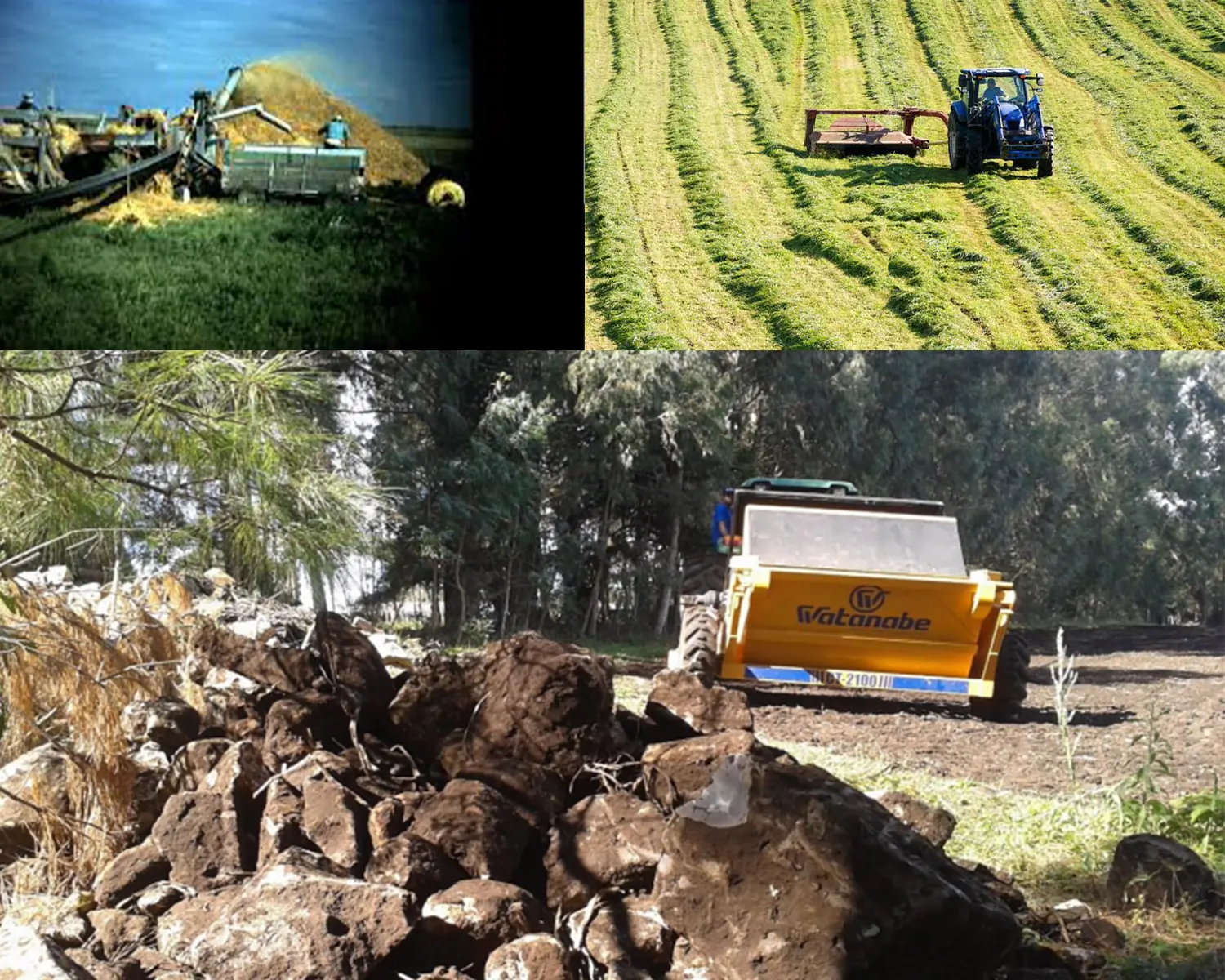
At 10 ha certified seed production (30 t/ha yield, 30–50% premium over table price): the additional revenue from the premium versus table potato production is substantial — easily 30–40× the annual stone clearance operating cost for the same 10 ha. The stone clearance investment is therefore not a cost barrier to certified seed production — it is a small fraction of the premium income that the clearance investment enables. Certified seed producers who rationalise stone clearance cost savings as a margin improvement are actually trading a small operating cost saving for the risk of NAAS inspection failure, harvest equipment damage, or seed quality loss that cancels the entire premium income for the affected season.
Stone Clearance Standard Comparison — Seed vs Processing vs Table Potato
| 要素 | 씨감자 Certified Seed | Atlantic Processing | Fresh Market Table |
|---|---|---|---|
| 石の耐性 | Zero — NAAS inspected | Zero (mech.) | Zero (mech.) |
| Clearance frequency | THOR+CT-2100 every year (no exception) | THOR+CT-2100 heavy years; rake light years | Same as processing |
| Post-clearance inspection | NAAS field inspection required | Own assessment | Own assessment |
| Seedbed standard | Ultra-fine (2 rotavator passes) | Fine (1 rotavator pass) | Fine (1 rotavator pass) |
| 種まき間隔 | 33–40 cm (wider for size uniformity) | 28–33 cm (dense for processing size) | 25~30cm |
| Harvest traceability | Mandatory lot separation by field | Contract grade + weight only | Market grade |
| Price premium over table potato | 30–50% | ~10–15% (contract stability) | Spot market |
In-Season Management — How Certified Seed Differs from Commercial Potato
Beyond land preparation and stone clearance, certified seed potato production requires stricter in-season management than commercial potato. Each of the following differs from standard commercial practice:
Disease roguing (병주 제거): NAAS protocols require certified seed producers to walk all fields regularly and remove (roguing) any plants showing symptoms of virus infection, late blight, or variety impurity — plants that do not conform to the expected variety phenotype. Rogued plants are removed from the field to prevent spread. Commercial potato producers do not typically rogue individual plants; certified seed producers must do so as a condition of certification.
Aphid vector monitoring and control: Virus transmission by aphids is the primary quality risk in highland certified seed production. Certified seed producers maintain aphid monitoring traps in their fields throughout the growing season and implement aphicide applications at defined infestation thresholds — earlier and more systematically than commercial potato management requires. The highland altitude isolation advantage reduces but does not eliminate aphid pressure in all years.
Haulm destruction before harvest: Certified seed potato haulm (vine) is destroyed chemically or mechanically 2–3 weeks before harvest to allow tuber skin set before the EP-AWB-1600 lifter contacts the tubers. Skin set is more critical for certified seed than for commercial potato because (a) the seed tuber will be stored for several months and then cut before planting — damaged skin creates long-term storage rot entry points; and (b) certified seed is sold by weight, and damaged-skin tubers lose weight through dehydration faster than intact-skin tubers during storage.
Post-Harvest Storage and Lot Management
Certified seed potato storage requirements are stricter than commercial table potato because seed tubers must remain physiologically viable for 8–12 months from autumn harvest to the following spring planting. Three storage conditions directly affect seed viability and lot integrity:
🌡
Storage temperature
2–4°C for long-term dormancy maintenance. Below 2°C causes internal cell damage; above 6°C allows dormancy break and premature sprouting. NAAS certified seed storage facilities must have temperature-controlled cold storage.
💧
相対湿度
85–95% RH prevents dehydration shrinkage without promoting condensation that encourages Fusarium and bacterial soft rot. Seed tubers with damaged skin (from stone contact at harvest) dehydrate faster and rot more readily than undamaged tubers at the same storage conditions.
📦
Lot segregation
Each harvested lot (by field, by harvest date) must be physically segregated in storage — separate bins, bays, or rooms with lot identification labels. Mixed lots cannot be certified. NAAS inspectors verify lot segregation at storage inspection visits during the storage period.
Building a Certified Seed Potato Business — The Long-Term Perspective
Certified seed potato production in Korea is not a one-season decision — it is a multi-year infrastructure and management commitment. The NAAS registration process, the annual field inspection programme, the certified storage facility requirement, and the strict in-season management protocols all represent fixed infrastructure that has a meaningful cost in Year 1 but a much lower marginal cost in Year 2, 3, and beyond as the same certification infrastructure services the same registered fields.
Korean highland farmers who have maintained certified seed potato production continuously for 5+ years consistently report that the premium income compounds annually without proportional increase in management cost — the stone clearance infrastructure is established, the NAAS registration is renewed rather than rebuilt, and the management experience from previous seasons reduces the per-season decision-making burden. The combination of altitude advantage (virus isolation), established stone clearance practice (zero-tolerance standard), and accumulated NAAS certification history makes a long-established Korean highland certified seed potato operation a durable production asset.
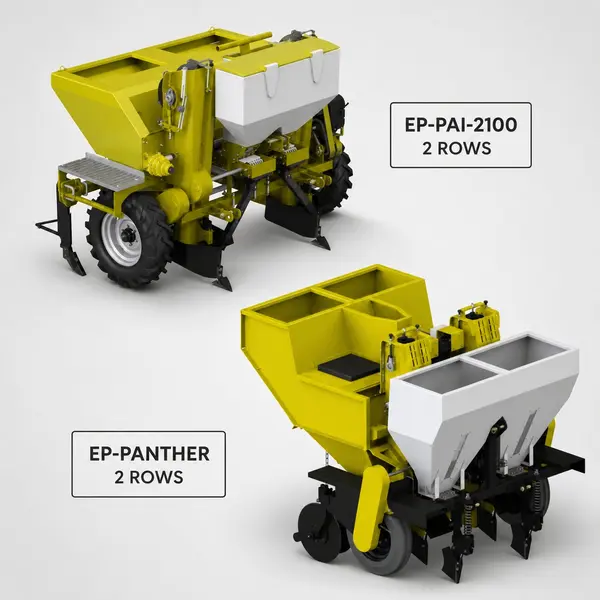
Korea Watanabe’s machinery system — THOR 2.4, PSW-3200, EP-PAI-2100, EP-ERA cultivator, EP-AWB-1600 — provides the complete mechanised capability for certified seed potato production from stone clearance through harvest, with all machine configurations confirmed for Korean highland terrace conditions and NAAS field inspection requirements. Contact Korea Watanabe in January before your target production season to plan the complete system configuration for your specific field area and NAAS registration zone.
よくある質問
Do I need a different THOR model for certified seed potato land versus standard commercial potato?
No — the same THOR 2.4 (180 HP, Kit Drawbar) used for commercial highland potato stone clearance is the correct machine for certified seed potato land preparation. The stone clearance operation itself does not change — the standard is the same zero-tolerance requirement. What changes is the frequency (THOR+CT-2100 every year for certified seed, versus every 2–3 years for established commercial fields) and the post-clearance inspection (NAAS field visit required for certified seed, self-assessed for commercial). The machine choice is the same; the management discipline is higher for certified seed.
How do I register as a certified seed potato producer with NAAS?
Registration for certified seed potato production in Korea is administered through the National Institute of Agricultural Sciences (국립농업과학원) in coordination with your provincial agricultural technology center (도 농업기술원). The registration process involves: field application with location, area, altitude, and crop history documentation; field inspection by NAAS or delegated inspector; confirmation of certified storage facilities; and agreement to comply with NAAS production protocols including multiple in-season inspector visits. Contact your provincial agricultural technology center for the current year’s application schedule and eligibility requirements — registration processes and deadlines are updated annually.
Can stone clearing machinery be included in certified seed potato production support programs?
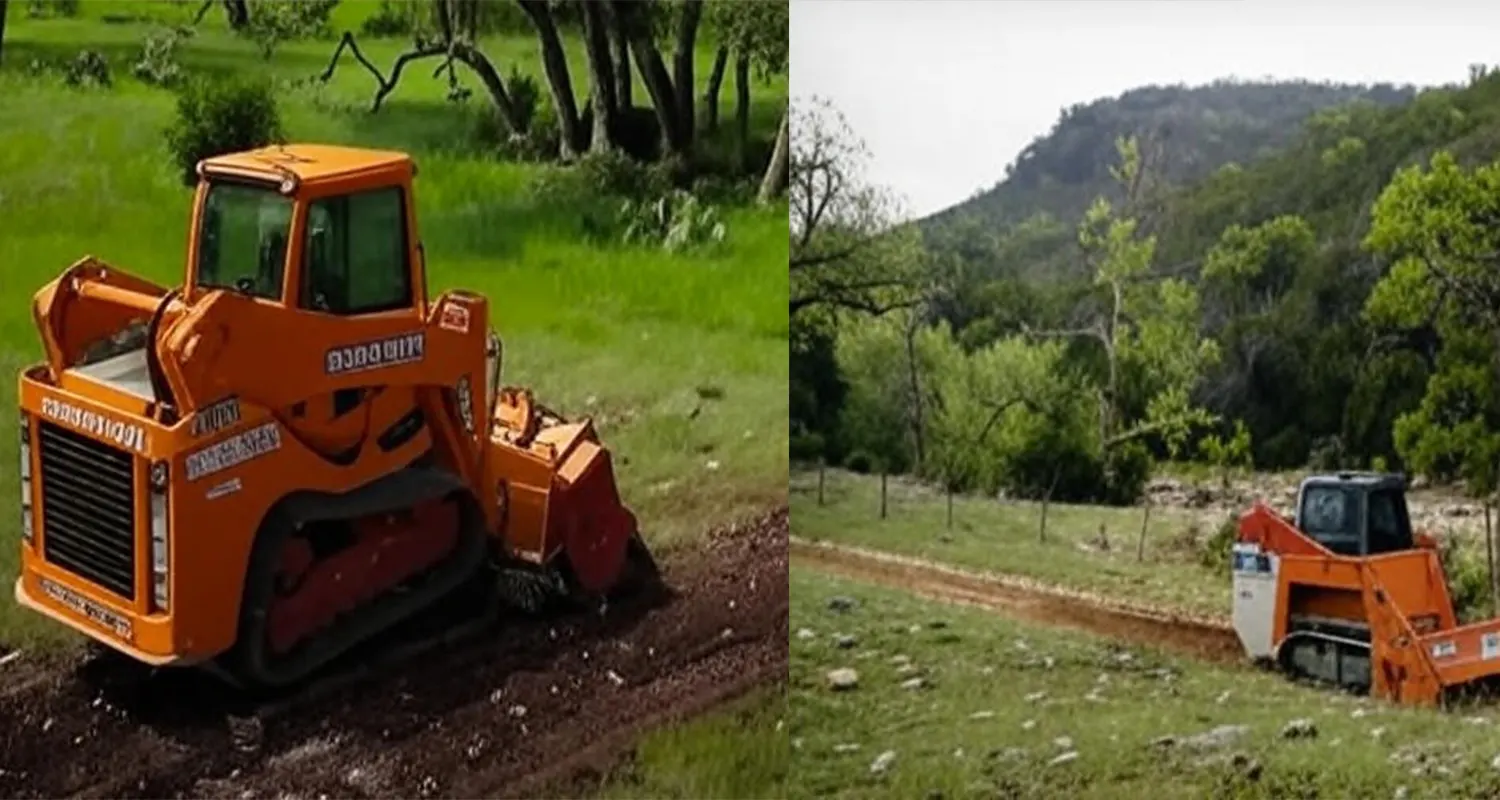
Stone clearing machinery (THOR 2.4, CT-2100) used for certified seed potato land preparation qualifies under the standard 농지 정비 기계류 subsidy program, the same as for any highland agricultural use. In addition, certified seed potato producers may be eligible for enhanced production support through NAAS and MAFRA seed potato production programs, which sometimes include land improvement cost support as part of the certified production infrastructure. Confirm current enhanced support availability with your provincial agricultural technology center when registering as a certified seed producer. Korea Watanabe provides technical documentation for stone clearing machinery subsidy applications for certified seed potato operations.
씨감자 생산 시작? 돌 제거 장비 + 감자 7단계 시스템을 함께 구성하세요.
Field area + altitude + current tractor HP + NAAS registration status → THOR 2.4 + PSW-3200 + EP-PAI-2100 certified seed system configuration with row-spacing confirmation and NAAS documentation support. Korea Watanabe, Ansan-si, Gyeonggi-do.
編集者: Cxm