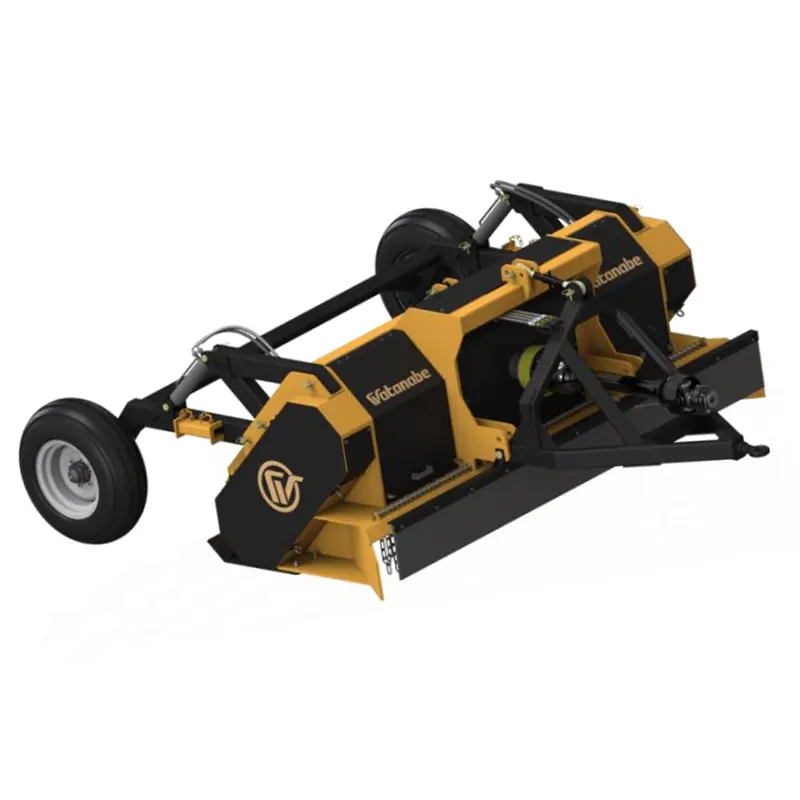
वातानाबे थोर स्टोन क्रशर के खराब प्रदर्शन का सबसे आम कारण कमज़ोर ट्रैक्टर का संचालन है। थोर 2.4 के लिए कम से कम 180 एचपी का ट्रैक्टर आवश्यक है - यह विशिष्टता पहाड़ी कृषि बाज़ार में वर्तमान में उपलब्ध अधिकांश कोरियाई घरेलू ब्रांड के ट्रैक्टरों को अनुपयुक्त बनाती है। कोरियाई किसान जो ट्रैक्टर की एचपी अनुकूलता की पुष्टि किए बिना थोर 2.4 खरीदते या किराए पर लेते हैं, उन्हें दो परिणामों में से एक का सामना करना पड़ता है: भार के तहत रोटर का धीमा होना (जिससे अनियमित क्रशिंग और दांतों का तेजी से घिसाव होता है) या ट्रांसमिशन पर अत्यधिक भार (जिससे थोर में गियरबॉक्स समय से पहले खराब हो जाता है और ट्रैक्टर के ड्राइवट्रेन में अत्यधिक घिसाव होता है)।
यह मार्गदर्शिका ट्रैक्टर को THOR मॉडल से मिलाने के लिए एक सीधा और व्यावहारिक ढांचा प्रदान करती है - जिसमें एचपी आवश्यकताएं, पीटीओ शाफ्ट विनिर्देश, सीवीटी की आवश्यकता, फ्रंट-एक्सल बैलास्ट प्रबंधन और कोरियाई घरेलू बनाम आयातित ट्रैक्टरों की विशिष्ट स्थिति शामिल है, जो यह निर्धारित करती है कि प्रासंगिक एचपी श्रेणियों में कोरियाई पहाड़ी किसानों के लिए वास्तव में क्या उपलब्ध है।
THOR मॉडल के अनुसार न्यूनतम HP आवश्यकताएँ
| थोर मॉडल | न्यूनतम एचपी | पीटीओ | सीवीटी | अड़चन |
|---|---|---|---|---|
| थोर 2.4 | 180 एचपी | 1000 आरपीएम | आवश्यक नहीं | कैट.2 रियर 3पीएच |
| थोर 3.0 | 230 एचपी | 1000 आरपीएम | आवश्यक नहीं | कैट.2 रियर 3पीएच |
| थोर फिल्म | सीवीटी वर्ग | 1000 आरपीएम | ✅ अनिवार्य | कैट.2 रियर 3पीएच |
| थोर स्ट्रीट | 250 सीवी | 1000 आरपीएम | ✅ अनिवार्य | कैट.2 रियर 3पीएच |
सभी विशिष्टताएं वातानाबे के आधिकारिक उत्पाद विवरणिका से ली गई हैं।
180 एचपी न्यूनतम आवश्यकता क्यों है — यह कोई सिफारिश नहीं है
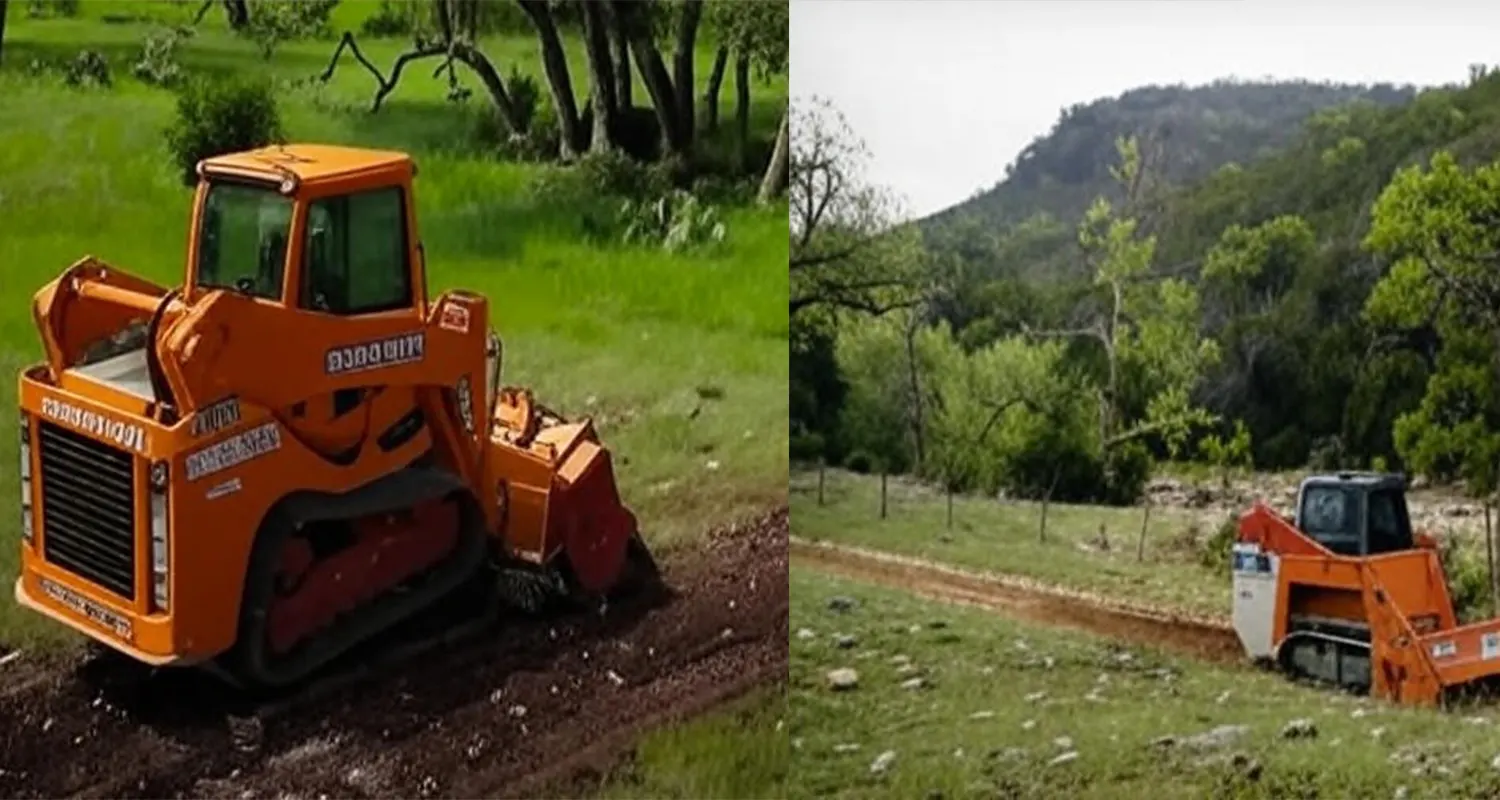
THOR 2.4 की न्यूनतम 180 HP की तकनीकी विशिष्टता कोरियाई ग्रेनाइट पर चरम भार की स्थिति में रेटेड रोटर गति को बनाए रखने के लिए आवश्यक PTO शक्ति से ली गई है। व्यवहार में "चरम भार" का अर्थ है: वह क्षण जब THOR 2.4 का रोटर 20-25 सेंटीमीटर के ग्रेनाइट के एक मजबूत टुकड़े से टकराता है, तो रोटर प्रभाव भार के कारण धीमा हो जाता है। ट्रैक्टर के PTO को पर्याप्त तात्कालिक शक्ति प्रदान करनी होगी ताकि:
पत्थर को प्रभावी ढंग से तोड़ने के लिए रोटर आरपीएम को न्यूनतम स्तर से ऊपर बनाए रखें (रोटर पर लगभग 750 आरपीएम से नीचे, प्रभाव ऊर्जा कोरियाई ग्रेनाइट को मज़बूती से तोड़ने के लिए आवश्यक स्तर से नीचे गिर जाती है - जिससे पूर्ण रूप से टूटने के बजाय विक्षेपण या आंशिक विखंडन होता है)।
प्रत्येक चट्टान से टकराने के बाद रोटर की गति को तेजी से पुनः प्राप्त करें ताकि रोटर ड्रम का अगला दांत सही गति से पत्थर तक पहुंचे (कार्यशील स्थिति में रोटर में 90 दांत होते हैं; 1000 आरपीएम पीटीओ पर दांतों के बीच का समय लगभग 60 मिलीसेकंड होता है - यदि ट्रैक्टर पीटीओ में पर्याप्त शक्ति नहीं है तो रोटर की गति को पुनः प्राप्त करने के लिए यह समय अपर्याप्त है)।
पीटीओ पावर के साथ-साथ आगे की ओर गति प्रदान करना जारी रखें — थॉर का 2,300 किलोग्राम वजन और मिट्टी का प्रतिरोध पीटीओ पावर की मांग के साथ-साथ कर्षण की मांग भी पैदा करते हैं।
160 एचपी का ट्रैक्टर THOR 2.4 को चलाकर काम पूरा कर सकता है, लेकिन यह लगातार अपनी अधिकतम क्षमता के करीब या उस पर चलता है, जिससे ईंधन की खपत अधिक होती है, ट्रांसमिशन का तापमान अधिक होता है, ऑपरेटर के केबिन में शोर अधिक होता है (इंजन लगभग अधिकतम भार पर होता है), और 180-200 एचपी पर किए गए समान कार्य की तुलना में इंजन और ट्रांसमिशन में घिसावट भी अधिक होती है। साथ ही, यह मशीन पत्थरों को कम समान रूप से तोड़ती है क्योंकि पत्थरों से टकराने के बीच रोटर की गति सामान्य होने में अधिक समय लेती है। 180 एचपी वह स्तर है जहां उपरोक्त तीनों आवश्यकताएं पर्याप्त अतिरिक्त क्षमता के साथ पूरी होती हैं।
कोरियाई घरेलू ट्रैक्टर ब्रांड — एचपी सीमा क्यों मायने रखती है
कोरिया के पहाड़ी क्षेत्रों के किसान, जिन्होंने अपने पूरे कृषि इतिहास में केवल कोरियाई घरेलू ब्रांड के ट्रैक्टर (डेदोंग/किओटी, एलएस ट्रैक्टर, टीवाईएम) का ही उपयोग किया है, कभी-कभी यह देखकर आश्चर्यचकित हो जाते हैं कि वर्तमान में उपलब्ध किसी भी कोरियाई घरेलू ब्रांड के वाणिज्यिक कृषि ट्रैक्टर रेंज में पहाड़ी कृषि अनुप्रयोगों के लिए मानक उत्पादन में 180 एचपी तक की क्षमता नहीं है। कोरिया के तीन प्रमुख घरेलू ट्रैक्टर निर्माता अपने मुख्य वाणिज्यिक कृषि रेंज में लगभग 110-130 एचपी तक के मॉडल बनाते हैं - जो THOR 2.4 की 180 एचपी की न्यूनतम क्षमता से कम है।
डेडोंग / किओटी
मैक्स कमर्शियल हाइलैंड ट्रैक्टर: ~130 एचपी
❌ न्यूनतम आवश्यकता THOR 2.4 से कम है
एलएस ट्रैक्टर
मैक्स कमर्शियल हाइलैंड ट्रैक्टर: ~125 एचपी
❌ न्यूनतम आवश्यकता THOR 2.4 से कम है
टीवाईएम
मैक्स कमर्शियल हाइलैंड ट्रैक्टर: ~130 एचपी
❌ न्यूनतम आवश्यकता THOR 2.4 से कम है
कोरियाई पर्वतीय किसानों के लिए व्यावहारिक निहितार्थ
कोरिया के एक पहाड़ी किसान, जिनके पास मौजूदा सभी ट्रैक्टर कोरियाई घरेलू ब्रांड के हैं, THOR 2.4 का संचालन करने के लिए या तो 180+ HP का आयातित यूरोपीय ट्रैक्टर खरीदना होगा, या किसी ऐसे ठेकेदार से THOR 2.4 स्टोन क्रशिंग सेवा किराए पर लेनी होगी जिसके पास योग्य ट्रैक्टर हो। THOR 2.4 के बारे में पूछताछ करने वाले नए ग्राहकों को कोरिया वातानाबे को उपकरण योजना से संबंधित यही सबसे आम सवाल मिलता है - और इसका सीधा जवाब यह है: यदि आपका मौजूदा ट्रैक्टर कोरियाई घरेलू ब्रांड का है, तो THOR 2.4 का ऑर्डर देने से पहले स्पेसिफिकेशन प्लेट से HP की पुष्टि कर लें।
यूरोप से आयातित ट्रैक्टर — कोरियाई THOR ऑपरेटरों के लिए मानक समाधान
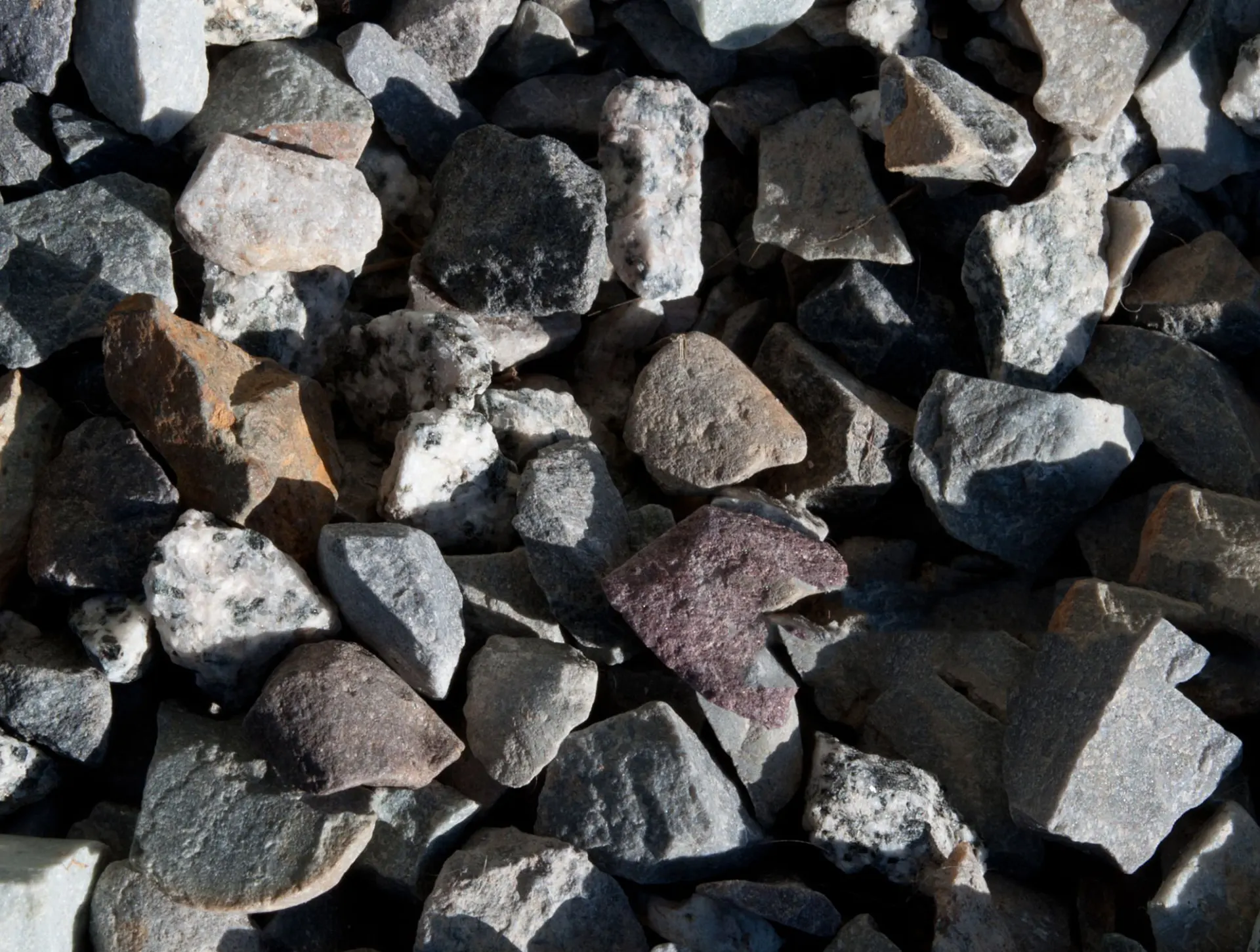
कोरिया के पहाड़ी किसानों के लिए, जिन्हें THOR 2.4 के अनुकूल ट्रैक्टर की आवश्यकता है, व्यावहारिक समाधान 180-220 HP श्रेणी का यूरोपीय निर्मित ट्रैक्टर है। कोरिया में THOR 2.4 ट्रैक्टरों का उपयोग करने वाले प्रमुख यूरोपीय ब्रांडों में जॉन डीरे (6R श्रृंखला), न्यू हॉलैंड (T7 श्रृंखला), फेंड्ट (700 वेरियो श्रृंखला), केस आईएच (पुमा श्रृंखला) और ड्यूट्ज़-फ़ाहर (6 श्रृंखला) शामिल हैं। ये सभी ब्रांड 180-220 HP मॉडल पेश करते हैं जिनमें मानक 1000 RPM PTO और Cat.2 थ्री-पॉइंट हिच की सुविधा होती है।
| ट्रैक्टर वर्ग | संगत थोर | कोरिया में उदाहरण मॉडल |
|---|---|---|
| 180–229 एचपी (मानक) | केवल THOR 2.4 | जॉन डीरे 6R 185/195, न्यू हॉलैंड T7.190/T7.200, केस IH प्यूमा 185/200, फेंड्ट 718/720 वेरियो |
| 230–249 एचपी (मानक) | थोर 2.4 + थोर 3.0 | जॉन डियर 7आर 230/250, न्यू हॉलैंड टी7.230, फेंड्ट 724/726 वेरियो, केस आईएच ऑप्टम 240 |
| 250+ एचपी सीवीटी | सभी थोर मॉडल | फेंड्ट 728/730 वेरियो सीवीटी, न्यू हॉलैंड टी7 ऑटोकमांड 260+, जॉन डीरे 7आर आईवीटी 270+, केस आईएच ऑप्टम सीवीएक्स 270+ |
उच्च एचपी वाले ट्रैक्टर को खरीदना बनाम साझा करना
180-200 एचपी के यूरोपीय ट्रैक्टर की पूंजी लागत काफी अधिक होती है - आमतौर पर नए ट्रैक्टर की कीमत 60-100 मिलियन यूरो से अधिक और नवीनतम मॉडल के प्रयुक्त ट्रैक्टर की कीमत 30-60 मिलियन यूरो से अधिक होती है, जो ब्रांड, विशिष्टता स्तर और आयात चैनल पर निर्भर करती है। कोरिया के पहाड़ी खेतों में जहां THOR 2.4 का उपयोग प्रति सीजन 20-60 घंटे (प्रति वर्ष 10-30 हेक्टेयर भूमि की सफाई) के लिए किया जाता है, वहां ट्रैक्टर के स्वामित्व और ठेकेदार द्वारा किराए पर लेने की आर्थिक स्थिति का सावधानीपूर्वक आकलन करना आवश्यक है।
स्वामित्व तब उचित माना जाता है जब:
- ✓15-20 हेक्टेयर से अधिक कृषि क्षेत्र के लिए प्रति वर्ष 80+ THOR घंटे की आवश्यकता होती है।
- ✓180+ एचपी वाला यह ट्रैक्टर पीएसडब्ल्यू-3200 रोटावेटर (न्यूनतम 140 एचपी) और अन्य भारी उपकरणों को भी चला सकता है।
- ✓आपके क्षेत्र में ठेकेदार सेवा अविश्वसनीय या अनुपलब्ध है।
ठेकेदार को नियुक्त करना तब बेहतर होता है जब:
- →10 हेक्टेयर से कम कृषि क्षेत्र और केवल 30-40 THOR घंटे प्रति वर्ष की आवश्यकता वाले क्षेत्र में ही खेती की जाती है।
- →मौजूदा ट्रैक्टर बेड़ा कोरियाई घरेलू 100-130 एचपी का है - केवल पत्थर हटाने के लिए बेड़े को अपग्रेड करना उचित नहीं है।
- →आपके पहाड़ी क्षेत्र में THOR उपकरणों से लैस विश्वसनीय ठेकेदार उपलब्ध है।
पीटीओ शाफ्ट विनिर्देश — डिलीवरी से पहले अनुकूलता की पुष्टि करना
किसी भी THOR मॉडल को ऑर्डर करने से पहले, यह सुनिश्चित कर लें कि आपके ट्रैक्टर के PTO आउटपुट शाफ्ट के स्प्लाइन की संख्या और व्यास THOR के इनपुट शाफ्ट के विनिर्देशों से मेल खाते हों। THOR रेंज 1.3/8 इंच 21-स्प्लाइन शाफ्ट के साथ 1000 RPM PTO का उपयोग करती है — जो मानक यूरोपीय और उत्तरी अमेरिकी 1000 RPM उपकरण कनेक्शन है। अधिकांश यूरोपीय और कोरियाई 180+ HP ट्रैक्टर इसी मानक का उपयोग करते हैं। हालाँकि:
मानक: 1.3/8 इंच (35 मिमी) 21-स्प्लाइन पीटीओ शाफ्ट → THOR-संगत। यह 130 एचपी से अधिक के यूरोपीय और कोरियाई ट्रैक्टरों पर सबसे आम 1000 आरपीएम मानक है।
200 HP से अधिक क्षमता वाले कुछ बड़े ट्रैक्टरों में 1.3/4 इंच (45 मिमी) 20-स्प्लाइन पीटीओ का उपयोग होता है — जो उच्च टॉर्क वाले अनुप्रयोगों के लिए एक मानक व्यास है। यदि आपके ट्रैक्टर में यह स्पेसिफिकेशन है, तो THOR ड्राइवलाइन को जोड़ने से पहले एक पीटीओ एडाप्टर शाफ्ट की आवश्यकता होगी। ट्रैक्टर के तकनीकी स्पेसिफिकेशन से पीटीओ शाफ्ट का व्यास और स्प्लाइन की संख्या की पुष्टि करें — केवल देखकर अनुमान न लगाएं।
कुछ ट्रैक्टरों में 540/1000 RPM स्विच करने योग्य PTO होता है - THOR को चलाने से पहले सुनिश्चित करें कि ट्रैक्टर 1000 RPM पर स्विच किया हुआ है। THOR ड्राइवलाइन को कनेक्ट करने और 540 RPM पर PTO को चालू करने से केवल 54% की रेटेड रोटर गति प्राप्त होती है - जो पत्थर पीसने के लिए बहुत कम गति है। मल्टी-स्पीड PTO पर 540 RPM का चयन आमतौर पर एक अलग PTO स्टब शाफ्ट द्वारा दर्शाया जाता है; पहले कनेक्शन से पहले ट्रैक्टर ऑपरेटर मैनुअल से पुष्टि कर लें।
फ्रंट एक्सल बैलास्ट — भार वितरण समस्या का प्रबंधन
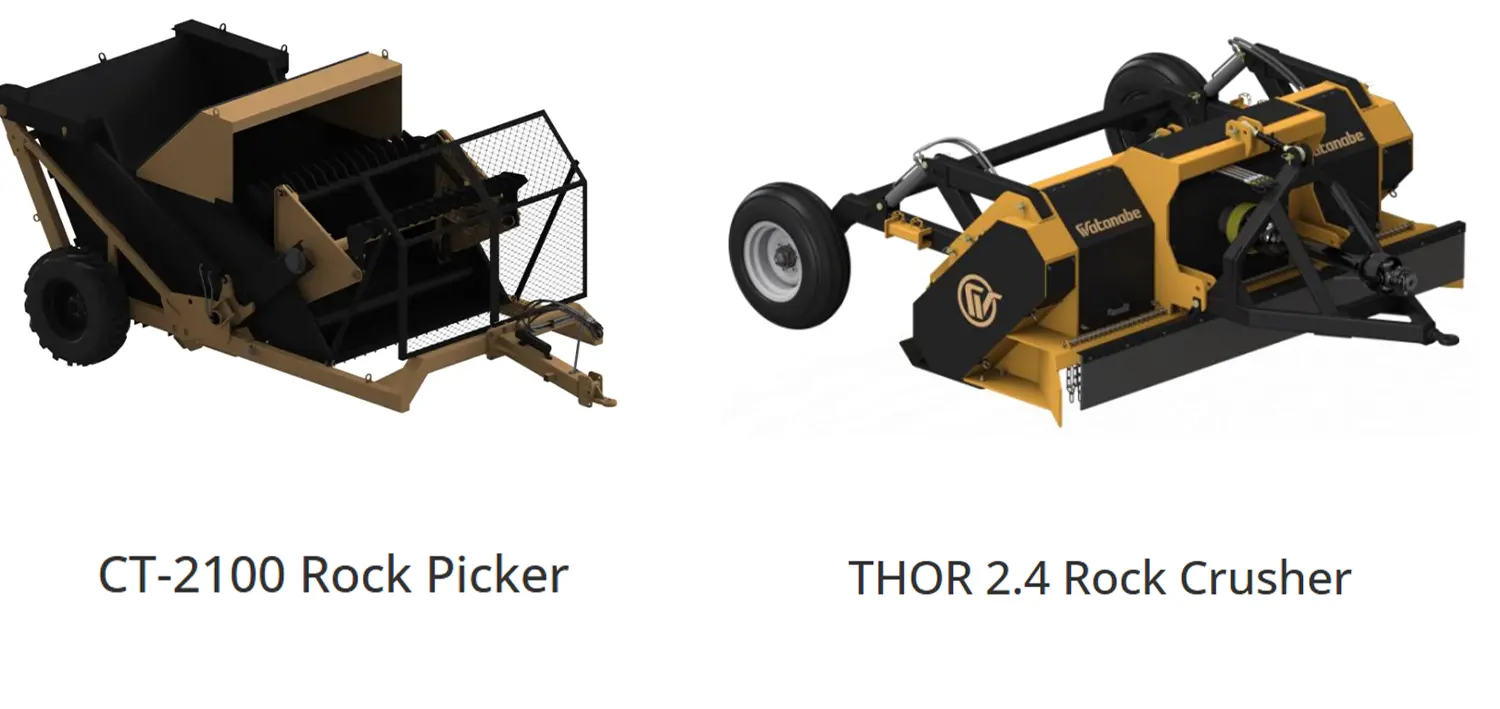
THOR 2.4 का 2,300 किलोग्राम का मशीन भार, पीछे के तीन-बिंदु वाले हिच पर भार का ऐसा वितरण करता है जिससे आगे के एक्सल पर ज़मीन का दबाव कम हो जाता है — यही कारण है कि किट ड्रॉबार गाइड में किट ड्रॉबार की ढलान स्थिरता की समस्या पर चर्चा की गई है। समतल ज़मीन पर मानक तीन-बिंदु वाले हिच माउंटिंग में भी, ढीली या ऊबड़-खाबड़ ज़मीन पर THOR 2.4 का पीछे का भार आगे के एक्सल को ऊपर उठा सकता है, जब तक कि आगे बैलास्ट न जोड़ा जाए।
समतल भूभाग पर THOR 2.4 मानक थ्री-पॉइंट हिच माउंटिंग के लिए फ्रंट एक्सल बैलास्ट की आवश्यकता: ट्रैक्टर और उपकरण के कुल भार के न्यूनतम 20% फ्रंट एक्सल लोड को बनाए रखने के लिए फ्रंट वेट जोड़ें। 2,000 किलोग्राम के बिना भार वाले फ्रंट एक्सल भार वाले एक सामान्य 180 HP ट्रैक्टर के लिए, THOR 2.4 के 2,300 किलोग्राम के रियर लोड के साथ स्थिर स्टीयरिंग बनाए रखने के लिए लगभग 400-600 किलोग्राम फ्रंट बैलास्ट (वेट प्लेट, फ्रंट लोडर, या फ्रंट-माउंट उपकरण) की आवश्यकता होती है। THOR कनेक्ट होने पर कृषि भार तराजू या ट्रैक्टर के बिल्ट-इन एक्सल लोड रीडआउट (यदि उपलब्ध हो) का उपयोग करके अपने विशिष्ट ट्रैक्टर के फ्रंट एक्सल भार की जाँच करें।
किट ड्रॉबार पुल-मोड में — जो सभी ढलान संचालन के लिए अनुशंसित कॉन्फ़िगरेशन है — किट ड्रॉबार THOR 2.4 को रियर-हिच माउंटिंग से ड्रॉबार टो में बदल देता है, जिससे ढलान पर संचालन के लिए फ्रंट एक्सल की समस्या काफी हद तक हल हो जाती है। सार्वजनिक सड़कों पर परिवहन के लिए फ्रंट बैलास्ट अभी भी उचित है, जहां किट ड्रॉबार टो स्थिति में है और फ्रंट एक्सल लोडिंग को कानूनी परिवहन आवश्यकताओं को पूरा करना आवश्यक है।
तीन-बिंदु हिच लिफ्ट क्षमता — THOR मशीन के वजन के विरुद्ध पुष्टि
THOR 2.4 का वजन 2,300 किलोग्राम है। THOR 3.0 का वजन 2,800 किलोग्राम है। खेत में प्रवेश/निकास और परिवहन के लिए ट्रैक्टर के पिछले तीन-बिंदु वाले हिच में इतना वजन उठाने की क्षमता होनी चाहिए। एक ही HP वर्ग के ट्रैक्टरों में तीन-बिंदु वाले हिच की भार वहन क्षमता में काफी अंतर होता है - ट्रैक्टर के डिजाइन और विशिष्टताओं के आधार पर हिच बिंदु पर 4,000 किलोग्राम से 9,000 किलोग्राम तक।
THOR 2.4 के लिए: लागू श्रेणी में मानक रियर हिच वाला कोई भी 180+ HP यूरोपीय ट्रैक्टर 2,300 किलोग्राम मशीन के लिए पर्याप्त लिफ्ट क्षमता रखता है। THOR 3.0 के लिए: 2,800 किलोग्राम मशीन के वजन के अनुसार ट्रैक्टर की हिच लिफ्ट क्षमता की पुष्टि करें — 230 HP श्रेणी के कुछ कम स्पेसिफिकेशन वाले मॉडलों की हिच लिफ्ट क्षमता कम होती है जो THOR 3.0 के लिए उपयुक्त नहीं हो सकती है। किसी विशिष्ट ट्रैक्टर मॉडल के साथ THOR 3.0 खरीदने से पहले ट्रैक्टर के तकनीकी स्पेसिफिकेशन (हिच पॉइंट पर हिच लिफ्ट क्षमता, हिच एंड्स पर नहीं) की जांच करें।
नए बनाम पुराने ट्रैक्टर — कोरियाई THOR ऑपरेटरों के लिए खरीदारी संबंधी मार्गदर्शन
कई कोरियाई पहाड़ी किसान THOR 2.4 ट्रैक्टर खरीदने पर विचार कर रहे हैं और वे नए 180-200 HP ट्रैक्टर की तुलना में यूरोप के पुराने ट्रैक्टरों को अधिक किफायती विकल्प मानते हैं। 180-200 HP यूरोपीय श्रेणी के पुराने ट्रैक्टर कोरियाई कृषि मशीनरी डीलरों के माध्यम से और यूरोप से सीधे आयात द्वारा उपलब्ध हैं। THOR 2.4 के संचालन के लिए उपयुक्त पुराने ट्रैक्टर का मूल्यांकन करने के मुख्य बिंदु इस प्रकार हैं:
इंजन के चलने के घंटों की संख्या बनाम उसकी स्थिति: THOR 2.4 का संचालन उच्च भार वाला होता है — यूरोपीय कृषि ट्रैक्टरों के लिए आमतौर पर 3,000 घंटे से कम इंजन घंटे की गणना को प्रारंभिक-मध्यम जीवन माना जाता है, जबकि 3,000-6,000 घंटे सामान्य कार्य जीवन होता है। 6,000 घंटे से अधिक होने पर, प्रमुख सर्विस इतिहास का दस्तावेज़ीकरण महत्वपूर्ण हो जाता है। किसी भी प्रयुक्त ट्रैक्टर विक्रेता से पूर्ण सर्विस रिकॉर्ड (सभी आवश्यक रिकॉर्ड) का अनुरोध करें; यूरोपीय डीलर द्वारा रखरखाव किए गए ट्रैक्टरों का सर्विस इतिहास दस्तावेजित होना चाहिए।
पीटीओ-हैवी ऑपरेशन के लिए ट्रांसमिशन सर्विस हिस्ट्री: हल्के भार ढोने वाले उपकरणों (स्लरी टैंक, टिपिंग ट्रेलर) को चलाने वाले प्रयुक्त ट्रैक्टरों का ट्रांसमिशन घिसाव उन ट्रैक्टरों से भिन्न होता है जो भारी पीटीओ मशीनरी (फ्लेल मोवर, रोटावेटर, स्टोन क्रशर) चलाते हैं। पिछले उपयोग के बारे में जानकारी प्राप्त करें — एक 4,000 घंटे चला ट्रैक्टर जो मुख्य रूप से भारी पीटीओ उपकरणों को चलाता है, उसकी यांत्रिक स्थिति 6,000 घंटे चले ट्रैक्टर की तुलना में खराब हो सकती है जो मुख्य रूप से हल्के भार ढोने का काम करता है।
पीटीओ शाफ्ट की स्थिति — महत्वपूर्ण जांच: किसी भी पुराने ट्रैक्टर में, पीटीओ आउटपुट शाफ्ट और कपलिंग की घिसावट, स्प्लाइन क्षति और शाफ्ट बेयरिंग में ढीलेपन की जांच करें। पीटीओ का अधिक उपयोग करने वाले ट्रैक्टरों में पीटीओ शाफ्ट पर काफी दबाव पड़ता है। बिना किसी उपकरण को जोड़े पीटीओ को 1000 आरपीएम पर चलाएं और बेयरिंग की आवाज सुनें - किसी भी प्रकार की गड़गड़ाहट या खड़खड़ाहट पीटीओ शाफ्ट बेयरिंग में घिसावट का संकेत देती है, जिसे THOR 2.4 कनेक्शन से पहले ठीक किया जाना चाहिए।
कोरिया में कृषि भागों की उपलब्धता: यूरोपीय ट्रैक्टर ब्रांडों के कोरियाई पुर्जों की उपलब्धता में अंतर होता है। जॉन डीरे, न्यू हॉलैंड और केस आईएच के कोरियाई डीलर नेटवर्क स्थापित हैं, जहाँ पुर्जे आसानी से उपलब्ध हैं। कुछ कम प्रचलित यूरोपीय ब्रांडों के सर्विस पुर्जों के लिए यूरोप से 2-4 सप्ताह का समय लग सकता है - यह समस्या तब उत्पन्न होती है जब मौसम के मध्य में खराबी आने से कोरियाई वसंत ऋतु के दौरान पत्थर हटाने का काम रुक जाता है। खरीदारी से पहले अपने विशिष्ट मॉडल के लिए कोरियाई सर्विस नेटवर्क की उपलब्धता की पुष्टि अवश्य कर लें।
हाइड्रोलिक रिमोट वाल्व की आवश्यकता — अक्सर अनदेखी की जाती है
THOR 2.4 का पिछला हुड (आउटपुट ग्रिड) ट्रैक्टर के पिछले रिमोट वाल्व सर्किट द्वारा हाइड्रॉलिक रूप से समायोजित किया जाता है - यही सर्किट उपकरणों पर लगे बाहरी हाइड्रॉलिक सिलेंडरों को भी संचालित करता है। पिछले हुड के समायोजन का उपयोग मोटे (सड़क निर्माण, प्रारंभिक सफाई) और बारीक (बीज क्यारी तैयार करना, जिनसेंग की सफाई) के बीच आउटपुट पत्थर के टुकड़ों के आकार को बदलने के लिए किया जाता है।
अधिकांश 180+ एचपी वाले यूरोपीय ट्रैक्टरों में कम से कम एक जोड़ी रियर रिमोट वाल्व होते हैं - जो THOR 2.4 के हुड कंट्रोल की आवश्यकता के लिए पर्याप्त हैं। हालांकि, THOR 2.4 ऑर्डर करने से पहले यह सुनिश्चित कर लें कि आपके ट्रैक्टर में रियर रिमोट वाल्व की एक जोड़ी उपलब्ध है (और वह किसी अन्य उपकरण के लिए पहले से ही उपयोग में न हो)। जिन ट्रैक्टरों में नियमित रूप से एक साथ कई हाइड्रोलिक कनेक्शन संचालित होते हैं (जैसे, रियर लोडर और रिमोट उपकरण), उनमें सभी रिमोट वाल्व पहले से ही उपयोग में हो सकते हैं - जिससे THOR 2.4 हुड कंट्रोल के लिए कोई वाल्व उपलब्ध नहीं बचता।
अक्सर पूछे जाने वाले प्रश्नों
मेरे पास कोरिया में बना 130 एचपी का ट्रैक्टर है - क्या मैं इसकी भरपाई के लिए THOR 2.4 को कम गति या कम गहराई पर चला सकता हूँ?
130 HP वाले ट्रैक्टर के साथ THOR 2.4 को कम कार्य गति (1 किमी/घंटा से कम) पर चलाने से प्रति इकाई समय कार्य दर कम हो जाती है, लेकिन प्रति पत्थर PTO टॉर्क की आवश्यकता कम नहीं होती है। 15 सेमी ग्रेनाइट के पत्थर को तोड़ने के लिए आवश्यक प्रभाव ऊर्जा उतनी ही रहती है, चाहे ट्रैक्टर 0.5 किमी/घंटा की गति से चल रहा हो या 2 किमी/घंटा की गति से। 130 HP का ट्रैक्टर अभी भी विश्वसनीय पत्थर तोड़ने के लिए तात्कालिक PTO शक्ति प्रदान नहीं कर सकता है। कार्य गहराई कम करने से प्रति पास मिलने वाले पत्थरों की संख्या कम हो जाती है, लेकिन प्रति पत्थर PTO की आवश्यकता में कोई परिवर्तन नहीं होता है। 180 HP की न्यूनतम आवश्यकता प्रति पत्थर प्रभाव की आवश्यकता है, न कि औसत कार्य दर की। स्पष्ट उत्तर यह है: गति या गहराई में समायोजन के बावजूद, कोरियाई ग्रेनाइट पर विश्वसनीय THOR 2.4 संचालन के लिए 130 HP पर्याप्त नहीं है।
क्या कोरियाई सरकार की कृषि सब्सिडी THOR ऑपरेशन के लिए 180 HP के ट्रैक्टर में अपग्रेड करने की लागत को कवर कर सकती है?
कृषि ट्रैक्टर खरीद सहायता कार्यक्रम (농업기계 구입 지원사업) व्यापक कृषि मशीनरी सहायता योजना के अंतर्गत ट्रैक्टरों को भी शामिल करता है। पत्थर हटाने और भारी जुताई के उपकरणों के संचालन के लिए विशेष रूप से 180-200 एचपी का ट्रैक्टर खरीदने वाला कोरियाई किसान, THOR 2.4 और CT-2100 रॉक पिकर को कवर करने वाले इसी कार्यक्रम के तहत ट्रैक्टर सब्सिडी के लिए पात्र हो सकता है। ट्रैक्टरों के लिए सब्सिडी की दर MAFRA द्वारा वार्षिक रूप से निर्धारित की जाती है और यह एचपी श्रेणी और कार्यक्रम की पात्र मशीन मूल्य सीमा (기준 가격) के सापेक्ष ट्रैक्टर की कीमत के अनुसार भिन्न होती है। खरीद से पहले अपने क्षेत्रीय कृषि प्रौद्योगिकी केंद्र (농업기술센터) से 180 एचपी ट्रैक्टर श्रेणी के लिए चालू वर्ष की पात्र मूल्य सीमा की पुष्टि कर लें।
क्या कोरिया वातानाबे THOR ट्रैक्टर खरीदने से पहले ट्रैक्टर की अनुकूलता जांच सेवा प्रदान करता है?
जी हां — कोरिया वातानाबे की THOR 2.4 और THOR 3.0 के लिए मानक खरीद-पूर्व परामर्श सेवा में ट्रैक्टर की अनुकूलता की जांच शामिल है। कृपया अपने ट्रैक्टर का मॉडल, निर्माण वर्ष और स्पेसिफिकेशन प्लेट से HP (विपणन में बताई गई HP नहीं, बल्कि ट्रैक्टर के स्पेसिफिकेशन दस्तावेज़ में दी गई वास्तविक रेटेड HP) बताएं। कोरिया वातानाबे THOR की आवश्यकताओं के अनुसार अनुकूलता की पुष्टि करेगा, जिसमें HP, PTO शाफ्ट स्पेसिफिकेशन, हिच लिफ्ट क्षमता और रियर हुड कंट्रोल के लिए हाइड्रोलिक रिमोट वाल्व की उपलब्धता शामिल है। यह पुष्टि मानक खरीद-पूर्व पूछताछ प्रक्रिया के तहत नि:शुल्क प्रदान की जाती है। ऑर्डर देने से पहले वेबसाइट या टेलीफोन के माध्यम से कोरिया वातानाबे से संपर्क करें।
हमें अपने ट्रैक्टर के बारे में बताएं — हम कुछ ही मिनटों में THOR की अनुकूलता की पुष्टि कर देंगे।
ट्रैक्टर का मेक + मॉडल + रेटेड एचपी + पीटीओ शाफ्ट स्पेसिफिकेशन → THOR की अनुकूलता की पुष्टि हो गई है या वैकल्पिक समाधान सुझाया गया है। निःशुल्क। कोरिया, वातानाबे, अनसान-सी, ग्योंगगी-डो।
संपादक: सीएक्सएम