
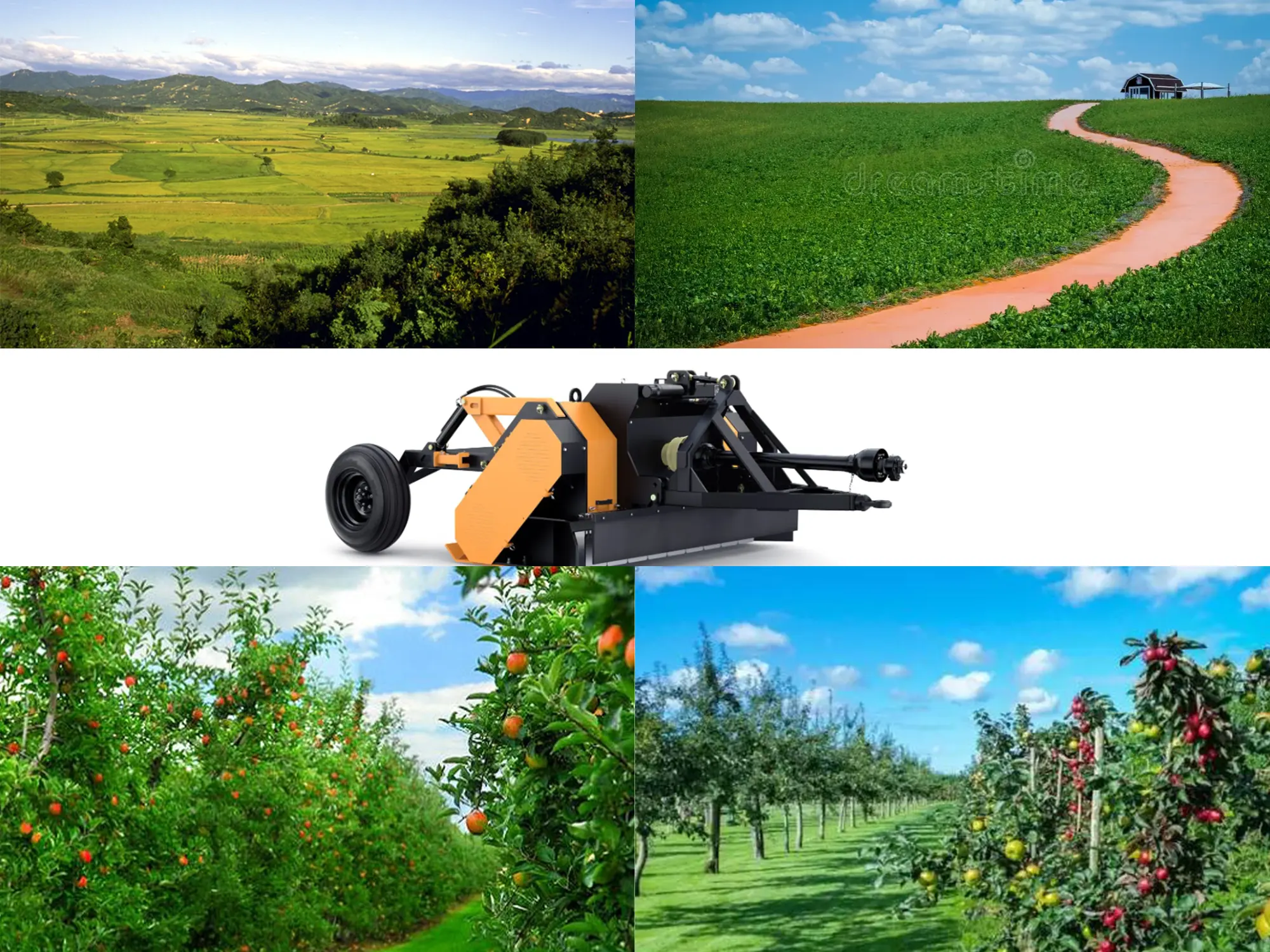
La plupart des guides sur la gestion des pierres des hauts plateaux coréens se concentrent sur concasseur de roches — la machine qui fragmente le granit en morceaux de moins de 5 cm. On parle peu de ce qui suit. ramasse-roches CT-2100 C'est la machine qui achève le processus : elle ramasse les pierres fragmentées à la surface du sol et les dépose loin du champ, rendant ainsi la surface dégagée permanente plutôt que temporaire.
Sans l'étape de collecte du CT-2100, les fragments de granite restent dans les 10 à 15 premiers centimètres du profil de sol. Le cycle gel-dégel des hauts plateaux coréens, qui se produit à 600 m d'altitude de novembre à mars, fait progressivement remonter à la surface les pierres enfouies chaque hiver. Au printemps suivant, un champ défriché en octobre aura récupéré entre 40 et 70 tonnes de sa couverture de pierres superficielle, du fait de la remontée des matériaux du sous-sol. Le passage du THOR 2.4 doit alors être répété, et l'investissement en défrichement est ainsi renouvelé chaque saison au lieu d'être capitalisé sur plusieurs années.
Le CT-2100 ramasse-pierres pour tracteur L'outil élimine définitivement les pierres fragmentées de la zone de débroussaillage. Une fois le ramassage terminé, la quantité de matériaux enfouis qui remontent à chaque gel diminue progressivement, jusqu'à ce que le champ atteigne le niveau d'entretien optimal où seul le râteau de surface EP-EW-4000 est nécessaire chaque année.
Pourquoi la collecte des pierres est aussi importante que la fragmentation — Explication du cycle gel-soulèvement
Les fragments de granit des hauts plateaux coréens produits par le THOR 2.4 varient de particules de poussière à des morceaux de 4 à 5 cm, tous suffisamment petits pour s'enfouir sous la surface lors du travail du sol avec le PSW-3200. Cependant, dans le contexte des hauts plateaux coréens, « sous la surface » signifie dans la zone de gel-dégel, qui s'étend jusqu'à 30 à 50 cm de profondeur à 600 m d'altitude. Le phénomène de soulèvement dû au gel s'applique aux pierres quelle que soit leur taille : toute particule dont la densité diffère sensiblement de celle de la matrice du sol environnante sera déplacée vers la surface lors des cycles de gel-dégel.
Sans prélèvement CT-2100 (fragment laissé dans le sol)
- Des fragments restent dans la zone active du gel (0–30 cm)
- Les cycles de gel de novembre à mars repoussent les composés 40 à 70% vers la surface.
- Le printemps nécessite une nouvelle tentative complète avec THOR 2.4
- Investissement de liquidation renouvelé à chaque saison, sans capitalisation
- La densité des pierres sous la surface ne diminue jamais de façon permanente.
Avec la collecte CT-2100 (fragment prélevé sur le terrain)
- Pierre fragmentée entièrement retirée de la zone exposée au gel
- Seules les pierres encore situées en dessous de la profondeur de collecte du CT-2100 sont renvoyées.
- Année 2 : 60–70% de moins de pierre en surface que l’année 1 (sous-surface appauvrie)
- Année 5 et suivantes : l’entretien de surface EP-EW-4000 est suffisant pour la plupart des blocs.
- Des composés d'amélioration des sols permanents pendant des années
La gestion des pierres à long terme diffère fondamentalement entre les deux approches. Sans système de collecte, l'exploitation agricole est prise dans un cycle infernal : il faut enlever les mêmes pierres chaque saison. Avec le système de collecte CT-2100, le débroussaillage annuel réduit progressivement la réserve de pierres en sous-sol jusqu'à ce que le champ atteigne un équilibre stable et peu exigeant en entretien, ce qui rend l'agriculture de montagne coréenne commercialement viable à long terme.
Spécifications confirmées du CT-2100 — Ce que dit la brochure officielle
Toutes les spécifications du CT-2100 proviennent de la brochure officielle Watanabe. Valeurs confirmées uniquement, sans estimations.
Trois autres spécifications confirmées complètent le tableau : largeur de travail de 1,95 m, poids de la machine 3 400 kget un attelage trois points arrière de catégorie 2. Ces chiffres constituent la base opérationnelle de tous les calculs et décisions d'itinéraire présentés dans ce guide.
Pourquoi un débit hydraulique de 60 L/min est une exigence critique côté tracteur
Le mécanisme de ramassage du CT-2100 — système hydraulique qui soulève les pierres de la surface du champ et les transfère dans la trémie — nécessite un débit hydraulique constant de 60 litres par minute provenant du tracteur. Ce débit est supérieur à celui du circuit hydraulique arrière de nombreux tracteurs coréens de 110 à 130 ch, qui ne fournit généralement que 40 à 50 l/min sur les distributeurs arrière lorsque la transmission et les autres circuits auxiliaires sont également sollicités.
Avant d'utiliser un CT-2100 avec un tracteur existant, vérifiez les spécifications du débit hydraulique à distance arrière du tracteur, et plus précisément le débit continu maximal disponible aux raccords hydrauliques arrière en conditions normales d'utilisation, et non la capacité de la pompe du système. Si le tracteur fournit moins de 60 L/min au CT-2100, la cadence de ramassage de la tête de récolte ralentit et des pierres à ramasser ne sont pas collectées, ce qui réduit l'efficacité du ramassage. Korea Watanabe vérifie la compatibilité du débit hydraulique avec chaque modèle de tracteur lors de l'évaluation préalable à l'achat.
La vitesse optimale de 3 à 5 km/h : pourquoi la vitesse détermine la qualité de la collecte
La plage de vitesse de fonctionnement du CT-2100 (3 à 5 km/h) n'est pas une recommandation du fabricant ; il s'agit de la plage de conception optimisée pour laquelle le temps de cycle du mécanisme de ramassage est parfaitement adapté à la vitesse d'avancement du tracteur. Un fonctionnement en dehors de cette plage entraîne une dégradation mesurable de la qualité de ramassage dans les deux sens.
Pour les opérateurs de CT-2100 en zone montagneuse coréenne, la méthode pratique consiste à régler la vitesse au sol à 3–4 km/h pour le premier passage de ramassage sur un champ fraîchement défriché (densité de pierres plus élevée due au broyeur THOR 2.4), puis à l'augmenter à 4–5 km/h pour le deuxième passage ou pour les champs en cours d'entretien annuel (densité de pierres résiduelles plus faible). Cette augmentation de vitesse lors du passage à charge plus légère garantit un ramassage complet tout en réduisant le temps de travail par hectare.
Planification de la capacité des bunkers et du cycle de vidange — Combien de fois par hectare ?

La trémie de 2,5 m³ constitue le facteur limitant la production du CT-2100. Lorsqu'elle est pleine, la machine doit se rendre à la zone de déchargement, décharger, puis reprendre son itinéraire de collecte ; pendant ce temps, aucune pierre n'est collectée. Optimiser l'itinéraire de collecte afin de minimiser les interruptions du cycle de déchargement représente l'une des améliorations de productivité les plus concrètes pour les opérateurs du CT-2100.
Remplissage des bunkers par hectare — Calcul de référence
①
②
③
④
Sur les champs établis dans leur troisième année et au-delà, où la densité de pierres résiduelles est nettement inférieure (1 à 2 kg/m²), le CT-2100 couvre 2,5 à 4 ha entre les déversements, transformant la productivité quotidienne de la machine d'environ 2,5 à 3,5 ha/jour sur les champs défrichés de première année à 5 à 8 ha/jour sur les champs entretenus à la même vitesse de fonctionnement de 3 à 5 km/h.
Largeur de 1,95 m et routage THOR 2.4 — Planification conjointe des passes des deux machines
La largeur de travail du CT-2100, de 1,95 m, est plus étroite que celle du Concasseur de pierres THOR 2.4L'écartement des voies étant de 2,4 m, cette différence de 450 mm signifie que pour chaque passage du THOR 2.4, le CT-2100 doit effectuer environ 1,25 passages supplémentaires avec le même écartement pour couvrir intégralement la même zone. En pratique, le plan de ramassage du CT-2100 doit prévoir un écartement des voies de 1,7 à 1,8 m afin d'assurer une couverture complète de la bande dégagée par le THOR 2.4, avec un léger chevauchement entre les passages du CT-2100.
Stratégie 1 — Séquentielle : THOR 2.4 complète le déploiement, CT-2100 suit.
Idéal pour : Pour les exploitations à tracteur unique ou celles où le même tracteur alimente les deux machines, le THOR 2.4 effectue le débroussaillage complet du champ (1 à 3 jours selon la superficie). Le CT-2100 entame ensuite le ramassage sur le champ entièrement débroussaillé, en commençant là où le THOR 2.4 s'est arrêté.
Avantage: L'opérateur du CT-2100 peut visualiser la répartition complète des pierres fragmentées et optimiser le parcours de collecte pour une efficacité maximale du cycle de déversement. Le terrain reste dégagé de manière constante tout au long du passage de collecte.
Inconvénient: Les résidus de récolte du THOR 2.4 restent en surface plusieurs jours avant d'être ramassés. Au printemps, sur les hauts plateaux coréens venteux, les fines particules peuvent se disperser. Cette méthode n'est donc pas optimale si le champ doit être semé rapidement.
Stratégie 2 — Nettoyage de zone : THOR 2.4 nettoie un bloc, CT-2100 suit immédiatement.
Idéal pour : Exploitations agricoles à deux tracteurs ou disposant d'un entrepreneur pour l'une des deux machines. Le champ est divisé en zones (généralement des bandes de 0,5 à 1 ha). Le THOR 2.4 nettoie la zone 1 ; le CT-2100 commence la récolte dans la zone 1 tandis que le THOR 2.4 se déplace vers la zone 2.
Avantage: Les terres défrichées sont collectées dans les 24 heures suivant leur fragmentation, avant toute redistribution importante. La période de semis s'ouvre progressivement : les zones défrichées et collectées peuvent être préparées et ensemencées avec le PSW-3200 pendant que le THOR 2.4 travaille encore sur les zones suivantes. Le délai total entre la culture et le semis est ainsi considérablement réduit.
Inconvénient: Nécessite la coordination simultanée de deux machines et de deux conducteurs de tracteur. Complexité de gestion quotidienne plus élevée, mais exécution globale plus rapide.
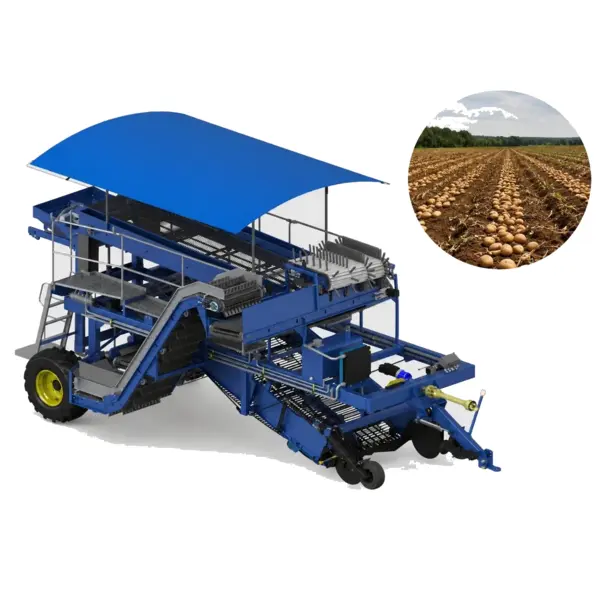
Liste de vérifications avant le premier passage de collecte — 10 points à vérifier avant le premier passage de la fourrière
L'entretien de pré-saison du CT-2100 doit être effectué en février, avant le début des travaux préparatoires du THOR 2.4 en mars. Une panne du CT-2100 pendant la phase de ramassage est plus problématique qu'une panne du THOR 2.4, car les pierres fragmentées laissées en surface seront remises en place lors du passage suivant, nécessitant un nouveau ramassage après réparation. Cet entretien dure environ 3 à 4 heures et ne requiert aucun outil spécifique autre que l'équipement d'atelier standard.
Foire aux questions
Quelle est la différence entre un ramasse-pierres et un concasseur de pierres pour tracteur ?
Un concasseur de pierres (comme le THOR 2.4) fragmente les grosses pierres enfouies dans le sol en morceaux plus petits grâce à un rotor à grande vitesse — il ne retire pas les pierres du champ, il en modifie la taille. ramasse-pierres pour tracteur (Comme le CT-2100) ramasse les pierres présentes en surface ou à proximité et les dépose dans une trémie pour les évacuer du champ ; il ne les fragmente pas, il les déplace. Ces deux machines ont des fonctions différentes et ne sont pas interchangeables. Pour les exploitations agricoles des hauts plateaux coréens qui souhaitent une gestion permanente des pierres, les deux sont nécessaires : le concasseur réduit les grosses pierres à une taille collectable ; le ramasse-pierres évacue définitivement les fragments du champ. Un ramasse-pierres seul ne peut pas traiter les pierres de plus de 80 kg environ ni les fragments de plus de 20 à 25 cm en surface ; il nécessite le THOR 2.4 pour préfragmenter les grosses pierres et les rendre plus facilement collectables.
Le CT-2100 peut-il être utilisé sans le THOR 2.4 sur des terrains qui n'ont jamais été déblayés ?
Sur les terrains non défrichés des hauts plateaux coréens, où les pierres varient de fragments de surface de 5 cm à des blocs enfouis de plus de 30 cm, le CT-2100 seul ne peut ramasser que les pierres déjà en surface ou à proximité, et dont le poids est inférieur à 80 kg par pierre. Il ne peut pas traiter les pierres enfouies dans le sol ni celles de plus de 80 kg. Toute tentative d'utilisation du CT-2100 sur un terrain présentant une quantité importante de pierres de 20 à 30 cm en surface entraînera une surcharge de la machine, un risque d'endommagement de la tête de ramassage et un ramassage incomplet. Pour le premier défrichage des terrains non défrichés des hauts plateaux coréens, le passage de fragmentation primaire du THOR 2.4 est la première étape obligatoire. Le CT-2100 constitue la deuxième étape. ramasseur de pierres est conçu pour les domaines où le travail de fragmentation a déjà été effectué.
Combien d'heures par jour la CT-2100 peut-elle fonctionner avant que la fatigue de l'opérateur ou la chaleur de la machine ne deviennent un problème ?
Le système hydraulique du CT-2100 génère de la chaleur lors d'un fonctionnement prolongé : avec un débit continu de 60 l/min, la température de l'huile hydraulique augmente progressivement tout au long de la journée. Après 5 à 6 heures de fonctionnement continu, l'huile hydraulique d'un tracteur coréen standard de 110 à 130 ch peut atteindre des températures supérieures à la limite de fonctionnement recommandée de 70 à 80 °C, notamment lors des chaudes journées de printemps coréennes (plus de 20 °C). Il est recommandé de laisser tourner le moteur au ralenti pendant 20 à 30 minutes toutes les 3 à 4 heures de fonctionnement continu du CT-2100 afin de permettre au système hydraulique de refroidir. Cette pause de refroidissement coïncide naturellement avec le ravitaillement en carburant, la pause de l'opérateur et la vidange de la soute en milieu de journée ; elle ne réduit donc pas nécessairement la durée de travail productive si elle est intégrée au planning quotidien. Durée totale de travail productive : environ 7 à 8 heures par jour de printemps coréen standard, avec deux pauses de refroidissement.
Quelle est la meilleure ramasseuse de pierres pour une ferme de 10 ha située en altitude en Corée ? La CT-2100 est-elle le bon choix à cette échelle ?
La CT-2100 est la ramasseuse de pierres standard recommandée par Korea Watanabe pour les exploitations agricoles de 5 à 20 ha. Sa trémie de 2,5 m³, sa capacité de charge maximale de 80 kg et sa vitesse optimale de 3 à 5 km/h sont parfaitement adaptées à la densité de pierres et à la taille des parcelles typiques des cultures en terrasses des hauts plateaux coréens. Pour une exploitation de 10 ha présentant une densité de pierres modérée après le débroussaillage avec le produit THOR 2.4, la CT-2100 effectue la collecte complète en 3 à 5 jours ouvrables environ la première année (densité de pierres plus élevée) et en 1 à 2 jours ouvrables les années 3 à 5, à mesure que les réserves de pierres en sous-sol diminuent. Ce délai s'inscrit parfaitement dans la période de préparation des sols des hauts plateaux coréens, entre les dernières gelées et la date optimale de plantation. Pour les exploitations inférieures à 3 ha, la CT-2100 peut être surdimensionnée ; Korea Watanabe recommande alors des ramasseuses plus légères, adaptées aux très petites exploitations. Pour les exploitations de plus de 30 ha par saison, l'acquisition d'un deuxième CT-2100 ou le passage à la gamme CT de plus grande capacité peuvent être judicieux. Contactez Korea Watanabe pour obtenir une recommandation adaptée à vos besoins.
Où faut-il déposer les pierres collectées dans une ferme des hauts plateaux coréens ?
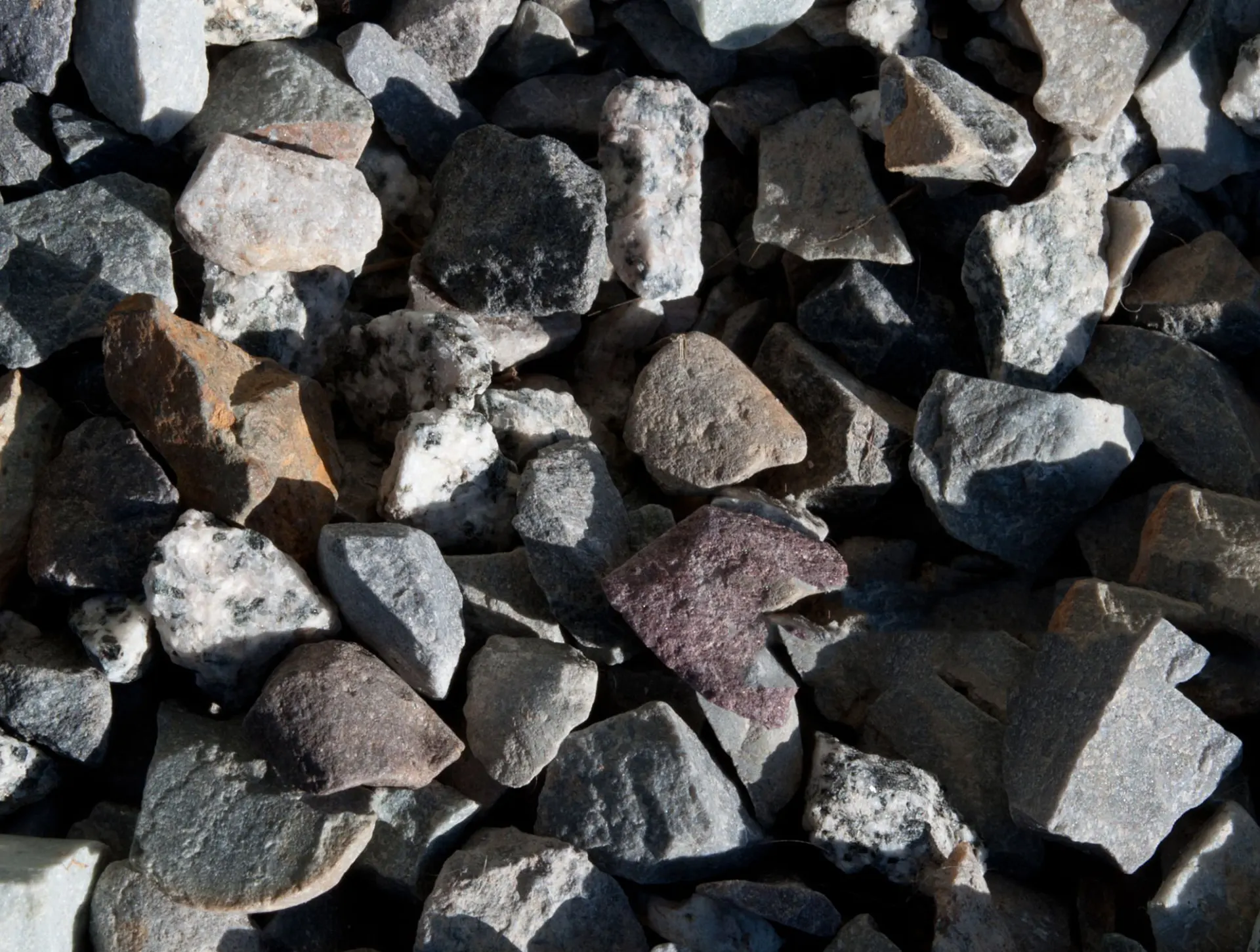
Les pierres collectées par le CT-2100 présentent une valeur considérable pour les exploitations agricoles des hauts plateaux coréens et ne doivent pas être gaspillées. Les utilisations les plus productives des pierres collectées par le CT-2100 et fragmentées par le THOR 2.4 sont les suivantes : (1) granulats pour chemins agricoles — le granit fragmenté de moins de 5 cm constitue un excellent matériau de base pour les chemins d’accès aux exploitations agricoles des hauts plateaux, offrant un granulat stable et drainant qui se lie sous le compactage des roues du tracteur ; (2) renforcement des murs de terrasses — les fragments collectés les plus importants (5 à 80 kg) sont précieux pour la reconstruction et le renforcement des murs de terrasses et des canaux de drainage qui délimitent les parcelles des hauts plateaux coréens ; (3) matériau de fondation pour les dalles de bâtiments agricoles. Les pierres collectées doivent être déposées dans des zones de stockage désignées en bordure de parcelle, triées grossièrement par taille lors du déversement — ce tri s’effectue facilement en fonction du sens de déversement et n’allonge pas le temps d’exploitation. Le guide de construction des chemins agricoles de Korea Watanabe décrit comment les pierres collectées s’intègrent au programme complet de construction de routes en utilisant la combinaison THOR 3.0 et BlackBird.
Planification du système CT-2100 — Associez-le correctement à votre THOR 2.4
Superficie de la ferme + débit hydraulique du tracteur + densité actuelle de pierres + contraintes d'itinéraire dans les champs → Recommandation CT-2100 avec planification du silo, programme de cycle de vidange et calendrier d'entretien de pré-saison.
Éditeur : Cxm