
ال المحراث الدوار PSW-3200 تُعدّ الخطوة الثانية في نظام واتانابي الكوري لزراعة البطاطس في المرتفعات، والمكون من سبع خطوات، هي آلة الحراثة الأساسية التي تلي إزالة الأحجار وتسبق التخديد والزراعة وكل ما يليها. لكن اختزال دور آلة PSW-3200 في تسلسل زراعة البطاطس يُغفل أهميتها الأوسع: فهي منصة الحراثة الكورية الشاملة التي تخدم جميع المحاصيل الأربعة في الدورة الزراعية (البطاطس، والفجل، والملفوف، والبقوليات)، وتتضمن إضافة الجير والسماد العضوي، ومعالجة مخلفات السماد الأخضر، وبناء جودة مهد البذور التي تحدد بيئة جذور كل محصول.
إن فهم جهاز PSW-3200 بشكل صحيح يعني فهم كيفية ضبط إعداداته - العمق، والسرعة، وسرعة عمود إدارة الطاقة، وعرض العمل - لكل تطبيق محدد في موسم الزراعة في المرتفعات الكورية. إن تطبيق إعداد واحد على جميع التطبيقات ينتج عنه نتائج متوسطة في جميعها. أما الإعداد الصحيح لكل تطبيق فيُنتج جودة التربة اللازمة لكل محصول.
المواصفات المؤكدة لجهاز PSW-3200
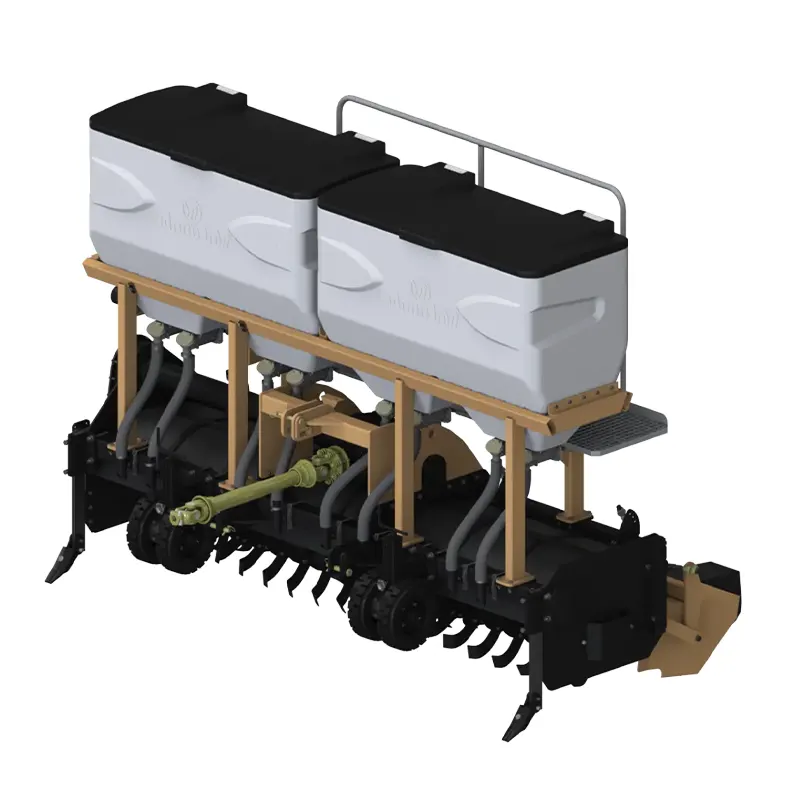
جميع المواصفات مأخوذة من كتيب منتجات واتانابي الرسمي.
PSW-3200 القياسي (الطراز أ)
حرث أولي · 140 حصان كحد أدنى · الفئة 2
- ▸عرض العمل: 3.0 متر (قياسي) / 3.6 متر (ممتد)
- ▸مأخذ الطاقة: قابل للاختيار بين 540 أو 1000 دورة في الدقيقة
- ▸وصلة ثلاثية النقاط: الفئة 2
- ▸عمق الحراثة: حتى 28-30 سم
- ▸الأفضل لـ: الحراثة الأساسية، دمج المحسنات في التربة
طراز PSW-3200 B
حرث الأرض + تسميدها مجتمعين · مخزن سعة 2000 كجم
- ▸جميع المواصفات القياسية بالإضافة إلى مخزن للأسمدة بسعة 2000 كجم
- ▸يقوم بتوزيع الأسمدة الحبيبية أو المكعبة أثناء عملية الحراثة
- ▸يوفر ذلك عناء المرور على الحقل بالكامل مقارنةً بالحرث والتسميد المنفصلين
- ▸يدمج السماد المضاف حتى عمق الحراثة الكامل
- ▸الأفضل لـ: تقويم الربيع المضغوط، مزيج الجير والأسمدة
لماذا تُعدّ سرعة 1000 دورة في الدقيقة مهمة؟ ومتى نستخدم سرعة 540 دورة في الدقيقة؟
تُعد خاصية اختيار سرعة دوران عمود إدارة الطاقة (PTO) في جهاز PSW-3200 بين 540 و1000 دورة في الدقيقة واحدة من أهم ميزاته للاستخدام في المرتفعات الكورية، لأن سرعة عمود إدارة الطاقة المثلى تختلف باختلاف التطبيقات في التقويم الزراعي للمرتفعات:
| طلب | إجازة مدفوعة الأجر موصى بها | سبب |
|---|---|---|
| الحراثة الأولية الربيعية - البطاطس | 1000 دورة في الدقيقة | تؤدي زيادة سرعة طرف الشفرة إلى تفتيت أدق - استهدف حجم جسيمات يتراوح بين 10 و25 ملم لتشكيل حواف البطاطس |
| تجهيز مهد بذور الفجل | 1000 دورة في الدقيقة (مرور مزدوج) | يتطلب الفجل تربة ناعمة للغاية (5-15 مم) - تمريرة مزدوجة بسرعة 1000 دورة في الدقيقة بزاوية 90 درجة تنتج حجم جسيمات مناسب |
| دمج السماد الأخضر | 1000 دورة في الدقيقة | تعمل سرعة الشفرة العالية على تقطيع المواد النباتية إلى أجزاء صغيرة لتحللها بسرعة؛ أما السرعة المنخفضة فتترك قطعًا نباتية طويلة تلتف حول الدوار |
| إضافة الجير والسماد العضوي | 1000 دورة في الدقيقة | يؤدي أقصى قدر من الخلط إلى توزيع الجير على كامل عمق الحراثة - وهو أمر بالغ الأهمية لتصحيح درجة الحموضة حتى منطقة الجذور التي يبلغ سمكها 25 سم |
| حرث الأرض بعد الحصاد في الخريف | 540 أو 1000 دورة في الدقيقة | 540 دورة في الدقيقة كافية للحرث الخريفي الخشن؛ 1000 دورة في الدقيقة في حالة دمجها مع بقايا المحاصيل لتسريع التحلل |
| مهد بذور الكرنب | 540 دورة في الدقيقة (أقل عمقًا) | لا يحتاج نبات الكرنب إلا إلى عمق يتراوح بين 15 و20 سم وتربة معتدلة؛ كما أن سرعة دوران تبلغ 540 دورة في الدقيقة على عمق أقل توفر الوقود دون التأثير على الجودة. |
العمق وسرعة التقدم - الإعدادان اللذان يحددان جودة الطبقة
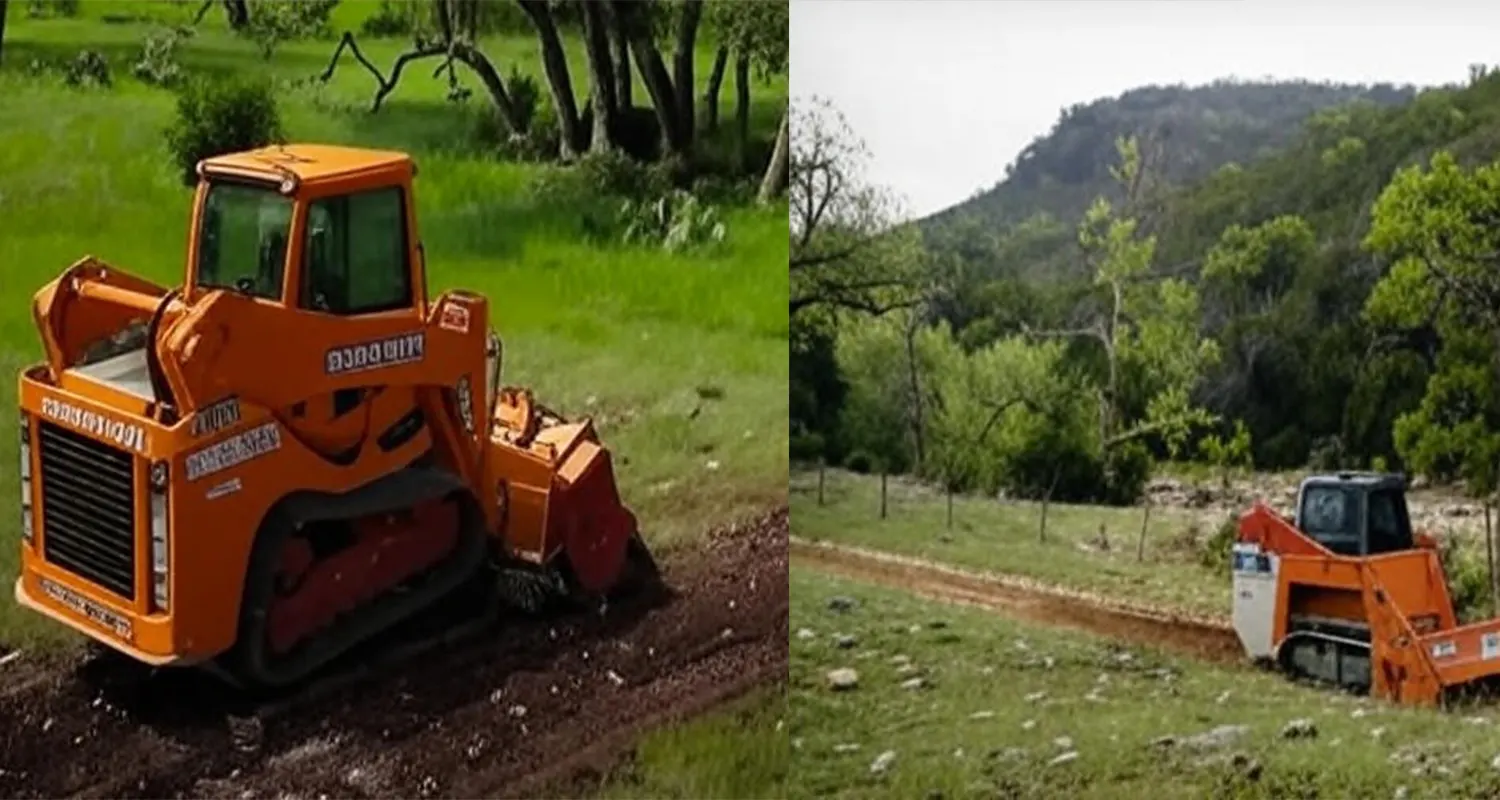
يتفاعل عمق الحراثة وسرعة التقدم لتحديد حجم الجزيئات النهائي وتجانس مهد البذور في المرتفعات الكورية. إن فهم هذا التفاعل - وضبط كلا المعيارين بشكل صحيح لكل تطبيق - هو المهارة العملية التي تميز التشغيل الاحترافي لآلة PSW-3200 عن الاستخدام العادي.
مبدأ التفاعل بين العمق والسرعة:
| المحصول / الغرض | عمق | سرعة | حجم الجسيمات المستهدفة |
|---|---|---|---|
| بطاطس (تمريرة واحدة) | 25-28 سم | 3-4 كم/ساعة | 10-25 مم لتشكيل التلال |
| الفجل (المرحلة الأولى) | 20-22 سم | 4-5 كم/ساعة | 20-30 مم بعد المرور الأول |
| الفجل (المرور الثاني، 90 درجة) | 18-20 سم | 3-4 كم/ساعة | 5-15 مم بعد المرور الثاني |
| كرنب | 15-18 سم | 5-6 كم/ساعة | 15-35 مم (الخشونة مقبولة) |
| دمج السماد الأخضر | 20-22 سم | 2-3 كم/ساعة | تم تقطيع المواد النباتية ودفنها |
| دمج الجير | 25 سم | 3-4 كم/ساعة | أقصى قدر من الخلط للوصول إلى عمق تصحيح درجة الحموضة الكامل |
رطوبة التربة - أهم فحص قبل الحراثة
تُعدّ رطوبة التربة أثناء الحراثة أهم عامل منفرد في تشغيل آلة PSW-3200، فهي أهم من العمق أو السرعة في تحديد جودة مهد البذور النهائي. يؤدي الحراثة عند مستوى رطوبة غير مناسب للتربة إلى مشاكل في بنيتها تستمر طوال موسم النمو، ولا يمكن إصلاحها بمزيد من الحراثة.
مبلل للغاية - يتجمع ويتلطخ
يؤدي حرث التربة الرطبة (اللزجة، ذات قوام بلاستيكي على عمق 15 سم) إلى تلطيخ مسار الشفرة، حيث تقوم الشفرات الدوارة بتلطيخ مسارها وضغطه بدلاً من تفتيت بنية التربة. والنتيجة هي طبقة رقيقة مضغوطة (طبقة صلبة) على عمق الحرث، مما يحد من اختراق الجذور طوال موسم النمو. وتُعد تربة الجرانيت في المرتفعات الكورية عرضةً لهذه المشكلة بشكل خاص، لأن نسبة الطمي العالية فيها تُعطيها نطاقًا ضيقًا من اللدونة، حيث تنتقل بسرعة من حالة الرطوبة الزائدة إلى حالة الجفاف الشديد مع تقدم فصل الربيع.
جفاف شديد - تكوّن الغبار والكتل
تتفتت التربة شديدة الجفاف (التربة الجافة تمامًا في منتصف الصيف وأواخر الخريف) إلى كتل صلبة كبيرة لا تستطيع آلة PSW-3200 تفتيتها إلى حجم مناسب لمهد البذور في عملية واحدة دون إتلافها. يؤدي التذرية - وهي إنتاج مسحوق ناعم جدًا من التربة شديدة الجفاف بسرعة عالية لعمود نقل الحركة - إلى تدمير بنية تجمعات التربة، مما يخلق سطحًا عرضة للتكتل بعد أول هطول للأمطار. تجنب الحراثة عندما تتفتت التربة إلى غبار ناعم على عمق 10 سم.
صحيح - هش عند عمق العمل
رطوبة التربة المثالية للحرث: عند ضغط التربة على عمق 15 سم باليد، تتشكل كرة تنكسر بسهولة بضغط خفيف (لا تبقى لدنة، ولا تتفتت إلى مسحوق). عادةً ما تُنتج ظروف الربيع في المرتفعات الكورية هذا المستوى من الرطوبة بعد 5-10 أيام من ذوبان الجليد تمامًا - ويؤدي التأكد من ذلك قبل استخدام جهاز PSW-3200 إلى حماية التربة من أضرار الانضغاط خلال الموسم.
نظام PSW-3200 الكامل للبطاطس المكون من 7 خطوات
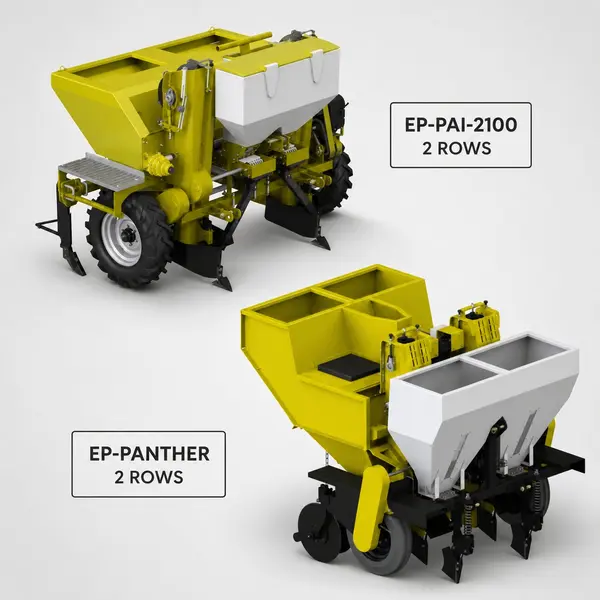
تحدد جودة عملية الحراثة في المرحلة الثانية من جهاز PSW-3200 أداء كل مرحلة لاحقة في آلات بطاطس النظام. إن فهم هذه التبعيات يوضح لماذا لا يُعد إعداد PSW-3200 عملية عادية:
الخطوة 3
آلة الحراثة (EP-R-380/R-580): تقوم آلة الحراثة بتشكيل تلال البطاطا من التربة المحروثة بواسطة جهاز PSW-3200. ينتج عن سوء تشغيل جهاز PSW-3200 تربة خشنة ومتكتلة، مما يؤدي إلى كثافة غير منتظمة للتلال - حيث أن الدرنات المزروعة في التلال المتكتلة تعاني من عدم انتظام تلامس البذور مع التربة، وبالتالي عدم انتظام الإنبات.
الخطوة 5
زارع (EP-PAI-2100): يتطلب ثبات عمق الزراعة مقاومة موحدة من تربة التلال. يؤدي التوزيع غير المنتظم للكتل الترابية في التلال إلى انحراف حصة الزراعة، مما ينتج عنه أعماق زراعة متفاوتة تقلل بشكل مباشر من المحصول وتجانس حجم البذور عند الحصاد.
الخطوة 7
الحفار (EP-AWB-1600): تُقاوم التلال المتراصة سيئة الحراثة شفرة الحفارة، مما يزيد من متطلبات الجر، وتآكل الشفرة، وتلف الدرنات أثناء عملية الرفع. أما التلال الدقيقة جيدة التنظيم الناتجة عن الحراثة الصحيحة باستخدام جهاز PSW-3200 فتسمح للحفارة بالعمل بأقل مقاومة، مما يقلل من تآكل الآلة وكدمات الدرنات في آن واحد.
PSW-3200 موديل B - يجمع بين الحراثة والتسميد في عملية واحدة
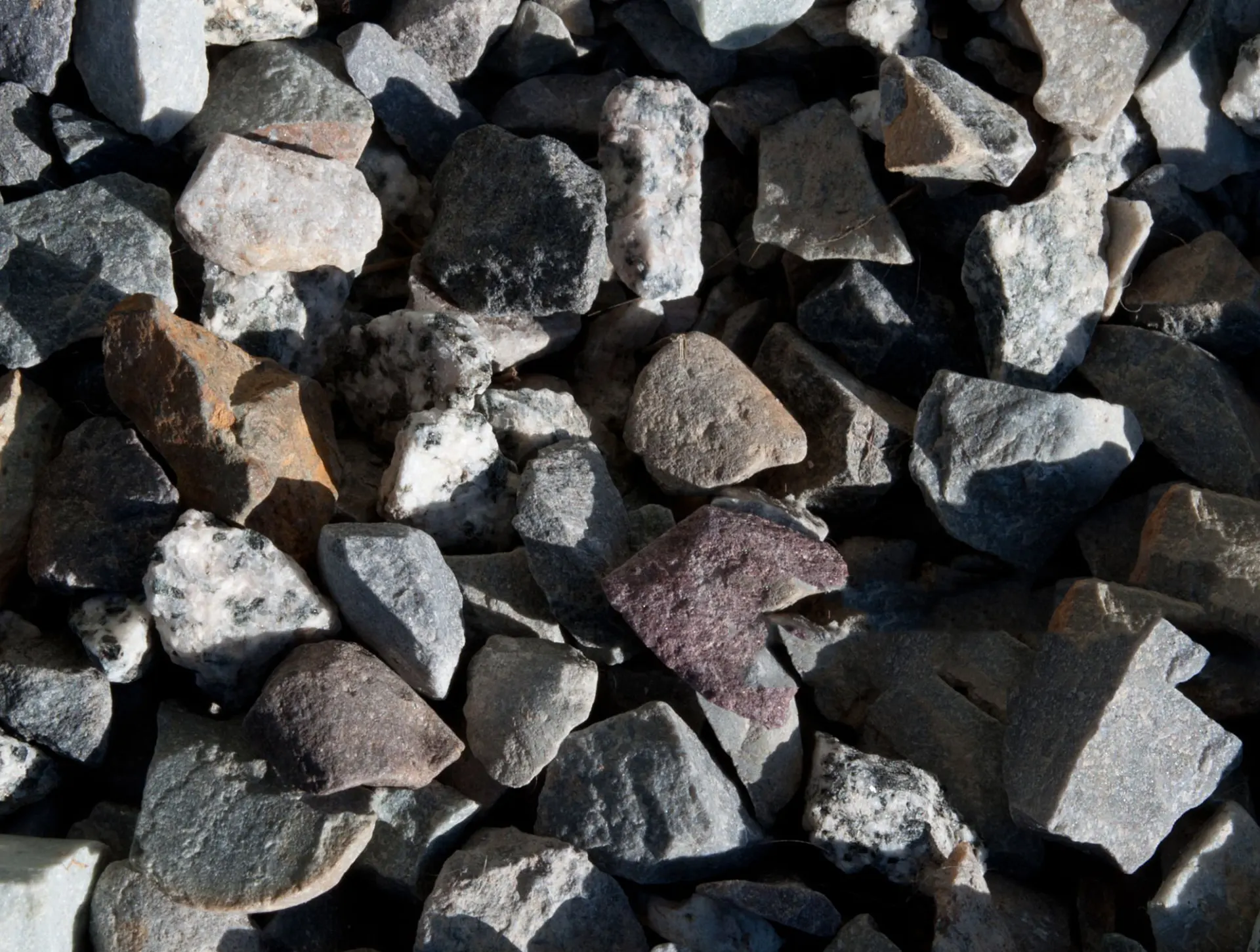
يحمل طراز PSW-3200 B خزانًا للأسمدة بسعة 2000 كجم، يقوم بتوزيع الأسمدة الحبيبية أو المكعبة على سطح التربة أثناء عملية الحراثة، ثم يقوم الدوار بدمج السماد في كامل عمق الحراثة فورًا. توفر هذه العملية المدمجة للحراثة والتسميد دورة كاملة من خطوات تحضير الحقل في الربيع، وهو أمر بالغ الأهمية في ظل ضيق موسم الربيع في المرتفعات الكورية.
ما يوفره طراز B
في مزرعة مساحتها ١٠ هكتارات، يؤدي الاستغناء عن عملية رش الأسمدة المنفصلة إلى توفير ما يقارب ٤-٦ ساعات من وقت الجرار وتكاليف الوقود. وعند تطبيق هذا التوفير على مدار فصل الربيع، فإنه يوفر وقتاً احتياطياً قبل الموعد النهائي للزراعة، مما يقلل بشكل مباشر من خطر تأخر الزراعة نتيجة ضغط جدول الربيع.
ما هي المواد التي يتعامل معها الطراز B
الأسمدة المركبة الحبيبية (12:12:12، 10:20:10 وغيرها من التركيبات الكورية الشائعة)، والجير المُحَبَّب (لتطبيقات تعديل درجة الحموضة بكميات صغيرة)، والأسمدة العضوية الحبيبية (إنتاج عضوي معتمد)، وسماد الكمبوست المُحَبَّب. لا يستوعب المخزن الجير المسحوق الناعم (الجير الزراعي القياسي) - بالنسبة للجير المسحوق، يُضاف بشكل منفصل قبل عملية الحراثة ويُدمج بواسطة آلة PSW-3200 كالمعتاد.
تكوين الشفرات ونمط الدوار - فهم هندسة الحراثة في جهاز PSW-3200
يحتوي دوار آلة PSW-3200 على شفرات فولاذية مُقسّاة مُرتبة بنمط حلزوني مُحدد حول أسطوانة الدوار. يضمن هذا الترتيب الحلزوني دخول الشفرات في التربة تدريجيًا عبر عرض العمل - بدلاً من اصطدام جميع الشفرات في وقت واحد - مما يُنتج تشغيلًا أكثر سلاسة، وانخفاضًا في ذروة عزم الدوران المطلوب على عمود إدارة الطاقة، وتفتيتًا أكثر تجانسًا للتربة عبر عرض العمل بالكامل.
هناك عاملان لتكوين شفرات الشفرات يجب على مشغلي الشفرات في المرتفعات الكورية فهمهما:
زاوية اختراق الشفرة
تصطدم الشفرات بالتربة بزاوية قطع أمامية، فتُقطع التربة وتُقذف للخلف داخل غلاف الدوار حيث تُكسر أكثر بفعل اصطدامها بالجدار الخلفي للغلاف. زاوية القطع الأمامية ثابتة في تصميم الشفرة، ويتحكم المشغلون في حجم الشظايا من خلال تعديلات العمق والسرعة، وليس بتغيير زاوية الشفرة.
عرض النصل وملامسة الحجر
شفرات PSW-3200 ضيقة (عادةً ما يتراوح عرضها بين 40 و50 مم)، ويقلل هذا التصميم الضيق من الضغط الواقع على الشفرة عند اصطدامها بالأحجار الصغيرة المتبقية (3-8 سم) بعد عملية إزالة الصخور باستخدام جهاز THOR + CT-2100. أما الشفرات الأعرض فتزيد من مساحة سطحها المعرضة لتأثيرات الأحجار المتبقية، مما يزيد من إجهاد الانحناء. يُعد تصميم الشفرة الضيقة مناسبًا لتربة الجرانيت في المرتفعات الكورية، والتي تتميز باحتوائها على نسبة عالية من الأحجار المتبقية بعد عملية الإزالة.
PSW-3200 في هيكل تكلفة الزراعة في المرتفعات
تُعدّ آلة PSW-3200 من بين الآلات ذات التكلفة التشغيلية الهامشية المنخفضة في نظام المرتفعات الكورية؛ فبعد شرائها، تُعتبر تكلفة الوقود السنوية واستهلاك الشفرات لكل هكتار متواضعة مقارنةً بآلة THOR 2.4 (بقوة 180 حصانًا، واستهلاك عالٍ للأسنان) وآلة EP-AWB-1600 (استهلاك الشفرات وصيانة نظام التجميع). وتتمثل التكلفة السنوية الرئيسية لآلة PSW-3200 في استهلاك الشفرات، وهو أمر يمكن التنبؤ به والتخطيط له ضمن الميزانية بناءً على فترة الاستبدال الموضحة في قسم الأسئلة الشائعة.
بالنسبة لمزارعي المرتفعات الكورية الذين يقومون ببناء نظام متكامل، فإن جهاز PSW-3200 هو عادةً ثاني أو ثالث جهاز يتم شراؤه بعد نظام إزالة الأحجار (ثور 2.4 (+ CT-2100). هذا الترتيب صحيح - فإزالة الأحجار تُهيئ الظروف اللازمة لحراثة مثمرة؛ شراء المحراث الدوار قبل نظام إزالة الأحجار يؤدي إلى آلة تعمل بمعدلات اصطدام عالية للشفرات من الحقول غير المُزالة، مما يُسرّع التآكل ويُقلل من جودة مهد البذور في آنٍ واحد. تسلسل الاستثمار الكامل للنظام لمزرعة كورية جبلية جديدة: (1) THOR 2.4 + CT-2100، (2) PSW-3200، (3) آلة حرث + آلة توزيع الأسمدة، (4) آلة زراعة + آلة تقليب، (5) حفارة. بإمكان شركة Korea Watanabe توفير جميع الخطوات الخمس من المخزون المحلي الكوري.
برنامج الصيانة السنوية لجهاز PSW-3200 - الحفاظ على أداء المحراث الدوار بكامل طاقته
يعمل جهاز PSW-3200 تحت ظروف تحميل عالية مستمرة لعمود إدارة الطاقة خلال فترة التحضير الربيعية الحرجة - بحد أدنى 140 حصانًا، وسرعة 1000 دورة في الدقيقة، ويعمل في تربة جرانيتية جبلية خالية من الأحجار ولكنها لا تزال صعبة. يمنع برنامج الصيانة السنوي المنهجي الأعطال التي تحدث في منتصف الموسم والتي تتسبب في ضياع أيام من التحضير الربيعي خلال أكثر فترات السنة الزراعية ضغطًا في المرتفعات الكورية.
| فاصلة | مهمة | عواقب الإهمال |
|---|---|---|
| قبل كل موسم (فبراير) | قم بقياس جميع الشفرات - استبدل أي شفرة بطول 60% أو أقل بشفرات جديدة؛ قم بتغيير زيت علبة التروس؛ تحقق من جميع نقاط تشحيم المحامل؛ افحص وصلات عمود نقل الحركة والغطاء الواقي | تؤدي الشفرات البالية إلى تربة خشنة وغير متساوية، مما يُضعف جودة مهد البذور طوال الموسم؛ وتتعطل المحامل الجافة بسرعة تحت حمل 1000 دورة في الدقيقة |
| كل 8 ساعات عمل | قم بتشحيم جميع حلمات المحامل (محامل الدوار، محامل علبة التروس الجانبية)؛ تحقق من عزم ربط مسمار تثبيت الشفرة على العينة 10%؛ افحص وظيفة قابض الانزلاق لعمود نقل الحركة | يُعدّ تعطل محمل الدوار تحت تأثير اصطدام الحجارة أكثر الأعطال شيوعًا في منتصف موسم تشغيل جهاز PSW-3200، ويمكن الوقاية منه تمامًا من خلال اتباع قواعد التشحيم السليمة. |
| كل 50 ساعة عمل | فحص كامل للشفرات (قياس جميع الشفرات)؛ فحص مستوى الزيت في علبة التروس الجانبية؛ حالة مانع تسرب عمود الدوار؛ تقييم تآكل عمود نقل الحركة | يؤدي التآكل التدريجي للشفرة دون الحد الأدنى إلى انخفاض الجودة، وهو ما يعزوه المشغلون غالبًا إلى ظروف التربة وليس إلى تآكل الشفرة. |
| نهاية الموسم (إلزامي) | استبدل جميع الشفرات التي تقل عن الحد الأدنى للاستبدال؛ قم بتفريغ زيت علبة التروس وإعادة تعبئته؛ نظف جميع الأوساخ من غلاف الدوار؛ قم بتشحيم جميع النقاط قبل التخزين الشتوي؛ افحص غلاف الدوار بحثًا عن الشقوق أو إجهاد اللحام الناتج عن اصطدام الحجارة. | ستبدأ الآلة المخزنة بشفرات مهترئة العمل في الربيع المقبل بأداء دون المستوى الأمثل؛ ويتطلب تآكل المحامل غير المشحمة خلال فصل الشتاء صيانة في ورشة العمل قبل الاستخدام الأول. |
قاعدة تغيير زيت علبة التروس
يجب تغيير زيت علبة تروس PSW-3200 سنويًا، بغض النظر عن ساعات التشغيل في ذلك الموسم. عادةً ما تتركز عمليات حرث التربة الربيعية في المرتفعات الكورية على 3-4 أسابيع من التشغيل المكثف، تليها 10 أشهر من التخزين. حتى مع انخفاض إجمالي ساعات التشغيل، يمتص زيت علبة التروس تكثف الماء خلال فترة التخزين، مما يُضعف خصائصه التشحيمية. يُزيل تغيير الزيت السنوي في بداية خدمة ما قبل الموسم في فبراير هذا التلوث الناتج عن الرطوبة المتراكمة، ويضمن بدء علبة التروس كل فترة تشغيل مكثفة بزيت جديد ونظيف. استخدم مواصفات الزيت المذكورة في دليل تشغيل PSW-3200، ويمكن لشركة Korea Watanabe تأكيد مواصفات الزيت الحالية لجيل جهازك المحدد عند الطلب.
تأثير الحراثة على كفاءة الري - علاقة غالباً ما يتم تجاهلها
يؤثر عمق وجودة حرث التربة في جهاز PSW-3200 بشكل مباشر على كفاءة استخدام مياه الري خلال موسم النمو في المرتفعات الكورية، وهي علاقة نادراً ما تُناقش ولكنها ذات أهمية عملية بالغة. فالتربة المحروثة جيداً (ذات حجم حبيبات مناسب، وخالية من طبقة التماسك عند عمق الحرث) تحافظ على بنية مسامية فائقة في جميع أنحاء منطقة الجذور مقارنةً بالتربة المحروثة بشكل سيئ أو غير المحروثة. ويُحدث هذا الاختلاف في بنية المسام تأثيرات ملموسة على الري.
معدلات تسرب المياه
تمتص التربة المرتفعة المحروثة جيدًا مياه الري بالتنقيط بمعدل يتراوح بين 3 و5 أضعاف معدل امتصاصها في التربة المتراصة أو سيئة الحراثة. ويعني ارتفاع معدل التسرب إمكانية تطبيق الري بالتنقيط بمعدل تدفق أعلى من النقاطات دون حدوث جريان سطحي، مما يقلل مدة الري مع الحفاظ على نفس مستوى رطوبة منطقة الجذور. تتطلب مصاطب البطاطس في المرتفعات الكورية ذات التربة المحروثة بشكل صحيح (PSW-3200) عادةً مدة ري أقل بمقدار 20-30 لترًا لكل لتر من رطوبة التربة مقارنةً بالمصاطب سيئة الحراثة.
توزيع المياه في منطقة الجذور
تُعيق طبقات التربة المتصلبة (الطبقة الصلبة) عند حدود عمق الحراثة في جهاز PSW-3200 حركة المياه من منطقة الحراثة إلى منطقة ما تحت الحراثة. وعندما تكون هذه الطبقة شديدة التصلب، تتعرض الجذور المحصورة في منطقة الحراثة لتقلبات رطوبة شديدة، حيث تتشبع بسرعة بعد الري، ثم تجف بسرعة مع استنزاف مياه منطقة الحراثة. ويُمكن تجنب تكوّن الطبقة الصلبة من خلال الإدارة الصحيحة لرطوبة الحراثة وتغيير العمق (كما هو موضح أعلاه) مما يسمح بإعادة توزيع المياه من منطقة الحراثة بشكل أكثر تجانسًا عبر منطقة نمو الجذور بأكملها.
الوقاية من القلب المجوف في الفجل
يُعدّ التجويف الداخلي في قلب الفجل الكوري الجبلي (التشقق الداخلي الناتج عن إعادة ترطيب التربة الجافة بسرعة) مرتبطًا ارتباطًا مباشرًا بخصائص حركة الماء في التربة؛ فالتربة ذات البنية المسامية الجيدة تمتص الماء تدريجيًا، مما يقلل من الإجهاد الهيدروليكي على الجذور النامية. وتتميز أحواض الفجل المحروثة جيدًا، والتي تُزرع باستخدام آلة PSW-3200 ذات المرور المزدوج بسرعة 1000 دورة في الدقيقة، بانخفاض ملحوظ في نسبة التجويف الداخلي مقارنةً بالأحواض المحروثة بشكل خشن، مما يربط جودة الحراثة بمشكلة الجودة العالية المذكورة في دليل زراعة الفجل.
اختيار عرض العمل وتخطيط التغطية الميدانية
يتفاعل عرض العمل القابل للتعديل في جهاز PSW-3200 (3.0 متر أو 3.6 متر) مع أبعاد الحقل لتحديد إجمالي عدد مرات المرور المطلوبة لكل حقل، وبالتالي، تحديد الوقت اللازم لتحضير الحقل في فصل الربيع. ويساعد التخطيط لعدد مرات المرور قبل بدء الموسم على تحديد ما إذا كان عرض العمل في جهاز PSW-3200 يتوافق بشكل صحيح مع هندسة صفوف المحاصيل في الحقل.
مثال أ:
حقل بمساحة ١٠ هكتارات، عرض آلة PSW-3200 ٣ أمتار، طول الصف ٣٠٠ متر = ٣٣٣ مرورًا × ٣٠٠ متر = ١٠٠ كيلومتر إجمالي مسافة الدوران. بسرعة أمامية ٤ كيلومترات في الساعة و٧ ساعات إنتاجية يوميًا = تغطية حقل ٢٨ كيلومترًا في اليوم ← ٣.٦ أيام لمرحلة الحراثة.
المثال ب:
نفس الحقل بمساحة 10 هكتارات، بعرض 3.6 متر لآلة PSW-3200 = 278 مرورًا × 300 متر = 83 كيلومترًا إجماليًا ← 3.0 أيام لمرحلة الحراثة. يوفر عرض 3.6 متر 0.6 يومًا من التقويم الربيعي في حقل بمساحة 10 هكتارات - أي ما يعادل نصف الفترة الفاصلة بين الزراعة في الوقت المحدد والزراعة المتأخرة على ارتفاع 600 متر.
قاعدة التخطيط:
احسب دائمًا عدد مرات المرور مقابل مساحة الحقل وطول الصف قبل الاختيار بين 3.0 متر و3.6 متر. إذا كان عرض عمل المحراث في المزرعة يتطابق مع عرض المحراث الدوار الأوسع، فاختر 3.6 متر. أما إذا كان عرض المحراث يتطابق مع 3.0 متر، فإن المحراث الدوار بعرض 3.6 متر سيترك حوافًا غير معالجة تتطلب عمليات تصحيح، مما يلغي ميزة السرعة.
الأسئلة الشائعة
هل يمكن لآلة PSW-3200 أن تعمل على أرض تم تنظيفها مؤخراً من الحجارة ولا تزال تحتوي على ركام مكسر من THOR في التربة؟
نعم، صُممت آلة PSW-3200 للعمل على الأراضي المُزالة منها الأحجار، بما في ذلك الحقول التي تحتفظ بالحصى المُكسر بواسطة جهاز THOR (القطع الصغيرة التي يقل حجمها عن عتبة تجميع جهاز CT-2100، وعادةً ما يقل حجمها عن 3-4 سم). لا تُلحق قطع الجرانيت الصغيرة ضمن هذا النطاق الحجمي أي ضرر بشفرات PSW-3200، حيث تتلامس هذه الشفرات مع الحصى الصغير بانتظام أثناء عمليات الحراثة العادية في المرتفعات، وهي مصنوعة من الفولاذ المُقسّى لتحمّل هذا التلامس. قد تصطدم آلة PSW-3200 أحيانًا بقطع أكبر قليلًا (4-6 سم) لم يجمعها جهاز CT-2100، وعادةً ما يكون هذا كافيًا لإصدار صوت اصطدام معدني، ولكنه لا يُلحق الضرر بالشفرة. في حال تعرّضت آلة PSW-3200 لاصطدامات قوية متكررة من قطع يزيد حجمها عن 8-10 سم، يجب التوقف وإزالة تلك الأحجار يدويًا قبل المتابعة، مما يُشير إلى أن عملية إزالة الأحجار السابقة باستخدام جهازي THOR وCT-2100 لم تكن مكتملة في تلك المواقع.
ما الفرق بين عرض العمل 3.0 متر و 3.6 متر - كيف أختار؟
يعتمد اختيار عرض العمل بين 3.0 متر و3.6 متر على العلاقة بين عرض مرور جهاز PSW-3200 وتكوين صفوف نظام الحراثة والزراعة اللاحق. بالنسبة لعمليات الزراعة في المرتفعات الكورية باستخدام محاريث ثلاثية الصفوف بمسافة 70-80 سم بين الصفوف (إجمالي عرض العمل 2.1-2.4 متر لكل مرور للمحاريث)، يغطي جهاز PSW-3200 بعرض 3.0 متر ما يعادل 1.25 مرور للمحاريث لكل مرور للمحراث الدوار - وهي نسبة مناسبة حيث يتداخل المحراث الدوار أحيانًا بشكل طفيف عند نهايات الصفوف. أما بالنسبة للمحاريث خماسية الصفوف بمسافة 70 سم بين الصفوف (إجمالي 3.5 متر)، فإن جهاز PSW-3200 بعرض 3.6 متر هو الخيار الأمثل - حيث يغطي مرور واحد لجهاز PSW-3200 عرض مرور واحد للمحاريث خماسية الصفوف. تأكد من عرض عمل المحراث قبل تحديد عرض عمل جهاز PSW-3200 لشركة Korea Watanabe. يؤدي عدم تطابق العرض إما إلى شرائط محروثة بشكل مفرط (إهدار الوقود والوقت) أو شرائط غير محروثة (تربة رديئة للبذور في تلك المناطق).
كم مرة يجب استبدال شفرات PSW-3200؟
يبلغ العمر الافتراضي لشفرات PSW-3200 على التربة الجرانيتية في المرتفعات الكورية عادةً 80-150 ساعة تشغيل قبل الحاجة إلى استبدالها، ويختلف ذلك باختلاف محتوى التربة من الحجارة، وعمق الحراثة، وسرعة العمل. ويُعدّ تقصير الشفرة من الحافة الحرة مؤشرًا على ضرورة استبدالها: فعندما تتآكل الشفرة إلى 60% أو أقل من طولها الأصلي، تنخفض جودة التفتيت بشكل ملحوظ. يُنصح بفحص الشفرات في نهاية كل موسم (كحد أدنى سنوي) وفي منتصف الموسم في المزارع ذات ساعات التشغيل السنوية العالية. يجب استبدال جميع الشفرات في قسم الدوار في وقت واحد، لأن خلط الشفرات الجديدة والمستهلكة في قسم واحد يُؤدي إلى تفتيت غير متساوٍ. يضمن فحص الشفرات قبل بداية الموسم في فبراير، مع استبدال الشفرات المستهلكة قبل موسم الحراثة الربيعي في مارس-أبريل، دخول PSW-3200 فترة تحضير مهد البذور الحرجة بكامل طاقتها.
هل يقوم جهاز PSW-3200 بإنشاء طبقة من التربة المضغوطة (طبقة التماسك) على عمق الحراثة؟
تُحدث جميع معدات الحراثة الدوارة درجةً من الانضغاط عند الحد السفلي لمنطقة الحراثة، حيث يمر مسار الشفرة بشكل متكرر على نفس العمق، ويزيد مرور عجلات الجرار على التربة غير المحروثة على سطح الحقل من هذا التأثير. في تربة الجرانيت في المرتفعات الكورية، يمكن التحكم في خطر تكوّن طبقة صلبة كبيرة ناتجة عن آلة الحراثة PSW-3200 من خلال ممارستين: (1) تغيير عمق الحراثة بمقدار ±3 سم بين المواسم، حيث أن الحراثة المستمرة على عمق 25 سم بالضبط تُنتج طبقة صلبة أكثر وضوحًا من الحراثة بالتناوب بين 22 سم و28 سم في المواسم المتعاقبة؛ (2) تجنب تشغيل آلة الحراثة PSW-3200 عندما تكون التربة رطبة جدًا (انظر قسم رطوبة التربة أعلاه)، حيث أن انضغاط التربة الرطبة على عمق الحراثة هو السبب الرئيسي لتكوّن الطبقة الصلبة المستمرة.
هل آلة PSW-3200 مؤهلة للحصول على إعانات الآلات الزراعية الكورية؟
نعم، يُعدّ جهاز الحراثة الدوارة PSW-3200 مؤهلاً ضمن برنامج دعم شراء الآلات الزراعية الكورية في فئة آلات الحراثة. شركة كوريا واتانابي حاصلة على شهادة اعتماد الآلات الزراعية الكورية لجهاز PSW-3200، وتُقدّم جميع وثائق الدعم مجانًا. كلا الإصدارين القياسي والطراز B مؤهلان. بالنسبة للمزارع التي تشتري جهاز PSW-3200 كجزء من نظام زراعي متكامل للمرتفعات (THOR 2.4، CT-2100، PSW-3200، وآلات زراعة البطاطس)، تُساعد شركة كوريا واتانابي في إعداد طلب دعم شامل للآلات المتعددة لضمان الحصول على أقصى استفادة من الدعم السنوي لجميع الآلات. تواصلوا مع شركة كوريا واتانابي في شهر يناير لإعداد الوثائق اللازمة لتقديم طلب الدعم في أقرب وقت ممكن قبل موسم الربيع.
PSW-3200 قياسي أو طراز B — تأكد من توافقه مع محصولك وتقويمك
المحصول الرئيسي + مساحة الحقل (هكتار) + عرض العمل للمحراث الحالي + ضغط التقويم الربيعي ← توصية PSW-3200 القياسي أو النموذج B مع تحديد العرض وسرعة عمود إدارة الطاقة. كوريا، واتانابي، أنسان-سي، غيونغي-دو.
المحرر: Cxm