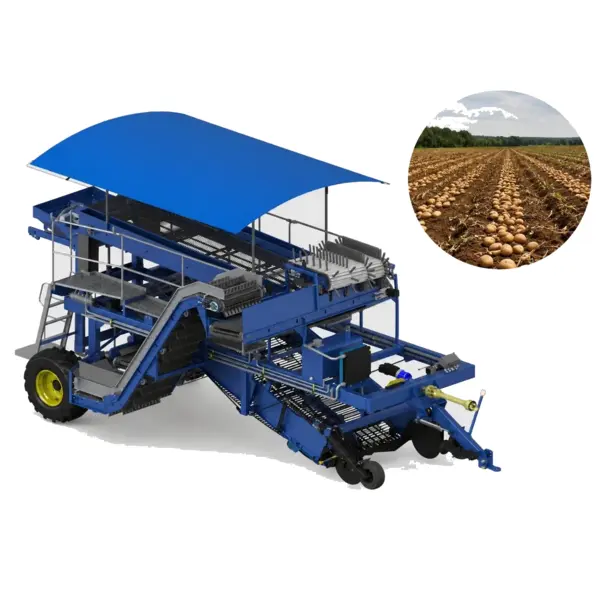
تُعتبر آلة EP-CWB-2L أكثر الآلات التي تتطلب عمليات لوجستية مكثفة في شركة واتانابي مجموعة آلات البطاطس لا يقتصر التغيير على كيفية حصاد البطاطس فحسب، بل يشمل أيضاً كيفية تعبئتها ومعالجتها ونقلها وعرضها على المشترين. حفارة البطاطس EP-AWB-1600 يقوم جهاز EP-CWB-2L بتعبئة أكياس FIBC (حاوية وسيطة مرنة) سعة 500 كجم مباشرة من الحقل، مما ينتج وحدات مكتفية ذاتيًا، موزونة، وقابلة للمناولة يمكن نقلها مباشرة من الحصاد إلى الرافعة الشوكية إلى التخزين البارد إلى الشاحنة إلى المشتري دون نقل سائب.
يغطي هذا الدليل المواصفات المؤكدة لـ EP-CWB-2L، واللوجستيات التشغيلية لإدارة حصاد الأكياس الكبيرة في ظروف المرتفعات الكورية، ونظام الفرز المتكامل الذي يسمح لـ EP-CWB-2L بفصل شظايا الحجارة والمواد الصلبة عن الدرنات قبل ملء الأكياس، وتأثيرات إزالة الحجارة على أداء آلية الفرز، وملفات تعريف عمليات المزرعة التي يكون فيها نظام الأكياس الكبيرة هو خيار الحصاد الصحيح مقارنة بنظام المصعد السائب الخاص بـ EP-AWB-1600 Kit B.
المواصفات المؤكدة لـ EP-CWB-2L
جميع المواصفات مأخوذة من كتيب منتجات واتانابي الرسمي.
كيف يعمل نظام الأكياس الكبيرة - من المشاركة إلى تعبئة أكياس FIBC
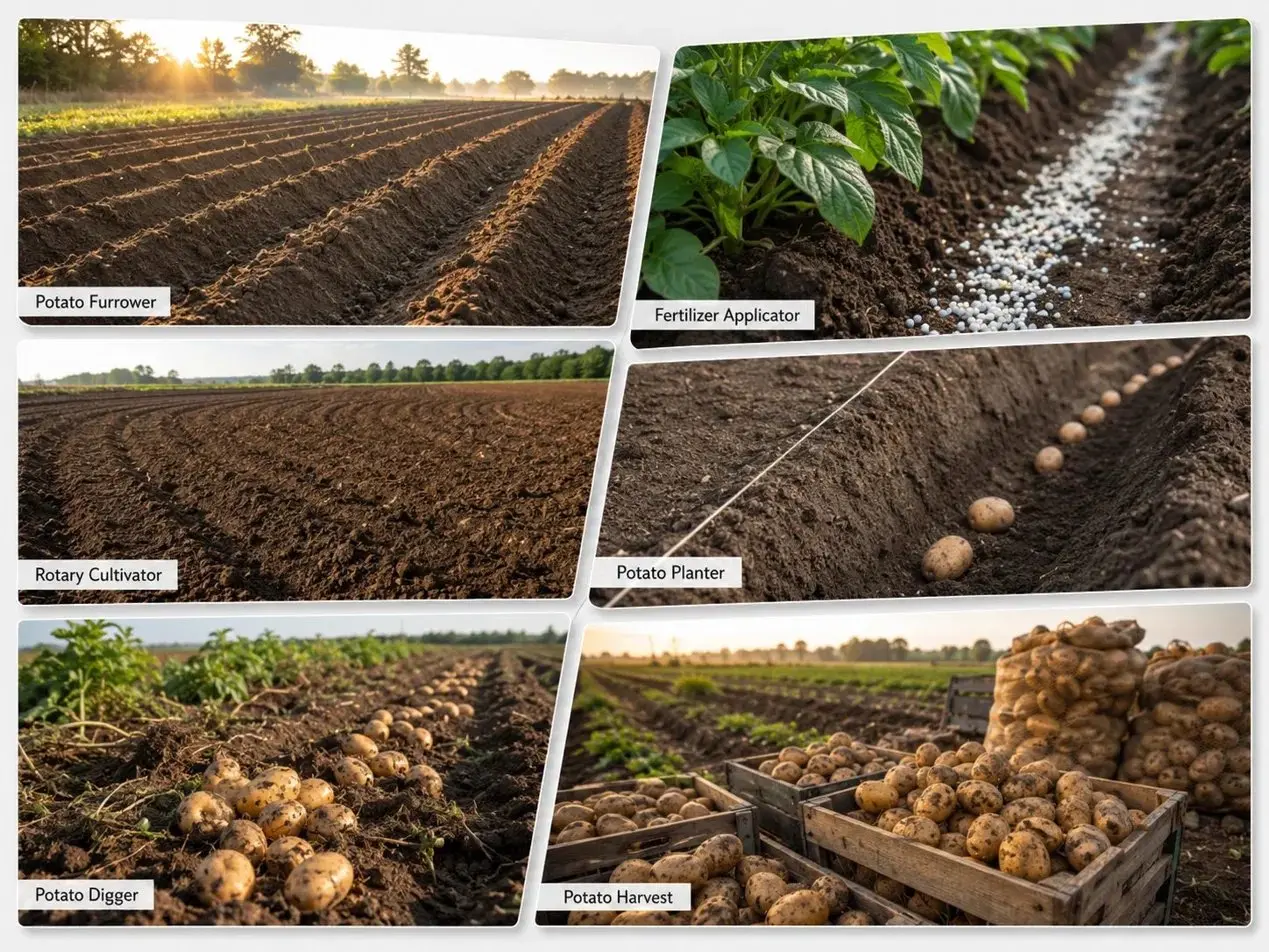
يختلف التسلسل التشغيلي لآلة الحصاد EP-CWB-2L اختلافًا جوهريًا عن نظام المصاعد السائبة في آلة الحصاد EP-AWB-1600. ويوضح فهم هذا التسلسل سبب بطء عملية الحصاد في الأكياس الكبيرة من حيث سرعة التقدم، ولكن تسارعها من حيث الخدمات اللوجستية الشاملة من الحقل إلى السوق.
مقارنة بين المصاعد الكبيرة والمصاعد المخصصة لنقل البضائع السائبة - متى يكون لكل نظام استخداماته المناسبة
| الأبعاد | EP-CWB-2L (حقيبة كبيرة) | EP-AWB-1600 Kit B (مصعد البضائع السائبة) |
|---|---|---|
| تنسيق المجموعة | أكياس FIBC سعة 500 كجم - منفصلة، قابلة للوزن، قابلة للرفع بواسطة رافعة شوكية | تدفق مستمر بكميات كبيرة إلى مقطورة الجرار |
| التصنيف الميداني | نعم - تمت إزالة الأحجار والكتل والحصى الصغيرة قبل الردم | فصل الشبكة فقط - لا يوجد تصنيف للحجم في الحقل |
| خطوات معالجة ما بعد الحصاد | الحد الأدنى - تنتقل الحقيبة مباشرة من الحقل إلى المخزن البارد ثم إلى السوق | متعدد: من المقطورة إلى منطقة الاستقبال إلى آلة التسوية إلى خط التعبئة إلى الأكياس |
| خطر الإصابة بالكدمات | أعلى لكل مرحلة نقل (إنزال الحقائب، الرافعة الشوكية) | موزعة عبر نقاط معالجة متعددة |
| أفضل قناة تسويقية | السوق المباشر، التصدير، سلسلة متاجر السوبر ماركت (عرض عالي الجودة) | تجارة الجملة التعاونية، وتوريد التجهيز، والسلع بالجملة |
| متطلبات إزالة الأحجار | Strictest - تتدهور كفاءة آلة التسوية بسرعة مع زيادة حمولة الحجارة | معيار عدم التسامح مطلقاً (ينطبق على جميع آلات حصاد البطاطس) |
| العمل في موسم الحصاد | جرار واحد + رافعة شوكية واحدة (أو رافعة تلسكوبية) لتبديل الأكياس | جرار واحد + مقطورة أو مقطورتان لجمع النفايات + جرار إضافي للاستبدال |
نظام التصنيف المتكامل - كيف يؤثر إزالة الأحجار بشكل مباشر على أداء آلة التصنيف
يُعد نظام الفرز المتكامل في جهاز EP-CWB-2L العنصر الأساسي الذي يجعل التوريد المباشر للسوق في أكياس كبيرة الحجم مجديًا، حيث يقوم بإزالة الحجارة المتبقية وكتل التربة والدرنات الصغيرة من مسار تعبئة الأكياس قبل إغلاقها وإرسالها إلى السوق. وبدون هذه الخطوة الميدانية للفرز، سيتطلب كل كيس وزنه 500 كجم عملية فرز إضافية قبل البيع. ويعتمد أداء نظام الفرز بشكل حاسم على المواد المدخلة التي يتلقاها من فاصل الشبكة، وبالتالي يعتمد بشكل مباشر على جودة إزالة الحجارة في الخطوتين 1 و2.
في الحقول التي تم تنظيفها بالحجارة
يستقبل جهاز الفرز تيارًا غنيًا بالدرنات وجزيئات التربة الناعمة مع الحد الأدنى من شظايا الحجارة. تعمل آلية الفرز بكفاءة عند عتبة الكثافة المُعايرة لفصل الدرنات عن الحجارة دون أن تتأثر بحجم المواد. معدل رفض الحجارة منخفض (عدد قليل من الحجارة المراد رفضها)، وتدفق المواد عبر جهاز الفرز سريع، ومعدل تعبئة الأكياس يتوافق مع السعة التشغيلية المصممة. محتويات الكيس عند امتلائه عبارة عن درنات نظيفة ومصنفة جيدًا، تلبي معايير العرض في السوق مباشرةً دون الحاجة إلى مزيد من المعالجة.
في الحقول غير الممهدة
يؤدي ارتفاع نسبة الحجارة الداخلة إلى آلة الفرز إلى إعاقة آلية الفصل، حيث تتراكم الحجارة التي يجب رفضها في منطقة الفرز، مما يستدعي إزالتها يدويًا أثناء توقفات التشغيل. ولا يمكن إرسال الأكياس الملوثة بالحجارة (نتيجةً لإعاقة الفرز وتسرب الحجارة إلى خط التعبئة) إلى السوق مباشرةً، إذ يجب فحص كل كيس يدويًا وإعادة فرزه. والنتيجة العملية لذلك هي أن الميزة الرئيسية لآلة EP-CWB-2L (التوصيل المباشر من الحقل إلى السوق دون إعادة معالجة) تُفقد في الحقول غير المُنظفة. فتصبح الآلة حصادة باهظة الثمن دون فائدتها التشغيلية الأساسية.
الخدمات اللوجستية لأكياس FIBC - تخطيط نظام التناوب في المناطق النائية
بوزن 500 كيلوغرام للكيس الواحد، وبمعدل إنتاج نموذجي في المرتفعات الكورية يبلغ 30 طنًا للهكتار، تقوم آلة الحصاد EP-CWB-2L بتعبئة 60 كيسًا لكل هكتار محصود. في يوم حصاد مساحة 5 هكتارات، يجب تعبئة 300 كيس، وتبديلها، وتخزينها عند رأس الحقل. يُعدّ تخطيط نظام تدوير الأكياس قبل بدء الحصاد أمرًا بالغ الأهمية لمنع تحوّل رأس الحقل إلى نقطة اختناق تشغيلية تعيق عملية الحصاد.
المعدات المطلوبة:
يجب أن تكون الشوكة الأمامية المثبتة على الجرار، سواءً كانت رافعة شوكية أو رافعة تلسكوبية، قادرة على رفع ما لا يقل عن 600 كجم. يجب أن تتمكن الشوكة من الوصول إلى منطقة تجميع أكياس الحصاد بسرعة كافية لتبديل الأكياس خلال فترة دوران جرار الحصاد المعتادة (3-5 دقائق) عند نهاية الحقل. أي تأخير في تبديل الأكياس يتجاوز وقت دوران جرار الحصاد يعني انتظاره، وكل دقيقة انتظار تقلل من كمية الحصاد اليومية.
متطلبات منطقة التجهيز:
يجب أن تستوعب منطقة التخزين عند رأس الحقل كمية الأكياس الممتلئة المتراكمة خلال اليوم (حتى 300 كيس × 0.81 متر مربع لكل كيس = 240 متر مربع مساحة الأكياس على المنصات) بالإضافة إلى ممرات وصول الرافعة الشوكية. بالنسبة للمزارع التي تحصد على مدار عدة أيام، يجب نقل الأكياس الممتلئة من اليوم الأول إلى المخزن المبرد قبل أن يصل محصول اليوم الثاني إلى أقصى طاقته الاستيعابية عند رأس الحقل. يساهم تخطيط جداول نقل الأكياس إلى المخزن المبرد بما يتناسب مع معدل امتلاء الأكياس اليومي في منع ازدحام منطقة التخزين.
تجهيز الحقيبة الفارغة مسبقًا:
جهّز مسبقًا كمية من أكياس FIBC الفارغة تكفي ليوم واحد عند مدخل الحقل قبل بدء الحصاد، وليس في كومة واحدة تتطلب استخدام رافعة شوكية أثناء الحصاد. رتّب الأكياس الفارغة في مجموعات من 5 إلى 10 أكياس عند كل نقطة وصول في مدخل الحقل، بحيث يسهل على سائق جرار الحصاد استبدالها بسرعة دون الحاجة إلى رافعة شوكية لكل كيس على حدة. يزن كل كيس FIBC فارغ ما بين 3 إلى 5 كيلوغرامات فقط، ويمكن حمله يدويًا لتركيبه على المحصول.
أي العمليات الكورية تناسب نظام الحقيبة الكبيرة
لا تُعدّ آلة حصاد البطاطس EP-CWB-2L الخيار الأمثل لجميع عمليات زراعة البطاطس في كوريا. أربعة أنواع من العمليات تُمثّل أفضل استخداماتها في السوق الكورية:
✓
سلسلة التوريد المباشرة من السوبر ماركت أو متاجر التجزئة المتميزة. تتجه سلاسل المتاجر الكورية الكبرى (إي مارت، لوت مارت، هوم بلس) بشكل متزايد إلى استيراد بطاطس المرتفعات في عبوات FIBC أو ما يعادلها، وذلك لوزنها وتعبئتها داخل المتجر مباشرةً من المزرعة، بدلاً من نقلها بكميات كبيرة. يتوافق نظام فرز البطاطس في الحقل EP-CWB-2L، وحجم أكياسه البالغ 500 كجم، مع هذا النمط من التوريد المباشر. وتُعد المزارع التي تُورّد إلى قنوات التوزيع المباشر المتميزة، حيث يُبرر السعر المرتفع مقارنةً بالتوريد التعاوني الاستثمار الإضافي في الحصادات، السوق الكورية الرئيسية للأكياس الكبيرة.
✓
عمليات توريد الصادرات. يتطلب تصدير البطاطس الطازجة الكورية (بشكل أساسي إلى اليابان وجنوب شرق آسيا) أوزان تعبئة ثابتة، ومنتجًا نظيفًا، وأقل قدر ممكن من عمليات المعالجة بعد الحصاد التي قد تُسبب التلوث أو الكدمات. تُعد أكياس FIBC المُصنّفة والموزونة والمُغلقة من الحقل، والمُستخدمة في طراز EP-CWB-2L، هي الشكل المُفضّل لعمليات تجميع التصدير، حيث يحصل المستورد على وحدة منتج ذات وزن ونوعية معروفين دون الحاجة إلى إعادة معالجة.
✓
عمليات التخزين البارد بدون بنية تحتية لخطوط الفرز. يمكن لمزارع المرتفعات الكورية التي تمتلك مرافق تخزين مبردة ولكن بدون خط فرز ميكانيكي منفصل، استخدام نظام الفرز الميداني EP-CWB-2L للاستغناء عن تركيب نظام فرز ما بعد الحصاد. تنتقل الأكياس مباشرة من الحقل إلى رفوف التخزين المبرد، متجاوزةً بذلك خطوة الفرز التي كانت ستتطلب استثمارًا في منشأة منفصلة.
✗
غير مناسب: التوريد التعاوني بالجملة أو التوريد التعاقدي للمعالجة. تتلقى التعاونيات ومصانع رقائق البطاطس كميات كبيرة من البطاطس بأسعار ثابتة من المزارع، إلا أن استخدام الأكياس الكبيرة يزيد التكلفة والتعقيد دون إضافة قيمة للمشترين الذين يمتلكون بنية تحتية خاصة بهم للاستلام والفرز والمعالجة. بالنسبة لهذه القنوات، يُعد نظام الحصاد EP-AWB-1600 المزود برافعة Kit B لنقل البطاطس السائبة إلى المقطورة هو النظام الأمثل والأقل تكلفة.
صيانة جهاز التسوية EP-CWB-2L - تنبيهات نظام التسوية
يتطلب نظام الفرز في آلة حصاد البطاطس EP-CWB-2L عناية خاصة تتجاوز الصيانة القياسية التي تشمل المسننات والشبكة والمحامل، والتي تُطبق على جميع آلات حصاد البطاطس. إذ يتعرض نظام الفرز لتدفق مستمر من التربة وقشور الدرنات وشظايا الحجارة الصغيرة، وهي مواد تتراكم على أسطح الفرز وتؤدي تدريجياً إلى تدهور دقة الفصل إذا لم يتم تنظيفها بانتظام.
| فاصلة | مهمة | علامة على الإهمال |
|---|---|---|
| بعد كل يوم حصاد | اغسل جميع أسطح آلة التسوية (الأسطوانات النجمية أو فواصل الفجوات) بضغط الماء. أزل أي تراكمات للأتربة أو قشور الدرنات من فجوات الفصل. افحص إعدادات فجوات آلة التسوية للتأكد من تباعدها بشكل متساوٍ. | مرور الحجارة إلى مجرى الردم؛ رفض الدرنات الصغيرة عندما كان ينبغي أن تمر؛ انخفاض معدل تدفق آلة الفرز بسبب مقاومة التراكم |
| أسبوعيًا خلال موسم الحصاد | قم بتشحيم جميع محامل أسطوانات آلة التسوية؛ تحقق من دوران الأسطوانة للتأكد من عدم وجود أي عائق؛ تأكد من سلامة إطار تثبيت الكيس (يتحمل دورات تحميل يومية تصل إلى 500 كجم). | أسطوانات الفرز تصدر صريراً؛ تشوه إطار الكيس تحت تأثير تحميل متكرر بوزن 500 كجم |
| التخزين بعد انتهاء الموسم | تفكيك كامل لآلة التسوية وتنظيفها؛ تشحيم جميع نقاط التحميل؛ فحص جميع أسطح الأسطوانات للتأكد من عدم وجود تآكل أو تلف؛ توثيق إعدادات الفجوة لضبطها للموسم القادم | يؤدي التآكل في فواصل الفجوات خلال موسم التخزين إلى تقليل دقة الفرز في الأكياس الأولى للموسم التالي |
الأسئلة الشائعة
كم عدد أكياس FIBC التي يملأها جهاز EP-CWB-2L في الساعة الواحدة عند معدل إنتاج البطاطس النموذجي في المرتفعات الكورية؟
بمعدل إنتاج 30 طن/هكتار، وأكياس وزنها 500 كجم، وسرعة حصاد تتراوح بين 1.5 و2.0 كم/ساعة، مع تباعد بين الصفوف 70 سم (صفان = 1.40 متر عرض عمل): تغطي آلة الحصاد EP-CWB-2L ما يقارب 0.21 هكتار/ساعة بسرعة 1.8 كم/ساعة، منتجةً ما يقارب 0.21 هكتار × 30 طن/هكتار = 6.3 طن/ساعة = 12-13 كيسًا في الساعة من وقت الحصاد الفعلي. مع مراعاة عمليات تبديل الأكياس عند نهاية الحقل والتنقل، يبلغ معدل تعبئة الأكياس اليومي الفعال (7 ساعات إنتاجية) ما يقارب 70-85 كيسًا يوميًا، أي ما يعادل 35-42 طنًا من البطاطس. وهذا يعني تغطية حصاد فعالة لآلة EP-CWB-2L تبلغ حوالي 1.2-1.4 هكتار/يوم، وهي أقل من تغطية حصاد آلة EP-AWB-1600 التي تتراوح بين 3-5 هكتار/يوم. يُعد معدل التغطية المنخفض هو المقابل للتصنيف الميداني وشكل الكيس المباشر - وهو مبرر فقط عندما تحقق ميزة الخدمات اللوجستية اللاحقة لشكل الكيس الكبير المصنف مسبقًا عائدًا اقتصاديًا يتجاوز فرق معدل التغطية.
هل يمكن تخزين أكياس FIBC من طراز EP-CWB-2L مباشرة في التخزين البارد القياسي دون تغليف إضافي؟
نعم، تُستخدم أكياس FIBC سعة 500 كجم كوحدة تخزين وحصاد في آنٍ واحد. عند وضعها على منصات نقالة في مخازن التبريد بدرجة حرارة تتراوح بين 3 و5 درجات مئوية للسوق الطازجة، أو بين 8 و10 درجات مئوية لمعالجة المحاصيل في منطقة الأطلسي، تسمح الأكياس بتدفق الهواء عبر نسيج FIBC (المنسوج وليس المغلق بغشاء بلاستيكي). يمنع هذا التخزين المُهَوِّي تراكم التكثيف الذي يحدث في الحاويات المغلقة بغشاء بلاستيكي. بالنسبة للتخزين المُطوَّل في دبيك (6 أشهر عند 3 درجات مئوية، بهدف الوصول إلى سوق فبراير)، يسمح نسيج FIBC المُهَوِّي بخروج غازات التنفس (ثاني أكسيد الكربون والرطوبة) الناتجة عن الدرنات الحية، بدلاً من تراكمها داخل الكيس وتسريع عملية كسر السكون. يتطلب التخزين المُطوَّل في أكياس FIBC فحصًا إداريًا واحدًا: فحص قاعدة الكيس للتأكد من عدم وجود أي تراكم للتربة أو التكثيف المتسرب، والذي قد يُؤدي إلى تعفن طري في منطقة تلامس قاعدة الكيس - يجب استبدال أي كيس تظهر عليه علامات تلوث القاعدة في غضون 72 ساعة من اكتشاف التلوث.
ما هو الحد الأدنى لمعيار إزالة الأحجار لكي تعمل آلة التسوية EP-CWB-2L بشكل صحيح؟
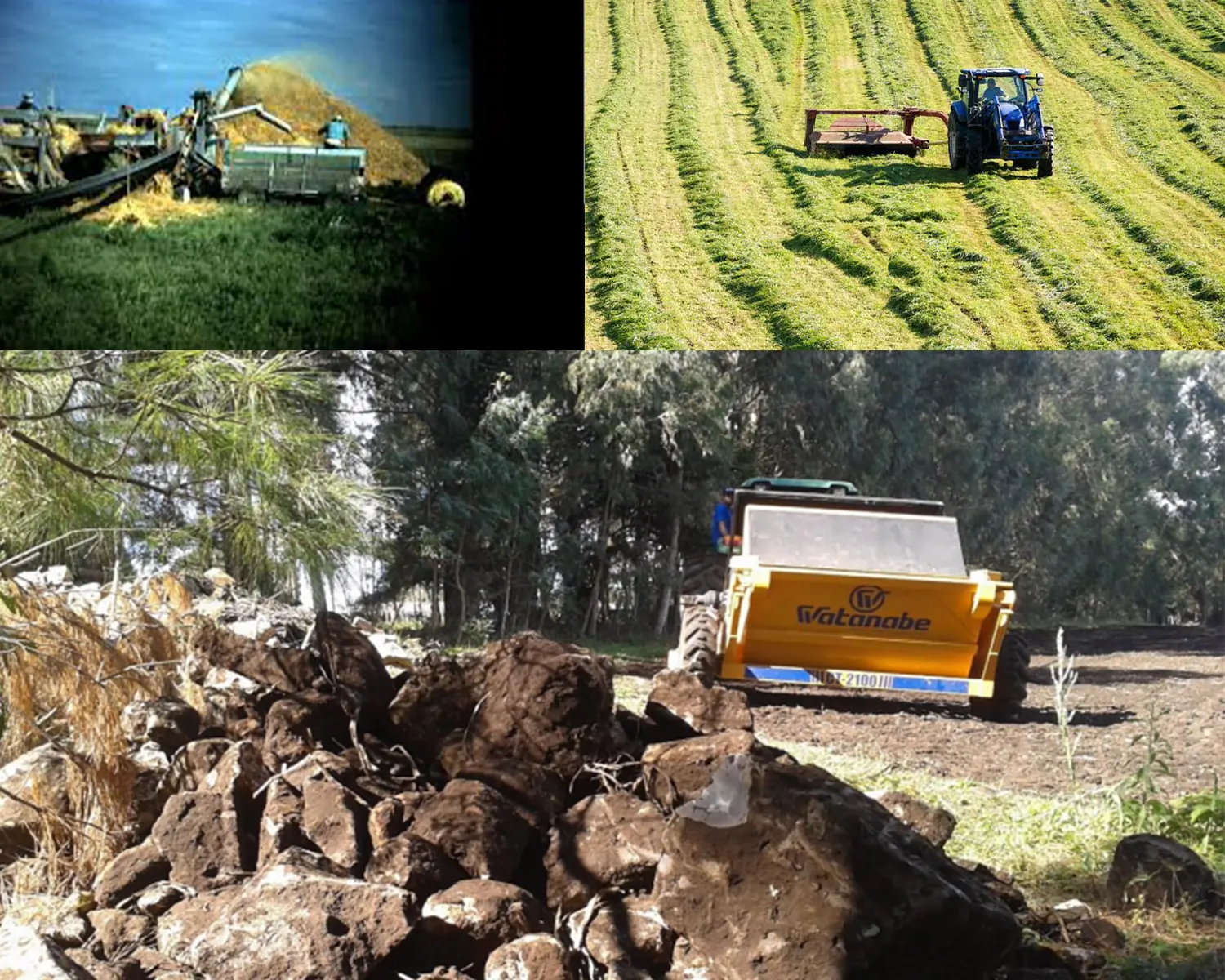
صُممت آلة التسوية EP-CWB-2L للتعامل مع الحصى المتبقية التي يقل حجمها عن 3 سم والتي تمر عبر فاصل الشبكة - حيث يمكن التعامل مع الحصى بهذا الحجم ضمن قدرة آلة التسوية على الرفض دون تحميل زائد على آلية الفصل. لم تُصمم آلة التسوية للتعامل مع كميات الحصى المعتادة من الحقول غير المُنظفة بشكل كافٍ حيث تبقى الحصى التي يزيد حجمها عن 5 سم في التربة. بالنسبة لعمليات EP-CWB-2L، ثور 2.4 يجب اعتبار معيار إزالة الأحجار CT-2100 ذي التفاوت الصفري (أقل من 3 سم من المخلفات) حدًا أدنى من المتطلبات وليس هدفًا للجودة، لأن أداء آلة التسوية مُعاير وفقًا لهذا الشرط. يجب على الحقول التي لم تُنظف وفقًا لمعيار التفاوت الصفري استخدام نظام EP-AWB-1600 ذي الأكياس الكبيرة بدلًا من نظام EP-CWB-2L ذي الأكياس الكبيرة حتى يتم استيفاء معايير الإزالة.
هل آلة EP-CWB-2L مؤهلة للحصول على إعانات الآلات الزراعية الكورية؟
نعم، تُعتبر آلة EP-CWB-2L مؤهلة ضمن برنامج دعم شراء الآلات الزراعية الكوري في فئة آلات المحاصيل المتخصصة (آلات حصاد البطاطس)، وهي نفس فئة آلة EP-AWB-1600. شركة Korea Watanabe حاصلة على شهادة اعتماد الآلات الزراعية الكورية لآلة EP-CWB-2L، وتُعدّ جميع وثائق الدعم مجانًا. ونظرًا لأن آلة EP-CWB-2L أكثر تخصصًا من آلة EP-AWB-1600، يُرجى التأكد من حالة الاعتماد الحالية مع شركة Korea Watanabe في ديسمبر قبل فترة التقديم في يناير، لضمان تجهيز أحدث وثيقة اعتماد لتقديمها.
هل يمكن للمزرعة تشغيل كل من EP-CWB-2L و EP-AWB-1600 على أقسام مختلفة من الحقل في موسم الحصاد نفسه؟
نعم، وهذا نهج عملي للمزارع التي تُورّد منتجاتها إلى قنوات تسويقية متعددة في آنٍ واحد. تقوم آلة الحصاد EP-CWB-2L بحصاد الأجزاء المخصصة للسوق المباشر المتميز أو للتصدير (حيث تُضيف أكياس الحصاد الكبيرة قيمةً إضافية). أما آلة الحصاد EP-AWB-1600 فتقوم بحصاد الأجزاء المخصصة للتوريد التعاوني بالجملة أو عقود المعالجة (حيث يكون التسليم بالمقطورات هو الخيار الأمثل). تستخدم كلتا الآلتين نفس الحد الأدنى من قوة الجرار (75 حصانًا) ونفس المسافة بين الصفوف (يتم التأكد منها أثناء عملية الحراثة). في المزارع التي تحتوي على جرار واحد، لا يمكن تشغيل الآلتين في وقت واحد، ولكن يمكن التناوب بينهما حسب الجدول الزمني الموسمي: تبدأ EP-CWB-2L بالأجزاء ذات القيمة العالية (حيث أن التوريد إلى السوق المتميز حساس للوقت بالنسبة لتسعير بداية الموسم)، ثم تستخدم EP-AWB-1600 لأجزاء التوريد بالجملة التي تتمتع بفترة تسليم أطول. أما المزارع التي تحتوي على جرارين، فيمكنها تشغيل كلتا الآلتين في وقت واحد على أجزاء منفصلة من الحقل لتحقيق أقصى معدل حصاد.
EP-CWB-2L مقابل EP-AWB-1600 - توصية النظام لقناة التسويق الخاصة بك
قناة التسويق (تعاونية / مباشرة / تصدير) + مساحة الحقل (هكتار) + نظام التخزين المبرد الحالي ← توصية بشأن الأكياس الكبيرة مقابل المصاعد السائبة مع مراعاة متطلبات معايير إزالة الأحجار. كوريا، واتانابي، أنسان، مقاطعة غيونغي.
المحرر: Cxm