CINNAMON PLANTATION APPLICATION

肉桂碎石机——斯里兰卡、印度尼西亚和越南

Cinnamon is the only commercial spice in this guide where the product is the tree’s own skin. Stone determines how thick that skin can grow — and how clean the wound is when it is peeled.

≥70% cin
Cinnamaldehyde — Grade 1
Sri Lanka 80%
World true cinnamon
2–3 yr
Branch harvest cycle

Cinnamon Plantation Consultation

Forty-seven articles into the E-series guide, the commercial products harvested from the crops described here have included fruits, seeds, capsules, roots, rhizomes, stigmas, leaves, flower buds, latex, oil, and even the sexual expression of a plant. Every one of these is produced by the living plant’s active biology — an organ that grows, develops, and is removed. Cinnamon (Cinnamomum verum J.Presl for Ceylon cinnamon; C. loureiroi Nees for Vietnamese Saigon cinnamon; C. burmannii Blume for Indonesian Cassia cinnamon) asks the series to consider a product type that none of the prior 46 crops has introduced: the tree’s bark — the protective outer covering that is stripped, not harvested; peeled away, not picked; a structural organ removed to reveal its commercial value rather than a reproductive organ grown to create it.

The bark-as-product paradigm changes the stone management argument in a structurally novel way. For all prior crops, stone restricted the root zone and the consequence was felt in the product zone — a physical or chemical reduction in what the plant produced in its fruit, seed, or leaf tissue. For cinnamon, stone restricts the root zone and the consequence is felt in the BRANCH CIRCUMFERENCE at harvest time: the diameter of the 2–3 year old shoot determines the grade of bark it will produce, and the diameter of that shoot is determined by the root system’s ability to supply the growth resources that determine branch size. Beyond this structural argument, cinnamon introduces the first bark-wound disease argument in the series: 肉桂疫霉 — the same organism that attacks avocado roots in E-12 — here enters through the exposed cambium surface created by bark peeling rather than through the root system, creating a disease pathway that operates above ground, at harvest time, and on a perennial cycle of cuts that stone-impeded drainage around the harvest stump keeps wet and vulnerable. The rock crusher for cinnamon application across Sri Lanka, Indonesia, and Vietnam addresses these new arguments through the same clearing equipment that the prior 46 articles have applied to fundamentally different biological targets.

Bark as Product — Stone Management’s New Commercial Category

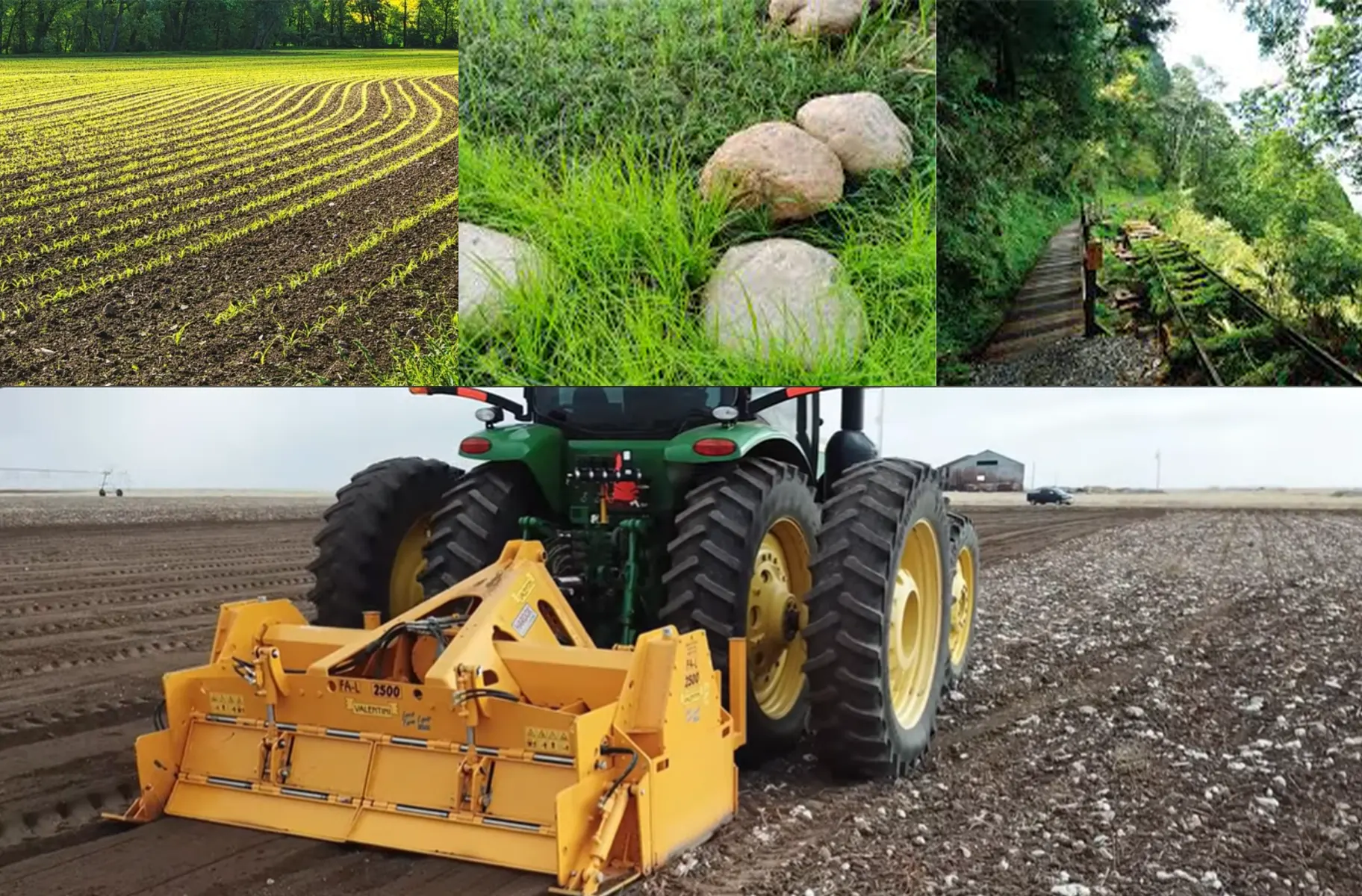
THOR 3.0 tractor rock crusher clearing cinnamon plantation in Sri Lanka Southern Province Matara district — on Sri Lanka Matara Galle and Kalutara district cinnamon farms the THOR 3.0 clears the laterite and gneiss stone from the 0-25cm cinnamon root zone; stone restriction of cinnamon roots reduces shoot growth vigor and branch diameter at the 2-3 year harvest age producing smaller diameter shoots that yield non-standard quill diameter Grade 3 bark rather than the 6-8mm Grade 1 Ceylon cinnamon quill

The cinnamon bark harvest process is unlike any other commercial agricultural operation. In Sri Lanka’s southern coast cinnamon belt (Matara, Galle, Kalutara districts), trained “peelers” — a skilled profession passed down through cinnamon-growing communities, requiring years of apprenticeship — select 2–3 year old shoots from the coppiced cinnamon bush at the correct stage of maturity (identified by a test-slit in the outer bark that shows the inner bark coming away cleanly). They make two longitudinal slits along each selected section and peel the outer bark away in segments, revealing the inner bark (the commercial product) which is then layered concentrically and rolled into the characteristic quill — the cylinder of stacked paper-thin cinnamon layers that is the world’s most recognisable spice format. No other commercial crop produces its commercial product through a process of deliberate, skilled dismantling of the plant’s own external architecture.

The branch diameter grade system and its root zone connection

Ceylon cinnamon commercial grade (Sri Lanka Cinnamon Authority / SLSI SLS 46) classifies quills by uniformity of diameter, bark thickness, and freedom from inclusions. The grade structure: Grade C1 (Extra Special/Ala grade): uniform 6–8 mm quill inner diameter, paper-thin bark, 3–5 layers per quill. Grade C2 (Special/Alba): 8–12 mm, thinner bark concentration. Grade C3 and below: irregular diameter, visible tears, coarser bark. These quill diameter specifications translate directly back to the branch diameter at harvest time: a 2-year-old shoot that has reached 2.0–2.5 cm in diameter produces Grade C1 quills; a shoot of 1.2–1.6 cm in diameter (from a stone-restricted root system with inadequate mineral and water supply) produces Grade C3 or below because the bark is too thin to layer correctly and the shoot’s small diameter makes it difficult to peel without tearing. The root zone stone restriction argument is therefore a branch circumference argument: stone at 8–20 cm in cinnamon’s shallow laterite feeder root zone prevents the root system from supplying the mineral nutrients (potassium for cell expansion, nitrogen for protein biosynthesis) that drive the internode elongation and branch diameter increase over the 2–3 year growing period before harvest. Sri Lanka Cinnamon Research Institute field data from Matara district confirms that root-zone-improved plots (following organic amendment and stone clearance trials) show 25–35% greater shoot diameter at equivalent age versus control plots on comparable stony laterite soil.

The coppice cycle compounding argument

Unlike most E-series crops where the production cycle is an annual event, cinnamon bark harvest is a 2–3 year cycle per shoot — but each bush produces new shoots continuously (coppice regeneration from the stump after peeling), meaning the plantation has a continuous overlapping cycle of shoots at different stages. A commercially productive cinnamon bush carries 8–15 shoots of varying ages, with 3–5 approaching harvest stage in any given year. Stone restriction affects ALL stages of this cycle simultaneously: the currently harvestable shoots are already smaller diameter (from stone restriction during their 2–3 year growth); the next-generation shoots growing from the freshly peeled stumps are establishing in the same stone-restricted root zone; and the long-term root system health that determines the bush’s productive lifespan (typically 40–60 years for a well-managed cinnamon bush) is continuously degraded by stone restriction at every stage. The compounding consequence of stone restriction in cinnamon is therefore more severe per harvest cycle than in annual crops, because each below-specification harvest cannot be remedied in the next season — the 2–3 year development period between harvests means that stone restriction’s effect is baked into the grade outcome of the entire coming harvest cycle before it becomes visible.

Cinnamaldehyde — The Bark’s Chemical Quality Gate

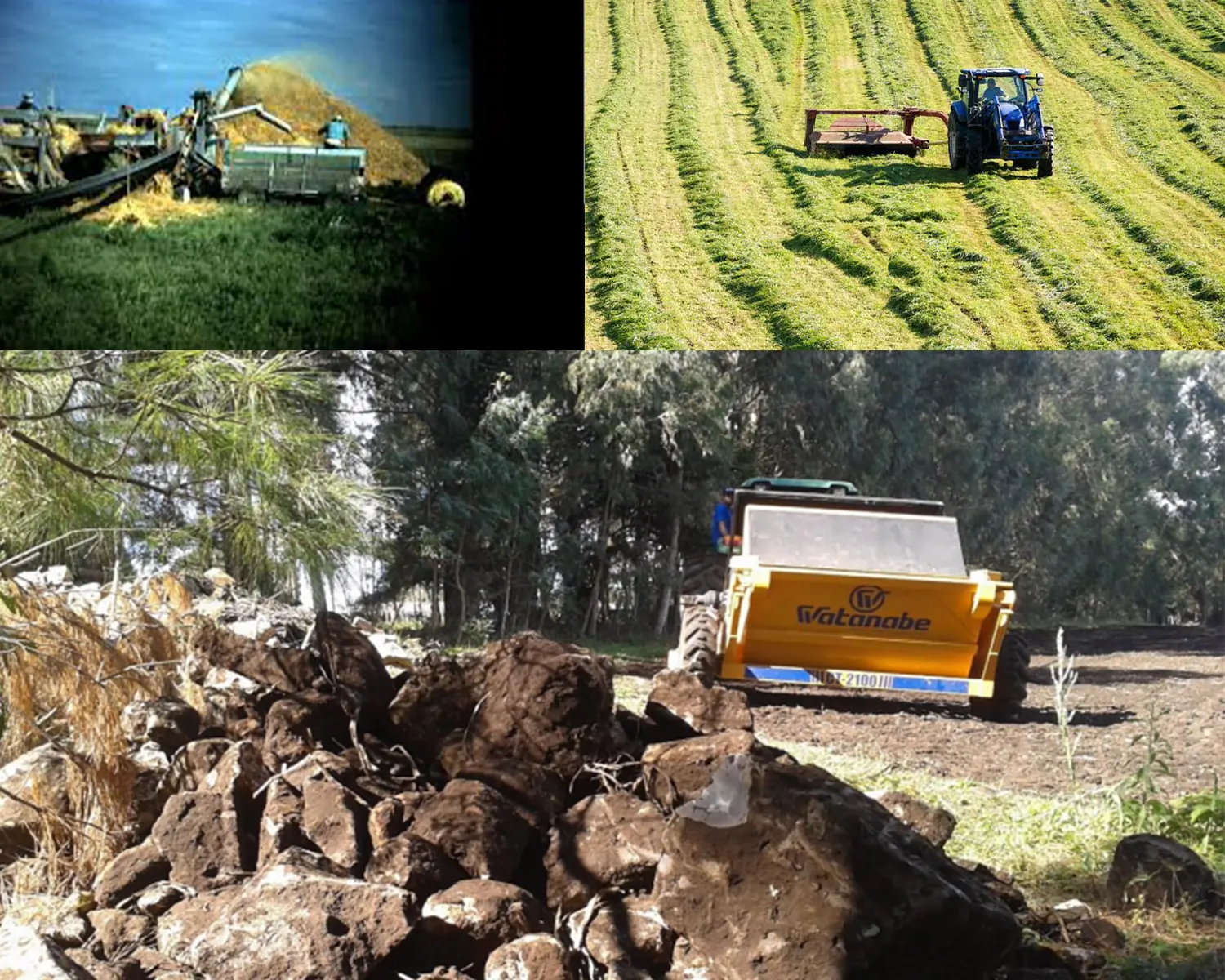
CT-2100 rock picker permanently removing laterite and gneiss stone from cinnamon plantation in Sri Lanka Galle district — after THOR 3.0 clearing the CT-2100 permanently removes the laterite stone fragments from the cinnamon root zone and coppice stump zone in Sri Lanka Southern Province; permanent stone removal improves iron availability for phenylalanine ammonia lyase PAL enzyme activity in the cinnamon bark phenylpropanoid pathway increasing cinnamaldehyde content in the harvested bark and improving Grade 1 Ceylon cinnamon volatile oil qualification

The commercial premium for cinnamon — both Ceylon cinnamon and the premium Vietnamese Saigon cinnamon — rests primarily on the volatile oil content and cinnamaldehyde percentage of the dried bark. ISO 6539 (Ceylon cinnamon) and ASTA Cinnamon Quality Standards both specify minimum volatile oil content (≥1.5% for Grade 1 Ceylon; ≥2.0% for Grade 1 Saigon) and minimum cinnamaldehyde proportion of the volatile oil (≥70% for Ceylon; ≥80% for Saigon/Cassia). These specifications determine whether cinnamon can enter pharmaceutical extract markets, premium food ingredient contracts, and the European specialty spice market where coumarin regulations create an additional premium for high-cinnamaldehyde, low-coumarin Ceylon cinnamon.

The phenylpropanoid pathway to cinnamaldehyde

Cinnamaldehyde (3-phenylprop-2-enal) is the primary volatile compound in cinnamon bark essential oil and the source of cinnamon’s characteristic warming aroma. It is synthesised in the bark tissue — particularly the inner bark (phloem parenchyma) where the essential oil concentration is highest — via the phenylpropanoid pathway: phenylalanine → trans-cinnamic acid (catalysed by phenylalanine ammonia lyase, PAL) → cinnamoyl-CoA → cinnamaldehyde (catalysed by cinnamoyl-CoA reductase, CCR). This is the same PAL-initiated pathway described for curcumin in turmeric (E-45), eugenol in cloves, and the general phenylpropanoid series in this guide — with the distinctive feature that in cinnamon, the pathway produces cinnamaldehyde specifically as the terminal volatile rather than directing the phenylpropanoid flux toward polyphenols, curcuminoids, or lignin. Iron (Fe²⁺) is the essential cofactor for the 4-electron oxidation at the active site of PAL (specifically for the tyrosine deaminase step that is biochemically equivalent to the phenylalanine deamination step in dicot PAL enzymes). Stone restriction of cinnamon feeder roots in the 0–20 cm laterite soil zone depletes plant-available Fe²⁺, reducing PAL activity and therefore the supply of trans-cinnamic acid that feeds the cinnamaldehyde synthesis pathway.

The coumarin regulatory distinction and why it amplifies the Ceylon premium

Coumarin is a naturally occurring lactone compound in cinnamon that forms from cinnamic acid via the same phenylpropanoid pathway through a branch reaction: cinnamic acid → ortho-hydroxycinnamic acid → coumarin. The coumarin content differs dramatically between species: Ceylon cinnamon (C. verum) contains typically 0.005–0.040% coumarin on dry weight basis. Vietnamese Saigon cinnamon (C. loureiroi) contains 0.08–0.20%. Indonesian Cassia (C. burmannii) contains 0.30–0.80%. EU Regulation EC 1334/2008 (as amended) limits coumarin to 50 mg/kg in baked goods, 10 mg/kg in seasonal products, and 2 mg/kg in beverages — limits that make high-coumarin Cassia effectively off-limits for high-consumption applications in the EU. This regulatory structure creates a structural market premium for Ceylon cinnamon in EU food markets: comparable cinnamaldehyde content, but minimal coumarin → unlimited EU application. Stone restriction of Ceylon cinnamon’s root zone reduces cinnamaldehyde content — potentially pushing a batch below Grade 1 specification in the EU premium market — while not changing the species’s naturally low coumarin characteristic. The clearing investment therefore protects the Ceylon premium’s chemical quality gate (cinnamaldehyde) without any risk to its regulatory advantage (coumarin already low by genetics, independent of stone management).

Phytophthora Cinnamomi — The Bark Wound Entry Argument

肉桂疫霉 Rands — the oomycete whose role in avocado root rot was described in this guide’s E-12 article — is also the most significant soil-borne pathogen of cinnamon globally. This is the first E-series article where the same pathogen species described in an earlier article reappears with a fundamentally different entry mechanism. In avocado (E-12): 肉桂假单胞菌 dispersed through waterlogged soil as zoospores and infected feeder root tissue — the entire argument operated underground, at root level, through saturated soil. In cinnamon (E-47): 肉桂假单胞菌 enters through the exposed cambium surface created when bark is peeled from a harvested shoot — an above-ground wound, at harvest time, requiring not soil saturation but puddle formation around the stump base to complete the splash-dispersal step.

The harvested stump as pathogen entry point

When a cinnamon peeler strips bark from a selected shoot, the shoot is typically cut close to the base, leaving a short stump section. The exposed cross-section and the longitudinal peeling wounds on adjacent un-harvested portions of the same branch reveal the cambium — the live meristematic tissue layer between bark and wood that is the most biologically active and pathogen-susceptible tissue in the shoot. This cambium exposure is brief (typically covered with healing callus within 10–20 days under dry conditions), but during that window, any 肉桂假单胞菌 zoospore that reaches the wound can penetrate the cambium and establish in the sapwood, from which it spreads basipetally (downward) into the main stump and rhizome.

How stone creates the zoospore pathway

Stone fragments around the cinnamon stump base create the drainage barriers described in cacao (E-38) and passion fruit (E-43): small puddles persist around the stump after rainfall, providing water that carries zoospores from inoculum in the soil to the freshly peeled stump surface. The key difference from cacao: there the splash reached UPWARD to pods at 30–80 cm. For cinnamon stumps, the peeled wound is at ground level or just above it — the puddle splash need only reach 5–20 cm to contact the cambium wound surface. The stone-drainage-puddle-zoospore chain is therefore MORE direct and requires less splash height for cinnamon than for cacao.

Stump death and harvest cycle loss

A cinnamon stump infected with 肉桂假单胞菌 shows dieback of new shoots within 3–8 months of infection — the coppice regrowth that would have produced the NEXT harvest cycle from this position is killed before it reaches harvestable size. Once the infection has reached the main root crown, the entire cinnamon bush position must be removed and the soil rested for 2–3 years before replanting (as 肉桂假单胞菌 persists in soil inoculum). On stone-impeded farms in Sri Lanka’s Matara district, stump dieback incidence from 肉桂假单胞菌 is documented at 15–25% of harvested stumps per year. On stone-cleared farms with improved drainage around stump bases: 4–8%.

The Phytophthora series in this guide — same pathogen, different entry every time

E-12 Avocado — P. cinnamomi
Root tissue entry through waterlogged soil. Horizontal dispersal through saturated soil to lateral feeder roots.
E-38 Cacao — P. megakarya
Vertical splash dispersal (30–80 cm height). Pod surface entry. Different species, above-ground infection.
E-47 Cinnamon — P. cinnamomi
Cambium wound entry through low-level puddle splash (5–20 cm). Same species as avocado. Different entry point, above-ground, at harvest. First repeated-species Phytophthora argument in series.

Three Markets — Sri Lanka, Indonesia and Vietnam

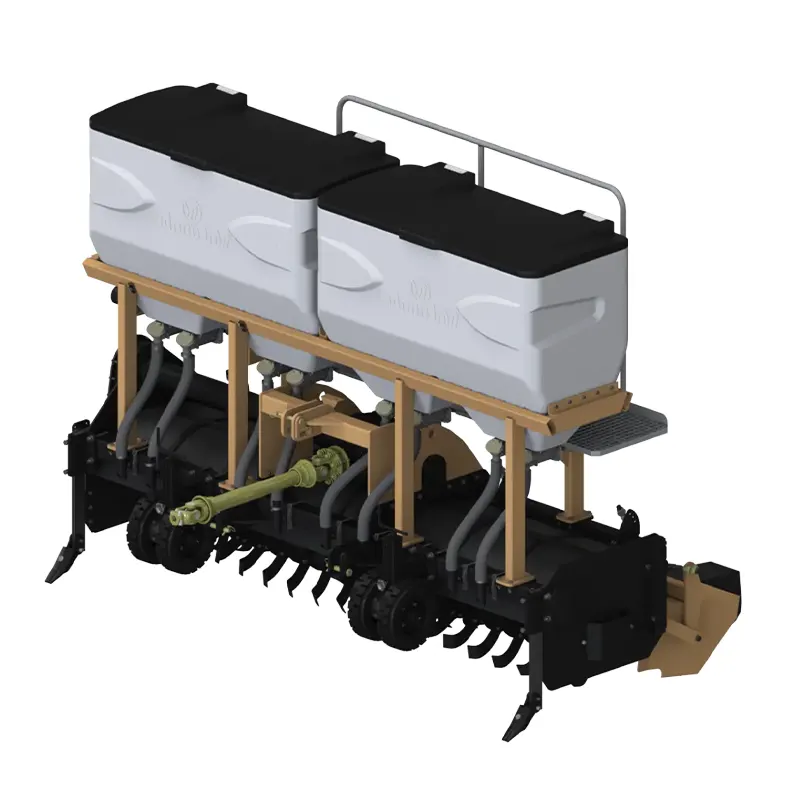
PSW-3200 rotavator completing cinnamon bush planting zone after THOR 3.0 clearing in Sri Lanka Matara district — after THOR 3.0 clearing of the laterite and gneiss stone the PSW-3200 at 1000 RPM creates the fine-tilth planting zone for cinnamon bush establishment and creates a well-drained stone-free zone around future coppice stump positions; the PSW-3200 organic matter incorporation improves iron availability for cinnamaldehyde PAL pathway activity

🇱🇰 Sri Lanka — Southern Province (Matara, Galle, Kalutara), North Western
World’s #1 — 80% of true Ceylon cinnamon
Sri Lanka’s Southern Province (Matara, Galle, Kalutara districts) is the heartland of C. verum cultivation, providing approximately 80% of the world’s genuine Ceylon cinnamon. The industry is organised around smallholder family farms (typically 0.5–3 ha), with bark peeling done by the family or by contracted peeler families. Geology: the Southern Province sits on Precambrian khondalite and charnockite basement (similar to Kerala, India — same geological formation extends from India through Sri Lanka). Stone type: reddish-brown laterite with angular khondalite and charnockite fragments at 8–22 cm depth (Mohs 6–7). THOR 2.4 at 18–26 cm (adequate for this hardness range at the shallow cinnamon root zone). The cinnamaldehyde quality argument is most commercially significant here because Ceylon cinnamon’s EU regulatory advantage (low coumarin) amplifies the value of maintaining high cinnamaldehyde — both must be in specification for premium EU market access. Sri Lanka’s Cinnamon Research Institute (CRI, Palolpitiya) and the Export Development Board (EDB) have active Ceylon cinnamon quality improvement programmes — confirm current eligible equipment support with EDB or the CRI under the Ministry of Plantation Industries.
🇮🇩 Indonesia — North Sumatra (Karo Plateau), West Sumatra (Kerinci Valley), Java
World’s #2 — Cassia/Korintje; volume leader
Indonesia produces primarily C. burmannii (Korintje or Padang cinnamon), grown in the volcanic highland zones of North Sumatra (around Lake Toba, the Karo Plateau) and West Sumatra (Kerinci Valley). Volcanic andosol soils (from Toba tephra deposits and Kerinci volcanic system) with basalt/andesite pyroclastic stone at 10–22 cm (Mohs 5–7). The stone management argument for Indonesia: the volcanic basalt stone in the Karo/Kerinci zones restricts root development in exactly the same way as Vietnam and Sri Lanka laterite soils — branch diameter reduction + cinnamaldehyde reduction through the same Fe-PAL mechanism. The coumarin situation in Indonesia: Indonesian Cassia has naturally higher coumarin (0.3–0.8% vs Ceylon 0.005–0.040%) which is not improved by stone clearing (it’s genetic). But cinnamaldehyde improvement from clearing still contributes to Grade 1 ASTA certification. THOR 3.0 at 18–26 cm for Karo/Kerinci volcanic (Mohs 5–7). Indonesia’s Directorate General of Estate Crops (Ditjenbun) and the BALITRO (Indonesian Spice and Medicinal Crop Research Institute) have cinnamon quality programmes — confirm current eligible support.
🇻🇳 Vietnam — Yen Bai (Lao Cai/Mu Cang Chai), Quang Nam, Quang Ngai
Saigon cinnamon — highest cinnamaldehyde in world
Vietnam’s C. loureiroi (Saigon or Vietnamese cinnamon) produces the highest cinnamaldehyde content of any commercial cinnamon — typically 2.5–4.5% volatile oil content with 80–95% cinnamaldehyde proportion, compared to 1.5–2.0% and 70–80% for Ceylon and 1.0–2.0% and 80–90% for Indonesian Cassia. This makes Vietnamese Saigon cinnamon the most potent commercially available cinnamon per unit weight for both culinary and pharmaceutical applications. Yen Bai Province (northern highlands) is the primary production area, growing at 800–1,500 m elevation on Paleozoic granite and schist soils. Stone type: weathered granite and quartzite grus at 10–25 cm (Mohs 6–7). The cinnamaldehyde argument is most commercially powerful here: Saigon cinnamon’s premium is entirely driven by volatile oil specification, and any stone-induced reduction from the 2.5% threshold that separates Grade 1 Saigon from standard Cassia grade is a commercially decisive loss. THOR 3.0 at 18–28 cm for Yen Bai granite grus. Vietnam’s Department of Agriculture and Rural Development (DARD) Yen Bai and NIAS (National Institute of Agricultural Sciences) have cinnamon agronomy programmes — confirm current eligible support.

Machine System — Root Zone, Stump Base and Pre-Peeling Drainage Protocol

1

THOR 2.4 或 3.0 — cinnamon root zone AND stump base zone, 18–28 cm

CINNAMON SPECIFIC: clearing must cover both (a) general root zone (for branch diameter and cinnamaldehyde arguments) AND (b) stump base zone within 25 cm radius of each cinnamon bush position (for 肉桂假单胞菌 drainage argument). Stump base zone clearing is the MOST URGENT because this is where 肉桂假单胞菌 dispersal occurs at bark harvest time — the wet stone-retained puddle at stump base is the infection pathway. Sri Lanka Southern Province khondalite/charnockite: THOR 2.4 at 18–26 cm. Indonesia Karo/Kerinci volcanic basalt: THOR 3.0 at 18–26 cm. Vietnam Yen Bai granite grus: THOR 3.0 at 18–28 cm. Timing: 4–6 weeks before planting new crop; also 4–6 weeks before the annual peeling season on established farms (so drainage improvement around stumps is established before fresh wounds are created).

2

CT-2100 型捡石机 — full collection; annual pre-peeling BlackBird pass

Full permanent collection of cleared stone. Annual 黑鸟牌岩石耙 pass 4–6 weeks before each peeling season: removes stone resurfaced through tillage and rain erosion in the inter-bush zone AND specifically clears any stone accumulation in the stump base zone (within 25 cm of each cinnamon bush base). The pre-peeling BlackBird pass is the second-most-valuable annual operation in the cinnamon stone management programme (after THOR): preventing 肉桂假单胞菌 stump infection by eliminating the puddle formation mechanism at the exact time when fresh bark wounds are about to be created.

3

PSW-3200旋耕机 — Fe chelation organic matter + stump base drainage

PSW-3200 at 1,000 RPM at 18–22 cm. Organic matter incorporation (20–35 t/ha composted plant material, preferably Fe-rich organic waste such as composted cinnamon bark scraps and leaf litter) improves Fe bioavailability via organic acid chelation — the primary mineral action for the PAL→cinnamaldehyde chain. Organic matter also improves drainage uniformity around stump bases, addressing the puddle formation that enables 肉桂假单胞菌 splash. PSW-3200 creates the crown zone condition for new bush establishment: the cinnamon bush root crown is the equivalent of the vine’s crown collar in passion fruit (E-43) — it needs to be in well-drained, stone-free, organically enriched soil at all times.

常见问题解答

Rock crusher for cinnamon — is the THOR operation safe to use in established cinnamon plantations with existing bushes, or does the cinnamon bush’s root system prevent operation between plants?

THOR operation in established cinnamon plantations requires careful spacing management. Cinnamon bushes in Sri Lanka are typically spaced at 2.5 m × 2.5 m or 3 m × 3 m, providing inter-bush passes of 2.0–2.5 m clear width. THOR can operate in rows between existing bushes at this spacing — the lateral root spread of established cinnamon bushes is approximately 60–90 cm from the base (significantly smaller than tree crops), meaning the central 80–120 cm of the inter-bush row is clear of the main root mat. THOR at 18–22 cm depth operating in the centre of the inter-bush row (at least 60 cm from each bush base) provides meaningful root zone improvement in the inter-row zone while avoiding the established bush root crown. For established bush stump base clearing (the 肉桂假单胞菌 drainage argument): manual stone removal (by hand or with a smaller implement) within 25 cm of each bush base is more appropriate than THOR in this very close proximity. A practical established-farm protocol: THOR in the inter-row centre passes (automated benefit for inter-row root zone and drainage) + BlackBird annual surface pass including stump base zones (removes surface/near-surface stone from stump drainage zone before peeling season) + manual stone removal at stump base (for stump-specific drainage improvement). Full THOR + CT-2100 + PSW-3200 protocol applies without restriction on new plantation establishment or complete replanting on cleared ground.

Is the branch diameter-to-grade correlation well-established in Ceylon cinnamon quality research, or is this an inference from general plant growth-resource relationships?

The relationship between shoot diameter and cinnamon quill grade is directly specified in Sri Lanka cinnamon grade standards (SLSI SLS 46 and SLSI SLS 3120) and is the basis for the bark peeler’s selection process — peelers choose shoots by diameter (assessed visually and by feel) as the primary criterion for harvest readiness. The Sri Lanka Cinnamon Research Institute (CRI, Palolpitiya) publishes guidelines that specify the target shoot diameter for optimal C1 quill production (1.8–2.5 cm at harvest age). Shoot diameter below 1.5 cm: typically produces Grade C3 or below because the bark section is too narrow for correct quill rolling geometry. This grade-diameter relationship is therefore a documented industry standard, not an inference. The connection between stone restriction and achieved shoot diameter is less directly documented in a controlled trial — CRI’s field improvement studies compare management inputs (fertiliser, drainage, organic matter) rather than stone clearance specifically. The chain (stone restriction → reduced mineral supply → smaller shoot diameter at equivalent age) is mechanistically established from the prior series work on root restriction effects on above-ground growth, but a specifically designed stone-clearance-versus-control trial measuring shoot diameter in Ceylon cinnamon at harvest age is a research gap in the existing literature.

For Vietnam’s Saigon cinnamon — does the significantly higher cinnamaldehyde content (2.5-4.5%) vs Ceylon (1.5-2.0%) mean that Saigon cinnamon is more resistant to stone-induced cinnamaldehyde reduction, since it starts from a higher baseline?

The baseline cinnamaldehyde content difference between species reflects genetic differences in the enzymes and regulatory factors governing the phenylpropanoid pathway’s terminal step (CCR activity toward cinnamaldehyde vs toward other phenylpropanoid products). Since the PAL enzyme’s iron-dependency is shared across both species, stone restriction reduces cinnamaldehyde precursor supply through the same Fe-PAL mechanism in both Ceylon and Saigon cinnamon. The question is whether the higher starting point protects Saigon from falling below the Grade 1 threshold: if Grade 1 Saigon requires ≥2.0% volatile oil with ≥80% cinnamaldehyde, and a stone-restricted Saigon farm achieves 2.5–3.0% volatile oil with 82–85% cinnamaldehyde (still above Grade 1 threshold), the commercial consequence may be smaller per unit than for Ceylon. However, the premium within Grade 1 Saigon is further differentiated: pharmaceutical extraction contracts for high-cinnamaldehyde Saigon (≥3.0% volatile oil) pay significantly more than standard Grade 1 (≥2.0%), and stone restriction that pushes a Saigon farm from 3.0% to 2.0% volatile oil drops it out of the pharmaceutical premium entirely. The argument is therefore: for Ceylon, stone clearing prevents Grade 2 failure; for Saigon, stone clearing maintains access to the pharmaceutical premium tier above the base Grade 1. The revenue consequence is comparable in magnitude despite the different baseline — it just manifests as tier failure vs pharmaceutical premium loss.

How does the P. cinnamomi stump entry argument differ mechanistically from the avocado root entry argument in E-12, and is the same fungicide approach applicable?

The mechanistic difference is at the point of entry and the stone management’s role in enabling dispersal. In avocado (E-12): 肉桂假单胞菌 zoospores disperse horizontally through saturated soil to reach feeder root surfaces; stone impedes drainage maintaining the saturated soil condition that enables this dispersal. In cinnamon: zoospores disperse via rain/water splash from puddles at the stump base, reaching the above-ground cambium wound; stone creates the puddle formation condition by impeding drainage. In avocado, the disease management response includes metalaxyl soil drench (addressing the root zone dispersal pathway). In cinnamon, metalaxyl soil drench addresses the soil-level zoospore production but cannot prevent splash dispersal from a puddle to an above-ground wound. The most effective management is the same in both cases but for different reasons: improve drainage to eliminate the water body (saturated soil in avocado; stump base puddle in cinnamon) that enables dispersal. Stone clearing achieves this drainage improvement in both cases. For cinnamon, copper hydroxide or phosphonite solution applied to fresh peeling wounds (wound protectant application at harvest) complements the drainage improvement — this is analogous to post-harvest rhizome wound treatment in turmeric (E-45), where chemical treatment of wounds provides additional protection but does not substitute for the prevention of wound creation. Korea Watanabe can provide an integrated stone clearing + wound management documentation package for cinnamon plantation operators upon request.

What is the ROI for cinnamon stone clearing in Sri Lanka — combining branch diameter grade improvement, cinnamaldehyde Grade 1 qualification, and P. cinnamomi stump protection across a 10-year production cycle?

For a 1 ha Sri Lanka Matara district Ceylon cinnamon smallholder farm (approximately 1,600 bushes/ha, khondalite laterite stone density 20–26% at 10–20 cm): Investment (THOR 2.4 + CT-2100 + PSW-3200 + annual BlackBird pre-peeling pass for 1 ha, 10-year period): approximately LKR 180,000–280,000 initial + LKR 25,000–40,000/year × 10 years = LKR 430,000–680,000 total (US$1,300–2,100 over 10 years). Benefits over 10-year cycle (producing approximately 3–4 bark peeling harvests per bush over 10 years): (1) Grade C1/C2 vs C3 improvement: stony site typically 35% C1, 40% C2, 25% C3. Cleared site: 65% C1, 28% C2, 7% C3. Revenue per ha per harvest year: 1,600 bushes × 1.2 kg bark/bush/harvest × 4 harvests/10 years = 7,680 kg total. Grade C1 LKR 800/kg, C2 LKR 500/kg, C3 LKR 200/kg. Cleared: (7,680 × 0.65 × 800) + (7,680 × 0.28 × 500) + (7,680 × 0.07 × 200) = 3,993,600 + 1,075,200 + 107,520 = LKR 5,176,320. Stony: LKR 3,749,760. Difference: LKR 1,426,560 (US$4,370) over 10 years. (2) P. cinnamomi stump protection: reducing stump death from 20% to 6% × 1,600 bushes × 1.2 kg/year × LKR 650/kg average × 10 years × 14% saved = LKR 1,747,200 (US$5,340). Total 10-year benefit: LKR 3,173,760 (US$9,710). Against investment LKR 430,000–680,000 (US$1,300–2,100): ROI 4.6:1 to 7.5:1 over 10 years. The P. cinnamomi stump protection argument provides nearly equal commercial benefit to the grade improvement argument — confirming that the Phytophthora bark wound argument is not secondary to the quality chain argument in commercial significance.

Rock Crusher for Cinnamon — Branch Diameter, Cinnamaldehyde and Bark Wound Protocol

Stone type + cinnamon species (Ceylon/Cassia/Saigon) + current grade distribution + P. cinnamomi history + harvest cycle + EU market target → Korea Watanabe provides the correct rock crusher for cinnamon root zone + stump base specification, Fe chelation programme and 10-year Grade C1 improvement ROI calculation.

编辑:Cxm

标签: