Se você pesquisou sobre equipamentos para remoção de pedras e se deparou com os termos “britador de pedras” e “coletor de pedras” em sua pesquisa, provavelmente notou que revendedores e empreiteiros usam esses termos quase como sinônimos — como se as duas máquinas fossem apenas versões em tamanhos diferentes da mesma coisa. Não são. Um britador de pedras e um coletor de pedras realizam funções fundamentalmente diferentes com as pedras que encontram, produzem resultados completamente distintos no campo e são adequados para aplicações agrícolas totalmente diferentes.
Escolher a máquina errada para sua cultura específica, tipo de terreno e condições de pedras é um erro caro — não apenas no preço da máquina, mas também nos custos subsequentes de refazer o trabalho de remoção de pedras, perdas na qualidade da colheita e danos à colhedora. Este guia foi escrito para evitar esse erro, fornecendo uma visão clara e tecnicamente precisa do que cada máquina faz e quais situações exigem qual ferramenta.
A diferença fundamental — o que acontece com a pedra
O aspecto mais importante a compreender sobre essas duas máquinas é o que acontece com a pedra depois de processada:
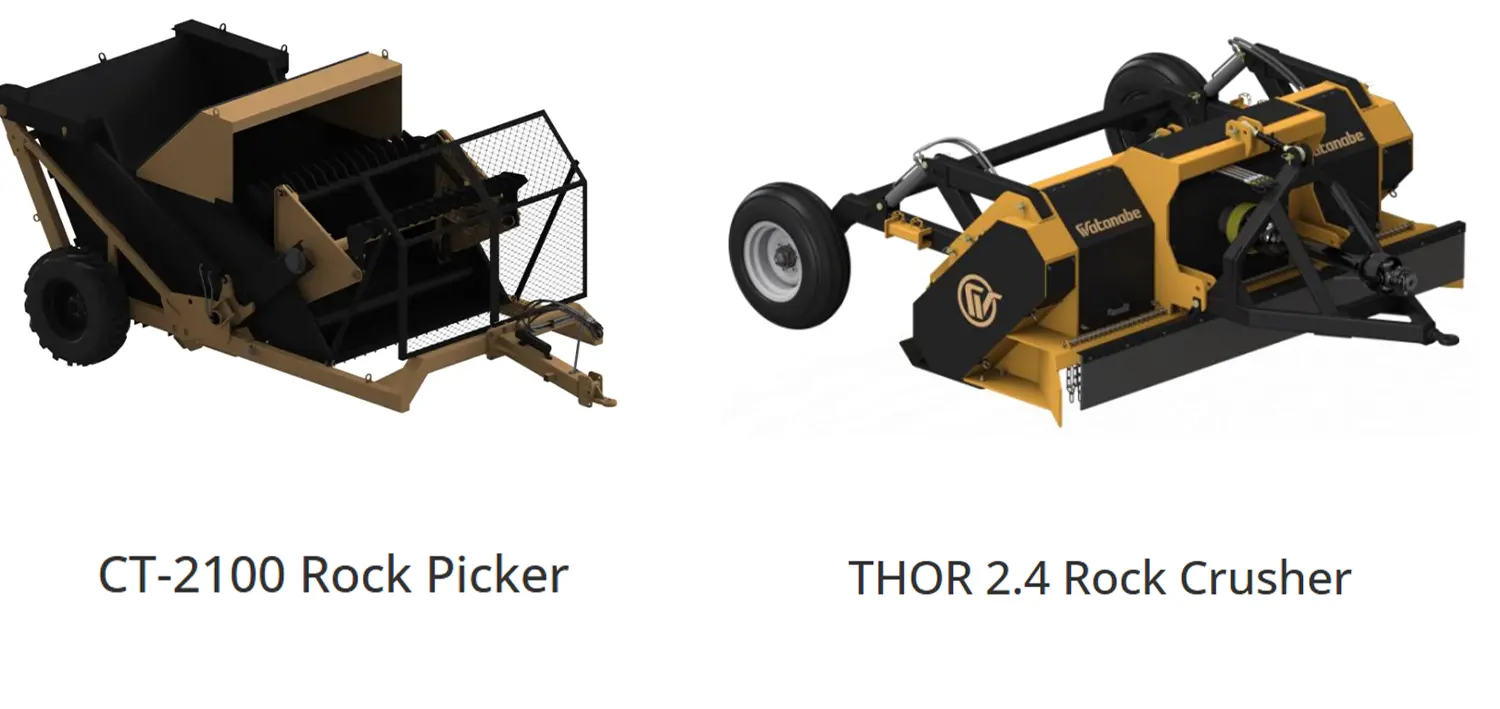
Um britador de pedras quebra rochas em fragmentos e os deixa no campo. O rotor giratório da máquina — equipado com dentes de ponta de carboneto — impacta a pedra em alta velocidade, fragmentando-a em pedaços menores. Esses pedaços passam então por uma grade de saída ajustável e caem de volta na superfície do campo como agregado britado. Nada é removido. Após a passagem da britadeira, o campo fica coberto por fragmentos de pedra de tamanho uniforme — desde cascalho até material fino, dependendo da configuração da grade. Esse agregado permanece permanentemente no campo.
Um catador de pedras retira pedras do campo e as carrega em um silo para posterior remoção. Os dentes de coleta da máquina varrem a camada superficial do solo, capturando pedras acima de um tamanho mínimo e depositando-as em um silo hidráulico. Quando o silo está cheio, ele se inclina para descarregar em um caminhão que aguarda. Após uma passagem completa de coleta em um campo sem pedras grandes incrustadas, a superfície fica limpa — todas as pedras recolhíveis foram fisicamente removidas do local.
Resumo em uma frase: O britador processa as pedras; o catador as remove. Tudo o mais decorre dessa distinção.
| Fator | Britador de pedra | Catador de pedras |
|---|---|---|
| O que acontece com a pedra? | Esmagado — permanece no campo | Coletado — removido do campo |
| Tamanho máximo da pedra que pode ser manuseada | Até 30–40 cm de diâmetro | Peso: até 80 kg |
| Potência mínima do trator | 180 HP (THOR 2.4) | 110 HP (CT-2100) |
| Também lida com vegetação? | Sim — tritura galhos simultaneamente | Não — apenas pedras |
| É necessário algum serviço de logística para o descarte? | Não — o agregado permanece no local. | Sim — caminhão e local de descarte |
| Produtividade | 0,8–2,0 ha/h | 0,8–1,2 ha/h |
Qual a máquina ideal para a sua fazenda? — Guia de decisão por tipo de cultivo e campo coreano.
A escolha da máquina certa depende quase que exclusivamente de dois fatores: o que você vai cultivar após a limpeza do solo e o tamanho das pedras incrustadas. Veja como os agricultores e empreiteiros coreanos nas principais zonas agrícolas tomam essa decisão:
Estradas rurais e limpeza geral de terrenos → Somente britador de pedra
Se você estiver construindo ou fazendo manutenção de uma estrada de acesso a uma fazenda — seja nas regiões montanhosas com pomares de Gangwon-do, nas estradas rurais de Gyeongsangbuk-do ou nos caminhos agrícolas de basalto da Ilha de Jeju — o britador de pedra é a solução completa e independente. O agregado britado permanece na base da estrada e se compacta naturalmente sob o tráfego de veículos, que é exatamente o que você deseja. Não há benefício em removê-lo. Triturador de pedra THOR 2.4 (180 HP, 2,4 m, Kit de barra de tração para trabalho em declives) é a máquina mais utilizada na construção de estradas agrícolas em áreas montanhosas na Coreia, pois combina britagem, trituração e operação segura em declives com modo de tração em um único implemento.
Campos de Ginseng → Primeiro o Triturador de Pedras, Depois o Catador de Rochas
A produção de ginseng exige o padrão de ausência de pedras mais rigoroso de qualquer cultura coreana. Um ciclo de rotação de 6 anos significa que qualquer pedra com mais de aproximadamente 2 cm que permaneça no solo no momento do plantio causará deformação das raízes na colheita — e raízes de ginseng deformadas são classificadas em categorias de qualidade inferior, representando uma perda direta de receita que se acumula ao longo de todo o período de cultivo. A região produtora comercial de ginseng do sul de Chungcheong (Geumsan-gun, Yesan-gun) opera com um padrão de solo que a remoção manual de pedras não consegue atingir de forma economicamente viável em larga escala.
A sequência profissional nas zonas de cultivo de ginseng da Coreia é a seguinte: primeiro, o triturador de pedras THOR (reduz todas as pedras grandes incrustadas a fragmentos, incluindo aquelas acima do limite de peso de 80 kg que um catador de pedras não consegue manusear), seguido por... coletor de rochas CT-2100 (110 HP, silo de 2,5 m³) para recolher todos os fragmentos triturados e carregá-los num camião para remoção. Nenhuma das máquinas sozinha consegue o resultado; a combinação consegue.
Pomares de maçãs, peras e cítricos → Esmagador necessário; colhedor opcional
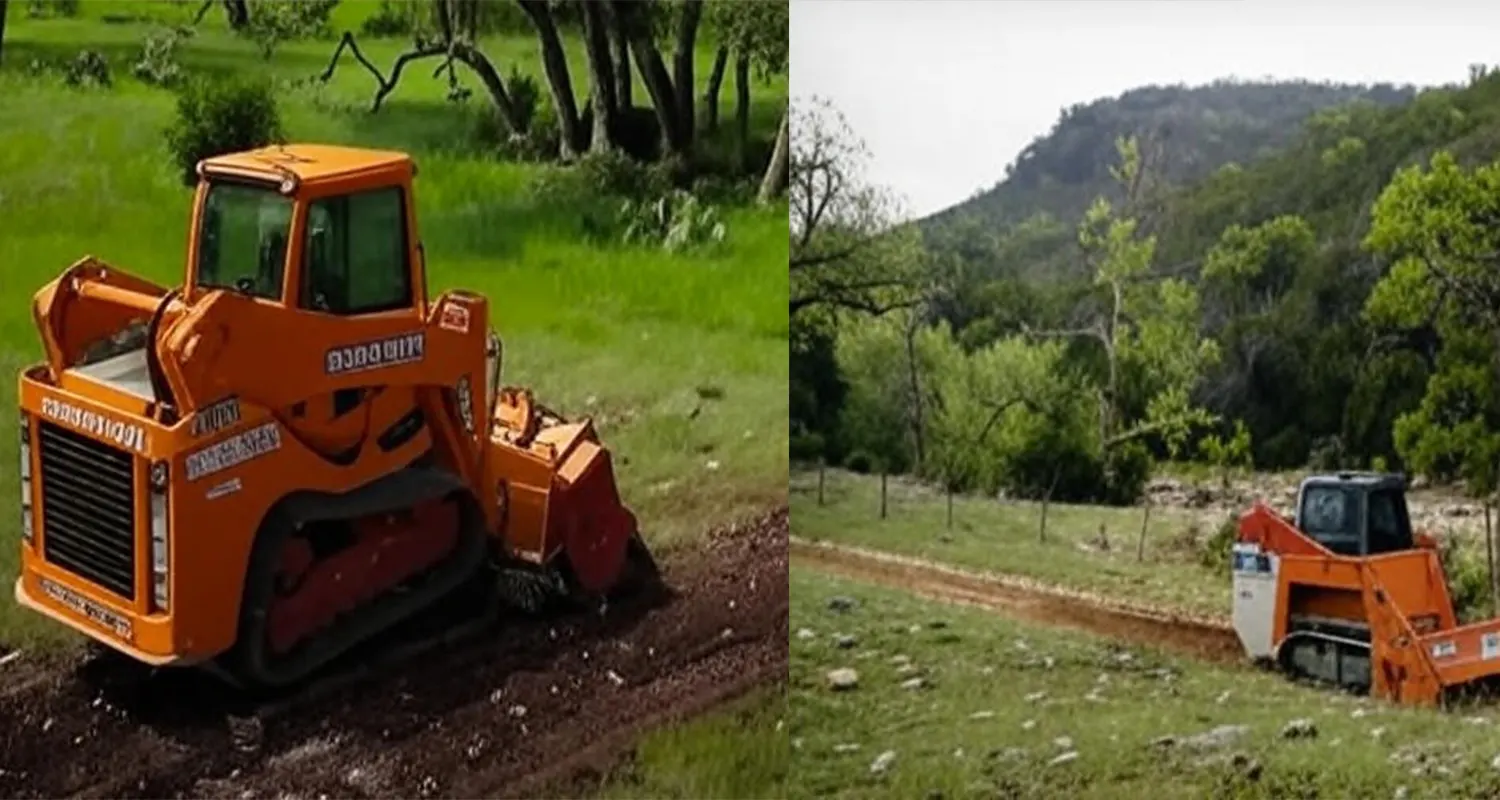
Para o estabelecimento de novos pomares em Gyeongsangbuk-do (Cheongdo, Yeongcheon para maçãs) e na Ilha de Jeju (citratos, hallabong), o britador de pedras THOR 2.4 realiza a limpeza inicial do terreno, produzindo um solo limpo e nivelado para o plantio de mudas e a instalação de irrigação por gotejamento. A principal característica operacional para pomares de montanha na Coreia é o modo de tração do Kit Drawbar: em declives acima de 20%, a montagem padrão de um implemento pesado no engate traseiro desestabiliza o eixo dianteiro do trator. O modo de tração redistribui o peso da máquina, mantendo ambos os eixos em contato com o solo na encosta. A necessidade de uma passagem subsequente com o coletor de pedras CT-2100 depende do tamanho dos fragmentos residuais — se a britagem resultar em fragmentos com menos de 5 a 8 cm, nenhuma limpeza adicional é necessária para o manejo do pomar; se os fragmentos permanecerem maiores, a passagem do coletor completa a preparação.
Produção de Batata e Vegetais → Ambas as Máquinas em Sequência
O padrão de qualidade fundamental para a produção de batata em Gangwon-do (Pyeongchang-gun, Hoengseong-gun, Inje-gun) é a ausência total de pedras na zona de colheita. As colhedoras mecânicas de batata têm dois problemas: pedras com mais de 3 a 5 cm danificam a plataforma de colheita, e o contato com pedras duras machuca os tubérculos durante o processo de separação. Ambos os tipos de danos podem ser evitados com a remoção completa das pedras antes do plantio. A sequência de três etapas — triturador THOR, colhedora CT-2100 e preparo do solo com rotocultivador PSW-3200 — tornou-se o protocolo padrão de preparo em fazendas comerciais de batata de altitude, pois atinge consistentemente o padrão de ausência total de pedras no leito de semeadura, exigido pela colheita mecânica.
E quanto a cargas de pedra mais leves? → Ancinho de pedra como primeiro passo
Em terrenos com pedras superficiais de peso moderado a leve, onde as pedras individuais geralmente têm menos de 80 kg e não há grandes blocos incrustados, a potência total de britagem de pedras do THOR pode não ser necessária. Nesse caso, o Ancinho de rocha EP-EW-4000 (75 HP, 3,6 m) varre as pedras da superfície para dentro de leiras com uma fração do custo de combustível, permitindo que a CT-2100 recolha dessas leiras organizadas de forma mais eficiente do que de uma superfície de pedras distribuídas aleatoriamente. Esta sequência de duas máquinas — rastelar e depois recolher — funciona bem nas limpezas anuais de manutenção devido ao congelamento e descongelamento do solo, onde a colheita da temporada anterior deixou o campo em condições razoáveis.
Quando o britador de pedra é a única solução adequada
Nem todas as aplicações exigem ambas as máquinas. Existem diversas situações comuns na agricultura e infraestrutura coreanas em que o britador de pedra — operando como uma unidade independente — oferece um resultado completo e satisfatório:
Construção e manutenção de estradas de acesso a fazendas. O agregado britado produzido pela THOR constitui a base da estrada. Removê-lo exigiria a importação de material de substituição, com custos e complexidade logística significativos. Deixe-o no local, compacte-o e você terá uma superfície de estrada estável para todas as condições climáticas. Este é o principal caso de uso da THOR 2.4 e da THOR 3.0 em comunidades agrícolas de montanha em Gangwon-do e nas terras altas de Gyeongsang.
Recuperação de terras para culturas não sensíveis. Para áreas em processo de conversão para grãos, pastagens ou outras culturas que toleram pequenos fragmentos de pedra (milho, sorgo, leguminosas, a maioria das espécies de gramíneas forrageiras), uma passagem com britador THOR seguida de preparo convencional do solo costuma ser suficiente. O agregado britado se incorpora ao perfil do solo ao longo das safras subsequentes e não causa danos aos equipamentos de colheita devido ao pequeno tamanho dos fragmentos produzidos pelo THOR.
Implantação de novo pomar em terrenos com pedrácio moderado. Em encostas que estão sendo desmatadas para o plantio de macieiras, pereiras, caquizeiros ou cítricos, onde a densidade de pedras é moderada e os fragmentos após a trituração têm menos de 5 cm, o THOR sozinho produz uma superfície suficientemente limpa para a instalação de irrigação e o plantio de mudas sem a necessidade de uma segunda passagem para a coleta de resíduos.
Ponto de entrada com restrição de custos. Para operações que estão iniciando a transição do manejo manual de pedras para a mecanização, a THOR 2.4, como primeira máquina, abrange a mais ampla gama de aplicações — construção de estradas, cobertura vegetal e processamento geral de pedras — enquanto a coletora de pedras CT-2100 é adicionada como segunda máquina quando o valor da colheita justifica o investimento adicional na remoção completa de pedras.
A sequência profissional de duas máquinas — Esmagar e depois escolher
Para a produção de culturas de alto valor agregado, onde não se exige nenhum resíduo de pedra, o britador de pedras e o separador de rochas funcionam como um sistema coordenado de duas etapas. Compreender a lógica por trás dessa sequência — e por que nenhuma das máquinas, isoladamente, alcança o mesmo resultado — evita o erro comum de escolher apenas uma e se decepcionar com o resultado.
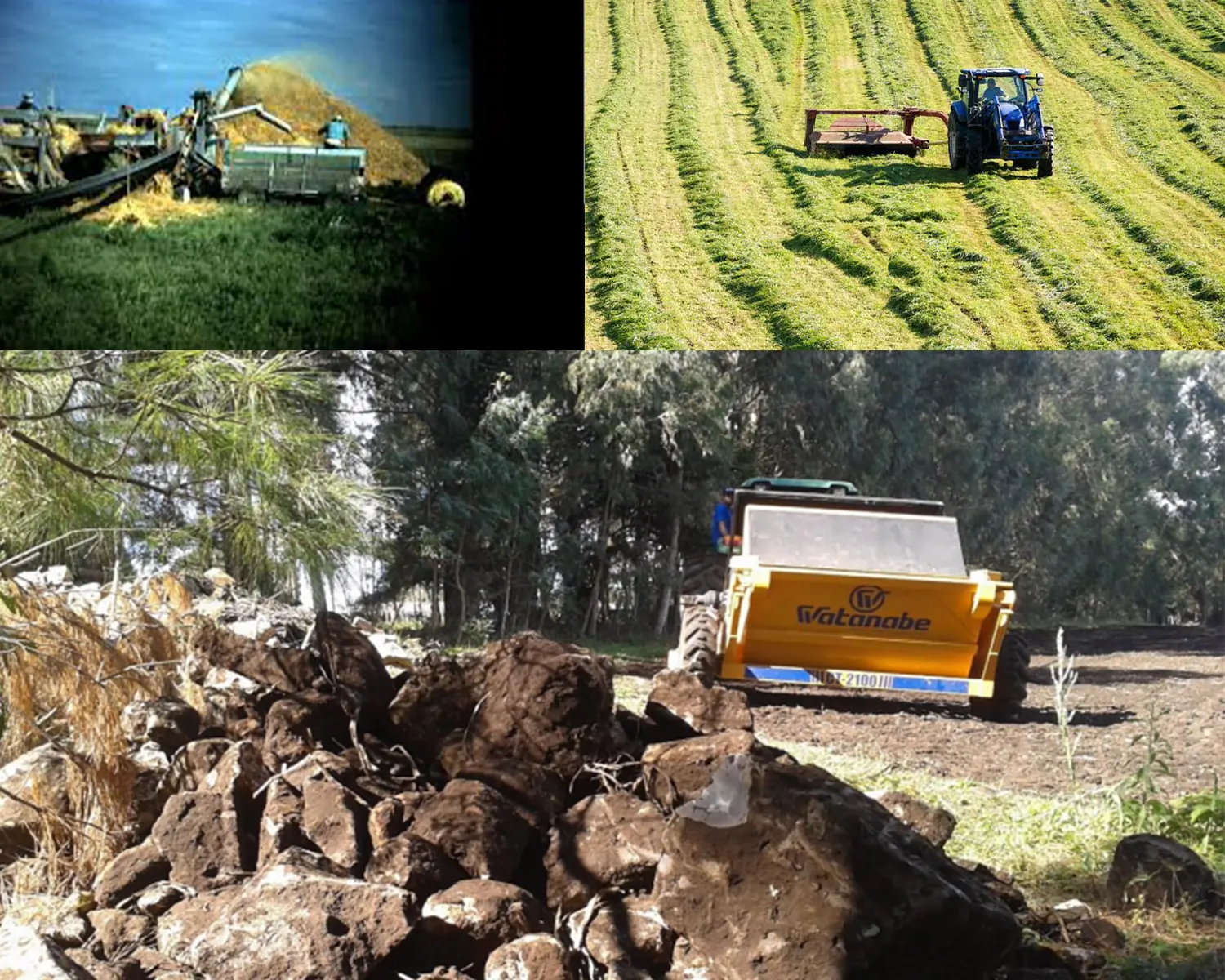
Etapa 1 — Triturador de Pedras: Reduza todas as pedras a um tamanho coletável.
O coletor de pedras (CT-2100) tem um limite máximo de peso de 80 kg. Em campos de granito das terras altas coreanas e basalto de Jeju, é comum encontrar pedras incrustadas com peso superior a esse limite. Um campo de ginseng com pedras pesadas em Geumsan-gun, por exemplo, contém regularmente blocos de granito individuais de 100 a 300 kg. Se o CT-2100 tentar coletá-los diretamente, os dentes da garra se desviam e a pedra permanece no campo. No pior dos casos, o mecanismo de coleta é danificado. O britador de pedras THOR resolve esse problema processando TODAS as pedras — incluindo aquelas muito acima do limite de 80 kg — em fragmentos abaixo do limite em uma única passagem. Após a passagem do THOR, todos os fragmentos de pedra no campo estão agora dentro do alcance de coleta do CT-2100.
Etapa 2 — Coletor de Pedras: Remova todos os fragmentos
Após a passagem do triturador THOR, a superfície do campo fica coberta por agregados de pedra britada — pedaços que variam de cascalho fino até aproximadamente 5–10 cm. Para ginseng e hortaliças de precisão, esses agregados não podem permanecer. O CT-2100 varre o campo a 3–5 km/h, recolhendo todos os fragmentos a partir de aproximadamente 5 cm de diâmetro e carregando-os no reservatório hidráulico de 2,5 m³. O reservatório bascula hidraulicamente para um caminhão. O resultado é uma superfície de campo sem nenhum fragmento de pedra a ser recolhido. O resultado combinado das Etapas 1 e 2: um campo completamente limpo, sem agregados na superfície, preparado para o preparo do solo com rotocultivador e o plantio.
Por que o triturador sozinho não é suficiente para culturas sensíveis
Em campos onde o agregado triturado remanescente após a passagem da britadeira THOR causaria problemas — deformação das raízes do ginseng, danos por contato da colhedora na batata, perfuração de tubos de irrigação em pomares — a colhedora é a segunda etapa necessária. Sem a colhedora, a britadeira deixa o campo com aparência de processado, mas ainda contendo material pedregoso em tamanhos que a cultura não tolera. O sistema de duas máquinas resolve tanto a restrição de pedras grandes (solucionada pela britadeira) quanto a necessidade de remoção completa (solucionada pela colhedora).
Perguntas frequentes
Um catador de pedras consegue lidar diretamente com grandes rochas incrustadas no solo, sem a necessidade de um britador prévio?
Não. O coletor de pedras CT-2100 é projetado para pedras de até 80 kg. Pedras com peso superior a esse — comuns em campos de granito das terras altas coreanas e basalto de Jeju — podem travar os dentes de coleta ou danificar o mecanismo. O britador de pedras precisa processar essas pedras grandes até que o peso fique abaixo do limite de 80 kg antes que o coletor possa recolhê-las. Em campos com pedras uniformemente pequenas, já abaixo de 30–40 kg (por exemplo, o congelamento e descongelamento anual de cascalho superficial), o coletor pode operar sozinho, sem a necessidade de uma passagem prévia do britador.
O agregado britado residual do processo THOR melhora ou prejudica a qualidade do solo?
Para a maioria dos solos e aplicações, a incorporação de agregados de pedra britada é neutra ou ligeiramente benéfica: melhora a drenagem em solos argilosos, não afeta significativamente o pH e se fragmenta ainda mais ao longo das safras subsequentes. A exceção são as aplicações de agricultura de precisão — ginseng, batata-semente certificada e produção de hortaliças premium — onde até mesmo pequenos fragmentos de pedra causam problemas de qualidade na colheita. Para essas culturas, todos os agregados devem ser removidos pelo coletor de pedras, independentemente do tamanho dos fragmentos.
Que tipo de trator preciso para o britador de pedras e qual para o coletor de pedras?
O britador de pedra THOR 2.4 requer um mínimo de 180 HP e tomada de força traseira de 1000 RPM com engate de categoria 2. O coletor de pedras CT-2100 requer um mínimo de 110 HP, engate de categoria 2, 2 válvulas hidráulicas remotas e vazão hidráulica de 60 L/min. Muitas fazendas coreanas com tratores de 110 a 140 HP podem operar o CT-2100 imediatamente; o THOR requer uma máquina maior. Se você já possui um trator com mais de 180 HP, começar com o britador THOR oferece a maior variedade de aplicações como primeiro investimento em máquinas.
Tenho tanto pequenas pedras na superfície quanto grandes rochas enterradas — qual é a sequência mais eficiente?
A sequência mais eficiente para um campo com condições mistas é a seguinte: (1) uma passagem com britador THOR — processa todas as pedras grandes enterradas e reduz as pedras da superfície a pequenos fragmentos simultaneamente; (2) passagem com coletor de rochas CT-2100 — coleta todos os fragmentos após a britagem. Essa sequência de duas passagens é mais rápida e econômica do que tentar separar as pedras grandes primeiro com uma escavadeira ou usar o coletor diretamente e parar repetidamente ao encontrar pedras grandes.
Existe algum tipo de rastelo para rochas acoplado a trator que funcione antes do britador ou da pá carregadeira?
Sim — o rastelo de pedras EP-EW-4000 (75 HP, 3,6 m de largura de trabalho) varre as pedras da superfície para dentro de leiras sem britá-las ou coletá-las. Em terrenos com menos pedras, onde não há grandes blocos enterrados, o rastelo de pedras é a primeira etapa eficiente antes da remoção das pedras das leiras pelo trator CT-2100. Ele requer menos potência do trator do que o britador THOR e é adequado para a limpeza anual do solo devido ao congelamento e descongelamento do solo em campos já em produção. Para terrenos com muitas pedras e grandes blocos enterrados, o britador THOR substitui o rastelo na sequência de trabalho.
Não tem certeza de qual máquina sua área de atuação precisa?
Informe-nos o tipo de cultura, a densidade das pedras (leve/média/pesada), o tamanho das maiores pedras encontradas e a potência do seu trator — confirmaremos a sequência correta de máquinas e explicaremos o raciocínio em um dia útil. Tanto os britadores de pedra THOR quanto a coletora de rochas CT-2100 estão em estoque local na Coreia, em Ansan-si, Gyeonggi-do.
Editor: Cxm