
The थोर 2.4 इसके रोटर ड्रम पर 90 कार्यशील दांत (साथ ही 6 प्रतिकारक दांत) होते हैं। थोर 3.0 इसमें 108 कार्यशील दांत (साथ ही 8 सहायक दांत) होते हैं। प्रत्येक पत्थर को कुचलने से टंगस्टन कार्बाइड के दांत के सिरे से थोड़ी मात्रा में पदार्थ हट जाता है। सवाल यह नहीं है कि दांत घिसेंगे या नहीं - वे घिसेंगे ही। सवाल यह है: घिसाव कब उस स्तर तक पहुंच जाता है जहां कार्यक्षमता प्रभावित होती है और दांतों को बदलना आवश्यक हो जाता है?
कोरिया के पहाड़ी इलाकों में THOR मशीन चलाने वाले ज़्यादातर ऑपरेटर दांत बदलने में बहुत देर कर देते हैं। इसके दो स्पष्ट लक्षण - पत्थरों के टूटने की गुणवत्ता में कमी (बड़े बचे हुए पत्थर के टुकड़े) और समान गहराई पर ट्रैक्टर पर भार का बढ़ना - धीरे-धीरे दिखाई देते हैं। ऑपरेटर यह समझे बिना ही अपनी अपेक्षाओं को कम कर लेते हैं कि दांत की नोक का छोटा होना ही इसका कारण है। जब तक दांत पूरी तरह घिस जाता है, तब तक वह कई घंटों तक अपनी प्रभावी क्षमता से कम पर काम कर चुका होता है। घिसावट के पैटर्न, निरीक्षण माप और दांत बदलने की सीमा को समझना ही वह व्यावहारिक ज्ञान है जो THOR मशीन को कई मौसमों तक निर्धारित दक्षता पर चलाने में मदद करता है।
थॉर के दांत कैसे घिसते हैं — कोरियाई ग्रेनाइट और बेसाल्ट का घिसाव पैटर्न
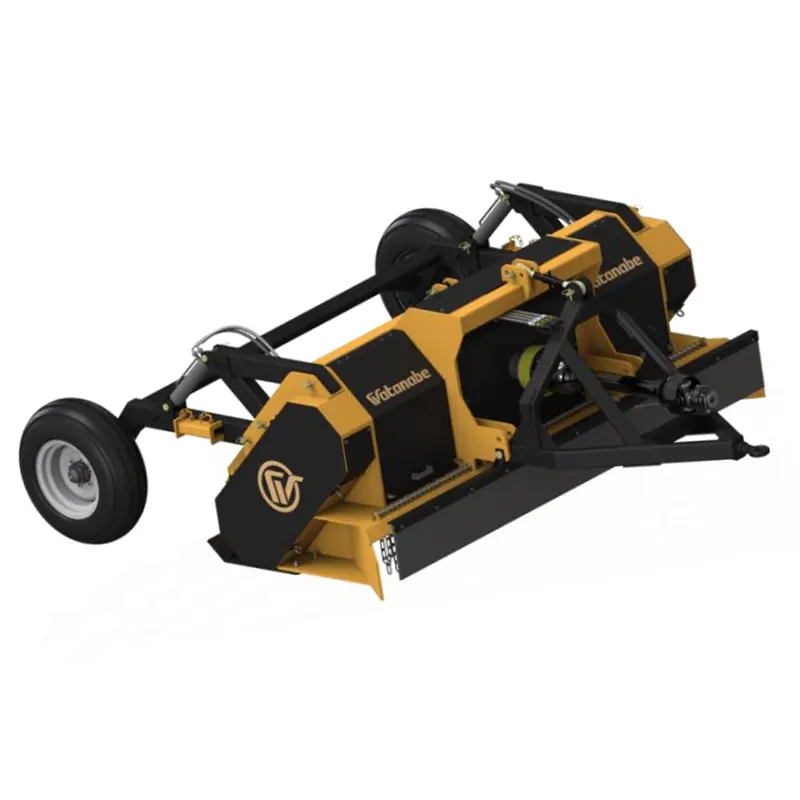
THOR के दांत कठोर स्टील बॉडी (होल्डर या शैंक) और स्टील बॉडी से जुड़े टंगस्टन कार्बाइड (TC) टिप इंसर्ट से बने होते हैं। TC टिप - कोबाल्ट के साथ बंधित संपीड़ित टंगस्टन कार्बाइड पाउडर - वह सतह है जो पत्थर के संपर्क में आती है और घर्षण उत्पन्न करती है। कोरियाई ग्रेनाइट (गंगवॉन-डो) और जेजू बेसाल्ट दोनों में प्राथमिक खनिज के रूप में मुक्त सिलिका (SiO₂) पाया जाता है - सिलिका टंगस्टन कार्बाइड के विरुद्ध सबसे अधिक घर्षणकारी प्राकृतिक पदार्थों में से एक है, जिसकी विकर्स कठोरता (HV 2,000+) कार्बाइड टिप के लगभग बराबर होती है।
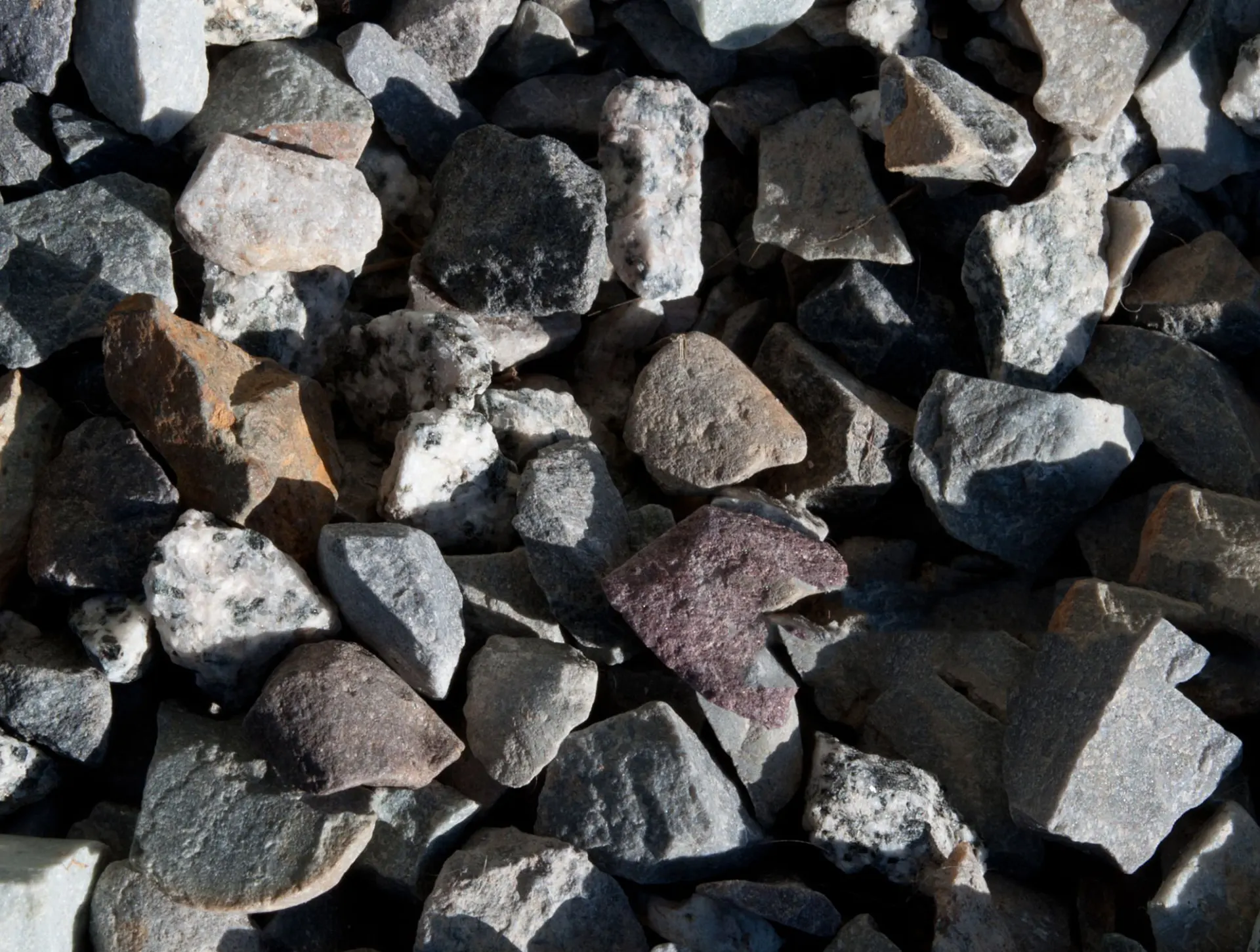
इसका अर्थ है कि कोरियाई ग्रेनाइट और बेसाल्ट उन सबसे अधिक घर्षणकारी पदार्थों में से हैं जिन पर THOR के दांत विश्व स्तर पर काम करते हैं। कोरियाई पत्थर पर घिसाव की दर आमतौर पर यूरोपीय चूना पत्थर और जलोढ़ बजरी की तुलना में 20–35% प्रति परिचालन घंटे अधिक होती है, जिनके लिए वातानाबे THOR के मानक रखरखाव अंतराल मूल रूप से निर्धारित किए गए थे। कोरियाई ऑपरेटर जो बिना समायोजन के यूरोपीय या दक्षिण अमेरिकी दांत प्रतिस्थापन अंतराल लागू करते हैं, वे लगातार घिसे हुए दांतों को इष्टतम समय से अधिक समय तक चलाते रहेंगे।
सामान्य टूट-फूट — टीसी टिप का छोटा होना
टीसी टिप घर्षण और प्रभाव से घिसती है, जिससे स्टील बॉडी के ऊपर प्रक्षेपण की ऊंचाई कम हो जाती है। यह सामान्य घिसाव है। टिप के छोटे होने से, प्रत्येक पत्थर के संपर्क में प्रभावी प्रभाव ऊर्जा कम हो जाती है (छोटी टिप = ड्रम केंद्र से कम टिप गति)। प्रदर्शन में गिरावट धीरे-धीरे होती है - यह तुरंत ध्यान देने योग्य नहीं होती, लेकिन कोरियाई ग्रेनाइट की स्थितियों में 20-30 घंटों के संचालन के दौरान इसे मापा जा सकता है।
तेजी से घिसाव — ब्रेज़ जॉइंट की विफलता
जब टीसी टिप पर इतना अधिक प्रभाव पड़ता है जो ब्रेज़ जॉइंट की मजबूती से अधिक होता है (आमतौर पर सतह के नीचे स्थित चट्टान या निर्धारित आकार से बड़े पत्थर से टकराने पर), तो टिप टूट जाती है या स्टील बॉडी से अलग हो जाती है। शेष स्टील बॉडी फिर सीधे पत्थर के संपर्क में आती है - जिससे बहुत तेजी से घिसाव होता है और स्टील के टुकड़ों के निकलने से आस-पास के दांतों को नुकसान पहुँचने की संभावना रहती है। यह असामान्य घिसाव है जिसके लिए तत्काल निरीक्षण की आवश्यकता होती है।
जेजू बेसाल्ट अतिरिक्त घिसाव
जेजू ज्वालामुखी बेसाल्ट की छिद्रयुक्त सतह (गैस के बुलबुले वाले छिद्र) चिकनी सतह वाले ग्रेनाइट की तुलना में अधिक घर्षणकारी कटाई क्रिया उत्पन्न करती है - छिद्र के किनारे टीसी टिप के विरुद्ध सूक्ष्म-काटने वाली सतहों के रूप में कार्य करते हैं। जेजू बेसाल्ट के दांतों की घिसाव दर, समान क्षेत्र कठोरता वाले गंगवोन-डो ग्रेनाइट की तुलना में संसाधित सामग्री के प्रति टन 20-30% अधिक है।
जांच प्रक्रिया — दांतों के घिसाव को सही तरीके से कैसे मापें
दांतों का निरीक्षण THOR ड्रम के स्थिर अवस्था में (इंजन बंद, PTO निष्क्रिय, कुंजी निकाली हुई) और ड्रम को घूर्णन से अवरुद्ध करके किया जाना चाहिए। माप स्टील के दांत की सतह के ऊपर TC टिप की प्रक्षेपण ऊंचाई है - यही आयाम प्रभावी प्रभाव त्रिज्या निर्धारित करता है।
कोरिया-विशिष्ट निरीक्षण अंतराल
| परिचालन स्थिति | अनुशंसित निरीक्षण अंतराल | जब बदलें |
|---|---|---|
| गंगवोन-डो ग्रेनाइट (स्थापित क्षेत्र) | प्रत्येक 30-40 कार्य घंटों के बाद | नई ऊंचाई के ≤50% पर TC टिप |
| गंगवोन-डो ग्रेनाइट (नया / भारी पत्थर वाला भूभाग) | प्रत्येक 20-25 कार्य घंटों के बाद | नई ऊंचाई के ≤60% पर TC टिप (नई भूमि पर पहले ही बदल दें) |
| जेजू बेसाल्ट | प्रत्येक 20-30 कार्य घंटों के बाद | TC टिप ≤50% पर — थ्रेशहोल्ड तक पहुँचने वाले पहले खंड पर पूरी रिंग को बदलें |
| मिश्रित मिट्टी (जलोढ़ + अंतर्निहित ग्रेनाइट) | प्रत्येक 35-45 कार्य घंटों के बाद | टीसी टिप ≤50% पर |
| सीज़न के अंत में अनिवार्य जांच (सभी स्थितियों में) | हर सीज़न के बाद — इसमें कोई समझौता नहीं। | यदि किसी दांत का मान ≤60% है, तो उसे भंडारण से पहले बदल दें ताकि मशीन अगले सीज़न के लिए तैयार रहे। |
सीज़न के अंत में किया जाने वाला निरीक्षण सबसे महत्वपूर्ण निरीक्षण क्यों है?
कोरियाई पहाड़ी किसान जो सीज़न के अंत में दाँतों की जाँच नहीं करवाते, वे घिसे हुए दाँतों के साथ ही THOR मशीन को सर्दियों के लिए रख देते हैं और अगली वसंत ऋतु में ऐसी मशीन से काम शुरू करते हैं जो पहले ही अपनी सर्वोत्तम क्षमता खो चुकी होती है। वसंत ऋतु में (शीतकालीन भंडारण के बाद) पत्थर पीसने की पहली प्रक्रिया में नए पाले से बने ताज़े, गीले और उच्च-शक्ति वाले ग्रेनाइट का सामना होता है। 40% प्रक्षेपण ऊँचाई पर सीज़न के अंत में घिसे हुए दाँतों वाली THOR मशीन, नए दाँतों वाली मशीन की तुलना में प्रति पत्थर संपर्क 30–40% कम प्रभाव ऊर्जा प्रदान करती है — जिससे निकासी धीमी होती है, विखंडन खराब होता है, ईंधन की खपत अधिक होती है और पूरे सीज़न में ट्रैक्टर के PTO पर भार अधिक पड़ता है। भंडारण से पहले शरद ऋतु में घिसे हुए दाँतों को बदलना उतना ही महंगा पड़ता है जितना कि वसंत ऋतु की तैयारी के दौरान मार्च के अंत में बदलना — सिवाय इसके कि मार्च के अंत में बदलने से वसंत ऋतु की तैयारी के सीमित समय में 1-2 दिन का अतिरिक्त समय बर्बाद होता है।
दांत बदलना — खेत में बनाम कार्यशाला में
THOR के दांत बोल्ट-ऑन रिप्लेसेबल यूनिट हैं — TC टूथ असेंबली (टिप + होल्डर बॉडी) को ड्रम से एक रिटेनिंग बोल्ट द्वारा सुरक्षित किया जाता है। रिप्लेसमेंट के लिए किसी विशेष टूल की आवश्यकता नहीं होती है, बस एक टॉर्क रिंच, THOR ऑपरेटर मैनुअल से सही टूथ बोल्ट और टॉर्क स्पेसिफिकेशन, और मशीन के स्थिर रहने पर ड्रम तक सुरक्षित रूप से पहुंचने के लिए उपयुक्त कार्य स्थान की आवश्यकता होती है। अधिकांश कोरियाई हाइलैंड THOR ऑपरेटर फार्म वर्कशॉप या मशीन शेड में ही टूथ रिप्लेसमेंट का काम करते हैं। मुख्य प्रक्रिया बिंदु:
इन्हें अलग-अलग नहीं, बल्कि परिधि के चारों ओर लगे छल्लों में बदलें। जब किसी रिंग में एक दांत बदलने की सीमा तक पहुंच जाए, तो उस रिंग के सभी दांतों को एक साथ बदल दें। एक ही रिंग में नए और घिसे हुए दांतों को मिलाने से असमान प्रभाव भार उत्पन्न होता है — नए (लंबे) दांत अधिक भार अवशोषित करते हैं, जिससे वे सामान्य से अधिक तेजी से घिस जाते हैं; घिसे हुए (छोटे) दांत प्रभाव प्रदर्शन में अप्रभावी हो जाते हैं। पूरी रिंग को बदलने से ड्रम का संतुलन और प्रभाव वितरण एकसमान बना रहता है।
टूथ माउंटिंग बोल्ट पर सही टॉर्क लगाएं। कम टॉर्क वाले माउंटिंग बोल्ट झटके लगने पर दांतों में सूक्ष्म हलचल पैदा कर सकते हैं, जिससे बोल्ट जल्दी खराब हो जाते हैं और संभवतः काम करते समय दांत टूट सकते हैं। ज़्यादा टॉर्क वाले बोल्ट होल्डर बॉडी में दरार डाल सकते हैं। अपनी मशीन में इस्तेमाल होने वाले बोल्ट के आकार के लिए THOR 2.4 या THOR 3.0 ऑपरेटर मैनुअल में दिए गए टॉर्क विनिर्देशों का पालन करें। बोल्ट बदलने के बाद पहले 2-3 घंटे चलने के बाद टॉर्क को दोबारा जांच लें - नए बोल्ट शुरुआती झटके लगने पर थोड़े स्थिर हो जाते हैं।
अतिरिक्त दांतों का स्टॉक पहले से ही ऑर्डर कर लें। कोरिया वातानाबे के पास THOR 2.4 और THOR 3.0 के लिए रिप्लेसमेंट टूथ सेट का कोरियाई स्थानीय स्टॉक उपलब्ध है। ऑर्डर की पुष्टि के बाद मानक डिलीवरी 3-5 कार्य दिवसों में होती है। यदि ऑपरेटरों को मध्य-सीज़न निरीक्षण के दौरान पता चलता है कि टूथ बदलने की आवश्यकता है, तो उन्हें तुरंत ऑर्डर देना चाहिए - टूथ के पूरी तरह घिस जाने तक ऑर्डर देने का इंतजार करने से सीज़न के दौरान मशीन 3-5 दिनों तक बंद रहती है। परिचालन सीज़न के दौरान खेत में कम से कम एक पूर्ण-रिंग स्पेयर सेट अवश्य रखें।
काउंटर-टीथ ( ) — अक्सर अनदेखा किया जाता है, प्रदर्शन के लिए महत्वपूर्ण
THOR 2.4 में रोटर हाउसिंग के अंदर 6 काउंटर-टीथ (स्थिर प्रभाव वाले एनविल) लगे होते हैं। THOR 3.0 में 8 काउंटर-टीथ होते हैं। काउंटर-टीथ ड्रम के साथ नहीं घूमते हैं - ये स्थिर एनविल सतहें होती हैं जिन पर घूमने वाले रोटर के दांत टकराकर पत्थर को तोड़ते हैं। काउंटर-टीथ, घूमने वाले दांतों के बीच से गुजरने वाले पत्थर के संपर्क से घिसते हैं। ये घूमने वाले दांतों की तुलना में धीरे-धीरे घिसते हैं - लेकिन एक बार जब ये अपनी प्रभावी सीमा से नीचे घिस जाते हैं, तो विखंडन की गुणवत्ता तेजी से गिर जाती है क्योंकि घूमने वाले और काउंटर-टीथ के बीच का अंतर बढ़ जाता है, जिससे पत्थर के टुकड़े प्रभावी द्वितीयक विखंडन के बिना ही गुजर जाते हैं।
घूर्णन दांतों के समान अंतराल पर प्रति-दांतों का निरीक्षण करें। कोरिया वातानाबे अनुशंसा करता है कि प्रति-दांतों को तब बदला जाए जब उनकी घिसाव सतह नए आयाम से 40% कम हो जाए। प्रति-दांतों को घूर्णन दांतों की तुलना में कम बार बदला जाता है - आमतौर पर गंगवोन-डो ग्रेनाइट की स्थितियों में हर 2-3 घूर्णन दांत प्रतिस्थापन चक्रों के बाद - लेकिन विखंडन की गुणवत्ता पर उनका प्रभाव उनके प्रतिस्थापन लागत के अनुपात में कहीं अधिक होता है।
मौसमी रखरखाव अनुसूची — संपूर्ण वार्षिक THOR सेवा कार्यक्रम
दांतों को बदलना सबसे अधिक बार किया जाने वाला रखरखाव कार्य है, लेकिन यह THOR के लिए आवश्यक एकमात्र निर्धारित रखरखाव नहीं है। कोरियाई हाइलैंड THOR ऑपरेटरों के लिए संपूर्ण वार्षिक सेवा कार्यक्रम:
| अंतराल | काम | यह क्यों मायने रखती है |
|---|---|---|
| प्रत्येक उपयोग से पहले | दांतों की दृश्य जांच; पीटीओ शाफ्ट जोड़ का स्नेहन; पत्थर जमाव के लिए रोटर हाउसिंग का निरीक्षण | यह अप्रत्याशित मध्य-क्षेत्र विफलता को रोकता है; आवास में पत्थर का जमाव क्लीयरेंस को कम करता है और गर्मी बढ़ाता है। |
| हर 8 घंटे में | रोटर बेयरिंग स्नेहन (ग्रीस निप्पल); ड्राइवलाइन जॉइंट स्नेहन; टूथ बोल्ट टॉर्क स्पॉट-चेक (10% नमूना) | पत्थर की धूल वाले वातावरण में शुष्क रूप से चलने वाले बेयरिंग तेजी से घिस जाते हैं; ड्राइवलाइन जोड़ उच्च तनाव वाले विफलता बिंदु होते हैं। |
| हर 30-40 घंटे में | सभी दांतों का पूर्ण निरीक्षण (सभी दांतों पर टीसी टिप की ऊंचाई का मापन); काउंटर-दांतों का निरीक्षण; गियरबॉक्स तेल स्तर की जांच | कोरियाई ग्रेनाइट का मुख्य घिसाव अंतराल — ऊपर दी गई निरीक्षण तालिका देखें |
| 200 घंटे या वार्षिक रूप से | गियरबॉक्स का तेल बदलना; रोटर बेयरिंग बदलने का आकलन; ड्राइवलाइन शाफ्ट में घिसावट और ढीलेपन की जांच | उच्च भार वाले पीटीओ संचालन के दौरान गियरबॉक्स का तेल खराब हो जाता है; बियरिंग का सेवा जीवन स्नेहन की परवाह किए बिना सीमित होता है। |
| सीज़न के अंत में (अनिवार्य) | यदि ऊंचाई ≤60% हो तो सभी दांतों और विपरीत दांतों को बदलना; गियरबॉक्स का तेल बदलना; पूरी तरह से साफ और सूखे स्थान पर रखना; पीटीओ शाफ्ट की सुरक्षा करना। | मशीन वसंत ऋतु के लिए तुरंत तैयार है — संपीड़ित वसंत कैलेंडर में रखरखाव के कारण कोई देरी नहीं होगी |
मौसमों के बीच भंडारण — सर्दियों में निवेश की सुरक्षा
कोरियाई हाइलैंड THOR ऑपरेटर आमतौर पर वसंत ऋतु में 3-8 सप्ताह (मार्च के अंत से मई की शुरुआत तक) मशीन का गहन उपयोग करते हैं और फिर इसे अगले मौसम तक 10-11 महीनों के लिए स्टोर करके रखते हैं। शीतकालीन भंडारण की गुणवत्ता सीधे अगले वसंत ऋतु की शुरुआत में मशीन की स्थिति को प्रभावित करती है। शीतकालीन भंडारण के लिए मुख्य उपाय:
प्रेशर वॉश करें और सुखाएं
रोटर हाउसिंग, टूथ माउंटिंग सतहों और ड्राइवलाइन जोड़ों से सारी मिट्टी हटा दें। सर्दियों में जमा हुई गीली मिट्टी टूथ माउंटिंग बोल्ट के धागों पर जंग लगने की प्रक्रिया को तेज कर देती है, जिससे वसंत ऋतु में टूथ बदलना अधिक कठिन हो जाता है। भंडारण से पहले इसे पूरी तरह सुखा लें।
सभी ग्रीस बिंदुओं को चिकना करें
भंडारण से पहले सभी बेयरिंग निप्पल, ड्राइवलाइन यूनिवर्सल जॉइंट और किट ड्रॉबार पिवट पॉइंट्स पर ताज़ा ग्रीस लगाएँ। इससे परिचालन अवधि के दौरान बेयरिंग कप में जमा हुआ पानी निकल जाता है और भंडारण के दौरान जंग से सुरक्षा मिलती है।
पीटीओ शाफ्ट सुरक्षा
THOR से PTO शाफ्ट को निकालें और इसे अलग से सूखी जगह पर रखें। या शाफ्ट के यूनिवर्सल जॉइंट्स और भीतरी शाफ्ट सेक्शन को हल्के स्प्रे लुब्रिकेंट से सुरक्षित रखें। सर्दियों में जंग लगे PTO शाफ्ट के यूनिवर्सल जॉइंट्स कोरियाई वसंत ऋतु की शुरुआत में सबसे आम मरम्मत कार्यों में से एक हैं।
दांत बदलने संबंधी जानकारी — सीज़न के दौरान खेत में क्या-क्या रखना चाहिए
- ▸कम से कम एक पूर्ण परिधि वाला प्रतिस्थापन दांतों का छल्ला (कोरियाई स्थानीय स्टॉक में, कोरिया वातानाबे के माध्यम से)
- ▸आपके THOR मॉडल के लिए सही विनिर्देश वाले टूथ माउंटिंग बोल्ट और वॉशर।
- ▸विनिर्देशों के अनुसार दांतेदार बोल्ट को कसने के लिए कैलिब्रेटेड टॉर्क रिंच
- ▸टीसी टिप की ऊंचाई मापने के लिए स्टील रूल या वर्नियर कैलिपर
- ▸सीज़न के दौरान आपातकालीन दंत चिकित्सा ऑर्डर की पुष्टि के लिए कोरिया वातानाबे के संपर्क विवरण।
प्रत्येक वसंत ऋतु से पहले जनवरी में कोरिया वातानाबे से संपर्क करके अपने विशिष्ट THOR मॉडल के लिए दांतों की उपलब्धता और डिलीवरी समय की पुष्टि करें - वसंत ऋतु का संक्षिप्त कैलेंडर होने के कारण, मध्य-ऋतु में दांतों की कमी होने पर मानक डिलीवरी समयसीमा का इंतजार नहीं किया जा सकता है।
हुड (आउटपुट ग्रिड) समायोजन — अक्सर उपेक्षित प्रदर्शन चर
THOR 2.4 और THOR 3.0 में हाइड्रॉलिक रूप से समायोज्य रियर हुड (आउटपुट ग्रिड) होता है जो मशीन से निकलने वाले कणों के अधिकतम आकार को नियंत्रित करता है। हुड का समायोजन ट्रैक्टर कैबिन से रियर रिमोट हाइड्रॉलिक सर्किट के माध्यम से नियंत्रित होता है। हुड खोलने (अधिक खुला रखने) से बड़े कण क्रशिंग चैंबर से बाहर निकल पाते हैं - जिससे मोटे कण प्राप्त होते हैं जो सड़क के आधार के लिए या प्रारंभिक भूमि सफाई के लिए उपयुक्त होते हैं जहाँ पूर्ण आकार घटाने की आवश्यकता नहीं होती है। हुड बंद करने (कम खुला रखने) से कण क्रशिंग चैंबर में ही रहते हैं और बाहर निकलने से पहले रोटर के अतिरिक्त प्रभाव झेलते हैं - जिससे महीन, अधिक एकसमान कण प्राप्त होते हैं जो कृषि बीज क्यारी तैयार करने के लिए उपयुक्त होते हैं।
कोरिया के पहाड़ी किसान अक्सर विभिन्न कार्यों के लिए समायोजन किए बिना पूरे मौसम में THOR को एक ही हुड सेटिंग पर चलाते हैं। इष्टतम हुड सेटिंग उद्देश्य के अनुसार बदलती रहती है:
| आवेदन | हुड सेटिंग | आउटपुट लक्ष्य |
|---|---|---|
| प्रारंभिक सफाई - नई भूमि, बड़े-बड़े पत्थर | अधिक खुला | मोटे टुकड़े भी स्वीकार्य हैं; आकार की अपेक्षा गति को प्राथमिकता दी जाएगी। |
| कृषि के लिए बीज क्यारियों की सफाई - आलू, मूली | अधिक बंद | शून्य-अवशेष बीज क्यारी मानक के लिए महीन टुकड़े (<5 सेमी) |
| सड़क आधार सामग्री उत्पादन | खुला | आधार के लिए आकार के अनुसार एकत्रित टुकड़े; बड़े टुकड़े स्वीकार्य हैं |
| जिनसेंग के बीज बोने के लिए क्यारी तैयार करना | पूरी तरह से बंद | अधिकतम आकार में कमी — जिनसेंग जीरो-स्टोन मानक के लिए सर्वोत्तम उपज आवश्यक है |
उपयोग के अनुसार हुड को समायोजित करने से उन कार्यों में रोटर का अनावश्यक कार्य कम हो जाता है जहाँ मोटे कणों का उत्पादन स्वीकार्य है — इससे दांतों की घिसावट और ईंधन की लागत में बचत होती है, खासकर उन प्रारंभिक क्लीयरेंस पास में जहाँ बारीक कणों को तोड़ने की आवश्यकता नहीं होती है। कृषि भूमि पर अंतिम सीडबेड तैयार करने के पास के लिए हुड को बंद करने से समान कार्य गहराई पर अतिरिक्त पास की आवश्यकता के बिना बारीक कणों का उत्पादन प्राप्त हो जाता है।
दांतों की देखभाल के लिए लागत योजना - वार्षिक रखरखाव का बजट बनाना
THOR दांत प्रतिस्थापन एक अनुमानित आवर्ती लागत है जिसकी योजना और बजट सटीक रूप से निर्धारित किया जा सकता है, बशर्ते संचालकों को उनके वार्षिक परिचालन घंटे और कोरियाई ग्रेनाइट की घिसाव दर का पता हो। कोरियाई उच्चभूमि में THOR संचालन के लिए एक व्यावहारिक लागत नियोजन ढांचा:
कोरियाई उच्चभूमि ग्रेनाइट पर THOR 2.4 के लिए वार्षिक दांत लागत अनुमान (उदाहरण स्वरूप ढांचा):
अक्सर पूछे जाने वाले प्रश्नों
क्या कार्य करने की गहराई को कम करके दांतों की आयु बढ़ाई जा सकती है?
कार्य गहराई कम करने से प्रति परिचालन घंटे मिलने वाले पत्थरों की संख्या कम हो जाती है – इसलिए हाँ, कम गहराई पर घिसावट की दर कम हो जाती है। हालाँकि, जिन पत्थरों को पूरी गहराई तक कुचलने की आवश्यकता होती है (जड़ क्षेत्र में धंसे हुए बड़े पत्थर), वे कम गहराई पर नहीं पहुँच पाते हैं – दाँतों की आयु बढ़ाने के लिए गहराई कम करने का मतलब है उन पत्थरों को न हटाना जिनके लिए THOR को तैनात किया गया था। कृषि में पत्थर हटाने के लिए यह परिचालन संबंधी समझौता आर्थिक रूप से उचित नहीं है: अपर्याप्त कार्य गहराई के कारण जड़ क्षेत्र में बचे पत्थरों से फसल की गुणवत्ता को होने वाले नुकसान की तुलना में दाँतों को बदलने की लागत कम है। कार्य गहराई को खेत की आवश्यकता के अनुसार निर्धारित करें, न कि दाँतों की इष्टतम आयु के अनुसार।
कोरियाई ग्रेनाइट में बने THOR 2.4 टूथ सेट से मुझे कितने ऑपरेटिंग घंटे की उम्मीद करनी चाहिए?
कोरियाई ग्रेनाइट में घूमने वाले दांत पत्थर की कठोरता, खेत में पत्थर के घनत्व, कार्य गहराई और आगे बढ़ने की गति के आधार पर काफी भिन्न होते हैं। गंगवोन-डो ग्रेनाइट के पहाड़ी क्षेत्रों के लिए एक सामान्य मानक के रूप में: मध्यम पत्थर घनत्व वाले स्थापित पहाड़ी खेतों में लगभग 60-100 परिचालन घंटों में घूमने वाले दांत 50% प्रक्षेपण सीमा तक पहुँच जाते हैं। उच्च पत्थर घनत्व या चट्टानी आधार के खुले हिस्से वाली नई भूमि पर, दांत का जीवनकाल इसी सीमा तक 30-50 घंटे हो सकता है। कम रखरखाव वाले वर्षों में (मुख्य रूप से पाले के कारण उभार, कम पत्थर घनत्व), दांत का जीवनकाल 100-130 घंटे तक बढ़ सकता है। मौसम के अंत में किया गया निरीक्षण सबसे विश्वसनीय मार्गदर्शन प्रदान करता है - प्रत्येक मौसम के अंत में दांत की प्रक्षेपण ऊंचाई को रिकॉर्ड करें और अपने विशिष्ट खेतों के लिए वार्षिक घिसाव दर पर नज़र रखें ताकि आप अपने प्रतिस्थापन नियोजन को सटीक रूप से निर्धारित कर सकें।
क्या कोरिया वातानाबे ऑन-साइट दांत बदलने और रखरखाव संबंधी सहायता प्रदान करता है?
कोरिया वातानाबे, THOR 2.4 और THOR 3.0 के लिए स्थानीय स्टॉक से रिप्लेसमेंट टूथ सेट, काउंटर-टीथ और टूथ माउंटिंग हार्डवेयर की आपूर्ति करता है। टूथ रिप्लेसमेंट एक ऑन-फार्म ऑपरेटर प्रक्रिया है जिसके लिए कोरिया वातानाबे की फील्ड उपस्थिति की आवश्यकता नहीं होती है - बोल्ट-ऑन डिज़ाइन और ऑपरेटर मैनुअल प्रक्रिया को ऑन-फार्म रिप्लेसमेंट के लिए डिज़ाइन किया गया है। पहली बार रिप्लेसमेंट के लिए, कोरिया वातानाबे आपकी विशिष्ट मशीन के लिए सही प्रक्रिया की पुष्टि करने के लिए टेलीफोन या वीडियो मार्गदर्शन प्रदान करता है। टूथ रिप्लेसमेंट के अलावा अन्य यांत्रिक खराबी (ड्रम बेयरिंग की खराबी, गियरबॉक्स सर्विस, पीटीओ शाफ्ट क्षति) के लिए, कोरिया वातानाबे अधिकृत सर्विस सपोर्ट के साथ समन्वय करता है। सीज़न शुरू होने से पहले अपने THOR मॉडल के लिए टूथ सेट की वर्तमान स्टॉक उपलब्धता और लीड टाइम की पुष्टि करने के लिए कोरिया वातानाबे से संपर्क करें।
मैं यह कैसे पता लगा सकता हूँ कि दांतों के घिसने के कारण उनका विखंडन ठीक से नहीं हो रहा है, इससे पहले कि मैं उन्हें मापूँ?
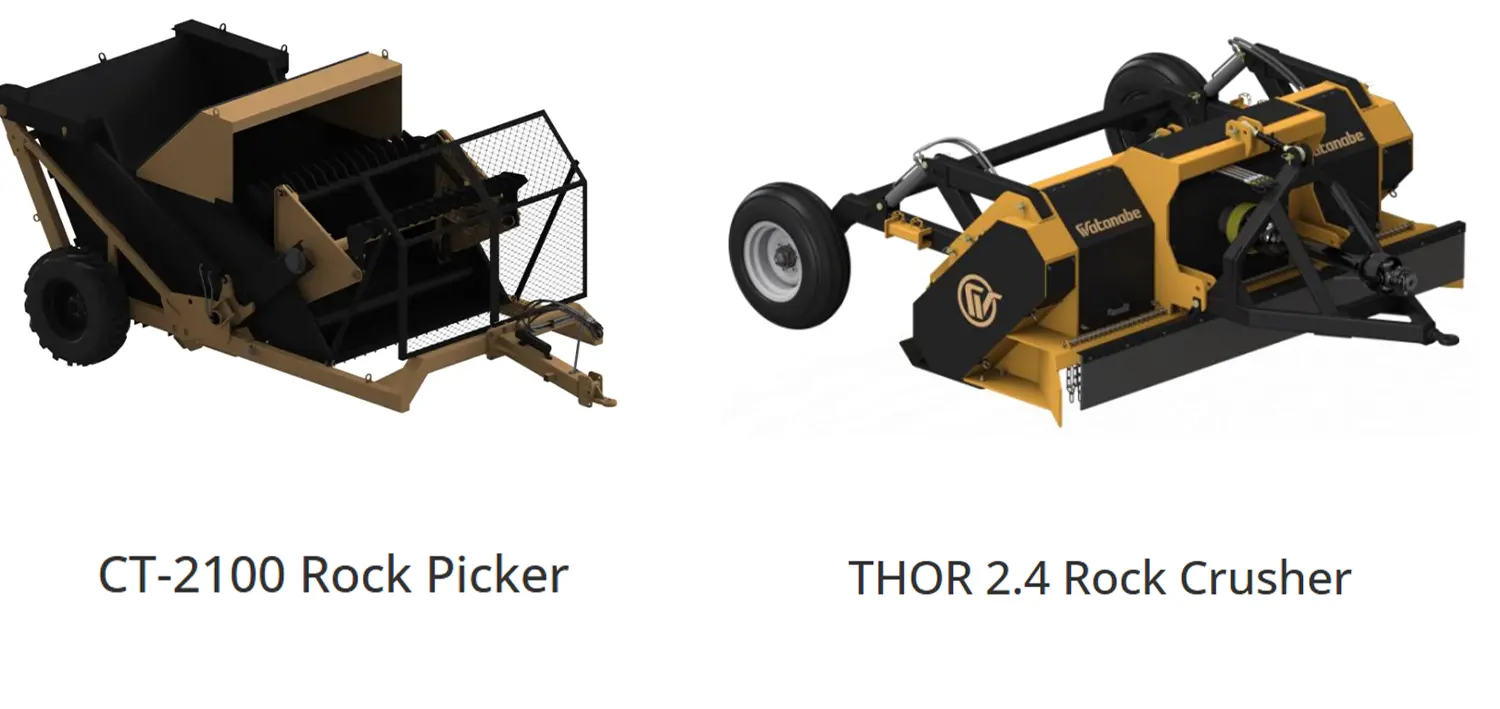
तीन लक्षण यह संकेत देते हैं कि औपचारिक माप निरीक्षण से पहले ही दांत अपनी इष्टतम क्षमता से अधिक घिस चुके हैं: (1) बड़े अवशिष्ट पत्थर के टुकड़े - वे पत्थर जिन्हें THOR पहले पूरी तरह से कुचल देता था, अब कुचले हुए पदार्थ में 5 सेमी से अधिक के मुड़े हुए या आंशिक रूप से टूटे हुए टुकड़ों के रूप में दिखाई देते हैं। (2) ट्रैक्टर इंजन का शोर बढ़ना और समान थ्रॉटल सेटिंग पर आगे की गति कम होना - छोटे दांत प्रति पत्थर संपर्क कम प्रभाव ऊर्जा प्रदान करते हैं, इसलिए रोटर प्रत्येक बोल्डर पर अधिक धीमा हो जाता है, जिससे गति प्राप्त करने के लिए ट्रैक्टर PTO पर अधिक भार पड़ता है। (3) 3 सेमी से अधिक के पत्थरों की संख्या में स्पष्ट वृद्धि जो क्रशिंग पास से बच निकलते हैं और जिन्हें CT-2100 द्वारा एकत्र किया जाना चाहिए - जब CT-2100 के बंकर में कार्य गहराई से अपेक्षित से अधिक बड़े टुकड़े दिखाई देते हैं, तो दांतों का घिसना एक संभावित कारण है। इनमें से कोई भी लक्षण दिखाई देने पर अगले अवसर पर औपचारिक दांत ऊंचाई माप निरीक्षण किया जाना चाहिए।
क्या मुझे सारे दांत एक साथ बदलवाने चाहिए या सिर्फ सबसे ज्यादा घिसे हुए हिस्से?
अनुशंसित प्रक्रिया घिसावट के पैटर्न पर निर्भर करती है। यदि ड्रम पर घिसावट एक समान है (सभी दांत लगभग एक ही माप के हैं), तो सभी दांतों को एक साथ बदलें - यह सबसे किफायती तरीका है और इससे ड्रम का संतुलन और विखंडन पैटर्न सबसे स्थिर रहता है। यदि घिसावट असमान है (कुछ परिधीय छल्ले दूसरों की तुलना में काफी अधिक घिसे हुए हैं - यह क्षेत्र में पत्थरों की अधिक सांद्रता या चट्टानी आधार के अधिक खुले होने के कारण होता है), तो केवल उन्हीं छल्लों को बदलें जो प्रतिस्थापन सीमा तक पहुंच चुके हैं, एक बार में एक पूरा छल्ला बदलें। कभी भी एक छल्ले के भीतर अलग-अलग दांतों को बदलते समय अन्य दांतों को अलग-अलग ऊंचाइयों पर न छोड़ें - इससे असमान प्रभाव भार लंबे नए दांतों पर घिसावट को तेज करता है और ड्रम में कंपन पैदा करता है। एक बार जब किसी छल्ले को बदलने की आवश्यकता होती है, तो आंशिक और पूर्ण प्रतिस्थापन के बीच लागत का अंतर अपेक्षाकृत कम होता है; जब 40% से अधिक छल्लों को बदलने की आवश्यकता होती है, तो आमतौर पर पूर्ण सेट प्रतिस्थापन आंशिक प्रतिस्थापन की तुलना में अधिक किफायती होता है और बेहतर प्रदर्शन देता है।
दांत बदलने के लिए उपलब्ध सामग्री, डिलीवरी का समय और प्रक्रिया संबंधी जानकारी — सीज़न शुरू होने से पहले पुष्टि करें
THOR मॉडल + वार्षिक परिचालन घंटे + पत्थर का प्रकार (ग्रेनाइट/बेसाल्ट) → वर्तमान कोरियाई स्टॉक उपलब्धता और लीड टाइम की पुष्टि के साथ दांत बदलने की अनुसूची की सिफारिश। कोरिया, वातानाबे, अनसान-सी, ग्योंगगी-डो।
संपादक: सीएक्सएम