
जब कोरियाई किसान पहली बार "ट्रैक्टर-माउंटेड स्टोन क्रशर" शब्द सुनते हैं, तो उनके मन में स्वाभाविक प्रश्न उठता है: आखिर उस मशीन के अंदर क्या हो रहा है? 1000 आरपीएम पर घूमने वाला पीटीओ शाफ्ट 30-40 सेंटीमीटर के ग्रेनाइट के बड़े-बड़े पत्थरों को चूर-चूर करने और साथ ही साथ मीटर-ऊँची वनस्पतियों को बारीक पीसने की क्षमता में कैसे परिवर्तित हो जाता है? इन सवालों के इंजीनियरिंग संबंधी उत्तरों को समझना केवल जिज्ञासा को शांत करने से कहीं अधिक है - यह बताता है कि कुछ विशिष्टताएँ क्यों महत्वपूर्ण हैं, गंभीर पत्थर पीसने के काम में तेल शीतलन क्यों आवश्यक है, कार्बाइड दांतों की ज्यामिति उत्पादन गुणवत्ता को क्यों प्रभावित करती है, और मशीन को आपके ट्रैक्टर के एचपी के अनुरूप बनाना एक तकनीकी आवश्यकता क्यों है, न कि केवल एक पसंद।
यह गाइड ट्रैक्टर-माउंटेड पीटीओ स्टोन क्रशर की संपूर्ण इंजीनियरिंग की व्याख्या करती है, जिसमें वातानाबे थोर 2.4 और थोर 3.0 को संदर्भ मशीन के रूप में उपयोग किया गया है। यहां वर्णित सभी तकनीकी विवरण वातानाबे के आधिकारिक उत्पाद दस्तावेज़ और रोटर-इम्पैक्ट क्रशिंग यांत्रिकी के स्थापित सिद्धांतों से सत्यापित हैं। आधिकारिक विशिष्टताओं से सत्यापित प्रदर्शन संबंधी दावों के अलावा कोई अन्य दावा नहीं किया गया है।
विद्युत प्रवाह — ट्रैक्टर के पीटीओ से रोटर तक
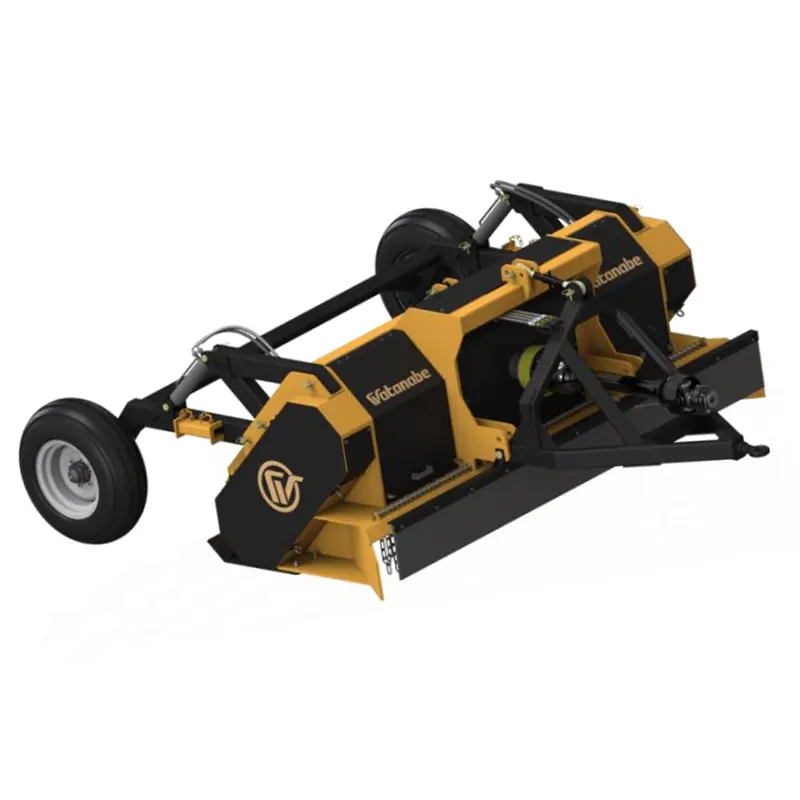
ट्रैक्टर पर लगे प्रत्येक पत्थर कुचलने वाले यंत्र मूल रूप से एक यांत्रिक ऊर्जा स्थानांतरण प्रणाली है: यह ट्रैक्टर के पावर टेक-ऑफ शाफ्ट से घूर्णी गतिज ऊर्जा लेता है और इसे कार्बाइड-युक्त दांतों द्वारा चट्टान पर किए जाने वाले तीव्र वेग वाले प्रभावों में केंद्रित करता है। यह समझना कि यह ऊर्जा स्थानांतरण कैसे होता है — और इंजीनियरिंग संबंधी चुनौतियाँ कहाँ उत्पन्न होती हैं — आधुनिक पत्थर कुचलने वाले यंत्र की प्रत्येक प्रमुख डिज़ाइन विशेषता को स्पष्ट करता है।
पीटीओ शाफ्ट की कार्यशील गति 1000 आरपीएम है।
ट्रैक्टर का रियर पावर टेक-ऑफ (पीटीओ) शाफ्ट 540 आरपीएम या 1000 आरपीएम की गति से घूमता है, जो 100 एचपी से अधिक के अधिकांश आधुनिक ट्रैक्टरों में चयन योग्य है। THOR 2.4 और THOR 3.0 को 1000 आरपीएम पीटीओ संचालन की आवश्यकता होती है। यह कोई मनमानी पसंद नहीं है - यह पीटीओ गति, गियरबॉक्स अनुपात और रोटर गति के बीच संबंध द्वारा संचालित एक कार्यात्मक आवश्यकता है।
THOR मॉडल में मानक PTO शाफ्ट कनेक्शन 1.3/8″ या 1.3/4″ स्प्लाइन वाला स्टब शाफ्ट होता है (ट्रैक्टर के आउटपुट शाफ्ट विनिर्देश के आधार पर), जो यूनिवर्सल जॉइंट वाले टेलीस्कोपिंग ड्राइव शाफ्ट के माध्यम से स्टोन क्रशर के इनपुट गियरबॉक्स से जुड़ा होता है। यह ड्राइव शाफ्ट थ्री-पॉइंट हिच की सभी ऑपरेटिंग स्थितियों में यूनिवर्सल जॉइंट की कोणीय सहनशीलता सीमा के भीतर होना चाहिए — आमतौर पर समानांतर से ±15°। कोणीय सीमा से अधिक होने पर कंपन, यूनिवर्सल जॉइंट का समय से पहले घिसना और गंभीर मामलों में ड्राइव शाफ्ट का पूरी तरह से खराब हो जाना जैसी समस्याएं हो सकती हैं। सही थ्री-पॉइंट हिच ज्यामिति कोई रखरखाव संबंधी विवरण नहीं है; यह सुरक्षा और विश्वसनीयता के लिए आवश्यक है।
ड्यूल-स्टेज गियरबॉक्स — टॉर्क को कई गुना बढ़ाता है, रोटर की गति को बनाए रखता है।
स्टोन क्रशर का इनपुट गियरबॉक्स पीटीओ शाफ्ट से 1000 आरपीएम प्राप्त करता है और इसे रोटर शाफ्ट तक पहुंचाता है - लेकिन 1:1 अनुपात में नहीं। गियरबॉक्स एक साथ दो कार्य करता है: यह शक्ति संचरण की धुरी को बदलता है (पीटीओ शाफ्ट ट्रैक्टर की गति की दिशा में होता है; रोटर की धुरी इसके लंबवत होती है), और यह पीटीओ इनपुट और रोटर आउटपुट के बीच गति और टॉर्क के संबंध को समायोजित करता है।
THOR 2.4 और THOR 3.0 में, वातानाबे प्रभावी इम्पैक्ट क्रशिंग के लिए आवश्यक कार्बाइड टूथ टिप वेलोसिटी प्रदान करने वाली सटीक रोटर गति प्राप्त करने के लिए ड्यूल-स्टेज गियरबॉक्स (दो क्रमिक गियर रिडक्शन या इंक्रीज स्टेज) का उपयोग करता है। वातानाबे के विनिर्देश में "ड्यूल-स्टेज" शब्द दो-चरणीय पावर ट्रांसमिशन पथ को संदर्भित करता है, न कि कुल गियर रिडक्शन अनुपात को, जो कि कंपनी का मालिकाना विनिर्देश है।
स्टोन क्रशर में गियरबॉक्स सबसे अधिक तनावग्रस्त घटक होता है - यह न केवल स्थिर घूर्णी टॉर्क को अवशोषित करता है, बल्कि जब कार्बाइड का दांत किसी बड़े, कठोर पत्थर से टकराता है तो रोटर से वापस प्रेषित होने वाले झटके को भी सहन करता है। ये झटके थोड़े समय के लिए ही स्थिर टॉर्क से 5-10 गुना अधिक हो सकते हैं। इसलिए, स्टोन क्रशिंग अनुप्रयोगों के लिए गियरबॉक्स डिजाइन में समान शक्ति वाले रोटरी टिलर या मोवर के गियरबॉक्स की तुलना में कहीं अधिक मजबूत बेयरिंग चयन, हाउसिंग दीवार की मोटाई और शाफ्ट विनिर्देश की आवश्यकता होती है - यही कारण है कि 180 एचपी स्टोन क्रशर का वजन 2,300 किलोग्राम होता है, जबकि 180 एचपी रोटरी टिलर का वजन 800-900 किलोग्राम हो सकता है।
रोटर और कार्बाइड के दांत — पत्थर को वास्तव में कैसे पीसा जाता है
रोटर व्यास और टिप गति
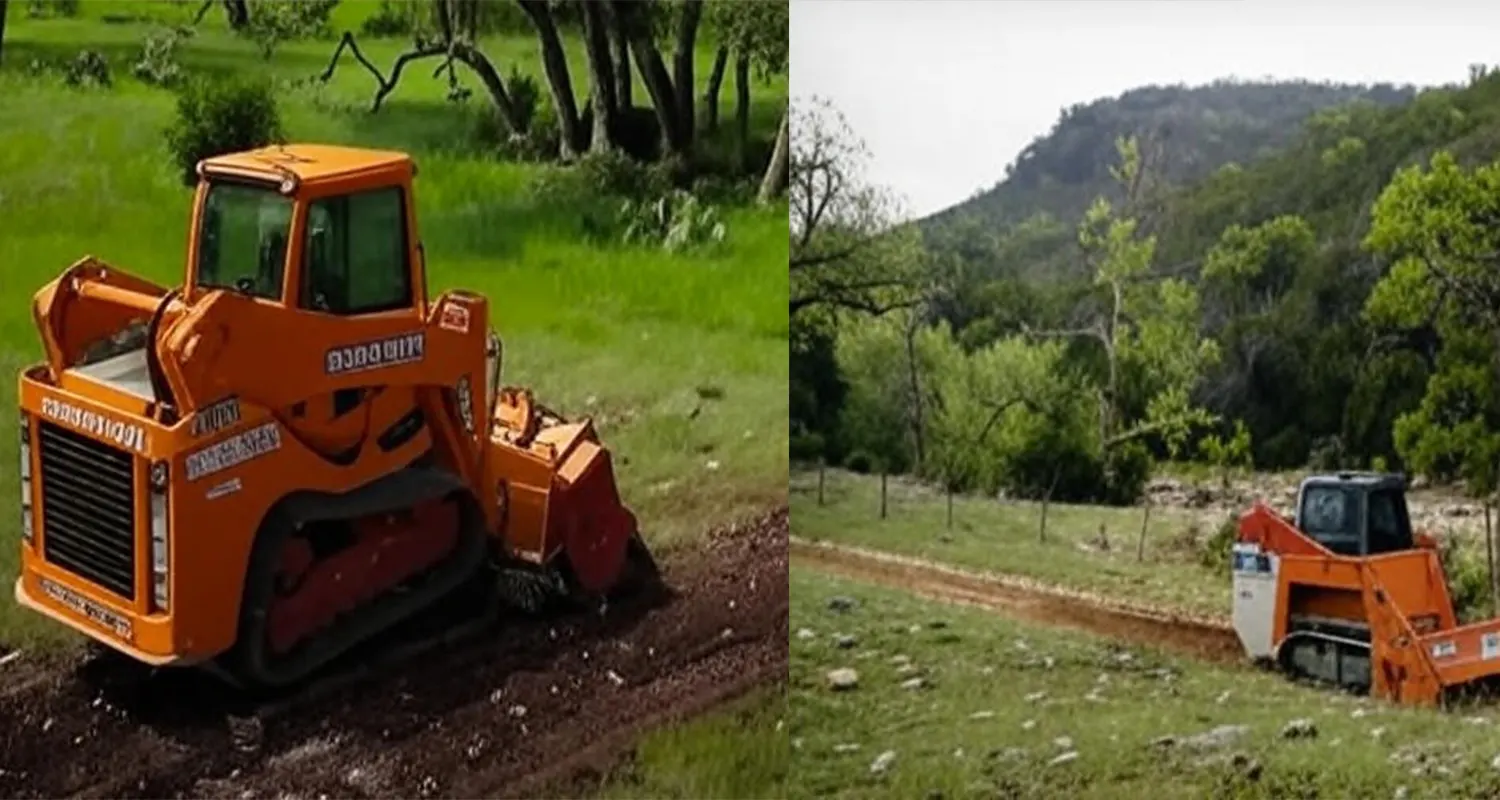
THOR 2.4 रोटर का व्यास (उपकरणों सहित) 550 मिमी है। THOR 3.0 रोटर का व्यास 600 मिमी है। 1000 आरपीएम की रोटर गति पर, रोटर के बाहरी किनारे पर स्थित दांत की नोक की गति की गणना मूलभूत सिद्धांतों से की जा सकती है:
टिप गति = π × रोटर व्यास × घूर्णी गति ÷ 60
1000 आरपीएम पर THOR 2.4 के लिए: टिप स्पीड = π × 0.550 मीटर × (1000 ÷ 60) = लगभग 28.8 मीटर/सेकंड ≈ 104 किमी/घंटा
1000 आरपीएम पर THOR 3.0 के लिए: टिप स्पीड = π × 0.600 मीटर × (1000 ÷ 60) = लगभग 31.4 मीटर/सेकंड ≈ 113 किमी/घंटा
यह वह वेग है जिस पर कार्बाइड दांत की नोक टक्कर के दौरान पत्थर से टकराती है। टक्कर के समय पत्थर को दी गई गतिज ऊर्जा, दांत के द्रव्यमान और इस वेग के वर्ग के गुणनफल का एक फलन है - जिसका अर्थ है कि नोक की गति में थोड़ी सी भी वृद्धि से प्रति टक्कर कुचलने वाली ऊर्जा में असमानुपातिक वृद्धि होती है। THOR 3.0 के बड़े रोटर की 7% उच्च नोक गति, 40 सेमी के पत्थरों को संभालने की इसकी क्षमता में महत्वपूर्ण योगदान देती है, जबकि THOR 2.4 केवल 30 सेमी तक के पत्थरों को ही संभाल पाता है।
कार्बाइड के दांत पत्थर को कैसे तोड़ते हैं — प्रभाव से होने वाली विखंडन की यांत्रिकी
पत्थर तोड़ने वाली मशीन में कुचलने की प्रक्रिया प्रभाव-आधारित विखंडन (इम्पैक्ट फ्रैक्चर) होती है, जो खदानों में उपयोग होने वाली जबड़े या शंकु आकार की पत्थर तोड़ने वाली मशीनों के संपीडन विखंडन से बिल्कुल अलग है। प्रभाव-आधारित विखंडन में, कार्बाइड के दांतों की नोक से पत्थर पर तीव्र वेग से प्रहार होता है, जिससे एक तनाव तरंग उत्पन्न होती है जो पत्थर की आंतरिक संरचना में फैलती है। जब यह तनाव तरंग पत्थर की आंतरिक कण सीमाओं, खनिज अवस्थाओं के अंतर्संबंधों या पहले से मौजूद सूक्ष्म दरारों से टकराती है, तो यह उन कमजोर तलों के साथ भंगुर विखंडन (ब्रिटल फ्रैक्चर) उत्पन्न करती है।
कोरियाई उच्चभूमि ग्रेनाइट - जो गंगवोन-डो, उत्तरी ग्योंगसांग और जियोलाबुक-डो उच्चभूमि क्षेत्रों में प्रमुख चट्टान प्रकार है - एक मध्यम से मोटे दाने वाली क्रिस्टलीय चट्टान है। इसकी आंतरिक संरचना क्वार्ट्ज, फेल्डस्पार और अभ्रक खनिजों के बीच कण सीमाओं द्वारा परिभाषित होती है, जिनमें से प्रत्येक का प्रत्यास्थता मापांक अलग-अलग होता है। ये कण सीमाएँ प्रभाव भार के तहत अधिमान्य विखंडन तल होती हैं - यही कारण है कि ग्रेनाइट पर प्रभाव विखंडन विशेष रूप से प्रभावी होता है, जिससे अनियमित विखंडन पैटर्न के बजाय सुव्यवस्थित कोणीय समुच्चय बनता है, जो संपीड़न से उसी सामग्री पर उत्पन्न होते हैं।
जेजू द्वीप का बेसाल्ट - जो मुख्य भूमि कोरियाई ग्रेनाइट की तुलना में अधिक कठोर, सघन और संरचनात्मक रूप से अधिक समरूप है - प्रभाव से होने वाले फ्रैक्चर के प्रति अधिक प्रतिरोधी है क्योंकि इसकी महीन क्रिस्टलीय संरचना में आंतरिक फ्रैक्चर तल कम होते हैं। यही कारण है कि समान कार्य परिस्थितियों में जेजू बेसाल्ट पर कार्बाइड के दांतों की घिसावट मुख्य भूमि के ग्रेनाइट की तुलना में काफी अधिक होती है: कार्बाइड टिप को संसाधित पत्थर की प्रति इकाई मात्रा के लिए अधिक कार्य करना पड़ता है, जिससे उच्च संपर्क तनाव और कुचली गई सामग्री के प्रति घन मीटर में अधिक अपघर्षक घिसावट होती है।
हेलिकल टूथ व्यवस्था — सुचारू शक्ति अवशोषण क्यों महत्वपूर्ण है
THOR 2.4 (और THOR 3.0) पर मौजूद 90 मुख्य दांत रोटर अक्ष के समानांतर सीधी पंक्तियों में व्यवस्थित नहीं हैं - वे एक सर्पिलाकार पैटर्न में व्यवस्थित हैं जो रोटर ड्रम के चारों ओर उसकी पूरी कार्य चौड़ाई के साथ घूमता है। यह एक इंजीनियरिंग संबंधी जानबूझकर किया गया डिज़ाइन विकल्प है जिसका मशीन की मजबूती और ट्रैक्टर पर पड़ने वाले तनाव पर महत्वपूर्ण प्रभाव पड़ता है।
यदि सभी दांत सीधी पंक्तियों में हों (रोटर अक्ष के समानांतर), तो एक पंक्ति के सभी दांत एक साथ सामग्री पर प्रभाव डालेंगे - जिससे गियरबॉक्स, ड्राइव शाफ्ट, पीटीओ कनेक्शन और ट्रैक्टर ड्राइवट्रेन पर प्रत्येक रोटर चक्कर के साथ आवधिक झटका लगेगा, जिसकी आवृत्ति पंक्तियों की संख्या द्वारा निर्धारित होगी। उदाहरण के लिए, 1000 आरपीएम पर, यदि दांतों की 6 पंक्तियाँ हों, तो इससे प्रति सेकंड 100 झटके लगेंगे - एक उच्च-आवृत्ति चक्रीय भार जो गियरबॉक्स बियरिंग, पीटीओ शाफ्ट स्प्लाइन और ट्रैक्टर हाइड्रोलिक पंप माउंट को तेजी से थका देगा।
हेलिकल व्यवस्था रोटर की परिधि के चारों ओर दांतों के प्रभावों को लगातार अलग-अलग चरणों में वितरित करती है: किसी भी क्षण, कई दांत एक साथ अपने संपर्क चाप के विभिन्न चरणों में होते हैं। यह सीधी पंक्ति वाली व्यवस्था के आवधिक झटके को लगभग निरंतर भार में बदल देता है - जो अधिक सुचारू, अधिक पूर्वानुमानित और रोटर से लेकर ट्रैक्टर इंजन तक विद्युत संचरण श्रृंखला के सभी यांत्रिक घटकों के लिए काफी कम हानिकारक होता है। कोरियाई ऑपरेटर जिन्होंने सीधी पंक्ति वाली व्यवस्था के साथ-साथ हेलिकल व्यवस्था वाली मशीनों के साथ स्टोन क्रशर चलाए हैं, वे मशीन कंपन और ट्रैक्टर ड्राइवट्रेन तनाव में अंतर की रिपोर्ट करते हैं - हेलिकल व्यवस्था एक परिपक्व इंजीनियरिंग विशेषता है, न कि विपणन संबंधी कोई विशेषता।
तेल-शीतित ट्रांसमिशन — थर्मल प्रबंधन क्यों अनिवार्य है
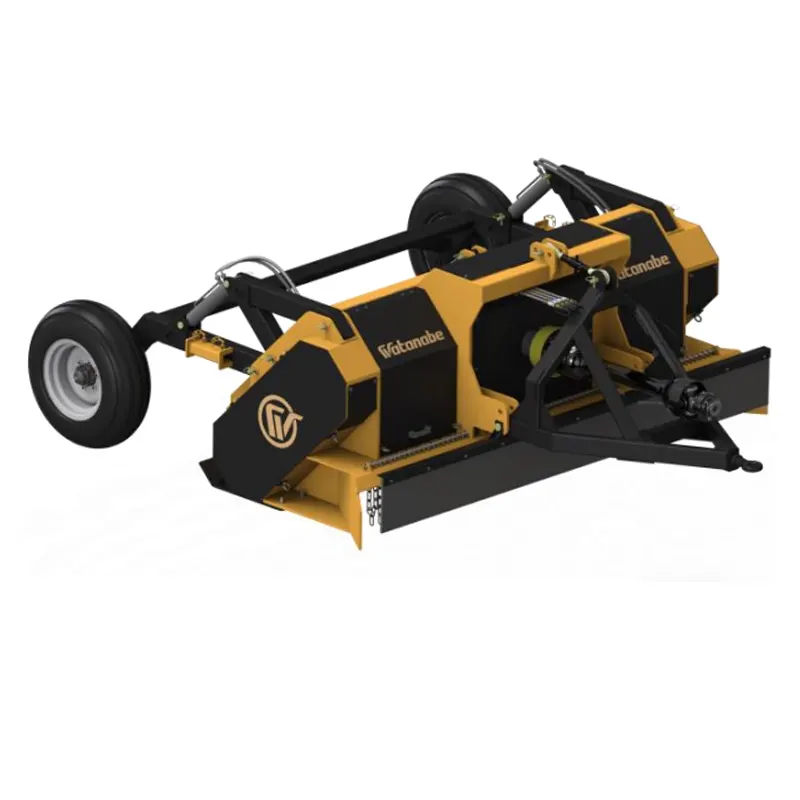
THOR 2.4 और THOR 3.0 के विनिर्देशों में "तेल-शीतित दोहरी ट्रांसमिशन" का उल्लेख है - यह विशेषता इन मशीनों को उन स्टोन क्रशरों से अलग करती है जो गियरबॉक्स के तापीय प्रबंधन के लिए केवल स्प्लैश लुब्रिकेशन पर निर्भर करते हैं। यह अंतर क्यों महत्वपूर्ण है, इसे समझने के लिए स्टोन क्रशर गियरबॉक्स में ऊष्मा उत्पादन के भौतिकी को समझना आवश्यक है।
स्टोन क्रशर गियरबॉक्स में ऊष्मा कहाँ से उत्पन्न होती है?
लोड के तहत चलने वाला गियरबॉक्स तीन प्रक्रियाओं के माध्यम से ऊष्मा उत्पन्न करता है: गियर मेश घर्षण (दांतों के किनारों के बीच फिसलने और घूमने वाला संपर्क); बेयरिंग घर्षण; और मंथन हानि (तेल के घोल में घूमते हुए गियर तत्वों द्वारा नष्ट की गई ऊर्जा)। मध्यम परिवेश तापमान पर हल्के लोड के तहत, स्प्लैश लुब्रिकेशन — जिसमें घूमने वाले गियर तत्व एक सम्प से तेल उठाते हैं और अपकेंद्री क्रिया द्वारा इसे बेयरिंग और दांतों की सतहों पर वितरित करते हैं — तेल के तापमान को स्वीकार्य सीमा में बनाए रखने के लिए पर्याप्त है।
180–230 HP इनपुट पर पत्थर पीसने की निरंतर भारी-भार वाली स्थितियों में, ऊष्मा उत्पन्न करने वाले तीनों तंत्र प्रवर्धित हो जाते हैं। रोटर और पत्थर के बीच टकराव से उत्पन्न होने वाले झटके गियर के दांतों के संपर्क बिंदुओं पर क्षणिक ऊष्मा वृद्धि उत्पन्न करते हैं जो स्थिर-अवस्था विश्लेषण के अनुमान से कहीं अधिक होती है। कोरिया की गर्मियों की स्थितियों में — जुलाई-अगस्त के मौसम में परिवेश का तापमान 33–38°C होता है — स्प्लैश-कूल्ड तेल का प्रारंभिक तापमान पहले से ही अधिक होता है, जिससे तेल का तापमान श्यानता विघटन बिंदु (मानक खनिज गियर तेलों के लिए आमतौर पर 120–130°C) तक पहुंचने से पहले थर्मल हेडस्पेस कम हो जाता है।
समर्पित शीतलन परिपथ
THOR का ऑयल कूलिंग सिस्टम मुख्य गियरबॉक्स स्प्लैश लुब्रिकेशन से अलग एक समर्पित सर्किट है। इसमें एक ऑयल पंप (गियरबॉक्स शाफ्ट द्वारा संचालित), एक ऑयल-टू-एयर हीट एक्सचेंजर (रेडिएटर), और कनेक्टिंग लाइनें शामिल हैं जो गर्म गियरबॉक्स ऑयल को रेडिएटर से गुजारती हैं, रेडिएटर के ऊपर से गुजरने वाली वायु प्रवाह में ऊष्मा को विघटित करती हैं, और ठंडा ऑयल वापस गियरबॉक्स में भेजती हैं। यह सक्रिय कूलिंग सर्किट परिवेश की स्थितियों से स्वतंत्र रूप से ऑयल के तापमान को बनाए रखता है - रेडिएटर का सतह क्षेत्र और उस पर से गुजरने वाली वायु प्रवाह को इस तरह से डिज़ाइन किया गया है कि लगातार 8-10 घंटे के कार्य दिवसों के दौरान 38°C के परिवेश तापमान पर भी ऑयल का तापमान विस्कोसिटी ब्रेकडाउन पॉइंट से नीचे बना रहे।
ऑयल कूलिंग सिस्टम का व्यावहारिक लाभ यह है कि इससे संचालन में निरंतरता बनी रहती है: THOR 2.4 और THOR 3.0 मशीनों को कोरियाई गर्मी के मौसम में थर्मल रिकवरी के लिए बीच में रोकना नहीं पड़ता। सक्रिय ऑयल कूलिंग के बिना चलने वाले स्टोन क्रशर, जो समान पावर लेवल और कोरियाई गर्मी की समान परिस्थितियों में संचालित होते हैं, संचालन के पहले 3-4 घंटों में तेल के तापमान में लगातार वृद्धि का अनुभव करते हैं, जिसके परिणामस्वरूप गियरबॉक्स तेल का तापमान अपनी सीमा तक पहुँचने पर थर्मल रिकवरी के लिए 30-60 मिनट के लिए मशीन को रोकना पड़ता है। कोरियाई ठेकेदारों के लिए, जो प्रति हेक्टेयर के हिसाब से पत्थर हटाने के काम का मूल्य निर्धारित करते हैं, थर्मल रिकवरी के लिए मशीन को बीच में रोकने के दौरान होने वाला उत्पादन नुकसान एक प्रत्यक्ष लागत है, जिसकी तुलना सक्रिय ऑयल कूलिंग वाली मशीनों के विशिष्ट प्रीमियम से की जा सकती है।
आउटपुट नियंत्रण — हाइड्रोलिक हुड और समायोज्य ग्रिड
रोटर द्वारा पत्थर पर प्रहार करके उसे तोड़ने के बाद, कुचले हुए पदार्थ को आकार के अनुसार छांटकर खेत की सतह पर ले जाना आवश्यक होता है। यही कार्य हाइड्रोलिक रियर हुड और समायोज्य आउटपुट ग्रिड के संयोजन से बने रियर हाउसिंग असेंबली का है।
काउंटर-ब्लेड — आकार घटाने का पहला चरण
पिसाई कक्ष के पिछले भाग में स्थित समायोज्य आवरण (काउंटर-ब्लेड) रोटर द्वारा पीछे की ओर फेंके गए पत्थर के टुकड़ों को ग्रहण करता है। जो सामग्री अभी भी आउटपुट ग्रिड से गुजरने के लिए बहुत बड़ी होती है, वह काउंटर-ब्लेड के संपर्क में आती है और उस पर द्वितीयक प्रभाव पड़ता है - या तो सीधे काउंटर-ब्लेड से टकराती है, या कक्ष में मौजूद अन्य टुकड़ों से टकराती है। यह द्वितीयक चूर्णीकरण ही महीन, अधिक एकसमान आकार के टुकड़ों का वितरण उत्पन्न करता है, जो पत्थर क्रशर के आउटपुट को हथौड़े से कुचले गए पत्थरों के अनियमित टुकड़ों के वितरण से अलग करता है।
समायोज्य आउटपुट ग्रिड — खंड के आकार को नियंत्रित करना
ग्रिड के खुलने के आकार से छोटे टुकड़ों में कटी हुई सामग्री मशीन के पिछले हिस्से में स्थित समायोज्य आउटपुट ग्रिड से होकर गुजरती है और खेत की सतह पर जमा हो जाती है। ऑपरेटर ट्रैक्टर के कैबिन से हाइड्रोलिक रूप से ग्रिड के खुलने के आकार को समायोजित करता है - पिछले हुड को ऊपर या नीचे करने से ग्रिड और रोटर के बीच का अंतर बदल जाता है, जिससे मशीन के निचले हिस्से से निकलने वाले टुकड़ों का अधिकतम आकार निर्धारित होता है।
छोटा अंतर (बेहतर सेटिंग): सामग्री को चैम्बर से बाहर निकलने से पहले छोटे-छोटे टुकड़ों में तोड़ना आवश्यक है—इस दौरान काउंटर-ब्लेड और अन्य बची हुई सामग्री से टकराने के कारण उस पर कई बार प्रभाव पड़ता है। इससे प्राप्त सामग्री अधिक महीन और एकसमान होती है—जो कृषि में बीज क्यारी तैयार करने के लिए उपयुक्त है, क्योंकि बड़े टुकड़े बाद में जुताई और बुवाई के कार्यों में बाधा उत्पन्न कर सकते हैं।
बड़ा अंतर (मोटा सेटिंग): बड़े टुकड़े जल्दी बाहर निकल जाते हैं, जिससे उन पर द्वितीयक प्रभाव कम पड़ते हैं। इनका आकार मोटा होता है - सड़क के आधार निर्माण में इन्हें प्राथमिकता दी जाती है, जहाँ कोणीय, बड़े टुकड़े संकुचित सड़क आधार में बेहतर अंतर्संबंध प्रदान करते हैं।
ट्रैक्टर के कैबिन से ही, बिना रुके या ट्रैक्टर से बाहर निकले, इस सेटिंग को समायोजित करने की क्षमता एक वास्तविक उत्पादकता विशेषता है। अलग-अलग घनत्व वाले पत्थरों वाले खेत में काम करने वाला एक कोरियाई ठेकेदार, काम किए जा रहे हिस्से की उत्पादन गुणवत्ता आवश्यकताओं के अनुरूप ग्रिड सेटिंग को एक दिन में कई बार समायोजित कर सकता है।
इस इंजीनियरिंग का खरीद निर्णयों पर क्या प्रभाव पड़ेगा?
स्टोन क्रशर की इंजीनियरिंग को समझने से अमूर्त विशिष्टताओं को सार्थक खरीद मानदंडों में बदला जा सकता है। यहाँ बताया गया है कि कैसे प्रत्येक प्रमुख इंजीनियरिंग तत्व कोरियाई खरीदारों के लिए व्यावहारिक चयन संबंधी कारक बनता है:
रोटर का व्यास → अधिकतम पत्थर का आकार
THOR 2.4: 550 मिमी रोटर, 30 सेमी तक के पत्थरों के लिए उपयुक्त। THOR 3.0: 600 मिमी रोटर, 40 सेमी तक के पत्थरों के लिए उपयुक्त। यदि आपके खेत में लगातार 30 सेमी से बड़े पत्थर आते हैं, तो 3.0 मॉडल उपयुक्त है - 2.4 मॉडल नहीं, जिसे अधिक पावर क्षमता वाले ट्रैक्टर के लिए चलाया जाता है।
दांतों की संख्या → आउटपुट की बारीकी
समान टिप गति पर 90 मुख्य दांत (थोर 2.4) बनाम 108 (थोर 3.0) होने के बावजूद, थोर 3.0 प्रति पास बेहतर आउटपुट देता है। सड़क निर्माण के लिए दोनों ही उपयुक्त हैं। बीज क्यारी तैयार करने के लिए जहां बारीक कणों की आवश्यकता होती है, वहां समान कार्य गति पर थोर 3.0 बेहतर आउटपुट देता है।
तेल शीतलन → कोरियाई ग्रीष्मकालीन व्यवहार्यता
सक्रिय तेल शीतलन के बिना, कोरिया में जुलाई-अगस्त की परिस्थितियों में पूरे दिन पत्थर तोड़ने के काम में थर्मल रिकवरी के लिए बार-बार रुकना पड़ता है। THOR का तेल-शीतित ट्रांसमिशन इन रुकावटों को खत्म कर देता है - जिससे कोरियाई ग्रीष्मकालीन सफाई कार्यक्रमों में उत्पादकता में सीधा अंतर आता है।
एचपी की आवश्यकता → प्राथमिकता नहीं
THOR 2.4 के लिए न्यूनतम 180 HP और THOR 3.0 के लिए 230 HP की शक्ति का निर्धारण 30 या 40 सेंटीमीटर के ग्रेनाइट पत्थर को काटने के पूर्ण भार के तहत 1000 RPM रोटर गति बनाए रखने के लिए आवश्यक शक्ति के आधार पर किया गया है। मशीन की शक्ति कम होने से भार के तहत रोटर की गति कम हो जाती है, जिससे कुचलने की क्षमता कम हो जाती है - यह एक तकनीकी आवश्यकता है, कोई रूढ़िवादी अनुशंसा नहीं।
स्टोन क्रशर क्या नहीं करता — और सीटी-2100 रॉक पिकर क्या करता है
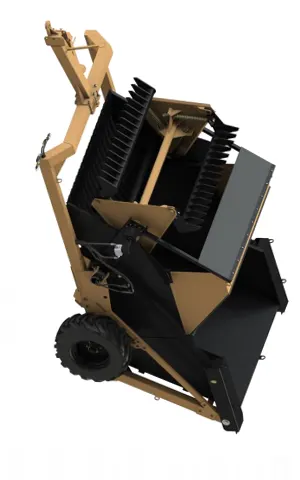
स्टोन क्रशर की इंजीनियरिंग को समझने से इसकी सीमाएं भी स्पष्ट हो जाती हैं। स्टोन क्रशर कुचले हुए एग्रीगेट को तोड़ता है, तोड़ता है और खेत की सतह पर जमा करता है। यह कुचले हुए पदार्थ को इकट्ठा नहीं करता है। उन अनुप्रयोगों के लिए जहां बीज क्यारी में शून्य अवशेष पत्थर की आवश्यकता होती है - जिनसेंग, बीज आलू, सख्त पत्थर सहनशीलता वाली सब्जी फसलें - स्टोन क्रशर उपयुक्त नहीं है। सीटी-2100 रॉक पिकर (110 एचपी, 2.5 वर्ग मीटर बंकर) को THOR क्रशिंग प्रक्रिया का पालन करना होगा ताकि क्रशर द्वारा छोड़े गए टुकड़ों को भौतिक रूप से एकत्र और हटाया जा सके। ये दोनों मशीनें समस्या के अलग-अलग हिस्सों का समाधान करती हैं: क्रशर उन बड़े पत्थरों को संभालता है जिन्हें पिकर नहीं उठा सकता; पिकर क्रशर द्वारा छोड़े गए टुकड़ों को हटाता है।
अक्सर पूछे जाने वाले प्रश्नों
540 आरपीएम के बजाय 1000 आरपीएम पीटीओ की आवश्यकता क्यों होती है?
कृषि उपकरणों के लिए 540 आरपीएम पीटीओ गति मूल मानक थी और आज भी घास काटने की मशीन और जुताई मशीन जैसे छोटे उपकरणों में आम है। पत्थर तोड़ने वाली मशीनों के लिए, प्रभावी प्रभाव से कुचलने के लिए आवश्यक रोटर टिप गति प्राप्त करने के लिए 1000 आरपीएम की आवश्यकता होती है। 540 आरपीएम इनपुट पर, समान गियरबॉक्स अनुपात से रोटर की गति काफी कम हो जाएगी और परिणामस्वरूप टिप वेग भी कम हो जाएगा - जिससे प्रति दांत की टक्कर से उत्पन्न प्रभाव ऊर्जा कठोर ग्रेनाइट को कुशलतापूर्वक तोड़ने के लिए आवश्यक सीमा से नीचे आ जाएगी। 1000 आरपीएम पीटीओ समान रोटर ज्यामिति पर 540 आरपीएम की तुलना में लगभग 3.5 गुना अधिक रोटर गतिज ऊर्जा प्रदान करता है, जो ग्रेनाइट को तोड़ने वाली मशीन और उसे केवल एक तरफ धकेलने वाली मशीन के बीच का अंतर है। 100 एचपी से अधिक के अधिकांश कोरियाई ट्रैक्टर 540 और 1000 आरपीएम दोनों पीटीओ आउटपुट प्रदान करते हैं - THOR को चालू करने से पहले 1000 आरपीएम चुनें।
पत्थर तोड़ने वाली मशीन चट्टान के साथ-साथ वनस्पति को कैसे संभालती है?
वनस्पति — झाड़ियाँ, छोटे पेड़, जड़ तंत्र — को उसी रोटर और दाँतों द्वारा संसाधित किया जाता है जो पत्थर को संसाधित करते हैं। कार्बाइड के दाँत रोटर के तेज़ घूमने पर प्रभाव और कतरन क्रिया के संयोजन से कार्बनिक पदार्थों को काटते और छोटे-छोटे टुकड़ों में तोड़ते हैं। 5-8 सेंटीमीटर व्यास वाली लकड़ी की वनस्पति एक ही बार में बारीक हो जाती है। इससे अधिक व्यास वाले तनों और शाखाओं को कई बार चलाना पड़ता है या व्यास को मशीन की प्रसंस्करण सीमा तक कम करने के लिए पहले से काटना पड़ता है। बारीक किया हुआ कार्बनिक पदार्थ खेत की सतह पर छोटे-छोटे टुकड़ों के रूप में वापस आ जाता है जो बाद की जुताई के मौसमों में मिट्टी में मिल जाता है — यह कार्बनिक पदार्थ का एक लाभकारी संवर्धन है, न कि अपशिष्ट उत्पाद। स्टोन क्रशर वास्तव में एक ही मशीन में पत्थर को कुचलने और झाड़ियों को बारीक करने का संयुक्त उपकरण है।
कार्बाइड के दांत समय से पहले खराब क्यों हो जाते हैं, और इसे कैसे रोका जा सकता है?
कार्बाइड के दांत समय से पहले खराब होने के सबसे आम कारण हैं: मशीन को निर्धारित अधिकतम पत्थर के आकार से अधिक आकार के पत्थरों पर चलाना (30 सेमी की मशीन से 50 सेमी के पत्थरों को पीसने की कोशिश करने से भार एक साथ कुछ ही दांतों पर केंद्रित हो जाता है, जिससे कार्बाइड की नोक टूट जाती है); ढीले बोल्ट के कारण दांतों का हिलना और प्रभाव कोण में बदलाव होना; और अधिक सिलिका युक्त चट्टानों (जेजू बेसाल्ट, क्वार्टजाइट) में काम करते समय घिसाव की दर को ध्यान में रखते हुए निरीक्षण अंतराल को समायोजित न करना। रोकथाम: मशीन के निर्धारित पत्थर के आकार की अधिकतम सीमा के भीतर रहें; प्रत्येक कार्य सत्र की शुरुआत में और भारी पत्थर पीसने के बाद सभी बोल्ट की जांच करें; घर्षण वाली चट्टानों में हर 50-100 घंटे में दांतों का निरीक्षण करें और नोक में दरार या अत्यधिक घिसाव वाले किसी भी दांत को तुरंत बदल दें। प्रति सत्र एक क्षतिग्रस्त दांत को बदलना, तेज गति से रोटर पर टूटे हुए दांत के टुकड़े के टकराने से क्षतिग्रस्त आस-पास के दांतों को बदलने की तुलना में कहीं अधिक सस्ता है।
पत्थर को कुचलने के लिए सही कार्य गति क्या है?
THOR 2.4 और THOR 3.0 की सामान्य कार्य गति सीमा 0.5–3 किमी/घंटा है, जो पत्थर के घनत्व के अनुसार बदलती रहती है। किसी विशेष पत्थर के घनत्व के लिए इष्टतम कार्य गति वह अधिकतम गति है जिस पर मशीन एक ही बार में सभी पत्थरों को पूरी तरह से संसाधित कर लेती है—यानी मशीन की गति रोटर की क्षमता से अधिक होने के कारण कोई पत्थर रोटर से बिना टूटे बाहर न निकल जाए। कोरिया के पहाड़ी ग्रेनाइट क्षेत्रों में, जहां पत्थरों का घनत्व अधिक होता है, यह गति 0.5–1.0 किमी/घंटा हो सकती है। कम पत्थरों के भार या छोटे आकार के पत्थरों को संसाधित करते समय, 1.5–2.5 किमी/घंटा की गति प्राप्त की जा सकती है। व्यावहारिक संकेत: यदि पत्थर कुचलने के बजाय एक तरफ धकेले जा रहे हैं, तो कार्य गति पत्थर के घनत्व और आकार के लिए बहुत अधिक है। जब तक सभी सामग्री पूरी तरह से संसाधित न हो जाए, तब तक गति कम करें।
क्या पत्थर तोड़ने वाली मशीन गीली मिट्टी की स्थितियों में काम कर सकती है?
मिट्टी में नमी होने पर भी स्टोन क्रशर का संचालन बाधित नहीं होता है। गीली मिट्टी में जुताई करने वाले औजारों की तरह बड़े-बड़े चिपचिपे ढेले बनने के बावजूद, स्टोन क्रशर का कार्य (चट्टान तोड़ना) मिट्टी की नमी से उतना प्रभावित नहीं होता जितना कि जुताई की गुणवत्ता पर होता है। हालांकि, कुचले हुए पत्थरों के टुकड़ों के साथ आने वाली गीली मिट्टी आउटपुट ग्रिड को जाम कर सकती है, जिससे उत्पादन कम हो जाता है और भारी एग्रीगेट आउटपुट बनता है जो कृषि में बीज बोने के लिए कम उपयुक्त होता है। अत्यधिक गीली परिस्थितियों में रोटर और दांतों की सतहों पर मिट्टी का चिपकना भी बढ़ जाता है, जिससे लंबे समय तक संचालन के दौरान असंतुलन उत्पन्न हो सकता है। मध्यम गीली परिस्थितियों में संचालन स्वीकार्य है; लेकिन अत्यधिक गीली और दलदली परिस्थितियों में, जहां ट्रैक्टर की कर्षण क्षमता कम हो जाती है, संचालन की व्यावहारिक सीमा है। आमतौर पर, नरम गीली मिट्टी में ट्रैक्टर की आगे बढ़ने की क्षमता ही मुख्य बाधा होती है, न कि स्टोन क्रशर का कार्य।
क्या आपके क्षेत्र के लिए स्टोन क्रशर की विशिष्टताओं के बारे में कोई प्रश्न हैं?
हमें अपने ट्रैक्टर की HP और PTO की विशिष्टताएँ, आपके द्वारा आमतौर पर उपयोग किए जाने वाले पत्थर का प्रकार (ग्रेनाइट/बेसाल्ट/तलछटी), आपके द्वारा सामना किए जाने वाले पत्थरों के सबसे बड़े आकार और आपके वार्षिक सफाई क्षेत्र के बारे में बताएँ — हम आपकी परिस्थितियों के लिए THOR 2.4 या THOR 3.0 विशिष्टता की पुष्टि करेंगे और तकनीकी तर्क समझाएँगे। कोरिया का स्थानीय स्टॉक, अनसान-सी, ग्योंगगी-डो।
संपादक: सीएक्सएम