
الزعفران (زعفرانيُعدّ الزعفران أغلى سلعة زراعية في العالم من حيث الوزن، إذ يصل سعر الكيلوغرام الواحد من الزعفران الأصلي من الفئة الأولى في المزادات إلى ما بين 16000 و12000 دولار أمريكي، وهو سعر يجعل القهوة المختصة (E-17) وشاي غيوكورو (E-20) وحتى فراولة سيولهيانغ (E-18) تبدو بأسعار معقولة بالمقارنة. يُزرع الزعفران تجاريًا في إيران (التي تُنتج ما يقارب 901 تريليون طن من الإمدادات العالمية)، وإسبانيا، وكشمير، في تربة كلسية وبركانية وجليدية بحيرية، ما يُشكّل تحديات لإدارة الأحجار تختلف باختلاف كل منطقة. يُحصد الزعفران يدويًا، بحيث تُقطف ثلاثة مياسم فقط من كل زهرة، خلال فترة تتراوح بين 10 و15 يومًا في السنة عندما تكون الأزهار متفتحة بالكامل. وهو، من الناحية البيولوجية، المحصول الوحيد في هذا الدليل الإلكتروني المكون من 23 مقالًا الذي لا يتكاثر جنسيًا على الإطلاق.
زعفران نبات الزعفران ثلاثي الصبغيات عقيم. لا ينتج بذورًا قابلة للإنبات، ويعتمد كليًا على التكاثر الخضري - أي تكوين الكورمات الصغيرة من قاعدة كل كورمة أم خلال موسم النمو. هذه الحقيقة البيولوجية تخلق نقاشًا حول إدارة الحجارة يختلف تمامًا عما ورد في المقالات الـ 22 السابقة: فالحجارة على عمق 8-20 سم لا تقيد جذور نباتات الزعفران لهذا العام فحسب، بل تقيد أيضًا التوسع الفيزيائي للكورمات الصغيرة التي ستشكل نباتات العام المقبل، والذي يليه، وكل عام من عمر الحقل الإنتاجي - مما يخلق عجزًا متراكمًا في أعداد النباتات يتفاقم مع كل دورة. حقل الزعفران المليء بالحجارة لا يكون أداؤه أقل من الحقل الخالي من الحجارة فحسب، بل يكون أداؤه أقل بفارق أكبر كل عام، حيث أن عامل التكاثر المقيد بالحجارة يقلل تدريجيًا من كثافة الزراعة التي تحدد المحصول. يغطي هذا الدليل كسارة صخور لمزرعة الزعفران التطبيق من خلال هذه الآلية التكاثرية الفريدة، وسلسلة الجودة ISO 3632 التي تؤثر عليها، والسياقات الجيولوجية الثلاثة التي تتقارب فيها مع المحصول الأكثر قيمة في العالم.
تكاثر الكورم - البيولوجيا التكاثرية التي تُسبب تلف الحجر المركب
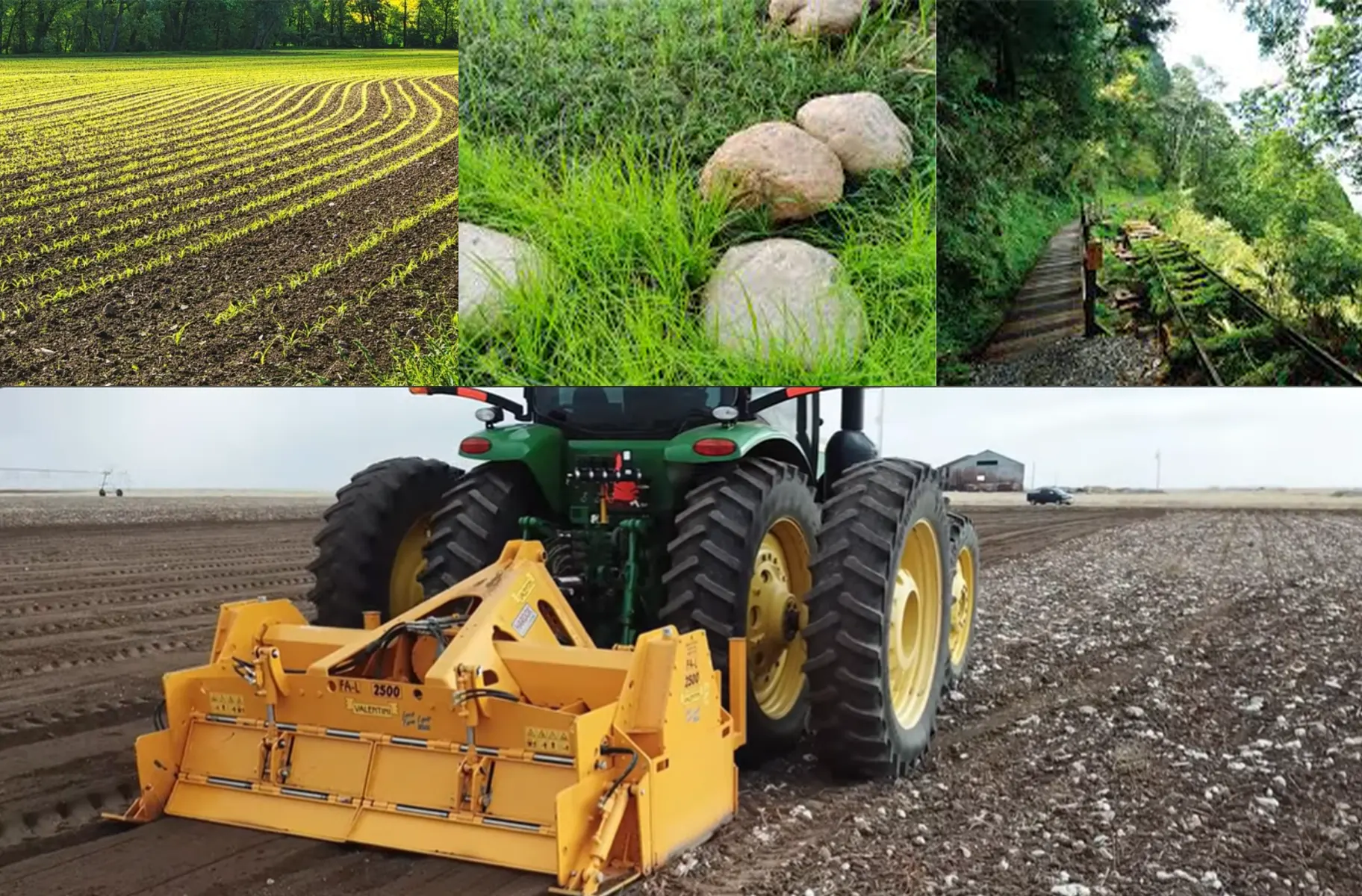
دورة حياة زعفران تخضع عملية نمو نبات الزعفران بالكامل لسيطرة الكورم، وهو العضو التخزيني المضغوط والنشوي الموجود تحت الأرض (يشبه البصلة ظاهريًا) الذي ينمو منه كل نبات. على عكس البصلة الحقيقية (وهي عبارة عن بنية ورقية معدلة)، فإن الكورم عبارة عن نسيج ساقي صلب، يتراوح قطره عادةً بين 2 و5 سم، ويُزرع على عمق يتراوح بين 8 و15 سم. يُعد فهم كيفية نمو وتكاثر كورمات الزعفران أمرًا أساسيًا لفهم سبب تسبب وجود الحجارة على هذا العمق في مشكلة فريدة من نوعها ومُضرة ومُتفاقمة.
زيادة كثافة الكورم - مقارنة بين حقل تم تجريده من الأعشاب وحقل تم ملؤه بالحجارة على مدى ثلاث دورات زراعية
لماذا يختلف هذا عن كل آلية أخرى لتلف الأحجار في السلسلة
في جميع المقالات الـ 22 السابقة من سلسلة E، يُؤدي تلف النباتات بسبب الحجارة إلى انخفاض في المحصول أو الجودة يتناسب طرديًا مع كثافة الحجارة - فكلما زادت الحجارة زاد التلف، ولكن هذا التلف ينطبق على نفس كثافة النباتات كل عام. في الفراولة (E-18)، يبدأ الحقل المُزال منه الحجارة كل عام بنفس كثافة التاج بغض النظر عن إدارة الحجارة في العام السابق. في البندق (E-14)، تتكرر تشققات السيقان الجارية سنويًا، لكن الشجيرة نفسها لا تنكمش. في الفستق (E-22)، يُعد انحراف الجذر الرئيسي حدثًا كارثيًا واحدًا له عواقب طويلة الأمد.
يختلف النقص المتراكم في أعداد نباتات الزعفران من الناحية الهيكلية: فالحجر لا يقلل فقط من إنتاجية النباتات الموجودة، بل يقلل أيضًا من عدد النباتات التي ستوجد في السنوات القادمة. وتؤثر آلية الضرر على القدرة التكاثرية للنباتات، وليس فقط على إنتاجيتها. وهذه هي المرة الأولى، من بين 23 مقالة، التي يُظهر فيها تأثير إدارة الحجر على قدرة المحصول على التكاثر الذاتي.
ISO 3632 - سلسلة الجودة من منطقة الجذور إلى درجة المزاد
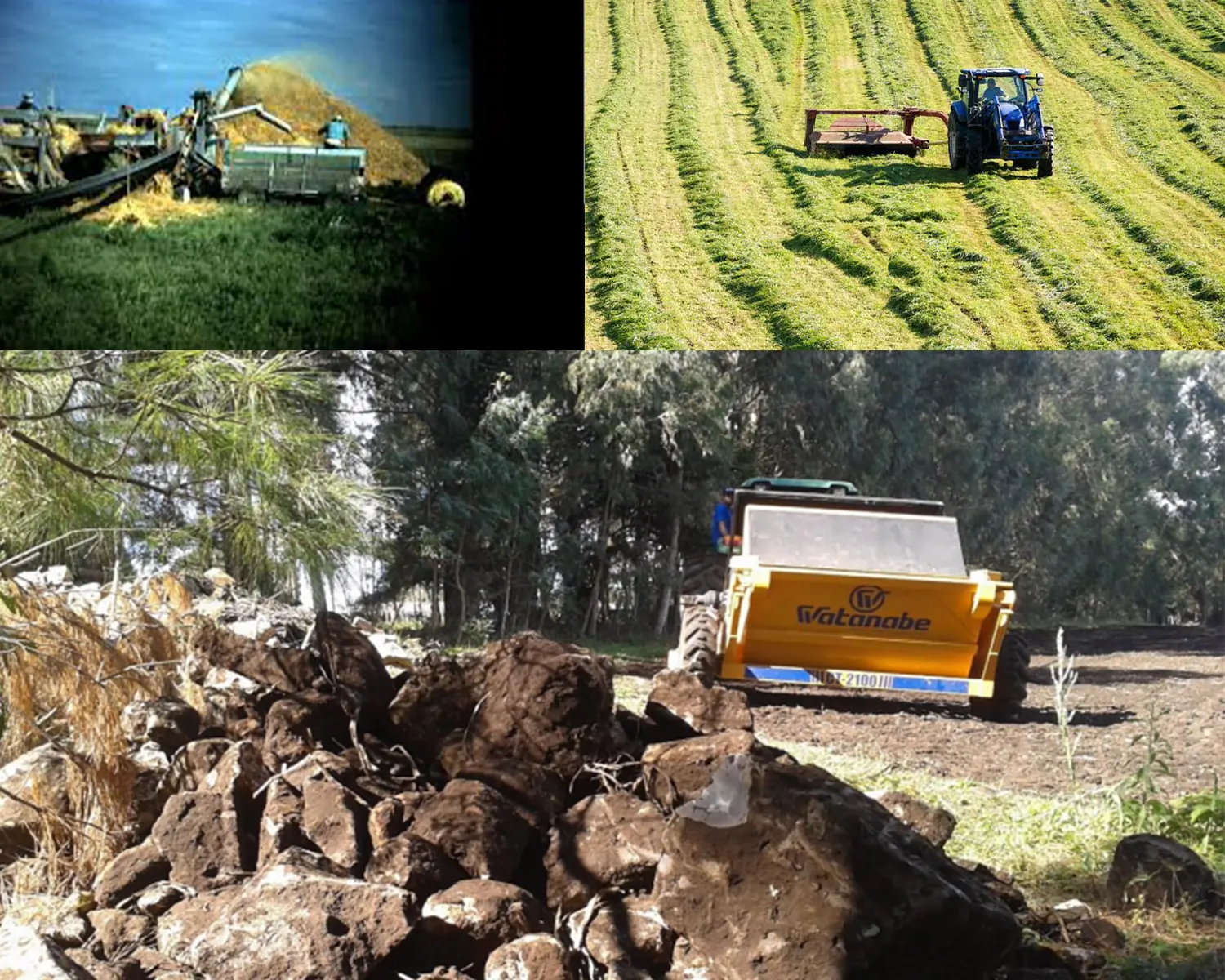
يُعدّ معيار ISO 3632 الإطار الدولي لقياس جودة الزعفران، ويعتمد على القياس الطيفي لثلاثة مؤشرات كيميائية أساسية. إنّ فهم سلسلة الجودة هذه، بدءًا من منشئها في منطقة الجذور وصولًا إلى سعرها في المزاد، يجعل حساب جدوى إزالة نوى الزعفران أكثر سهولةً من أي محصول آخر في هذه السلسلة، لأنّ القيمة المالية لكل تحسين في الجودة، والتي تتراوح بين 8000 و12000 دولار أمريكي للكيلوغرام الواحد للفئة الأولى، تُعدّ كبيرةً للغاية مقارنةً باستثمار الإزالة.
كروكين يُحدد الامتصاص عند طول موجي 440 نانومتر لون الزعفران، وهو السمة المميزة له من الناحيتين الغذائية والتجارية. يُصنّع الكروسين في الميسم من الزياكسانثين (أحد الكاروتينات) عبر مسار انشطار الأبوكاروتينويد. وتتطلب عملية تصنيع الزياكسانثين استهلاكًا كبيرًا للطاقة، وإمدادًا مستمرًا من نواتج التمثيل الضوئي من الأوراق إلى الميسم النامي. البيكروكروسين (يتم قياسه عند 257 نانومتر) يحدد المرارة والنكهة - مشتق من نفس انقسام الكاروتينويد مثل الكروسين. سافرانال يُحدد (المقاس عند 330 نانومتر بعد التحلل المائي) الرائحة الزهرية المميزة - وهي عبارة عن تربينويد متطاير ينتج عن تحلل البيكروكروسين أثناء التجفيف. تشترك المركبات الثلاثة في نفس العائق الحيوي: فهي تتطلب الزياكسانثين كمادة أولية، ويتناسب إنتاج الزياكسانثين في الميسم تناسبًا طرديًا مع كمية نواتج التمثيل الضوئي التي تصل إلى الزهرة النامية من نظام التمثيل الضوئي للنبات.
لا يمتلك بصيلات الزعفران نظامًا جذريًا واسعًا، إذ تُنتج جذورًا قصيرة قابلة للانقباض (يتراوح طولها بين 5 و20 سم) تُثبّت البصيلة وتمتص الماء والمعادن. يجب أن تصل هذه الجذور إلى تربة غنية بالمعادن وجيدة التهوية حول البصيلة لدعم عملية التمثيل الضوئي التي تُحفّز تخليق المركبات. تُحدث شظايا الحجارة في منطقة الجذور تأثيرين: (1) تُقيّد تمدد الجذور ماديًا، مما يُقلّل من حجم التربة التي تُمتص منها المعادن؛ (2) تُحدث تباينًا في الرطوبة، حيث تُقلّل المناطق الأكثر جفافًا المجاورة لأسطح الحجارة من امتصاص الماء خلال فترة التمثيل الضوئي الحرجة التي تلي الإزهار. يكون تراكم الكروسين في المياسم أسرع ما يكون في الأسبوعين أو الثلاثة أسابيع التي تسبق الإزهار، وهي الفترة التي يمتص فيها الميسم النامي أقصى قدر من نواتج التمثيل الضوئي من النبات. تُنتج البصيلة ذات الوصول المحدود للجذور نباتًا أقل نشاطًا في عملية التمثيل الضوئي، وبالتالي، تدفقًا أقل للزياكسانثين إلى المياسم النامية، مما يُنتج مياسم ذات محتوى أقل من الكروسين ودرجة ISO 3632 أقل.
| درجة ISO | كروكين (λ440) | سافرانال (λ330) | حالة منطقة الجذور | سعر مرجعي (دولار أمريكي/كجم) |
|---|---|---|---|---|
| الفئة الأولى | ≥190 | 20-50 | منطقة الكورم خالية من الحجارة. تمدد كامل للجذور. أقصى قدر من نواتج التمثيل الضوئي إلى الميسم. | $8,000–12,000 |
| الفئة الثانية | 150–189 | 20-50 | كثافة متوسطة للحصى. تقييد جزئي لنمو الحصى الصغيرة. انخفاض امتصاص المعادن. | $4,000–7,500 |
| الفئة الثالثة | 110–149 | 20-50 | كثافة عالية للحصى. انضغاط كبير في الكورميلت. حجم جذر محدود. | $2,000–3,800 |
| الفئة الرابعة | أقل من 110 | 20-50 | تربة حجرية كثيفة، مشاكل في الصرف، ضغط تعفن الكورم. عملية التمثيل الضوئي محدودة للغاية. | $1,000–2,500 |
تعفن الكورم والصرف - الفيوزاريوم في التربة المعيقة بالحجارة
إلى جانب القيود المفروضة على التكاثر وتأثيرها على الجودة، فإن انسداد التصريف بسبب الحجارة يُسبب الضغط المرضي الأساسي في الزعفران: تعفن الكورم الناتج عن فطر الفيوزاريوم جلاديولي pv. زهور الغلاديولوس وفي بعض الظروف، Rhizoctonia crocorum. هذه مسببات الأمراض المنقولة بالتربة متوطنة في التربة التي تزرع الزعفران على مستوى العالم ولا تتطلب سوى شرط واحد لتصبح معدية: التشبع المطول للتربة المحيطة مباشرة بالكورم.
تُسبب شظايا الحجارة على عمق 12-25 سم (أسفل عمق الكورم الذي يتراوح بين 8-15 سم) نفس انسداد التصريف الموصوف للأفوكادو (E-12) والحمضيات (E-13)، مع اختلاف جوهري يتمثل في أن الكورم نفسه، وليس الجذور، هو العضو الحساس للرطوبة. فالكورم أكثر عرضة للتشبع بالماء من أي نسيج جذري، إذ يوفر نسيجه النشوي بيئة مثالية لـ الفيوزاريوم في ظل ظروف لاهوائية. يؤدي انسداد الصرف بسبب الحجارة بعد هطول أمطار الخريف (وهي الفترة الأكثر خطورة، حيث تكون الكورمات في طور النمو النشط) إلى تشبع التربة حول الكورمة لفترات طويلة. يكفي تشبع التربة لمدة 12 ساعة على مستوى الكورمة لـ فطر الفيوزاريوم جلاديولي أن تبدأ العدوى على أرض غير مطهرة.
تُزيل عملية إزالة الأحجار على عمق 15-22 سم كلاً من العائق المادي الذي يُعيق نمو الكورمات (في منطقة 8-20 سم) وانسداد الصرف (في منطقة 15-25 سم) في عملية واحدة باستخدام آلة THOR. هذه الفائدة المزدوجة - تسهيل التكاثر ومنع تعفن الكورمات - تجعل الاستثمار في إزالة الأحجار من منطقة زراعة الزعفران يُعالج آليتين مستقلتين في آنٍ واحد، على غرار آلية زراعة الكيوي المزدوجة (E-19)، ولكن مع عمل كلتا الآليتين ضمن طبقة تربة سطحية. ويؤكد الارتباط بممارسات تحضير التربة التقليدية في إيران (الحرث العميق قبل زراعة الكورمات، والتي يمارسها مزارعو الزعفران الإيرانيون منذ قرون) تجريبياً أن اضطراب التربة في منطقة الكورمات يُحسّن النتائج - إذ تُوفر آلة THOR إزالة منهجية ومُحددة العمق للأجزاء المتناثرة بدلاً من الحراثة السطحية التقليدية.
تكوين كاروا - المؤشر الجغرافي الزراعي الوحيد الذي تخلق تربته مشكلة الحجارة فيه
يحظى إنتاج الزعفران في كشمير بوضع مؤشر جغرافي فريد في تاريخ الزراعة: إذ يُحدد تسجيل المؤشر الجغرافي لـ"زعفران كشمير" (Kashmiri Kesar) تكوين هضبة "كاريوا" تحديدًا دقيقًا كأساس جغرافي وجيولوجي لحماية المنتج. ولا يوجد مؤشر جغرافي زراعي آخر في العالم يُحدد تكوينًا جيولوجيًا معينًا كعنصر أساسي في تحديد خصائص التربة، ويعتمد في الوقت نفسه على هذا التكوين نفسه كمصدر للتحدي الرئيسي لإدارة الحجر.
كاروا (من الكشميرية: مصطبة مسطحة مرتفعة) هو الاسم المحلي لسلسلة الهضاب المرتفعة فوق قاع وادي كشمير، والتي تشكلت من رواسب قاع البحيرة التي ترسبت عندما كان وادي كشمير بحيرة جليدية كبيرة قبل حوالي 70,000 إلى 80,000 عام. ومع انحسار البحيرة، انكشفت رواسب الطمي والطين الدقيقة التي تراكمت فيها على شكل مصاطب مرتفعة. تتميز هذه المصاطب - هضاب كاروا - بخصائص تربة فريدة: فمصفوفة طين قاع البحيرة متراصة وتحتفظ بالرطوبة، ولكنها ذات بنية جيدة، مما يوفر مزيجًا محددًا من قدرة التصريف والاحتفاظ بالرطوبة، وهو المصدر المعروف لتركيز الكروسين الاستثنائي في زعفران كشمير. طين كاروا هو أساس التربة، وتعتمد عليه المؤشرات الجغرافية.
استقبلت البحيرة الجليدية التي شكلت رواسب كاروا مواد من الأنهار الجليدية المحيطة بها في جبال الهيمالايا، بما في ذلك حطام المورين الجليدي: شظايا من الحجر الجيري والجرانيت والكوارتزيت ذات زوايا حادة، يتراوح قطرها بين 2 و15 سم. تتواجد هذه الشظايا المورينية في مصفوفة طين كاروا على أعماق غير منتظمة، وتظهر عادةً على عمق يتراوح بين 8 و25 سم، نتيجةً لتأثير الزراعة على الطين على مدى آلاف السنين. مع كل موسم من الزراعة السطحية في حقول زعفران كاروا، تظهر المزيد من أحجار المورين على السطح، وتعاد توزيعها في منطقة الكورم. إن مصفوفة طين قاع البحيرة نفسها، التي تمنح زعفران كشميري إمكانية إنتاج الكروسين من الفئة الأولى، هي نفسها التي تحمل أحجار المورين التي تحد من تكاثر الكورمات الصغيرة وتعيق التصريف. إزالة أحجار مورين كاروا - مع ترك عمق THOR يتراوح بين 18 و22 سم - تزيل العوائق المادية مع الحفاظ على مصفوفة طين قاع البحيرة سليمة تمامًا. وهكذا، تُحفظ التربة، وتُزال العوائق.
في الفقرة E-17 (القهوة)، وصفنا مفارقة الحجر البركاني: فالبازلت نفسه الذي يُشكّل التربة الكولومبية المميزة يُنتج أيضًا العُقيدات الحجرية التي تعيق الجذور. وفي الفقرة E-23 (الزعفران)، تتشابه مفارقة كاروا من الناحية الهيكلية، ولكن مع إضافة جوهرية، وهي أن التكوين الجيولوجي الذي يُشكّل التربة المميزة هو أيضًا المصدر المُعتمد قانونًا لحماية المؤشر الجغرافي. ويشير كلٌ من وضع المؤشر الجغرافي لزعفران كشميري (الذي منحته حكومة الهند عام 2020) وإدراج اليونسكو زراعة زعفران كشمير ضمن قائمة التراث الثقافي غير المادي لعام 2024، صراحةً إلى كاروا كأساس جغرافي وجيولوجي لهذا التصنيف. ولذلك، فإن إزالة الأحجار من حقول زعفران كاروا ليست مجرد إدارة زراعية، بل هي الحفاظ على الظروف التي تُبرر تصنيف المؤشر الجغرافي، والتي تجعل قيمة زعفران كشميري تتراوح بين 10,000 و15,000 دولار أمريكي للكيلوغرام في المزادات الراقية.
ثلاثة أسواق: الجيولوجيا، وخصائص الصخور، والاقتصاد الميداني
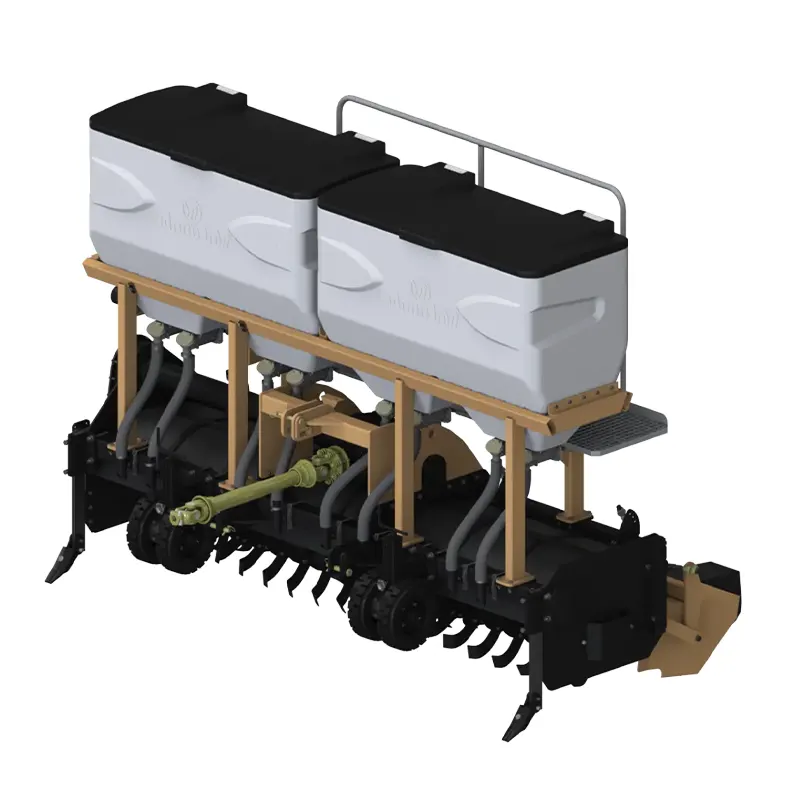
نظام الآلة - بروتوكول دورة الحقل لإزالة منطقة كورم الزعفران
الأسئلة الشائعة
كسارة الصخور لمزرعة الزعفران - هل يؤدي تقييد تكاثر الكورم بواسطة الحجر فعليًا إلى نقص التراكم الموضح في جدول السكان، أم أن هذا نظري؟
يعتمد نموذج تكاثر نباتات الزعفران على بيولوجيا بصلات الزعفران الموثقة جيدًا، حيث يتراوح إنتاج البصلات الوليدة بين 2 و5 بصلات لكل بصلة أم في الأراضي المُزالة منها الأعشاب، مقابل 1 إلى 2 بصلة لكل بصلة أم في الأراضي الحجرية، وهو ما يعكس الملاحظات الميدانية من محطات أبحاث الزعفران الإيرانية والإسبانية، وليس التجارب المخبرية المُحكمة. وبالتحديد، تُوثّق بيانات محطة أبحاث المحاصيل العطرية والتوابل الإيرانية (IRSATC) من تجارب إدارة الزعفران طويلة الأجل في جنوب خراسان عوامل تكاثر تتراوح بين 3.2 و4.8 بصلة لكل بصلة أم في قطع أرض مُجهزة جيدًا ومحروثة بعمق، مقابل 1.2 إلى 1.8 بصلة في قطع أرض حجرية مُجهزة بشكل بسيط، وذلك بدءًا من نفس كثافة الزراعة الأولية. نشر المعهد الإسباني للنباتات والنبيذ في قشتالة-لا مانشا بيانات مماثلة لحقول الزعفران في لا مانشا، موثقةً وجود علاقة بين كثافة الحجارة في التربة على عمق 10-20 سم وحجم الكورمات (صغر حجم البصيلات في التربة ذات الكثافة العالية من الحجارة، مع تأثيرات نسبية على إزهار العام التالي لكل وحدة مساحة). يستخدم جدول التأثير التراكمي نقطة المنتصف لنطاقات التكاثر الموثقة (3.5 × للأراضي الخالية من الحجارة، و1.5 × للأراضي ذات الكثافة المنخفضة من الحجارة) بدلاً من القيم القصوى - قد تكون النسبة الفعلية عبر دورات الحقل الكاملة أكبر إذا كانت كثافة الحجارة عالية بما يكفي لإنتاج 1-1.5 بصيلة فقط باستمرار بدلاً من المتوسط النموذجي البالغ 1.5.
لماذا ترتبط دورة إزالة الأشجار بفترة إعادة زراعة الزعفران بدلاً من القيام بها كل عام؟ وماذا يحدث لإدارة الأحجار ضمن دورة الحقل؟
تُجرى عملية إزالة كاملة للتربة باستخدام آلة THOR على عمق 18-22 سم قبل إعادة زراعة الزعفران (كل 3-5 سنوات)، لأن حقول الزعفران لا تُزرع سنويًا، إذ تبقى الكورمات في الأرض لعدة مواسم نمو، وإحداث خلل في نمو الكورمات القائمة بإزالة عميقة للتربة باستخدام آلة THOR خلال فترة نمو الحقل قد يُلحق الضرر بها. ولا يُمكن إجراء الإزالة الكاملة إلا عند حصاد الحقل بالكامل من الكورمات لإعادة زراعتها في مكان آخر (كما هو الحال في إيران)، أو عند ترك الحقل بورًا لمدة 1-2 سنة قبل إعادة زراعته (كما هو الحال في منطقة لامانشا الإسبانية). وخلال دورة الحقل، تقتصر الإدارة على عملية صيانة سطحية سنوية موصوفة في قسم نظام الآلات، وهي عبارة عن تمريرة سطحية (10-12 سم) باستخدام آلة THOR أو BlackBird لإزالة الحجارة السطحية الناتجة عن تجمد التربة دون التأثير على نمو الكورمات القائمة على عمق 8-15 سم. لا يمكن لهذه الصيانة داخل الدورة أن تضاهي التنظيف الشامل الذي يتم قبل الزراعة باستخدام برنامج THOR الكامل، ولهذا السبب لا يزال النقص السكاني المتراكم يتراكم داخل دورة الحقل - ولكن الصيانة السنوية تقلل بشكل كبير من معدل التراكم عن طريق إزالة أكبر شظايا الحجارة السطحية التي قد تدخل منطقة الكورم من خلال دورة التجمد والذوبان الشتوية.
ما الذي يجعل الزعفران الكشميري أغلى بكثير من الزعفران الإيراني، وهل يؤثر تنظيف حجر كاروا بالفعل على فرق السعر؟
تُعزى القيمة العالية لزعفران كشمير (10,000-15,000 دولار أمريكي/كجم مقابل 6,000-10,000 دولار أمريكي/كجم للزعفران الإيراني الممتاز) إلى ثلاثة عوامل: التركيب الكيميائي الفريد لتربة طين كاروا (الذي يُنتج تركيزًا استثنائيًا من الكروسين في زعفران كشمير من الفئة الأولى)؛ وموسم الإنتاج القصير للغاية (يزهر زعفران كشمير لمدة 3-5 أيام فقط في السنة مقارنةً بـ 10-15 يومًا في إيران وإسبانيا - مما يُنتج كمية إجمالية أقل، وبالتالي يُبرر ارتفاع سعره نظرًا لندرته)؛ وتصنيفه كمؤشر جغرافي وتصنيفه ضمن التراث الثقافي لليونسكو، مما يوفر له حماية في السوق. ويؤثر إزالة الأحجار من حقول كاروا بشكل مباشر على العامل الأول: إذ تتدهور تربة طين كاروا نفسها، التي تُنتج الكروسين الاستثنائي، كوسط زراعي لنمو الكورمات عندما تُقلل أحجار المورين من التهوية والصرف في منطقة الكورمات. ينتج حقل كاروا الذي تم تنظيفه من أحجار المورين كورمات أكبر حجماً وأكثر نشاطاً أيضياً، مما يؤدي إلى زيادة تدفق الزياكسانثين إلى المياسم - وهي الآلية الموضحة في القسم 2. تُظهر بيانات مزادات الزعفران الهندية من اتحاد التسويق التعاوني لولاية جامو وكشمير باستمرار قيم امتصاص أعلى وفقاً لمعيار ISO 3632 في قطع أراضي كاروا المُجهزة جيداً (450-520 عند 440 نانومتر في أفضل المحاصيل) مقارنةً بقطع الأراضي الأقل عناية (350-420) - وهو فرق يتوافق مع تقييد منطقة الجذور المرتبط بالأحجار والموصوف في هذه المقالة. لا يُعدّ تنظيف الأحجار العامل الوحيد الذي يُميّز الزعفران الكشميري عالي الجودة عن متوسط الجودة، ولكنه من بين أكثر التدخلات الزراعية العملية المتاحة لمزارعي كاروا أصحاب الحيازات الصغيرة.
هل تعد عملية إزالة الأحجار من حقول الزعفران مجدية اقتصادياً بالنسبة للمزارع العائلية الصغيرة النموذجية في كشمير وإسبانيا - أم أنها عملية فقط للمزارع التجارية الإيرانية الكبيرة؟
في الواقع، يُعدّ الجدوى الاقتصادية أقوى بالنسبة لإنتاج زعفران كشمير عالي القيمة على نطاق صغير مقارنةً بالإنتاج التجاري الإيراني على نطاق واسع، نظرًا لارتفاع سعر الكيلوغرام الواحد. فعلى سبيل المثال، بالنسبة لمزارع صغير نموذجي في منطقة بامبور بكشمير، يمتلك 0.5 هكتار من زعفران كاريوا، وينتج ما بين 1.5 و3 كيلوغرامات من الزعفران المجفف سنويًا، بسعر يتراوح بين 10,000 و15,000 دولار أمريكي للكيلوغرام الواحد، والمصنف ضمن الفئة الأولى من المؤشر الجغرافي المعتمد، فإن تكلفة إزالة الأشجار (باستخدام برنامج THOR 2.4 لمساحة 0.5 هكتار، مع عملية تهيئة واحدة قبل الزراعة) تُقدّر بحوالي 18,000 إلى 28,000 روبية هندية (بسعر يتراوح بين 215 و335 دولارًا أمريكيًا). الزيادة السنوية في القيمة الناتجة عن تحسين عامل تكاثر الكورم (على سبيل المثال، 25% كورمًا إضافيًا في الدورة الثانية وما بعدها، نتيجةً لتحسين التكاثر من 3× إلى 4×): 25% من 2 كجم × 12000 دولار أمريكي/كجم = $ إيرادات إضافية قدرها 6000 دولار أمريكي في السنة 3-4. العائد على الاستثمار فوري تقريبًا - إذ أن أول دورة حقل محسّنة تُغطي تكلفة إزالة الأعشاب الضارة وزيادة. بالنسبة لصغار المزارعين في منطقة لامانشا الإسبانية (حيازات نموذجية من 1 إلى 3 هكتارات): حساب مماثل مع علاوة كروسين أقل قليلًا، ولكن هيكل عائد على الاستثمار مماثل. بالنسبة للمزارع الإيرانية الكبيرة (20-50 هكتارًا): تكلفة إزالة الأعشاب الضارة أعلى إجمالًا، لكن الجدوى الاقتصادية لكل هكتار متقاربة. يتمثل التحدي التشغيلي لحيازات كشمير الصغيرة في الوصول إلى الآلات - فامتلاك آلة THOR بشكل فردي ليس اقتصاديًا لمستخدمي 0.5 هكتار. لذلك ينبغي أن تعطي مبادرة دعم الميكنة التابعة للبعثة الوطنية للزعفران الأولوية لمجموعات الآلات الجماعية المشتركة بين صغار المزارعين في كاروا - وهو نموذج يمكن لتجار كوريا واتانابي في السوق الهندية تسهيله من خلال وثائق الشراء الجماعي.
هل يمكن عكس النقص السكاني المتراكم؟ هل يمكن لحقل مقيد بالحجارة أن يستعيد كثافة السكان في الحقل الذي تمت إزالته إذا تمت إزالة الحجارة في منتصف الدورة؟
التعافي الجزئي ممكن، لكن التعافي الكامل يتطلب دورة حقلية كاملة. ضمن دورة حقلية قائمة مقيدة بالحجارة، فإن إزالة الحجارة في منتصف الموسم (حتى لو كان ذلك ممكنًا تقنيًا دون إتلاف الكورمات) لا يُحسّن إلا ظروف إنتاج الكورمات المتبقية في تلك الدورة، ولا يُمكنه استعادة الكورمات التي أُجهضت بالفعل في فترة النمو الأولى من الموسم. لا تتحقق الفائدة الكاملة لإزالة الحجارة إلا من دورة إعادة الزراعة الكاملة التالية فصاعدًا، عندما تسمح المنطقة المُزالة بأقصى قدر من التكاثر من كثافة الزراعة الأولية. لهذا السبب، يُعد توقيت عملية إزالة الحجارة قبل إعادة الزراعة هو نقطة التدخل المثلى، إذ أن تكلفتها ثابتة بغض النظر عن وقت تنفيذها، ولكن يتم جني فائدتها الكاملة من الدورة الأولى بدلًا من نقطة علاجية في منتصف الدورة. والنتيجة الرياضية لذلك: تُنتج عملية الإزالة التي تتم قبل إعادة الزراعة في الدورة الأولى أقصى فائدة تراكمية (عامل كامل × 3.5 من البداية)؛ بينما تُحقق عملية الإزالة التي تتم في منتصف الدورة الأولى ربما × 2.5 في تلك الدورة. مع تأجيل عملية إزالة الأشجار إلى الدورة الثانية، فإن إعادة الزراعة لا تزال تحقق الفائدة الكاملة بدءًا من الدورة الثانية، ولكنها تفقد بالفعل مضاعف الدورة الأولى. بالنسبة للمزارعين الذين يفكرون في توقيت الاستثمار في إزالة الأشجار باستخدام تقنية THOR: فإن أقرب وقت ممكن لإعادة الزراعة يحقق أقصى فائدة ممكنة من حيث كثافة الأشجار، وكل دورة حقل مؤجلة تمثل عامل مضاعفة واحد من الإنتاج المفقود الذي لا يمكن استعادته.
كسارة صخور لمزرعة الزعفران - تنظيف منطقة الكورم وبروتوكول الجودة ISO 3632
مساحة الحقل + نوع الحجر (حجر جيري/مورين جرانيتي/مزيج كاروا) + مرحلة دورة الحقل + درجة الهدف وفقًا لمعيار ISO 3632 ← توفر شركة كوريا واتانابي المواصفات الصحيحة كسارة صخور لمزرعة الزعفران تحديد منطقة الكورم، وبرنامج دورة الحقل، وحساب عائد الاستثمار لمجموعات الزراعة المركبة ذات الثلاث دورات.
المحرر: Cxm