تُعدّ جزيرة جيجو أكثر المناظر الزراعية تميزًا في كوريا، وواحدة من أكثر بيئاتها تطلبًا لمعدات إزالة الأحجار. تقع الجزيرة على درع بركاني تشكّل بالكامل من تدفقات الحمم البازلتية التي ثارت من جبل هالاسان على مدى 1.8 مليون سنة تقريبًا. تستقر جميع أنواع التربة في جزيرة جيجو، بأعماق متفاوتة، على صخور بازلتية أساسية. وتؤدي الأنشطة الزراعية - كالحراثة وحركة المركبات وتغلغل الجذور - إلى تفتيت تدريجي للطبقة الفاصلة بين طبقة البازلت والتربة التي تعلوها، مما يُخرج باستمرار شظايا بازلتية حادة الزوايا إلى السطح طوال موسم النمو.
يُشير تجار الآلات الزراعية الكوريون الذين يبيعون كسارات الحجارة في أسواق البر الرئيسي وجزيرة جيجو إلى نمطٍ مُتكرر: الآلات التي تعمل بكفاءة على جرانيت مقاطعة غانغوون لمدة تتراوح بين 3 و5 مواسم قبل أن تحتاج إلى صيانة كبيرة، تتعطل على بازلت جيجو خلال موسم أو موسمين فقط، وذلك في ظل نفس ساعات التشغيل. تتآكل أسنان الكربيد بسرعة أكبر، وترتفع درجة حرارة علب التروس، وتتدهور جودة الإنتاج. الآلات التي لم تُصمم خصيصًا لبيئة تشغيل بازلت جيجو تُقدم نتائج ميدانية مُحبطة لأصحابها، ليس بسبب خطأ من المُشغل، بل لأن الآلة لم تُصمم أصلًا لهذا النوع من الصخور وظروف التشغيل هذه.
يشرح هذا الدليل علم المعادن في بازلت جيجو، والسبب الدقيق لكونه أكثر صعوبة على معدات تكسير الأحجار من الجرانيت في البر الرئيسي الكوري، وما هي مواصفات الآلات المطلوبة فعليًا لعملية إزالة الأحجار الموثوقة في جيجو، وكيف يدير مزارعو جيجو الكوريون حاليًا دورة إزالة الأحجار السنوية للحمضيات والخضروات وغيرها من المنتجات الزراعية في جيجو.
بازلت جيجو - ما الذي يجعله مختلفًا عن صخور البر الرئيسي الكوري؟
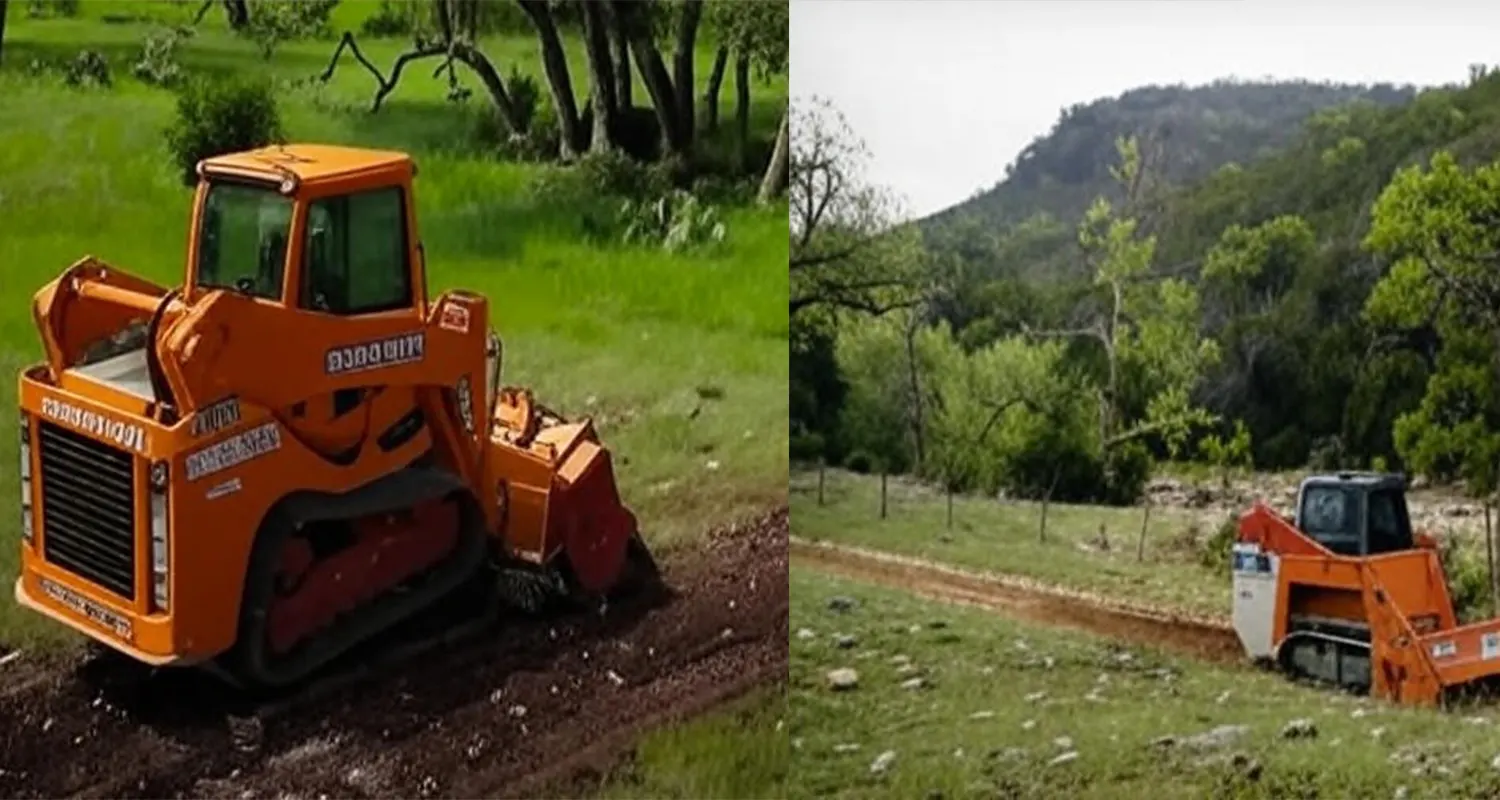
يختلف بازلت جزيرة جيجو من الناحية المعدنية عن الصخور الجرانيتية التي تهيمن على المناطق الزراعية المرتفعة في البر الرئيسي لكوريا. إن فهم الخصائص المميزة لبازلت جيجو يفسر كل اختلاف في أداء الآلات التي يلاحظها مشغلو جيجو مقارنةً بمشغلي البر الرئيسي الذين يستخدمون نفس المعدات على جرانيت غانغوون-دو.
علم المعادن: كثيف، دقيق الحبيبات، وكاشط
الجرانيت الكوري هو صخر بلوري خشن الحبيبات يتكون أساسًا من معادن الكوارتز والفلسبار والميكا، حيث يمكن رؤية حبيبات المعادن الفردية بالعين المجردة. تُعدّ حدود الحبيبات بين هذه المعادن مستويات التصدع المفضلة تحت تأثير الصدمات، ولهذا السبب يُعدّ التكسير بالصدمات فعالًا بشكل خاص على الجرانيت: إذ تصطدم أسنان الدوار بالحجر، وتنتشر موجات الإجهاد عبر البنية البلورية، ويتصدع الحجر بشكل تفضيلي على طول حدود الحبيبات الموجودة مسبقًا، مما ينتج عنه شظايا زاوية متدرجة جيدًا ذات متطلبات طاقة يمكن التنبؤ بها نسبيًا لكل متر مكعب مكسور.
يختلف تركيب بازلت جيجو. فهو صخر بركاني سطحي - حمم بردت بسرعة على سطح الأرض - ويتميز بازلت جيجو ببنية أساسية دقيقة الحبيبات أو زجاجية. حبيباته المعدنية مجهرية وليست مرئية بالعين المجردة. محتوى الكوارتز فيه أقل من الجرانيت، لكن السيليكا في بازلت جيجو موزعة على شكل أطوار بلورية دقيقة في جميع أنحاء البنية الأساسية بدلاً من حبيبات كوارتز منفصلة. هذه البنية المجهرية الدقيقة والمتجانسة لها نتيجتان على تكسير الأحجار:
عدد أقل من مستويات الكسر الداخلية. يُوفر التركيب البلوري الدقيق لبازلت جيجو عددًا أقل من حدود الحبيبات الكبيرة التي تستغلها موجات الإجهاد مقارنةً بالجرانيت ذي الحبيبات الخشنة. يتطلب تكسير الحجر توليد إجهاد كافٍ لبدء الكسر في البنية المجهرية المتجانسة الكثافة بدلاً من اتباع حدود الحبيبات الكبيرة الموجودة مسبقًا. وهذا يتطلب طاقة صدم أكبر لكل وحدة حجم - قوة تلامس أكبر للأسنان، وإجهاد أكبر على طرف الكربيد، وتوليد حرارة أكبر لكل متر مكعب من المادة المُعالجة.
زيادة التآكل الناتج عن الاحتكاك على أدوات القطع. يختلف محتوى السيليكا في بازلت جيجو عن الكوارتز الموجود في الجرانيت من حيث التركيب، إلا أنه مكافئ له من الناحية المعدنية في الصلابة (حوالي 7 على مقياس موس في كلتا الحالتين بالنسبة لأطوار السيليكات). ويعني التوزيع الدقيق والمتجانس لهذه السيليكا في جميع أنحاء بازلت جيجو أن كل مليمتر من حركة طرف سن الكربيد عبر الصخر يكون على اتصال كاشط مستمر مع مادة السيليكات، بدلاً من التناوب بين أطوار معدنية أكثر ليونة كما هو الحال في الجرانيت ذي الحبيبات الخشنة. ويُلاحظ أن معدل تآكل الأسنان أعلى بشكل ملحوظ في بازلت جيجو مقارنةً بالجرانيت الكوري في ظروف العمل المكافئة، حيث يبلغ معدل التآكل عادةً 30-60 طنًا أسرع في الساعة وفقًا لمقارنات أجراها مشغلون كوريون.
الحويصلات - جيوب هوائية وكثافة غير منتظمة
يحتوي بازلت جيجو، كمعظم أنواع البازلت البركاني، على حويصلات: فقاعات غازية محصورة في الحمم البركانية أثناء تبريدها، مما أدى إلى تكوين فراغات كروية إلى مستطيلة الشكل في جميع أنحاء الصخر. ويختلف محتوى الحويصلات اختلافًا كبيرًا بين مناطق بازلت جيجو المكشوفة؛ فبعض المناطق الزراعية تحتوي على بازلت كثيف قليل الحويصلات وصلب بشكل متجانس؛ بينما تحتوي مناطق أخرى على بازلت غني بالحويصلات، حيث يكون الصخر عبارة عن مصفوفة من مادة صلبة تحيط بجيوب هوائية قد تشكل ما بين 20 و401 طن من حجم الصخر.
يُعدّ هذا التباين عاملاً مهماً في تكسير الأحجار، إذ تختلف الطاقة اللازمة لتكسير شظية بازلتية ذات مسامات كثيفة عن الطاقة اللازمة لتكسير شظية كثيفة قليلة المسامات ذات الأبعاد الخارجية نفسها. فعند تشغيل كسارة أحجار في حقل جيجو، يواجه العامل كلا النوعين في نفس المرور، مما يتطلب من ناقل الحركة والدوار في الآلة امتصاص التباين الناتج في حمل الصدم، وبالتالي تضخيم حمل الصدمة الذي يجب أن يتحمله صندوق التروس مقارنةً بحقل جرانيت أكثر تجانساً في البر الرئيسي.
معدل التوليد السنوي - لماذا يجب تكرار إزالة الأحجار
في مزارع المرتفعات الجرانيتية في البر الرئيسي الكوري، يُعدّ تجمد التربة الآلية الرئيسية التي تُخرج الصخور من باطن الأرض إلى السطح سنويًا، وهي عملية تحدث في فصل الشتاء البارد. أما في جزيرة جيجو، حيث تكون درجات الحرارة الشتوية معتدلة جدًا بحيث لا تسمح بحدوث تجمد كبير، فإن الآلية الرئيسية لتكوين الصخور هي النشاط الزراعي: الحراثة، وحركة المركبات، والنشاط البيولوجي الذي يُفتت الطبقة السطحية للتربة البازلتية ويكشف تدريجيًا عن شظايا بازلتية زاوية الشكل طوال موسم النمو.
يُفيد مزارعو جزيرة جيجو، الذين يُجرون دورتين زراعيتين سنويًا - كما هو شائع في مناخ جيجو شبه الاستوائي - بضرورة إزالة الأحجار قبل كل دورة في الحقول المزروعة بكثافة. وتُعدّ عملية إزالة الأحجار في الربيع، قبل موسم النمو الرئيسي، هي العملية الأكبر عادةً؛ بينما تُجرى عملية إزالة أحجار أخفّ في الخريف قبل زراعة الدورة الثانية، وذلك للحدّ من تراكم الأحجار الناتجة عن عمليات الدورة الأولى. ويؤدي هذا الشرط، المتمثل في إزالة الأحجار مرتين سنويًا، إلى مضاعفة ساعات تشغيل الآلات الزراعية في جيجو مقارنةً بعمليات المرتفعات في البر الرئيسي التي تُجرى مرة واحدة سنويًا، مما يجعل متانة الآلات وكفاءة تشغيلها في درجات الحرارة العالية أكثر أهمية في جيجو منها في البر الرئيسي.
لماذا تفشل كسارات الحجارة القياسية على بازلت جيجو
تُعزى غالبية مشاكل كسارات الحجارة في جزيرة جيجو إلى ثلاثة أنماط من الأعطال. ويرتبط كل نمط منها ارتباطًا مباشرًا بخاصية محددة من خصائص بازلت جيجو وظروف تشغيله.
نمط العطل 1 - التآكل المبكر لأسنان الكربيد
يؤدي معدل التآكل المرتفع لبازلت جيجو على أطراف أسنان الكربيد إلى تسريع التآكل بما يتجاوز جدول الصيانة المصمم لظروف الجرانيت في البر الرئيسي. يجد المشغلون الذين يتبعون فترة الفحص القياسية في البر الرئيسي - فحص الأسنان كل 100 ساعة واستبدالها عند بلوغ حد التآكل - أن بازلت جيجو يستهلك الأسنان بمعدل يتراوح بين 130 و160 ضعف معدل استهلاكها في البر الرئيسي. تصل الأسنان إلى حد الاستبدال قبل 30 إلى 60 ساعة من المتوقع؛ ويجد المشغلون الذين يتبعون جدول البر الرئيسي أسنانًا متآكلة أو مكسورة في منتصف الموسم، مما يتسبب في تفاوت جودة التكسير، وفي أسوأ الأحوال، تلف ثانوي للأسنان المجاورة نتيجة لشظايا طرف الكربيد المكسور المتداولة في حجرة الدوار.
حل: قلل فترات الفحص إلى كل 60-80 ساعة على صخور البازلت في جيجو. افحص الأسنان بعد كل جلسة صقل بالأحجار الثقيلة. احمل معك طقم أسنان بديل في الموقع أثناء العمليات الميدانية في جيجو - تقوم شركة Korea Watanabe بتخزين أسنان THOR المصنوعة من الكربيد محليًا في مدينة أنسان للشحن المحلي في اليوم التالي، ولكن وجود طقم احتياطي في الموقع يمنع التأخير اللوجستي في حال الحاجة إلى استبدال الأسنان في موقع ميداني ناءٍ في جيجو.
نمط العطل 2 - الحمل الحراري الزائد على علبة التروس
يُنتج بازلت جيجو، الذي يتطلب طاقة أكبر لكل متر مكعب مُعالَج، حرارةً أعلى في الساعة الواحدة من تشغيل الكسارة مقارنةً بالجرانيت في البر الرئيسي عند نفس سرعة التشغيل. ويتزامن موسم التشغيل في جيجو - الربيع والخريف - مع مناخ الجزيرة البحري الدافئ والرطب. ويبلغ متوسط درجات الحرارة العظمى في جيجو خلال ذروة موسم إزالة الأشجار في الربيع (أبريل-مايو) 18-24 درجة مئوية، وهي أقل حرارةً من 30-38 درجة مئوية في عمليات غانغوون-دو خلال شهري يوليو وأغسطس. ومع ذلك، فإن الرطوبة العالية في جيجو تُقلل من قدرة التبريد الفعالة للمكونات المُبرَّدة بالهواء مقارنةً بما تُشير إليه درجة الحرارة المحيطة وحدها، كما أن زيادة توليد الحرارة من معالجة البازلت تُضخِّم الحمل الحراري الكلي على علبة التروس.
تصل كسارات الحجارة التي لا تحتوي على دوائر تبريد زيت مخصصة - والتي تعتمد على التزييت بالرش لإدارة حرارة علبة التروس - إلى حدود درجة حرارة الزيت القصوى في وقت أبكر أثناء عمليات استخراج البازلت في جزيرة جيجو مقارنةً بعمليات استخراج الجرانيت في البر الرئيسي. تشمل العلامات النموذجية لبداية التحميل الحراري الزائد: ارتفاع درجة حرارة علبة التروس عن المعتاد عند لمسها، وظهور ضوضاء تشغيل غير معتادة نتيجة فقدان الزيت منخفض اللزوجة لقوة طبقة التلامس على أسنان التروس، وتقصير فترات العمل تدريجيًا قبل أن يلاحظ المشغل تدهور الأداء ويتوقف للتبريد. دورة التحميل الحراري الزائد - العمل حتى ارتفاع درجة الحرارة، ثم التوقف للتبريد، ثم استئناف العمل - هي نمط تشغيل الآلة التي تعمل بشكل غير كافٍ في ظروف تتجاوز مواصفات تصميمها الحراري.
حل: نظام تبريد الزيت النشط - مضخة زيت مخصصة، ومبادل حراري، ودائرة تبريد تعمل على إزالة الحرارة من علبة التروس بغض النظر عن الظروف المحيطة. هذا هو الفرق في المواصفات الذي يحدد ما إذا كان بإمكان كسارة الحجارة العمل لأيام متتالية كاملة على صخور البازلت في جزيرة جيجو دون توقفات لاستعادة الحرارة.
نمط الفشل 3 - تلف ناتج عن حمل الصدمة بسبب كثافة الحويصلات المتغيرة
تُنتج الكثافة المتغيرة لبازلت جيجو - التي تتناوب بين مناطق كثيفة قليلة المسام ومناطق أخف وزنًا غنية بالمسام داخل الصخرة نفسها - ارتفاعات مفاجئة وغير منتظمة في أحمال الصدمات على علبة التروس ومجموعة الدوار أثناء الاصطدام. فعندما يصطدم سنٌّ بمنطقة كثيفة من البازلت قليل المسام، فإنه يُولّد قوة لحظية أعلى بكثير مما لو اصطدم بمنطقة ذات مسامات ذات أبعاد خارجية مكافئة. وتتراكم أضرار الإجهاد على أسطح محامل علبة التروس، ولحامات عمود الدوار، والمفاصل العالمية لعمود إدارة الطاقة، نتيجةً لهذه الارتفاعات المفاجئة غير المنتظمة في أحمال الصدمات خلال موسم تشغيل جيجو، بمعدل يتجاوز ما قد ينتج عن نفس ساعات التشغيل على جرانيت البر الرئيسي الأكثر تجانسًا.
حل: يتميز تصميم علبة التروس بالمتانة، مع مواصفات محامل عالية وقدرة تحمل عالية للصدمات تتجاوز الحمل التشغيلي المقنن، بالإضافة إلى نظام تبريد الزيت الذي يحافظ على درجة حرارة تشغيل المحامل ولزوجة الزيت ضمن المعايير التصميمية أثناء الصدمات. هذه ليست ميزة يمكن إضافتها إلى الآلة لاحقًا، بل هي مواصفة تصميم أساسية لهيكل علبة التروس، والعمود، ومجموعة المحامل.
المواصفات المطلوبة للآلة اللازمة لتشغيل بازلت جيجو
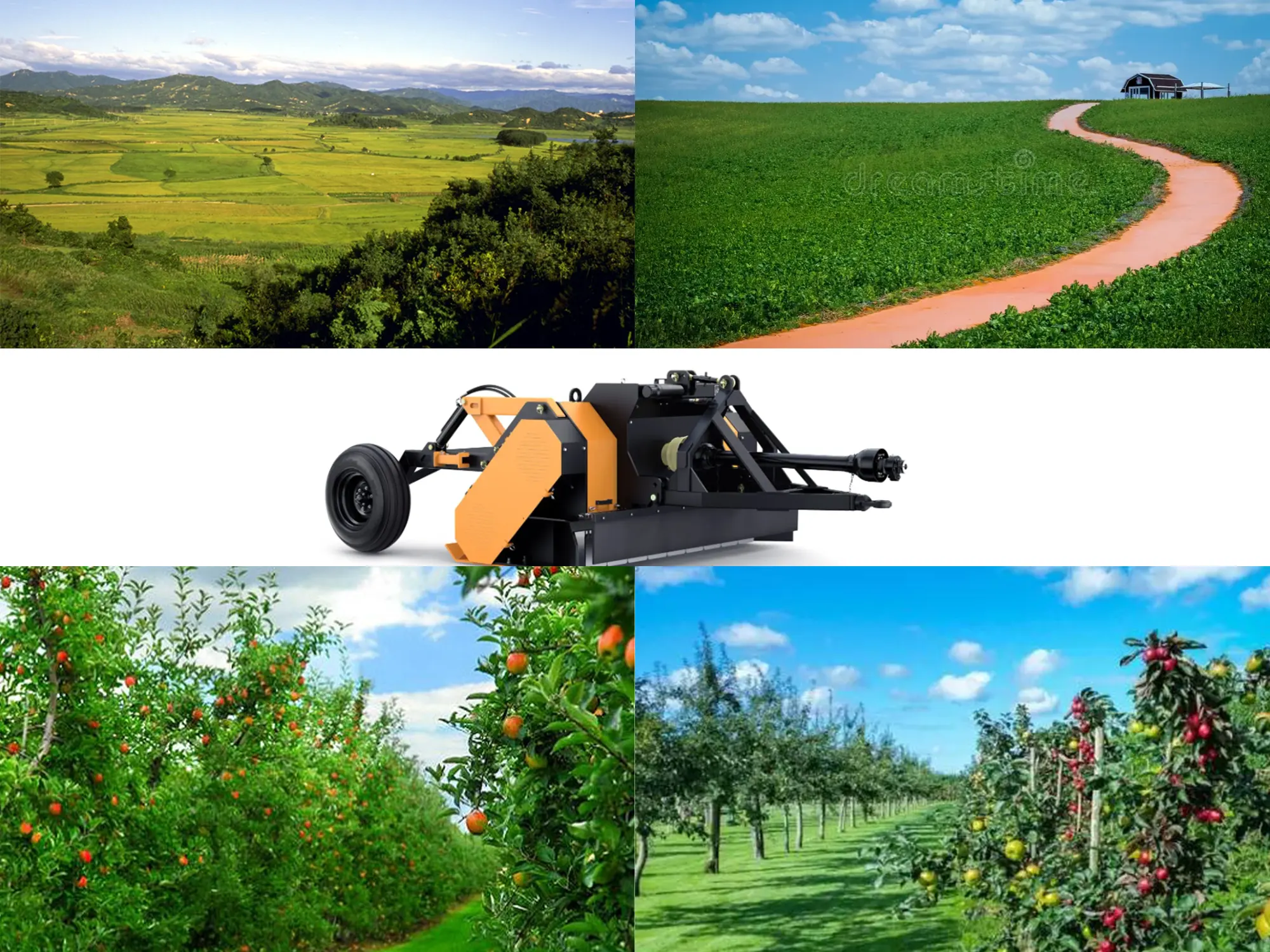
استنادًا إلى أنماط انهيار صخور البازلت في جزيرة جيجو المذكورة أعلاه، فإن مواصفات الآلة المطلوبة لإزالة الأحجار بكفاءة في جيجو محددة في ثلاثة جوانب. هذه ليست توصيات متحفظة، بل هي متطلبات هندسية تمليها طبيعة الصخور وظروف التشغيل.
■ نظام تبريد الزيت النشط — شرط أساسي لا يقبل المساومة
مضخة زيت مخصصة، ومبادل حراري، ودائرة تبريد تحافظ على درجة حرارة زيت علبة التروس بغض النظر عن الظروف المحيطة ومعدل توليد الحرارة. ليس تزييتًا بالرش، بل دوران نشط. تم تطوير تصميم ناقل الحركة المزدوج المبرد بالزيت THOR 2.4 وTHOR 3.0 والتحقق من صحته في مرتفعات بارانا بالبرازيل في ظروف مشابهة لظروف جزيرة جيجو: صخور بازلتية صلبة، ورطوبة عالية، وتشغيل طوال الموسم. دائرة التبريد هي ما يسمح لـ THOR بإكمال جلسات جيجو متواصلة ليوم كامل، وهو ما لا تستطيع الآلات ذات التبريد غير الكافي مجاراته.
■ أسنان كربيد قابلة للاستبدال في الموقع
في بازلت جيجو، لا يُعدّ استبدال الأسنان حدثًا في نهاية الموسم، بل مهمة تشغيلية تُنفّذ خلاله. يجب أن يسمح نظام تثبيت الأسنان في الآلة باستبدال كل سن على حدة في الموقع دون الحاجة إلى فك الدوّار أو استخدام أدوات متخصصة أو الوصول إلى ورشة عمل. يتيح تصميم أسنان الكربيد المثبتة بمسامير في آلة THOR 2.4 استبدالها في الموقع باستخدام مفتاح ربط عادي. تم التحقق من صلابة الأسنان وهندستها، وفقًا لمواصفات Kennametal، والمستخدمة في نظام دوّار Watanabe، لتطبيقات البازلت الكاشط على الصعيد الدولي، وليس فقط في ظروف الجرانيت في البر الرئيسي الكوري.
■ علبة تروس متينة مع هامش حصاني كافٍ
يؤدي تشغيل كسارة الحجارة بأقل قدرة حصانية مُصنّفة على صخور البازلت في جزيرة جيجو - حيث يكون الطلب على طاقة الصدم لكل طن مُعالَج أعلى منه على صخور الجرانيت في البر الرئيسي - إلى تذبذب سرعة الدوّار تحت الحمل، مما يقلل من فعالية التكسير ويزيد من إجهاد الصدمات في علبة التروس. يوفر تشغيل كسارة THOR 2.4 (بحد أدنى 180 حصانًا) على جرار بقوة 200-220 حصانًا هامش قدرة يتراوح بين 10 و201 طنًا، مما يحافظ على سرعة دوّار ثابتة تبلغ 1000 دورة في الدقيقة حتى في ظل أحمال الصدمات العالية في مناطق البازلت الكثيفة قليلة المسام. في جزيرة جيجو تحديدًا، لا يُنصح بالتشغيل بأقل قدرة حصانية مُصنّفة، إذ يُعد هامش القدرة ميزة تشغيلية خاصة بجزيرة جيجو.
مقارنة بين THOR 2.4 و THOR 3.0 لعمليات جيجو
تنتشر بساتين الحمضيات والهالابونغ في جزيرة جيجو بشكل رئيسي على المنحدرات السفلى للجزيرة بانحدار يتراوح بين 5 و15 درجة، وفي مواقع الوديان. وتتراوح المسافة بين صفوف أشجار الحمضيات في جيجو من 3.5 متر إلى 5.0 متر، وذلك تبعًا للصنف ونظام إدارة المظلة الشجرية. عند هذه المسافات بين الصفوف، كسارة الحجارة THOR 2.4 (2.4 متر، 180 حصان كحد أدنى) هو النموذج القياسي - 2.4 متر يتجاوز بسهولة مسافة 3.5 متر بين الصفوف، ومعظم بساتين الحمضيات في جيجو لديها إمكانية وصول مناسبة للجرار لـ THOR 2.4، كما أن وضع سحب Kit Drawbar متاح لأجزاء البستان الأكثر انحدارًا.
بالنسبة لحقول الخضراوات والثوم المفتوحة واسعة النطاق في جيجو - وهي المناطق الزراعية المسطحة في السهول الساحلية الجنوبية والغربية لجيجو - كسارة الحجارة THOR 3.0 (بعرض 3 أمتار، وقوة 230 حصان كحد أدنى) يوفر تغطية يومية أعلى بمقدار 251 طن لكل تمريرة دون أي قيود على تباعد الصفوف. بالنسبة لمقاولي جزيرة جيجو الذين يعملون في عقود تنظيف حقول الخضراوات على نطاق تجاري تزيد عن 50 هكتارًا، تُعد ميزة الإنتاجية العالية لآلة THOR 3.0 المعيار الأساسي للاختيار.
إدارة الأحجار الزراعية في جيجو حسب نوع المحصول
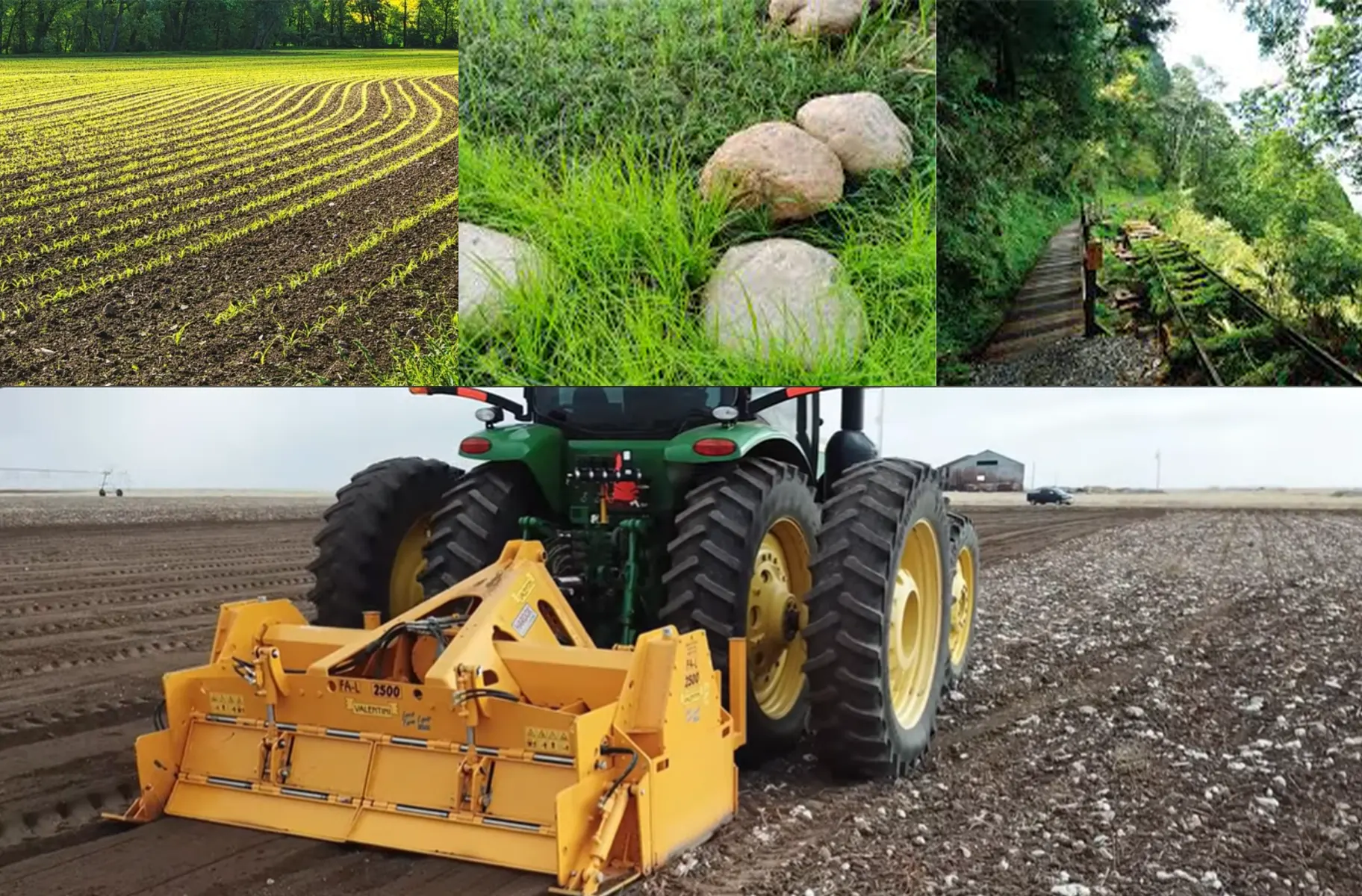
بساتين الحمضيات والهالابونج
يتركز إنتاج الحمضيات في جزيرة جيجو - وخاصةً أصناف الماندرين الفاخرة مثل ساتسوما، وهالابونغ، وتشون هيهيانغ، وريدو هيانغ - على المنحدرات السفلى للجزيرة وفي مواقع الوديان المحمية. تتميز البساتين القائمة بصفوف محددة بمسافة تتراوح بين 3.5 و5.0 أمتار، مع تثبيت مواقع الأشجار. وتركز إدارة الأحجار السنوية في بساتين الحمضيات القائمة على المناطق الواقعة بين الصفوف: وهي الممرات التي تمر بها الجرارات، والري بالتنقيط، وعمليات إدارة التغطية.
يتراكم سنوياً شظايا البازلت بين صفوف أشجار الحمضيات في جزيرة جيجو، وهي في الغالب شظايا سطحية صغيرة إلى متوسطة الحجم ناتجة عن حرث الأرض وتآكلها بفعل الري. في البساتين القائمة التي أُنجزت فيها عملية إزالة التربة الأولية عند الزراعة، تشمل عملية إزالة التربة السنوية شظايا سطحية يقل وزنها عموماً عن 20-30 كيلوغراماً، بدلاً من الأحجار الكبيرة المدفونة في التربة كما هو الحال في الأراضي الجديدة. في هذه الظروف، يُنصح باستخدام مزيج من آلة THOR 2.4 (لإزالة التربة الكثيفة الأولية أو في المناطق التي تتركز فيها الشظايا الكبيرة) و... أداة التقاط الصخور CT-2100 (110 حصان، 2.5 متر مكعب مخزن، لجمع أجزاء الصيانة السنوية) هو النهج الأكثر شيوعًا لإدارة مزارع الحمضيات في جيجو.
إنتاج الثوم والخضروات (제주 마늘، 브로콜리)
تُعد جزيرة جيجو المنطقة الرئيسية لإنتاج الثوم في كوريا، حيث يُشير تصنيف "제주 마늘" إلى منتج زراعي ذي موقع جغرافي مميز ومكانة سوقية مرموقة. يُزرع الثوم سنويًا في الخريف (أكتوبر-نوفمبر) ويُحصد في أواخر الربيع (مايو-يونيو)، مما يجعل تنظيف سطح التربة البازلتية في الربيع ضروريًا قبل زراعة الثوم في الخريف في نفس الحقل. تُنتج التربة البركانية والمناخ شبه الاستوائي في جيجو ثومًا بنكهة مميزة، وللحفاظ على جودة الإنتاج، يجب تهيئة مهد خالٍ من الحجارة يسمح بنمو البصلة بشكل متجانس دون تشوهها نتيجة ملامسة الحجارة.
يُعدّ البروكلي والخضراوات الصليبية الأخرى من المحاصيل الشتوية والربيعية الرئيسية في جزيرة جيجو، سواءً للسوق المحلية أو للتصدير، وتتشابه في متطلبات تحمل الحجارة أثناء عملية الزرع والنمو المبكر. يُوفّر استخدام آلة THOR 2.4 لإزالة الحجارة، متبوعًا بآلة CT-2100 لجمعها قبل زراعة الخضراوات في الخريف، بيئةً مثاليةً لنمو البذور، وهو ما يحتاجه مزارعو الخضراوات في جيجو لضمان نمو متجانس للمحصول وحصاد آلي فعّال.
إنتاج المراعي والمحاصيل العلفية
يتطلب قطاع الثروة الحيوانية في جزيرة جيجو، والذي يرتكز أساسًا على تربية أبقار جيجو السوداء (흑우) والخيول، إنتاج محاصيل علفية على أراضٍ رعوية مشتقة من البازلت. وتتضمن عملية إزالة التربة الأولية لإنشاء المراعي أو إعادة زراعة المحاصيل بالتناوب معالجة مكثفة لأحجار البازلت، نظرًا لاحتمالية احتواء ركيزة البازلت غير المضطربة على صخور كبيرة بارزة بالإضافة إلى شظايا سطحية. وفي تطبيقات المراعي، عادةً ما تكون كسارة الأحجار THOR وحدها - دون الحاجة إلى وحدة التقاط CT-2100 - كافية: حيث يندمج ركام البازلت المكسر في تربة المرعى خلال مواسم النمو اللاحقة دون مشاكل الجودة التي قد يسببها في تطبيقات المحاصيل الغذائية.
آلة التقاط الصخور CT-2100 على بازلت جيجو
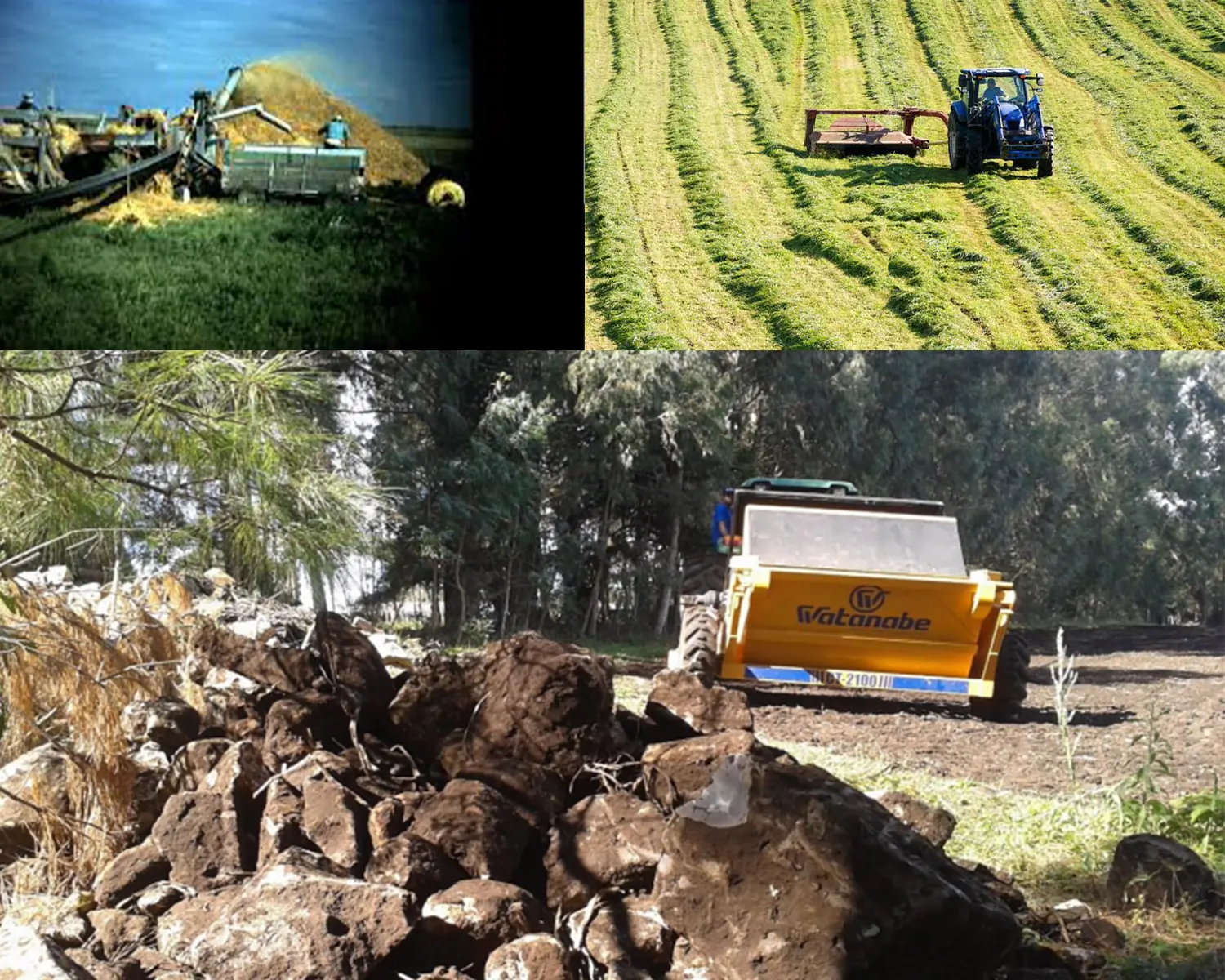
بعد عملية تكسير الصخور باستخدام جهاز THOR في حقول البازلت بجزيرة جيجو، يواجه جهاز CT-2100 لجمع الصخور تحديًا خاصًا: شظايا بازلت جيجو حادة الزوايا، كثيفة، وخشنة - مما يُؤثر سلبًا على أطراف أسنان جهاز الجمع أكثر من الشظايا الأكثر ليونة واستدارة التي تُميز الجرانيت المتآكل في البر الرئيسي. صُممت أسنان جهاز CT-2100 ذات الرؤوس الكربيدية خصيصًا لهذه البيئة الخشنة، ولكن ينبغي على مُشغلي جيجو تطبيق نفس منطق تقصير فترات الفحص على فحص أطراف الأسنان كما هو الحال مع فحص أسنان THOR الكربيدية: فحص أطراف الأسنان كل 60-80 ساعة من التشغيل في جيجو بدلًا من فترة الـ 100 ساعة المُناسبة لظروف الجرانيت في البر الرئيسي.
تستوعب سعة مخزن CT-2100 البالغة 2.5 متر مكعب بكفاءة عالية الكثافة لشظايا البازلت في جزيرة جيجو، حيث أن البازلت أكثر كثافة من معظم الصخور الرسوبية والجرانيتية في البر الرئيسي، مما يعني أن المخزن يمتلئ بالوزن قبل الحجم. في عمليات جيجو التي تتطلب تحميل كميات كبيرة من شظايا البازلت، يميل المخزن بشكل متكرر لتفريغها في شاحنة جاهزة. ويُعدّ تحديد موقع الشاحنة بشكل مناسب لتقليل مسافة النقل بين مواقع التعبئة والتفريغ العامل التشغيلي الأكثر تأثيرًا على إنتاجية CT-2100 اليومية في عمليات جيجو.
لماذا يُعد تاريخ واتانابي الهندسي البرازيلي ذا صلة بجزيرة جيجو؟
تأسست شركة واتانابي للصناعات والتجارة المحدودة في كاسترو، بارانا، البرازيل عام ١٩٧٠. تقع مرتفعات بارانا البرازيلية - حيث قامت واتانابي بتشغيل وتطوير خط إنتاج THOR لأكثر من ٥٠ عامًا - على حوض بارانا، وهو هضبة بازلتية شاسعة تُعد واحدة من أكبر مقاطعات البازلت الفيضية القارية في العالم. نوع الصخور الذي يقوم مزارعو مرتفعات بارانا بإزالته من حقولهم هو البازلت - وهو مشابه من حيث التركيب والخصائص الميكانيكية لبازلت جزيرة جيجو، ويتم معالجته في ظروف الصيف البرازيلية (ديسمبر - فبراير، درجة حرارة محيطة ٣٠-٣٨ درجة مئوية، رطوبة عالية) التي تُحاكي ظروف التشغيل الأكثر تطلبًا في كوريا.
تم تطوير نظام نقل الحركة المزدوج المبرد بالزيت في آلة THOR، ومواصفات أسنان الكربيد، وتصميم مقاومة الصدمات لعلبة التروس، والتحقق من صحتها على صخور البازلت في بارانا البرازيلية على مدى عقود من الخبرة التشغيلية - وليس على الجرانيت، أو الحجر الجيري، أو الصخور الرسوبية اللينة. عندما يُشير مزارعو جيجو إلى أن آلة THOR تعمل بكفاءة في ظروف تفشل فيها الآلات الأخرى، فإن هذا ليس نتيجة لتسويقها، بل هو نتيجة تصميمها خصيصًا للتعامل مع نوع الصخور وظروف التشغيل التي تُميز جيجو.
الأسئلة الشائعة - تنظيف أحجار البازلت في جزيرة جيجو
ما مدى سرعة تآكل أسنان كربيد THOR على بازلت جيجو مقارنة بالجرانيت في البر الرئيسي؟
أفاد مشغلو آلات THOR الكوريون الذين يستخدمونها على كلٍ من بازلت جيجو وجرانيت غانغوون-دو في البر الرئيسي الصيني، أن بازلت جيجو يستهلك أسنان الآلة بمعدل أسرع يتراوح بين 30 و60% لكل ساعة تشغيل. ويعكس هذا التفاوت الكبير اختلاف خصائص بازلت جيجو؛ إذ يُبلغ المشغلون الذين يعملون على بازلت كثيف قليل المسام في بعض المناطق الزراعية في جيجو عن معدلات تآكل أعلى من هذا النطاق، بينما يُبلغ أولئك الذين يعملون على بازلت أكثر مسامية وأكثر ليونة في مناطق أخرى عن معدلات تآكل أقرب إلى الحد الأدنى. لذا، يُنصح بتحديد خط الأساس الخاص بك من خلال فحص أسنان الآلة كل 60 ساعة خلال موسم التشغيل الكامل الأول في جيجو، حيث ستتمكن من تحديد معدل التآكل المحدد في ظروف حقلكم بسرعة، وبالتالي تعديل جدول الفحص والاستبدال وفقًا لذلك.
هل تكفي عملية مرور واحدة لآلة THOR لتنظيف ما بين صفوف أشجار الحمضيات في جزيرة جيجو، أم أن هناك حاجة إلى عمليات مرور متعددة؟
لإزالة المخلفات السنوية من بستان حمضيات قائم في جزيرة جيجو، حيث يتراكم على السطح شظايا بازلتية صغيرة إلى متوسطة الحجم ناتجة عن عمليات الحراثة والري - عادةً ما يقل حجمها الأقصى عن 15-20 سم - تكفي عملية تفتيت الشظايا باستخدام آلة THOR بسرعة مناسبة (0.8-1.5 كم/ساعة حسب كثافة الشظايا). كما تُنجز عملية الالتقاط اللاحقة باستخدام آلة CT-2100 عادةً في عملية واحدة. أما في المناطق التي تكثر فيها نتوءات البازلت الكبيرة أو التربة المكشوفة حديثًا - وهو أمر شائع في أجزاء البستان التي أدى فيها التعرية الناتجة عن الأمطار الغزيرة إلى إزالة التربة السطحية وكشف طبقات البازلت - فقد يلزم استخدام آلتين من آلة THOR: الأولى لتفتيت النتوءات الكبيرة، والثانية لمعالجة الشظايا الناتجة إلى الحجم المناسب للتجميع.
كم مرة يجب تنظيف أحجار البازلت في جزيرة جيجو؟
بالنسبة لبساتين الحمضيات في جزيرة جيجو التي تُزرع على مدار العام، تكفي عملية إزالة البازلت مرة واحدة سنويًا قبل بداية موسم النمو الرئيسي (عادةً مارس/أبريل) لتغطية متطلبات إدارة البازلت السنوية لمعظم البساتين القائمة. أما بالنسبة لحقول المحاصيل السنوية المزروعة بكثافة - كالثوم والبروكلي والخضراوات الأخرى التي تُزرع مرتين سنويًا - فعادةً ما تكون هناك حاجة لإزالة البازلت في الربيع قبل الزراعة الأولى وفي الخريف قبل الزراعة الثانية. بالنسبة للأراضي المُزالة حديثًا خلال أول سنتين أو ثلاث سنوات من زراعتها، يكون معدل توليد الشظايا السنوي أعلى، حيث يؤدي الاضطراب الزراعي تدريجيًا إلى تفتيت سطح التربة، مما يتطلب إدارة أكثر تكرارًا من الأراضي القائمة. ويشير معظم مُزارعي جيجو إلى أن معدل توليد الشظايا السنوي يستقر عند مستوى يمكن التنبؤ به بعد 3-5 سنوات من الإدارة الزراعية المنتظمة.
هل يُنشئ مناخ جيجو شبه الاستوائي أي اعتبارات تشغيلية خاصة؟
يُفرض مناخ جزيرة جيجو شبه الاستوائي البحري - الذي يتميز بشتاء أكثر اعتدالًا، ومعدل هطول أمطار سنوي أعلى، ورطوبة أعلى من البر الرئيسي لكوريا - اعتبارين تشغيليين خاصين لإزالة الأحجار. أولًا، قد يتسبب موسم الأعاصير في جيجو (يوليو - أغسطس، وقد يمتد أحيانًا إلى سبتمبر) في هطول أمطار غزيرة في فترات قصيرة، لذا يُنصح بعدم تشغيل معدات إزالة الأحجار في التربة الرطبة مباشرةً بعد هطول الأمطار الغزيرة، وذلك لأسباب تتعلق بضغط التربة في الحقل، ولأن التربة الرطبة الملتصقة بأسطح الدوارات والأسنان تُقلل من أداء الآلة. لذا، يُنصح بتخطيط جلسات إزالة الأحجار في جيجو خلال فترات جفاف التربة في فصلي الربيع والخريف. ثانيًا، تعني درجات الحرارة المعتدلة باستمرار في جيجو أن خطر التحميل الحراري الزائد على الآلات غير المبردة بشكل كافٍ قائم على مدار العام، وليس فقط في الصيف، فحتى درجات حرارة الربيع والخريف في جيجو، بالإضافة إلى الحرارة المتولدة من البازلت، قد تدفع الآلات غير المبردة بالزيت إلى حدودها الحرارية القصوى خلال جلسات العمل التي تستغرق يومًا كاملًا.
هل يمكن استخدام جهاز THOR على المنحدرات العلوية الأكثر انحدارًا في جزيرة جيجو؟
تقع معظم الأراضي الزراعية في جزيرة جيجو على المنحدرات السفلى والسهول الساحلية، بانحدارات أقل من 15%. أما المنحدرات العليا الأكثر انحدارًا المؤدية إلى جبل هالاسان - بانحدارات تتراوح بين 20 و35% - فتقع في الغالب ضمن حدود منتزه هالاسان الوطني، وهي غير مُستغلة زراعيًا. بالنسبة للأراضي الزراعية القليلة المتبقية في جيجو على منحدرات بانحدارات تتراوح بين 15 و25% - الموجودة في بعض مناطق البساتين على المنحدرات الوسطى الشمالية والجنوبية للجزيرة - يوفر جرار THOR 2.4 في وضع السحب باستخدام قضيب الجر ميزة ثبات المنحدرات المذكورة في دليلنا الخاص بقضيب الجر. يُرفق قضيب الجر بشكل قياسي مع جرار THOR 2.4، ما يتيح لمشغلي جيجو الذين يعملون على منحدرات متوسطة الانحدار الحصول على هذا الخيار عند التسليم دون أي تكلفة إضافية.
هل تفكر في إزالة صخور البازلت في جزيرة جيجو؟ تواصل مع كوريا واتانابي أولاً.
أخبرنا بنوع محصولك، ومساحة حقلك، وأحجام الأحجار الشائعة، وقوة جرارك بالحصان - سنقدم لك إرشادات خاصة بطرازَي THOR 2.4 أو THOR 3.0 المناسبين لظروف جزيرة جيجو، مع تقديرات واقعية لتآكل الأسنان وجدول صيانة مُعاير خصيصًا لصخور البازلت في جيجو. يتوفر طرازا THOR 2.4 وCT-2100 في المخزون المحلي في كوريا، مدينة أنسان، مقاطعة غيونغي.
المحرر: Cxm