Bu e-seri kılavuzundaki her taş yönetimi argümanı aynı ticari mantığı izler: taş yanlış yerdedir, kök erişimi kısıtlanmıştır, ürün kalitesi veya verimi düşer. Çözüm her zaman aynı yöndedir — taşı çıkarın, kök bölgesini iyileştirin. Nar (Punica granatumBu durum, önceki 24 makalede yer almayan yeni bir boyutu bu mantığa ekliyor: Taş yönetimi sorunundan kaçınmak için özellikle nar yetiştirmeyi seçen çiftçi, taşlı bir arazide tam olarak istenen sonucun tersini üreten bir tarımsal seçim yapmıştır.
Narın kuraklığa dayanıklılığı gerçektir, ancak bu, taşlı arazilerde ekim yapan yetiştiricilerin genellikle dikkate almadığı bir ön koşula bağlıdır: Narın kuraklığa dayanıklılığı tamamen kök sisteminin 2-3 metre derinliğe, toprak altı nem rezervlerine inebilme yeteneğine bağlıdır. Taşsız arazide, olgun bir nar ağacı, en kurak yazlarda bile minimum ek sulama ile verimliliğini koruyan derin neme erişebilir; dayanıklılık gerçektir. Derin kök sisteminin 35-60 cm'de tıkandığı taşlı arazide ise aynı çeşit, toprak altı rezervlerine erişemez ve aynı yaştaki, aynı bakımı alan derin köklü bir ağaca göre 40-60 ton daha fazla sulama suyuna ihtiyaç duyar. Taşlı yamaçlarında su tasarrufu için nar eken çiftçi, farkında olmadan, yerini aldığı elma bahçesinden daha fazla sulama gerektirecek bir ağaç yaratmıştır. Taşların temizlenmesi, bu paradoksu çözerek, çeşidin faydalanmak üzere tasarlandığı derin kök erişimini mümkün kılar; böylece çiftçiye nar yetiştiriciliğini seçerken aradığı su tasarrufu sağlanır ve bu da ancak temizlenmiş bir alanda mümkün olur. Bu kılavuz şunları kapsar: nar çiftliği için kaya kırıcı Bu eşsiz kuraklık paradoksu aracılığıyla uygulanan yöntemler, kök bölgesi yönetimini birinci sınıf pazar erişimine bağlayan punikalagin kalite zincirini ve ambalaj hattında değil, tüketicinin masasında keşfedilen kalite hatasına yol açan görünmez aril ayrılma mekanizmasını içerir.
Kuraklığa Dayanıklılık Paradoksu — Daha Fazla Su Kullanan Su Tasarrufu Sağlayan Bitki
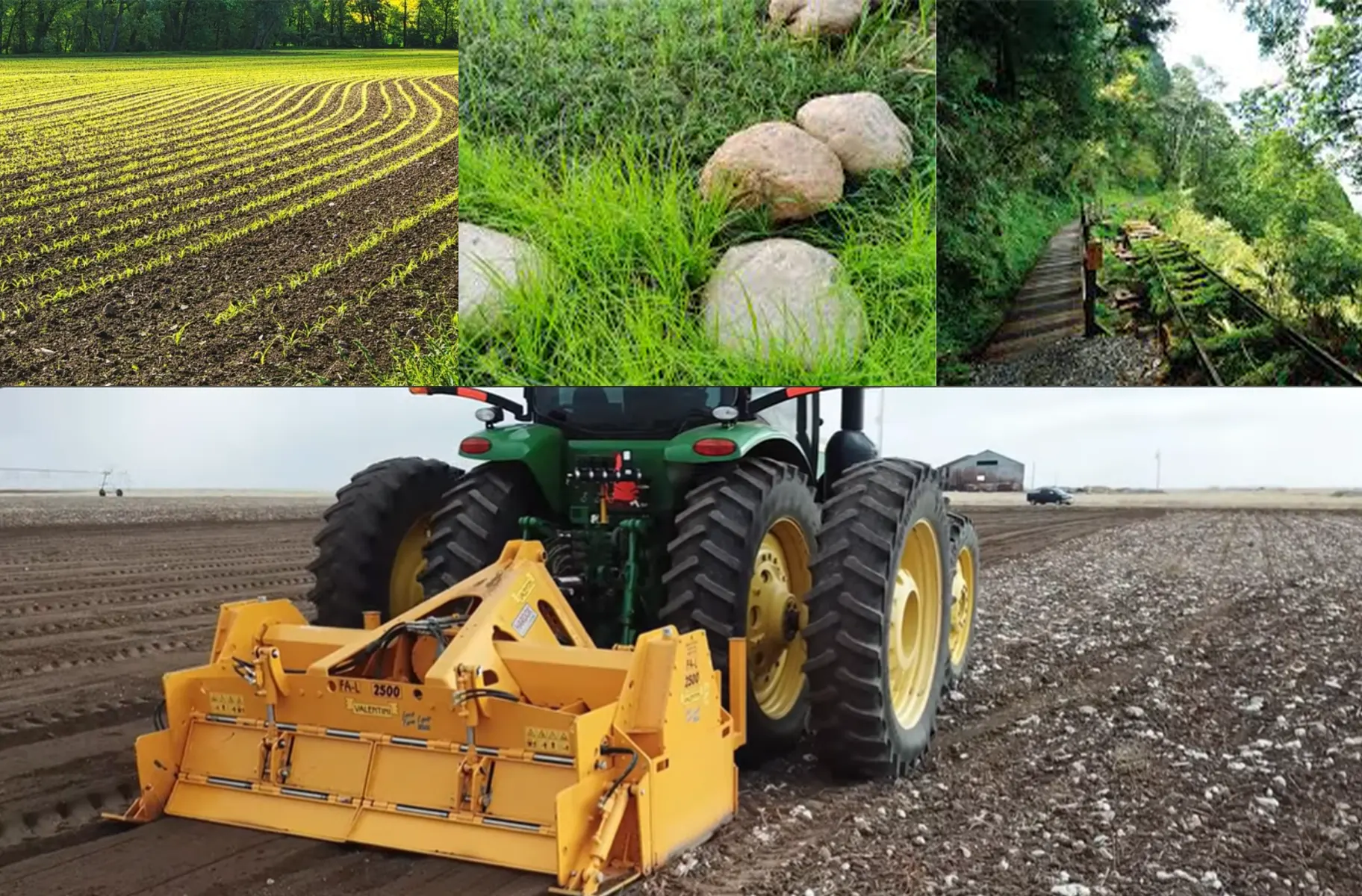
Narın kuraklık fizyolojisi, kök yapısıyla başlar. Olgun bir nar ağacının kök yapısı... Punica granatum Temizlenmiş arazide, üç farklı bölgede birincil kök sistemi geliştirir:
| Durum | Kök derinliği | Sulama sıklığı (yaz aylarındaki en yüksek sulama dönemi) | Yıllık su kullanımı (m³/ha) | Su maliyetlerinde tasarruf (İran, 1.500 ABD Doları/hektar/yıl) |
|---|---|---|---|---|
| Temizlenmiş, derine kök salmış | 2,0–3,0 m | Her 12-18 günde bir | 4.500–6.000 | Temel |
| Taşla engellenmiş, sığ | 0,3–0,5 m | Her 4-6 günde bir | 7.500–9.500 | +US$180–320 ek maliyet |
| THOR yatırım takası | Tek seferlik: US$1,200–1,900/ha | Geri dönüş süresi: Sadece su tasarrufuyla 4-6 sezon. | ||
Punicalagin ve ORAC — Kökten Premium Pazara Kadar Antioksidan Kalite Zinciri
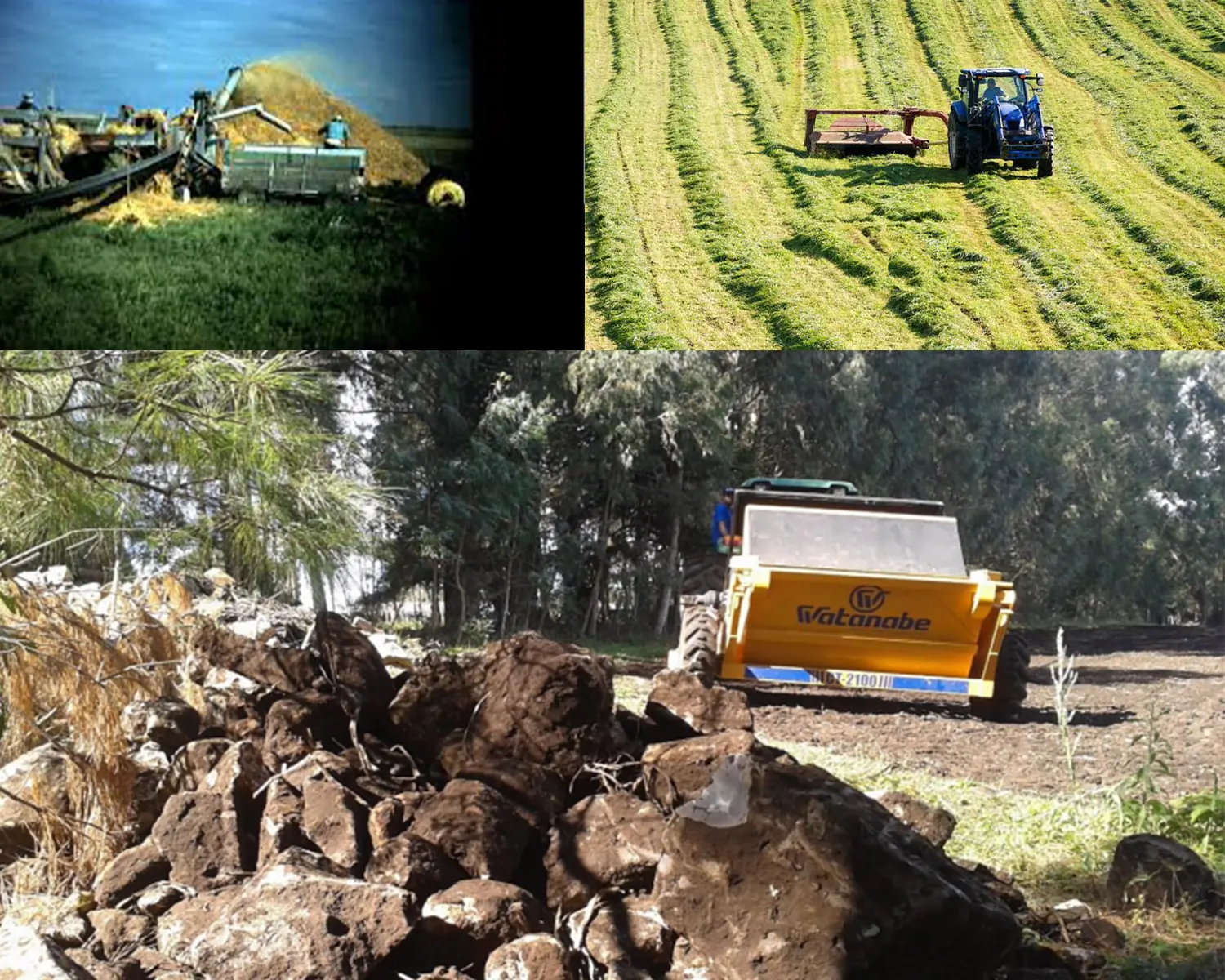
ABD'de POM Wonderful ve Avrupa ile Körfez pazarları için premium nar çekirdeği ihracat kaliteleriyle ticari olarak öncülük edilen premium nar pazarı, giderek tek bir ölçülebilir kalite parametresiyle tanımlanıyor: ORAC (Oksijen Radikal Emilim Kapasitesi), bir gıdanın antioksidan aktivitesinin standartlaştırılmış ölçüsü. Narın olağanüstü ORAC değerleri (premium meyve suyu için 7.000–10.000 µmol TE/100g, portakal suyu için 2.000–3.000'e kıyasla), öncelikle nara özgü büyük moleküllü bir tanen olan punikalagin tarafından yönlendiriliyor; bu tanen, ticari olarak yetiştirilen herhangi bir meyvede bulunan en güçlü doğal antioksidan bileşiktir.
Punikalagin, gallik asit birimlerinin glikoz çekirdeğine bağlanmasıyla oluşan karmaşık bir polifenol olan ellagitannindir. Nar meyvesinin kabuğundaki biyosentezi, fenilalanin (toprak azotundan ve mineral metabolizmasından türetilen bir amino asit) tarafından yönlendirilen ve indirgenmiş karbonun (fotosentezden) ve özellikle manganez (Mn) ve demir (Fe) gibi belirli mineral yardımcı faktörlerinin önemli girdilerini gerektiren fenilpropanoid yolunun bir parçasıdır. Kök bölgesinin mineral erişimi, bu yolun yukarı akış kısıtlamasıdır: Daha küçük bir toprak mineral hacmine erişen kısıtlı kökler, gelişmekte olan meyve kabuğu dokusuna daha düşük fenilalanin akışı üretir ve bu da gelişmekte olan meyvenin toplam punikalagin sentez kapasitesini azaltır. İsrail'deki Volcani Merkezi ve İspanya'daki CIHEAM'den yapılan çalışmalar, sulama stresi altındaki sığ köklü nar ağaçlarının meyvelerinde, aynı çeşidin iyi sulanmış, derin köklü ağaçlarına kıyasla 18–35% daha düşük punikalagin konsantrasyonları olduğunu belgeledi; bu fark, sığ kök koşullarında mineral alımının azalmasına doğrudan bağlanabilir.
Dünyanın en baskın markalı nar ürünü olan POM Wonderful, meyve tedarik şartnamelerinin bir parçası olarak minimum ORAC değerlerini kullanmaktadır. POM Wonderful'a meyve tedarik eden meyve işleme ortakları, minimum antioksidan standartlarını karşılayan meyveler teslim etmek zorundadır; bu eşiklerin altında kalan meyveler indirimli olarak kabul edilir veya reddedilir. Temizlenmiş arazide yetişen California Wonderful çeşidi narların tipik ORAC değeri 8.000–10.500 µmol TE/100g taze meyve suyudur. Taşsız ve sulama stresi altında yetişen California Wonderful'ın ORAC değeri ise 5.200–6.800 µmol TE/100g'dir ve bu değer, premium kalite eşiğinin altındadır. Aynı farklılık, premium Avrupa taze pazar için İran Rabab ve Malase çeşitleri için de geçerlidir: (antosiyanin konsantrasyonuna bağlı olan ve kök mineraline bağlı başka bir yol olan) aril rengi yoğunluğu ve punikalagin seviyesi, İran paketleme tesislerinden premium ihracat sınıfı sınıflandırmasını birlikte belirler. Kök bölgesine mineral erişimini iyileştiren taş temizleme işlemi, hem antosiyanin hem de punikalagin konsantrasyonlarını en üst seviyeye çıkarır; ayrıca iyi sulanan derin köklü ağaç, daha büyük, daha ağır ve daha iyi meyve suyu-çekirdek oranına sahip (hem taze hem de meyve suyu pazarlarında ikincil kalite göstergesi) tek tek meyve taneleri üretir.
Görünmez Aril Ayrışması — Tüketicinin Masasında Keşfedilen Bir Kalite Hatası
Önceki 24 E serisi makalesinde açıklanan her kalite hatası, tüketici ürünle karşılaşmadan önce bir noktada tespit edilebilir: hasat sırasında (boş kabuklar E-22, düşük DM% E-19), paketleme sırasında (ISO 3632 sınıfı E-23, NOW hasarı E-21) veya işleme sırasında (aflatoksin reddi E-22). Narın içindeki yarılma ise niteliksel olarak farklıdır: meyvenin dış yüzeyinde tamamen görünmez olan ve ancak meyve kesildiğinde veya suyu sıkıldığında keşfedilen içsel bir yapısal hatadır. 30% yarık aril içeren bir nar, dışarıdan bakıldığında sağlam aril içeren bir narla aynı görünür. Yarılma, hasat sırasında dokunma, renk veya ağırlıkla tespit edilemez.
Aril çatlaması (narda "meyve çatlaması" olarak da adlandırılır), çekirdek içeren meyve suyu keselerinin (aril) çevresindeki albedo (beyaz iç öz) ve kabuğun kaldırabileceğinden daha hızlı genişlemesiyle meydana gelir. Tetikleyici, su eksikliği döneminden sonra meyveye büyük ve hızlı bir su akışıdır - klasik "kuraklık stresi ardından yağmur veya yoğun sulama" senaryosu. Taşsız, derin köklü narda: ağacın toprak altı nem erişimi, kurak dönemlerde nispeten istikrarlı ağaç su durumunu koruyarak, genişleme olayından önce gelen su eksikliğinin şiddetini azaltır. Sulama sonrası genişleme kademeli olur. Taşla engellenmiş, sığ köklü narda: ağaç, her sulama döngüsünden sonra 4-6 gün içinde şiddetli su stresine girer (sıcak çöl koşullarında sığ kök bölgesi hızla kurur). Bir sonraki sulama zamanı geldiğinde, ağaç ciddi bir su eksikliği içindedir; suyu hızla emer, meyve kabukları aniden genişler ve elastik meyve kabuğu dokusu ile daha az elastik meyve kabuğu dokusu arasındaki genişleme farkı iç yırtıklara neden olur. Kabuk sağlam kalır. Meyve kabukları ayrılır. Meyve mükemmel görünür.
Taze ürün ihracat pazarı (İran Rabab/Malase'den AB ve Körfez ülkelerine; İspanyol Mollar de Elche'den premium perakendeye): Perakende veya gıda hizmeti satış noktasında tanelerinde çatlak bulunan bir nar tespit edilirse, iade edilir; perakendeci etkilenen partinin tamamı için kredi talep eder. Bir sevkiyatta 10%'nin üzerinde tane çatlağı vakası genellikle tüm paletin reddedilmesine neden olur. Menşe ülkedeki paketleyici, tahrip edici testler olmadan sevkiyat öncesi kalite kontrolünde tane çatlağını tespit etme olanağına sahip değildi. Meyve suyu işleme: Meyve tanelerinin patlaması, acı iç zar (mezokarp) bileşiklerini meyve suyuna salarak, meyve suyunun acılık indeksini premium ürünler için kabul edilebilir sınırların üzerine çıkarır. POM Wonderful ve premium meyve suyu markaları, maksimum kabul edilebilir acılığı (naringenin ve ilgili bileşiklerle ölçülür) belirler; yüksek oranda meyve tanesi çatlaması olan meyvelerden elde edilen meyve suyu bu sınırları sürekli olarak aşmaktadır. İşleme çözümü, diğer partilerden daha düşük acılığa sahip meyve suyuyla daha fazla harmanlamadır; bu da nihai üründeki premium punikalagin konsantrasyonunu seyreltir ve ORAC değerini düşürür. Sulama düzensizliğini ve su stresi/yeniden sulama döngüsünü azaltarak taş temizleme, INRAE/CIHEAM Akdeniz bahçe denemelerinde, eşdeğer çeşit ve iklime sahip taş kısıtlı sulanan alanlara kıyasla, taş temizlenmiş alanlarda meyve tanesi çatlaması oranını 45-651 TP5T oranında azaltır.
Görünmez aril ayrılmasının yapısal olarak önceki tüm kalite sorunlarından farklı olmasının nedenleri
Trüf mantarı pH tür rekabetinden (E-24) fıstık kabuğundaki kusurlara (E-22) ve kivi DM%'ye (E-19) kadar kalite argümanı içeren önceki tüm E serisi makalelerinde, kalite hatası satış noktasında veya öncesinde tespit edilebilmektedir. Kusurlu kabuklar çatlatma aşamasında bulunur. Düşük DM%, Zespri panel denetiminde ölçülür. ISO 3632 derecesi açık artırmada belirlenir. Üretici, ürün tüketiciye ulaşmadan önce sonucu bilir.
Nar tanelerinde oluşan çatlaklar tüketiciye fark edilmeden ulaşır. Restoran iadesine, perakende şikayetine veya POM Wonderful müşteri hizmetleri çağrısına neden olan meyve, taşlı ve yetersiz sulanan bir alanda, meyve gelişim döneminde içten bir kalite kusuru yaratan bir çatlak nedeniyle ortaya çıkmıştır; bu kusur, görünürdeki tüm paketleme kontrollerinden geçmiş ve ancak meyve açıldığında ortaya çıkmıştır. Bu sonradan keşfedilen durum, nar tanelerindeki çatlağı alıcılarla olan ilişki maliyeti açısından en zararlı kalite sorunlarından biri haline getirir; ödeme yapıldıktan, lojistik tamamlandıktan ve yetiştiricinin talep süresi dolduktan sonra gelir.
Çok Gövdeli Sürgün Veren Mimari — Ağaç Değil, Çalı İçin Taş Yönetimi
Punica granatum Botanik olarak tek gövdeli bir ağaçtan ziyade çok gövdeli bir çalıdır; bu büyüme alışkanlığı, bu kılavuzdaki meyve veren bitkiler arasında benzersiz bir kök bölgesi yönetimi hususu yaratır. Fındık (E-14) gibi, nar da her mevsim kök tacından ve sığ kök bölgesinden güçlü sürgünler (İran'da yerel olarak "pavandeh" ve İspanya'da "chupones" olarak bilinir) üretir. Sürgünlerin birincil hasat edilen yapı olduğu fındığın aksine, nar sürgünleri istenmeyen bir bitkisel büyümedir ve bitkinin enerjisini meyve üretimine yönlendirmek için her yıl çıkarılmalıdır.
Kök taç bölgesi — sürgünlerin toprak yüzeyinden çıktığı yer — yüzeydeki taş ortamıyla doğrudan temas halindedir. Taç bölgesindeki taş parçaları, çıkan sürgün dokusunu aşındırır ve yeni sürgün kabuğunda mekanik yaralar oluşturur. Yüzeyde yüksek taş örtüsüne sahip ticari nar çiftliklerinde, taç bölgesindeki taş, kivi dalları ve PSA girişi (E-19) için tanımlanan aynı yara ortamını oluşturur — ancak nar için endişe duyulan yara patojeni şudur: Alternarya alternata (erken meyve çürümesi, aynı zamanda narın iç çürümesine de neden olur) ve Botrytis cinerea (Yaralı yeşil doku üzerinde gri küf). Yüzey taç bölgesinden taşların temizlenmesi (BlackBird yıllık geçişi), bu yara görünümünü ve taç seviyesindeki mekanik hasardan kaynaklanan hastalık enfeksiyonu baskısını azaltır.
Çok gövdeli narın kök sistemi, her gövdenin tabanında, 0-25 cm'lik taç bölgesinde sürgün üreten düğümler oluşturur. Bu bölgedeki taş parçaları, sürgünlerin ortaya çıkmasını engelleyerek, yıllık sürgün temizleme programı için verimli sürgünler üretecek olan kör düğümler oluşturur. Daha da önemlisi, 15-25 cm derinlikteki taş, sürgünün kendi erken kök gelişimini kısıtlar; her sürgün, yedek gövde olarak bırakılırsa, taş bölgesinden geçmesi gereken kendi köklerini geliştirir. Bu nedenle, dikim öncesi 22-28 cm'ye (sürgün kök bölgesi) kadar THOR temizliği, derin kök kuraklık erişimi için daha derin temizlikten önce bile nar dikim yeri hazırlığının bir parçasıdır.
Dört Pazar — Jeoloji, Taş Profili ve Temizleme Spesifikasyonu
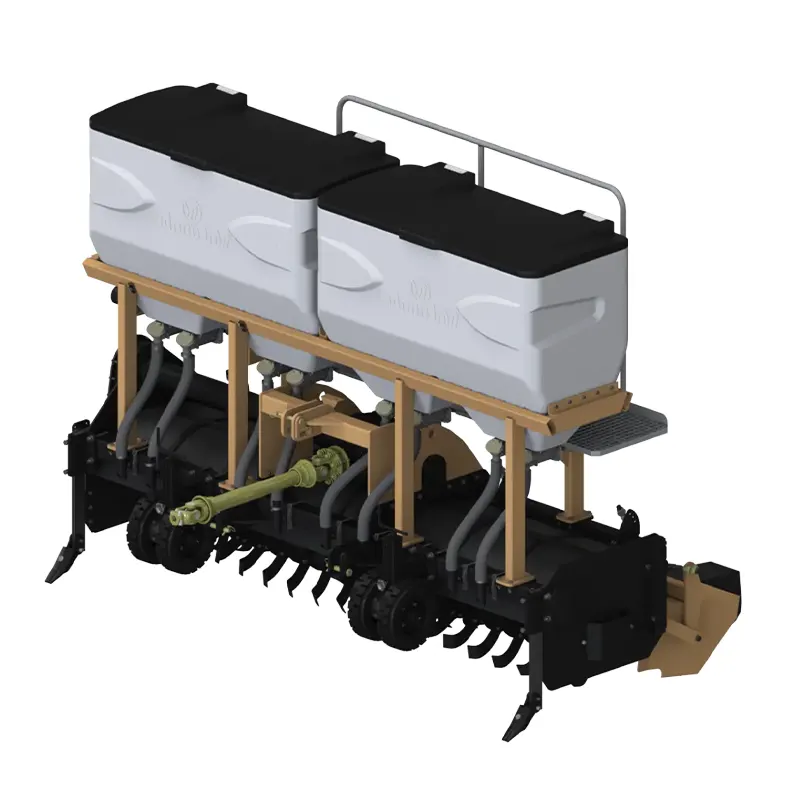
Makine Sistemi — Derin Kök Erişimi ve Taç Bölgesi Protokolü
Sıkça Sorulan Sorular
Nar çiftliği için taş kırma makinesi — eğer kuraklığa dayanıklılık paradoksu gerçekse, neden daha fazla nar yetiştiricisi, taşın, seçtikleri çeşidin kuraklığa dayanıklılığını engellediğini bilmiyor?
Yaygın olarak tanınmadaki gecikme iki faktörden kaynaklanmaktadır: uzun zaman dilimi ve belirtilerin birbirine karışması. Zaman dilimi sorunu: Narın sığ kök koşullarına göre derin kök avantajının tam olarak ortaya çıkması 4-8 yıl sürer; dikimden sonraki ilk 2-3 yılda, hem temizlenmiş hem de temizlenmemiş bahçelerde genç kökler sığ bölgeyle sınırlıdır (her iki alanda da derin kökler henüz gelişmemiştir). Bu aşamada görünen sulama ihtiyacı benzerdir. Ancak 5-8. yıldan itibaren, temizlenmiş arazideki ağaçlar derin neme erişmeye ve sulama sıklığını önemli ölçüde azaltmaya başladığında, su sayacında farklılık görünür hale gelir. 5 yıl önce taşlı toprağa dikim yapan ve bekledikleri kuraklık toleransını görmeyen yetiştiriciler bunu topraklarının taş profiline bağlamayabilirler; bunun yerine çeşide, iklime veya bahçe yönetimine bağlarlar. Belirtilerin birbirine karışması: Bir nar bahçesinde yüksek sulama ihtiyacı, birden fazla başka açıklama (kuraklık yılı, sulama sistemi verimliliği, çeşit davranışı) eşit derecede makul göründüğünde, nadiren taş yönetimi başarısızlığına bağlanır. Bu kılavuzun amaçlarından biri de kuraklık paradoksu konusunda farkındalık yaratmaktır; yani narın kuraklığa dayanıklılığının, taşsız ve derin kök erişimine bağlı bir iddia olduğu gerçeğini vurgulamaktır.
Punikalagin kalite zinciri argümanı, taze narın yanı sıra meyve suyu kalitesindeki nar için de geçerli midir, yoksa öncelikle premium taze ürün pazarları için mi geçerlidir?
Punikalagin kalite argümanı her iki pazar için de geçerlidir, ancak ticari mekanizma farklıdır. Premium taze pazar için (Avrupa süpermarketlerine İspanyol Mollar de Elche, Körfez perakendecilerine İran Malase): ORAC ve punikalagin konsantrasyonu tipik olarak tek tek meyve düzeyinde ölçülmez; ilgili kalite göstergesi, narın içindeki punikalagin ile ilişkili olan antosiyanin ile ölçülen aril rengi yoğunluğudur ve pazar nitelendirmesi ambalajlama sırasındaki görsel kalitedir. Daha yüksek antosiyanin = daha koyu yakut rengi aril = daha yüksek kalite sınıflandırması = premium fiyat. Çekirdek temizleme, punikalagin ile aynı kök-mineral erişim yoluyla antosiyanini iyileştirir. Meyve suyu işleme pazarı için (POM Wonderful'a California Wonderful; konsantre işleyicilerine İran Rabab): punikalagin konsantrasyonu, alım sırasında doğrudan meyve suyunda ölçülür. POM Wonderful'ın dahili kalite spesifikasyonları ve USDA-AMS Nar Suyu Sınıflandırma Standartları (A Sınıfı meyve suyu için minimum polifenol içeriğini tanımlar), çekirdek kısıtlamalı, sığ köklü meyvelerin sürekli olarak başarısız olduğu açık pazar yeterlilik kriterleri oluşturmaktadır. Bu nedenle, meyve suyu pazarı argümanı, taze meyve suyu pazarı argümanından daha doğrudan ölçülebilir ve ticari olarak uygulanabilir niteliktedir; meyve suyu işleme sözleşmesi olan bir yetiştirici, bahçesinin temizlenmiş ve temizlenmemiş bölümlerinin ORAC iyileştirmesini ölçebilir ve fiyat primini doğrudan hesaplayabilir.
Hem nar çekirdeği temizleme yatırım getirisi (ROI) hem de fıstık yatırım getirisi (ROI) E-22'de derin kök erişimi argümanlarını içerdiğinden, bu iki yatırım getirisi nasıl karşılaştırılır?
ROI yapıları birbiriyle ilişkili olmakla birlikte, baskın değer sürücüleri açısından önemli ölçüde farklılık göstermektedir. Antep fıstığı (E-22) ROI'si, felaket niteliğindeki başarısızlıkların önlenmesi argümanı tarafından domine edilmektedir: 15-20 yıllık yerleşme döneminden itibaren bileşik olarak artan, kök sarkması başarısızlığının önlenmesinin 40 yıllık NPV'si. ROI çarpanı çok yüksektir (25:1 ila 50:1), ancak çok uzun bir zaman diliminde (on yıllar) işlemektedir. Nar ROI'si daha hızlıdır ve birden fazla eş zamanlı yıllık fayda tarafından yönlendirilmektedir: (1) su maliyeti tasarrufu (3. yıldan itibaren yılda 180-1.260 ABD Doları/hektar), (2) punikalagin kalite primi (meyve suyu veya taze ürün prim yeterliliğinde 0,35-0,80 ABD Doları/kg eşdeğeri), (3) aril parçalanmasının azaltılması (alıcı reddi kayıplarının azaltılması). Tipik bir arazi temizleme yatırımı olan 1.200–1.900 ABD Doları/hektar karşısında: 3-4. yıldan itibaren (derin köklerin anlamlı kuraklık bağımsızlığı sağlamaya başladığı zaman) yıllık toplam fayda: 400–800 ABD Doları/hektar/yıl su tasarrufu + 200–450 ABD Doları/hektar/yıl kalite primi = 600–1.250 ABD Doları/hektar/yıl toplam. Yatırımın geri ödeme süresi: Faydanın başlangıcından itibaren 1-3 sezon veya dikim yatırım tarihinden itibaren 3-5 sezon. 41 ABD Doları/hektar iskonto oranında 20 yıllık kümülatif yatırım getirisi: tipik olarak 15:1 ila 28:1. Fıstık için 25–50:1 oranından daha düşük, ancak 15-20 yıllık bir ufuk yerine 5 yıllık bir ufukta elde ediliyor; bu da nar arazi temizleme yatırımını çilek (E-18) ile birlikte E serisinde en hızlı gerçekleştirilen yatırımlardan biri yapıyor.
Taşlı arazilerde halihazırda kurulmuş nar bahçeleri için, köklerin toprağa daha iyi erişmesini sağlamak amacıyla geriye dönük etkili bir taş yönetimi müdahalesi var mıdır?
Yerleşik nar ağaçları için geriye dönük taş yönetimi, yerleşik trüf bahçelerine (E-24) veya yerleşik kivi ağaçlarına (E-19) göre daha uygulanabilir çünkü narın çok gövdeli büyüme alışkanlığı, sıra aralarında kök hasarı riski olmadan sıralar arası erişime olanak tanır. Standart geriye dönük müdahale, sıra aralarında derin toprak işleme veya THOR temizliğidir (taş yönetimi makinelerinin yerleşik kök taçlarına veya ana yan köklere zarar vermeden çalışabileceği ağaç sıraları arasındaki orta nokta). Sıra aralarındaki boşlukta (ticari nar bahçelerinde tipik olarak 2,5-4 m genişliğinde) 45-55 cm'de yapılan bir THOR 2.4 geçişi, sıra aralarındaki kireçtaşı veya jipsit tabakalarını kırarak, yerleşik ağaçlardan yeni yan köklerin temizlenmiş sıra arası toprağa uzanmasına ve sonunda yeni açılan yol aracılığıyla toprak altı nemine erişmesine olanak tanır. Bu geriye dönük yaklaşım, dikim öncesi temizliğin (tüm ağaç örtüsü altında düzgün bir temizlenmiş profil oluşturan) tam faydasını sağlamaz, ancak yerleşik ağaçlar için derin kök erişimini önemli ölçüde iyileştirir ve İran'daki eski ticari meyve bahçelerinde sulama sıklığını 3-4 sezon içinde 25-401 TP5T azaltmak için başarıyla kullanılmıştır. Geriye dönük sıra arası temizliğin yatırım getirisi, dikim öncesi temizliğe göre daha düşüktür (daha dar bir alan temizlenir, kısmi fayda), ancak yatırım maliyeti de daha düşüktür (sadece sıra arası şeritler, tüm alan değil). Sulama maliyetlerinin baskın değişken gider olduğu büyük İran meyve bahçelerinde, geriye dönük THOR sıra arası temizliği, 25-401 TP5T'lik su tasarrufuna rağmen 2-4 sezon içinde kendini amorti eder.
İspanya'daki Mollar de Elche DOP veya İran'daki herhangi bir bölgesel nar çeşidi tanımlaması, üretim kurallarında çekirdek yönetimi uygulamalarını açıkça zorunlu kılıyor veya tavsiye ediyor mu?
Mollar de Elche DOP (Denominación de Origen Protegida, bu çeşidin İspanyolca coğrafi işareti) üretim kuralları coğrafi bölgeyi, izin verilen çeşitleri ve minimum meyve eti kalitesi parametrelerini belirtir, ancak şu anda AB Koruma Altındaki Menşe İşaretleri siciline kayıtlı teknik şartnamelerde belirli toprak hazırlığı veya taş yönetimi uygulamalarını öngörmemektedir. Benzer şekilde, İran Sanayi Mülkiyeti Dairesi'nde resmi tescil aşamasında olan Yazd Rabab ve Fars Malase çeşitleri için İran eyalet kalite tanımlamaları, toprak yönetimi yöntemlerinden ziyade yetiştirme bölgesi ve hasat tarihi parametrelerini belirtmektedir. Bununla birlikte, bu tanımlamaların getirdiği minimum ORAC ve renk derecesi gereksinimleri, taş kısıtlamalı sığ köklü bahçelere kıyasla, temizlenmiş arazide derin köklü bahçelerde tutarlı bir şekilde elde edilmesi daha kolaydır; bu da taş yönetimini, kurallarda açıkça belirtilmese bile, tanımlamaya uygunluğun fiili bir kolaylaştırıcısı haline getirmektedir. Bu tanımlamalar olgunlaştıkça ve minimum kalite eşikleri, arzu edilen bir hedef olmaktan ziyade bağlayıcı bir uygulama haline geldikçe, taş temizleme, tutarlı tanımlama kalitesinde üretim için fiilen bir ön koşul haline gelebilir; tıpkı Keşmir safranında (E-23) olduğu gibi, Karewa formasyonu coğrafi işarette belirtilmiş olsa da, bu formasyon içindeki taş yönetimi yetiştiricinin takdirine bırakılmıştır. Korea Watanabe, İspanya ve İran pazarlarındaki DOP/GI uyumluluk programları için eksiksiz teknik dokümantasyon sağlayabilir.
Nar Çiftliği İçin Kaya Kırma Makinesi — Kuraklık Paradoksu, ORAC Kalitesi ve Aril Bölme Protokolü
Taş türü (jipsit/kalsit/bazalt/kireç) + bariyer derinliği + sulama maliyeti + hedef pazar (taze/meyve suyu/DOP) → Korea Watanabe doğru çözümü sunar. nar çiftliği için kaya kırıcı Derin kök erişim spesifikasyonu, su maliyeti yatırım getirisi hesaplaması ve punikalagin kalite derecesi iyileştirme protokolü.
Kore Watanabe Rock Crusher Tractor Co., Ltd. — Ansan-si, Gyeonggi-do
Editör: Cxm