Jedes Argument zur Steinbekämpfung in diesem E-Serien-Leitfaden folgt derselben wirtschaftlichen Logik: Steine befinden sich am falschen Ort, der Wurzelzugang ist eingeschränkt, die Qualität oder der Ertrag der Ernte leidet. Die Lösung ist immer dieselbe – Steine entfernen, Wurzelzone verbessern. Granatapfel (Punica granatum) fügt dieser Logik eine neue Dimension hinzu, die in keinem der vorangegangenen 24 Artikel vorkam: Der Landwirt, der sich speziell für Granatäpfel entschieden hat, um das Problem der Steinbekämpfung zu vermeiden, hat eine agronomische Entscheidung getroffen, die auf einem steinigen Standort genau das Gegenteil des beabsichtigten Ergebnisses hervorbringt.
Der Ruf des Granatapfels als trockenheitsresistenter Baum ist berechtigt – allerdings an eine Voraussetzung geknüpft, die Anbauer auf steinigen Böden oft außer Acht lassen: Die Trockenheitsresistenz des Granatapfels hängt vollständig von der Fähigkeit seines Wurzelsystems ab, 2–3 Meter tief in den Untergrund vorzudringen und dort Feuchtigkeitsreserven zu erschließen. Auf steinfreiem Boden gelangt ein ausgewachsener Granatapfelbaum in tiefere Bodenschichten und bleibt so auch in den trockensten Sommern mit minimaler zusätzlicher Bewässerung produktiv – die Trockenheitsresistenz ist hier tatsächlich gegeben. Auf steinigen Böden, wo das tiefe Wurzelsystem in 35–60 cm Tiefe blockiert ist, hat dieselbe Sorte keinen Zugang zu diesen Feuchtigkeitsreserven und benötigt 40–60 t mehr Bewässerungswasser als ein gleichaltriger, tiefwurzelnder Baum, der die gleichen Pflegebedingungen erhält. Der Landwirt, der Granatäpfel an seinem steinigen Hang pflanzte, um Wasser zu sparen, hat unwissentlich einen Baum geschaffen, der mehr Bewässerung benötigt als der Apfelgarten, den er ersetzt hat. Das Entfernen von Steinen löst diesen Widerspruch, indem es den tiefen Wurzelzugang ermöglicht, für den die Sorte gezüchtet wurde – und dem Landwirt die Wassereinsparung bietet, die er sich bei der Wahl des Granatapfels gewünscht hat und die nur ein gerodeter Standort gewährleisten kann. Dieser Leitfaden behandelt die Steinbrecher für Granatapfelfarm Anwendung durch dieses einzigartige Dürreparadoxon, die Punicalagin-Qualitätskette, die das Wurzelzonenmanagement mit dem Zugang zu Premium-Märkten verbindet, und der unsichtbare Arillusspaltungsmechanismus, der einen Qualitätsmangel erzeugt, der erst auf dem Tisch des Verbrauchers und nicht an der Verpackungslinie entdeckt wird.
Das Paradoxon der Dürretoleranz – Die wassersparende Nutzpflanze, die mehr Wasser verbraucht
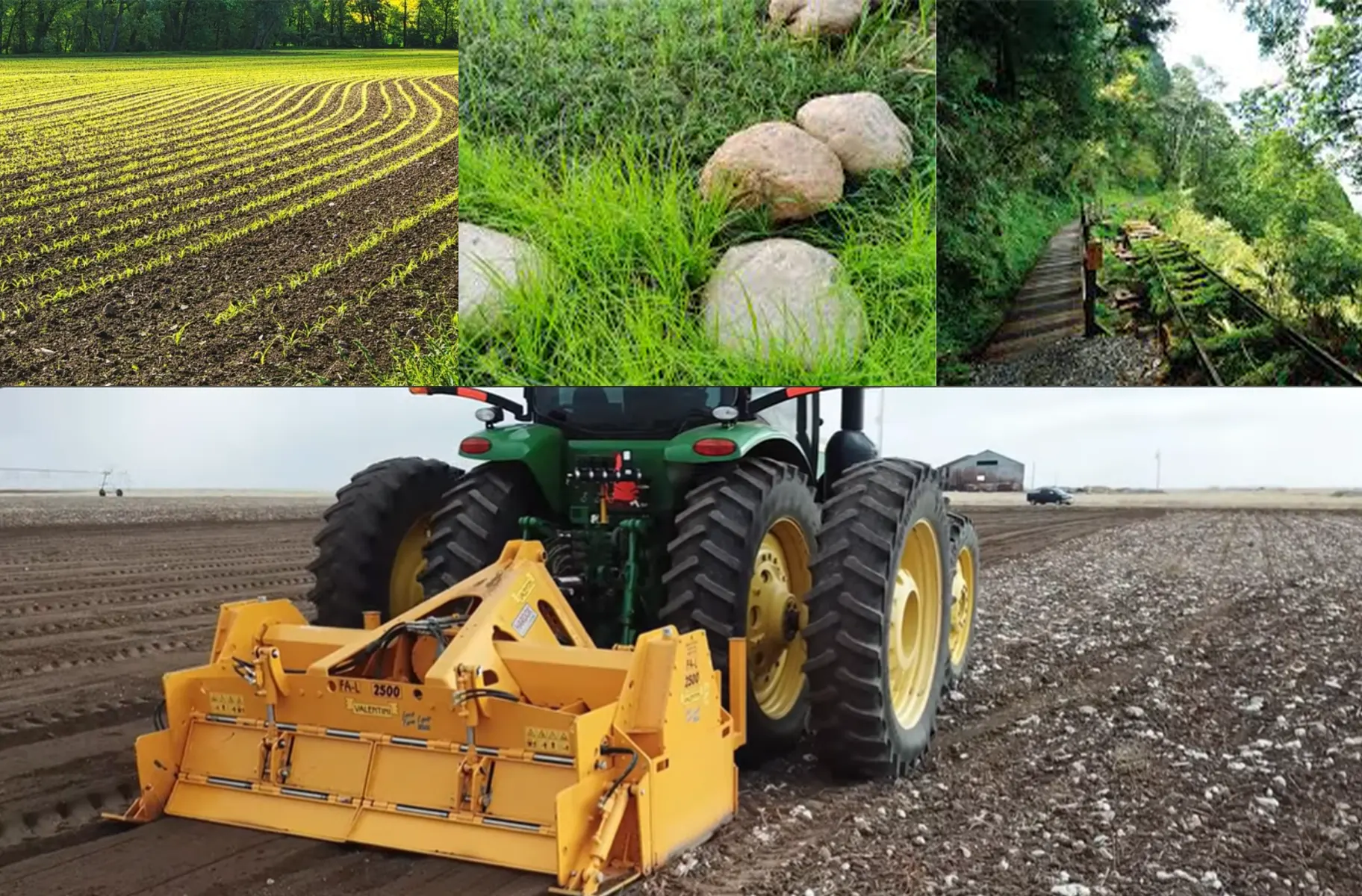
Die Trockenheitsphysiologie des Granatapfels beginnt mit seiner Wurzelarchitektur. Ein reifer Granatapfel Punica granatum Auf gerodeten Flächen entwickelt sich ein primäres Wurzelsystem in drei unterschiedlichen Zonen:
| Zustand | Wurzeltiefe | Bewässerungshäufigkeit (Spitzenwert im Sommer) | Jährlicher Wasserverbrauch (m³/ha) | Wasserkosteneinsparung (Iran, 1 TP 6 t/ha/Jahr) |
|---|---|---|---|---|
| Gerodet, tief verwurzelt | 2,0–3,0 m | Alle 12–18 Tage | 4.500–6.000 | Ausgangswert |
| Steinverstopft, flach | 0,3–0,5 m | Alle 4–6 Tage | 7.500–9.500 | +US$180–320 zusätzliche Kosten |
| THOR Clearing Investment | Einmalig: US$1.200–1.900/ha | Amortisation: 4–6 Saisons allein durch Wassereinsparung | ||
Punicalagin und ORAC – Die antioxidative Qualitätskette von der Wurzel bis zum Premiummarkt
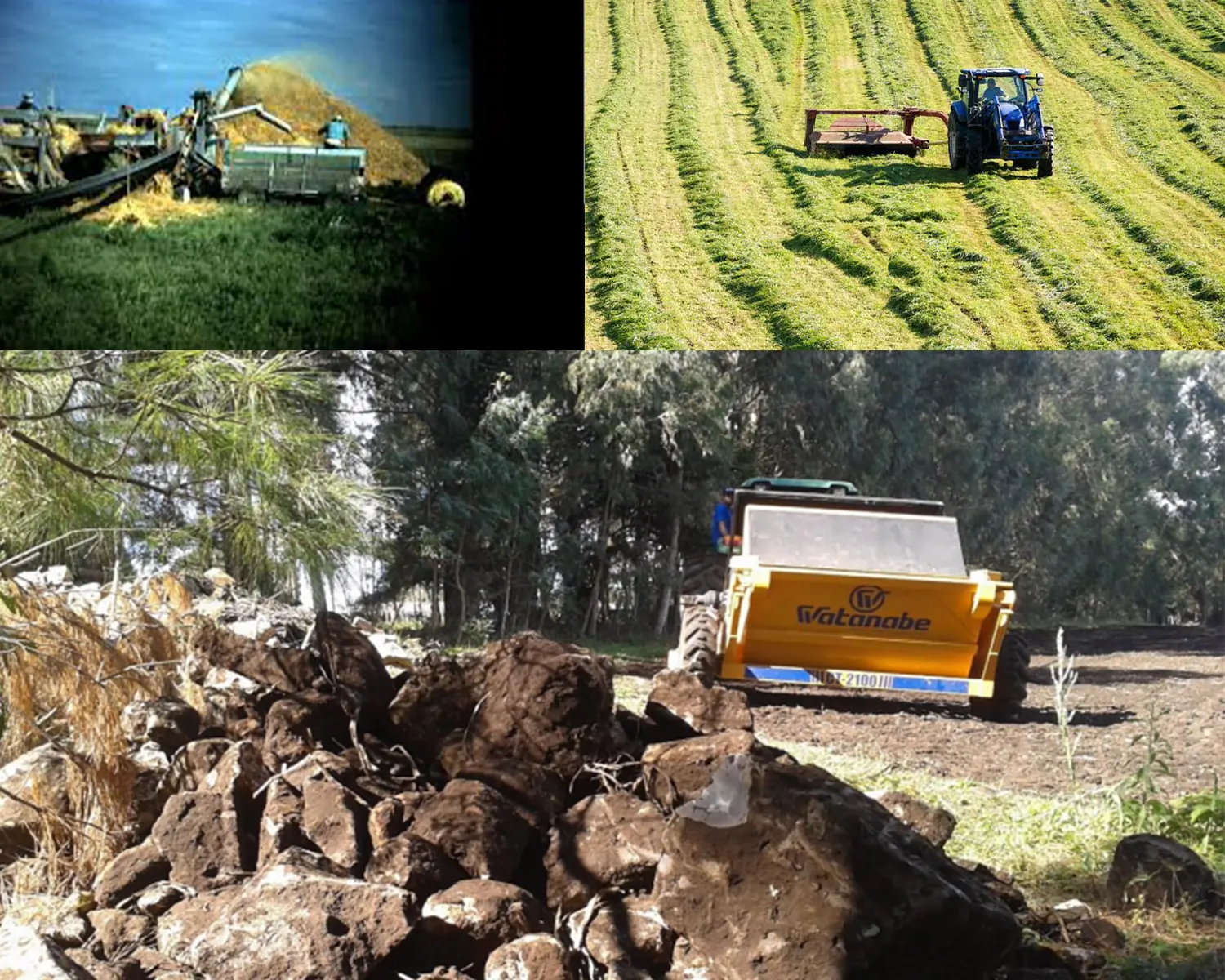
Der Markt für Premium-Granatäpfel – in den USA angeführt von POM Wonderful und für den europäischen und Golfraum von Premium-Fruchtfleisch-Exportprodukten – wird zunehmend durch einen einzigen messbaren Qualitätsparameter definiert: ORAC (Oxygen Radical Absorbance Capacity), das standardisierte Maß für die antioxidative Aktivität eines Lebensmittels. Die außergewöhnlichen ORAC-Werte von Granatäpfeln (7.000–10.000 µmol TE/100 g für Premium-Saft, im Vergleich zu 2.000–3.000 für Orangensaft) sind vor allem auf Punicalagin zurückzuführen – ein hochmolekulares Tannin, das nur in Granatäpfeln vorkommt und die stärkste natürlich vorkommende antioxidative Verbindung in allen kommerziell angebauten Früchten darstellt.
Punicalagin ist ein Ellagitannin – ein komplexes Polyphenol, das aus Gallussäureeinheiten und einem Glucosekern aufgebaut ist. Seine Biosynthese im Granatapfelkerngewebe ist Teil des Phenylpropanoid-Stoffwechselwegs, der durch Phenylalanin (eine aus dem Bodenstickstoff- und Mineralstoffwechsel stammende Aminosäure) angetrieben wird und erhebliche Mengen an reduziertem Kohlenstoff (aus der Photosynthese) sowie spezifische mineralische Cofaktoren, insbesondere Mangan (Mn) und Eisen (Fe), erfordert. Der Zugang der Wurzeln zu Mineralien stellt die vorgelagerte Einschränkung dieses Stoffwechselwegs dar: Eingeschränkter Zugang der Wurzeln zu einem geringeren Mineralstoffvolumen im Boden führt zu einem geringeren Phenylalaninfluss in das sich entwickelnde Kerngewebe, wodurch die gesamte Punicalagin-Synthesekapazität der heranwachsenden Frucht reduziert wird. Untersuchungen des Volcani Center (Israel) und des CIHEAM (Spanien) haben niedrigere Punicalagin-Konzentrationen (18–35%) in den Fruchtfleischkernen von durch Bewässerung gestressten, flachwurzelnden Granatapfelbäumen im Vergleich zu gut bewässerten, tiefwurzelnden Bäumen derselben Sorte dokumentiert – ein Unterschied, der direkt auf die reduzierte Mineralstoffaufnahme bei flachwurzelnden Bäumen zurückzuführen ist.
POM Wonderful – die weltweit führende Granatapfelmarke – verwendet Mindest-ORAC-Werte als Teil ihrer Spezifikationen für die Fruchtbeschaffung. Die Saftverarbeitungspartner von POM Wonderful müssen Früchte liefern, die Mindeststandards für Antioxidantien erfüllen; Früchte, die diese Grenzwerte unterschreiten, werden mit einem Preisnachlass angenommen oder zurückgewiesen. Kalifornische Granatäpfel der Sorte Wonderful auf gerodeten Böden: typischer ORAC-Wert 8.000–10.500 µmol TE/100 g Frischsaft. Kalifornische Granatäpfel der Sorte Wonderful auf steinigen, bewässerungsarmen Böden: ORAC-Wert 5.200–6.800 µmol TE/100 g – unterhalb der Premium-Qualifikationsgrenze. Die gleiche Unterscheidung gilt für die iranischen Sorten Rabab und Malase für den europäischen Premium-Frischmarkt: Die Farbintensität des Fruchtfleisches (bestimmt durch die Anthocyaninkonzentration, ein weiterer wurzelmineralabhängiger Stoffwechselweg) und der Punicalagin-Gehalt bestimmen gemeinsam die Premium-Exportklassifizierung aus iranischen Verpackungsanlagen. Durch die Entfernung von Steinen, die den Zugang von Mineralien in der Wurzelzone verbessert, steigen sowohl der Anthocyan- als auch der Punicalagingehalt auf Premium-Niveau – mit dem zusätzlichen Vorteil, dass der gut bewässerte Tiefwurzelbaum größere, schwerere einzelne Samenmäntel mit einem besseren Saft-zu-Samen-Verhältnis produziert (sekundärer Qualitätsindikator sowohl auf dem Frisch- als auch auf dem Saftmarkt).
Der unsichtbare Aril-Riss – ein Qualitätsmangel, der am Tisch des Verbrauchers entdeckt wurde
Jeder in den vorangegangenen 24 Artikeln der E-Serie beschriebene Qualitätsmangel ist zu einem bestimmten Zeitpunkt erkennbar, bevor der Verbraucher das Produkt in den Händen hält – bei der Ernte (leere Schalen E-22, niedriger DM%-Gehalt E-19), bei der Verpackung (ISO 3632-Klasse E-23, NOW-Schaden E-21) oder bei der Verarbeitung (Aflatoxin-Ablehnung E-22). Der Samenmantelriss bei Granatäpfeln ist qualitativ anders: Es handelt sich um einen inneren Strukturfehler, der von außen völlig unsichtbar ist und erst beim Öffnen der Frucht oder beim Pressen des Saftes entdeckt wird. Ein Granatapfel mit 30%-gespaltenem Samenmantel sieht äußerlich genauso aus wie ein Granatapfel mit intaktem Samenmantel. Der Riss ist bei der Ernte weder durch Berührung, Farbe noch Gewicht erkennbar.
Das Aufplatzen der Samenkapseln (auch „Fruchtplatzen“ genannt) bei Granatäpfeln tritt auf, wenn sich die einzelnen, samenhaltigen Saftsäckchen (Samenkapseln) schneller ausdehnen, als das umgebende weiße Mark und die Schale aufnehmen können. Auslöser ist ein starker, schneller Wasserzufluss in die Frucht nach einer Trockenperiode – das klassische Szenario „Trockenstress gefolgt von Regen oder starker Bewässerung“. Bei tiefwurzelnden Granatäpfeln, deren Boden von Steinen befreit ist, sorgt der Zugang zu Bodenfeuchtigkeit dafür, dass der Wasserhaushalt des Baumes in Trockenperioden relativ stabil bleibt und der Wassermangel, der dem Aufplatzen vorausgeht, weniger stark ausgeprägt ist. Die Ausdehnung nach der Bewässerung erfolgt allmählich. Bei flachwurzelnden Granatäpfeln, deren Boden durch Steine blockiert ist, gerät der Baum innerhalb von 4–6 Tagen nach jedem Bewässerungszyklus in starken Wasserstress (die flache Wurzelzone trocknet in der heißen Wüstenluft schnell aus). Bei der nächsten Bewässerung leidet der Baum unter akutem Wassermangel – er saugt das Wasser rasch auf, die Samenmäntel dehnen sich plötzlich aus, und der Unterschied in der Ausdehnung zwischen dem elastischen Samenmantelgewebe und dem weniger elastischen Fruchtwandgewebe führt zu inneren Rissen. Die Schale bleibt intakt. Die Samenmäntel platzen. Die Frucht sieht makellos aus.
Frischwaren-Exportmarkt (Iranischer Rabab/Malase in die EU und den Golf; spanischer Mollar de Elche in den Premium-Einzelhandel): Ein Granatapfel mit geplatzten Kernen, der im Einzelhandel oder in der Gastronomie entdeckt wird, wird zurückgegeben – der Händler erhält eine Gutschrift für die gesamte betroffene Charge. Bei mehr als 101 TP5T geplatzten Kernen in einer Lieferung wird in der Regel die gesamte Palette zurückgewiesen. Der Verpackungsbetrieb am Ursprungsort hatte ohne zerstörende Prüfverfahren keine Möglichkeit, geplatzte Kerne bei der Qualitätskontrolle vor dem Versand zu erkennen. Saftverarbeitung: Aufgeplatzte Fruchtfleischreste setzen bittere Verbindungen aus der inneren Membran (Mesokarp) in den Saft frei – wodurch der Bitterkeitsindex des Saftes die für Premiumprodukte akzeptablen Grenzwerte überschreitet. POM Wonderful und andere Premium-Saftmarken legen einen maximal zulässigen Bitterkeitswert (gemessen anhand von Naringenin und verwandten Verbindungen) fest – Saft aus Früchten mit häufig aufgeplatzten Fruchtfleischresten überschreitet diese Grenzwerte regelmäßig. Die Lösung besteht in der verstärkten Vermischung mit bittererem Saft aus anderen Chargen – wodurch die Konzentration des hochwertigen Punicalagins im Endprodukt verdünnt und der ORAC-Wert gesenkt wird. Die Entfernung von Steinen – durch die Reduzierung von Bewässerungsunregelmäßigkeiten und des Trockenstress-/Rehydrationszyklus – verringert das Auftreten von Fruchtfleischaufplatzungen auf steinfreien Standorten um 45–65 % im Vergleich zu bewässerten Standorten mit eingeschränkter Steinentfernung gleicher Sorte und gleichem Klima, wie in INRAE/CIHEAM-Versuchen in mediterranen Obstplantagen gezeigt wurde.
Warum der unsichtbare Arillusriss sich strukturell von allen bisherigen Qualitätsfehlern unterscheidet
In allen vorherigen Artikeln der E-Serie mit Qualitätsargumenten – von der Konkurrenz zwischen verschiedenen pH-Werten bei Trüffeln (E-24) über leere Pistazienschalen (E-22) bis hin zum DM%-Gehalt von Kiwis (E-19) – ist der Qualitätsmangel spätestens zum Zeitpunkt des Verkaufs erkennbar. Leere Schalen werden beim Aufbrechen festgestellt. Ein niedriger DM%-Gehalt wird bei der Inspektion durch das Zespri-Panel gemessen. Die ISO-3632-Klassifizierung erfolgt bei der Versteigerung. Der Produzent kennt das Ergebnis, bevor das Produkt den Verbraucher erreicht.
Ein Granatapfelkernriss erreicht den Verbraucher unbemerkt. Die Frucht, die eine Restaurantretoure, eine Beschwerde im Einzelhandel oder einen Anruf beim Kundenservice von POM Wonderful auslöst, stammt von einem steinigen, schlecht bewässerten Standort. Dort verursachte der Kernriss während der Fruchtreife einen Qualitätsmangel von innen – einen Mangel, der bei jeder sichtbaren Verpackungskontrolle unbemerkt blieb und erst beim Öffnen der Frucht sichtbar wurde. Diese späte Entdeckung macht den Kernriss zu einem der kostspieligsten Qualitätsmängel in Bezug auf die Kundenbeziehung – er tritt erst nach Bezahlung, Logistik und nach Ablauf der Reklamationsfrist des Erzeugers ein.
Mehrstämmige Ausläufer bildende Architektur – Steinmanagement für einen Strauch, nicht für einen Baum
Punica granatum Botanisch gesehen ist der Granatapfel ein mehrstämmiger Strauch und kein einstämmiger Baum – eine Wuchsform, die im Wurzelbereich besondere Anforderungen an die Pflege stellt. Wie die Haselnuss (E-14) bildet auch der Granatapfel jedes Jahr kräftige Wurzelausläufer (im Iran als „Pavandeh“ und in Spanien als „Chupones“ bekannt) aus dem Wurzelhals und der flachen Wurzelzone. Anders als bei der Haselnuss, wo die Ausläufer hauptsächlich geerntet werden, sind die Granatapfelausläufer unerwünschter vegetativer Zuwachs, der jährlich entfernt werden muss, damit die Pflanze ihre Energie in die Fruchtbildung lenken kann.
Die Wurzelhalszone – wo die Wurzelausläufer aus dem Boden austreten – steht in direktem Kontakt mit dem steinigen Untergrund. Steinfragmente in der Wurzelhalszone reiben das austretende Ausläufergewebe ab und verursachen mechanische Verletzungen an der neuen Rinde. Auf kommerziellen Granatapfelplantagen mit hohem Steinanteil an der Oberfläche führt der Stein in der Wurzelhalszone zu ähnlichen Wundverhältnissen wie bei Kiwipflanzen und dem Auftreten von PSA (E-19) – allerdings ist bei Granatapfel der relevante Wunderreger … Alternaria alternata (Frühfäule, die auch für die Kernfäule beim Granatapfel verantwortlich ist) und Botrytis cinerea (Grauschimmel auf verletztem Grüngewebe). Die Steinräumung der Oberflächenkronenzone (jährliche BlackBird-Überfahrt) reduziert diese Wundlandschaft und den damit verbundenen Infektionsdruck durch mechanische Beschädigungen auf Kronenebene.
Das Wurzelsystem des mehrstämmigen Granatapfels bildet an der Basis jedes Stammes im Kronenbereich von 0–25 cm Ausläufer. Steinfragmente in diesem Bereich behindern das Austreiben der Ausläufer und führen zu blinden Knoten, die ansonsten produktive Ausläufer für das jährliche Ausläuferentfernungsprogramm hervorbringen würden. Noch wichtiger ist, dass Steine in 15–25 cm Tiefe die frühe Wurzelentwicklung der Ausläufer einschränken – jeder Ausläufer, der als Ersatzstamm belassen wird, entwickelt eigene Wurzeln, die die Steinschicht überwinden müssen. Daher ist die Rodung des Bodens bis zu einer Tiefe von 22–28 cm (der Ausläuferwurzelzone) vor der Pflanzung Teil der Standortvorbereitung für Granatapfelbäume, noch vor der tieferen Rodung für den Zugang tieferer Wurzeln zur Trockenheitsversorgung.
Vier Märkte – Geologie, Gesteinsprofil und Räumungsspezifikation
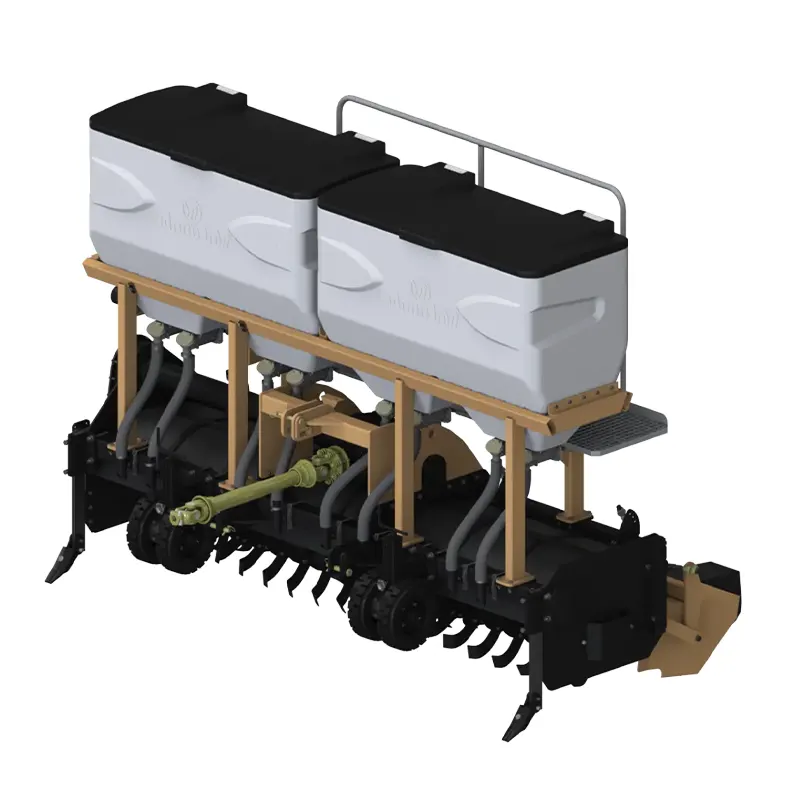
Maschinensystem – Protokoll für tiefen Wurzelzugang und Kronenzone
Häufig gestellte Fragen
Steinbrecher für Granatapfelfarm – wenn das Paradoxon der Trockenheitstoleranz real ist, warum wissen dann nicht mehr Granatapfelanbauer, dass Steine die Trockenheitstoleranz beeinträchtigen, wegen der sie die Sorte ausgewählt haben?
Die verzögerte breite Anerkennung ist auf zwei Faktoren zurückzuführen: den langen Zeithorizont und die Verwirrung der Symptome. Zum Zeithorizont: Der Vorteil tiefer Wurzeln gegenüber flachwurzelnden Standorten bei Granatäpfeln zeigt sich erst nach 4–8 Jahren vollständig. In den ersten 2–3 Jahren nach der Pflanzung beschränken sich die jungen Wurzeln sowohl in gerodeten als auch in ungerodeten Obstgärten auf die flache Bodenschicht (die tiefen Wurzeln haben sich an beiden Standorten noch nicht entwickelt). Der scheinbare Wasserbedarf ist in dieser Phase ähnlich. Erst ab dem 5.–8. Jahr, wenn die Bäume auf gerodeten Flächen beginnen, tieferliegende Feuchtigkeit aufzunehmen und die Bewässerungshäufigkeit deutlich reduzieren, wird der Unterschied im Wasserzähler sichtbar. Anbauer, die vor 5 Jahren auf steinigem Boden gepflanzt haben und nicht die erwartete Trockenheitstoleranz feststellen konnten, bringen dies möglicherweise nicht mit dem Steinanteil ihres Bodens in Verbindung – sie führen es stattdessen auf die Sorte, das Klima oder die Bewirtschaftung des Obstgartens zurück. Zur Verwirrung der Symptome: Ein hoher Wasserbedarf in einem Granatapfelgarten wird selten auf Fehler bei der Steinbearbeitung zurückgeführt, wenn mehrere andere Erklärungen (Dürrejahr, Effizienz des Bewässerungssystems, Sortenverhalten) ebenso plausibel erscheinen. Die Sensibilisierung für das Dürreparadoxon – dass die Dürretoleranz des Granatapfels eine bedingte Aussage ist, die von einem steinfreien Zugang zu tiefen Wurzeln abhängt – ist eines der Ziele dieses Leitfadens.
Ist das Argument der Punicalagin-Qualitätskette sowohl auf Granatäpfel in Saftqualität als auch auf solche in Frischqualität anwendbar, oder ist es in erster Linie für Premium-Frischwarenmärkte relevant?
Das Qualitätsargument bezüglich Punicalagin gilt für beide Märkte, die Vermarktungsmechanismen unterscheiden sich jedoch. Im Premium-Frischwarenmarkt (spanischer Mollar de Elche für europäische Supermärkte, iranischer Malase für Einzelhändler in der Golfregion) werden ORAC-Wert und Punicalagin-Konzentration üblicherweise nicht auf Einzelfruchtebene gemessen. Der relevante Qualitätsindikator ist die Farbintensität des Fruchtfleisches (gemessen anhand des Anthocyangehalts, der mit dem Punicalagingehalt im Granatapfel korreliert), und die Marktklassifizierung erfolgt visuell beim Verpacken. Höherer Anthocyangehalt = tiefere rubinrote Fruchtfleischfarbe = höhere Qualitätsstufe = Premiumpreis. Das Entfernen von Steinen verbessert den Anthocyangehalt über denselben Aufnahmeweg von Wurzeln und Mineralien wie Punicalagin. Im Markt für Saftverarbeitung (California Wonderful für POM Wonderful, iranischer Rabab für Konzentrathersteller) wird die Punicalagin-Konzentration direkt im Saft bei der Anlieferung gemessen. Die internen Qualitätsvorgaben von POM Wonderful und die USDA-AMS-Standards für Granatapfelsaft (die den Mindestpolyphenolgehalt für Saft der Güteklasse A definieren) setzen klare Marktkriterien, die steinbefallene, flachwurzelnde Früchte regelmäßig nicht erfüllen. Die Argumentation für den Saftmarkt ist daher direkter messbar und wirtschaftlich umsetzbar als die für den Frischmarkt – ein Erzeuger mit einem Saftverarbeitungsvertrag kann die ORAC-Verbesserung zwischen gerodeten und ungerodeten Teilen seiner Plantage messen und den Preisaufschlag direkt berechnen.
Wie verhält sich der ROI der Granatapfelsteinräumung im Vergleich zum ROI der Pistazien in E-22, wenn man bedenkt, dass in beiden Fällen Argumente für einen tiefen Wurzelzugang relevant sind?
Die ROI-Strukturen sind zwar verwandt, unterscheiden sich aber deutlich in ihrem dominanten Werttreiber. Beim Pistazien-ROI (E-22) dominiert das Argument der Vermeidung katastrophaler Ausfälle: der 40-jährige Kapitalwert (NPV) der verhinderten Wurzelausbrüche, der sich ab der 15- bis 20-jährigen Etablierungsphase kumuliert. Der ROI-Multiplikator ist sehr hoch (25:1 bis 50:1), wirkt sich aber über einen sehr langen Zeitraum (Jahrzehnte) aus. Der ROI von Granatäpfeln ist schneller und wird durch mehrere gleichzeitig wirkende jährliche Vorteile getrieben: (1) Einsparungen bei den Wasserkosten (US$ 180–1.260 $/ha/Jahr ab dem 3. Jahr), (2) Qualitätsprämie für Punicalagin (US$ 0,35–0,80 $/kg-Äquivalent bei der Qualifizierung für Saft- oder Frischware), (3) Reduzierung von Fruchtfleischrissen (geringere Verluste durch Käuferablehnungen). Bei einer typischen Rodungsinvestition von 1.200–1.900 US-Dollar/ha ergibt sich ab dem 3.–4. Jahr (wenn die tiefen Wurzeln erstmals eine nennenswerte Unabhängigkeit von Trockenheit ermöglichen) ein jährlicher Gesamtnutzen von 400–800 US-Dollar/ha/Jahr Wassereinsparung + 200–450 US-Dollar/ha/Jahr Qualitätsprämie = 600–1.250 US-Dollar/ha/Jahr. Die Amortisationszeit beträgt 1–3 Vegetationsperioden ab Nutzenbeginn bzw. 3–5 Vegetationsperioden ab Pflanzdatum. Die kumulierte Rendite über 20 Jahre bei einem Diskontsatz von 4% liegt typischerweise zwischen 15:1 und 28:1. Dieses Verhältnis ist niedriger als bei Pistazien (25–50:1), wird aber innerhalb von 5 Jahren statt 15–20 Jahren erreicht – wodurch sich die Investition in die Granatapfelrodung neben Erdbeeren (E-18) am schnellsten amortisiert.
Gibt es für bereits bestehende Granatapfelplantagen auf steinigen Standorten wirksame nachträgliche Maßnahmen zur Steinbekämpfung, um den Zugang tiefer Wurzeln zu verbessern?
Die nachträgliche Steinentfernung ist bei etablierten Granatapfelbäumen einfacher durchzuführen als bei etablierten Trüffelbäumen (E-24) oder Kiwibäumen (E-19), da der mehrstämmige Wuchs des Granatapfels den Zugang zwischen den Reihen ermöglicht, ohne die Wurzeln in den Reihenzwischenräumen zu beschädigen. Die Standardmaßnahme ist die Tiefenlockerung zwischen den Reihen oder die Räumung mit einem THOR-Gerät in den Reihenzwischenräumen (der Mittelpunkt zwischen den Baumreihen, wo die Steinentfernungsmaschinen eingesetzt werden können, ohne die bestehenden Wurzelkronen oder Hauptseitenwurzeln zu beschädigen). Ein THOR-2.4-Durchgang in 45–55 cm Tiefe im Zwischenreihenraum – typischerweise 2,5–4 m breit in kommerziellen Granatapfelplantagen – bricht Kalkstein- oder Gipsschichten in der Zwischenreihenzone auf. Dadurch können neue Seitenwurzeln der etablierten Bäume in den gerodeten Zwischenreihenboden wachsen und schließlich über den neu entstandenen Pfad an die Bodenfeuchtigkeit gelangen. Dieser nachträgliche Ansatz bietet zwar nicht den vollen Vorteil der Rodung vor der Pflanzung (die ein gleichmäßiges, freies Profil unter dem gesamten Kronendach schafft), verbessert aber die Tiefenwurzeln etablierter Bäume deutlich und wurde in älteren iranischen Obstplantagen erfolgreich eingesetzt, um die Bewässerungshäufigkeit innerhalb von 3–4 Vegetationsperioden um 25–40 l/5 t zu reduzieren. Die Rentabilität der nachträglichen Reihenrodung ist geringer als bei der Rodung vor der Pflanzung (schmalere Rodungszone, nur teilweiser Nutzen), die Investitionskosten sind jedoch ebenfalls niedriger (nur Reihenstreifen, nicht das gesamte Feld). Für große iranische Obstplantagen, in denen die Bewässerungskosten den größten variablen Kostenfaktor darstellen, amortisiert sich die nachträgliche THOR-Reihenrodung selbst bei der reduzierten Wassereinsparung von 25–40 l/5 t innerhalb von 2–4 Vegetationsperioden.
Sind in den Produktionsvorschriften für die spanische Ursprungsbezeichnung Mollar de Elche DOP oder eine andere iranische Provinzbezeichnung für Granatapfelsorten explizit Maßnahmen zur Steinbehandlung vorgeschrieben oder empfohlen?
Die Produktionsregeln für Mollar de Elche DOP (Denominación de Origen Protegida, die spanische geografische Angabe für diese Sorte) legen die geografische Zone, die zugelassenen Sorten und die Mindestqualitätsparameter der Fruchtfleischstücke fest, schreiben aber derzeit keine spezifischen Bodenbearbeitungs- oder Steinmanagementverfahren in den beim EU-Register für geschützte Ursprungsbezeichnungen eingetragenen technischen Spezifikationen vor. Auch die iranischen Provinzbezeichnungen für die Sorten Yazd Rabab und Fars Malase (die sich in verschiedenen Stadien der formellen Registrierung beim iranischen Amt für gewerbliches Eigentum befinden) legen Anbauzone und Erntetermin fest, nicht aber Bodenbearbeitungsmethoden. Die von diesen Bezeichnungen geforderten Mindestanforderungen an ORAC-Wert und Farbstufe lassen sich jedoch auf gerodeten, tiefwurzelnden Obstplantagen leichter konstant erreichen als auf flachwurzelnden, durch Steine eingeschränkten Plantagen – wodurch das Steinmanagement faktisch die Einhaltung der Bezeichnungsanforderungen ermöglicht, selbst ohne explizite Erwähnung in den Regeln. Mit zunehmender Reife dieser Herkunftsbezeichnungen und der damit einhergehenden Durchsetzung der Mindestqualitätsstandards anstatt bloßer Empfehlungen könnte die Steinbeseitigung zu einer Voraussetzung für die gleichbleibende Qualität der Produkte werden – analog zum Beispiel bei Kaschmir-Safran (E-23), wo die Karewa-Formation zwar in der geografischen Angabe (g.g.A.) genannt ist, die Steinbeseitigung innerhalb dieser Formation jedoch im Ermessen der Anbauer liegt. Korea Watanabe kann die vollständige technische Dokumentation für DOP/g.g.A.-Konformitätsprogramme auf den Märkten Spaniens und Irans bereitstellen.
Gesteinsbrecher für Granatapfelfarm – Dürreparadoxon, ORAC-Qualität und Aril-Split-Protokoll
Gesteinsart (Gips/Kalzit/Basalt/Kalich) + Barrierentiefe + Bewässerungskosten + Zielmarkt (Frisch/Saft/DOP) → Korea Watanabe liefert die korrekten Steinbrecher für Granatapfelfarm Spezifikation für den Zugang zu tiefen Wurzeln, Berechnung des ROI der Wasserkosten und Protokoll zur Verbesserung der Punicalagin-Qualitätsstufe.
Korea Watanabe Rock Crusher Tractor Co., Ltd. – Ansan-si, Gyeonggi-do
Herausgeber: Cxm