Bu E-serisi kılavuzundaki her ürün – bağdan kahveye kadar – taş temizliğini aynı temel argümanla haklı çıkarmıştır: kök bölgesindeki taş, kök gelişimini kısıtlar, verimi ve kaliteyi düşürür ve temizleme maliyeti çok yıllık bir üretim döngüsünde geri ödenir. Çilek bu kalıbı neredeyse her açıdan kırar. Yıllık veya iki yıllık bir üründür. Taş problemi, bu kılavuzdaki herhangi bir kök sisteminden daha sığ bir derinliktedir. Temizlemenin faydası, temizleme işleminin yapıldığı aynı sezonda gerçekleşir. Ve birinci sınıf kalitedeki pazarı – dünyanın en pahalı ticari çileklerini büyük ölçekte üreten Kore tünel çilek endüstrisi – bu kılavuzdaki herhangi bir ürünün hektar başına en yüksek değerini yaratır; birinci sınıf Seolhyang üretimi için hektar başına yaklaşık 180.000-400.000 ABD doları.
Çilekte taş yönetimi tartışması, kök bölgesinden değil, damlama sulama sisteminden başlar. Kuşkonmaz, avokado, ceviz veya kahve gibi ürünlerdeki yapısal köklerden daha sığ olan 8-12 cm derinliğe gömülmüş bir damlama bandı, yatak oluşumu sırasında tek bir köşeli taş parçası tarafından delinir. Bu delinme, etkilenen yatak bölümündeki hat basıncını tasarlanan 0,8-1,2 bar'dan neredeyse sıfıra düşürerek, üzerindeki tüm bitkilere eşit su dağıtımını engeller. Bu kılavuzdaki hiçbir ürün, tek bir taştan dolayı bu kadar hızlı ve tamamen başarısız olmaz. Bu kılavuz şunları kapsar: çilek çiftliği için kaya kırıcı Çilek çekirdeği yönetimini önceki tüm E serisi makalelerinden kategorik olarak farklı kılan üç mekanizma ve bu mekanizmaların birleştiği dört küresel pazar aracılığıyla uygulama.
8–12 cm Derinlikte Damlama Bandı — Bu Kılavuzdaki En Sığ Temizleme Hedefi
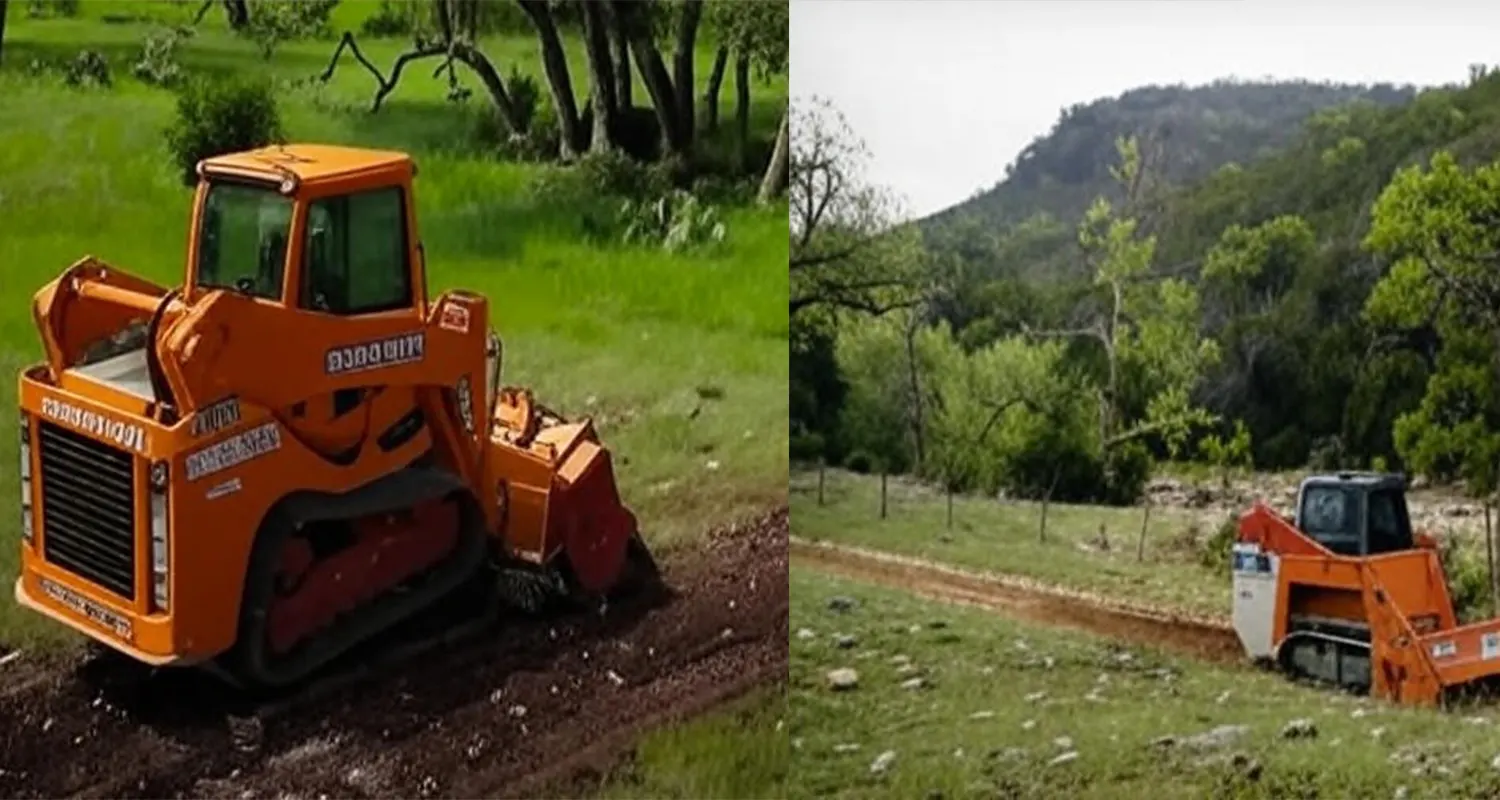
Modern ticari çilek üretiminin belirleyici özelliği, plastik örtü sistemidir: 20-30 cm yüksekliğindeki yükseltilmiş yataklar, toprağı şekillendiren, siyah polietilen malç seren ve damlama sulama bandını 8-12 cm derinliğe tek seferde gömen bir yatak şekillendirme makinesi tarafından oluşturulur. Kore, İspanya, Kaliforniya ve Şili'de standart uygulama olan bu sistem, suyu ve gübreyi minimum buharlaşma kaybıyla doğrudan çilek kök yatağına ulaştırır ve plastik örtünün üzerindeki kuru toprak yüzeyinden hastalıkların önlenmesini en üst düzeye çıkarır.
E-Serisi Temizleme Derinliği Spektrumu — Çilek ve Önceki Tüm Ürünler Karşılaştırması
Dezenfeksiyon Taşları ile Korunan Sığınaklar — Taşlar, Yok Etmeye Çalıştığınız Patojenleri Neden Koruyor?
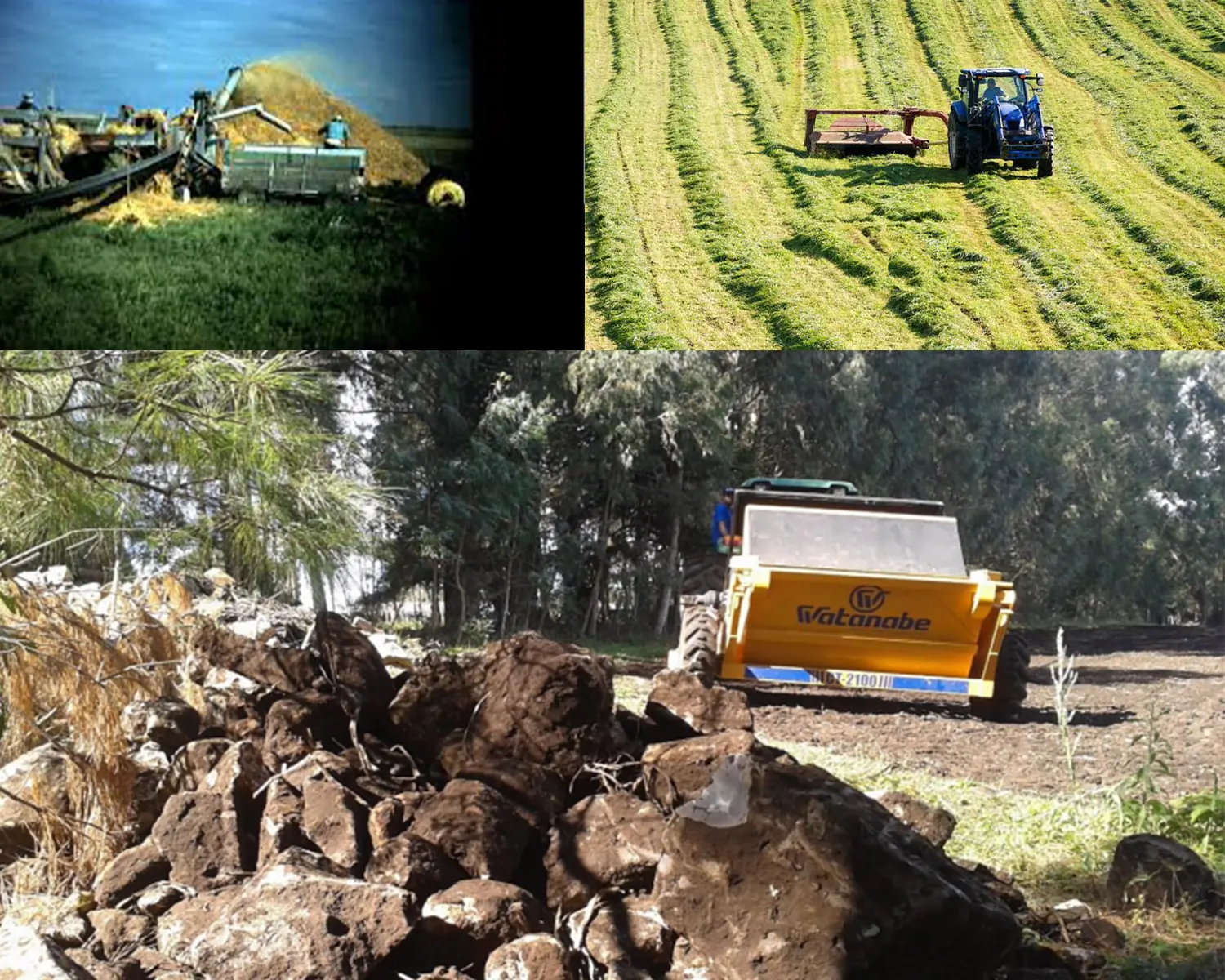
Ticari amaçlı yoğun olarak yönetilen bölgelerdeki çilek üretiminin büyük çoğunluğunda, toprak kaynaklı hastalıkların döngüsünü kırmak için ekim öncesi toprak fümigasyonu gereklidir. Fusarium oxysporum f. sp. fragariae (Fusarium kök ve taç çürümesi), Verticillium dahliae (Verticillium solgunluğu) ve Pratylenchus penetrans Ve Meloidogine (Kök ur nematodları) türleri için kullanılan fumigantlar (1,3-dikloropropen/kloropikrin kombinasyonu (Telone II/Pic), dazomet (Basamid) veya metam sodyum), enjeksiyon noktasından toprak gözenek ağına yayılan gazlar olarak işlev görür. Etkinlikleri tamamen, toprak polietilen malç ile kapatılmadan önce, işlem gören hacim boyunca homojen gaz dağılımının sağlanmasına bağlıdır.
Fümigant gaz, toprak parçacıkları arasındaki boşluklar olan parçacıklar arası gözenek ağı yoluyla toprakta yayılır. Tekdüze parçacık boyutuna sahip ince dokulu topraklarda (siltli tın veya kumlu tın), gaz enjeksiyon noktasından her yöne tutarlı oranlarda yayılır. 5-25 cm derinlikteki bir taş, fümigant gaza karşı etkili bir şekilde geçirimsizdir; yoğun kristal veya tortul yapısı, gazın erişebileceği bağlantılı bir gözenek ağına sahip değildir. Taş, arkasında (enjeksiyon noktasından uzak yönde) fümigant konsantrasyonunun hedef organizmalar için ölümcül eşiğe asla ulaşmadığı bir "gölge bölgesi" oluşturur. Gölge bölgesinin boyutu: yaklaşık olarak taşın kesit çapının 2-3 katı. 6 cm'lik bir taş, 12-18 cm'lik bir gölge bölgesi oluşturur; bu da bir Fusarium kolonisini veya nematod popülasyonunu tüm fümigasyon süresi boyunca korumak için yeterlidir.
Fümigant, enjeksiyondan sonra 7-14 gün içinde topraktan dağılır (plastik malçın kapatılmasının amacı bu süreyi uzatmaktır). Plastik çıkarıldıktan veya ekim için delindikten sonra, taş gölge bölgelerindeki hayatta kalan patojen popülasyonları hemen genişlemeye başlar - artık tarladaki tek aşı kaynağı olup, korunaklı taş sığınaklarından faaliyet gösterirler. Fusarium, nemli koşullarda haftada yaklaşık 2-5 cm hızla toprakta yayılır; nematodlar haftada 10-30 cm göç eder. Ekimden 6-8 hafta sonra, taş gölge bölgeleri çevredeki toprağı yeniden aşılar ve bir tam sezon içinde fümigasyon yatırımı büyük ölçüde boşa gider. Bu yeniden aşılama döngüsü, taş yüklü çilek tarlalarında yaygın olarak gözlemlenen "fümigasyon başarısızlığı" olgusunu açıklar - fümigant doğru şekilde uygulanmıştır, ancak taş sığınakları patojenin tamamen yok olmasını engellemiştir.
Ekim öncesi taş temizliği ile traktör kaya kırıcı ardından CT-2100 taş toplayıcı Kalıcı toplama, fümigasyon bölgesindeki taş birikintilerini ortadan kaldırır. 0-22 cm'lik profilden 3 cm'den büyük tüm taşlar çıkarıldığında, fümigasyon gazı, engellenmeden tüm işlem görmüş hacim boyunca eşit şekilde yayılır ve fümigasyon yatırımının amacı olan patojenin tamamen yok edilmesini sağlar. İngiltere ve Kaliforniya çilek yetiştirme uzmanlarının tavsiyeleri, taşsız toprak hazırlığını, fümigasyonun güvenilir etkinliği için bir ön koşul olarak sürekli olarak tanımlar, tamamlayıcı bir iyileştirme olarak değil. Bir hektar çilek için fümigasyon maliyeti: tipik olarak 800-1800 €/ha. Taş temizleme maliyeti: 600-1200 €/ha. Temizleme maliyeti, koruduğu fümigasyon maliyetine yaklaşık olarak eşittir ve temizleme yapılmadan, fümigasyon yatırımının önemli bir kısmı kalıcı hastalık baskılaması sağlamaz.
Kore'nin Seolhyang Premium Çileği — Dünyanın En Pahalı Ticari Çileği
Kore, birinci sınıf çileklerde kilogram başına çiftlik kapısı fiyatıyla ölçüldüğünde dünyanın en değerli çilek pazarıdır. Baskın ticari çeşit olan Seolhyang ("kar kokusu" anlamına gelir), 2005 yılında Kore'nin soğuk mevsim tünel üretim sistemi için özel olarak Kırsal Kalkınma İdaresi tarafından geliştirilmiştir. Kore birinci sınıf toptan pazarında, Brix ≥14.0 fiyatlı Seolhyang, Aralık-Şubat ayları arasındaki en yoğun sezonda kilogram başına düzenli olarak 50.000-70.000 won (yaklaşık 1.500-33.000 ABD doları) fiyatına ulaşmaktadır; bu fiyat, aynı dönemde İspanya'daki standart Camarosa çileğinin spot fiyatının yaklaşık 25-35 katı ve Kaliforniya'daki Albion çileğinin fiyatının yaklaşık 15-20 katıdır.
| Seviye | Brix | Fiyat (₩/kg) | Kök bölgesi durumu | Taş yönetimi |
|---|---|---|---|---|
| Premium (En Üst Kalite) | ≥ 14.0 | ₩50.000–70.000 | Derin besleyici mat (0–20 cm) engelsiz. Düzenli sulama. Soğuk gecelerde tam Brix birikimi. | 22 cm derinliğe kadar taşsız. Damlama bandı hasarsız. İlaçlama tamamlandı. |
| 1. Sınıf | 12.0–13.9 | ₩25.000–40.000 | Taş nedeniyle orta derecede kök kısıtlaması. Kısmen hasar görmüş damlama sulama bandı nedeniyle düzensiz sulama. | Bazı taşlar kaldı. 5–15% damlama bandı delinme oranı. Kısmi fümigasyon. |
| 2. Sınıf | 10.0–11.9 | ₩12.000–22.000 | Kök gelişiminde önemli kısıtlama. Birden fazla damlama sulama arızası. Fümigasyon sonrası oluşan toprak kaynaklı hastalık. | Yüksek taş yoğunluğu. >20% damlama bandı delinmesi. Eksik fümigasyon kırılması. |
| İşlem / Reddetme | < 10.0 | ₩3.000–8.000 | Şiddetli hastalık, damlama sulama arızası, kök gelişiminin engellenmesi. Taş taşlarının birleşik etkilerinden kaynaklanan bitki gelişiminde gerilik. | Temizlenmemiş taşlık alan. Damlama sulama sistemi arızalı. Toprak kaynaklı hastalıklar kontrol altına alınmamış. |
Kore taş temizleme yatırım getirisi — aynı sezonda geri ödeme
2.000 m²'lik Kore tipi tünel çilek üretim ünitesi (standart tek yetiştirici ünitesi boyutu) için: Taş temizleme maliyeti (0,2 ha'lık bir tünel için THOR 2.4 + CT-2100): yaklaşık 800.000–1.200.000 KRW (US$600–900). Yıllık üretim: 2.000 m²'den yaklaşık 3.000 kg Seolhyang. Temizlenmiş arazide Premium kalite (Brix ≥14) ve taş kısıtlı arazide 2. kalite (Brix 11-12): kg başına 60.000 KRW ve 18.000 KRW. 30% üretim üzerinden (tipik olarak sadece taş yönetimiyle 2. Sınıftan Premium'a yükseltilen kısım): 900 Kg × ₩42.000 artan fiyat = ₩37.800.000 (US$28.000) 1. yılda ek gelir.
Taş temizleme maliyeti 800.000-1.200.000 KRW iken, ilk yıl gelir artışı 37.800.000 KRW'dir. Geri ödeme oranı ilk üretim sezonunda yaklaşık 30:1 ila 47:1 arasındadır. Bu E serisi kılavuzundaki diğer hiçbir ürün, temizleme yatırımının geri ödemesini aynı sezonda sağlamamaktadır.
Yıllık Mahsul Ekonomisi — Çilek Çekirdeği Temizleme İşleminin Farklı Çalışmasının Sebepleri
Çilek için taş temizleme işleminin ekonomik yapısı, bu kılavuzdaki diğer tüm ürünlerin tam tersidir. Önceki E serisi makalelerinde — bağ (E-1), zeytin (E-2), kuşkonmaz (E-9), fındık (E-14), kahve (E-17) — temizleme yatırımı, verimli bahçe veya plantasyon ömrünün 5-50 yılı boyunca amorti edilmiştir. Çilek için taş temizleme maliyeti tek bir üretim döngüsünde geri ödenir ve tarla çilek üretiminde kaldığı her yıl fayda tekrarlanır.
Bir tarla 22 cm derinliğe kadar taşlardan temizlendikten ve taş popülasyonu CT-2100 toplama yöntemiyle kalıcı olarak uzaklaştırıldıktan sonra, tarlanın verimli ömrü boyunca üç yıllık fayda tekrarlanır: (1) damlama bandı delinme oranı her sezon yatak kurulumunda sıfıra yakın düşer - satın alınan bant, satın alındığı işi yapar; (2) fümigasyon, her ekim öncesi döngüde patojenlerin tamamen ortadan kaldırılmasını sağlar - fümigasyon yatırımı tamamen kullanılır; (3) Brix gelişimi her sezonda tutarlı ve yüksek olur, 2. sınıf yerine 1. sınıf kalite elde edilir. Tekrarlayan tek taş yönetimi maliyeti, son hasat şeridinden sonra ve bir sonraki sezonun yatak oluşumundan önce 12-16 cm derinlikte yapılan bir THOR bakım geçişidir - don kabarması ve kök kanalı kalıntılarını temizlemek için. Bu bakım geçişi, orijinal temizleme yatırımının yaklaşık 20-30%'sine mal olur.
Standart yıllık sebze ürünleri (lahana, kök sebzeler, salata) yıllık olarak rotasyona tabi tutulur ve taş varlığına bakılmaksızın toprak hazırlığı gerektirir; bu nedenle sebzeler için taş temizleme genellikle genel ekim programına dahil edilir. Çilek, genellikle aynı tarlada 2-5 yıl üst üste yetiştirilir, ardından fümigasyon rotasyonu nedeniyle tarla geçici olarak çilek üretiminden çıkarılır. Bu ardışık dönem boyunca, taş temizleme yatırımı her sezonda geri dönüşünü sağlar. Kore'deki tünel çilek yetiştiriciliğinde, tünel altyapısı (çelik çemberler, örtü filmi, ısıtma sistemi) 10-20 yıl boyunca tek bir yerde sabitlendiğinden, tünel altyapısının altındaki tarla 5-8 ardışık döngü boyunca çilek ekimi için kullanılabilir; bu da temizleme yatırımının yeni bir temizlemeye ihtiyaç duyulmadan önce 5-8 kez geri dönüşünü sağladığı anlamına gelir.
Dört Piyasa — Taş Profilleri ve Temizleme Spesifikasyonu
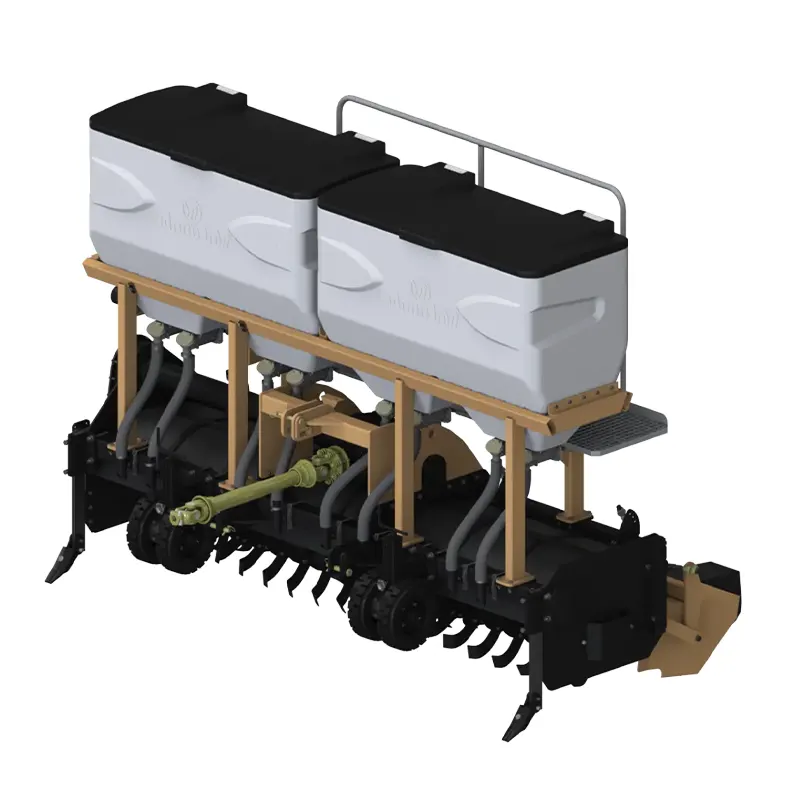
Makine Sistemi — Plastik Örtü Altında Yetiştirilen Çilekler İçin Sezon Öncesi Temizleme Protokolü
Sıkça Sorulan Sorular
Çilek tarlası için kaya kırıcı — makine 40-80 cm'lik kalıcı ürün temizleme için tasarlanmışken, neden sadece 15-22 cm'lik derinlikte THOR'a ihtiyaç duyuluyor?
THOR'un tasarım çalışma aralığı, minimum temizleme derinliğinden (yaklaşık 10–12 cm) maksimuma (modele bağlı olarak 50–60 cm) kadar uzanır. 15–22 cm derinlikte çilek temizleme için THOR, aralığının sığ ucunda çalışır; bu da derin kalıcı ürün işlemlerine (0,6–2,5 km/sa) kıyasla önemli ölçüde daha yüksek bir ileri hızda (3,5–4,5 km/sa) çalıştığı anlamına gelir. Makinenin rotor hızı, diş sayısı ve rotor çapı değişmez; sadece derinlik daha sığ ayarlanır. Sonuç olarak, THOR 2.4 ile çilek derinliğinde 1 hektarlık bir çilek tarlası tipik olarak 2–4 saatte temizlenebilirken, kireçtaşı derinliğinde 1 hektarlık bir ceviz bahçesi 6–12 saat sürer. THOR'un bu derinlik aralığındaki çok yönlülüğü, sığ temizleme özelliğinin mümkün olan en yüksek günlük kapsama oranına izin vermesi nedeniyle, onu yıllık çilek hazırlığı için son derece verimli bir araç haline getirir. Makinenin tünel yapısı içinde çalışması gereken (tipik olarak tünel yan direkleri arasında 6-8 m açıklık bulunan) Kore tünel operasyonlarında, 2400 mm çalışma genişliğine sahip THOR 2.4 rahatlıkla sığar; 3000 mm çalışma genişliğine sahip THOR 3.0 ise genellikle tünel yapısı içinde çalışmadan önce yan perdelerin çıkarılmasını gerektirir.
Metil bromürün küresel olarak kullanımının sona erdirilmesi göz önüne alındığında, Kore ve İspanya'da çilek için toprak fümigasyonu hala yasal mı?
Metil bromür, Montreal Protokolü kapsamında çoğu gelişmiş ülke için 2005 yılına kadar aşamalı olarak kullanımdan kaldırıldı ve Kore ile İspanya geçişlerini 2010'ların başlarında tamamladı. Kore'deki tünel çilek sisteminde şu anda izin verilen fumigantlar şunlardır: dazomet (Basamid GR, granül) - kullanım güvenliği ve tünel yapılarıyla uyumluluğu nedeniyle Kore tünellerinde en yaygın kullanılanıdır; metam sodyum (sulama sistemi yoluyla uygulanır); ve bazı ticari işletmelerde sınırlı tescilli kloropikrin kullanımı. İspanya'da, 1,3-dikloropropen/kloropikrin kombinasyonu (Telone C35), Huelva'daki büyük açık alan işletmeleri için birincil ticari seçenektir ve metam potasyum alternatif olarak kullanılmaktadır. Kaliforniya'da, 1,3-D/Pic, ilçe izin gerekliliklerine ve tampon bölge düzenlemelerine tabi olmak üzere endüstri standardıdır. Bu alternatiflerin tamamı gaz halinde işlev görür ve Bölüm 2'de açıklanan taş sığınakları sorununa tabidir; etki mekanizması (toprak gözenek ağı yoluyla gaz difüzyonu) tüm fumigantlar için aynıdır, bu nedenle düzgün kaplama için taş temizleme gerekliliği, izin verilen tüm alternatifler için eşit şekilde geçerlidir. Metil bromürden geçiş, bazı durumlarda fumigasyon maliyetlerini artırmıştır (alternatifler hektar başına daha pahalıdır) - bu da daha pahalı alternatiflerin etkinliğini en üst düzeye çıkaran taş temizleme için ekonomik teşviki artırır.
Kore'deki tünel çilek yetiştiriciliğinde, ağaç kesimi tünel yapısı inşa edildikten sonra mı yoksa tünel altyapısı kurulmadan önce mi yapılmalıdır?
Kore'de tünel çilek tarlalarında taş temizleme konusunda en iyi uygulama, çiftliğin gelişim döngüsünün hangi aşamasında olduğuna bağlıdır. Yeni tünel inşaatı için: Tünel çemberleri ve yan direkler monte edilmeden önce tarlayı THOR 2.4 ile temizleyin; bu, tarlanın tüm genişliği boyunca makinenin sınırsız erişimini sağlar ve kurulu yapının içinde çalışmaktan çok daha verimlidir. Yıllık rotasyonda kullanılan mevcut tüneller için: 2400 mm çalışma genişliğine sahip THOR 2.4, standart bir Kore tek açıklıklı çilek tüneline (6-8 m açıklık) tünel bölmesi içinde iki ila üç geçiş yaparak sığar; traktör tünelin uç açıklıklarından girip çıkar. Bu tünel içi çalışma mümkündür, ancak traktör veya THOR çerçevesi ile tünel kemer destekleri arasında temas olmaması için dikkatli sürücü yönetimi gerektirir. Koreli tarım makineleri yüklenicileri, tünel çilek yetiştiriciliğinde deneyimli olup, tünel içi kullanım için özel THOR işletim protokolleri geliştirmişlerdir. Bu protokoller genellikle, orta bölme geçişleri için çalışma genişliğini 2.000 mm'ye (THOR 2.4'ün aralığı içinde ayarlanabilir) düşürmeyi ve yan sıralar boyunca daha dar geçişler yapmayı içerir. Tünel altyapısının normal tarla erişimini engellediği yerleşik bir çiftlikte ilk kurulum için pratik öneri, birinci yılda tünel içi temizliğin yapılması, ardından bir sonraki sezonun yatak kurulumundan önce, THOR geçişinden önce plastik ve eski taçların kaldırıldığı kış öncesi mevsimler arası tarla temizleme programına geçilmesidir.
Daha önce bahsedilen taş yüzeyindeki nemden kaynaklanan Botrytis gri küf riski aslında nasıl işliyor ve temizleme işlemi bu riski gözle görülür şekilde azaltıyor mu?
Botrytis cinerea (gri küf), çilekte hasat sonrası en önemli hastalıktır ve çiftlikten perakendeye kadar taze pazar zincirinde en büyük kayıplara neden olur. Çilek meyvesinin enfeksiyonu iki koşul gerektirir: meyve veya çiçek dokusunda serbest nem ve yerel bitki mikro ikliminde mantar sporlarının varlığı. Çilek sırasındaki yüzey taşları özel bir mikro iklim sorununa neden olur: toprak yüzeyindeki veya bitki örtüsü alanına doğru uzanan taş parçaları, çevredeki malç yüzeyine veya çıplak toprağa göre çiğ ve sulama suyunu önemli ölçüde daha uzun süre tutar. Taşa bitişik mikro bölgedeki nem tutma, bitkinin taban yaprak bölgesindeki yüksek nem süresini uzatır; bu, Botrytis enfeksiyonunun ilk ortaya çıktığı ve daha sonra gelişmekte olan meyvelere yayıldığı birincil bölgedir. Bu nem mekanizması, çilek Botrytis yönetimi literatüründe meyve örtüsünün tabanını kuru tutmanın bir nedeni olarak belgelenmiştir. Taşlardan temizlenmiş, yükseltilmiş yataklar ve hasar görmemiş plastik malç bulunan arazilerde, ağaç örtüsünün tabanı kuru plastikle kaplıdır; taşa bitişik nem cepleri yoktur. Nonsan'daki Kore Kırsal Kalkınma İdaresi araştırma istasyonlarından elde edilen saha deneme verileri, aynı püskürtme ve havalandırma yönetimi altında, taşlardan temizlenmiş parsellerde, eşdeğer temizlenmemiş kontrol parsellerine kıyasla sezon başına Botrytis görülme sıklığının sürekli olarak daha düşük olduğunu göstermektedir; temizlenmiş parsellerde hasatta küflü meyve yüzdesinde 15-25%'lik bir azalma gözlemlenmiştir.
Kore'de tünel çileği yetiştiriciliği için taş temizleme işlemi, MAFRA Akıllı Çiftlik veya kırsal kalkınma makine destek programı kapsamında değerlendirilebilir mi?
Tarım, Gıda ve Kırsal İşler Bakanlığı (MAFRA) ve Kore Kırsal Topluluk Kurumu (KRC), tarımsal ekipman yatırımı için sermaye makine destek programları yürütmektedir. Çilek yetiştiriciliğinde taş kırma ile ilgili temel program, kayıtlı çiftçiler tarafından tarımsal makine alımı için ortak finansman sağlayan Tarımsal Makine Destek Programı'dır (Agricultural Machinery Support Programme). Taş kırma ve kaya toplama makineleri, son program döngülerinde uygun ekipman kategorilerine dahil edilmiştir — Kore Tarımsal Makine Sanayi Birliği (Korea Agricultural Machinery Industry Association), mevcut program döngüsü için geçerli makine kategorilerini ve ortak finansman oranlarını teyit edebilir. Ayrıca, Akıllı Çiftlik İnovasyon Vadisi programı (Smart Farm Innovation Valley), tünel bitkileri için toprak hazırlama ekipmanları da dahil olmak üzere entegre dijital tarım altyapısını desteklemektedir. Mevcut uygunluğu, bulunduğunuz ildeki ilgili İl Tarım Teknolojisi Merkezi (Provincial Agricultural Technology Centre) ile teyit edin. Korea Watanabe, MAFRA program başvuruları için tamamen Korece teknik dokümantasyon ve makine sertifikasyon materyalleri sağlamaktadır.
Çilek Çiftliği İçin Kaya Kırma Makinesi — Damlama Sulama Bandı Derinliği ve Fümigasyon Temizleme Protokolü
Çiftlik tipi (tünel/açık alan) + taş yoğunluğu araştırması + bölgesel jeoloji + tünel genişliği → Korea Watanabe doğru çözümü sunuyor. çilek çiftliği için kaya kırıcı Teknik özellikler, damlama bandı koruma protokolü ve Seolhyang Brix premium yatırım getirisi hesaplaması.
Kore Watanabe Rock Crusher Tractor Co., Ltd. — Ansan-si, Gyeonggi-do
Editör: Cxm