काली मिर्च (पाइपर निग्रम काली मिर्च (ई-23) मात्रा और मूल्य दोनों ही दृष्टि से विश्व में सबसे अधिक व्यापारित मसाला है - केसर (ई-23), वेनिला (ई-34), इलायची (ई-44) और ई-श्रृंखला के अन्य सभी प्रीमियम मसालों के संयुक्त व्यापार से भी अधिक। यह वैश्विक स्तर पर सबसे पुराना मसाला व्यापार उत्पाद भी है: मालाबार तट का "काला सोना" जिसने यूरोपीय अन्वेषण युग को प्रेरित किया, वह मसाला जिसने वेनिस के व्यापारियों की संपत्ति का निर्माण किया, और वह यौगिक जो साधारण काली मिर्च को व्यावसायिक रूप से असाधारण बनाता है, वह एक एल्कलॉइड - पाइपेरिन - है, जिसे काली मिर्च अपने दानों में संश्लेषित करती है। इसकी सांद्रता यह निर्धारित करती है कि फसल औषधीय-ग्रेड निष्कर्षण, प्रीमियम पाक प्रसंस्करण या कमोडिटी बाजारों के लिए योग्य है या नहीं।
इस मार्गदर्शिका में पाइपरिन का परिचय 46 लेखों में पहली बार किसी एल्कलॉइड को व्यावसायिक गुणवत्ता निर्धारक के रूप में प्रस्तुत करता है। इससे पहले गुणवत्ता श्रृंखला में पॉलीफेनॉल, टेरपेन, फैटी एसिड, एस्टर, कर्क्यूमिनोइड, बीटासायनिन या द्रव्यमान अनुपात शामिल थे। एल्कलॉइड संश्लेषण - जो लाइसिन से पाइपरिडीन और फेनिलएलनिन से पाइपरिक एसिड के अभिसारी मार्गों के माध्यम से होता है - के लिए खनिज सहकारकों (डायमाइन ऑक्सीडेज चरण के लिए तांबा, फेनिलएलनिन अमोनिया लाइज के लिए लोहा) के एक अलग समूह की आवश्यकता होती है और इससे पथरी बनने की प्रक्रिया में एक अलग तरह का प्रभाव उत्पन्न होता है। चढ़ने वाली काली मिर्च की लताओं की अनूठी दोहरी जड़ संरचना - जहाँ चिपकने वाली जड़ें (सहारे से यांत्रिक रूप से जुड़ने के लिए) और मिट्टी को ग्रहण करने वाली जड़ें (खनिज अवशोषण के लिए) एक साथ सक्रिय लेकिन कार्यात्मक रूप से अलग प्रणालियों के रूप में कार्य करती हैं - और वियतनाम के प्रभुत्व का विरोधाभास, जो ग्वाटेमाला इलायची की कहानी से मिलता-जुलता है, इस लेख की तीन अंतर्दृष्टियाँ इस श्रृंखला को वास्तव में अनछुए क्षेत्र में ले जाती हैं। काली मिर्च के लिए पत्थर पीसने वाली मशीन यह तर्क वियतनाम, इंडोनेशिया और भारत में इन तंत्रों को शामिल करता है, जिसमें कंबोडिया की कम्पोट जीआई काली मिर्च पर विशेष ध्यान दिया गया है - जो दुनिया की सबसे अधिक कैल्शियम युक्त मिट्टी पर उगने वाली दुनिया की सबसे महंगी काली मिर्च है।
दोहरी जड़ वास्तुकला — वह विभाजित प्रणाली जिससे पत्थर प्रबंधन को निपटना होगा
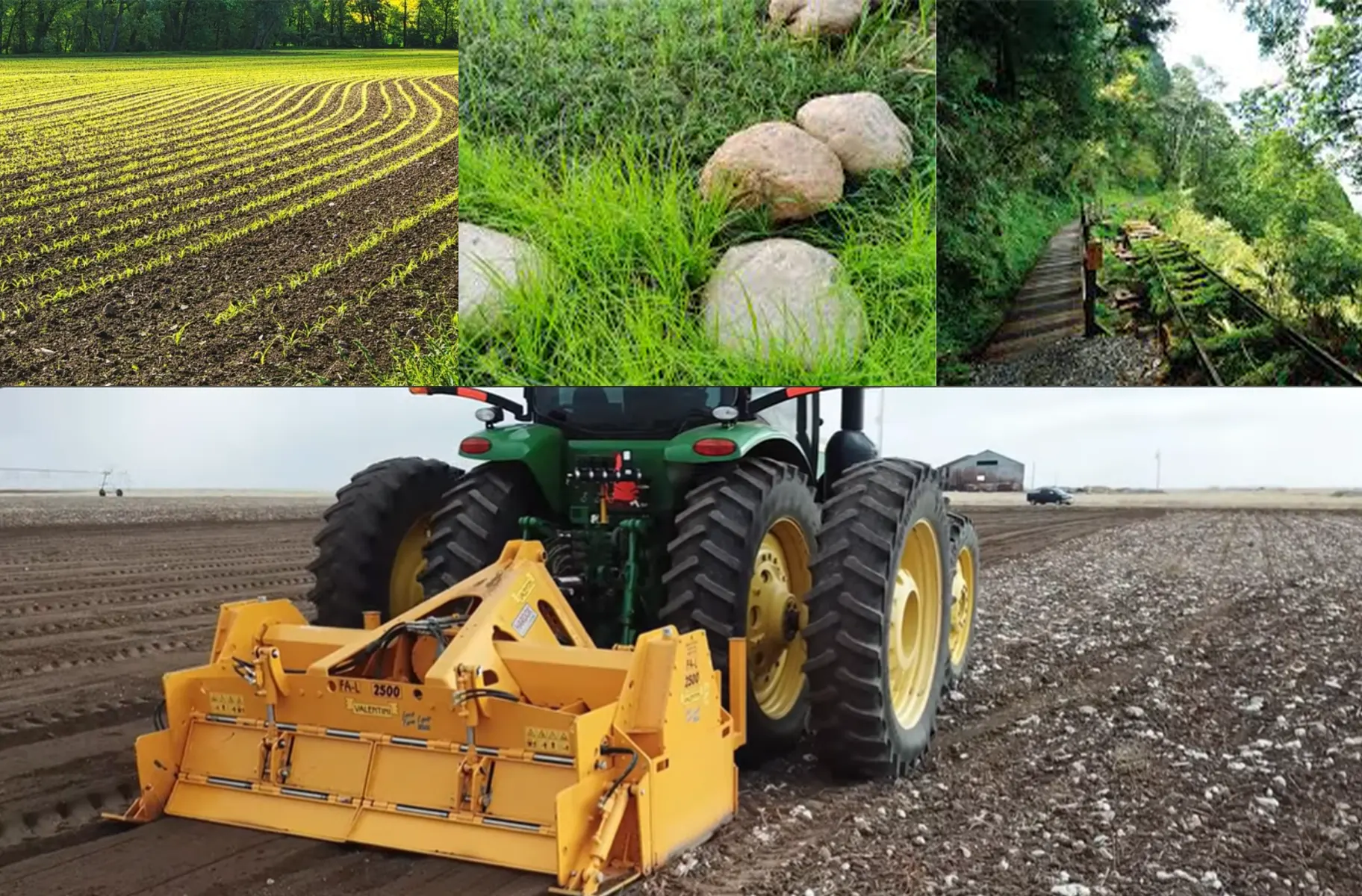
पिछली ई-सीरीज़ के लेखों में वर्णित सभी बेल वाली फसलों — पैशन फ्रूट (ई-43), कीवीफ्रूट (ई-19), हॉप्स (ई-10), वेनिला (ई-34), रास्पबेरी (ई-26) — में एक ही जड़ प्रणाली होती है: बेल की जड़ें मिट्टी में उतरती हैं और पोषण और सहारा देने का सारा काम करती हैं। जब पत्थर इन जड़ों को अवरुद्ध कर देते हैं, तो हर मामले में परिणाम एक ही होता है — खनिज और पानी का अवशोषण कम हो जाता है, बेल की वृद्धि प्रभावित होती है और व्यावसायिक उत्पादकता गिर जाती है। काली मिर्च की जड़ संरचना इन सभी से बिल्कुल अलग है: इसमें दो अलग-अलग, एक साथ सक्रिय जड़ प्रणालियाँ होती हैं जिनके कार्य पूरी तरह से अलग-अलग होते हैं, और पत्थर प्रबंधन केवल उनमें से एक को ही ठीक कर सकता है।
मिर्च की बेल के तने के प्रत्येक अंतःनोड पर, छोटी जड़ें निकलती हैं और सहारे की सतह (बांस, जीवित पेड़, कंक्रीट का खंभा या सागौन का डंडा) से संपर्क करती हैं। ये चिपकी हुई जड़ें - जिन्हें वानस्पतिक रूप से आकस्मिक हवाई जड़ों के रूप में वर्गीकृत किया जाता है - चिपकने वाले यौगिक स्रावित करती हैं जो तने को सहारे की सतह से बांधते हैं, जिससे बेल बिना टहनियों या लिपटन के चढ़ सकती है। सामान्य परिस्थितियों में ये मिट्टी में नहीं बढ़ती हैं और न ही खनिज या जल अवशोषण का कार्य करती हैं। ये लंगर का काम करती हैं, चारागाह का नहीं। सहारे के खंभे से बेल के जुड़ाव की मजबूती, और इसलिए हवा, बारिश और भारी फल लगने के दौरान बेल की संरचनात्मक स्थिरता, पूरी तरह से इन चिपकी हुई जड़ों पर निर्भर करती है जो बेल की लंबाई के साथ कई बिंदुओं पर आसंजन बनाए रखती हैं। पत्थर प्रबंधन का कोई भी हस्तक्षेप इन जड़ों को प्रभावित नहीं करता है: ये सहारे के खंभे की सतह पर मौजूद होती हैं और केवल यह आवश्यक है कि सहारे का खंभा स्वयं संरचनात्मक रूप से स्थिर हो - जिसे खंभे के आधार पर पत्थर उसी तर्क के माध्यम से प्रभावित करता है जैसा कि ड्रैगन फल के लिए वर्णित है (E-37)।
बेल की चिपकी हुई जड़ों से अलग, मिर्च की बेलें मिट्टी में प्रवेश करने वाली जड़ें उत्पन्न करती हैं: (क) मिट्टी की सतह पर मुख्य बेल के तने के आधार से ("मातृ जड़ क्षेत्र"), और (ख) किसी भी तने के गांठों से जो विकास चक्र के दौरान मिट्टी, पत्तों के कचरे या जैविक मल्च से ढके होते हैं। ये जड़ें 0-18 सेमी की गहराई तक मिट्टी में बढ़ती हैं और बेल के सभी खनिज और जल अवशोषण का कार्य करती हैं। मिट्टी को पोषण देने वाली जड़ों का घनत्व बेल के आधार के सबसे निकट 0-8 सेमी क्षेत्र में सबसे अधिक होता है - वह क्षेत्र जो सहारे के खंभे से सटा होता है। यह पथरी प्रबंधन के लिए महत्वपूर्ण क्षेत्र है: इस आधार क्षेत्र में 5-15 सेमी पर पथरी के टुकड़े पूरी बेल में सबसे अधिक घनत्व वाली पोषण देने वाली जड़ों की सांद्रता को सीमित करते हैं, जो सबसे नीचे स्थित फलदार स्पाइक्स (सबसे पहले विकसित होने वाले स्पाइक्स और प्रति बेल सबसे अधिक बेरी की संख्या वाले) की खनिज आवश्यकताओं की पूर्ति करते हैं। वियतनाम कृषि विश्वविद्यालय हनोई द्वारा मिर्च में मिट्टी की जड़ घनत्व वितरण पर किए गए शोध से पता चलता है कि बेल के कुल महीन जड़ द्रव्यमान का लगभग 60-70% हिस्सा सहारे के खंभे से 30 सेमी के भीतर होता है, जो 0-12 सेमी गहराई वाले क्षेत्र में केंद्रित होता है।
पत्थर प्रबंधन के लिए इस दोहरी जड़ प्रणाली का व्यावहारिक प्रभाव मुक्तिदायक और प्रतिबंधात्मक दोनों है। मुक्तिदायक: खंभे की सतह पर चिपकी हुई जड़ें मिट्टी में पत्थर प्रबंधन से पूरी तरह अप्रभावित रहती हैं - खंभे के आसपास से पत्थर हटाने से बेल का जुड़ाव बाधित नहीं होता। प्रतिबंधात्मक: सफाई का सारा व्यावसायिक लाभ खंभे के ठीक नीचे की मिट्टी (खंभे के 0.3 मीटर त्रिज्या के भीतर) में, 0-15 सेंटीमीटर की गहराई पर केंद्रित होता है। मिर्च के लिए पत्थर प्रबंधन एक बहुत ही सटीक लक्षित प्रक्रिया है: खंभे के नीचे का क्षेत्र व्यावसायिक रूप से महत्वपूर्ण सफाई लक्ष्य है, और पंक्तियों के बीच का क्षेत्र (खंभों के बीच) गौण है। यह अधिकांश पूर्व ई-श्रृंखला की फसलों से भिन्न है, जहाँ पंक्तियों के बीच की मिट्टी को साफ करने से ऊपर के चंदवा क्षेत्र में व्यापक लाभ मिलता था। मिर्च के लिए, खंभे के नीचे के क्षेत्र की सफाई का अत्यधिक महत्व है क्योंकि बेल की जड़ों का घनत्व सबसे अधिक और बेल के सबसे निचले (और सबसे अधिक उत्पादक) फल देने वाले स्थान सीधे उस क्षेत्र के निकट स्थित होते हैं।
पाइपरिन — इस गाइड में एल्कलॉइड की गुणवत्ता पर पहला तर्क
इस ई-सीरीज़ गाइड में पाइपरिन से पहले दिए गए 45 गुणवत्ता श्रृंखला तर्क पॉलीफेनोल रसायन विज्ञान (जिनसेंग ई-29, अनार ई-25, कोको ई-38), टेरपेनॉइड रसायन विज्ञान (केसर ई-23, इलायची ई-44, लैवेंडर ई-11), फैटी एसिड रसायन विज्ञान (मुसांग किंग ड्यूरियन ई-33, मैकाडामिया ई-30), एस्टर रसायन विज्ञान (पैशन फ्रूट ई-43), करक्यूमिनोइड फेनिलप्रोपेनोइड्स (हल्दी ई-45) और बीटालेन रसायन विज्ञान (ड्रैगन फ्रूट ई-37) पर आधारित हैं। पाइपरिन इनमें से कोई भी नहीं है। यह एक एल्कलॉइड है - नाइट्रोजन युक्त द्वितीयक मेटाबोलाइट्स का एक वर्ग जिसे पौधे अमीनो एसिड कैटाबोलिज्म मार्गों का उपयोग करके संश्लेषित करते हैं, और जिसमें कैफीन (कॉफी में, E-17), थियोब्रोमीन (कोको में, E-38), कैप्साइसिन (मिर्च में), मॉर्फिन (पोस्त में) और निकोटीन (तंबाकू में) शामिल हैं। इन एल्कलॉइडों में, पाइपेरिन दो अलग-अलग जैवसंश्लेषण मार्गों के अभिसरण की आवश्यकता के कारण असामान्य है: एक लाइसिन से (चक्रीय पाइपेरिडीन नाइट्रोजन रिंग प्रदान करता है) और दूसरा फेनिलप्रोपेनोइड मार्ग से (सिनामायल एसिल श्रृंखला प्रदान करता है)।
पाइपरिन (C₁₇H₁₉NO₃) दो घटकों के संघनन से बनता है: पाइपरिडीन (एक नाइट्रोजन परमाणु युक्त छह सदस्यीय वलय, जो कैडावेरिन और पुट्रेसीन मध्यवर्ती के माध्यम से लाइसिन से प्राप्त होता है) और पाइपरॉयल-CoA (पाइपेरिक अम्ल से प्राप्त, जो फेनिलप्रोपेनोइड मार्ग का बेंजाइलिडीनमेलोनिल-CoA उत्पाद है जो फेनिलएलनिन से पाइपरोनल या सिनामिक अम्ल अग्रदूतों पर कार्य करता है)। दो प्रमुख खनिज निर्भरताएँ: (1) फेनिलएलनिन अमोनिया लाइज़ (PAL) के लिए सहकारक के रूप में लोहा (Fe²⁺) - फेनिलप्रोपेनोइड मार्ग का प्रवेश द्वार एंजाइम जो फेनिलएलनिन को ट्रांस-सिनामिक अम्ल में परिवर्तित करता है, जो पाइपरिक अम्ल का अग्रदूत है। यह वही पीएएल-आयरन निर्भरता है जिसका वर्णन हल्दी में करक्यूमिन (ई-45) और लीची के छिलके के भूरेपन (ई-36) के लिए किया गया है, जो श्रृंखला में फेनिलप्रोपेनोइड मार्ग के गेट-कीपिंग के लिए Fe को आवर्ती खनिज के रूप में पुष्टि करता है। (2) कॉपर (Cu²⁺) डायमाइन ऑक्सीडेज (DAO) के लिए रेडॉक्स कोफ़ैक्टर के रूप में कार्य करता है - वह एंजाइम जो कैडावेरिन (लाइसिन डीकार्बोक्सिलेज द्वारा लाइसिन से प्राप्त) को 5-एमिनोपेंटानल में और फिर चक्रीकरण के माध्यम से पिपेरिडीन में परिवर्तित करता है। DAO एक कॉपर युक्त एमाइन ऑक्सीडेज है, और राइजोस्फीयर में कॉपर की कमी सीधे कैडावेरिन के पिपेरिडीन में ऑक्सीकरण की दर को कम कर देती है। काली मिर्च की बेल के पोस्ट-बेस फीडर रूट ज़ोन में पत्थर की रुकावट मिट्टी के महीन खनिज अंश तक पहुंच को कम कर देती है जो Fe²⁺ और Cu²⁺ प्रदान करता है - वही भौतिक जड़ प्रतिबंध तंत्र जो ड्रैगन फल (E-37), लीची (E-36), और इलायची (E-44) में Fe को कम करता है।
एएसटीए (अमेरिकन स्पाइस ट्रेड एसोसिएशन) काली मिर्च के ग्रेड में पाइपरिन की न्यूनतम मात्रा को प्राथमिक गुणवत्ता मापक के रूप में निर्दिष्ट किया गया है, जिसे सूखे मिर्च के आधार पर एचपीएलसी निष्कर्षण द्वारा मापा जाता है। ग्रेड 1 (प्रीमियम/बोल्ड): फार्मास्युटिकल-ग्रेड निष्कर्षण के लिए पाइपरिन ≥5.0%; प्रीमियम पाक/एएसटीए ग्रेड 1 के लिए ≥4.5%। ग्रेड 2 (मानक): पाइपरिन 3.5–4.5%। ग्रेड 3 (कमोडिटी): पाइपरिन <3.5%। वाणिज्यिक मूल्य संरचना: भारत में मालाबार गार्बल्ड स्पेशल एक्स्ट्रा बोल्ड ग्रेड 1 काली मिर्च: US$ 8,000–12,000/टन FOB कोच्चि। वियतनाम में एएसटीए 500 ग्राम/लीटर (मानक): US$ 4,000–7,000/टन। इंडोनेशियाई मुंतोक सफेद मिर्च ग्रेड 1: US$ 9,000–14,000/टन (सफेद मिर्च काली मिर्च से अधिक कीमत पर बिकती है क्योंकि छिलका हटाने की प्रक्रिया में पिपेरिन की मात्रा आंतरिक गिरी में केंद्रित हो जाती है)। कम्पोट जीआई लाल/काली मिर्च: US$ 80,000–120,000/टन (US$ 80–120/किग्रा) विशेष खुदरा बिक्री पर — सबसे कीमती लॉट के लिए प्रीमियम मालाबार की कीमत से लगभग 10–15 गुना अधिक। विभिन्न मूल्य स्तरों पर गुठली प्रतिबंध का प्रभाव: कमोडिटी मूल्य निर्धारण (US$ 4,000/टन) पर, 0.5% पिपेरिन की कमी से स्तर में कोई बदलाव नहीं हो सकता है; कम्पोट जीआई मूल्य निर्धारण (US$ 80,000/टन) पर, ASTA ग्रेड 1 सीमा को पूरा न करने वाली कोई भी पिपेरिन कमी जीआई प्रीमियम को पूरी तरह से समाप्त कर देती है, जिससे राजस्व में भारी गिरावट आती है।
वियतनाम का प्रभुत्व, कंबोडिया का विरोधाभास — कम्पोट खंड-मैट्रिक्स तर्क
काली मिर्च के वैश्विक बाजार की भौगोलिक स्थिति, इलायची (E-44) के मामले में ग्वाटेमाला की तरह ही "आश्चर्यजनक बाजार नेता" का पैटर्न बनाती है और इसकी संरचनात्मक व्याख्या भी समान है। भारत - मालाबार तट, जो मसालों के व्यापार का ऐतिहासिक उद्गम स्थल है - यूरोपीय और अमेरिकी उपभोक्ताओं की जागरूकता में काली मिर्च से सबसे अधिक जुड़ा हुआ है। वियतनाम - एक ऐसा देश जिसने दोई मोई आर्थिक सुधारों के बाद 1980 के दशक में ही बड़े पैमाने पर काली मिर्च की खेती शुरू की - अब प्रति वर्ष लगभग 250,000 टन काली मिर्च का निर्यात करता है, जो वैश्विक व्यापार मात्रा का लगभग 35% है, जबकि भारत लगभग 25,000-35,000 टन का निर्यात करता है (भारत के 65,000-80,000 टन उत्पादन का अधिकांश हिस्सा घरेलू स्तर पर ही खपत होता है, जैसा कि इलायची के मामले में है)। कंबोडिया का कम्पोट तीसरा आयाम जोड़ता है: दुनिया की सबसे मूल्यवान काली मिर्च उन मिट्टी पर उगती है जो इस लेख में पत्थर प्रबंधन के सबसे सूक्ष्म तर्क को प्रस्तुत करती है - चूनायुक्त मिट्टी जहां खनिज मैट्रिक्स (कैल्शियम से भरपूर) प्रीमियम स्वाद प्रोफ़ाइल में योगदान देता है जिसे जीआई पदनाम संरक्षित करता है, जबकि चूनायुक्त पत्थर के टुकड़े पोषक जड़ों को प्रतिबंधित करते हैं और पीएच-मध्यस्थ खनिज अवरोध के माध्यम से लौह और मैंगनीज की उपलब्धता को कम करते हैं।
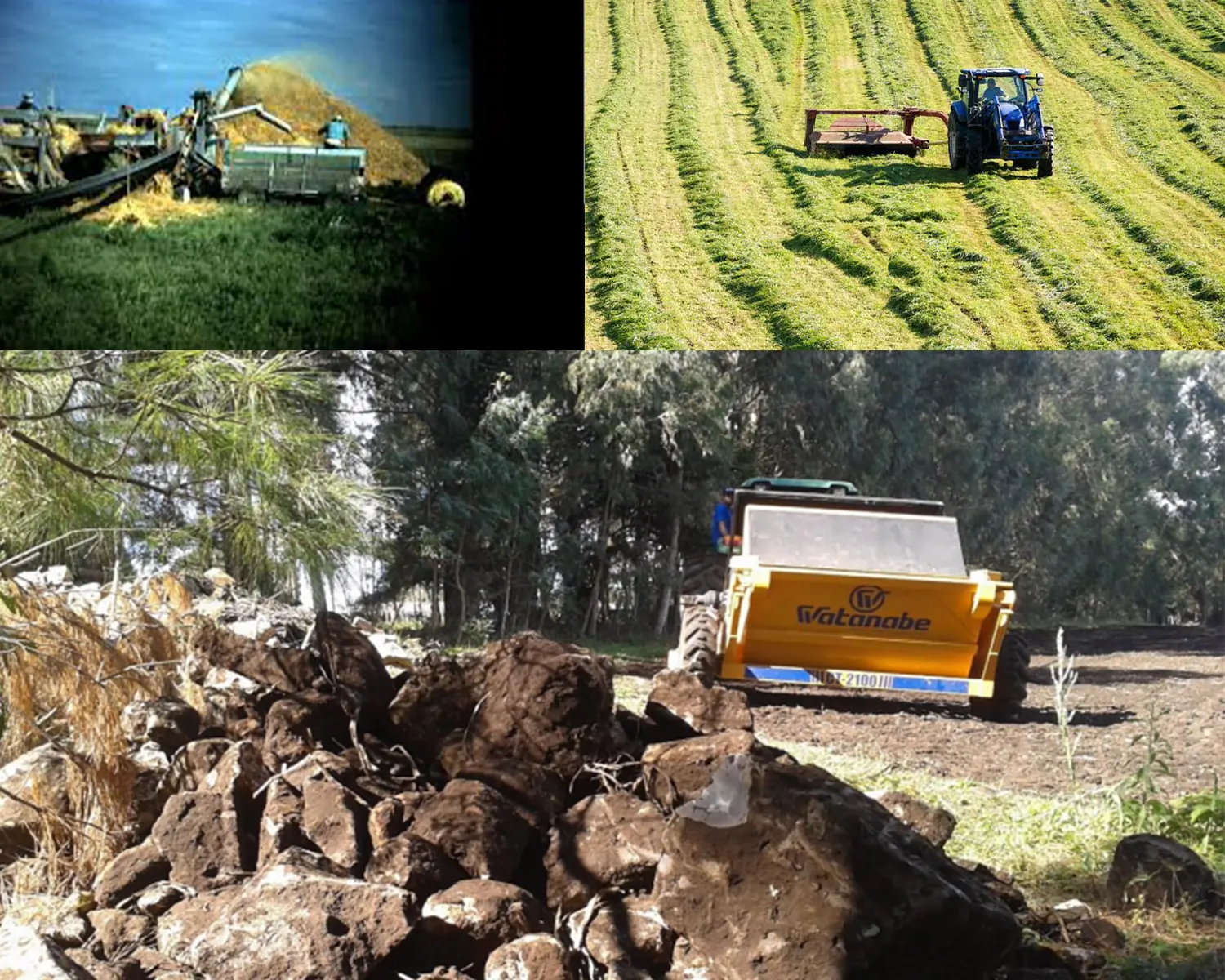
कम्पोट काली मिर्च का भौगोलिक संकेत (जीआई) (2010 में WIPO के साथ पंजीकृत और 2022 से यूरोपीय संघ के व्यापार समझौतों में मान्यता प्राप्त) आंशिक रूप से इस दावे पर आधारित है कि कम्पोट की विशिष्ट चूनायुक्त जलोढ़ मिट्टी - जो इलायची पर्वत के चूना पत्थर से बनी है और मेकांग नदी की जलोढ़ सामग्री के साथ मिश्रित है - खनिज विशेषताओं (विशेष रूप से कैल्शियम और पीएच स्थिरता) में योगदान करती है जो कम्पोट काली मिर्च की विशिष्ट सुगंधित प्रोफ़ाइल का उत्पादन करती है। कम्पोट के लिए "टेरोइर" तर्क स्पष्ट रूप से चूनायुक्त है। यह एक पत्थर प्रबंधन चुनौती पैदा करता है जो संरचना में मलेशियाई पहांग ग्रेनाइट (ई-33) में मुसांग किंग ड्यूरियन, भारतीय लेटराइट (ई-27) में अल्फोंसो आम और ग्वांगडोंग ग्रेनाइट (ई-36) में फ़ेज़िक्सियाओ लीची के समान है: मिट्टी का खनिज मैट्रिक्स (चूनायुक्त महीन अंश, पौधों के लिए उपलब्ध कैल्शियम प्रदान करता है, मध्यम पीएच) लाभकारी है; खनिज के टुकड़े (10-25 सेमी आकार के चूना पत्थर के टुकड़े, जो पोषक जड़ों को अवरुद्ध करते हैं और pH को 7.5 से ऊपर बढ़ाते हैं → Fe²⁺ और Mn²⁺ की घुलनशीलता को कम करते हैं → पाइपरिन संश्लेषण को कम करते हैं) हानिकारक होते हैं। कम्पोट के लिए पत्थर प्रबंधन विधि कई पूर्व ई-श्रृंखला चूना पत्थर स्थलों के लिए स्थापित चयनात्मक प्रोटोकॉल है: CT-2100 3-4 सेमी से बड़े पत्थर के टुकड़ों (भौतिक रूप से अवरोधक टुकड़े) को एकत्र करता है; महीन चूना पत्थर मैट्रिक्स मिट्टी की परत में बना रहता है (जिससे मिट्टी की खनिज रसायन और pH संरक्षित रहती है, जिसका वर्णन जीआई करता है)।
चार बाज़ार — वियतनाम, इंडोनेशिया, भारत और कंबोडिया
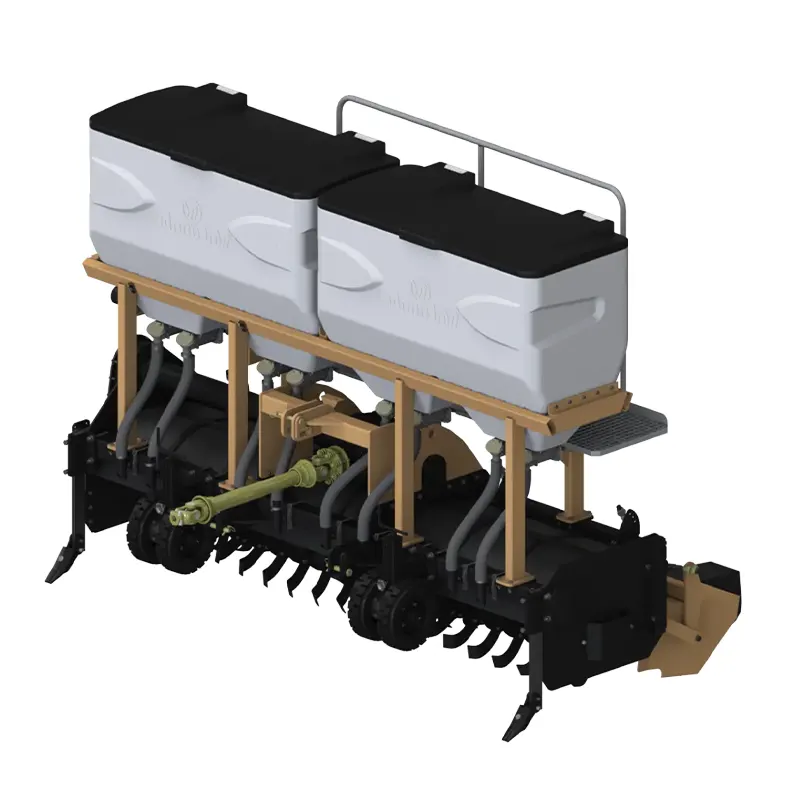
मशीन प्रणाली — पोस्ट-बेस प्राथमिकता क्षेत्र और पाइपरिन गुणवत्ता प्रोटोकॉल
अक्सर पूछे जाने वाले प्रश्नों
काली मिर्च के लिए रॉक क्रशर - क्या पाइपर नाइग्रम (मिट्टी से चिपकने वाली जड़ों को अलग करने वाली मिट्टी की जड़ों) के दोहरे जड़ प्रकार का वर्णन सटीक रूप से किया गया है, और क्या यह संरचना वास्तव में खंभे के आधार पर फीडर जड़ों को केंद्रित करती है?
दोहरी मूल वास्तुकला पाइपर निग्रम मिर्च के वनस्पति विज्ञान साहित्य में इसका व्यापक रूप से वर्णन किया गया है। जॉनसन और हार्टले (1966, उष्णकटिबंधीय फसलें: द्विबीजपत्री) और भारतीय मसाला अनुसंधान संस्थान की मिर्च कृषि विज्ञान पुस्तिका दोनों ही जड़ों के दो प्रकारों को अलग-अलग वर्णित करते हैं: चिपकने वाली/सहारा देने वाली जड़ें (जिन्हें "तना जड़िकाएँ" या "चिपकने वाली जड़ें" भी कहा जाता है) जो जमीन के ऊपर के अंतःनोड्स से निकलती हैं और मिट्टी में प्रवेश किए बिना सहारे से जुड़ जाती हैं, और दबे हुए नोड्स और तने के आधार से निकलने वाली अपस्थानिक पोषक जड़ें जो मिट्टी में बढ़ती हैं। इस दोहरी जड़ संरचना की पुष्टि वियतनामी मिर्च कृषि विज्ञान अनुसंधान (हनोई कृषि विश्वविद्यालय की गुयेन थी फुओंग थाओ द्वारा मिर्च जड़ वितरण अध्ययन) में की गई है। वियतनाम कृषि अनुसंधान संस्थान के अध्ययनों में पोस्ट-बेस ज़ोन (पोस्ट से 30 सेमी के भीतर) में पोषक जड़ द्रव्यमान की सांद्रता दर्ज की गई है, जिसमें दिखाया गया है कि परिपक्व मिर्च की बेलों में इस त्रिज्या के भीतर 60-70% महीन जड़ जैव द्रव्यमान होता है। इसलिए, यह तर्क कि खंभे के आधार पर पत्थर उच्चतम घनत्व वाले फीडर रूट ज़ोन को प्रतिबंधित करता है, रूट वितरण डेटा और श्रृंखला के सभी 46 पिछले लेखों में प्रलेखित भौतिक पत्थर-प्रतिबंध तंत्र द्वारा सीधे समर्थित है।
क्या काली मिर्च में पिपेरिडीन के लिए कॉपर-डायमाइन ऑक्सीडेज मार्ग विशेष रूप से प्रलेखित है, या क्या Cu-निर्भरता का तर्क सामान्य एल्कलॉइड जैव रसायन से लिया गया है?
पाइपरिन जैवसंश्लेषण मार्ग पाइपर निग्रम ओसाका विश्वविद्यालय और रिकेन प्लांट साइंस सेंटर (जापान) में किए गए कार्यों के माध्यम से इसका मुख्य रूप से स्पष्टीकरण किया गया है, जो फाइटोकेमिस्ट्री और जर्नल ऑफ बायोलॉजिकल केमिस्ट्री में प्रकाशित हुए हैं। मिर्च में एल्कलॉइड नाइट्रोजन रिंग के लिए लाइसिन → कैडावेरिन → पिपेरिडीन मार्ग स्थापित किया गया है (फैचिनी एट अल., एल्कलॉइड जैवसंश्लेषण की व्यापक समीक्षा, 2001)। डायमाइन ऑक्सीडेज (डीएओ) उत्प्रेरक चरण (पाइपेरिडीन की ओर बढ़ते हुए कैडावेरिन को 5-एमिनोपेंटानल में परिवर्तित करना) एक तांबा युक्त एंजाइम है - डीएओ का तांबा-एमिनोक्विनोल कोफ़ैक्टर पादप जैव रसायन में सबसे सुसंगत रूप से प्रलेखित खनिज कोफ़ैक्टर-एंजाइम संबंधों में से एक है (मेड्डा एट अल., 1997, बायोकेमिस्ट्री जर्नल में)। विशिष्ट अध्ययन यह दर्शाता है कि तांबे की कमी मिर्च में एल्कलॉइड नाइट्रोजन रिंग के लिए लाइसिन → कैडावेरिन → पिपेरिडीन मार्ग स्थापित किया गया है। पाइपर निग्रम जड़ क्षेत्र द्वारा डीएओ गतिविधि में कमी के माध्यम से बेरी में पाइपेरिन की मात्रा में प्रत्यक्ष कमी को लेकर कोई समर्पित नियंत्रित परीक्षण प्रकाशित नहीं हुआ है। अतः तर्क यह है: डीएओ के लिए तांबे की आवश्यकता होती है (पुष्टि हो चुकी है); पाइपेरिन संश्लेषण के लिए डीएओ की आवश्यकता होती है (मिर्च के लिए पुष्टि हो चुकी है); खनिज अंश में पोषक जड़ों के पत्थर अवरोध के कारण तांबे की उपलब्धता सीमित होती है (पूर्व ई-श्रृंखला फसलों में आयरन, जिंक और मैंगनीज के साथ सादृश्य द्वारा पुष्टि की गई है)। यह श्रृंखला जैव रासायनिक रूप से स्थापित है; मिर्च-विशिष्ट नियंत्रित परीक्षण जिसमें पत्थर अवरोध → तांबे की कमी → कम पाइपेरिन का परीक्षण किया जाता है, एक शोध अंतराल है जिसे आईसीएआर-आईआईएसआर कोझिकोड और वियतनाम आईआईएसआर अच्छी तरह से संबोधित कर सकते हैं।
कंबोडियाई कम्पोट काली मिर्च के लिए - क्या जीआई विनिर्देश वास्तव में कैल्शियमयुक्त मिट्टी को गुणवत्ता में योगदान देने वाले कारक के रूप में वर्णित करता है, और खंड बनाम मैट्रिक्स का अंतर जीआई के टेरोइर दावे के साथ कैसे सुसंगत है?
कम्पोट काली मिर्च के लिए जीआई विनिर्देश (2010 में WIPO लिस्बन समझौते के तहत और बाद में EU-CARIFORUM आर्थिक साझेदारी समझौते के तहत पंजीकृत) में कम्पोट उत्पादन क्षेत्र की विशिष्ट मिट्टी की विशेषताओं का वर्णन है, जो काली मिर्च के स्वाद में योगदान देती हैं। विनिर्देश में मिट्टी को इलायची पर्वतों से प्राप्त कैल्शियम युक्त जलोढ़ निक्षेपों से युक्त बताया गया है - जो खनिज प्रचुरता और पीएच स्थिरता (लगभग पीएच 6.5-7.5) प्रदान करते हैं। इसे भौगोलिक क्षेत्र और काली मिर्च के स्वाद और सुगंध संबंधी विशेषताओं के बीच टेरोइर संबंध का एक हिस्सा माना गया है। खंड-बनाम-मैट्रिक्स समाशोधन प्रोटोकॉल इस टेरोइर दावे के साथ पूरी तरह से मेल खाता है: जीआई का मिट्टी विवरण मिट्टी की रसायन शास्त्र (कैल्शियम युक्त जलोढ़ खनिज अंश) को संदर्भित करता है, न कि बड़े कैल्शियम युक्त चट्टानी टुकड़ों की उपस्थिति को जो जड़ों के विकास को भौतिक रूप से बाधित करते हैं। चूनायुक्त टुकड़ों (जो चट्टान के टुकड़े होते हैं, न कि घुली हुई खनिज मिट्टी) को हटाते हुए महीन चूनायुक्त मैट्रिक्स (जो मिट्टी की रासायनिक संरचना है जिसका वर्णन जीआई करता है) को बनाए रखने से स्थलीयता संरक्षित रहती है और जड़ों पर पड़ने वाला अवरोध दूर हो जाता है। केपीपीए तकनीकी सलाहकार बोर्ड ने अनौपचारिक रूप से इस सिद्धांत का समर्थन किया है कि आधार-पश्चात क्षेत्र से बड़े पत्थर के टुकड़ों को हटाते हुए महीन चूनायुक्त मिट्टी को बनाए रखना जीआई-अनुरूप उत्पादन पद्धतियों के अनुरूप है - लेकिन इस लेख के तैयार होने तक जीआई-अनुरूप सफाई प्रोटोकॉल के लिए कोई औपचारिक लिखित दिशानिर्देश प्रकाशित नहीं किया गया है। औपचारिक जीआई अनुपालन मंजूरी चाहने वाले संचालकों को जीआई योग्यता स्थिति को प्रभावित करने वाली किसी भी मिट्टी की तैयारी करने से पहले केपीपीए से पुष्टि कर लेनी चाहिए।
जीवित वृक्षों के सहारे उगाई जाने वाली मिर्च (पारंपरिक मालाबार शैली की खेती) के मामले में, निर्जीव लकड़ी या कंक्रीट के खंभों पर उगाई जाने वाली मिर्च की तुलना में, आधार साफ़ करने संबंधी तर्क कैसे बदल जाता है?
केरल की पारंपरिक मालाबार काली मिर्च की खेती में मुख्य रूप से जीवित पेड़ों का उपयोग सहारे के रूप में किया जाता है। एरिथ्रिना इंडिका (भारतीय मूंगा वृक्ष, केरल इलायची छाया वृक्ष के समान) और गरुगा पिन्नता मिर्च की बेल अपनी चिपकी हुई जड़ों का उपयोग करके जीवित पेड़ के तने पर चढ़ जाती है। इससे एक ऐसी जड़ क्षेत्र प्रबंधन स्थिति उत्पन्न होती है जो इलायची के छायादार पेड़ के तर्क (E-44) से मेल खाती है: जीवित सहायक पेड़ की 10-30 सेमी क्षेत्र में अपनी पोषक जड़ें होती हैं जो मिट्टी के खनिजों के लिए मिर्च की बेल की पोषक जड़ों के साथ प्रतिस्पर्धा करती हैं। इसलिए जीवित सहायक पेड़ के आधार पर मौजूद पत्थर सहायक पेड़ की जड़ प्रणाली (जिसका पेड़ के स्वास्थ्य पर प्रभाव पड़ता है और बेल की स्थिति पर अप्रत्यक्ष प्रभाव पड़ता है) और मिर्च की बेल की अपनी पोषक जड़ों दोनों को प्रभावित करते हैं। केरल में जीवित पेड़ के सहारे उगी मिर्च के लिए पत्थर हटाने के प्रोटोकॉल में आधार क्षेत्र (सहायक पेड़ के आधार से 40 सेमी त्रिज्या) को 18-22 सेमी की गहराई पर THOR का उपयोग करके साफ किया जाना चाहिए - जिससे सहायक पेड़ और बेल दोनों के साझा प्रतिस्पर्धी जड़ क्षेत्र से पत्थर प्रभावी रूप से साफ हो जाते हैं। मिर्च की बेल को जीवित वृक्षों के सहारे बढ़ने से रोकने का तर्क वेनिला (E-34) की तुलना में कमजोर है, क्योंकि मिर्च की बेल चढ़ने के लिए सहारा देने वाले वृक्ष की सतह की गुणवत्ता पर निर्भर नहीं करती (जैसे वेनिला सहारा देने वाले वृक्ष की ऊंचाई और जैव द्रव्यमान पर निर्भर करती है) - सहारा देने वाले वृक्ष का केवल जीवित और स्थिर होना आवश्यक है। हालांकि, यदि पत्थर सहारा देने वाले वृक्ष की जड़ों के विकास को इस हद तक बाधित कर देते हैं कि वृक्ष रोग के प्रवेश का स्रोत बन जाता है या तूफान से कमजोर हो जाता है, तो बेल का भौतिक सहारा कमजोर हो जाता है। इसलिए, जीवित वृक्षों के सहारे बेल को साफ करने के तर्क में पाइपरिन की गुणवत्ता (जड़ क्षेत्र में खनिजों की साझा प्रतिस्पर्धा) और संरचनात्मक स्थिरता (सहारा देने वाले वृक्ष का स्वास्थ्य) दोनों शामिल हैं।
विश्व के सबसे बड़े काली मिर्च उत्पादक देश वियतनाम में, बेल के पूरे उत्पादक जीवनकाल के दौरान, काली मिर्च की गुठलियों को हटाने से 20 वर्षों में कितना लाभ होगा?
वियतनाम के जिया लाई ज्वालामुखी बेसाल्ट काली मिर्च के खेत (पत्थर का घनत्व 10-22 सेमी पर 22%, 1,100 पोस्ट/हेक्टेयर = कुल 2,200 पोस्ट, ASTA ग्रेड 1 लक्ष्य) के लिए: निवेश (THOR 3.0 पोस्ट-रो पास + CT-2100 पोस्ट-रो कलेक्शन + PSW-3200 पोस्ट-रो ऑर्गेनिक + ब्लैकबर्ड इंटर-रो 2 हेक्टेयर के लिए): लगभग VND 85-130 मिलियन (US$3,400-5,200)। 20 साल के बेल उत्पादक जीवन (वर्ष 3-22) पर लाभ: (1) पाइपरिन ग्रेड 1 योग्यता: पथरीली जगहों पर, लगभग 40% की फसल ग्रेड 2 (पाइपरिन 3.5-4.5%) है। सफाई के बाद: 65% ग्रेड 1. राजस्व में सुधार: 2 हेक्टेयर × 3 टन/हेक्टेयर/वर्ष सूखी मिर्च × 20 वर्ष × 25% ग्रेड सुधार × (VND 95,000 – VND 65,000)/किग्रा = VND 270,000,000 (US$10,800) 20 वर्षों में। (2) फीडर रूट बहाली से उपज में सुधार: साफ किए गए पोस्ट-बेस स्थलों पर 18–22% उपज में सुधार बनाम पथरीले समकक्ष (वियतनाम कृषि अनुसंधान संस्थान के आंकड़े)। 2 हेक्टेयर × 3 टन/हेक्टेयर × 20 वर्ष × 20% × VND 80,000/किग्रा = VND 192,000,000 (US$7,680)। (3) जल निकासी में सुधार से फाइटोफ्थोरा क्विक विल्ट में कमी: पथरीली जगहों पर 15% बेल मृत्यु दर बनाम साफ की गई जगहों पर 20 वर्षों में 5%। 10% × 2,200 बेलें × VND 50,000/बेल/वर्ष उत्पादन मूल्य × 10 वर्ष औसत शेष जीवन = VND 110,000,000 (US$4,400) की बचत। 20 वर्षों का कुल लाभ: लगभग VND 572,000,000 (US$22,880)। 85-130 मिलियन वीएनडी (3,400-5,200 अमेरिकी डॉलर) के निवेश के मुकाबले: 20 वर्षों में 4.4:1 से 6.7:1 का रिटर्न (आरओआई) - प्रतिशत के आधार पर कुछ ई-सीरीज़ फसलों की तुलना में कम है, लेकिन यह श्रृंखला में किसी भी बेल वाली फसल का सबसे लंबा पूर्ण उत्पादक चक्र (20 वर्ष बनाम पैशन फ्रूट का 3 वर्ष या कीवीफ्रूट का 25 वर्ष) और पोस्ट-बेस फीडर रूट गुणवत्ता में प्रति सीजन सबसे अधिक चक्रवृद्धि सुधार दर्शाता है।
काली मिर्च के लिए रॉक क्रशर — पोस्ट-बेस फीडर रूट, पाइपेरिन की गुणवत्ता और कम्पोट जीआई प्रोटोकॉल
पत्थर का प्रकार + पोस्ट सपोर्ट सिस्टम (कंक्रीट/बांस/जीवित वृक्ष) + पाइपरिन बेसलाइन + जीआई प्रमाणन स्थिति (कैम्पोट/मालाबार) + जल निकासी मूल्यांकन → कोरिया वातानाबे सही समाधान प्रदान करता है काली मिर्च के लिए पत्थर पीसने वाली मशीन पोस्ट-बेस ज़ोन विनिर्देश, Fe/Cu ऑर्गेनिक केलेशन प्रोग्राम और 20-वर्षीय पाइपरिन ग्रेड 1 आरओआई गणना।
संपादक: सीएक्सएम