कोरिया के अधिकांश पहाड़ी खेतों का संचालन एक ही परिवार द्वारा किया जाता है — 3-10 हेक्टेयर की पारिवारिक कृषि इकाइयाँ जो चार साल के चक्र में आलू, मूली, गोभी और दलहन उगाती हैं। इन खेतों में हर वसंत ऋतु में पत्थर हटाने की आवश्यकता होती है, लेकिन एक 5 हेक्टेयर के खेत में THOR 2.4 + CT-2100 प्रणाली (पूर्ण निवेश परिशोधन पर 4-6 मिलियन KRW वार्षिक स्वामित्व लागत) का स्वामित्व रखना आर्थिक रूप से चुनौतीपूर्ण है, जहाँ THOR केवल 15-25 घंटे प्रति वर्ष संचालित होता है। कृषि सेवा ठेकेदार — एक किसान या उद्यमी जो THOR 2.4 या CT-2100 प्रणाली का मालिक है — थोर 3.0 रॉक क्रशर और कई पड़ोसी खेतों को पत्थर हटाने की सेवाएं प्रदान करता है - यह मशीन में किए गए निवेश को 15-25 घंटों के बजाय 150-400 घंटों के वार्षिक संचालन में फैलाकर इस आर्थिक समस्या का समाधान करता है।
यह लेख कोरियाई कृषि पत्थर हटाने वाले ठेकेदारों के व्यवसाय को मशीन में निवेश के निर्णय से लेकर मूल्य निर्धारण, मार्ग योजना, मौसमी मांग के पैटर्न, सब्सिडी पात्रता और वातानाबे ठेकेदार व्यवसाय को आर्थिक रूप से टिकाऊ बनाने वाले परिचालन मॉडल तक विस्तार से बताता है। यह उन संभावित ठेकेदारों के सवालों का जवाब देता है जो यह जानना चाहते हैं: क्या यह व्यवसाय मेरे क्षेत्र में व्यवहार्य है, और यदि हां, तो मुझे क्या चाहिए?
कोरियाई ठेकेदार बाजार — अवसर क्यों मौजूद है
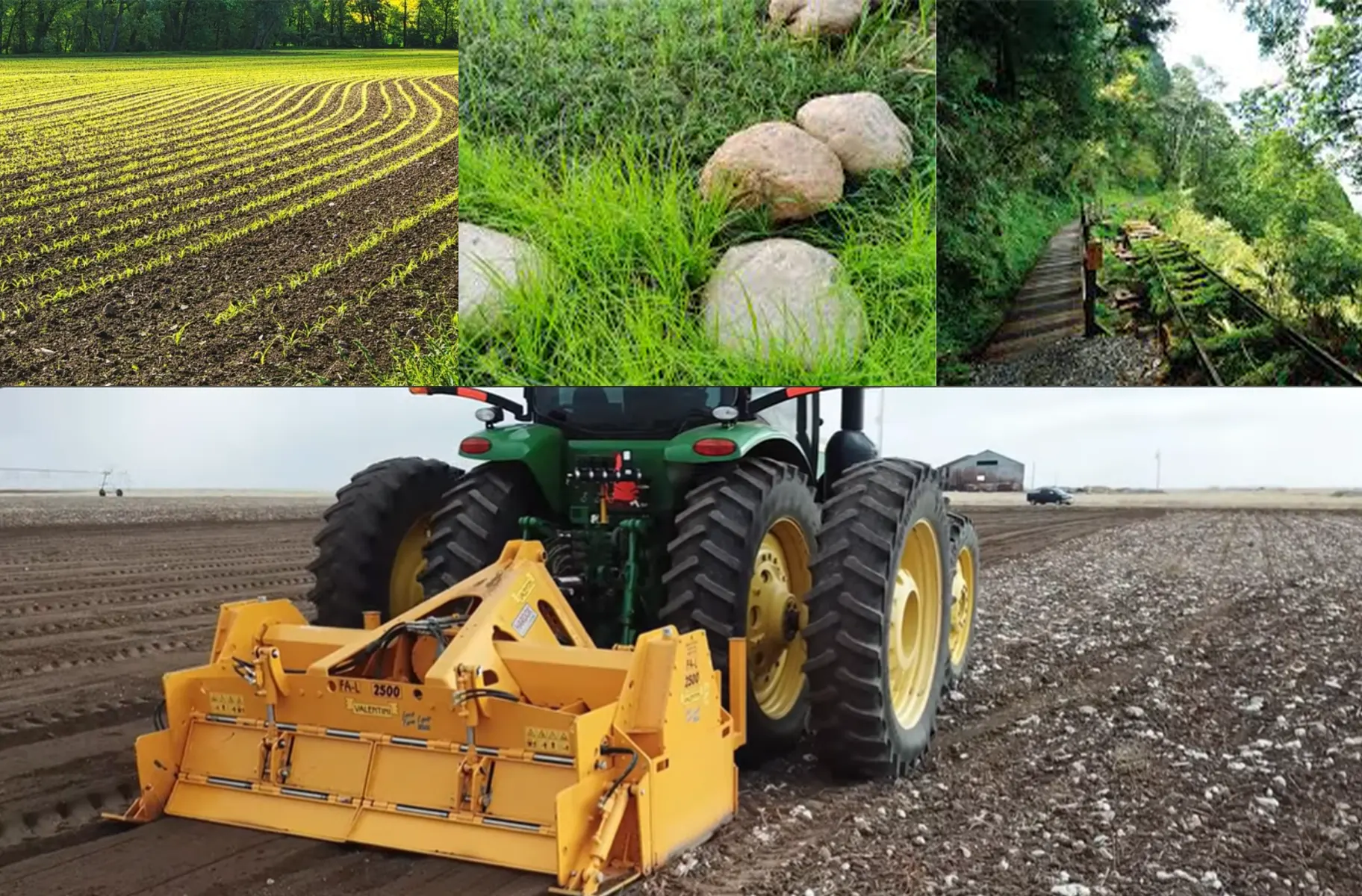
कोरिया में पहाड़ी क्षेत्रों में पत्थर हटाने वाले ठेकेदारों का बाजार व्यक्तिगत कृषि के पैमाने और मशीन निवेश के पैमाने के बीच मूलभूत आर्थिक असंतुलन के कारण मौजूद है। इस असंतुलन को समझना बाजार के अवसर को सटीक रूप से निर्धारित करता है:
ठेकेदारों की मांग पैदा करने वाला आर्थिक असंतुलन:
मशीन का चयन — ठेकेदार प्रणाली का निर्माण
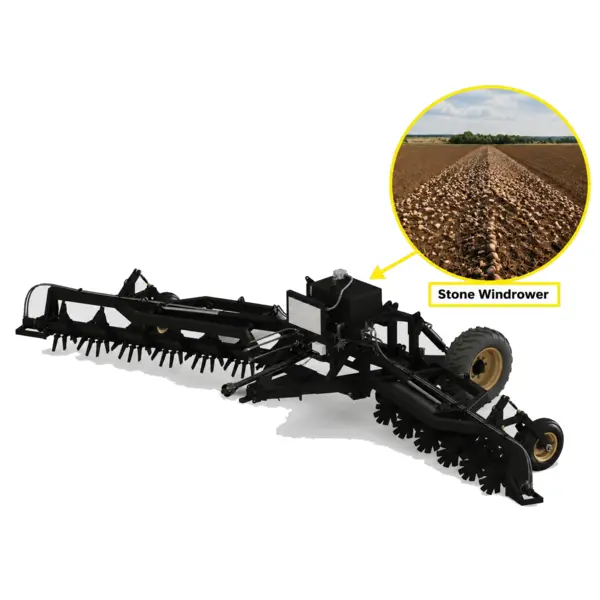
ठेकेदार की मशीन प्रणाली को कई स्तरों में बनाया जाता है, जिसमें प्रत्येक नए स्तर के जुड़ने से सेवा क्षेत्र और दैनिक राजस्व क्षमता का विस्तार होता है। इष्टतम निर्माण क्रम प्रारंभिक पूंजी और ठेकेदार के लक्षित क्षेत्र में विशिष्ट सेवा मांग पर निर्भर करता है।
थोर 2.4 + सीटी-2100 + 75 एचपी ट्रैक्टर। न्यूनतम व्यवहार्य ठेकेदार प्रणाली - कोरियाई पहाड़ी क्षेत्रों में वार्षिक रखरखाव और सफाई के सभी कार्यों के साथ-साथ मध्यम स्तर के नए भूमि विकास का कार्य भी संभालती है। दैनिक कवरेज: 2.5–3.5 हेक्टेयर/दिन। सेवा क्षेत्र: 30 सेमी व्यास तक के पत्थरों वाली सभी फसलें और ऊँचाई। यह प्रणाली कृषि भूमि सुधार मशीनरी कार्यक्रम के तहत उच्चतम सब्सिडी योगदान दर के लिए पात्र है। 75 एचपी ट्रैक्टर की आवश्यकता (THOR 2.4 के लिए न्यूनतम) कोरियाई घरेलू कृषि ट्रैक्टर मानक के अनुरूप है - कई कोरियाई पहाड़ी किसानों के पास पहले से ही 75-100 एचपी के ट्रैक्टर हैं, जिससे THOR 2.4 को जोड़ने के लिए THOR 3.0 प्रणाली की तुलना में कुल पूंजी की आवश्यकता कम होती है।
THOR 3.0 + 230 HP ट्रैक्टर (THOR 2.4 का स्थान लेता है या उसका पूरक है)। यह अपग्रेड उन ठेकेदारों के लिए है जिनकी प्रति सीजन 150 हेक्टेयर से अधिक की मांग है और जिन्हें अधिक दैनिक कवरेज (3.0-4.5 हेक्टेयर/दिन), नए भूमि विकास ग्राहकों के लिए 40 सेमी पत्थर की क्षमता और सड़क सफाई सेवाओं के लिए ब्लैकबर्ड के साथ मिलकर काम करने की क्षमता की आवश्यकता है। THOR 3.0 उन ठेकेदारों के लिए उपयुक्त मशीन है जिन्होंने लेयर 1 में मांग को प्रमाणित कर लिया है और दूसरे ऑपरेटर को जोड़े बिना क्षमता बढ़ाने की आवश्यकता है।
ब्लैकबर्ड 9.5 मीटर रॉक रेक + PSW-3200 रोटावेटर। ब्लैकबर्ड मशीन ठेकेदार की सेवा को बड़े पैमाने पर कृषि सड़कों और पहुंच मार्गों की सफाई तक विस्तारित करती है - जो कोरिया में पत्थर हटाने का सबसे अधिक मूल्य वाला काम है (सड़क की सफाई की कीमत आमतौर पर खेत की सफाई की तुलना में 50-100% प्रति हेक्टेयर अधिक होती है, क्योंकि सड़क पहुंच का महत्व और काम की कठिनाई अधिक होती है)। PSW-3200 मशीन वसंत ऋतु में सफाई के मौसम के दौरान और उसके बाद प्राथमिक जुताई सेवा को एक द्वितीयक आय स्रोत के रूप में जोड़ती है - जिन ग्राहकों को पत्थर हटाने की आवश्यकता होती है, उन्हें अक्सर जुताई की भी आवश्यकता होती है, और ठेकेदार द्वारा एक ही बार में दोनों सेवाएं प्रदान करने से समय-सारणी की दक्षता और प्रति फार्म दौरे से होने वाली आय में सुधार होता है।
सेवा मूल्य निर्धारण — लागतों को कवर करने और व्यवसाय को बढ़ाने के लिए दरें निर्धारित करना
कोरिया में पत्थर हटाने की सेवाओं के लिए कृषि ठेकेदारों की कीमतें क्षेत्र, पत्थर के घनत्व और सेवा के प्रकार के अनुसार भिन्न होती हैं। निम्नलिखित श्रेणियां सर्वेक्षण अवधि के अनुसार कोरिया के पहाड़ी क्षेत्रों में ठेकेदारों के विशिष्ट बाजार मूल्य को दर्शाती हैं - अपनी सेवा दरें निर्धारित करने से पहले अपने विशिष्ट जिले में स्थानीय कृषि एवं कृषि विभाग विस्तार कार्यालय या कृषि सहकारी समिति से वर्तमान बाजार दरों की पुष्टि करें:
| सेवा प्रकार | सामान्य दर (केआरडब्ल्यू/हेक्टेयर) | नोट्स |
|---|---|---|
| THOR 2.4 फील्ड क्लीयरेंस (वार्षिक रखरखाव) | 250,000–350,000 | कम से मध्यम घनत्व वाले पत्थरों का स्थापित क्षेत्र। सीटी-2100 संग्रह शामिल है। |
| THOR 2.4/3.0 नई भूमि प्रथम मंजूरी | 400,000–600,000 | पत्थरों का घनत्व अधिक, गति धीमी, कई बार गुजरना। प्रति हेक्टेयर अधिक दर कम दैनिक कवरेज और अधिक उपभोग्य सामग्रियों की टूट-फूट को दर्शाती है। |
| THOR 3.0 ठेकेदार द्वारा भारी पत्थरों की खुदाई और सफाई | 300,000–450,000 | THOR 2.4 की तुलना में कवरेज दर अधिक है, लेकिन मशीन की लागत भी अधिक है। यह दर एक ही बार में 40 सेंटीमीटर के पत्थरों को हटाने की क्षमता को दर्शाती है। |
| ब्लैकबर्ड + थोर कृषि सड़क की सफाई | 500,000–800,000 | सर्वोत्तम मूल्य वाली सेवा। सड़क सुगमता के लिए पहुँच मूल्य बहुत अधिक है; पहुँच में सुधार के लिए ग्राहक प्रीमियम का भुगतान करते हैं। प्रति किलोमीटर मूल्य निर्धारण वैकल्पिक संरचना पर आधारित है: पहुँच मार्ग सुगमता के लिए 150,000–300,000 KRW/किमी। |
| PSW-3200 प्राथमिक जुताई सेवा (अतिरिक्त सेवा) | 100,000–180,000 | पत्थर हटाने के कार्य के साथ अतिरिक्त सेवा के रूप में या अलग से भी उपलब्ध। पत्थर हटाने की तुलना में प्रति हेक्टेयर कम दर, लेकिन उपभोग्य लागत कम और काम तेजी से पूरा होता है। |
रूट प्लानिंग — पूरे सीज़न में मशीन के उपयोग को अधिकतम करना
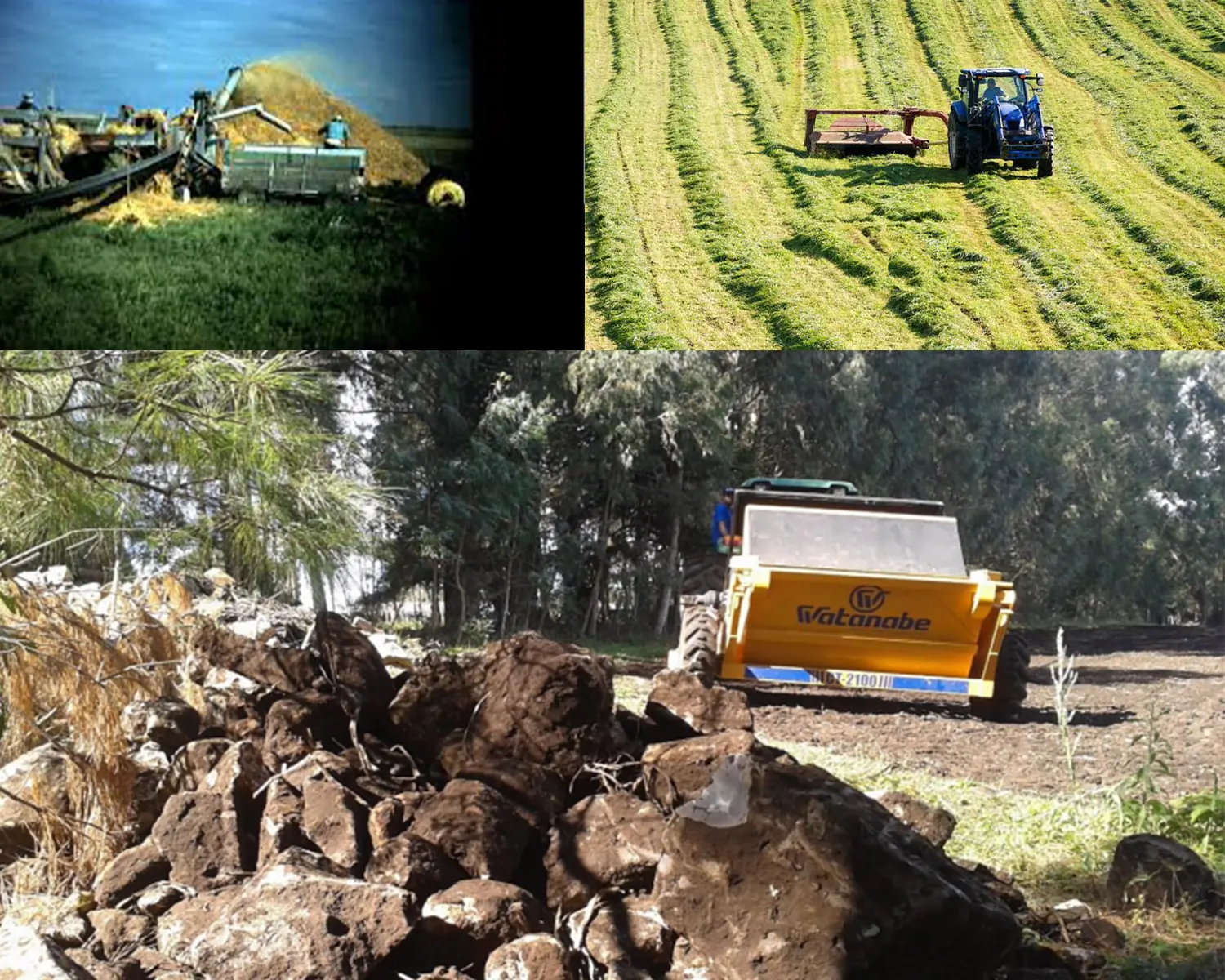
ठेकेदार की दैनिक आय उत्पादक THOR परिचालन घंटों द्वारा निर्धारित होती है - वे घंटे जब मशीन खेत में चल रही होती है, न कि खेतों के बीच परिवहन में लगी होती है। खेतों के बीच परिवहन को कम करने और सक्रिय खेत संचालन में व्यतीत दिन के अनुपात को अधिकतम करने वाली मार्ग योजना कोरियाई ठेकेदार के लिए उपलब्ध प्राथमिक दक्षता साधन है:
एक ही सप्ताह के लिए 3-5 आस-पास के खेतों को बुक करें, और अगले क्षेत्र में जाने से पहले एक ही समूह के खेतों का उपयोग करें। 15 किमी/घंटे की सड़क परिवहन गति वाला THOR 3.0 वाहन एक ही घाटी में आस-पास के खेतों के बीच 10-20 मिनट में यात्रा कर सकता है - प्रति खेत यह लागत स्वीकार्य है। अगली घाटी तक 50 किमी की दूरी तय करने में प्रत्येक तरफ 60 मिनट से अधिक समय लगता है - जिससे उत्पादन क्षमता का नुकसान होता है जिसकी भरपाई उस दिन नहीं की जा सकती। बुकिंग कैलेंडर का भौगोलिक समूहीकरण मार्ग नियोजन का सबसे प्रभावी तरीका है।
कोरिया के पहाड़ी क्षेत्रों में वसंत ऋतु में फसल कटाई का समय अधिक ऊंचाई पर देर से शुरू होता है (मिट्टी का पिघलना देर से होता है)। ठेकेदार के लिए मार्ग की योजना इस प्रकार बनाएं: मार्च की शुरुआत में कम ऊंचाई वाले खेतों (400-500 मीटर) से लेकर मार्च के अंत या अप्रैल में अधिक ऊंचाई वाले खेतों (700-800 मीटर) तक। ऊंचाई के इस प्राकृतिक क्रम से 6 सप्ताह का परिचालन समय मिलता है (जब सभी खेत एक ही ऊंचाई पर होते हैं तो केवल 2 सप्ताह का चरम समय मिलता है) और ठेकेदार को बुकिंग रद्द करने की आवश्यकता के बिना मांग का कैलेंडर सुचारू हो जाता है।
जेजू द्वीप के ठेकेदार मुख्य भूमि के पहाड़ी क्षेत्रों में प्रचलित मार्च-अप्रैल के बजाय जुलाई-अगस्त के दौरान सफाई का काम करते हैं (यह जेजू का मानक तैयारी कैलेंडर है)। एक कोरियाई ठेकेदार जो मुख्य भूमि के पहाड़ी खेतों (मार्च-अप्रैल) और जेजू के कृषि कार्यों (जुलाई-अगस्त) दोनों से ग्राहक बनाता है, वह दो अलग-अलग भौगोलिक बाजारों में लगभग पूरे वर्ष मशीनों का उपयोग कर सकता है - जिससे मशीन निवेश की आर्थिक स्थिति में काफी सुधार होता है।
ठेकेदार संचालन के लिए सब्सिडी पात्रता
कोरिया में कृषि मशीनरी खरीद सब्सिडी में ठेकेदारों के लिए विशिष्ट प्रावधान हैं - नियम मालिक-संचालक कृषि खरीद से इस तरह से भिन्न हैं कि उनका सावधानीपूर्वक पालन करना आवश्यक है:
आवेदक की पंजीकृत कृषि भूमि पर मुख्य रूप से उपयोग की जाने वाली कृषि मशीनरी मानक 30–50% सब्सिडी के लिए पात्र है। एक ठेकेदार जो स्वयं खेती भी करता है (कोरियाई ठेकेदारों का सबसे आम प्रोफाइल - एक किसान जो पड़ोसियों को सेवाएं प्रदान करता है) कृषि मशीनरी खरीद के रूप में मशीन के लिए आवेदन कर सकता है। पड़ोसी खेतों पर सशुल्क सेवा के रूप में मशीन का उपयोग आम तौर पर 5 वर्ष की अनिवार्य उपयोग अवधि के तहत अनुमत है, बशर्ते आवेदक की अपनी भूमि पर प्राथमिक उपयोग जारी रहे।
कोरिया के कुछ ज़िलों में कृषि मशीनरी सेवा प्रदाताओं (नोंगगी इम्ताए सेवा) के लिए अलग पंजीकरण श्रेणियां हैं। मशीनरी सेवा प्रदाताओं के रूप में पंजीकृत संचालन ठेकेदार स्तर पर मशीनरी खरीद सब्सिडी प्राप्त कर सकते हैं, जिसमें मशीनों के लिए अधिक मूल्य स्वीकार्य हैं और प्राथमिक रूप से स्वयं की कृषि भूमि का उपयोग करने की आवश्यकता नहीं है। पुष्टि करें कि क्या आपके ज़िले में यह पंजीकरण श्रेणी है - यह विशुद्ध ठेकेदार संचालन के लिए सबसे सरल कानूनी और वित्तीय ढांचा प्रस्तुत करता है (कृषि के लिए स्वयं की भूमि की आवश्यकता नहीं)।
कृषि सब्सिडी कार्यक्रम के तहत मशीन खरीदना (जिसमें स्वयं के खेत में उपयोग की शर्त हो) और फिर उसका पूरी तरह या मुख्य रूप से अन्य खेतों के लिए सशुल्क सेवा मशीन के रूप में उपयोग करना सब्सिडी की शर्तों का उल्लंघन है और इसके लिए सब्सिडी वापस चुकानी पड़ सकती है। कोरियाई ठेकेदार स्टार्टअप के लिए यह सबसे जोखिम भरा काम है। आवेदन करने से पहले अपने काउंटी कृषि कार्यालय से इच्छित उपयोग की पुष्टि करें और मशीन की खरीद को उस पंजीकरण श्रेणी के अंतर्गत संरचित करें जो इच्छित प्राथमिक उपयोग को सटीक रूप से दर्शाती हो। कोरिया वातानाबे ठेकेदार ग्राहकों के लिए सब्सिडी आवेदन संरचना मार्गदर्शन में सहायता करता है और यह सलाह दे सकता है कि विशिष्ट उपयोग के मामले में कौन सी श्रेणी लागू होती है।
सेवा गुणवत्ता मानक — पेशेवर कोरियाई ठेकेदार को क्या विशिष्ट बनाता है
कोरिया के पहाड़ी इलाकों में खेती करने वाले जिन ग्राहकों को ठेकेदारों की अविश्वसनीय सेवाओं का सामना करना पड़ा है — जैसे बुकिंग की तारीखों का चूक जाना, अधूरा काम करवाना, मशीन द्वारा खेत की सीमाओं को नुकसान पहुंचाना — उनके मन में लंबे समय तक नकारात्मक धारणाएं बनी रहती हैं जिन्हें सुधारना मुश्किल होता है। पेशेवर ठेकेदार अपनी प्रतिष्ठा तीन परिचालन मानकों पर बनाते हैं जो वातानाबे सिस्टम के ठेकेदारों को अनौपचारिक मशीन मालिकों से अलग करते हैं जो तदर्थ सेवाएं प्रदान करते हैं:
कोरिया के पहाड़ी क्षेत्रों में वसंत ऋतु की तैयारी समयबद्ध होती है — 600 मीटर की ऊंचाई पर आलू बोने का सबसे उपयुक्त समय अप्रैल के अंत में लगभग 3 सप्ताह होता है। मौसम, मशीन खराब होने या अन्य ग्राहकों की प्राथमिकता के कारण बुकिंग में 5 दिन की देरी होने पर ग्राहक को अपनी सर्वोत्तम बुवाई तिथि गंवानी पड़ सकती है। एक कुशल ठेकेदार: निर्धारित समय सीमा के भीतर सेवा प्रदान किए जा सकने वाले ग्राहकों की संख्या से अधिक बुकिंग नहीं करता; मौसम संबंधी देरी की सूचना तुरंत देता है और नई तिथि की पुष्टि करता है; मशीन के पुर्जों का स्टॉक रखता है ताकि मरम्मत में लगने वाला समय अधिकतम 1 दिन तक सीमित रहे। कोरियाई पहाड़ी कृषि समुदायों में तिथियों की विश्वसनीयता ठेकेदार का सबसे महत्वपूर्ण गुण है।
प्रत्येक THOR प्रक्रिया में ग्राहक की फसल के लिए आवश्यक अवशिष्ट पत्थर मानक को पूरा किया जाना चाहिए (आलू और जिनसेंग के लिए शून्य-सहनशीलता; पत्तागोभी के लिए परिचालन योग्य सफाई)। प्रत्येक कार्य के अंत में, ठेकेदार ग्राहक के साथ साफ किए गए खेत के एक प्रतिनिधि भाग का निरीक्षण करता है और बिल जारी करने से पहले यह सुनिश्चित करता है कि अवशिष्ट पत्थर मानक पूरा हो गया है। कार्य के बाद यह निरीक्षण ग्राहक का विश्वास बढ़ाता है और उन छूटे हुए क्षेत्रों की पहचान करता है जिन्हें उसी दौरे में बिना किसी अतिरिक्त लागत के ठीक किया जा सकता है - यह दूसरी बार आने या ग्राहक की दोबारा बुकिंग खोने की तुलना में कहीं अधिक किफायती है।
ग्राहकों के खेतों में THOR 2.4 और CT-2100 मशीनों के संचालन के दौरान खेत की सीमा रेखा, जल निकासी नालियाँ, मौजूदा बाग के पेड़ और सिंचाई अवसंरचना का विशेष ध्यान रखा जाता है। पेशेवर ठेकेदार काम शुरू करने से पहले ग्राहक के साथ मिलकर इन सीमा तत्वों की पहचान और चिह्नांकन करते हैं। प्रत्येक कार्य की शुरुआत में ग्राहक के साथ 10 मिनट का निरीक्षण करने से खेत की मेड़ पर अतिक्रमण, नालियों को नुकसान या सिंचाई पाइप में छेद जैसी समस्याओं से बचा जा सकता है, जो महंगे विवादों का कारण बन सकती हैं। कोरिया वातानाबे सभी मशीनों के लिए संचालन संबंधी दिशानिर्देश प्रदान करता है, जिसमें सीमा प्रबंधन भी शामिल है। जो ठेकेदार इन दिशानिर्देशों का पालन करते हैं और अपने संचालकों को उचित जानकारी देते हैं, वे अनौपचारिक संचालकों द्वारा अक्सर होने वाले ग्राहक संबंधों के नुकसान से बचते हैं।
अक्सर पूछे जाने वाले प्रश्नों
एक कोरियाई पर्वतीय ठेकेदार को 5 वर्षों में THOR 2.4 में किए गए निवेश को वसूलने के लिए कितने फार्म बुक करने की आवश्यकता है?
निवेश की वसूली की गणना सब्सिडी के बाद मशीन की खरीद कीमत, वार्षिक परिचालन घंटे, प्रति हेक्टेयर सेवा मूल्य और वार्षिक परिचालन लागत (ईंधन, दांतों का घिसाव, रखरखाव) पर निर्भर करती है। कोरियाई पहाड़ी क्षेत्र के प्रतिनिधि आंकड़ों का उपयोग करते हुए: 40% सब्सिडी के बाद THOR 2.4 निवेश = लगभग 15-18 मिलियन KRW। वार्षिक परिचालन लागत (150+ हेक्टेयर/सीज़न पर ईंधन, दांतों का घिसाव, सेवा): लगभग 3.5-5 मिलियन KRW/वर्ष। 300,000 KRW/हेक्टेयर के सेवा मूल्य और 150 हेक्टेयर/सीज़न पर: वार्षिक सेवा राजस्व = 45 मिलियन KRW। लागतों के बाद वार्षिक लाभ: लगभग 40 मिलियन KRW। 5-वर्षीय संचयी लाभ: लगभग 200 मिलियन KRW - प्रारंभिक निवेश की वसूली से काफी अधिक। 150 हेक्टेयर/सीज़न के विशिष्ट लक्ष्य के लिए औसतन 5 हेक्टेयर वाले लगभग 30 कृषि ग्राहकों की बुकिंग की आवश्यकता होती है। कोरिया के एक पहाड़ी क्षेत्र में फैले 30 ग्राहकों के साथ (जहां आमतौर पर 200-500 संबंधित आकार के खेत होते हैं), यह 6-15% बाजार पैठ का प्रतिनिधित्व करता है - जो गुणवत्तापूर्ण सेवा और विश्वसनीय समय-निर्धारण वाले ठेकेदार के लिए दूसरे-तीसरे वर्ष में हासिल किया जा सकता है। प्रारंभिक चरण का प्रमुख कदम: पहले 5-10 ग्राहकों के लिए गुणवत्ता के प्रति प्रतिबद्धता (समयबद्ध, पूर्ण, कोई बुकिंग न चूकना) - कोरियाई पहाड़ी किसानों की मौखिक अनुशंसा ठेकेदार के ग्राहक आधार को किसी भी अन्य विपणन रणनीति की तुलना में तेजी से बढ़ाती है।
कोरियाई पत्थर हटाने वाले ठेकेदार के लिए सबसे बड़ा परिचालन जोखिम क्या है?
वसंत ऋतु में खेत साफ़ करने के दौरान मशीनों का बंद रहना - मार्च की शुरुआत से लेकर अप्रैल के मध्य तक का 45 दिनों का समय, जब कोरिया के पहाड़ी क्षेत्रों में खेतों की तैयारी की लगभग सभी मांगें एक साथ पूरी होती हैं। मार्च के पहले सप्ताह में THOR 2.4 मशीन का टूथ होल्डर सीट टूट जाना या CT-2100 मशीन का हाइड्रोलिक सिलेंडर खराब हो जाना, साल के सबसे व्यावसायिक रूप से महत्वपूर्ण समय में 2-5 दिनों तक मशीन के बंद रहने का कारण बन सकता है। जो ग्राहक मार्च में पत्थर हटाने का काम नहीं करवा पाते, उन्हें बुवाई में देरी और उत्पादन में नुकसान का सामना करना पड़ सकता है - वे उस ठेकेदार को दोबारा काम नहीं देंगे जिसने यह नुकसान पहुंचाया है। इसलिए ठेकेदार के जोखिम प्रबंधन में निम्नलिखित बातों पर ध्यान केंद्रित किया जाता है: फसल शुरू होने से पहले (फरवरी में) मशीनों का पूरी तरह से निरीक्षण और किसी भी संदिग्ध पुर्जे को बदलना (न केवल वे पुर्जे जो पहले ही खराब हो चुके हैं); पुर्जों का स्टॉक - खेत में THOR 2.4 टूथ सेट, CT-2100 के प्रमुख घिसने वाले पुर्जे और हाइड्रोलिक सीलिंग किट का पूरा स्टॉक रखना, न कि खराबी आने पर ऑर्डर करना; और सेवा संबंध - पुर्जों की प्राथमिकता आपूर्ति के लिए कोरिया वातानाबे के साथ सीधा सेवा संबंध। वसंत ऋतु के दौरान, एक दिन में मरम्मत (पुर्जे स्टॉक में उपलब्ध होने पर) और पांच दिन में मरम्मत (पुर्जे ऑर्डर पर मंगवाने पर) के बीच का अंतर व्यावसायिक रूप से महत्वपूर्ण होता है।
क्या किसी कोरियाई ठेकेदार को THOR 2.4 से शुरुआत करनी चाहिए या सीधे THOR 3.0 पर जाना चाहिए?
सही शुरुआती मशीन लगभग हमेशा THOR 2.4 ही होती है - इसके दो कारण हैं। पहला, THOR 3.0 की 230 HP की आवश्यकता और 2-वाल्व हाइड्रोलिक सिस्टम की ज़रूरत का मतलब है कि ठेकेदार को एक बड़े ट्रैक्टर में निवेश करना होगा, अगर उनके पास पहले से ऐसा ट्रैक्टर नहीं है - कुल सिस्टम लागत (THOR 3.0 + 230 HP ट्रैक्टर) शुरुआती सिस्टम (THOR 2.4 + 75-100 HP ट्रैक्टर, जो कई कोरियाई पहाड़ी किसानों के पास पहले से ही है) से काफी अधिक है। दूसरा, मांग सत्यापन की समस्या: ठेकेदार को संचालन के पहले वर्ष तक यह पता नहीं होता कि वे वास्तव में प्रति सीजन कितने हेक्टेयर भूमि का काम बुक कर सकते हैं और पूरा कर सकते हैं। यदि पहले वर्ष में 100 हेक्टेयर (योजनाबद्ध 150 हेक्टेयर के बजाय) का उत्पादन होता है, तो THOR 2.4 की कम स्वामित्व लागत के कारण यह आर्थिक रूप से व्यवहार्य रहता है; 100 हेक्टेयर/सीजन पर THOR 3.0 की उच्च स्वामित्व लागत के कारण यह मामूली आर्थिक लाभ देता है। अपग्रेड प्रक्रिया इस प्रकार है: पहले दो वर्षों के लिए THOR 2.4 (मांग का सत्यापन और ग्राहक आधार निर्माण), फिर तीसरे वर्ष में THOR 3.0 में अपग्रेड करना जब बुकिंग की मात्रा लगातार THOR 2.4 की दैनिक कवरेज क्षमता से अधिक हो जाए। कोरिया वातानाबे उन ठेकेदार ग्राहकों को यही प्रक्रिया सुझाता है जो बिना किसी मौजूदा परिचालन आधार के शुरुआत कर रहे हैं।
क्या कोरियाई ठेकेदार को ग्राहकों के खेतों में काम करने के लिए विशेष बीमा की आवश्यकता होती है?
कोरियाई कृषि मशीनरी बीमा में पॉलिसीधारक की अपनी पंजीकृत कृषि भूमि पर चलने वाली मशीनरी के लिए मानक तृतीय-पक्ष देयता कवरेज शामिल है। ग्राहकों के खेतों पर सशुल्क सेवा प्रदान करते समय, अतिरिक्त वाणिज्यिक देयता कवरेज की आवश्यकता होती है - मानक कृषि मशीनरी बीमा स्वचालित रूप से तृतीय-पक्ष भूमि सेवा कार्यों को कवर नहीं करता है। कोरियाई कृषि ठेकेदारों को निम्नलिखित बीमा प्राप्त करना चाहिए: (1) कृषि मशीनरी व्यापक बीमा (नोंगगी जोंगहाप बोहेओम) जो मशीन को क्षति से बचाता है; और (2) वाणिज्यिक देयता विस्तार (सेओपजा बेसांग चाएंगिम बोहेओम) जो ग्राहकों के खेतों पर सेवा कार्यों के दौरान तृतीय-पक्ष संपत्ति क्षति और व्यक्तिगत चोट को कवर करता है। कुछ कोरियाई कृषि सहकारी बीमा उत्पाद पंजीकृत सेवा संचालकों के लिए दोनों कवरेज को संयुक्त रूप से प्रदान करते हैं - ग्राहकों की भूमि पर सशुल्क सेवा कार्य शुरू करने से पहले अपने बीमा प्रदाता और काउंटी नोंगह्यूप से कवरेज के दायरे की पुष्टि कर लें।
एक नया कोरियाई ठेकेदार संभावित कृषि ग्राहकों को अपनी सेवा पेशकश के बारे में कैसे बताता है?
कोरियाई पहाड़ी कृषि ठेकेदारों के विपणन का सबसे प्रभावी तरीका है पड़ोसियों के बीच सिफारिश - जो कोरियाई ग्रामीण कृषि सेवाओं के लिए प्राथमिक सूचना नेटवर्क है। इस नेटवर्क को शुरू करने के लिए: (1) पहले वर्ष में 5-10 आस-पास के खेतों को बाजार दर से थोड़ा कम दर पर सेवा प्रदान करें और इसके बदले में सिफारिश समझौते प्राप्त करें - संतुष्ट ग्राहक जो RDA फील्ड डे और स्थानीय कृषि सहकारी बैठकों में अपने पड़ोसियों को ठेकेदार की सक्रिय रूप से सिफारिश करते हैं, वे किसी भी विज्ञापन से अधिक मूल्यवान होते हैं। (2) काउंटी RDA की वसंत ऋतु की खेती की तैयारी बैठक (जनवरी-फरवरी में आयोजित) में भाग लें - यह वह स्थान है जहाँ कोरियाई पहाड़ी किसान आने वाले मौसम की योजनाओं पर चर्चा करते हैं और जहाँ वातानाबे सिस्टम क्षमता वाले ठेकेदार का संक्षिप्त परिचय सीधे लक्षित दर्शकों तक पहुँचता है। (3) काउंटी कृषि सहकारी समिति के साथ एक उपलब्ध सेवा प्रदाता के रूप में सेवा का पंजीकरण करें - कई सहकारी समितियाँ उपलब्ध कृषि सेवा ठेकेदारों की एक सूची रखती हैं जिसे सदस्य खेत देख सकते हैं। कोरिया वातानाबे इन आयोजनों में ठेकेदार की सेवा प्रस्तुतियों का समर्थन करने के लिए परिचयात्मक सामग्री (उत्पाद जानकारी, विनिर्देश पत्रक) प्रदान कर सकता है।
ठेकेदार प्रणाली डिजाइन — मशीन चयन, मूल्य निर्धारण और मार्ग योजना
लक्षित सेवा क्षेत्र (काउंटी/क्षेत्र) + स्वयं का कृषि क्षेत्र (हेक्टेयर) + मौजूदा ट्रैक्टर की एचपी + नियोजित वार्षिक सेवा मात्रा (हेक्टेयर) → ठेकेदार के निवेश की वसूली के अनुमान के साथ THOR 2.4 या 3.0 की अनुशंसा। कोरिया, वातानाबे, अनसान-सी, ग्योंगगी-डो।
संपादक: सीएक्सएम