La rotación de cultivos de cuatro años en las tierras altas coreanas —papa (Año 1), rábano (Año 2), repollo (Año 3), leguminosa (Año 4)— se describe en el artículo sobre el calendario de rotación como un marco para el manejo de enfermedades y la gestión de piedras. La justificación agronómica del Año 4 va más allá de la prevención de enfermedades: el año de las leguminosas es el único año de la rotación en el que el suelo obtiene activamente nitrógeno fijado del N₂ atmosférico, materia orgánica de la biomasa de cultivos de cobertura de raíces profundas, mejora su estructura gracias a la canalización física del perfil del suelo por la red radicular de las leguminosas y reconstruye la diversidad de la comunidad microbiana que sustenta el ciclo de nutrientes de las plantas en los tres años siguientes. Un buen manejo del año de las leguminosas determina, más que cualquier otra decisión de la rotación, la cantidad de fertilizante mineral que necesita el año de la papa y la productividad que mantiene el suelo durante los sucesivos ciclos de rotación.
Este artículo cubre las decisiones de manejo del año de leguminosas que la mayoría de las granjas de las tierras altas de Corea toman de manera informal o inconsistente: qué especies plantar, cuándo establecer y terminar el cultivo de cobertura, cómo manejar el requisito de limpieza de piedras en el año de leguminosas (que es realmente más ligero que para los cultivos de raíces) y cómo Rotocultivador PSW-3200 Incorpora los residuos de leguminosas para que su nitrógeno y materia orgánica estén disponibles para el cultivo de papa posterior.
Por qué importa el año de las leguminosas: la perspectiva de la contabilidad de la salud del suelo.
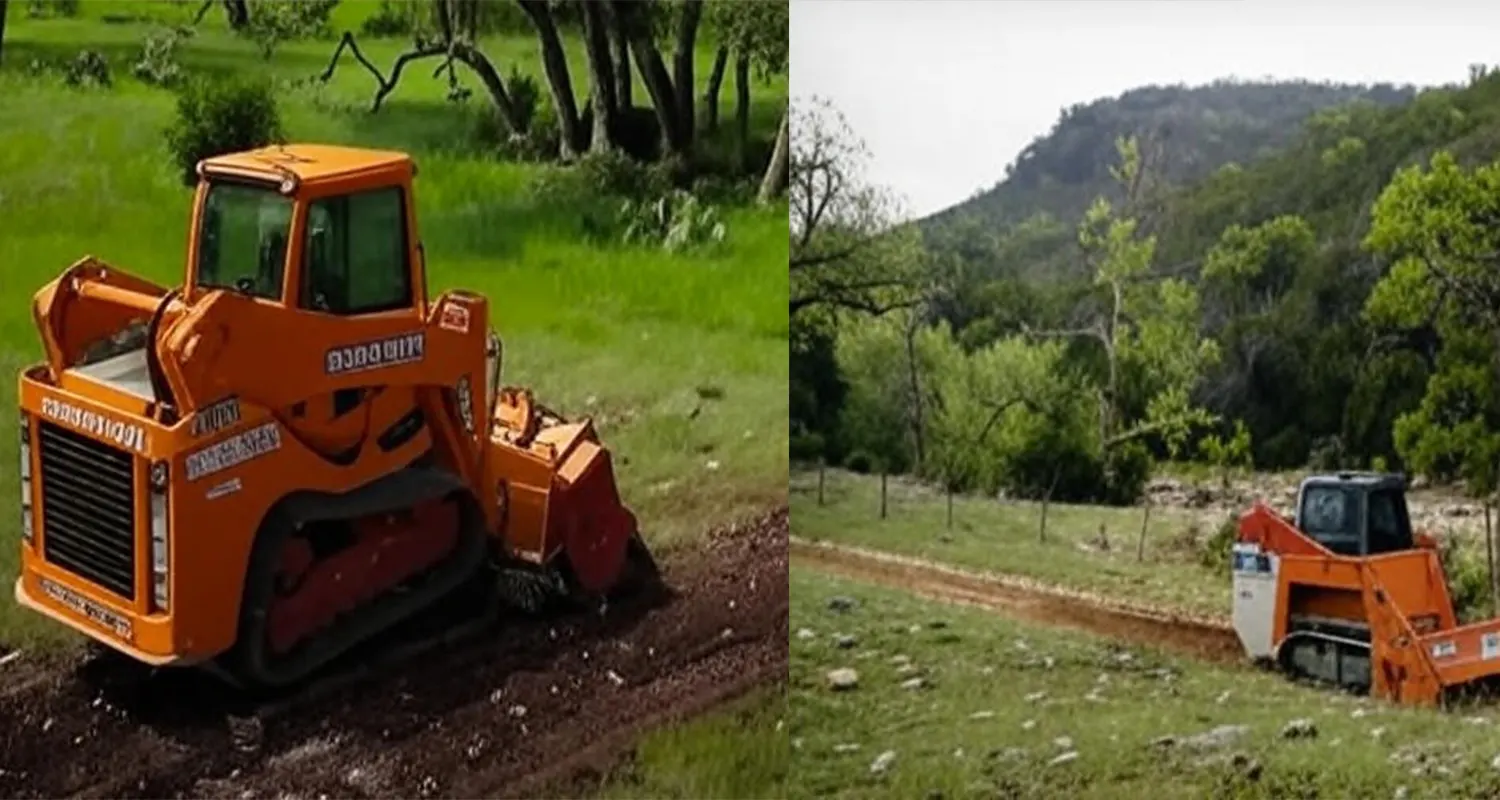
Los suelos graníticos de las tierras altas coreanas tienen bajas reservas naturales de nutrientes y menos de 21 TP5T de materia orgánica en la mayoría de los sitios sin enmiendas. Cada año de producción de papa, rábano o repollo extrae cantidades significativas de nutrientes en la cosecha (nitrógeno, potasio y fósforo) que deben ser repuestas con fertilizantes minerales en la siguiente temporada. El año de las leguminosas rompe este ciclo de extracción:
Fijación biológica de nitrógeno (FBN)
Los nódulos radiculares de las leguminosas que albergan bacterias Rhizobium fijan el N₂ atmosférico en amonio disponible para las plantas. Un cultivo de cobertura de leguminosas de tierras altas coreanas bien gestionado fija entre 80 y 200 kg de N/ha durante la temporada de crecimiento, lo que equivale a entre 60 y 801 TP5T del requerimiento total de nitrógeno del año de la papa. Cuando la biomasa de leguminosas se incorpora mediante el PSW-3200 en otoño, este nitrógeno fijado se mineraliza durante el invierno y la primavera, estando disponible para el sistema radicular del cultivo de papa desde las primeras semanas después de la siembra. El valor económico: a los precios coreanos de los fertilizantes compuestos NPK, entre 80 y 150 kg de N disponible proveniente de la fijación biológica de nitrógeno (FBN) de las leguminosas representan un ahorro en el costo de fertilizantes de entre 200 000 y 400 000 KRW/ha en el siguiente año de papa.
Adición de materia orgánica
Un cultivo de cobertura de leguminosas de ciclo completo produce de 3 a 6 t/ha de biomasa aérea, además de 1 a 3 t/ha de biomasa radicular. Al incorporarse al suelo, este aporte orgánico de 4 a 9 t/ha aumenta la materia orgánica del suelo en aproximadamente 0,1 a 0,31 TP5T por ciclo de rotación en suelos graníticos de las tierras altas de Corea. A lo largo de cuatro ciclos de rotación (16 años), un manejo constante del año de leguminosas eleva la materia orgánica de menos de 11 TP5T a 1,5 a 2,01 TP5T, lo que mejora la retención de agua, la capacidad de retención de nutrientes y la actividad microbiana en los años de papa, rábano y repollo de las rotaciones subsiguientes.
Estructura del suelo y protección contra la erosión
Las raíces de las leguminosas —especialmente las del trébol rojo y la veza vellosa— penetran en el perfil del suelo granítico de las tierras altas coreanas hasta los 40-60 cm, creando canales permanentes que mejoran el drenaje, reducen la compactación causada por el paso de maquinaria en años anteriores y facilitan el acceso de las raíces del cultivo de papa siguiente a la humedad de las capas más profundas del suelo. La cubierta vegetal de leguminosas también protege las laderas desnudas de las tierras altas coreanas de la erosión, que es la fuerza más destructiva sobre la estructura de las terrazas durante la temporada del monzón de julio-agosto.
Selección de especies de leguminosas: cuatro opciones para las zonas de gran altitud de Corea.
No todas las especies de leguminosas se comportan igual en las altitudes de las tierras altas coreanas. La elección está condicionada por la tolerancia al frío (la especie debe sobrevivir o establecerse antes de la primera helada otoñal a 600 m), la producción de biomasa (mayor biomasa = mayor fijación de N y mayor retorno de materia orgánica) y la facilidad de incorporación de PSW-3200 (las especies con tallos gruesos son más difíciles de incorporar que las de tallos finos):
RECOMENDADO COMO PRIMERA OPCIÓN
La veza vellosa sobrevive al invierno de forma fiable en las tierras altas de Corea, se establece rápidamente en septiembre y produce la mayor fijación de nitrógeno de cualquier leguminosa de cobertura de tierras altas de Corea comúnmente disponible. Sus finos tallos trepadores se incorporan fácilmente con el PSW-3200 sin los problemas de enredos que generan las leguminosas de tallo más grueso. Su hábito de crecimiento trepador también significa que la veza vellosa proporciona una protección eficaz contra la erosión de las laderas durante el monzón de julio-agosto: su densa biomasa entrelazada resiste mejor el impacto de la lluvia que las especies de crecimiento vertical. La mejor opción para el año de leguminosas de tierras altas de Corea en todo tipo de terrenos y altitudes.
UNA ALTERNATIVA FUERTE
La raíz pivotante profunda del trébol rojo (40–60 cm) proporciona la mayor mejora estructural del suelo entre las leguminosas comunes de las tierras altas coreanas; sus canales radiculares persisten durante 2–3 años después de la incorporación, proporcionando vías de drenaje para las raíces del cultivo de papa en el Año 1. El trébol rojo puede mantenerse como un cultivo de 2 años si la rotación del agricultor permite un año completo de bloque de leguminosas sin la presión de volver a la producción de hortalizas; el segundo año de trébol generalmente produce mayor biomasa y fijación biológica de nitrógeno (FBN) que el primer año a medida que madura el sistema radicular. La incorporación de trébol rojo maduro (biomasa densa y fibrosa a los 2 años o más) con PSW-3200 requiere dos pasadas y se beneficia del pre-picado si es posible.
COMERCIAL DE DOBLE USO
La soja de tierras altas coreana se siembra entre mayo y junio y se cosecha entre septiembre y octubre. Tasa de fijación biológica de nitrógeno (FBN): 60–100 kg N/ha. A diferencia de la veza vellosa y el trébol (que son cultivos de cobertura puros sin valor comercial), la soja genera ingresos comerciales a partir de la cosecha de semillas (la soja de tierras altas coreana tiene un mercado premium para granos secos de alta calidad). La desventaja: la soja cosechada extrae el nitrógeno aéreo del campo en forma de semilla en lugar de devolverlo mediante la incorporación; solo la biomasa radicular (aproximadamente 30–401 TP5 T del nitrógeno total fijado) permanece en el suelo después de la cosecha. Para las fincas donde el año de leguminosas debe generar ingresos, la soja es la opción correcta. Para las fincas donde el objetivo principal del año de leguminosas es la mejora del suelo (y los ingresos provienen de los otros tres años de rotación), la veza vellosa o el trébol rojo son más efectivos.
Manejo de piedras en el año de las leguminosas: por qué el requisito es realmente más ligero

El año de las leguminosas es el único año en la rotación de cuatro años donde no se aplica el estándar de tolerancia cero a la presencia de piedras. Los cultivos de cobertura de leguminosas —veza vellosa, trébol rojo, guisantes— no tienen una raíz principal que se bifurque alrededor de las piedras (a diferencia del rábano), un tubérculo que se magulle al contacto con las piedras (a diferencia de la papa), ni un bulbo que se dañe durante la cosecha por el contacto de la barra de corte inferior con las piedras (a diferencia de la cebolla). Las raíces de las leguminosas crecen lateralmente alrededor de las piedras sin sufrir daños, y la biomasa aérea se incorpora al suelo mediante el PSW-3200 sin sensibilidad a la presencia residual de piedras en el suelo.
Por lo tanto, la decisión sobre el manejo de las piedras en el cultivo de leguminosas es una evaluación pragmática de costo-beneficio más que un imperativo de calidad de la cosecha:
| Guión | Gestión anual de leguminosas | Razonamiento |
|---|---|---|
| Campo despejado establecido — Año 4 en rotación | EP-EW-4000 solo pase de superficie | Rebrotes anuales por heladas. El cultivo de leguminosas no se ve afectado por piedras residuales subterráneas. Reserve el THOR 2.4 para el bloque del año de la papa (Año 1) donde se requiere tolerancia cero. EP-EW-4000 en el año de leguminosas = una mañana de trabajo frente a una jornada completa de THOR 2.4. |
| Año de fuertes heladas: importantes piedras en la superficie. | THOR 2.4 de paso superficial (15 cm) + EP-EW-4000 | Las piedras grandes en la superficie pueden dificultar la incorporación de leguminosas al suelo PSW-3200 en otoño. Si la densidad de piedras supera las 4 piedras (>20 kg por 100 m²), una pasada superficial con THOR 2.4 reduce esta carga antes del establecimiento del cultivo. La pasada con THOR durante el año de cultivo de leguminosas también facilita la limpieza de piedras para la preparación de la patata del año siguiente. |
| Nuevo terreno que entra en rotación por primera vez en el Año 4 | THOR 2.4 con espacio libre completo (25 cm) | Si se incorporan nuevas tierras a la rotación, el año de las leguminosas ofrece la oportunidad de realizar la limpieza THOR 2.4 sin la presión de tiempo que supone la siembra de un cultivo de raíces. La limpieza completa durante el año de las leguminosas significa que la parcela del año de la patata ya está limpia y solo requiere el mantenimiento EP-EW-4000; esta es la forma más eficiente de incorporar el desarrollo de nuevas tierras a la rotación. |
Incorporación de leguminosas PSW-3200: haciendo que el nitrógeno esté disponible para el siguiente ciclo de cultivo de papa.
El momento y el método de incorporación de los cultivos de cobertura de leguminosas determinan la cantidad de nitrógeno fijado que estará disponible para el cultivo de papa posterior. El momento de la incorporación interactúa con las condiciones climáticas de las tierras altas coreanas y la tasa de mineralización del tejido de las leguminosas en los suelos graníticos coreanos.
Momento óptimo para su incorporación: octubre, antes de la primera helada.
Incorpore veza vellosa o trébol rojo en octubre, después de que la biomasa haya alcanzado la concentración máxima de nitrógeno (justo antes o al inicio de la floración de la veza vellosa), pero antes de que la primera helada fuerte la mate. La temperatura del suelo en octubre a 600 m de altitud aún supera los 8 °C, lo cual es suficiente para que comience la fase inicial de descomposición microbiana antes de las heladas invernales. La descomposición que comienza en octubre-noviembre continúa lentamente durante el invierno y se acelera en marzo-abril a medida que aumenta la temperatura del suelo, aportando nitrógeno mineralizado a la zona radicular de la patata justo en el momento de la siembra de abril.
PSW-3200 de doble pasada para una incorporación completa:
Una sola pasada con la arado PSW-3200 puede dejar esteras de biomasa parcialmente incorporadas en la superficie del suelo, especialmente en el caso de la veza vellosa, cuya densa biomasa de vid puede acumularse en la superficie sin mezclarse completamente con el perfil del suelo. Dos pasadas con la arado PSW-3200 a 20 cm de profundidad (la primera incorporando la mayor parte de la biomasa y la segunda mezclando el material parcialmente incorporado para lograr un contacto más fino con las partículas del suelo) garantizan el enterramiento completo y la distribución uniforme del material orgánico en la zona de labranza de 0 a 20 cm. La biomasa completamente incorporada se descompone de 2 a 3 veces más rápido que el material depositado en la superficie, ya que el contacto con el suelo maximiza el acceso microbiano.
Consideración de la relación carbono-nitrógeno:
La relación C:N de la biomasa de leguminosas al momento de su incorporación determina la rapidez con la que el nitrógeno fijado se vuelve disponible. El tejido joven y blando de leguminosas (veza vellosa en floración temprana: C:N aproximadamente 10–15:1) se mineraliza rápidamente y libera la mayor parte de su nitrógeno en 4–8 semanas después de la incorporación. La biomasa madura y fibrosa de trébol rojo en el segundo corte (C:N aproximadamente 20–25:1) se mineraliza más lentamente; parte del nitrógeno puede no estar disponible hasta 8–12 semanas después de la incorporación. Para una óptima sincronización del nitrógeno con la ventana de siembra de papa, incorpore la veza vellosa en octubre para la siembra de papa en abril; el intervalo de 5–6 meses a temperaturas invernales en las tierras altas de Corea es suficiente para que la mayor parte del nitrógeno se mineralice y esté disponible al momento de la siembra. No confíe en el nitrógeno de la biomasa de leguminosas incorporada tardíamente (marzo) en la misma primavera; no hay tiempo suficiente para la mineralización antes de la siembra.
Cálculo del crédito de nitrógeno de las leguminosas: cuánto reducir el fertilizante del año de la papa
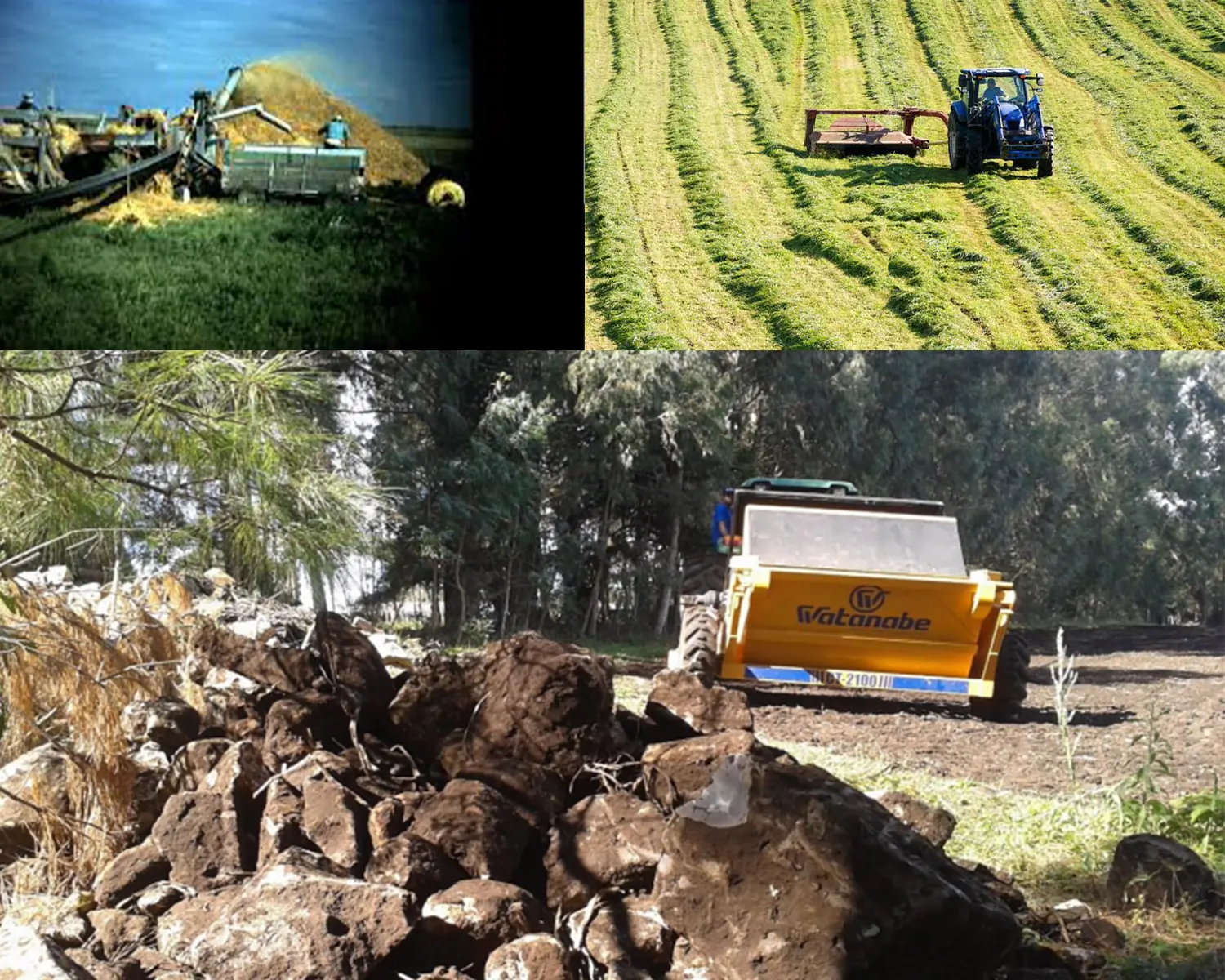
La aplicación práctica del beneficio nitrogenado del año de cultivo de leguminosas consiste en una reducción de la dosis de nitrógeno mineral aplicada en el siguiente año de cultivo de papa. Esta reducción debe calcularse cuidadosamente: sobreestimar la contribución de las leguminosas y aplicar una cantidad insuficiente de nitrógeno mineral produce una pérdida de rendimiento; subestimarla y aplicar la cantidad total de nitrógeno mineral supone un desperdicio de fertilizante y conlleva el riesgo de un exceso de nitrógeno en los tubérculos.
Método de cálculo del crédito N para el año de leguminosas de las tierras altas de Corea:
El valor de la interrupción de la enfermedad: lo que el año de las leguminosas suprime más allá de lo que aborda la limpieza de piedras.
La eliminación de piedras aborda los daños físicos y mecánicos que estas causan a los cultivos. La rotación anual de leguminosas aborda la presión de enfermedades transmitidas por el suelo que la eliminación física de piedras no puede reducir. Las enfermedades que se acumulan bajo la producción continua de solanáceas (patata) o brasicáceas (rábano, col) y que se suprimen con la rotación anual de leguminosas:
Nematodo quístico de la patata (especies de Globodera):
Los quistes del nematodo del quiste de la patata pueden permanecer viables en los suelos de las tierras altas de Corea durante 15 a 20 años sin un cultivo hospedante. Bajo la producción continua de patata (sin interrupción de la rotación), las poblaciones de quistes aumentan hasta alcanzar niveles comercialmente significativos en 3 a 5 temporadas, produciendo los síntomas característicos de "suelo enfermo": parches de plantas amarillas atrofiadas que parecen sanas desde arriba, pero que muestran raíces gravemente dañadas al desenterrarlas. El año de las leguminosas, en particular con la veza vellosa, que no hospeda al nematodo del quiste de la patata, permite que las larvas que eclosionan en respuesta a los exudados radiculares mueran sin completar su ciclo de vida, reduciendo progresivamente la población de quistes viables.
Rhizoctonia solani (sarna negra):
La rizoctonia es omnipresente en los suelos graníticos de las tierras altas coreanas y no puede eliminarse con ninguna práctica de manejo; sin embargo, su gravedad se reduce con la interrupción de la rotación de cultivos, que impide la formación continua de esclerocios bajo cultivos sucesivos de papa. El aporte de materia orgánica del año de las leguminosas también favorece la diversidad de la comunidad microbiana que suprime la rizoctonia mediante la competencia biológica: los suelos con más de 2% de materia orgánica muestran consistentemente menores pérdidas de cultivos causadas por la rizoctonia que los suelos equivalentes con bajo contenido orgánico.
Marchitez por Verticillium (Verticillium dahliae):
Verticillium provoca la senescencia prematura de los cultivos de papa de las tierras altas coreanas: las hojas inferiores más viejas se amarillean y mueren a mediados de la temporada, lo que reduce el período de engrosamiento de los tubérculos. La interrupción de la rotación de cultivos con leguminosas, junto con el aumento de materia orgánica que favorece la supresión de Verticillium por microorganismos beneficiosos, es la principal herramienta de manejo para esta bacteria en la papa de las tierras altas coreanas; ningún fungicida coreano registrado proporciona un control efectivo de Verticillium una vez que el cultivo está infectado.
Preguntas frecuentes
¿Puedo saltarme el año de leguminosas y simplemente aplicar más fertilizante para mantener el rendimiento de las papas?
Sí, a corto plazo, los rendimientos de la papa en las tierras altas coreanas pueden mantenerse con altas dosis de fertilizantes minerales incluso sin un año de rotación de leguminosas. Sin embargo, los beneficios para la salud del suelo que no provienen del nitrógeno (supresión de nematodos, interrupción de enfermedades, acumulación de materia orgánica, estructura del suelo) no pueden ser reemplazados únicamente por fertilizantes minerales. El deterioro progresivo de la salud del suelo bajo la producción continua de hortalizas sin un año de rotación de leguminosas produce una trayectoria de creciente requerimiento de fertilizantes, mayor presión de enfermedades y menor respuesta de rendimiento por unidad de fertilizante en temporadas sucesivas. Después de 6 a 8 años de producción continua de Solanáceas + Brásicas sin un año de rotación de leguminosas, las granjas de las tierras altas coreanas muestran consistentemente una elevada presión de nematodos, menor materia orgánica y compactación estructural que reducen el retorno de la inversión de cada maquinaria e insumo. El valor del año de rotación de leguminosas no reside solo en el nitrógeno que proporciona, sino que es la única práctica de manejo disponible para las granjas de las tierras altas coreanas que puede revertir la trayectoria de la salud del suelo.
¿Afecta la veza vellosa al pH de los suelos graníticos de las tierras altas de Corea?
La incorporación de cultivos de cobertura de leguminosas tiene un efecto pequeño pero positivo en el pH del suelo de las tierras altas coreanas: los ácidos orgánicos producidos durante la descomposición de la biomasa de leguminosas tienen un efecto amortiguador que estabiliza ligeramente el pH en el rango de 5,8 a 6,5 que requieren los cultivos de las tierras altas coreanas. El efecto es menor en comparación con la aplicación directa de cal (la principal herramienta para el manejo del pH), pero contribuye a la estabilidad del pH entre aplicaciones de cal. Más significativamente, la materia orgánica añadida por la incorporación de leguminosas aumenta la capacidad de intercambio catiónico (CIC) de los suelos graníticos de las tierras altas coreanas, mejorando la capacidad del suelo para mantener y amortiguar el pH frente al efecto acidificante de los fertilizantes nitrogenados en forma de amonio. Las explotaciones agrícolas que gestionan sistemáticamente el año de leguminosas observan que su necesidad de aplicación de cal para mantener el pH objetivo disminuye gradualmente a lo largo de los sucesivos ciclos de rotación a medida que aumenta la materia orgánica y mejora la CIC.
¿Cómo interactúa el sistema de compostaje EP-DESTROYER con el ciclo de las leguminosas?
El sistema de compostaje EP-DESTROYER y el año de leguminosas son insumos complementarios pero independientes para la salud del suelo. Las explotaciones ganaderas que combinan la producción de hortalizas de altura utilizan el estiércol compostado EP-DESTROYER como principal aporte de materia orgánica, aplicado a razón de 10-15 t/ha en el bloque del año de la patata o del año de las leguminosas. Cuando el compost se aplica a razón de 15 t/ha de forma constante, la contribución de materia orgánica del año de las leguminosas es suplementaria, no principal. Sin embargo, incluso con una aplicación constante de compost, la interrupción de la rotación del año de las leguminosas proporciona los beneficios de supresión de enfermedades y control de nematodos que el compost por sí solo no puede ofrecer; la rotación en sí misma (no la materia orgánica de la rotación) es lo que interrumpe los ciclos de vida de las plagas y enfermedades. Una explotación con producción de compost EP-DESTROYER Y un cultivo de cobertura de leguminosas logra la acumulación más rápida de materia orgánica en el suelo (compost + biomasa de leguminosas en el mismo año) y el programa de recuperación de la salud del suelo más completo disponible para las explotaciones de altura coreanas.
¿Se puede utilizar el bloque anual de leguminosas para el ginseng coreano de las tierras altas?
El cultivo de ginseng en la rotación estándar de 4 años en tierras altas genera una importante complicación en cuanto al cumplimiento de la normativa: el ginseng es un cultivo de 6 años que requiere campos donde no se haya cultivado durante un mínimo de 10 a 15 años antes de la replantación. Si se planta ginseng en el bloque del año 4, ese bloque queda inutilizable para el cultivo de ginseng durante una década. Más importante aún, los requisitos intensivos de preparación del suelo para el ginseng (labranza profunda, estructura de sombra precisa, control estricto de enfermedades) son fundamentalmente incompatibles con la secuencia de preparación optimizada para maquinaria de la rotación de 4 años. La mayoría de las explotaciones agrícolas de tierras altas coreanas consideran el ginseng como un compromiso territorial a largo plazo independiente de la rotación de hortalizas, en lugar de integrarlo en el ciclo de rotación anual. Para las explotaciones con tierras para la rotación de hortalizas y campos dedicados al ginseng, ambos usos se gestionan como sistemas paralelos pero separados, con el THOR 2.4 desplegado en ambos sistemas en diferentes épocas del año, como se describe en la guía de limpieza de piedras para el ginseng.
¿Se pueden conseguir semillas de veza vellosa a través de las cooperativas agrícolas coreanas?
Sí, las semillas de veza vellosa y trébol rojo están disponibles a través del canal de suministro de semillas de la cooperativa agrícola coreana (nong-hyup) en la mayoría de los condados de Gangwon-do. El Instituto Nacional de Ciencias Agrícolas (NICS) ha publicado variedades certificadas de veza vellosa y trébol rojo adaptadas a las tierras altas coreanas, que se distribuyen a través del canal cooperativo a precios subvencionados para el establecimiento de cultivos de cobertura. La soja está disponible a través del mismo canal como variedades aptas para el consumo humano certificadas para la altitud de las tierras altas coreanas. Para los cultivos de cobertura de siembra otoñal (establecimiento en septiembre para la veza vellosa), solicite las semillas en julio-agosto a través de la cooperativa del condado para asegurar su disponibilidad antes del período de siembra de septiembre. Korea Watanabe puede brindar orientación sobre qué oficinas de la cooperativa del condado tienen en stock semillas de leguminosas adaptadas a las tierras altas para cultivos de cobertura y el procedimiento correcto para realizar el pedido según la disponibilidad de la temporada actual.
Integración anual de leguminosas: planificación de la rotación y sistema de salud del suelo.
Rotación actual + mapa de parcelas + nivel de materia orgánica (según análisis de suelo de octubre) → recomendación de especies de leguminosas con cálculo de crédito de nitrógeno y programa de incorporación de PSW-3200 para el siguiente ciclo de cultivo de papa. Corea Watanabe, Ansan-si, Gyeonggi-do.
Editor: Cxm