Koreanische Obstplantagen im Hochland und an Berghängen – mit Äpfeln, Birnen und Kakis – teilen sich das Granitgelände von Gangwon-do, Nord-Gyeongsang und anderen Hochlandanbaugebieten mit den Kartoffel- und Gemüseanbauflächen, die an anderer Stelle dieser Reihe behandelt werden. Die Steinbewirtschaftung in Obstplantagen folgt jedoch einer grundlegend anderen Logik als die Steinbewirtschaftung bei einjährigen Nutzpflanzen, da der Investitionshorizont völlig anders ist: Eine heute angelegte koreanische Apfelplantage wird auch 2045 noch Früchte tragen. Die Entscheidungen zur Steinbeseitigung, die vor der Pflanzung des ersten Baumes getroffen werden, bestimmen die Betriebsbedingungen für die gesamte Nutzungsdauer dieser Bäume.
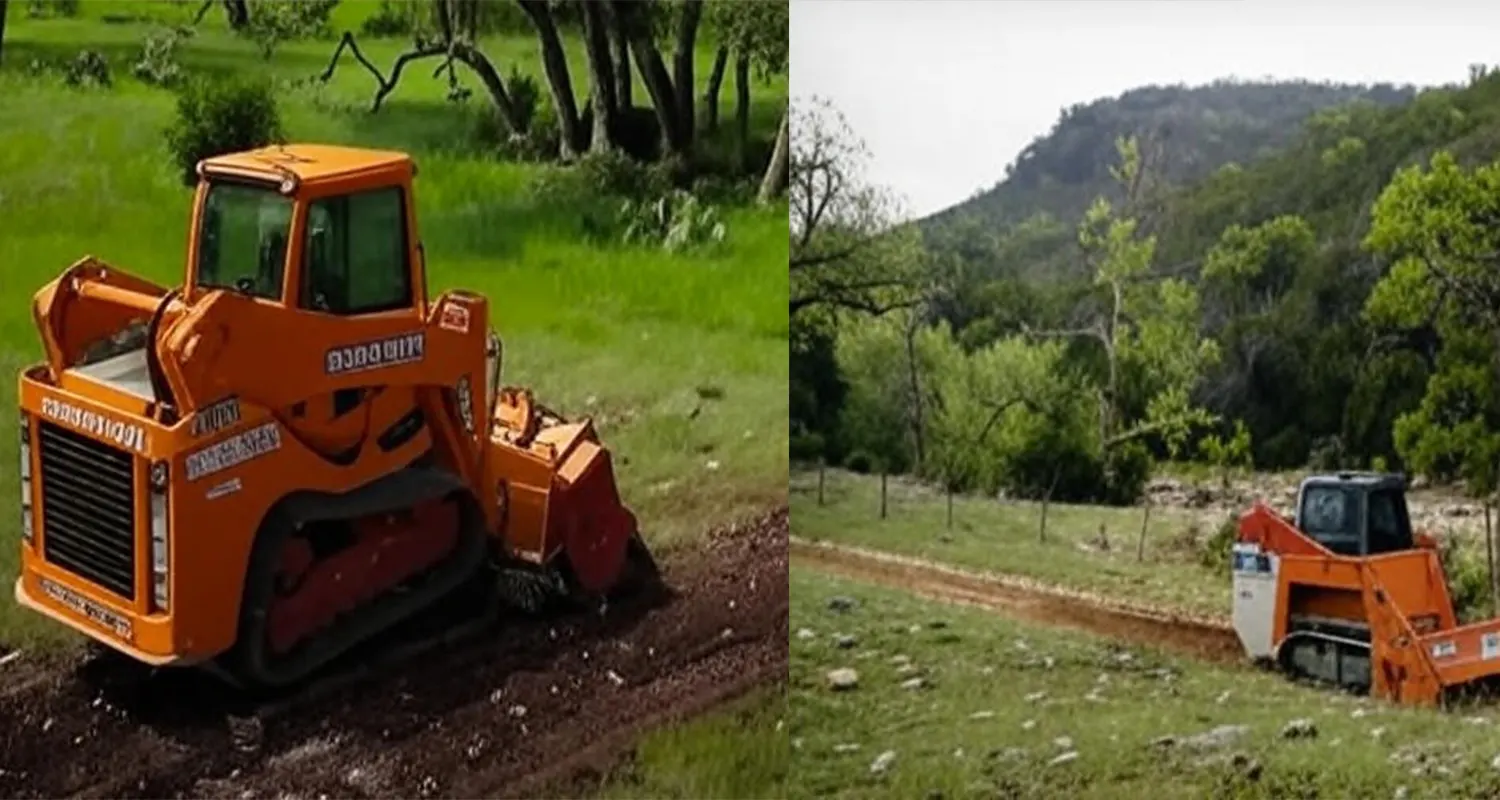
Dieser Artikel behandelt das komplette Steinmanagementprogramm für Obstplantagen – von der Vorbereitungsmaßnahme vor der Pflanzung, die die langfristige Wurzelentwicklungsqualität bestimmt, bis hin zum jährlichen Instandhaltungssystem für die Baumreihen, das die Sicherheit der Erntemaschinen und der Arbeitskräfte während der gesamten Nutzungsdauer der Obstplantage gewährleistet. THOR 2.4 Steinbrecher und die EP-EW-4000 Steinsammler Sie dienen völlig unterschiedlichen Phasen dieses Programms – und eine Verwechslung der beiden führt entweder zu Unterinvestitionen vor der Pflanzung oder zu einem übermäßigen Einsatz während der Instandhaltung.
Warum sich die Bewirtschaftung von Obstbaumkernen von der Bewirtschaftung einjähriger Kulturpflanzen unterscheidet
Einjährige Kulturen wie Kartoffeln und Radieschen ermöglichen dem Landwirt jede Saison einen Neuanfang – war die Steinentfernung in einem Jahr unzureichend, sind die Schäden (schlechtes Bodenniveau, Maschinenreparaturen) zwar schmerzhaft, aber begrenzt, und die Räumung im nächsten Jahr kann den Bodenzustand vor der Neuanpflanzung verbessern. Mehrjährige Obstplantagen bieten eine solche Möglichkeit des Neustarts nicht. Die logischen Unterschiede sind eklatant:
Einjährige Kulturpflanze: Folge einer Saison
Unzureichende Steinräumung vor der Kartoffelpflanzung führt in der betreffenden Saison zu schlechter Bodenqualität und Maschinenschäden. Das Feld wird im darauffolgenden März erneut gerodet und neu bepflanzt – die Folge sind geringere Erträge in dieser Saison. Schmerzlich, aber verkraftbar.
Dauerobstgarten: Folgen nach 20 Jahren
Unzureichende Steinräumung vor dem Pflanzen von Apfel- oder Birnenbäumen führt dazu, dass Steine in der Wurzelzone eingebettet bleiben, wo die Ankerwurzeln der Bäume die nächsten 20–30 Jahre wachsen werden. Die Wurzelverlagerung um die eingebetteten Steine herum führt zu strukturell schwächeren Wurzelsystemen, die anfälliger für Windbruch sind. Steine in der Zufahrtsgasse beschädigen Erntemaschinen, Spritzgeräte und die Füße der Erntehelfer – jedes Jahr, während der gesamten Lebensdauer der Plantage. Dieser Schaden lässt sich durch die Räumung in der nächsten Saison nicht beheben. Die Bäume sind bereits im Boden.
Das Zeitfenster vor der Pflanzung – die einzige Gelegenheit, bevor die Bäume in den Boden kommen – erfordert die gründlichste Steinräumung, die das THOR 2.4-System gewährleisten kann. Nach der Pflanzung reduziert sich der Räumstandard auf die betriebliche Wartung, die Geräte und Personal im bestehenden Alleensystem schützt. Das Investitionsprofil spiegelt diese Logik wider: intensiv und umfassend vor der Pflanzung, systematisch und konsequent danach.
Drei koreanische Obstarten – Steinempfindlichkeit und Produktionszone nach Arten
Koreas drei wichtigste Obstarten im Hochland – Apfel, Birne und Kaki – weisen unterschiedliche Empfindlichkeitsprofile gegenüber Steinen auf, die sich auf die vor der Pflanzung erforderlichen Räumungsstandards auswirken:
Koreanischer Apfel – Stärkste Wurzeldurchdringung, höchster THOR-Standard
Die koreanische Apfelproduktion konzentriert sich auf die Regionen Nord-Gyeongsang (Andong, Cheongdo, Gunwi), das Hochland von Gangwon-do und das südliche Hochland – allesamt auf Granit- oder Granitböden. Apfelunterlagen (in koreanischen kommerziellen Obstplantagen vorwiegend halbzwergwüchsige Unterlagen der Malling-Serie) entwickeln ein mäßig tiefes, aber seitlich ausgedehntes Wurzelsystem, das im Granitbodenprofil 40–60 cm tief reicht. Steine in einer Tiefe von mehr als 5 cm in dieser Wurzelzone verursachen Wurzelablenkungen, die die Entwicklung der Ankerwurzeln und die Wasseraufnahme beeinträchtigen. Die Vorpflanzung von THOR 2.4-Boden bis zu einer Tiefe von 35 cm mit Feinzerkleinerung (bei geschlossener Haube) und gründlicher CT-2100-Probenahme ist der Mindeststandard für die Anlage koreanischer Apfelplantagen auf Granitböden.
Koreanische Birne – Tiefere Pfahlwurzel, gleicher Sicherheitsabstand
Der koreanische Birnenanbau konzentriert sich auf Naju (Süd-Jeolla), Sangju und Cheongsong (Nord-Gyeongsang) sowie auf verstreute Hochlandgebiete mit Granitböden. Birnenunterlagen (in der koreanischen Produktion typischerweise Sämlinge der Art Pyrus pyrifolia) entwickeln eine stärkere und tiefere Pfahlwurzel als Apfelbäume – auf gut vorbereiteten Standorten bis zu 50–70 cm tief. Aufgrund dieser tieferen Wurzelentwicklung ist die erforderliche Räumtiefe für Birnenhaine im Vergleich zu den anderen drei koreanischen Obstbaumarten am größten: Die empfohlene Kombination für die Etablierung hochwertiger Birnen auf flachen Granitböden mit begrenzter natürlicher Bodentiefe ist THOR 2.4 in maximaler Tiefe (30–32 cm) plus PSW-3200 zur Unterbodenlockerung vor der Pflanzung.
Koreanische Persimone – Flaches Wurzelsystem, mittlerer Standard
Die koreanische Kaki (vorwiegend Sorten der Art Diospyros kaki) ist in den Provinzen Gyeongsang und den südlichen Hochlandgebieten auf mäßig tiefen bis flachen Böden verbreitet. Ihr Wurzelsystem ist flacher und weniger aggressiv als das von Apfel oder Birne und entwickelt sich auf den meisten koreanischen Granitstandorten hauptsächlich in der Bodenschicht von 0–40 cm. Eine Vorbearbeitung des Bodens auf 25–30 cm mit dem THOR 2.4 (ein Durchgang in voller Tiefe mit CT-2100-Auffangvorrichtung) ist in der Regel ausreichend für das Anwachsen der Kaki. Die jährliche Pflege der Alleen mit dem EP-EW-4000 erfolgt nach dem Anwachsen der Pflanzen analog zu der von Apfel und Birne.
Vorpflanzungsprotokoll – Die einmalige Investition, bevor die Bäume gepflanzt werden
Das Protokoll zur Steinräumung vor der Pflanzung koreanischer Obstplantagen folgt einer festgelegten Abfolge, um vor der endgültigen Pflanzung eine möglichst tiefe und gründliche Räumung zu gewährleisten. Diese Abfolge gilt sowohl für die Neuanlage von Obstplantagen auf zuvor ungenutztem Land als auch für die Wiederbepflanzung nach der Rodung alter Obstplantagen.
Jährliche Instandhaltung der Alleen – EP-EW-4000 als Arbeitspartner der Obstplantage
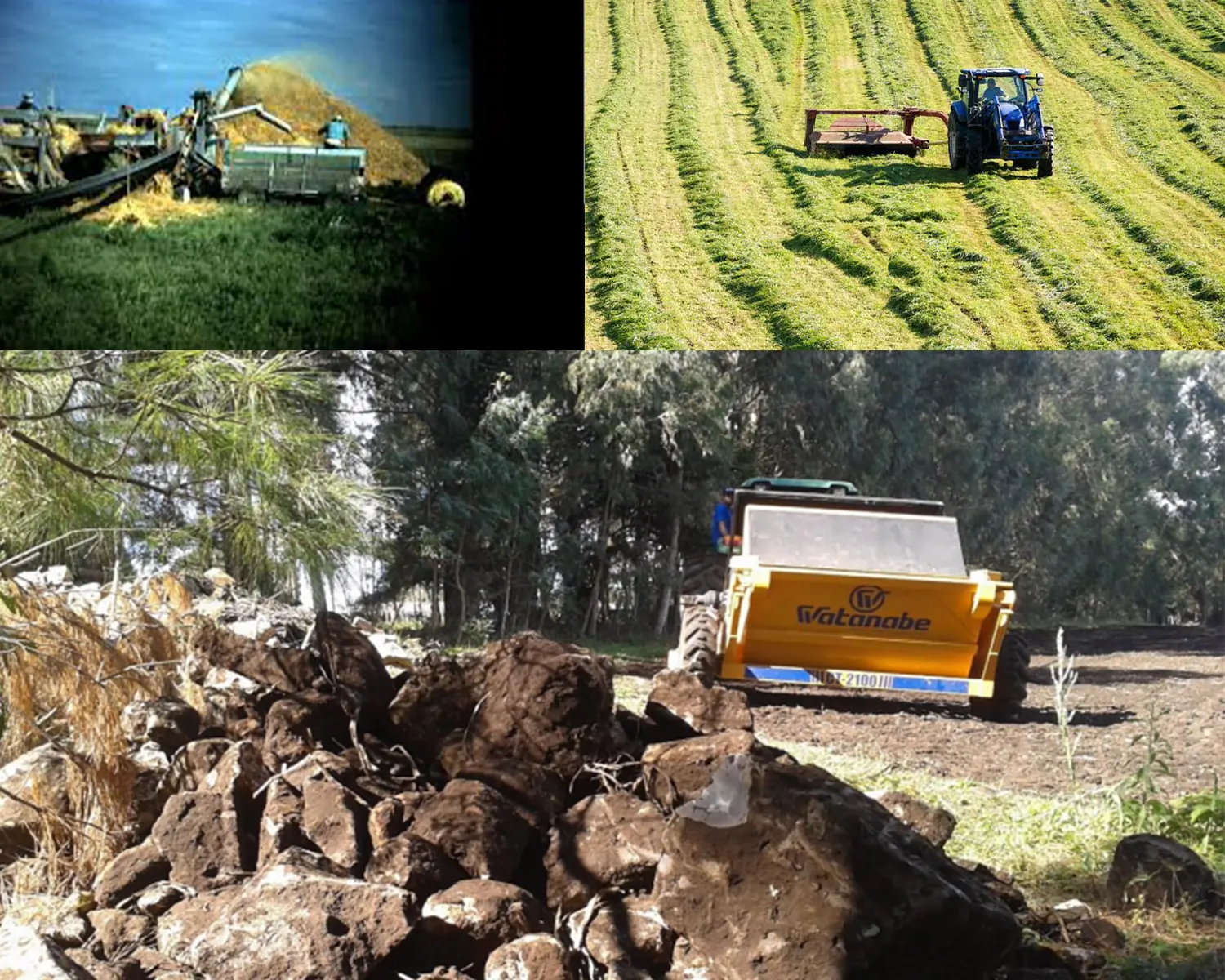
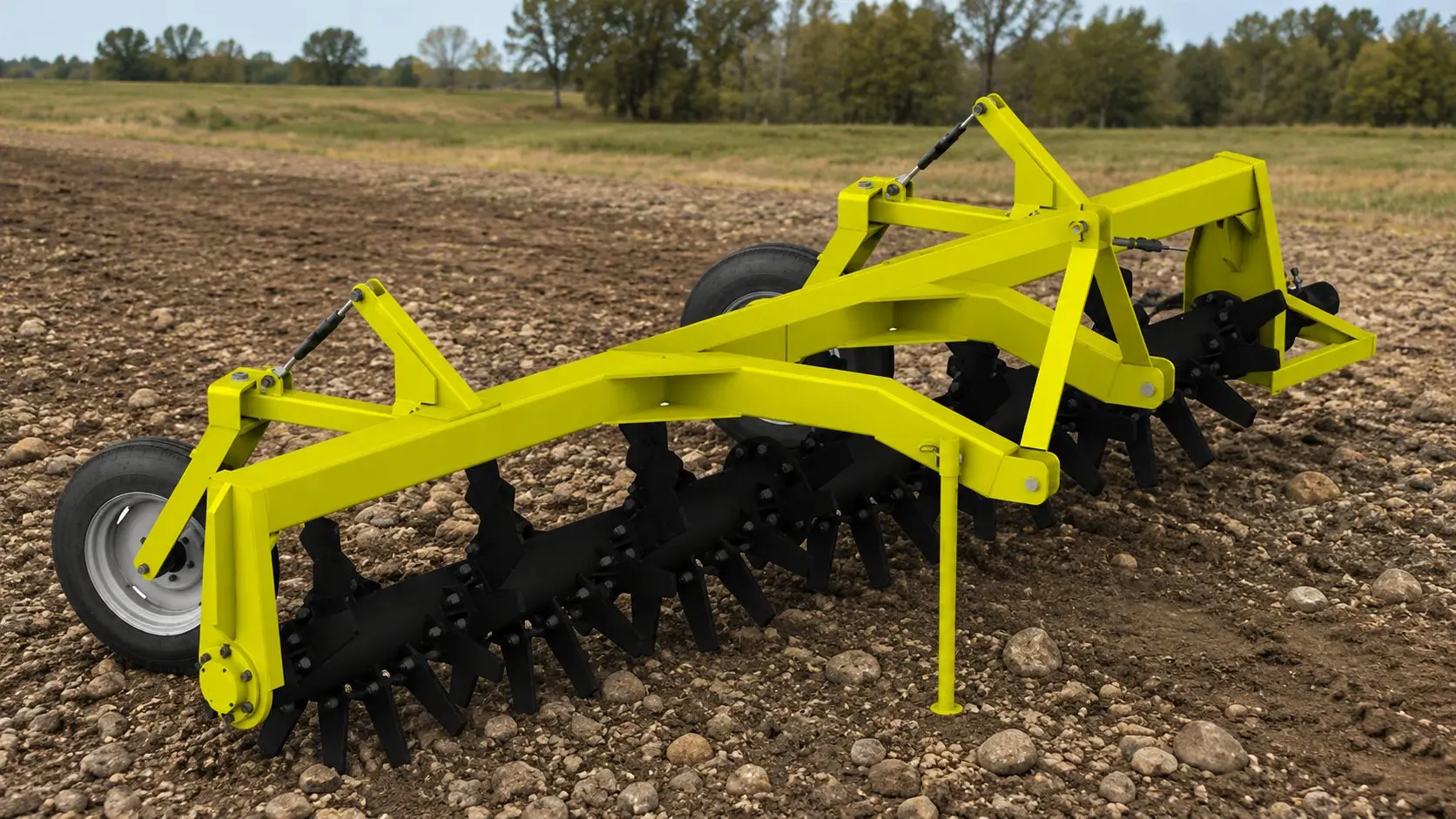
Sobald die Obstplantage etabliert ist, wird das jährliche Steinmanagementprogramm vollständig auf den Steinharken EP-EW-4000 für die Oberflächenreinigung der Alleen umgestellt. Der THOR 2.4 wird in einer etablierten Obstplantage in der Regel nicht erneut eingesetzt – die Bäume in den Reihen verhindern, dass der THOR mit voller Arbeitsbreite arbeitet, und die bereits geräumte Wurzelzone muss nicht erneut zerkleinert werden, es sei denn, es hat ein starkes Frostereignis gegeben, das neue große Steine aus Bereichen unterhalb der ursprünglichen Räumtiefe freigelegt hat.
Das jährliche Wartungsprogramm für die Alleen des EP-EW-4000 in koreanischen Obstplantagen folgt einem bestimmten Betriebsmuster:
Zeitpunkt: Ende März (bevor irgendwelche Maschinen in die Gasse fahren)
Die jährliche Steinräumung muss als erste Feldarbeit der Saison erfolgen – vor dem Einsatz von Spritztraktoren, Mulchmähern und allen anderen Geräten, die durch Steine beschädigt werden könnten. Eine steinfreie Fahrgasse zu Beginn der Spritz- und Räumungssaison schützt alle nachfolgenden Traktorfahrten bis zum Ende der Ernte im Oktober oder November.
Breitenmanagement: EP-EW-4000 Teildurchgang
Koreanische Obstgartenalleen sind typischerweise 3,0–4,5 m breit – schmaler als die Arbeitsbreite des EP-EW-4000 von 3,6 m, die in manchen älteren oder traditionellen Obstgärten mit engerem Baumabstand üblich ist. Bei schmaleren Alleen als 3,6 m muss der EP-EW-4000 leicht versetzt positioniert werden, um einen Kontakt mit den Baumstämmen zu vermeiden. In modernen koreanischen Obstgärten mit einem Alleenabstand von 4,0–4,5 m deckt ein einziger, zentrierter Arbeitsgang des EP-EW-4000 die gesamte Alleenbreite ab.
Zweiter Durchgang nach der Ernte: optional, aber wertvoll
Die koreanische Apfel- und Birnenernte (Oktober–November) ist die Zeit mit dem intensivsten Maschinen- und Arbeitskräfteeinsatz in den Obstplantagen. Die Steinkontrolle nach der Ernte – ein Rundgang durch jede Allee nach Ende der Erntesaison – dient dazu, neu aufgetretene Steine, die durch die Maschinen verursacht wurden, zu identifizieren. Ein Einsatz des EP-EW-4000 im Oktober–November in Abschnitten mit neu gefundenen Steinen reduziert die Ansammlung, die beim darauffolgenden Durchgang im März beseitigt werden muss.
Die wahren Kosten von Orchard Alley Stones – Erntemaschinen und Arbeitskräfte
Die wirtschaftliche Argumentation für die jährliche Pflege von Obstbaumalleen mit EP-EW-4000 unterscheidet sich von der Argumentation für die THOR-Räumung vor der Pflanzung. Bei der Räumung vor der Pflanzung geht es um die Qualität der Wurzelentwicklung während der gesamten Lebensdauer der Obstplantage. Die jährliche Instandhaltung der Alleen betrifft die direkten Betriebskosten für steinbedingte Arbeitsunfälle und Arbeitsunfälle während der aktiven Erntezeit. In unbewirtschafteten koreanischen Obstbaumalleen fallen drei spezifische Kostenkategorien an:
| Schadenskategorie | Mechanismus | Folge |
|---|---|---|
| Traktor- und Spritzmaschinenreifen | Spitze oder kantige Steine mit einer Größe von über 5 cm auf der Fahrgassenoberfläche durchdringen bei langsamen Sprühvorgängen die Seitenwände von Landwirtschaftsreifen. | Reifenwechselkosten + Unterbrechung der Sprühdurchführung während eines engen Schädlingsbekämpfungsfensters |
| Ernteplattform und Pflückerreifen | Selbstfahrende oder traktorgezogene Erntemaschinen, die im Oktober bei niedriger Geschwindigkeit über unebene Steinoberflächen fahren | Plattformreifen sind teurer als Landwirtschaftsreifen; eine Reifenpanne während der Ernte verursacht unverhältnismäßig große Störungen. |
| Fußverletzungen bei Saisonerntehelfern | Arbeiter tragen beladene Erntekisten auf unebenen, mit Steinen übersäten Gassen bei schwindendem Herbstlicht. | Knöchelverstauchungen und Stürze; Haftung für Arbeitnehmerentschädigung; Zurückhaltung der Arbeitskräfte, nach der Saison zurückzukehren |
Die jährliche Reinigung der Obstbaumalleen mit dem EP-EW-4000 (ein halber Tag pro 2–3 ha Obstgartenfläche) eliminiert oder reduziert alle drei Kostenkategorien drastisch. Die Betriebskosten des EP-EW-4000 pro Hektar Obstbaumallee bei einer einzigen jährlichen Durchfahrt betragen in der Regel nur einen Bruchteil der durchschnittlichen jährlichen Kosten für Reifenwechsel und Schadensmanagement in vergleichbaren, nicht gewarteten koreanischen Obstbaubetrieben.
Koreanische Bergobstterrassen – Hangfreiheit und Zugdeichselüberlegungen
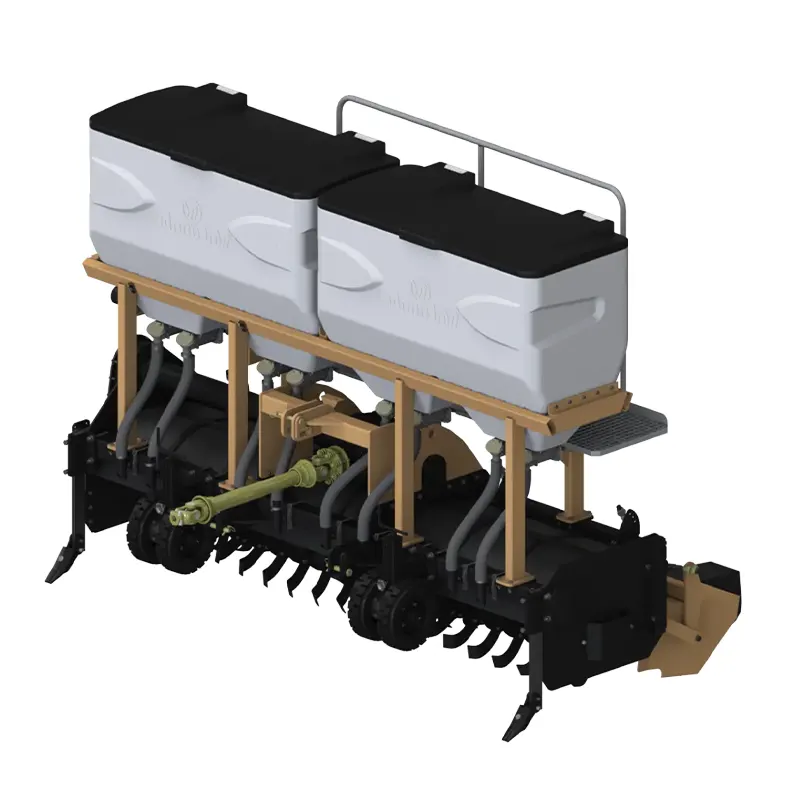
Der koreanische Obstanbau beschränkt sich nicht auf flache Täler – koreanische Äpfel und Kakis werden vor allem in den Hochlandgebieten von Gyeongbuk und Gangwon-do großflächig auf Bergterrassen mit Neigungen von 10–351 TP5T angebaut. Die Steinsicherung auf diesen Terrassenplantagen folgt denselben Hangsicherheitsprinzipien wie die landwirtschaftliche Bewirtschaftung im Hochland: Der Zugbetrieb mit der Zugstange des THOR 2.4 Kits ist für Hangabschnitte mit einer Neigung über 121 TP5T obligatorisch, und der EP-EW-4000 im jährlichen Wartungsmodus erfordert vor der Befahrung eine Hangbeurteilung.
Hangvorbereitung vor der Bepflanzung:
THOR 2.4 im Kit-Zugmodus für alle Terrassen mit einer Neigung über 12%. Arbeitsrichtung: hangaufwärts und hangabwärts (nicht quer zur Böschung), um das Risiko seitlicher Instabilität zu minimieren. Die Hangräumung vor der Bepflanzung steiler Obstgartenterrassen kann mehrere THOR-Überfahrten im 45°-Winkel erfordern, um die Terrassenfläche vollständig abzudecken – bitte wenden Sie sich an Korea Watanabe, um die standortspezifische Hangneigung und Terrassenbreite zu erfragen.
Jährliche Hangpflege:
Der EP-EW-4000 folgt auf Hangterrassen der gleichen maximalen Steigungsrichtlinie von 151 TP5T wie im Feldeinsatz. Bei steileren Terrassengassen, auf denen der EP-EW-4000 nicht sicher eingesetzt werden kann, ist die manuelle Steinentfernung oder der Einsatz eines kleineren Anbaugeräts erforderlich. Auf Terrassen mit einer Steigung von 12–151 TP5T kann der EP-EW-4000 mit einem erfahrenen Fahrer unter Last sicher eingesetzt werden – die Stabilität des Traktors an der Hangseite sollte vor Beginn der Arbeiten an Steigungen nahe dieser Grenze überprüft werden.
Obstgartenrenovierung – Steinräumung bei der Neubepflanzung nach der Entfernung alter Bäume
Die Erneuerung koreanischer Obstplantagen – das Entfernen alter, wenig ertragreicher Bäume und die Neupflanzung mit neuen Unterlagen und modernen Sorten – gewinnt zunehmend an Bedeutung, da der in den 1990er Jahren angelegte Obstbestand das Ende seiner Nutzungsdauer erreicht. Die Rodung im Zuge der Erneuerung bringt im Vergleich zur Neuanpflanzung auf zuvor ungenutztem Land zusätzliche Herausforderungen im Umgang mit Steinen mit sich.
Herausforderung 1:
Alte Wurzelmasse im Boden. Nach der Fällung alter Apfel- oder Birnbäume verbleiben die Haupt- und Seitenwurzeln in 20–60 cm Tiefe im Granitboden. Diese verholzten Wurzeln behindern den THOR 2.4 bei der Rodungstiefe für Sanierungsarbeiten teilweise. Für Obstplantagen mit erheblichem Wurzelwerk ist der THOR FLM (Forstmodell mit CVT) die richtige Maschine, während der landwirtschaftliche THOR 2.4 geeignet ist, wenn das Wurzelwerk vor der Rodung mindestens zwei Jahre lang verrotten konnte.
Herausforderung 2:
Replantationskrankheit. Koreanische Obstgartenböden, die seit über 20 Jahren Apfelbäume tragen, reichern sich mit Pratylenchus-Wurzelläsionsnematoden und Pythium-Arten an, die bei der Neupflanzung von Apfelbäumen in denselben Boden die sogenannte „Replantationskrankheit“ verursachen. Die alleinige Entfernung von Steinen reicht nicht aus, um diese Krankheit zu bekämpfen – zusätzlich zur Steinentfernung ist eine Bodenbehandlung mit Biofumigantien (Einarbeitung von Gründüngung mit Brassica) oder eine gezielte Bodenbegasung erforderlich, insbesondere an Standorten mit einer Vorgeschichte von Replantationskrankheiten.
Herausforderung 3:
Verdichtete Radspuren. Jahrzehntelanger Traktorverkehr in festen Fahrgassen führt zu tiefer Bodenverdichtung in den Fahrspuren, die der PSW-3200 vor der Neupflanzung aufbrechen muss. Ein Tiefenbearbeitungsgang mit dem PSW-3200 (30 cm, 1000 U/min) nach der Räumung mit dem THOR 2.4 und vor der Neupflanzung stellt sicher, dass der neue Wurzelballen in den ersten Wachstumsjahren nicht auf die alte Verdichtungszone trifft.
Häufig gestellte Fragen
Wie tief sollte die Steinräumung vor der Pflanzung in koreanischen Apfelplantagen erfolgen?
Bei koreanischen Apfelplantagen, die auf Malling-Halbzwergunterlagen (M.9, M.26 oder M.7 – die gängigsten Sorten in koreanischen kommerziellen Plantagen) angelegt sind, reicht die praktische Wurzelentwicklungszone auf gut vorbereiteten Standorten bis in eine Tiefe von 40–50 cm. Der THOR 2.4, der mit vollständig geschlossener Haube in maximaler Tiefe (30–32 cm) arbeitet, erreicht eine Fragmentierung des Bodens bis in die kritische obere Wurzelentwicklungszone. Ein zusätzlicher Unterbodenlockerungsdurchgang mit dem PSW-3200 in 30 cm Tiefe ohne vollständiges Wenden nach der THOR-Reinigung erweitert die physikalische Bodenlockerung (bis hin zur steinfreien Zone) auf 55–60 cm Tiefe, indem der Verdichtungsübergang unterhalb der THOR-Zone aufgebrochen wird. Bei wüchsigen Unterlagen (M.7 und höher), deren Wurzelwachstum regelmäßig 60 cm überschreitet, bietet das zweistufige THOR-Verfahren (Herbst bei 28 cm + Frühjahr bei 30–32 cm) die gründlichste Steinzerkleinerung innerhalb des Betriebsbereichs des THOR 2.4, bevor der Wurzelballen die erreichbare Räumtiefe unterschreitet. Kontaktieren Sie Korea Watanabe, um das optimale zweistufige Verfahren für Ihre spezifische Bodentiefe und Steinschichtverteilung zu ermitteln.
Kann das EP-EW-4000 zwischen bestehenden Obstbäumen eingesetzt werden, ohne Wurzelschäden zu verursachen?
Ja – im Allee zwischen den Baumreihen arbeitet der EP-EW-4000 auf der Oberfläche der Allee und dringt nicht in die Baumreihe ein. Das Risiko von Wurzelschäden durch den EP-EW-4000 beschränkt sich auf die Eindringtiefe der Zinkentrommel von 5–10 cm, die deutlich über dem Hauptwurzelsystem etablierter Bäume liegt (welches sich in 15–60 cm Tiefe entwickelt). Der Einsatz des EP-EW-4000 in der Obstbaumallee ist vergleichbar mit dem Mähen von Rasen – er stört die Oberflächenschicht, nicht aber das darunterliegende Wurzelsystem. Nur in sehr flachgründigen Obstplantagen, in denen Feinwurzeln bis in die obersten 5 cm unter der permanenten Grasnarbe gewachsen sind – erkennbar an freiliegenden Wurzeln in der Allee –, könnten die Zinken des EP-EW-4000 Oberflächenwurzeln beschädigen. An solchen Standorten sollte die Zinkenhöhe des EP-EW-4000 etwas über die normale Feldeinstellung hinaus erhöht werden, um einen Kontakt der Zinken mit der Wurzelschicht zu vermeiden.
Ist eine permanente Grasbedeckung in der Allee mit dem Steinsammelpass EP-EW-4000 kompatibel?
Koreanische Apfel- und Birnenplantagen nutzen häufig permanente Grasstreifen (eine durch Mähen statt durch Bodenbearbeitung gepflegte Grasdecke), die für Bodenstabilität sorgen und die Erosion an Hängen verringern. Der EP-EW-4000 kann Oberflächensteine aus permanenten Grasstreifen aufnehmen, indem die Zinkenhöhe so eingestellt wird, dass sie die Grasoberfläche leicht streift – die Steine werden also eingesammelt, ohne die Grasdecke zu beschädigen. Entscheidend ist die richtige Zinkenhöhe (etwas höher als bei der Aufnahme von Steinen auf unbewachsenem Boden). Koreanische Plantagenbesitzer berichten, dass der EP-EW-4000 auf Grasstreifen bei korrekter Einstellung saubere Schwaden aus Oberflächensteinen erzeugt, ohne die Grasdecke wesentlich zu beeinträchtigen. Wenn Frosthebung dazu führt, dass Steine in die Grasmatte eingebettet sind (und nicht nur an der Oberfläche liegen), verbessert eine geringere Fahrgeschwindigkeit (3–4 km/h) und eine etwas niedrigere Zinkenhöhe die Vollständigkeit der Steinaufnahme bei diesen teilweise eingebetteten Steinen.
Welche Anforderungen stellt die Zugstange des THOR 2.4 Kits an die Anforderungen für steile koreanische Obstgartenterrassen?
Koreanische Bergterrassen mit einem Gefälle von über 121 TP5T erfordern den Einsatz des THOR 2.4 Kit Drawbar im Zugbetrieb für die sichere Steinräumung vor der Pflanzung – dieselbe Anforderung wie bei landwirtschaftlichen Feldarbeiten im Hochland. Speziell für die Vorbereitungsarbeiten auf Terrassen bietet der Kit Drawbar einen weiteren Vorteil: Der THOR hat im Zugbetrieb einen kleineren effektiven Wenderadius als im Dreipunktaufhängungsmodus, was auf schmalen Terrassen entscheidend ist, wo der Wenderaum am Vorgewende durch Steinmauern, Böschungen und angrenzende Terrassenstrukturen eingeschränkt ist. Der Kit Drawbar ist bei jedem von Korea Watanabe gelieferten THOR 2.4 serienmäßig enthalten, sodass die Maschine ohne zusätzliche Anschaffung für alle Gefälle koreanischer Terrassen geeignet ist. Bitte klären Sie vor dem Einsatz des THOR 2.4 zur Anlage von Obstplantagen auf besonders schmalen oder steilen Terrassen die genaue Terrassenbreite und das Gefälle mit Korea Watanabe ab.
Sind Steinräummaschinen in Korea subventionsfähig für die Einrichtung von Obstplantagen?
Ja – Maschinen zur Steinräumung bei der Anlage von Obstplantagen sind im Rahmen zweier sich überschneidender koreanischer Regierungsförderprogramme förderfähig: (1) Das Förderprogramm für den Kauf von Landmaschinen umfasst Steinräummaschinen (THOR 2.4, CT-2100 Steinsammler(1) Maschinen der Kategorie EP-EW-4000 zur Verbesserung landwirtschaftlicher Flächen sind unabhängig davon förderfähig, ob sie für Obstplantagen oder Ackerbau bestimmt werden – die Maschinenkategorie, nicht die Art der angebauten Pflanzen, ist ausschlaggebend für die Förderfähigkeit. (2) Das von den Landwirtschaftsämtern der Landkreise verwaltete Förderprogramm zur Anlage von Obstplantagen (gwasugu joseongsaeopbi jiwon) bietet zusätzliche Zuschüsse für die Anlage neuer Obstplantagen auf ausgewiesenen landwirtschaftlichen Flächen. Kosten für die Standortvorbereitung, einschließlich der Steinräumung, sind im Rahmen dieses Programms förderfähig. Die Kombination beider Förderströme – Maschinenzuschuss für den Kauf der Maschinen THOR und CT-2100 sowie Zuschuss für die Anlage von Obstplantagen, der auch die Räumungsarbeiten abdeckt – bietet die umfassendste finanzielle Unterstützung für koreanische Investitionen in die Anlage von Obstplantagen. Korea Watanabe erstellt kostenlos die Unterlagen für den Maschinenkaufzuschuss und berät Sie zum Antragsverfahren für den Zuschuss zur Anlage von Obstplantagen.
Steinrodung in Obstgärten – Beratung vor der Pflanzung oder zur jährlichen Pflege
Obstart + Obstgartenfläche (ha) + Alleenbreite (m) + Hangneigung + Phase (Anlegung oder Pflege) → THOR 2.4- oder EP-EW-4000-Empfehlung mit Hangneigungsbewertung mittels Zugvorrichtung und Dokumentation der Fördermittel. Korea, Watanabe, Ansan-si, Gyeonggi-do.
Herausgeber: Cxm