يهدف نظام إنتاج البطاطس في المرتفعات الكورية، الموصوف في هذه السلسلة - بدءًا من إزالة الأحجار مرورًا بالحصاد والتخزين - إلى إنتاج منتج لسوق محددة. ومع ذلك، فإن معظم أدلة الزراعة في المرتفعات الكورية تتعامل مع السوق كمتغير خارجي ثابت يقبله المزارعون ببساطة، بدلاً من اعتباره بُعدًا استراتيجيًا يمكن لقرارات إدارة المزرعة التأثير فيه. تتناول هذه المقالة الجانب التسويقي من تجارة البطاطس في المرتفعات الكورية: كيفية عمل قنوات التسويق الأربع المتاحة لمزارعي المرتفعات الكورية، وما الذي يحدد الوصول إلى كل قناة، وكيف تُعد نسبة الدرجة الأولى (التي تحددها إزالة الأحجار بشكل مباشر) عاملًا حاسمًا للوصول إلى القنوات، والإجراءات التجارية العملية التي تُحوّل جودة الإنتاج الجيدة إلى عائدات سوقية أعلى.
يتناول المقال أيضًا علاوة العلامة التجارية الإقليمية لمقاطعة غانغوون التي تجعل بطاطس المرتفعات الكورية ذات قيمة خاصة في أسواق التجزئة المحلية، والتوقيت الأمثل للتفاوض على العقود لاتفاقيات التوريد المباشر للسوق، وكيف يُفهم الاستثمار المشترك في نظام آلات واتانابي على أفضل وجه باعتباره بنية تحتية للوصول إلى قنوات السوق بدلاً من مجرد إدارة التكاليف.
قنوات سوق البطاطس في المرتفعات الكورية الأربع - ما يدفعه كل منها وما يتطلبه كل منها
السعر الأساسي
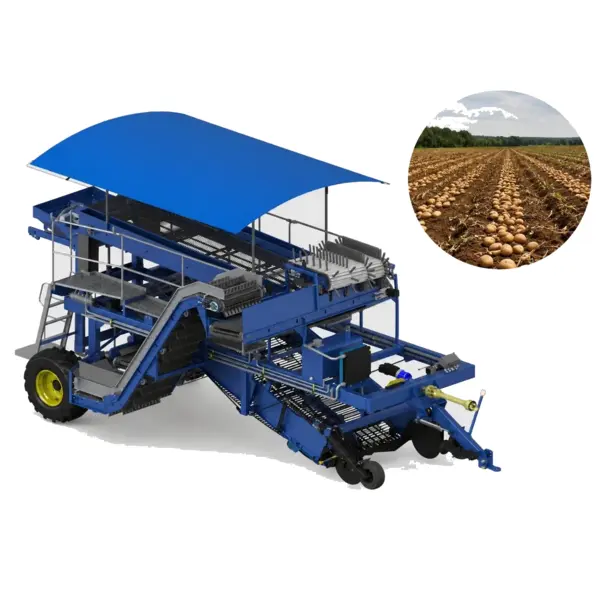
القناة الرئيسية لبطاطس المرتفعات الكورية. تقوم التعاونية (نونغ-هيوب) بجمع البطاطس من المزارع الأعضاء بكميات كبيرة، وتجميعها من جميع الدرجات، ثم بيعها لأسواق الجملة وموزعي المواد الغذائية. الميزة: التوفر الدائم، وعدم الحاجة إلى علاقة مباشرة مع المشتري، وقبول جميع الدرجات بما فيها الدرجة الثانية والثالثة. العيب: دفع متوسط سعر السلعة الذي يعكس جميع الدرجات في الكمية المجمعة - فالمزارع التي لديها نسبة عالية من الدرجة الأولى تدعم فعلياً المزارع ذات الجودة الرديئة في عملية حساب متوسط السعر. يتتبع سعر التعاونية سعر سوق الجملة الوطني - وهو عادةً أدنى سعر متاح لمزارعي المرتفعات الكورية ذوي الجودة المكافئة.
+15–30% مقابل التعاوني
تشتري شركات تصنيع رقائق البطاطس الكورية (لوت، أوريون، نونغشيم) بطاطس صنف "أتلانتيك" بموجب عقود توريد تتضمن أسعارًا وأحجام تسليم ومواصفات جودة محددة مسبقًا. يُحدد سعر العقد قبل 6-9 أشهر من التسليم، مما يضمن للمزارع دخلًا ثابتًا. الشروط: صنف "أتلانتيك" (الصنف الوحيد المقبول لدى معظم الشركات المصنعة لتصنيع رقائق البطاطس)، ومصدر بذور معتمد من NAAS، ومواصفات دنيا للمادة الجافة (21-24%)، ومواصفات قصوى للسكريات المختزلة (شرط تخزين خالٍ من CIS). سعر عقد التصنيع أعلى من سعر التعاونيات، ولكنه خاص بصنف "أتلانتيك" فقط، ولا يمكن للأصناف الأخرى الوصول إلى هذه القناة.
+40–80% مقابل التعاوني
التوريد المباشر لسلاسل المتاجر الكبرى (مثل إي-مارت، لوت مارت، هوم بلس)، ومنصات المنتجات الزراعية المتميزة (المبيعات المباشرة من المزارع عبر الإنترنت)، أو شركات خدمات الطعام الإقليمية. يتم التفاوض على السعر مباشرةً بين المزارع والمشتري، ويستند عادةً إلى نسبة الدرجة الأولى، وحجم التوريد الثابت، وموثوقية التسليم. المتطلبات: نسبة عالية ثابتة من الدرجة الأولى (80-851 طنًا كحد أدنى من الدفعة)، وجدول تسليم موثوق، وتغليف مناسب (نظام الأكياس الكبيرة EP-CWB-2L أو ما يعادله من التغليف المسبق)، وعلاقة مباشرة مع المشتري تستغرق وقتًا لتأسيسها. تتميز هذه القناة بأعلى عائد لكل كيلوغرام مقارنةً بأي قناة أخرى باستثناء البذور المعتمدة.
+40–80% مقابل التعاوني
توفير بذور بطاطس معتمدة من NAAS للمزارع الراغبة في زراعة بذور معتمدة في الموسم التالي. تحمل كل دفعة من البذور المعتمدة وثيقة اعتماد NAAS، وتُباع بسعر أعلى يعكس جودة الاختبارات الصحية، والتفتيش الميداني، وضمان خلوها من الفيروسات. الشروط: استيفاء جميع متطلبات إنتاج البذور المعتمدة من NAAS الموضحة في دليل الاعتماد - حقل معتمد من NAAS، مدخلات بذور مسجلة، اجتياز جميع عمليات التفتيش، واختبارات الفيروسات المخبرية بعد الحصاد دون الحد الأدنى. هذه هي القناة الأعلى قيمة لكل كيلوغرام، والأكثر تطلبًا من حيث الإدارة للوصول إليها.
كيف تحدد جودة إزالة الأحجار إمكانية الوصول إلى القناة
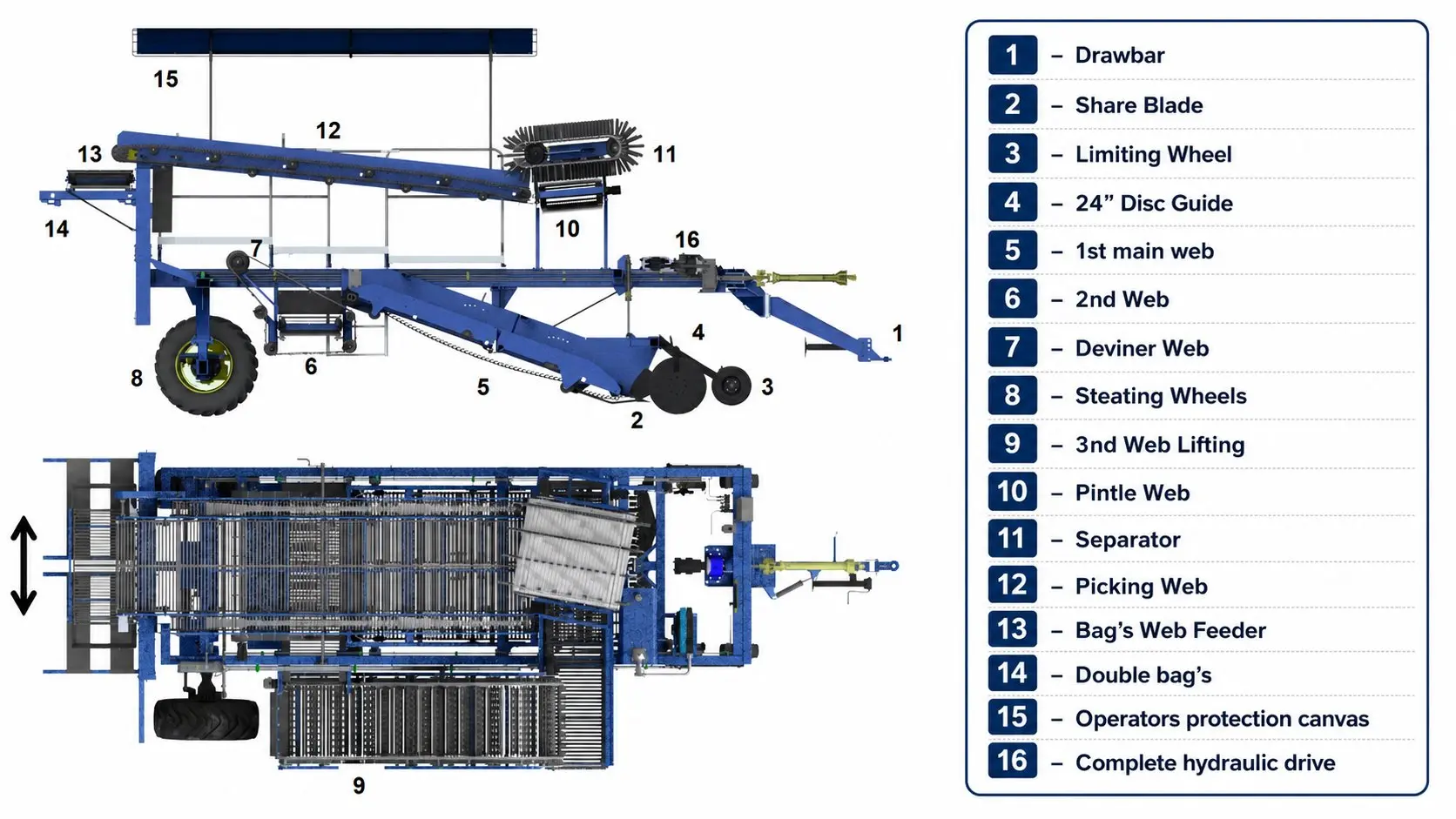
إن العلاقة بين إزالة الأحجار والوصول إلى قنوات التسويق ليست مجردة، بل هي آلية مباشرة للسبب والنتيجة تحدد أيًّا من القنوات الأربع متاح لمزرعة معينة في المرتفعات الكورية. رسم خريطة السلسلة:
ينتج عن احتكاك القشرة بالحجر نسبة تتراوح بين 15 و40% من الدرجة الثانية/الثالثة. هذه النسبة من الدرجة الأولى (60-85% كحد أقصى) أقل من الحد الأدنى المطلوب من مشتري السوق المباشر (80-85%). القناة الأولى (التعاونية) هي القناة الوحيدة التي يمكن الوصول إليها بشكل موثوق، حيث يتم تجميع جميع منتجات الدرجة الأولى والثانية بسعر متوسط التعاونية. أما قنوات معالجة العقود والبذور المعتمدة فهي غير متاحة لأن تلف القشرة الناتج عن احتكاك القشرة بالحجر يستبعد الدرنات من الفحص البصري في كلتا القناتين.
تُقلل إدارة الحصى السطحية من نسبة الدرجة الثانية الناتجة عن تآكل الحصى، لكنها تُبقي على الحصى المتبقية التي تُسبب انحراف المحصول وتلامس القشرة تحت السطح. تتراوح نسبة الدرجة الأولى عادةً بين 75 و851 طنًا لكل 5 أطنان. القناة 1 متاحة؛ القناة 2 (عقد المعالجة) متاحة بشكل محتمل لشركة أتلانتيك في السنوات الجيدة؛ القناة 3 (السوق المباشر) متاحة أحيانًا عندما تتجاوز نسبة الدرجة الأولى عتبة 801 طنًا لكل 5 أطنان. يُحدّ من فعالية التسويق الاستراتيجي عدم انتظام الوصول إلى القنوات.
نسبة الدرجة الأولى ثابتة بين 88 و951 طنًا لكل 1000 طن. جميع القنوات الأربع متاحة، حيث يمكن للمزارع اختيار القناة المناسبة لتوزيع إنتاج كل قطعة أرض بناءً على السعر والعلاقة والخدمات اللوجستية. هذا الاختيار للقناة، وليس تقييدها، هو الميزة التسويقية الاستراتيجية التي يوفرها استثمار THOR 2.4. لا يقتصر استثمار الآلة على إدارة التكاليف فحسب، بل يشمل أيضًا بنية تحتية للوصول إلى السوق.
العلامة التجارية الإقليمية لمقاطعة غانغوون - الميزة الجغرافية وكيفية الاستفادة منها
تتمتع بطاطس المرتفعات الكورية بميزة جغرافية خاصة في السوق الكورية المحلية. وتُباع بطاطس مرتفعات مقاطعة غانغوون (المعروفة باسم "غانغوون-دو غامجا" في التسويق الكوري) بسعر أعلى يتراوح بين 20 و40 ألف تاكا بنغلاديشي مقارنةً بالبطاطس الأخرى من نفس الجودة، سواءً من مناطق أخرى أو من مصادر غير محددة، وذلك في المتاجر الكورية الكبرى وقنوات البيع المباشر عبر الإنترنت. وتعكس هذه الميزة الجغرافية ما يلي:
تُزرع بطاطا المرتفعات الكورية على ارتفاع يتراوح بين 600 و800 متر، وتنضج ببطء في درجات حرارة باردة، مما ينتج عنه مادة جافة أكثر كثافة، وقوام أكثر تماسكًا، ونكهة أقوى (يصفها المستهلكون الكوريون بأنها "ترابية" و"حلوة") مقارنةً ببطاطا الأراضي المنخفضة أو المستوردة. ويُقدّر المستهلكون الكوريون هذه النكهة المميزة، ويسعون تحديدًا إلى بطاطا مرتفعات مقاطعة غانغوون لاستخدامها في أجود أنواع البطاطا.
لا تتوفر بطاطس غانغوون-دو الجبلية إلا لفترة أربعة أشهر (من أغسطس إلى نوفمبر للبطاطس الطازجة والمخزنة). هذا التوفر المحدود يخلق طلبًا موسميًا يحافظ على سعرها أعلى من سعر البطاطس المنخفضة أو المستوردة على مدار العام. لذا، على الراغبين في تذوق نكهة البطاطس الجبلية المميزة الشراء خلال هذه الفترة.
تعمل حكومة مقاطعة غانغوون-دو بنشاط على الترويج للمنتجات الزراعية الجبلية من خلال برامج شهادات الجودة وحملات التسويق الغذائي الإقليمية. ويتأثر المستهلكون الكوريون بشدة بعلامات منشأ المنتجات الزراعية، حيث يُعدّ منشأ غانغوون-دو مؤشراً إيجابياً للشراء، مما يزيد من احتمالية الحفاظ على سعر تجزئة مرتفع في السوق.
يتطلب الحصول على علامة غانغوون التجارية المتميزة من المزرعة البيع عبر قنوات تتيح وضع علامات المنشأ، حيث يُعدّ السوق المباشر (القناة 3) وتوريد البذور المعتمدة (القناة 4) من القنوات التي تُبرز منشأ غانغوون كصفة تسويقية بارزة. أما التوريد التعاوني (القناة 1) فيجمع المنتجات من جميع الأعضاء بغض النظر عن المنشأ المحدد، ولا يُقدّم الميزة الجغرافية للمزارع الفردية. وهذا يُعدّ دافعًا إضافيًا للاستثمار في إدارة الجودة التي تُمكّن من الوصول إلى القناتين 3 و4.
توقيت العقود وعلاقات السوق - متى وكيف يتم التفاوض

يجب إقامة علاقات تسويقية مباشرة وعقود معالجة لبطاطس المرتفعات الكورية قبل موسم الحصاد بوقت كافٍ، حيث يكون المشترون الذين يتم التواصل معهم في وقت الحصاد قد التزموا بالفعل باتفاقيات التوريد لذلك الموسم. جدول العلاقات التسويقية لبطاطس المرتفعات الكورية:
استراتيجية تحويل القنوات - الانتقال من السوق التعاوني إلى السوق المتميز على مدى ثلاثة مواسم
معظم مزارع المرتفعات الكورية التي تبيع منتجاتها حاليًا عبر التعاونيات بدأت مسيرتها من هناك تلقائيًا، إذ لا تتطلب قنوات التعاونيات أي علاقة مع المشترين وتقبل جميع الدرجات. أما الانتقال إلى قنوات التوزيع المتميزة فيتطلب جودة إنتاج عالية (ناتجة عن الاستثمار في نظام واتانابي) وتطوير علاقات تسويقية فعّالة، وهو ما يستغرق وقتًا. إليك استراتيجية عملية للانتقال على مدى ثلاثة مواسم:
سنة الاستثمار: نفّذ عملية إزالة الأشجار باستخدام برنامج THOR 2.4. احصد باستخدام إعدادات دقيقة لجهاز EP-AWB-1600 (سرعة منخفضة، عمق مثالي). سجّل نسبة الدرجة الأولى من أول حصاد للحقل المُزال. استخدم هذه البيانات - نسبة الدرجة الأولى الفعلية من الحقل المُزال - كدليل على الجودة عند التواصل مع مشتري السوق المتميز في أكتوبر/نوفمبر من الموسم الأول. استمر في البيع من خلال التعاونية أثناء بناء علاقات مع المشترين. عينة حصاد الحقل المُزال هي أداة توضيحية.
سنة انتقالية: يُخصص ما بين 20 و301 طن متري من حجم الإنتاج لأول عقد تسويق مباشر أو اتفاقية توريد معالجة يتم إبرامها في أكتوبر/نوفمبر من الموسم الأول. ويُباع المتبقي من خلال التعاونية. أما الموسم الثاني، فيُمثل مرحلة إثبات جودة التسليم، حيث يتم الالتزام بنسبة الدرجة الأولى وجدول التسليم المحددين في حصة السوق المباشر. ويُعزز نجاح تسليم الموسم الثاني ثقة المشتري لعقد أكبر في الموسم الثالث.
تشغيل كامل للقناة المميزة: تُشكّل الإمدادات المباشرة من السوق (القناة 3)، وعقود المعالجة (القناة 4)، وربما البذور المعتمدة (القناة 5) ما بين 60 و801 تريليون طن من إجمالي حجم الإنتاج. وتُخصّص قناة التعاونيات للكميات من الدرجة الثانية وما دونها التي لا تستوفي مواصفات قناة التوزيع المميزة. ويبلغ إجمالي إيرادات المزرعة للهكتار الواحد ما بين 40 و801 تريليون طن، أي أعلى من إيرادات الموسم الأول المُقتصرة على التعاونيات، وذلك لنفس المحصول، مما يعكس إمكانية الوصول إلى قناة التوزيع المميزة التي تُتيحها إدارة الجودة.
الأسئلة الشائعة
كيف أجد مشترين مباشرين في السوق لبطاطس المرتفعات الكورية؟
تُعدّ القنوات التالية من أكثر القنوات فعاليةً لإيجاد مشترين مباشرين لبطاطس المرتفعات الكورية: (1) وكالة التسويق الزراعي بمقاطعة غانغوون (دعم تسويق المنتجات الزراعية في غانغوون)، التي تُدير شبكةً من العلاقات المباشرة بين المزارع وتجار التجزئة، وتُقدّم خدمات تعريفية للمزارع المؤهلة؛ (2) منصة سوق المزارعين الكوري وقنوات البيع المباشر المماثلة عبر الإنترنت، حيث يبحث المستهلكون الكوريون بنشاط عن منتجات المرتفعات ذات المنشأ المُحدد؛ (3) مكتب الإرشاد الزراعي التابع لإدارة التنمية الريفية في المقاطعة، والذي يحتفظ بقوائم المشترين المُسجلين للحصول على المنتجات مباشرةً من مزارع المرتفعات الكورية؛ (4) مهرجان بطاطس غانغوون، الذي يُقام سنويًا في مناطق إنتاج المرتفعات، وهو حدثٌ سوقيٌّ يحضره كلٌّ من التجار والمستهلكين، ويُتيح التواصل المباشر مع العديد من المشترين المُحتملين في فعاليةٍ واحدة. كما يُمكن لشركة كوريا واتانابي، من خلال علاقاتها مع العملاء في مزارع المرتفعات الكورية، تسهيل التواصل مع المشترين الذين أبدوا اهتمامًا بتوريد بطاطس المرتفعات من مزارع مُدارة بشكلٍ جيدٍ ومُجهزةٍ بتقنيات إزالة الصخور.
ما هي الوثائق التي تحتاجها مزرعة في المرتفعات الكورية للوصول إلى قناة السوق المباشرة؟
عادةً ما يطلب المشترون في السوق الكورية المباشرة (محلات السوبر ماركت، والمنصات الإلكترونية) ما يلي: (1) وثائق تسجيل المزرعة التي تؤكد أن الإنتاج من مقاطعة غانغوون أو من المرتفعات المحددة؛ (2) سجلات إدارة الجودة، وتحديدًا نتائج اختبار نسبة الدرجة الأولى ووثائق مصدر البذور المعتمدة للدفعة الموردة؛ (3) شهادة اختبار المخلفات التي تؤكد خلو الدفعة من مخلفات المبيدات التي تتجاوز الحد الأقصى المسموح به (MRLs)، وتشترط معظم قنوات التسويق المباشر الكورية ذلك حتى للمزارع غير العضوية المعتمدة؛ (4) شهادة الممارسات الزراعية الجيدة (GAP)، والتي تشترطها سلاسل محلات السوبر ماركت الكورية بشكل متزايد كحد أدنى لمؤهلات التوريد؛ (5) سجلات إدارة سلامة الغذاء، بما في ذلك سجلات إزالة الأحجار وعمليات الحراثة (من دفتر المزرعة الموضح في مقال التقويم السنوي للعمليات). يمكن لشركة كوريا واتانابي تقديم المشورة بشأن وثائق شهادة الممارسات الزراعية الجيدة (GAP) التي تتضمن سجلات إدارة الأحجار كجزء من نظام التحقق من إدارة الحقل.
هل يمكن لمزرعة صغيرة في المرتفعات الكورية (3-5 هكتارات) الوصول إلى قناة السوق المباشرة، أم أن ذلك ممكن فقط على نطاق أوسع؟
نعم، يمكن للمزارع الكورية الصغيرة في المرتفعات، التي تتراوح مساحتها بين 3 و5 هكتارات، الوصول إلى قنوات التسويق المباشر، لكن هيكل القناة الأمثل يختلف عن هيكل المزارع الكبيرة. تتطلب سلاسل المتاجر الكبرى كميات إمداد أسبوعية ثابتة لا تستطيع مزرعة بمساحة 3-5 هكتارات توفيرها طوال الموسم، حيث يتركز الإنتاج في فترة حصاد تتراوح بين 3 و4 أسابيع. أما أنسب قنوات التسويق المباشر للمزارع الصغيرة فهي: (1) منصات البيع المباشر عبر الإنترنت (نونغسان جيكغيوجي) حيث يشتري المستهلكون محاصيل موسمية عند الحصاد، ويتقبل المستهلك تركيز التسليم الموسمي الذي لا يتوافق مع متطلبات الإمداد المستمر للمتاجر الكبرى؛ (2) أسواق المزارعين وخدمات الاشتراك في الأغذية المحلية حيث يكون شكل الإمداد الموسمي هو الشكل المتوقع للمنتج؛ (3) إمداد التعاونيات الغذائية الإقليمية للمشترين الصغار (المطاعم المحلية، وبرامج الوجبات المدرسية، وبرامج وجبات المستشفيات) الذين يمكنهم استلام وتخزين كميات كبيرة من الإمدادات الموسمية بدلاً من الحاجة إلى تجديد أسبوعي مستمر. آلات بطاطس يُمكّن الاستثمار من تحقيق الجودة من الدرجة الأولى التي تفتح جميع هذه القنوات - ويحدد حجم وتوافق الخدمات اللوجستية مع كل نوع من أنواع المشترين القناة المحددة الأكثر جدوى لمزرعة معينة.
كيف يُحسّن التخزين البارد خيارات قنوات التسويق بما يتجاوز مجرد علاوة سعر شهر فبراير؟
يوفر التخزين المبرد ميزتين سوقيتين إضافيتين إلى جانب علاوة سعر دبيك لشهر فبراير المذكورة في دليل التخزين. أولاً، يُمكّن من توفير إمدادات ثابتة على مدى فترة تسويقية أطول؛ إذ يُمكن للمزرعة التي تمتلك مخزنًا مبردًا تزويد مشتري السوق المباشر في نوفمبر وديسمبر ويناير، بدلاً من الاقتصار على ذروة موسم الحصاد في أغسطس. لا يستطيع المشترون الراغبون في علاقة توريد لمدة ستة أشهر التعاقد مع مزارع لا تُسلّم إلا في وقت الحصاد؛ فالتخزين المبرد يُوفر الجدول الزمني للإمداد الذي تتطلبه علاقات السوق المباشر طويلة الأجل. ثانيًا، يسمح التخزين المبرد للمزارع بتأجيل الإنتاج حتى يتم التأكد من جودته بعد الحصاد؛ إذ يُمكن تخصيص محاصيل المزرعة المُزالة منها الأحجار والتي تم اختبارها (نسبة الدرجة الأولى، ومعدل الكدمات، وفحص الجودة الداخلي) للقناة المناسبة بناءً على جودة كل محصول، بدلاً من بيعها عند الحصاد قبل اكتمال تقييم الجودة. تُرسل المحصول ذو الجودة الرديئة الناتج عن تلف غير متوقع في الحقل إلى التعاونية فورًا؛ بينما يُحتفظ بالمحصول عالي الجودة لحين وصوله إلى السوق المباشر في الوقت المناسب لتحقيق أقصى استفادة من علاوة سعره. لذا، فإن التخزين المبرد ليس مجرد أداة لتحديد توقيت السعر، بل هو أداة لمطابقة جودة السوق تُعظم قيمة كل محصول.
ما هو مقدار الزيادة الواقعية في الإيرادات لكل هكتار التي يمكن تحقيقها من خلال الانتقال من قناة السوق التعاونية إلى قناة السوق المباشرة؟
باستخدام أسعار سوق البطاطس الكورية الجبلية النموذجية لموسم 2024-2025: سعر التعاونية (سومي، حصاد أغسطس) = حوالي 900-1200 وون كوري/كجم. سعر السوق المباشر (سومي، الدرجة الأولى، توريد أكتوبر-يناير) = حوالي 1400-2200 وون كوري/كجم. عند إنتاجية 30 طن/هكتار، ونسبة 85% من الدرجة الأولى، ومتوسط سعر السوق المباشر 1800 وون كوري/كجم مقابل 1050 وون كوري/كجم في التعاونية: فرق الإيرادات = 25500 كجم × (1800 - 1050) = 19125000 وون كوري/هكتار إيرادات سنوية إضافية من تغيير قناة التوزيع. هذه الإيرادات الإضافية البالغة 19 مليون وون كوري/هكتار (فوق سعر التعاونية الأساسي) تنطبق على الموسم الأول من الوصول المباشر إلى السوق. مزرعة تزيد مساحتها عن 10 هكتارات تنتج بشكل أساسي للسوق المباشر: إيرادات سنوية إضافية قدرها 190 مليون وون كوري. THOR 2.4 كاسر الصخور و المحراث الدوار PSW-3200 يتم استرداد الاستثمار الذي يتيح الوصول إلى هذه القناة مقابل هذه الإيرادات الإضافية في أول موسم تسويق مباشر كامل لمعظم مزارع المرتفعات الكورية التي تبلغ مساحتها 10 هكتارات.
تخطيط انتقال القنوات - من جودة الإنتاج إلى الوصول المتميز إلى السوق
نسبة الدرجة الأولى الحالية + قناة التسويق المستهدفة + مساحة المزرعة ومزيج الأصناف ← خطة استثمار نظام الإنتاج والجدول الزمني لانتقال قناة التسويق. كوريا، واتانابي، أنسان-سي، غيونغي-دو.
المحرر: Cxm