
يُعدّ تطوير الأراضي الجديدة في المرتفعات الكورية - أي تحويل الأراضي الجبلية غير المزروعة أو المهجورة منذ زمن طويل إلى أراضٍ زراعية منتجة - نوعًا مميزًا من المشاريع يتطلب نهجًا مختلفًا عن برنامج إدارة الأحجار السنوي للأراضي القائمة. فالأراضي القائمة لها تاريخ معروف للأحجار، وبنية تربة قائمة، ومستوى حموضة موثق. أما الأراضي الجديدة فتبدأ من الصفر. فالسنة الأولى في الأرض الجديدة هي مشروع متزامن لنشر الآلات، ودراسة كيمياء التربة، ودراسة بيولوجيا التربة - ويحدد الترتيب الصحيح لهذه العمليات ما إذا كان الاستثمار سيُنتج حقلًا منتجًا في غضون عامين، أو سيُهدر ساعات تشغيل الآلات المكلفة على حقل غير جاهز زراعيًا للمحاصيل التجارية.
يغطي هذا الدليل برنامج تطوير الأراضي الجديدة بالكامل في السنة الأولى: تقييم الغطاء النباتي الذي يحدد ما إذا كان نموذج THOR FLM (نموذج الغابات، CVT إلزامي) أو كسارة الصخور THOR 2.4 (النموذج الزراعي) هو الآلة الصحيحة؛ بروتوكول إزالة الأحجار على مرحلتين للأراضي الجديدة؛ عمليات بناء التربة التي تتم بالتوازي مع إزالة الأحجار؛ توقعات واقعية لأداء المحاصيل في السنة الأولى والثانية والثالثة؛ والجدول الزمني للاستثمار من الأرض الخام إلى الإنتاج الكامل.
تقييم الأرض قبل نشر الآلات - جولة المشي لمدة 30 دقيقة التي تحدد البرنامج
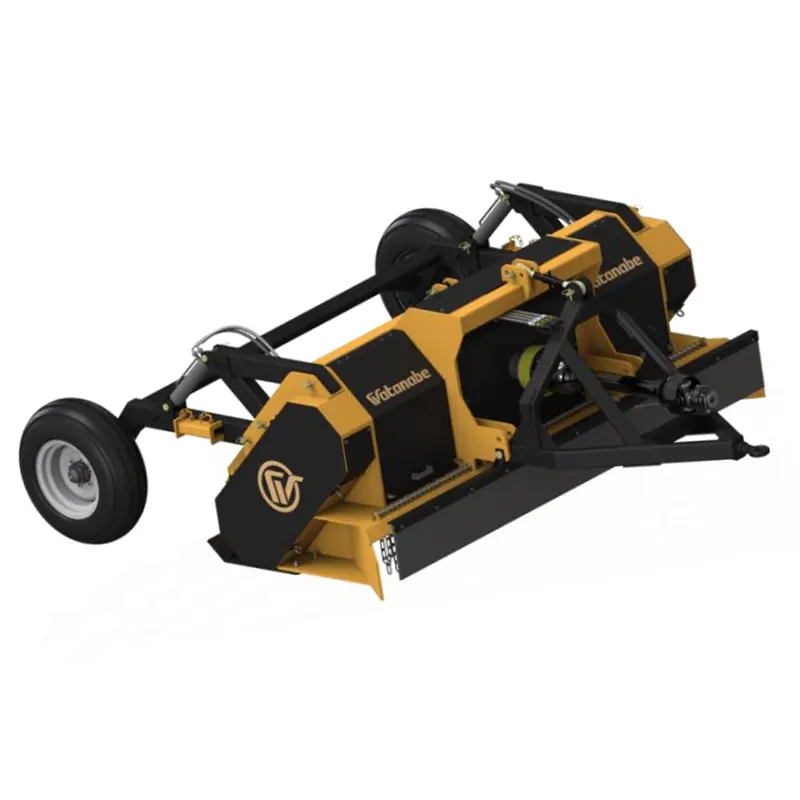
قبل بدء استخدام أي آلة، تُجرى جولة تقييم منهجية للأرض لتحديد برنامج التحضير. تشمل هذه الجولة ثلاثة أبعاد تشخيصية: نوع الغطاء النباتي وكتلة الجذور، وكثافة الحجارة وتوزيع أحجامها، وعمق التربة فوق الصخر الأساسي. وتُحدد نتائج هذه الجولة تسلسل نشر الآلة بالكامل.
بروتوكول الأراضي الجديد ذو المرحلتين - لماذا لا تكفي المرحلة الواحدة
بخلاف الحقول القائمة التي تتطلب مرورًا سنويًا واحدًا فقط لآلة THOR 2.4 لصيانة التربة من الصقيع، فإن تطوير الأراضي الجبلية الجديدة يتطلب بروتوكول المرور المزدوج (المرور الأول في الخريف + المرور الثاني في الربيع) نظرًا لاختلاف أنواع الأحجار بشكل أساسي في الأراضي غير المزروعة:
المرحلة الأولى (خريف سنة التطوير) - التجزئة الخشنة
غطاء المحرك مفتوح قليلاً (مخرجات خشنة مقبولة). سرعة أمامية بطيئة (0.8-1.2 كم/ساعة على المناطق ذات الصخور الكثيفة). الهدف: تفتيت جميع الصخور التي يزيد حجمها عن 10 سم والتي قد تمنع عملية التفتيت الربيعية من الوصول إلى العمق الكامل. تُعدّ العملية الأولى على الأراضي الجديدة هي الأكثر تطلبًا في دورة THOR 2.4 - حيث تكون كثافة الصخور أعلى، وأحجامها أكبر، وتُضيف شبكة جذور النباتات مقاومة غير موجودة في الأراضي المزروعة. توقع معدل تغطية أقل بنسبة 30-50% مقارنةً بعملية الصيانة السنوية المكافئة.
المرور الثاني (ربيع سنة الزراعة) - إزالة دقيقة وفقًا للمعايير
غطاء مغلق بالكامل (أدق تفتيت). عمق كامل (25-30 سم). تحقق هذه العملية معيار التخليص المطلوب للمحصول الأول. وقد تعاملت العملية الأولى بالفعل مع أكبر الأحجار، لذا تعمل العملية الثانية بجهد أقل بكثير مما لو كانت العملية الوحيدة، حيث تصل إلى عمق التخليص المطلوب ومعيار البقايا بشكل أكثر موثوقية وبسرعة أمامية أعلى من عملية واحدة في المرة الأولى على العمق الكامل.
حجم تجميع CT-2100 على أرض جديدة - التخطيط لزيادة الإنتاج

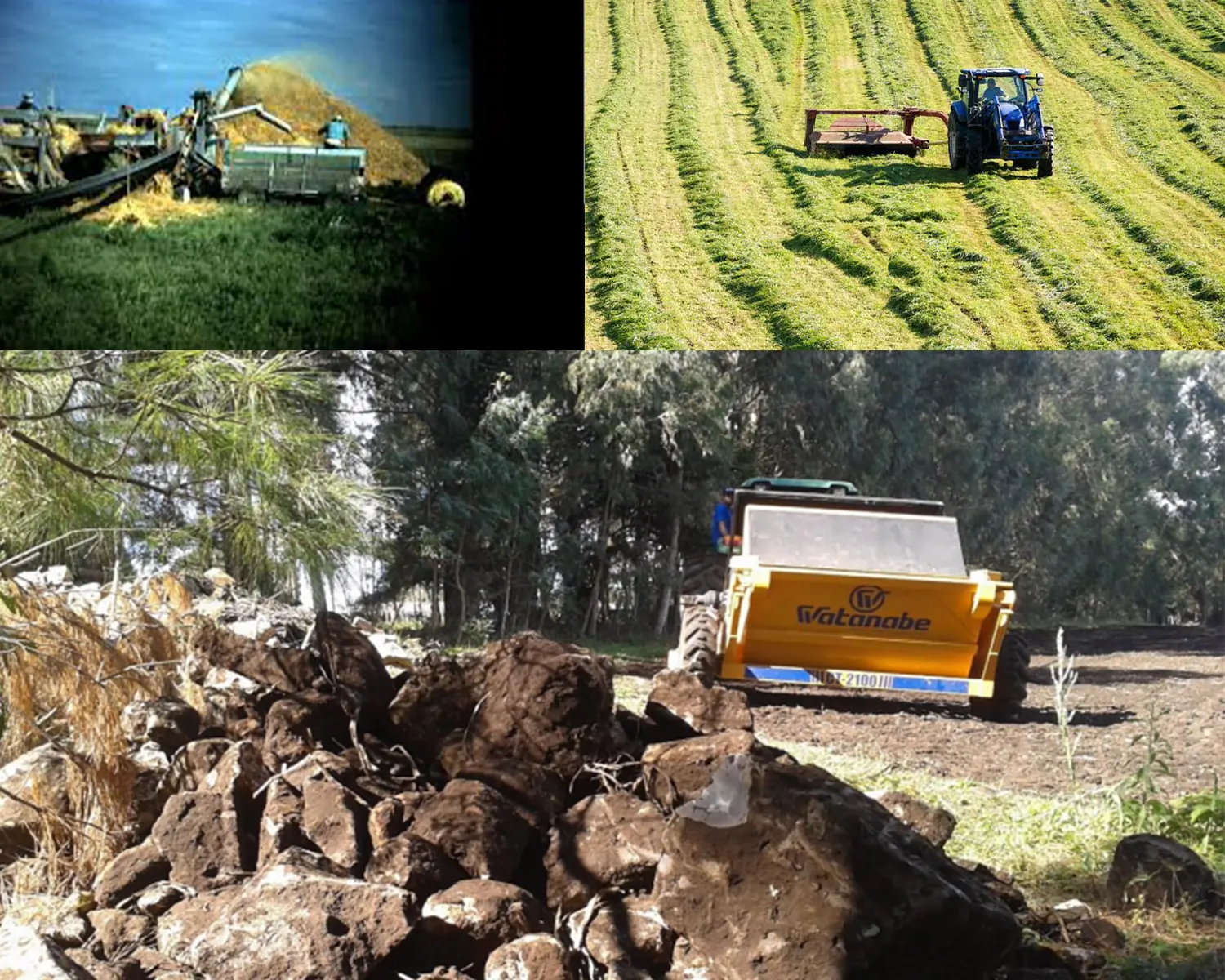
ال سي تي-2100يبلغ حجم جمع النفايات في مواقع تطوير الأراضي الجديدة من 3 إلى 5 أضعاف حجمها في عمليات الصيانة السنوية للأراضي القائمة. ويساهم التخطيط لهذا الحجم الأكبر في منع تحوّل جهاز CT-2100 إلى عائق تشغيلي في مشاريع الأراضي الجديدة.
تُنتج الأراضي الجرانيتية الجديدة في المرتفعات الكورية، التي يتراوح ارتفاعها بين 500 و700 متر، عادةً ما بين 50 و150 طنًا من الحجر لكل هكتار خلال عملية التطوير على مرحلتين. وبمعدل جمع يبلغ 5 هكتارات يوميًا، وبسعة خزان تبلغ 2.5 متر مكعب، ستُجري آلة CT-2100 ما بين 60 و180 عملية إيداع لكل هكتار في الأراضي الجديدة الغنية بالحجر. يُتوقع أن تمتلئ آلة CT-2100 من 10 إلى 20 مرة في الساعة خلال عملية الجمع الأولى في الأراضي الجديدة الغنية بالحجر (مقارنةً بما بين 2 إلى 5 مرات في الساعة خلال عمليات الصيانة السنوية).
في الأراضي الجديدة، غالبًا ما يتجاوز حجم الحجارة المجمعة قدرة أسطول الشاحنات المتاحة لنقلها. لذا، يُنصح بالتخطيط لاستراتيجية تخزين الحجارة قبل بدء عملية CT-2100: تحديد منطقة تخزين في رأس الحقل للمرور الأول، ووضع جدول زمني لخروج الشاحنات لإزالة الحجارة، والتأكد من سهولة الوصول إلى منطقة التخزين لانطلاق الشاحنات المحملة. في المواقع الجبلية النائية، قد تكون لوجستيات نقل الحجارة أكثر تعقيدًا من عملية إزالة الحجارة نفسها.
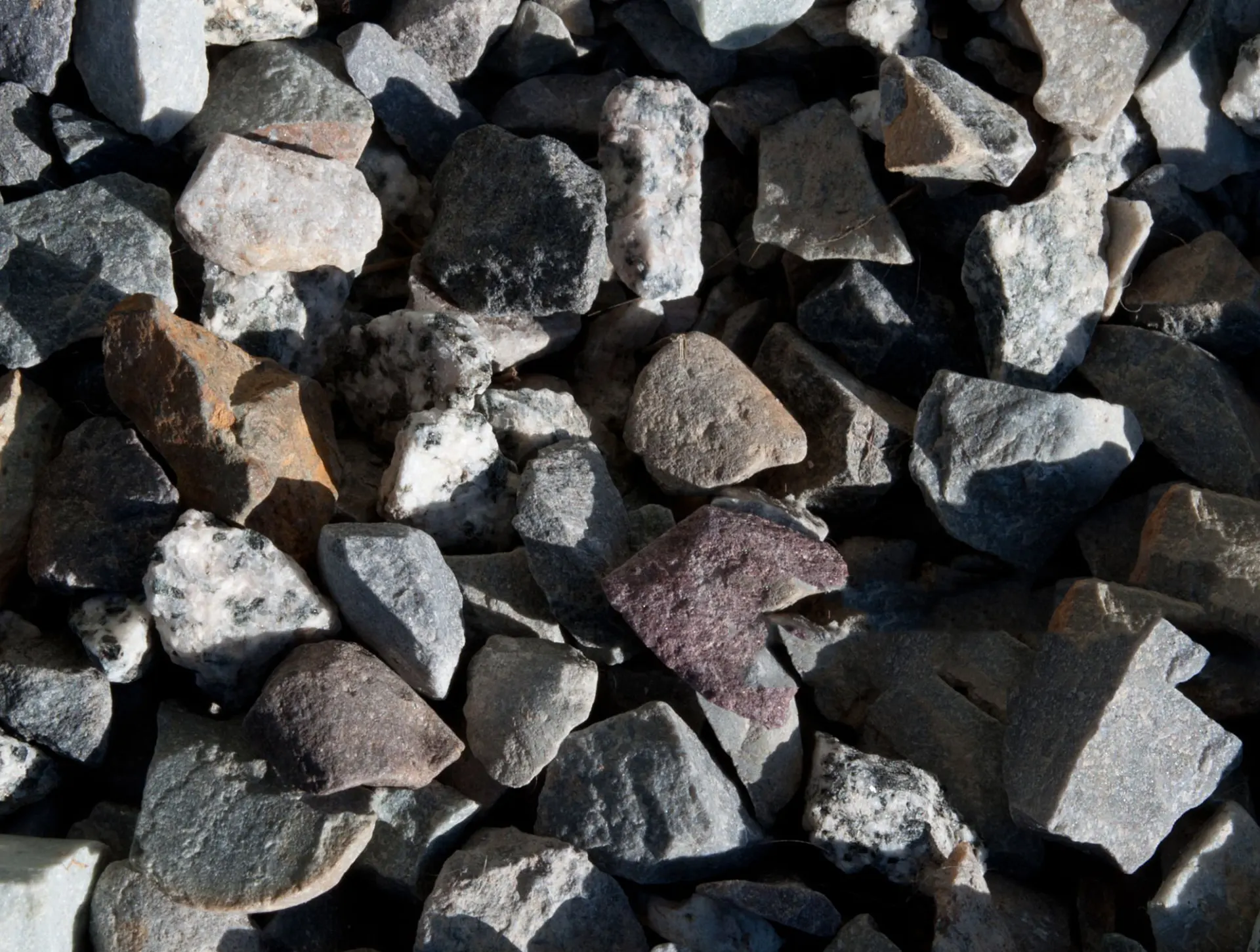
كما هو موضح في دليل إدارة الطرق الزراعية، يُعدّ الركام الناتج عن عملية تكسير الأراضي الجديدة باستخدام جهاز THOR مادةً قيّمةً لرصف الطرق، لا سيما لإنشاء مسارات الوصول الجديدة التي تتطلبها مشاريع تطوير الأراضي الجديدة. يُنصح بتوجيه رواسب CT-2100 إلى مواقع تخزين محددة بجوار أقسام إنشاء المسارات المخطط لها، لتحويل ناتج إزالة المخلفات إلى مادة لرصف الطرق بدلاً من التخلص منها كنفايات.
بناء التربة بالتوازي - تصحيح درجة الحموضة والمواد العضوية من السنة الأولى
إزالة الأحجار ليست العملية الوحيدة اللازمة لتطوير التربة قبل أن تصبح الأراضي الجديدة صالحة لزراعة المحاصيل التجارية. عادةً ما تتميز الأراضي الجديدة في المرتفعات الكورية - وخاصةً مواقع غابات المزارع السابقة - بدرجة حموضة تتراوح بين 4.5 و5.2، ومحتوى عضوي أقل من 1%، ونشاط بيولوجي محدود في التربة بسبب الظروف الحمضية للغابات. يجب معالجة هذه النواقص الثلاثة بالتوازي مع إزالة الأحجار، وليس بالتتابع بعد اكتمال عملية الإزالة.
يُنصح بتطبيق الجير مباشرةً بعد عملية التسميد الأولى باستخدام THOR في الخريف وجمع التربة باستخدام CT-2100، دون انتظار عملية التسميد الثانية في الربيع. تتيح فترة التفاعل الشتوية الكاملة (4-5 أشهر) للجرعة الأولية الكبيرة من الجير (2.0-3.0 طن/هكتار للحصول على درجة حموضة ابتدائية تتراوح بين 4.5 و5.0، وفقًا لاختبار التربة بعد عملية THOR بعد 4-6 أسابيع من إزالة التربة) التفاعل بشكل كامل قبل عملية حرث التربة باستخدام PSW-3200 في الربيع وإعادة دمج الجير. يُحقق اتباع نهج الجير على مرحلتين - تطبيق كمية كبيرة في الخريف + تطبيق تصحيحي في الربيع بناءً على اختبار التربة في فبراير - تصحيحًا أكثر موثوقية لدرجة الحموضة مقارنةً بتطبيق كمية كبيرة واحدة في الربيع لا يتوفر له وقت كافٍ للتفاعل قبل الزراعة.
لا يمكن معالجة نقص المادة العضوية في الأراضي المرتفعة الجديدة (أقل من 11 طن/هكتار مقابل الهدف 3-51 طن/هكتار للتربة المنتجة للبطاطس والخضراوات) في موسم واحد. النهج المتبع في السنة الأولى: مباشرةً بعد عملية التسميد الخريفي باستخدام سماد THOR وإضافة الجير، تُزرع محاصيل تغطية شتوية (الشعير أو الكرسنة المشعرة) بمعدل بذر عالٍ لتكوين غطاء سطحي قبل الشتاء. ينمو محصول التغطية في أكتوبر/نوفمبر، ويستمر في تغطية التربة طوال فصل الشتاء، ثم يُدمج في التربة بواسطة آلة PSW-3200 في الربيع قبل عملية التسميد الثانية باستخدام سماد THOR، مما يضيف 2-4 أطنان/هكتار من المادة العضوية فوق سطح الأرض إلى التربة في عملية دمج واحدة للسماد الأخضر. هذه هي أسرع طريقة لبدء عملية بناء المادة العضوية متعددة السنوات التي تُحسّن في النهاية إنتاجية الأراضي الجديدة.
تهيمن على المجتمعات الميكروبية في الأراضي الجبلية الجديدة، وخاصة مواقع المزارع السابقة، أنواعٌ من الفطريات المتكيفة مع ظروف الغابات الحمضية منخفضة المغذيات، وتفتقر إلى التنوع البكتيري اللازم لدورة المغذيات في الزراعة الإنتاجية. إن إضافة سماد عضوي معتمد (من مخزن سماد EP-DESTROYER إذا كانت المزرعة تضم ماشية، أو شراؤه من مصدر معتمد) بمعدل 10-15 طن/هكتار في السنة الأولى قبل دمج سماد PSW-3200 في الربيع، يُسرّع التحول من بيولوجيا الغابات إلى بيولوجيا الزراعة في الموسم الأول، بدلاً من انتظار عملية التعاقب الطبيعية متعددة السنوات.
توقعات واقعية للعائد - من السنة الأولى إلى السنة الثالثة على أرض جديدة
يُصاب المزارعون الذين يستصلحون أراضي المرتفعات الجديدة ويتوقعون غلةً في السنة الأولى تُضاهي غلة حقولهم القائمة بخيبة أملٍ متكررة، وقد يقعون أحيانًا في خطأ عزو انخفاض غلة السنة الأولى إلى سوء الإدارة، بينما يكون نقص الغلة في الواقع نتيجةً متوقعةً لاستصلاح أراضٍ جديدة لم تُتح لها بعدُ مواسم كافية لتكوين خصوبة التربة بما يكفي لدعم نمو المحاصيل بشكلٍ كامل. توقعات واقعية:
| موسم | المحصول المتوقع مقابل الحقل القائم | العامل المحدد الرئيسي |
|---|---|---|
| السنة الأولى (المحصول الأول) | 60-75% من إنتاجية الحقل المُثبتة | شظايا حجرية متبقية من التفتيت غير الكامل في عملية الإزالة الأولى؛ انخفاض المادة العضوية يحد من إمدادات العناصر الغذائية؛ بيولوجيا التربة لم تتكيف بعد مع الظروف الزراعية؛ لم يتم تصحيح درجة الحموضة بالكامل إلى المستوى المستهدف. |
| السنة الثانية (المحصول الثاني) | 80-90% من إنتاجية الحقل الراسخة | انخفضت كثافة الحجارة بشكل ملحوظ نتيجة عمليتي تنظيف بالإضافة إلى تعرضها لآلات الحصاد في السنة الأولى. وقد تم تعديل درجة الحموضة إلى حد كبير. ولا تزال المادة العضوية تتراكم، حيث بدأت دورة المحاصيل الغطائية/السماد العضوي في السنة الثانية بالمساهمة. |
| السنة الثالثة وما بعدها | 95-100% من إنتاجية الحقل المُثبتة | تم تنظيف التربة من الحجارة بشكل جيد (يكفي الآن استخدام جهاز EP-EW-4000 للصيانة السنوية). درجة الحموضة ضمن النطاق المستهدف. نسبة المادة العضوية تقترب من النطاق 2-3%. خصوبة التربة متأقلمة مع تناوب المحاصيل. تم الوصول إلى كامل القدرة الإنتاجية. |
اختيار المحصول في السنة الأولى - مواءمة التوقعات مع مرحلة النمو
يُفضّل اختيار المحصول التجاري الأول في الأراضي الجديدة بناءً على قدرته على تحمّل قيود السنة الأولى، وليس على أساس تحقيق أعلى سعر ممكن. ويُوصى بتسلسل المحاصيل في السنة الأولى في الأراضي الكورية المرتفعة الجديدة كالتالي: الملفوف (الأقل حساسيةً للأحجار في الدورة الزراعية) أو الفجل (الذي يتحمّل كثافة الأحجار في السنة الأولى بشكل أفضل من البطاطا، لأنّ التفرّع هو سبب فشله وليس تلف الحصادة). ويُنصح بتأجيل زراعة البطاطا والجنسنغ - وهما المحصولان الأعلى قيمةً والأكثر تحمّلاً للأحجار - إلى السنتين الثانية والثالثة على التوالي، عندما تصل عملية إزالة الأحجار وتطور التربة إلى المستوى المطلوب لهذين المحصولين.
الجدول الزمني للاستثمار - من الأرض الخام إلى الإنتاج الكامل
الاستحواذ على الأرض. إزالة الغطاء النباتي (باستخدام جزازة العشب/THOR FLM في حال وجود جذوع). جولة تقييم التربة. استخدام THOR 2.4 في المرحلة الأولى. جمع عينات CT-2100. فحص التربة. إضافة الجير (جرعة أولية كبيرة). زراعة المحاصيل الغطائية. لا توجد محاصيل تجارية - هذا هو عام الاستثمار. التكلفة هي الأعلى؛ والعائد صفر. تم تقديم طلبات الدعم لـ THOR 2.4 وCT-2100 وPSW-3200 في يناير من هذا العام.
دمج المحاصيل الغطائية (PSW-3200). تمريرة ثانية باستخدام THOR 2.4 + CT-2100. تصحيح الجير الربيعي عند الحاجة. تجهيز مهد البذور النهائي باستخدام PSW-3200. أول محصول تجاري (يوصى بالكرنب أو الفجل). يبدأ العائد عند 60-751 تريليون طن من العائد المتوقع للحقل الناضج. لا تزال هناك عجز كبير من استثمار التطوير في السنة صفر.
يتم إجراء عملية إزالة سنوية باستخدام THOR أو EP-EW-4000 (حسب سنة التناوب). يُنصح بزراعة البطاطس لأول مرة في الحقل الجديد في السنة الثانية إذا كانت السنة الأولى مخصصة لزراعة الملفوف/الفجل. تتراوح الإيرادات بين 80 و901 تريليون تيرا طن من المستوى الأمثل. يبدأ عجز الاستثمار التنموي بالانخفاض مع تراكم الإيرادات.
الإنتاج كامل. أصبحت الأرض الجديدة الآن لا تختلف عن أي حقل جبلي قائم آخر ضمن الدورة الزراعية. وتُدار عملية إزالة الأحجار السنوية بنفس البروتوكول المتبع في جميع الحقول الأخرى. عادةً ما يتم استرداد استثمار التطوير في السنة الأولى بالكامل في غضون 4-6 سنوات من أول محصول، وذلك حسب اختيار المحصول وظروف السوق.
الأسئلة الشائعة
هل يعمل قضيب السحب THOR 2.4 Kit بفعالية على إزالة التربة الجديدة عند عمق التشغيل الكامل؟
نعم، يُعدّ وضع السحب في نظام Kit Drawbar بالغ الأهمية، خاصةً في الأراضي الجبلية الجديدة حيث تُشكّل المنحدرات جزءًا من منطقة التطوير. تنطبق قواعد استخدام Kit Drawbar نفسها على الأراضي الجديدة كما تنطبق على الأراضي القائمة: إلزامي عند انحدار يزيد عن 12%، وموصى به عند انحدار يزيد عن 8% في المرورات الأولى حيث قد تُؤدي الأحجار المدفونة غير المعروفة إلى انحراف الآلة بشكل جانبي غير متوقع. يجب دائمًا استخدام وضع السحب في نظام Kit Drawbar في المرورات الأولى على الأراضي الجديدة ذات المنحدرات الحادة، بغض النظر عن درجة الانحدار، لأنّ عدم معرفة توزيع الأحجار يزيد من احتمالية الانحراف المفاجئ مقارنةً بالأراضي القائمة التي تمّ تقييم توزيع الأحجار فيها مسبقًا. بعد أن يكشف تقييم المرور الأول عن توزيع الأحجار على المنحدرات، يُمكن تحسين قرارات التشغيل للمرورات اللاحقة. يأتي نظام Kit Drawbar مُضمّنًا بشكل قياسي مع كل آلة THOR 2.4 يتمّ توريدها من خلال شركة Korea Watanabe، وهو جاهز للاستخدام الفوري في مشاريع تطوير الأراضي الجديدة.
هل يمكن التعامل مع الأراضي الزراعية المهجورة المدرجة (الأراضي التي تمت زراعتها منذ 20-30 عامًا ولكن لم تتم زراعتها منذ ذلك الحين) على أنها حقل قائم أو أرض جديدة لإدارة الأحجار؟
تقع المدرجات الجبلية المهجورة بين الحقول القائمة والأراضي البكر تمامًا من حيث متطلبات إدارة الأحجار. فإذا كانت هذه المدرجات تُزرع بنشاط خلال العشرين عامًا الماضية، فسيكون قطاع الأحجار قد خضع لإدارة جزئية، ولكن هجرها لمدة عشرين عامًا يعني مرورها بعشرين دورة من الصقيع والتجمد دون جمع، مما يؤدي إلى صعود الأحجار إلى السطح بمعدل يتراوح بين 2 و5 سم سنويًا. وقد تكون مدرجة مهجورة منذ عشرين عامًا على ارتفاع 600 متر قد شهدت ما بين 15 و20 موسمًا من الصقيع والتجمد الشديد، مما قد يؤدي إلى تحرك ما بين 30 و100 سم من الأحجار عموديًا نحو السطح. والنهج العملي هو التعامل مع المدرجات المهجورة على أنها تتطلب بروتوكول THOR 2.4 الكامل للأراضي البكر (وليس مجرد عملية صيانة سنوية واحدة)، ولكن يُتوقع أن تكون كثافة الأحجار في المرحلة الأولى متوسطة بين كثافة الأحجار في الصيانة السنوية والأراضي البكر تمامًا. كما أن التركيب الكيميائي للتربة عادةً ما يكون حمضيًا (درجة حموضة تتراوح بين 5.0 و5.5 نتيجةً لعشرين عامًا من التحمض الطبيعي غير المُعالج بالجير)، ويتطلب معالجة كبيرة بالجير قبل أن تصبح المحاصيل التجارية قابلة للزراعة.
هل يُعدّ تطوير الأراضي الجديدة مؤهلاً للحصول على إعانات من الحكومة الكورية تتجاوز برنامج شراء الآلات؟
نعم، يتوفر لتطوير الأراضي الزراعية الجديدة في كوريا مسارات تمويل متعددة تتجاوز دعم شراء الآلات. يُموّل برنامج دعم مشاريع تحسين الأراضي الزراعية (نونغجي غاين يانغسا-إيوب)، الذي تديره مؤسسة كوريا للمجتمعات الريفية (KRCC)، أعمال تسوية الأراضي وبناء المدرجات، وتحسين الصرف، وإنشاء الطرق المؤدية إلى الأراضي، وإزالة المخلفات بما في ذلك إزالة الأحجار. يوفر هذا البرنامج منحًا مالية لأعمال تطوير الأراضي المادية (بما في ذلك تكاليف جمع ونقل أحجار CT-2100) بدلاً من مجرد شراء الآلات. في بعض مقاطعات المرتفعات، يغطي البرنامج ما بين 50 و701 تريليون تاكا بنغلاديشي من تكاليف تطوير الأراضي المؤهلة. كما توفر برامج تطوير المناطق الزراعية في المرتفعات (غوريونغجي نونغوب غيبال)، التي تديرها مكاتب الزراعة في المقاطعات، دعمًا إضافيًا خاصًا لتوسيع الزراعة في مرتفعات مقاطعة غانغوون. يُضاف إلى ذلك دعم شراء الآلات (لـ THOR 2.4 وCT-2100، المحراث الدوار PSW-3200) مع منح تطوير الأراضي يقلل بشكل كبير من التكلفة الصافية لاستثمار التطوير في السنة صفر.
ما هو الحد الأدنى لحجم الأرض اللازمة لتطوير الأراضي الجديدة ليكون مجدياً اقتصادياً؟
يعتمد الحد الأدنى لحجم تطوير الأراضي الجديدة المُجدي اقتصاديًا بشكل أساسي على تكلفة البنية التحتية للوصول إليها مقارنةً بمساحة الأرض المنتجة. بالنسبة للأراضي التي تتطلب إنشاء طريق وصول جديد (وهو شرط شائع في الأراضي الجبلية النائية)، يجب توزيع تكلفة إنشاء الطريق على مساحة الأرض المنتجة التي يخدمها - فنادرًا ما يكون طريق وصول بطول 500 متر يخدم 0.2 هكتار فقط من الأراضي المنتجة مُجديًا اقتصاديًا. كدليل عام: يُعد تطوير الأراضي الجديدة دون إنشاء طريق مُجديًا اقتصاديًا للأراضي التي تزيد مساحتها عن 0.5 هكتار (حيث تُنتج تكلفة التطوير في السنة الأولى، عند توزيعها على مدى 6 سنوات، تكلفة سنوية أقل من إيجار الأرض النموذجي بجودة مماثلة). يحتاج تطوير الأراضي الجديدة الذي يتطلب إنشاء طريق وصول جديد عادةً إلى ما لا يقل عن 1.5 إلى 2.0 هكتار من الأراضي المنتجة لتبرير التكلفة المُجمعة لتطوير الأرض وإنشاء الطريق. بالنسبة للمزارع التي تُقيّم قطع أراضٍ متجاورة متعددة، فإن دمجها في مشروع تطوير واحد مع بنية تحتية مشتركة للوصول يُحسّن الجدوى الاقتصادية بشكل كبير مقارنةً بتطوير كل قطعة أرض على حدة. تُقدم كوريا واتانابي استشارات حول تحديد حجم مشاريع التطوير وتخطيط البنية التحتية كجزء من خدمة استشارات الأراضي الجديدة.
هل ينبغي عليّ زراعة محصول تغطية بين الحصاد الأول في الخريف والحصاد الثاني في الربيع، أم أترك التربة عارية خلال فصل الشتاء؟
يُنصح دائمًا بزراعة محصول تغطية بعد عملية الحراثة الأولى في الخريف، بدلًا من ترك الأرض الجديدة مكشوفة خلال فصل الشتاء. فالأراضي الجديدة المكشوفة والمحروثة حديثًا على منحدرات الجرانيت في المرتفعات الكورية معرضة بشدة للتآكل الناتج عن أمطار الشتاء والربيع، إذ تضررت بنية التربة بفعل عملية الحراثة THOR، كما أُزيل الغطاء النباتي الذي كان يوفر الحماية من التآكل. تُوفر زراعة كثيفة من الشيلم أو الكرسنة المشعرة في أكتوبر غطاءً كافيًا بحلول نوفمبر، مما يقلل بشكل كبير من خسائر التآكل الشتوية من السطح المُجهز حديثًا. كما يُؤدي محصول التغطية وظيفة مزدوجة في الربيع: إذ يُدمج بواسطة آلة PSW-3200 قبل عملية الحراثة الثانية THOR، مما يُضيف من 2 إلى 4 أطنان/هكتار من المواد العضوية التي تُحفز عملية بناء بيولوجيا التربة الضرورية لإنتاجية المحاصيل في السنة الأولى. تُعد تكلفة بذور المحاصيل الغطائية (الشعير بسعر 80-120 كجم/هكتار، والبيقية بسعر 40-60 كجم/هكتار) الاستثمار الأكثر فعالية من حيث التكلفة في السنة 0 بعد إزالة THOR نفسها - إن الجمع بين منع التعرية وإضافة المواد العضوية يجعلها عنصرًا أساسيًا في ممارسة تطوير الأراضي الجديدة المسؤولة.
تقييم تطوير الأراضي الجديدة - جولة ميدانية إلى الجدول الزمني للإنتاج
مساحة الأرض (هكتار) + نوع الغطاء النباتي (عشب/سراخس/شجيرات/جذوع) + تقييم عمق التربة + المحصول الأول المُستهدف ← برنامج THOR 2.4 ذو المرحلتين مع تقدير حجم CT-2100، وجدول زمني لبناء التربة، وجدول زمني للاستثمار من السنة 0 إلى 3. كوريا، واتانابي، أنسان-سي، غيونغي-دو.