Kore ginsengi (Panax ginseng), Kore tarımında en zorlu ve ekonomik açıdan en önemli taş temizleme sorununu temsil etmektedir. Yüksek rakımlı patates (mekanik hasatla 90 günlük ürün), yüksek rakımlı turp (kök çatallanma riskiyle 60 günlük ürün) veya yüksek rakımlı lahana (mevsimlik makine koruma gereksinimi) gibi ürünlerin aksine, ginseng ekimden sonra hiçbir müdahalenin mümkün olmadığı 4-6 yıl boyunca tek bir ürüne araziyi bağlar. Ginseng yatağı oluşturulmadan önce elde edilen taş temizleme kalitesi, 4-6 yıl sonraki hasat edilebilir kök kalitesini belirler; ikinci bir şans yoktur, sezon ortasında düzeltme yapılamaz ve hazırlık aşamasında taş temizleme yetersizse yatırımı geri almanın bir yolu yoktur.
Bu kılavuz, ginseng'in mutlak taş toleransının tarımsal temellerini, Kore ginseng yetiştirme standartlarının belirlediği özel kesim derinliği ve kalite gereksinimlerini kapsamaktadır. THOR 2.4 kaya kırıcı Ginseng yetiştirilen alanlar için hazırlık protokolü ve 6 yıllık büyüme döngüsü boyunca taş oluşumunun yeniden ortaya çıkmasının mevcut ginseng yataklarını tehlikeye atmasını önlemek için izlenecek yönetim prosedürleri.
Ginseng'in Kore Tarımında Neden En Sıkı Taş Toleransı Gerektirdiği

Ginsengin botanik yapısı, olağanüstü taş hassasiyetini yönlendirir. Bitki, tüm yetiştirme süresi boyunca (düşük kaliteli üretim için 4 yıl, yüksek kaliteli üretim için 6 yıl) taçtan aşağı doğru gelişen tek bir ana kök üretir. Bu ana kök yılda 3-6 cm uzar ve olgun bitkilerde 20-35 cm derinliğe ulaşır. Ana kökün ekonomik değeri şeklindedir: Kore'nin yüksek kaliteli ginsengi, kök düz, bozulmamış "insan biçimli" bir formda (Yunanca "her şeyi iyileştirici" anlamına gelen Panax'ın kelime anlamı) kaldığında en yüksek piyasa fiyatına ulaşır; dallanmış, deforme olmuş veya kırılmış bir kök, aynı yaşta ve kuru ağırlıkta doğru şekilde oluşmuş bir kökten 30-601 TP5T daha az değerlidir.
Ginseng gelişimi sırasında taşın kökle temasının sonuçları, diğer Kore tarım ürünlerine kıyasla kesinlikle çok daha ciddidir:
Kök deformitesi — 1. yılda geri döndürülemez
Ginseng gelişiminin 1. yılında karşılaşılan bir taş, ana kök ucunu saptırır; sonraki 5 yıl boyunca kök uzaması bu sapmış konumdan devam eder. 1. yılda tek bir taş teması, 6 yıl boyunca biriken bir deformasyona neden olur. Kök düzeltilemez; sorunu önlemek için erken hasat yapılamaz; ekonomik kayıp görünür hale gelmeden önce tüm yetiştirme dönemi boyunca yanlış gelişir.
Kök kırılması — toplam değer kaybı
Hasat zamanında (4-6. yıl), olgun ginseng kökü elle veya nazik mekanik yöntemlerle topraktan çıkarılır. Taşın etrafından veya içinden geçerek büyümüş bir ana kök, bütün olarak çıkarılamaz; taş kök yolunu tıkar ve kök çıkarma sırasında kırılır. Kırılan bir kök, yaşı, boyutu veya diğer tüm açılardan kalitesi ne olursa olsun, birinci sınıf değerinin -801'ini kaybeder.
Düzeltici müdahale yok
Ginseng yatakları dikildikten sonra, yatakların üzerine yükseltilmiş yatak yapısı ve gölgelik sistemi kurulur ve mevsim ortasında taş müdahalesi için kaldırılamaz. Dikimden sonra sorunlu olduğu tespit edilen bir taş, üzerinde büyüyen ginseng bitkisini yok etmeden çıkarılamaz. Tek müdahale, etkilenen bitkiyi terk etmektir; bu da 4-6 yıllık yetiştirme yatırımının kaybı anlamına gelir.
Temizleme Derinliği ve Kalite Gereksinimleri — Kore Ginseng Standartları Neler Belirtiyor?
Kore ginseng yetiştirme standartları (NAAS/RDA'nın bir parçası olan Ulusal Bahçe Bitkileri ve Şifalı Bitkiler Bilimi Enstitüsü'nden) ticari ginseng tarlası kurulması için aşağıdaki toprak hazırlığı gereksinimlerini belirtmektedir:
Kore Ginsengi Tarla Taş Temizleme Standardı
(olgun kök bölgesi)
hasat derinliğindeki çap
yeni arazi için
kireç ilavesi
2 cm'lik maksimum artık taş çapı, dağ turpu (3 cm) veya dağ patatesi (5-8 cm mekanik hasar eşiği) için belirlenen standartlardan önemli ölçüde daha katıdır. Bu daha katı standart, 6 yıllık kök gelişim süresini yansıtır; 60 gün içinde turp köküne temas etmeyen 2 cm'lik bir taşın, 6 yıl sonra büyüyen ginseng ana köküne temas etme olasılığı çok daha yüksektir. Ginseng kök bölgesindeki her artık taş, sadece ekim mevsiminde değil, 6 yıllık yetiştirme döngüsünün herhangi bir noktasında meydana gelebilecek potansiyel bir kök sapması veya kırılması olayıdır.
THOR 2.4 Kore Ginsengi Arazisi Hazırlık Protokolü
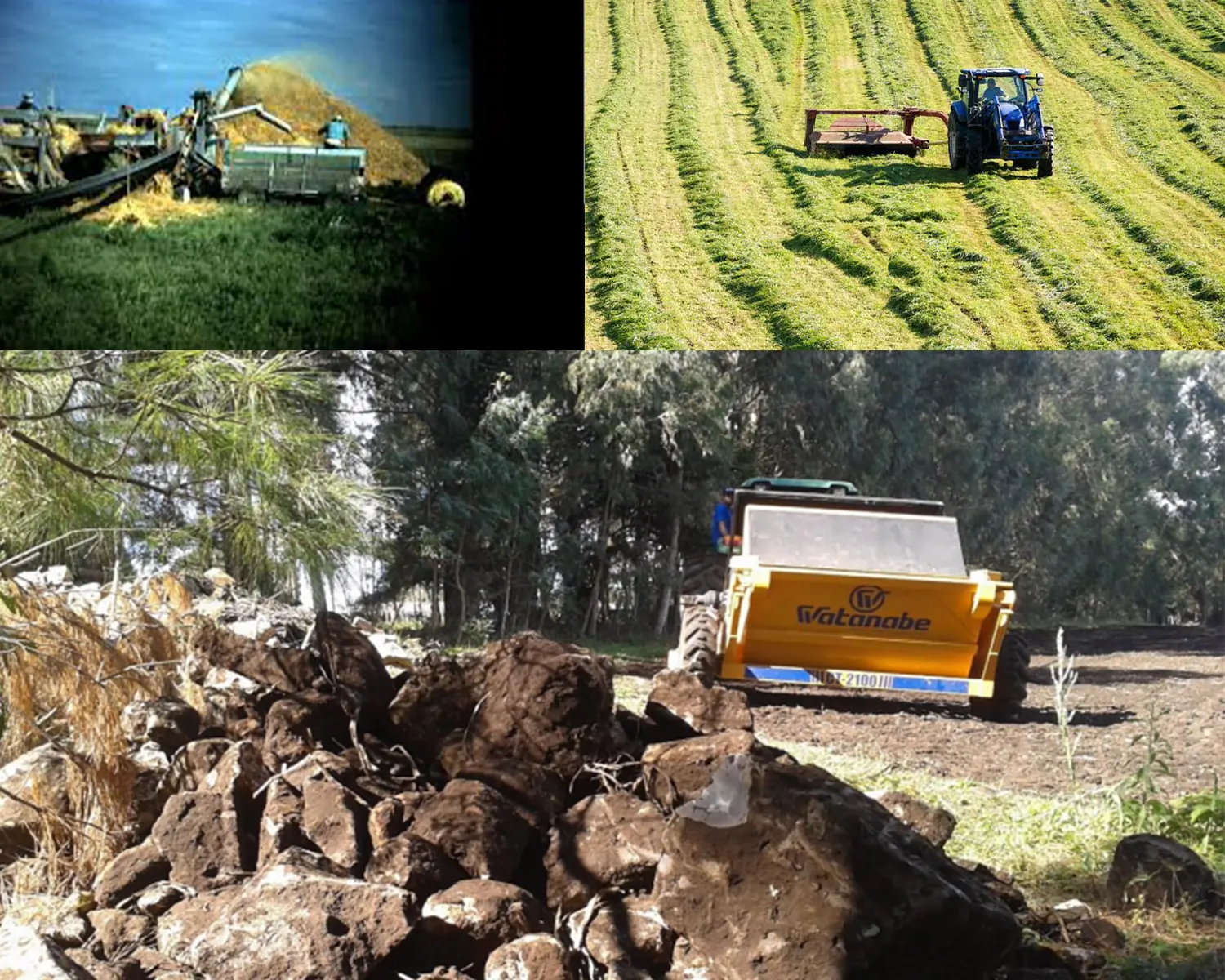
Ginseng ekimi için THOR 2.4 hazırlık protokolü, Kore Watanabe sistemindeki en yoğun tarımsal taş temizleme programıdır; diğer Kore ürünlerine göre daha fazla geçiş, daha derin yerleştirme ve daha katı kalıntı standardı içerir. Yeni ginseng ekimi için hazırlık protokolü:
Kore Ginseng Üretim Bölgeleri — Bölgeye Göre Taş Özellikleri
Kore'nin ticari ginseng üretimi, her biri THOR hazırlama programını etkileyen farklı toprak taşı özelliklerine sahip üç ana bölgede yoğunlaşmıştır:
Gangwon-do — Yayla Graniti, Yüksek Taş Yoğunluğu
Yüksek rakımlı patates ve turp yetiştirilen aynı Taebaek granit yayla arazisi, özellikle Hoengseong, Jeongseon ve Yeongwol ilçelerinde 200-600 metre rakımda önemli miktarda ginseng yetiştiriciliğini de desteklemektedir. Taş yoğunluğu yüksektir: Yayla sebze yetiştiriciliğini zorlayan aynı don kabarması döngüleri, ginseng tarlaları için de geçerlidir ve 6 yıllık büyüme döngüsü boyunca her yıl yeni taşları yüzeye çıkarır. Gangwon-do'daki yeni ginseng tarlaları için iki aşamalı THOR protokolü (ekimden önceki sonbahar + ekimden önceki ilkbahar) standarttır. Büyüme döngüsü boyunca, yıllık EP-EW-4000 ara yol temizliği, yataklar arasındaki yürüyüş yollarında don kabarması sonucu oluşan taşların ortaya çıkmasını kontrol altına alır.
Kuzey Gyeongsang (Gyeongbuk) — Metamorfik ve Granit Karışımı, Orta Derinlik
Andong, Uiseong ve Yeongju ginseng üretim bölgeleri, genellikle 20-40 cm kök bölgesinde orta ila yüksek taş içeriğine sahip metamorfik ve granit karışımlı topraklara sahiptir. Bu bölgelerdeki tarihsel ginseng yetiştiriciliği bazen yetersiz taş temizliğine sahip arazilerde yapılmış ve THOR protokolünün önlediği deforme kök sorunlarına yol açmıştır. THOR 2.4 hazırlığına geçiş yapan çiftlikler, hasatta deformasyonla ilgili 3. derece düşüşlerin daha az olduğunu sürekli olarak bildirmektedir. Metamorfik şist topraklarındaki taş sertliği standart graniti aşabilir; bu da diş muayene aralıklarının bu daha sert malzeme için ayarlandığını doğrulamaktadır.
Chungcheongnam-do (Chungnam) — Alüvyal ve Kumlu, Düşük Taş Riski
Güney Chungcheong'daki Geumsan ve Buyeo ginseng bölgeleri, granit yüksek bölgelerine kıyasla daha düşük doğal taş içeriğine sahip, ağırlıklı olarak alüvyal ve kumlu tınlı topraklara sahiptir. Burada taş temizleme gereksinimleri, Gangwon-do veya Gyeongbuk'a göre daha düşük yoğunluktadır. EP-EW-4000 kaya kırıcı Yüzey temizliği, düşük taş geçmişine sahip yerleşik tarlalar için yeterli olabilir. Bununla birlikte, görünür granit veya kuvars çakılları bulunan herhangi bir tarla bölümü, genel tarla taş derecelendirmesinden bağımsız olarak THOR 2.4 protokolünü gerektirir. Maksimum 2 cm kalıntı standardı, bölgesel toprak tipinden bağımsız olarak tüm ginseng yetiştirme bölgeleri için geçerlidir.
6 Yıllık Büyüme Döngüsü Boyunca Taş Yönetimi
Ginseng ekiminden sonra, taş yönetimi sorumluluğu ekim öncesi hazırlıktan yıllık döngü içi bakıma geçer. Büyüme döngüsü boyunca karşılaşılan zorluk, don kabarmasının her yıl devam etmesi ve ara yüzeylere ve bazen de yatak yüzeylerine yeni küçük taşlar getirmesidir; ayrıca ginseng gölgelik yapısı traktörün yatak bölgelerine erişimini engeller. Büyüme döngüsü boyunca yıllık taş yönetimi, erişilebilir iki alana odaklanır:
Sokak taşı bakımı (yıllık)
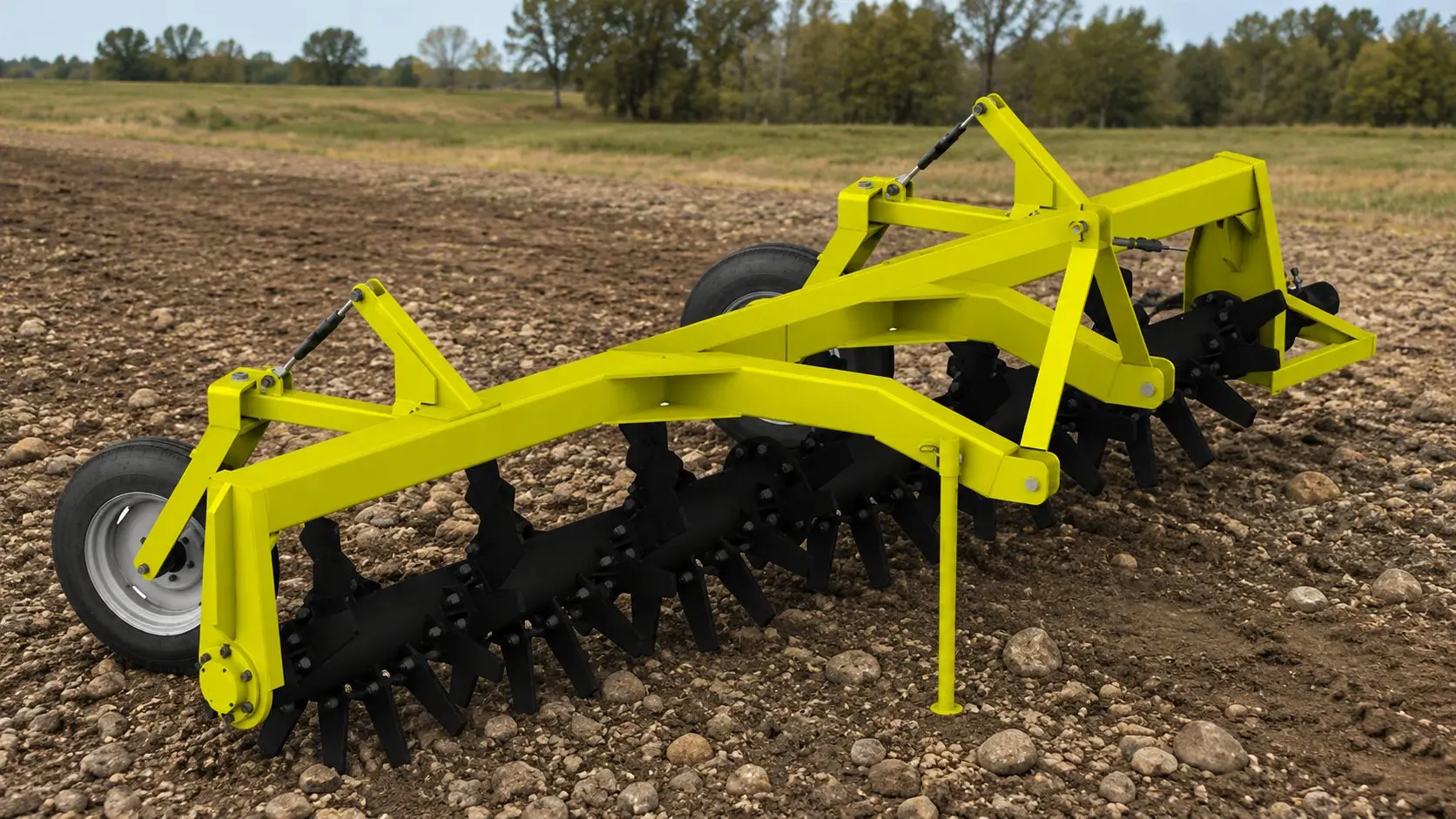
Ginseng yatakları arasındaki yürüyüş yolları (tipik olarak 60-80 cm genişliğinde), büyüme döngüsü boyunca EP-EW-4000 tırmık geçişleri için erişilebilir durumda kalır. Yürüyüş yolu bölgelerinde Mart sonlarında yapılan yıllık EP-EW-4000 tırmık + CT-2100 toplama işlemi, büyüme mevsimi boyunca taş birikiminin yaya trafiği tehlikeleri ve araç erişim sorunları yaratmasını önler. Yürüyüş yolu taş yönetimi, ginseng kök bölgesini etkilemez; 6 yıllık döngü boyunca ürün yönetimi faaliyetleri (ot ayıklama, ilaçlama, sulama ayarı) için çalışma erişimini korur.
Yatak kenarı izleme (yıllık denetim)
Açıkta kalan yatak kenarlarının (yatak kenarının ara sokakla birleştiği yer) yıllık olarak incelenmesi, alttan yatak kenarı bölgesine donma nedeniyle kabarmış olabilecek taşları kontrol eder. Ginseng bitki sıralarına 10 cm mesafedeki yatak kenarlarındaki taşlar, yatak yapısını bozmadan elle çıkarılabilir. Bu tek tek yatak kenarı taşlarının elle çıkarılması, emek yatırımına değerdir; çıkarılan her taş, kalan yetiştirme yıllarında potansiyel bir kök temas olayını ortadan kaldırır.
Ekonomi — İki Aşamalı THOR Protokolü Neden En Düşük Maliyetli Seçenek?
Kore'de yetiştirilen birinci sınıf ginseng (6 yıllık, 1. sınıf düz kök), kilogram başına en yüksek değere sahip tarım ürünleri arasındadır. Tipik yoğunlukta ekilen tek bir 330 m²'lik standart ginseng yatağı, hasatta yaklaşık 3-5 kg kuru ginseng kökü üretir; birinci sınıf fiyatlarla bu, birim alan başına önemli bir gelir anlamına gelir. 1. sınıfın 3. sınıfa (deforme kök) göre primi, kilogram başına 3001 TP5T'yi aşabilir. Hasatta 1. sınıf oranındaki her 101 TP5T'lik iyileşme (doğrudan taş temizleme kalitesine atfedilebilir), bunu sağlayan ek THOR geçişinin maliyetini gölgede bırakan bir gelir artışı yaratır.
6 yıllık amortisman mantığı:
Sıkça Sorulan Sorular
Önceki ekim döneminde yüksek rakımlı patates yetiştirilen aynı araziye ginseng ekebilir miyim?
Evet, ancak önemli bir şartla. Ginseng, Phytophthora kök çürüklüğüne ve patatesi etkilemeyen diğer birçok toprak kaynaklı patojene karşı hassastır. Bununla birlikte, ginseng rotasyonu için en önemli hastalık dışlama kuralı, ginseng'in ginseng'den sonra ekilmemesidir; daha önce ginseng yetiştirilen araziler (son ekimden bu yana geçen yıllara bakılmaksızın) ginseng'e özgü toprak kaynaklı patojenler taşır ve bu da yeniden ekimi son derece zorlaştırır. Yüksek rakımlı patates, yüksek rakımlı turp ve yüksek rakımlı lahana bu ginseng'e özgü patojenleri taşımaz ve uygun öncül ürünlerdir. Patates rotasyonundaki taş temizleme standardı (THOR 2.4 + CT-2100 yıllık protokolü), ginseng'in 2 cm'lik kalıntı standardına yaklaşır ancak tam olarak karşılamaz; sağlam bir patates rotasyonu taş yönetimi geçmişine sahip arazilerde bile, ginseng ekim yılından önce ginseng gereksinimini karşılamak için 35 cm derinlikte ek bir ilkbahar THOR uygulaması gereklidir.
THOR 2.4, ginseng için gerekli olan 35 cm'ye kıyasla gerçekte ne kadar derinliğe ulaşıyor?
THOR 2.4 rotor çapı 550 mm'dir; uygun toprakta maksimum derinlik ayarında, rotor toprak yüzeyinin yaklaşık 30 cm altına kadar taş malzemeyle temas eder. Rotor dişlerinin rotor merkez çizgisinin altındaki çıkıntısından kaynaklanan ek derinlikle, etkili taş kırma bölgesi yaklaşık 30-32 cm'ye kadar uzanır. 35 cm'lik ginseng gereksinimi, THOR 2.4'ün nominal çalışma derinliğinden biraz daha derindir. Pratik yaklaşım: aynı hizalamada, biraz farklı açılarda maksimum derinlikte (30 cm) iki THOR geçişi, birleşik geçiş geometrisinden 30-35 cm'lik bölge boyunca etkili parçalama kapsamı sağlar. Ek olarak, ince topraklı ginseng alanlarında hazırlanan tohum yatağı yüksekliğini ithal üst toprakla 5-8 cm yükseltmek, temizlenen taş bölgesinin üzerindeki göreceli kök gelişim bölgesini etkili bir şekilde artırır; bu teknik, Gangwon-do'daki özellikle kayalık ginseng alanlarında kullanılır. Saha toprak derinliğiniz ve taş tabakası dağılımınız için özel derinlik protokolü önerileri için Korea Watanabe ile iletişime geçin.
EP-EW-4000'in ginseng ve patates tarlalarındaki rolü arasındaki fark nedir?
Yüksek rakımlı patates yetiştiriciliğinde, EP-EW-4000, hafif don ve toprak kabarması yaşanan yıllarda birincil yıllık toprak temizleme makinesi olarak kullanılır; taş koşulları kırma gerektirmediğinde THOR'un yerini alır. Büyüme döngüsü sırasında ginseng tarlalarında ise EP-EW-4000'in rolü tamamen farklıdır: Sadece ginseng yatakları arasındaki ara bölgelerde kullanılır, asla yatakların kendisinde kullanılmaz. İşlevi, güvenli çalışma erişimi için ara bölgelerin bakımıdır, yatak taşlarının temizlenmesi değildir. Yatak taşlarının temizlenmesi, ekimden önce THOR tarafından tamamlanmıştır ve döngü sırasında tekrar erişilemez. Bu ayrım – kök bölgesi için ekim öncesi THOR, döngü sırasında sadece ara bölgeler için EP-EW-4000 – Watanabe sisteminin ginseng yetiştiriciliğine ve patates yetiştiriciliğine nasıl hizmet ettiğini anlamak için temeldir.
Ginseng yetiştirilen arazilerde taş temizliğinden sonra özel toprak pH yönetimi gerekli midir?
Evet — ve pH hedefi, yüksek rakımlı sebze bitkilerinden farklıdır. Ginseng, pH 5,5–6,0'da en iyi performansı gösterir; bu, yüksek rakımlı lahana (6,5–7,0) ve turp (6,0–6,8)'dan önemli ölçüde daha düşük ve yüksek rakımlı patatesten (5,8–6,5) biraz daha düşüktür. Kore yüksek rakımlı granit toprakları, kireç ilavesi olmadan ekimden sonra doğal olarak pH 5,0–5,5'e doğru eğilim gösterir; bu da ginseng için kireç ihtiyacının sebze bitkilerine göre daha düşük olduğu anlamına gelir. Ginseng arazisinde aşırı kireçleme (pH'ı 6,5'in üzerine çıkarmak), kök çürüklüğüne ve bazı nematod türlerine karşı hassasiyeti artırır. THOR hazırlığından sonra, hazırlık yılında sunulan toprak testiyle toprak pH'ını doğrulayın — önceki rotasyonda lahana veya baklagil bitkileri için kullanılan daha yüksek pH hedefleri yerine, pH 5,5–6,0'a ulaşmak için test sonucuna göre kireci ihtiyatlı bir şekilde uygulayın.
THOR 2.4 günde kaç hektar ginseng tarlası hazırlayabilir?
THOR 2.4, maksimum derinlikte (30–32 cm) ve kapak kapalıyken (ginseng standardı için ince parçalama), orta ila ağır taş yoğunluğuna sahip yeni ginseng arazilerinde saatte 1,0–2,0 km ileri hızla çalışır. 2,4 m çalışma genişliği ve saatte 1,5 km ortalama hızda, THOR etkili çalışma saati başına yaklaşık 0,35 hektar alanı (günde yaklaşık 2,5 hektar, 7 verimli saat) kapsar. Tipik bir 1 hektarlık ticari ginseng parseli için, ilkbahar THOR geçişi yaklaşık yarım gün sürer. Sonbahardaki ilk geçiş, biraz daha hızlı hızda (başlangıçtaki ağır taşların uzaklaştırılması için daha az ince parçalama gereklidir) günde yaklaşık 3,5–4 hektar alanı kapsar. 1 hektarlık alanın iki geçişli hazırlığı, CT-2100 toplama dahil olmak üzere yaklaşık 1,5 günlük THOR çalışması gerektirir; bu, takip eden 6 yıllık yetiştirme taahhüdüne göre yoğun ancak yönetilebilir bir yatırımdır.
Ginseng Tarlası Hazırlığı — Saha İçin İki Aşamalı Protokol Yapılandırması
Ginseng bölgesi (Gangwon-do / Gyeongbuk / Chungnam) + tarla alanı (ha) + mevcut taş değerlendirmesi + toprak derinliği → THOR 2.4 iki geçişli derinlik ayarları, CT-2100 toplama planı ve Kore yerel stok onayı ile. Korea Watanabe, Ansan-si, Gyeonggi-do.
Editör: Cxm