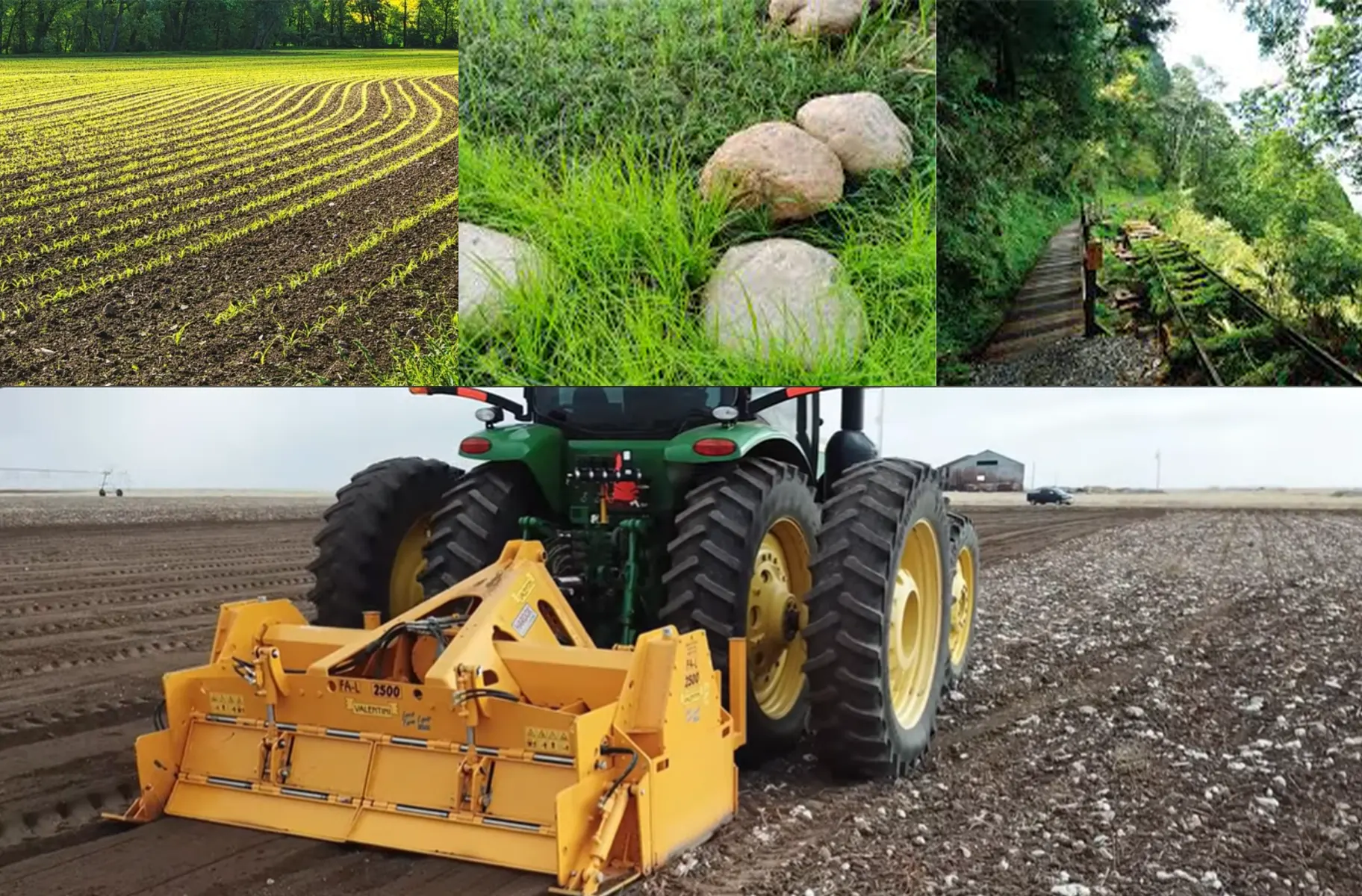
De BlackBird rotshark De BlackBird neemt een bijzondere positie in binnen het productassortiment van Watanabe Korea: het is geen machine voor landbouwbedrijven, maar voor loonwerkers. Met een werkbreedte van 9,5 meter, een minimaal vereist tractorvermogen van 300 pk en een aftakas met een toerental van 1000 tpm, is hij aanzienlijk krachtiger dan de standaard tractoren voor de Koreaanse hooglanden. De BlackBird is ontworpen voor gebruikers die honderden hectares per seizoen bewerken: loonwerkers die steenruimingsdiensten aanbieden op meerdere boerderijen, regionale landbouwmachineparken die leden van hooglandcoöperaties bedienen, en grote geïntegreerde landbouwbedrijven die 50 hectare of meer beheren.
Voor deze gebruikers zijn de economische voordelen van de BlackBird overtuigend en duidelijk: met een werkbreedte van 9,5 m tegenover 3,6 m van de EP-EW-4000, bestrijkt de BlackBird 2,6 keer meer oppervlakte per werkgang. Bij een gemiddelde rijsnelheid van 4-5 km/u bestrijkt de BlackBird 35-45 hectare per dag, vergeleken met 10-15 hectare per dag voor de EP-EW-4000. Een aannemer die 500 hectare per seizoen ontbost, heeft met de BlackBird 11-14 dagen nodig, tegenover 33-50 dagen met de EP-EW-4000. Deze tijdsbesparing is de belangrijkste economische drijfveer achter de investering in de BlackBird.
BlackBird bevestigde specificaties
Alle specificaties zijn afkomstig uit de officiële productbrochure van Watanabe.
Wie gebruikt de BlackBird? — Drie profielen van Koreaanse operators
De BlackBird vereist minimaal 300 pk aan tractoren en de bijbehorende schaalvoordelen zijn niet geschikt voor de individuele Koreaanse bergboer met een oppervlakte van 5 tot 15 hectare. De doelgroep van de BlackBird bestaat uit drie verschillende Koreaanse gebruikersprofielen:
Profiel 1: Aannemer voor agrarische diensten
Een aannemer verzorgt steenruimingsdiensten voor 30-50 individuele boerderijen in het Koreaanse hoogland per seizoen. Hij berekent doorgaans een tarief per hectare voor het jaarlijkse steenbeheer. Met een gemiddelde van 5 hectare per klant en 40 klanten, komt dit neer op 200 hectare per seizoen. De EP-EW-4000 heeft met een capaciteit van 10-15 hectare per dag 14-20 werkdagen nodig om dit volume te bewerken. De BlackBird bestrijkt met 35-45 hectare per dag hetzelfde volume in 5-6 dagen, waardoor de tractor en bestuurder de resterende 8-14 dagen beschikbaar zijn voor ander betaald werk. Voor een aannemer die per dag of per hectare factureert, vertaalt de toename in de dagelijkse capaciteit van de BlackBird zich direct in een hogere jaarlijkse omzet met hetzelfde aantal werkdagen.
Profiel 2: Landbouwmachinespool op districtsniveau
De Koreaanse districtsbesturen (gun) beheren gedeelde landbouwmachinespools (nonggi imde) die gesubsidieerd gebruik van machines bieden aan geregistreerde boeren in het district die zich geen eigen machine kunnen veroorloven. Een districtspool die een hooggelegen landbouwdistrict met 300-500 hectare steenbelaste landbouwgrond bedient, heeft een machine nodig die de jaarlijkse ontginningscyclus voor alle geregistreerde gebruikers kan voltooien binnen de korte voorbereidingsperiode in het voorjaar (3-4 weken van eind maart tot half april). De BlackBird, met een capaciteit van 35-45 hectare per dag, stelt een districtspool in staat om 300-500 hectare in 7-14 dagen te ontginnen – haalbaar binnen de voorjaarsperiode. De EP-EW-4000, met een capaciteit van 10-15 hectare per dag, zou 20-50 dagen nodig hebben voor hetzelfde volume – wat doorgaans de beschikbare voorjaarsperiode overschrijdt.
Profiel 3: Grootschalige geïntegreerde landbouwcorporatie
Koreaanse landbouwbedrijven (nongup beoppin) bewerken 50 tot 200 hectare hooglandgrond – een groeiend segment nu landconsolidatie en coöperatieve landbouwstructuren zich ontwikkelen in Gangwon-do en Noord-Gyeongsang. Voor een bedrijf van 100 hectare duurt de jaarlijkse ontginning met de EP-EW-4000 7 tot 10 dagen. De BlackBird doet dit in 2 tot 3 dagen, waardoor 5 tot 7 dagen aan machinistentijd en tractorcapaciteit vrijkomen voor andere voorjaarsvoorbereidingsactiviteiten (steenbreken met de THOR 3.0 op zware stukken, kalktoepassing, grondbewerking). De algehele voorjaarsvoorbereidingskalender van een grootschalig bedrijf is strakker dan die van een klein bedrijf, omdat er meer velden moeten worden voorbereid voordat de plantperiode sluit.
BlackBird + THOR 3.0-combinatie — één doorgang voor Crush and Collect
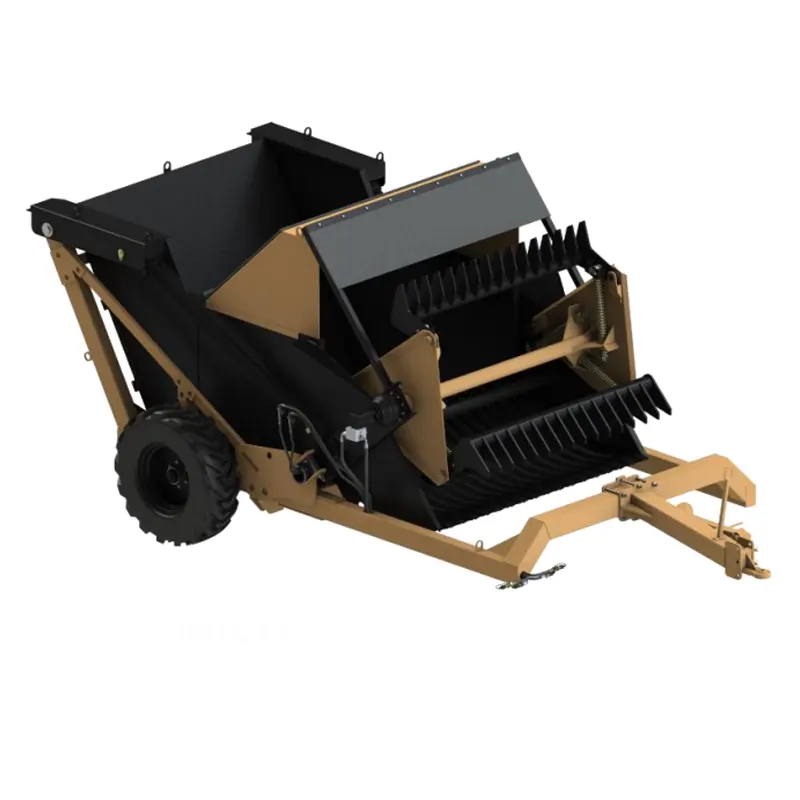
De trekhaakkoppeling aan de achterkant van de BlackBird voor de THOR 3.0 stormbreker Dit creëert een gecombineerd breek- en harksysteem in één enkele tractorgang. In deze gekoppelde configuratie breekt de THOR 3.0 ingebedde stenen aan de voorzijde (getrokken door de fronthefinrichting of driepuntsophanging van de tractor), terwijl de BlackBird, getrokken aan de achterhefinrichting van de THOR 3.0, tegelijkertijd de gebroken stenen en de oppervlaktestenen over de volledige breedte van 9,5 meter veegt en in rijen legt.
Deze gecombineerde bewerking verandert de operationele volgorde aanzienlijk. Bij een standaard bewerking met twee machines (THOR 2.4 verpletteringsgang, gevolgd door CT-2100 verzamelgang) zijn twee aparte tractorgangen nodig per veldsectie. Bij de gecombineerde THOR 3.0 + BlackBird-bewerking verplettert één tractorgang tegelijkertijd ingebedde stenen en vormt de oppervlakte-output over een breedte van 9,5 m, waarna de CT-2100 de gevormde winden verzamelt. Het gecombineerde systeem reduceert de veldwerkzaamheden van drie tractorgangen (THOR verpletteren, winden harken, CT-2100 verzamelen) tot twee (THOR+BlackBird gecombineerd, CT-2100 verzamelen).
Dagelijks werkplan — THOR 3.0 + BlackBird gekoppeld op een veldblok van 100 ha:
Dagelijkse economische berichtgeving — Wanneer de BlackBird-investering loont
| Metrisch | EP-EW-4000 (3,6 m) | Merel (9,5 m) |
|---|---|---|
| Werkbreedte | 3,6 m | 9,5 m (2,6 keer breder) |
| Min. tractorvermogen (pk) | 75 pk | 300 pk |
| Dagelijkse dekking (ha) | 10–15 ha | 35–45 ha |
| Aantal dagen om 100 ha te ontginnen | 7-10 dagen | 2,5–3 dagen |
| Dagen vrijgemaakt per 100 ha | — | 4-7 dagen bespaard |
| Geschikt voor individuele landbouwbedrijven (<20 ha) | ✅ Ja | Niet kosteneffectief |
| Geschikt voor aannemers / >50 ha | ⚠ Voldoende, maar traag | ✅ Speciaal ontworpen |
De break-evenanalyse voor de investering in de BlackBird is afhankelijk van het jaarlijkse ontginningsvolume van de operator en de waarde die aan elke werkdag wordt toegekend. Voor een aannemer die per hectare werkt en 200-500 ha per seizoen bewerkt: elke extra bespaarde dag ten opzichte van de EP-EW-4000 kan worden gefactureerd aan extra klanten of worden ingezet voor parallelle steenbrekeractiviteiten met de THOR 3.0. De hogere aanschafprijs van de BlackBird ten opzichte van de EP-EW-4000 wordt doorgaans binnen 2-4 seizoenen terugverdiend door een aannemer die meer dan 200 ha per seizoen bewerkt. Vanaf dat moment levert de machine zijn tijdsbesparing op zonder extra investeringskosten gedurende de resterende levensduur.
Beperkingen van het Koreaanse hooglandterrein: waar de BlackBird niet kan werken
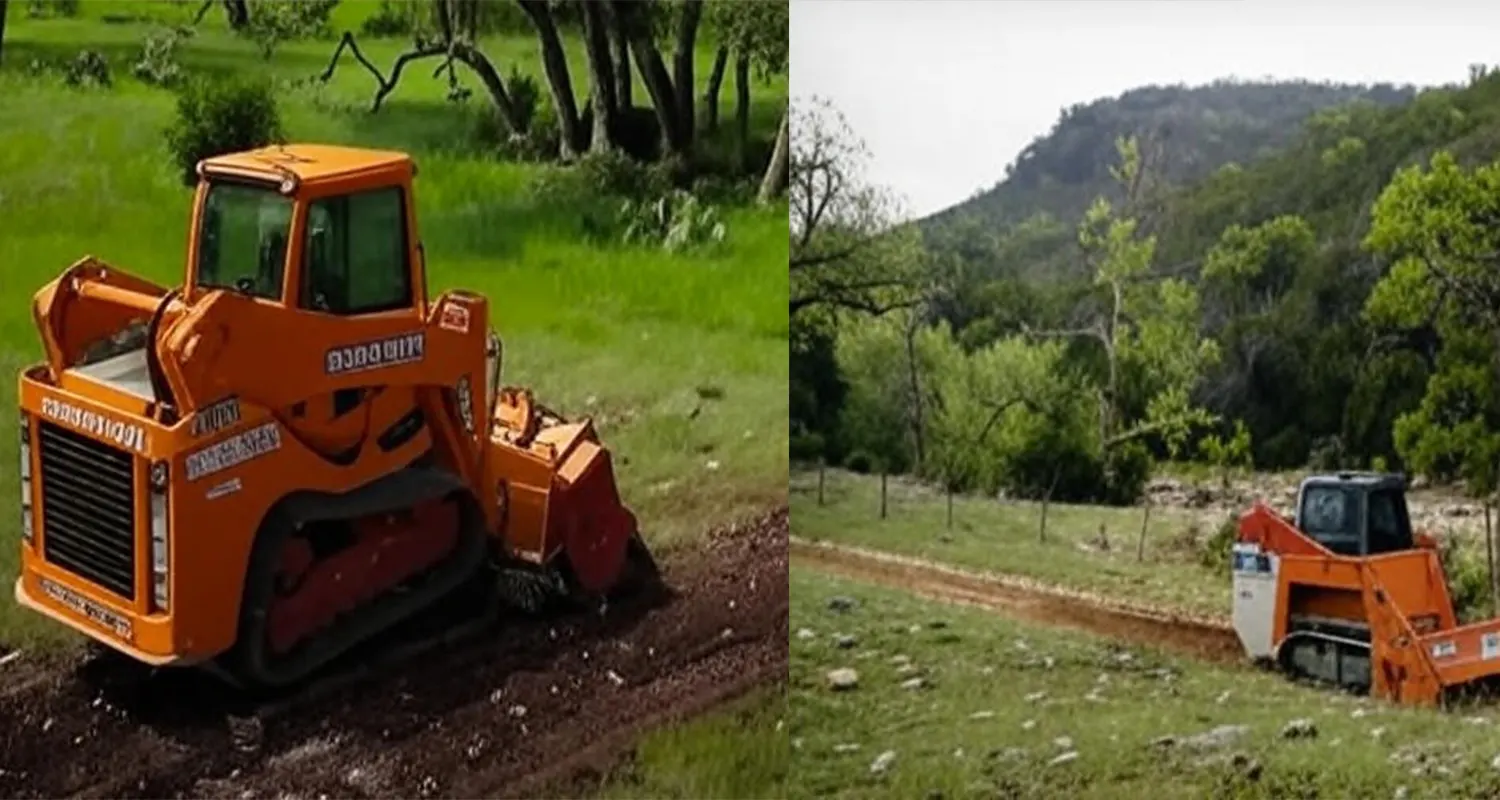
De werkbreedte van 9,5 meter van de BlackBird is tegelijkertijd het grootste voordeel qua capaciteiten en de grootste beperking qua terrein. Bij terraslandbouw in de Koreaanse hooglanden op een hoogte van 400-800 meter zijn de terrassen doorgaans 20-60 meter breed – breed genoeg voor de BlackBird op de meeste terrassen. Drie terreinomstandigheden beperken echter de inzet van de BlackBird in specifieke contexten van de Koreaanse hooglanden:
Smalle terrassen (<15 m breed)
De oudste terrasvormige hooglandformaties in steile berggebieden van Korea kunnen 10 tot 15 meter breed zijn. De werkbreedte van 9,5 meter van de BlackBird, inclusief de wielbasis van de tractor, voegt ongeveer 3 meter toe aan de benodigde draaicirkel, waardoor keren op de kopakker onmogelijk is op terrassen smaller dan 15 meter. Voor deze gedeelten blijft de EP-EW-4000 de meest geschikte machine voor het verzamelen van stenen aan de oppervlakte.
Steile helling (boven 15%)
De BlackBird is niet geschikt voor gebruik op hellingen met de Kit Drawbar-uitvoering; het is een grondverzetmachine ontworpen voor licht tot vlak terrein. Op hellingen van meer dan circa 151 TP5T (151 meter) zorgt het zwaartepunt van de 300 pk tractor met het brede werktuig voor problemen met de zijdelingse stabiliteit bij het werken dwars op de helling. De THOR 2.4 in de Kit Drawbar-uitvoering is de geschikte machine voor het verwijderen van stenen op steile hellingen.
Toegangsspoorbreedte
Voor het transport van de BlackBird van terras naar terras zijn toegangswegen tussen de terrassen nodig die breed genoeg zijn voor de 300 pk tractor plus de transportbreedte van de ingeklapte BlackBird. Op boerderijen met smalle toegangswegen tussen de terrassen kan het nodig zijn de machine in te klappen voor transport. Controleer de transportbreedte bij Korea Watanabe vóór aankoop, met name voor boerderijen met smalle toegangswegen.
In de praktijk gebruiken de meeste Koreaanse aannemers in de hooglanden en de machineparken van de districten de BlackBird op de grotere, vlakkere percelen binnen hun werkgebied. Ze bewerken daarmee 70-801 ton van hun totale jaarlijkse oppervlakte met de BlackBird en zetten de EP-EW-4000 en THOR 2.4 in voor de resterende smalle terrassen en steile hellingen. De BlackBird en de EP-EW-4000 vullen elkaar aan in het machinepark van een aannemer, maar zijn geen concurrerende alternatieven.
CT-2100 Inzamelingsvlootplanning voor operaties op BlackBird-schaal
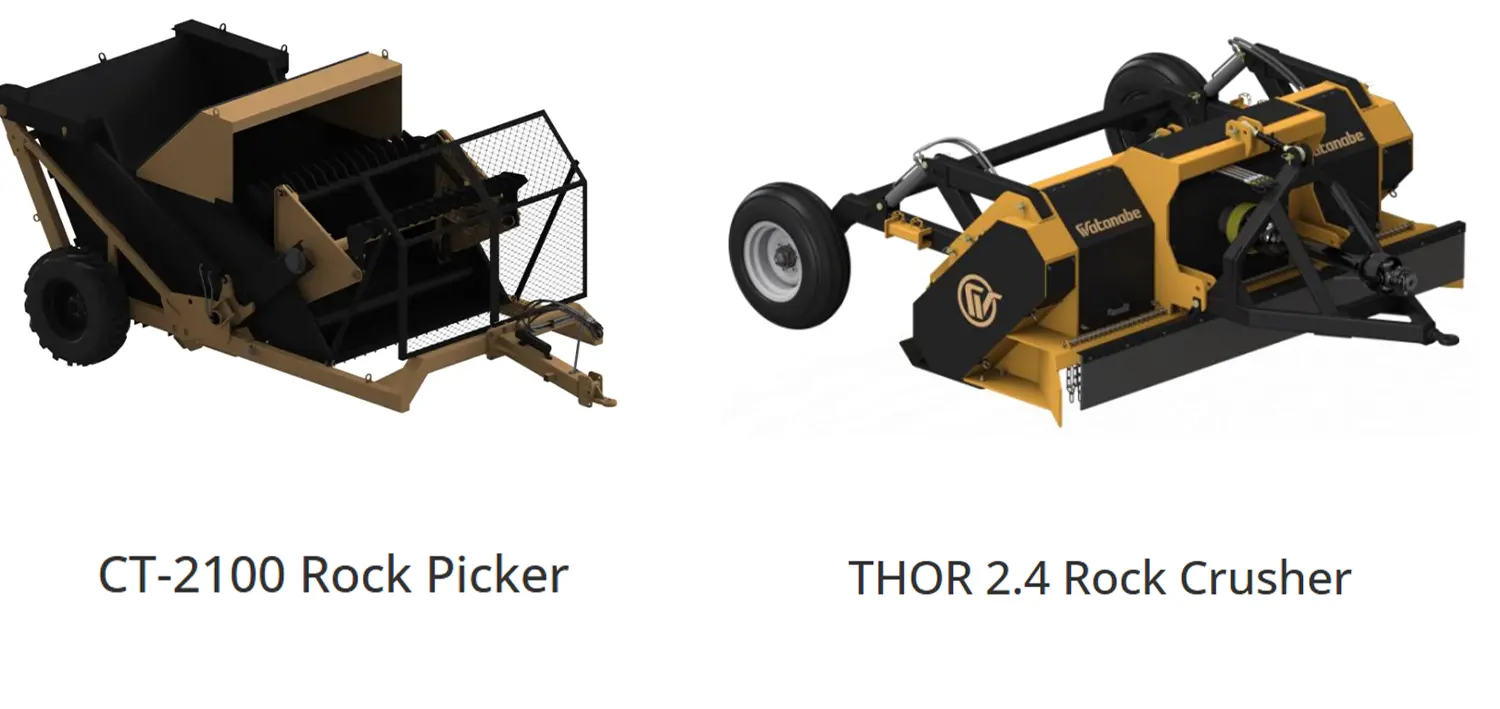
Bij de windrijvormingssnelheid van de BlackBird van 35-45 ha/dag, één enkele CT-2100 steenrapper (De ophaalsnelheid van ongeveer 5 ha/dag in de modus voor het volgen van windrijen) kan het tempo van de windrijenproductie van de BlackBird niet bijhouden. Een vloot van twee tot drie CT-2100-eenheden is de standaardaanpak voor grootschalige BlackBird-operaties, waardoor een ophaalsnelheid van 10-15 ha/dag mogelijk is en de windrijen binnen 1-2 dagen na de passage van de BlackBird worden opgeruimd. Deze vlootbenadering heeft bijkomende voordelen:
Meerdere CT-2100-eenheden kunnen tegelijkertijd verschillende veldgedeelten bewerken, waardoor de BlackBird naar een nieuw veld kan rijden terwijl de CT-2100-vloot de bewerking op het vorige veld voltooit. Deze parallelle werking elimineert het knelpunt van sequentiële steenverwerking door één enkele machine.
Meerdere CT-2100-units maken het mogelijk om ze met verschillende tractoren aan te drijven. Een loonwerker met één tractor van 300 pk voor de BlackBird en twee Koreaanse tractoren van 110-130 pk voor de CT-2100-units heeft de juiste combinatie van tractor en werktuig voor het hele machinepark. Het minimumvermogen van 110 pk voor de CT-2100 betekent dat standaard Koreaanse landbouwtractoren (LS, TYM, Daedong in de vermogensklasse van 110-130 pk) de oogstwerkzaamheden kunnen uitvoeren zonder dat er extra grote Europese tractoren nodig zijn.
Het inzamelen via een vloot biedt redundantie: als één CT-2100 tijdens het seizoen onderhoud nodig heeft, kunnen de overige eenheden de inzameling voortzetten met een verlaagd, maar nog steeds operationeel tempo. Bij een systeem met slechts één CT-2100 op BlackBird-schaal komt de inzameling volledig stil te liggen als die ene CT-2100 tijdens de inzamelingsfase uitvalt.
BlackBird-onderhoud — Een machine met hoge output optimaal laten presteren
De tandtrommel van de BlackBird werkt met een breedte van 9,5 meter onder een aftakasbelasting van 300 pk – een aanzienlijk hogere mechanische belasting dan de EP-EW-4000. De onderhoudsintervallen zijn navenant intensiever:
Voor elke werkdag
Controleer alle tanden over de volledige breedte van 9,5 m. Door het grotere aantal tanden ontstaat er bij een gebarsten of ontbrekende tand een opvanggat dat vanuit de tractorcabine mogelijk niet zichtbaar is. Smeer alle lagernippels van de tandtrommel (meer lagerpunten dan bij de EP-EW-4000 vanwege de bredere trommel). Controleer de staat van de aftakas en de integriteit van de beschermkap.
Einde van het seizoen
Volledige vervanging van de tanden op secties die slijtage vertonen onder de 70% nieuwe lengte. Op de schaal waarop de BlackBird opereert, is vervanging per sectie (waarbij telkens één zone tanden over de breedte van 9,5 m wordt vervangen zodra elke zone de drempelwaarde bereikt) praktischer dan volledige vervanging van de trommel. Korea Watanabe adviseert over de strategie voor vervanging per sectie, afgestemd op het specifieke slijtagepatroon van de tanden in uw praktijk.
Veelgestelde vragen
Wat is het minimale jaarlijkse volume in hectares om de investering in BlackBird te rechtvaardigen ten opzichte van de aanschaf van extra EP-EW-4000-eenheden?
Het economische omslagpunt tussen investeren in een BlackBird en meerdere EP-EW-4000-units hangt af van de arbeidskosten van de machinist, de beschikbaarheid van tractoren en het totale jaarlijkse maaivolume. Over het algemeen geldt: bij een maaivolume van minder dan 100 ha per seizoen zijn twee EP-EW-4000-units (elk op een aparte tractor van 75 pk) die samen 20-30 ha per dag maaien, kosteneffectiever dan één BlackBird met een tractor van 300 pk. Bij een maaivolume van meer dan 150 ha per seizoen dalen de operationele kosten per hectare van de BlackBird tot onder die van twee EP-EW-4000-units, omdat de vaste tractorkosten over meer hectares worden verdeeld. Tussen 100 en 150 ha per seizoen ligt de overgangszone, waar specifieke factoren (beschikbaarheid van bestaande tractoren van 300 pk, geografische spreiding, breedte van de terrassen van de klant) bepalen welke keuze economisch gezien het meest voordelig is. Neem contact op met Korea Watanabe voor een kostenvergelijking specifiek voor uw jaarlijkse maaivolume en bestaande machinepark.
Vereist de BlackBird een Europese tractor, of kan hij ook worden aangedreven door een Koreaanse tractor van 300 pk?
Koreaanse tractorfabrikanten (LS, TYM, Daedong/Kioti) produceren geen tractoren met een vermogen van meer dan circa 130-140 pk in hun standaardassortiment voor de Koreaanse markt. Een tractor van 300 pk voor BlackBird-gebruik moet een geïmporteerd Europees of Noord-Amerikaans model zijn (John Deere, Fendt, New Holland, CNH) in de klasse van 300+ pk met een aftakas met een toerental van 1000 tpm. Dit is een standaard tractorklasse in de Europese loonlandbouw, maar komt minder vaak voor in Korea – de meeste Koreaanse hooglandbedrijven en kleinere loonwerkers gebruiken tractoren van 130-180 pk. De 300 pk-eis van de BlackBird vormt een aanzienlijke praktische drempel voor gebruikers die nog geen grote Europese tractor bezitten, omdat de aanschafkosten van de tractor bij de investering in de BlackBird komen te liggen. Loonwerkers die al een Europese tractor van 300+ pk hebben voor andere toepassingen (THOR 3.0-bedrijf, grootschalige grondbewerking) kunnen de BlackBird aanschaffen tegen slechts een kleine meerprijs voor de aanbouwdelen.
Komt de BlackBird in aanmerking voor subsidies voor landbouwmachines in Korea?
De BlackBird komt in aanmerking voor een Koreaanse subsidie voor landbouwmachines in de categorie landbouwmachines voor verbetering van landbouwgrond – dezelfde categorie als de EP-EW-4000 en de THOR-serie. Korea Watanabe is gecertificeerd voor de BlackBird en levert alle benodigde subsidiedocumentatie. Het subsidiepercentage (30–50%) is van toepassing op de subsidiabele aankoopprijs. De gecombineerde investering in tractor + BlackBird voor een nieuwe deelnemer (tractor van 300 pk die nog niet in bezit is + BlackBird-aanbouwdeel) is echter aanzienlijk hoger dan de investering in een THOR 2.4 + standaard landbouwtractor – de tractor zelf komt niet in aanmerking voor subsidie in het kader van het programma voor landbouwmachines en aanbouwdelen. Loonbedrijven en regionale samenwerkingsverbanden die in de BlackBird investeren, bezitten doorgaans al een tractor van 300 pk via andere programma's of commerciële investeringen. Neem contact op met Korea Watanabe om de subsidieregeling voor dit jaar en de benodigde documentatie voor de aanschaf van een BlackBird te bevestigen.
Hoe verhoudt de hoogte van de zwad van de BlackBird zich tot die van de EP-EW-4000 wat betreft de efficiëntie van de CT-2100-opvang?
De BlackBird, die een oppervlakte van 9,5 m² veegt, concentreert stenen uit een groter gebied in elke zwad dan de EP-EW-4000, die een oppervlakte van 3,6 m² veegt. Dit resulteert in een dichtere, hogere zwad per doorgang — doorgaans 30–501 TP5T meer steenvolume per strekkende meter zwad dan een EP-EW-4000 zwad onder vergelijkbare omstandigheden qua steendichtheid. De CT-2100 die in de rij van de BlackBird-zwaden volgt, vult zijn bunker van 2,5 m³ sneller per strekkende meter afgelegde afstand — wat betekent dat er minder bunkervullingen en losstops op de kopakker per hectare verzameld materiaal nodig zijn. Deze hogere steendichtheid per meter zwad is een secundair efficiëntievoordeel van het BlackBird-systeem — het vermindert de niet-productieve kopakkerritten van de CT-2100 per ton verzamelde steen.
Kan de BlackBird gebruikt worden voor het verzamelen van steenafval na THOR-vergruizing, of alleen voor het harken van stenen aan de oppervlakte?
De BlackBird kan na een THOR-breekgang het gebroken oppervlaktemateriaal in rijen leggen voordat de CT-2100 het verzamelt — dit is de gecombineerde THOR 3.0 + BlackBird-werking die in deze handleiding wordt beschreven. In deze rol concentreert de BlackBird het verspreide THOR-gebroken aggregaat in gedefinieerde rijen die de CT-2100 efficiënt kan volgen. De tanden van de BlackBird zijn echter ontworpen voor het vegen van het oppervlak, niet voor het verzamelen van THOR-gebroken aggregaat dat onder het oppervlak is ingebed. Als de THOR-loop gebroken aggregaat op een diepte van 5-8 cm heeft achtergelaten (begraven tijdens de breekgang), zal de BlackBird het oppervlaktegedeelte verzamelen, maar het ingebedde aggregaat missen. Een directe verzamelgang van de CT-2100 (zonder vooraf harken) is grondiger voor het verzamelen van ingebed gebroken aggregaat — de opraaprol van de CT-2100 dringt door tot een diepte van 8-10 cm en verzamelt zowel oppervlakte- als ondiep ingebed steenmateriaal.
BlackBird-investeringsanalyse — Jaarlijks volume + Vrachtwagenpark + Servicegebied
Jaarlijks ontginningsvolume (ha) + bestaand tractorvermogen + servicegebied (terrasbreedtes) → Aanbeveling voor een BlackBird- of EP-EW-4000-vloot met vergelijking van de dagelijkse dekking en schatting van de terugverdientijd. Korea Watanabe, Ansan-si, Gyeonggi-do.
Redacteur: Cxm