
Ogni argomento relativo alla gestione dei noccioli in questa guida della serie E si basa sul presente: rimuovere i noccioli, migliorare la zona radicale o del colletto oggi, vedere il beneficio in termini di resa o qualità in questa stagione. Nell'asparago (E-9), l'accesso al colletto migliora l'emergenza dei germogli quest'anno. Nella fragola (E-18), l'integrità del tubo di irrigazione a goccia migliora l'irrigazione di quest'anno. Nello zafferano (E-23), la pulizia delle zone dei cormi migliora la produzione di cormi secondari in questa stagione. L'investimento nella gestione dei noccioli e il ritorno commerciale sono simultanei: causa ed effetto sono separati da settimane o mesi, non da anni. Il lampone cambia radicalmente questa relazione.
Lampone (Rubus idaeus per lamponi europei; Rubus coreanus (per il lampone nero coreano) opera su un sistema di tralci biennali, un'architettura riproduttiva unica tra le piante da frutto commerciali di questa guida. Ogni tralcio vive esattamente due anni. Nel primo anno è un primocane: un germoglio verde vegetativo che cresce dalla corona radicale, si arrampica sul traliccio e accumula l'energia e la struttura che il secondo anno convertirà in frutti. Nel secondo anno, il primocane diventa un floricano: lo stesso tralcio, ora legnoso, produce i germogli laterali che portano le bacche, poi muore alla fine della stagione. La gestione dei sassi in un campo di lamponi sassoso crea ferite sul primocane del primo anno che il coltivatore non può vedere, non può riparare e non può collegare al fallimento del floricano del secondo anno che osserverà nella stagione successiva come appassimento, disseccamento e crollo della resa. La perdita commerciale è reale. L'evento della ferita da sassi che l'ha causata è avvenuto un anno prima e non ha lasciato traccia visibile. Questa guida tratta la frantumatore di rocce per piantagione di lamponi applicazione attraverso questo singolare spostamento temporale di due anni, il meccanismo di abrasione dell'emergenza dei primocani che rende i siti sassosi permanentemente dannosi anziché occasionalmente problematici, e la catena premium coreana del bokbunja che rende questa guida direttamente rilevante per la coltura di Rubus più pregiata nel mercato interno di Watanabe in Corea.
Il sistema biennale di coltivazione dei tralci: perché il danneggiamento dei noccioli di lampone si manifesta con un ritardo di un anno.
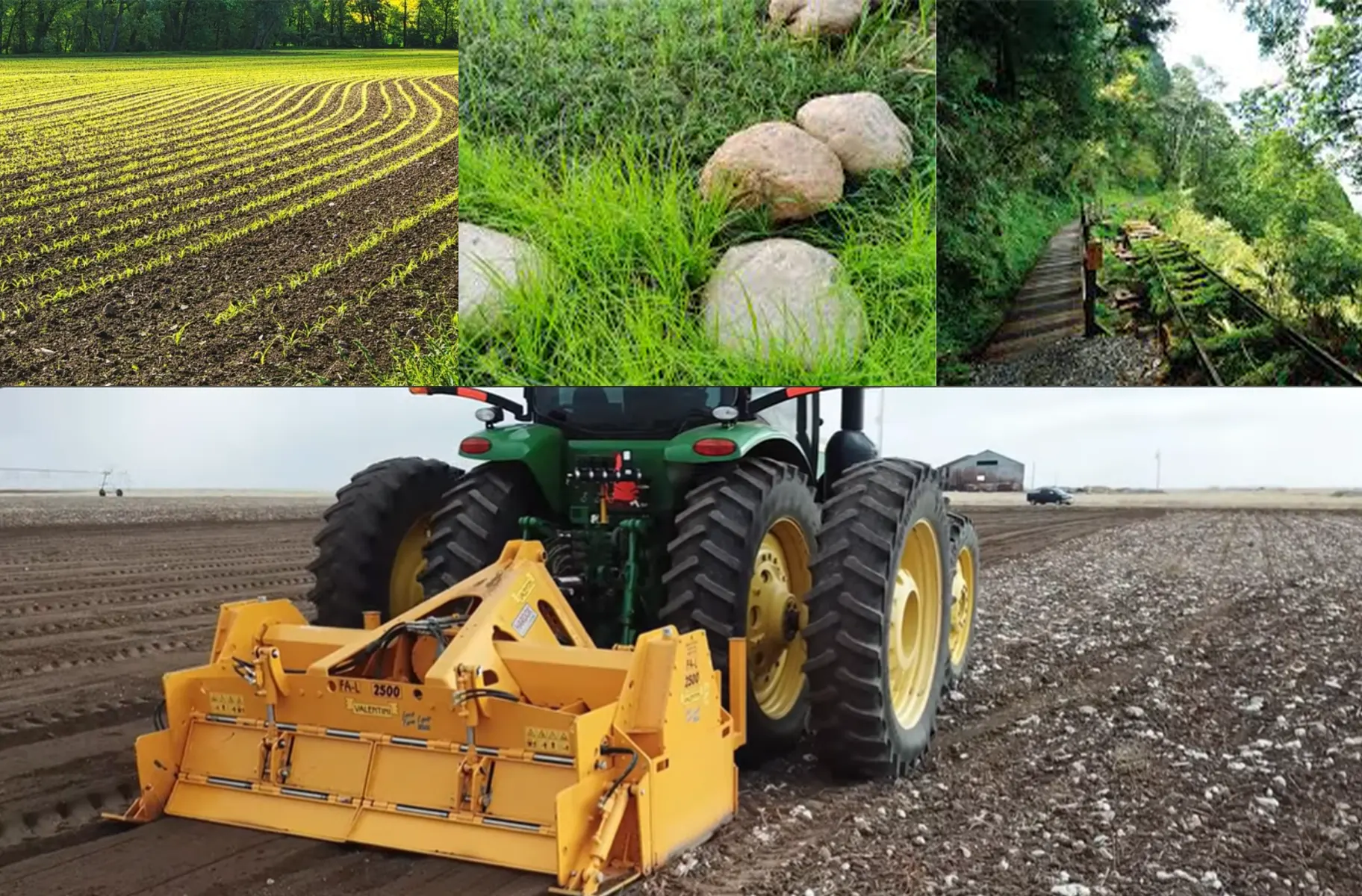
Per comprendere perché la gestione dei noccioli nel lampone presenta un ritardo di un anno tra l'evento dannoso e le conseguenze commerciali, è necessario comprendere l'architettura biennale dei tralci che distingue il lampone da tutte le altre colture frutticole perenni descritte in questa guida.
Emergenza di Primocane: l'evento annuale obbligatorio di contatto con la pietra.
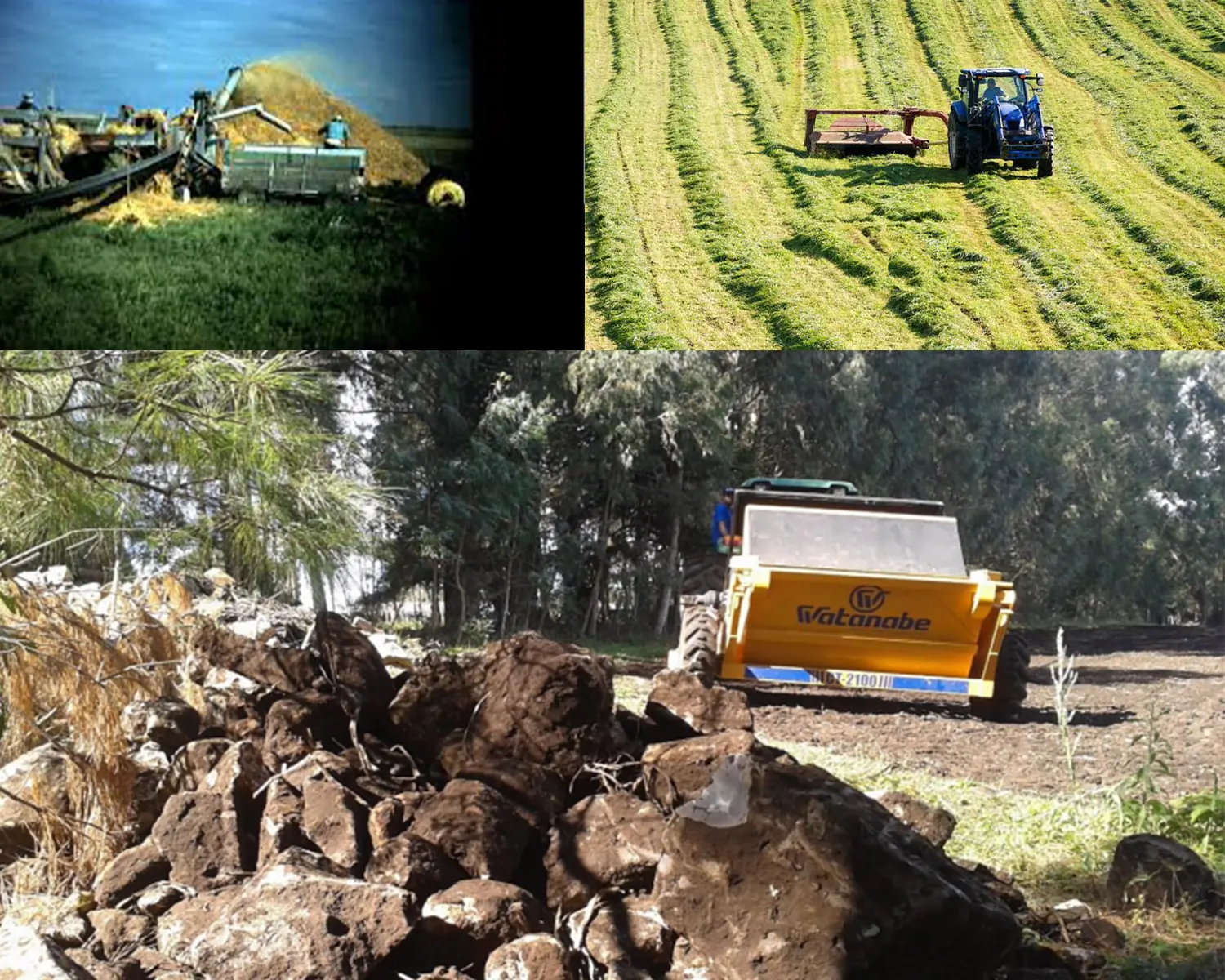
La questione delle ferite causate dai sassi nel lampone non è un rischio probabilistico, bensì una certezza strutturale annuale su qualsiasi sito roccioso. Questo la distingue da ogni precedente correlazione tra ferite e malattie della serie E. Nel kiwi (E-19), il PSA penetra attraverso le ferite da abrasione causate dai sassi sui tralci che occasionalmente entrano in contatto con la superficie del terreno in presenza di vento. L'evento della ferita è episodico. Nel mandorlo (E-21), il vento rappresenta un evento di rischio stagionale. Nel lampone, l'evento della ferita è un'inevitabilità botanica.
Ogni primavera, la corona radicale del lampone produce nuovi primocani come polloni sotterranei. Questi polloni crescono verso l'alto dalla corona e devono attraversare fisicamente lo strato di terreno di 0-15 cm per raggiungere la superficie. Su terreni sassosi, questo attraversamento mette il tessuto del primocano in attivo allungamento a diretto contatto con frammenti di pietra per 2-6 settimane. Il primocano non ha la possibilità di aggirare le pietre: cresce verticalmente dalla corona e incontra qualsiasi cosa il terreno presenti a una profondità di 3-10 cm. La sottile corteccia verde di un primocano di inizio stagione (0,1-0,3 mm di spessore nelle prime 4 settimane di crescita) ha una resistenza praticamente nulla all'abrasione da pietra: qualsiasi contatto con un frammento di pietra angolare a questa profondità crea una ferita meccanica. In un sito con una copertura di pietra di 15-25% a una profondità di 5-12 cm, ogni primocano presente nel sito avrà molteplici ferite da abrasione prima di raggiungere la superficie. Questo non è un livello di rischio, è una certezza.
Leptosphaeria coniothyrium (anamorfo: Coniothyrium fuckelii) causa la peronospora del lampone e la peronospora del fusto nel lampone, la malattia fungina economicamente più significativa del lampone commerciale in tutto il mondo. Il fungo è un patogeno delle ferite: non può penetrare la corteccia intatta ma entra facilmente attraverso qualsiasi rottura nell'epidermide del primocanna. Le sue spore sono presenti praticamente in tutti i terreni commerciali del lampone, in particolare nei campi con una storia pregressa di peronospora del fusto. Su terreni sassosi dove l'abrasione delle pietre crea ferite a 3-10 cm di profondità quando emerge il primocanna, il patogeno entra nel tessuto del primocanna nella zona che diventerà la base del fusto inferiore produttivo, esattamente il punto più dannoso per lo sviluppo di un cancro. La lesione prodotta da L. coniothyrium La lesione nella zona della ferita si sviluppa lentamente durante il primo anno (la decolorazione da viola scuro a marrone tipica della peronospora compare sul primo tralcio inferiore verso la fine dell'estate) e si intensifica nel secondo anno, quando il tralcio infetto entra nella fase attiva del metabolismo fruttifero. I rami adiacenti alla zona basale del cancro collassano durante la fase iniziale della fruttificazione, riducendo il numero di acini per floricano di 40-801 TP5T nei tralci fortemente infetti.
Le abrasioni causate dalla pietra sui primocani in fase di crescita favoriscono anche la proliferazione di due patogeni secondari che aggravano la pressione delle malattie sui siti rocciosi. Didymella applanata Causa la maculatura del fusto (maculatura del fusto a lampone), una malattia che crea caratteristiche macchie bianche o grigio-violacee circondate da bordi viola sulla corteccia del primo fusto. La maculatura del fusto infetta attraverso le ferite e produce sporulazione che si diffonde ai fusti vicini durante le stagioni umide. Nei terreni sassosi, l'elevata densità di ferite dovute all'abrasione delle pietre crea molteplici punti di infezione su ogni fusto, producendo una forte incidenza di maculatura del fusto che riduce il vigore delle successive fioriture. Botrytis cinerea (muffa grigia) utilizza le ferite da abrasione causate dalle pietre come punti di ingresso durante le piogge primaverili, producendo infezioni di muffa grigia a livello della corona che possono uccidere il primo tralcio prima che raggiunga il traliccio: una perdita immediata anziché una perdita con un ritardo di due anni, ma con la stessa eziologia dovuta alle ferite da pietra. I campi di lamponi sassosi mostrano un'incidenza significativamente più elevata di tutte e tre le malattie del fusto (peronospora dello sperone, maculatura del fusto, marciume della corona da muffa grigia) rispetto ai campi disboscati della stessa varietà e clima, secondo le indagini fitosanitarie del NIAB EMR (National Institute of Agricultural Botany East Malling Research, Regno Unito).
Intervallo temporale di due anni: dalla ferita da pietra alla perdita di rendimento commerciale.
Sistema radicale del lampone: la zona della corona più superficiale della serie.
L'apparato radicale del lampone è tra i più superficiali di tutte le colture perenni presenti in questa guida della serie E. Il colletto radicale, ovvero la base legnosa permanente da cui emergono i primocani annuali, si trova a 3-8 cm sotto la superficie del suolo, mentre il fitto tappeto radicale fibroso si estende fino a 25-35 cm di profondità. La zona di gestione dei sassi per il lampone (0-25 cm) ha una profondità quasi identica a quella della fragola (E-18, 8-22 cm per l'irrigazione a goccia), ma la ragione biologica della pulizia è completamente diversa. Nella fragola, la pulizia della zona 8-22 cm protegge l'infrastruttura dell'irrigazione a goccia. Nel lampone, la pulizia della zona 0-20 cm protegge il tessuto dei primocani annuali dalle abrasioni causate dai sassi, che provocano la peronospora del fusto con un ritardo di due anni, descritta nella Sezione 2.
La chioma legnosa permanente da cui emergono i primocani. La pietra in questa zona è a diretto contatto con la base della chioma e i punti di emergenza dei primocani. Marciume della chioma da Phytophthora fragariae var. rubi è facilitato dal drenaggio ostacolato dalle pietre a questa profondità — la stessa catena drenaggio-Phytophthora dell'avocado (E-12), ma in una zona molto più superficiale. La pulizia THOR a 20-25 cm rimuove l'ostruzione del drenaggio alla profondità della chioma.
La zona attraverso cui i primocani si espandono annualmente. Il calcolo a una profondità di 5-12 cm è la zona critica: crea abrasioni nel periodo più vulnerabile del tessuto del primocano (le prime 6 settimane di allungamento). La pulizia THOR fino a 20 cm rimuove 90%+ del calcolo in questa zona. La raccolta permanente CT-2100 garantisce che non vi sia alcuna reintroduzione. È qui che inizia il meccanismo di latenza di due anni.
In questa zona, le dense radici assorbenti fibrose accedono all'umidità e ai nutrienti necessari sia per la crescita dei primocani che per la fruttificazione dei floricani. La presenza di pietre a una profondità di 15-30 cm riduce la densità delle radici assorbenti e l'accesso all'acqua: si tratta dello stesso meccanismo osservato per tutte le colture precedenti, ma a una profondità molto ridotta. Nei terreni delle Highlands scozzesi con depositi di till glaciale a 15-20 cm, questa zona rappresenta la principale area di limitazione dell'assorbimento di nutrienti da parte delle radici.
Bokbunja: il Rubus più pregiato della Corea e il mercato di origine di Korea Watanabe.
lampone nero coreano — Rubus coreanusIl bokbunja, noto anche come bacca di bosco coreana, non è semplicemente una varietà regionale di bacche. È tra i prodotti agricoli autoctoni più significativi dal punto di vista culturale e più pregiati commercialmente in Corea, con una produzione concentrata quasi interamente nelle colline vulcaniche e granitiche ricche di pietre della provincia di Jeonnam (Jeolla Meridionale), e un mercato di fascia alta che si estende dalle preparazioni della medicina tradizionale coreana al mercato giapponese dell'importazione di bacche di lusso.
Il bokbunja viene raccolto quando le bacche sono ancora rosse (non completamente mature e nere): il momento tradizionale della raccolta permette di ottenere la massima quantità di antociani e la caratteristica acidità apprezzata nella medicina tradizionale coreana. Esistono tre mercati premium distinti: (1) Bokbunja-ju (vino e liquori di bokbunja): da 30.000 a 300.000 won a bottiglia per le varietà pregiate invecchiate: il mercato premium con il volume più elevato, che richiede qualità e quantità delle bacche. (2) Bokbunja essiccato per alimenti salutari e medicina tradizionale: da 80.000 a 200.000 won al kg al prezzo premium al dettaglio: il prodotto con la catena di qualità più diretta, dove la peronospora del fusto, limitata dalla pietra, riduce sia la resa che l'uniformità delle bacche. (3) Bokbunja fresco per il mercato giapponese di importazione di lusso: bacche singole in confezioni da 100 g esportate nei supermercati di lusso giapponesi a 15-40 dollari USA per 100 g: il canale di qualità più sensibile al prezzo. Tutti e tre i mercati richiedono una produzione annuale costante di frutti di bosco da piante floricane sane e prive di malattie, esattamente le condizioni floricane che i terreni collinari sassosi compromettono a causa del meccanismo di ritardo di due anni.
Il bokbunja coltivato nella contea di Gochang (designata Riserva della Biosfera UNESCO nel 2013) e nella città di Suncheon si sviluppa sulla tipica geologia collinare di Jeonnam: basamento granitico precambriano (Mohs 6-7) sovrastato da granito alterato e argilla rossa lateritica, con occasionali intrusioni di basalto cenozoico (Mohs 5-7). La conformazione collinare del terreno fa sì che l'erosione naturale porti continuamente frammenti di granito e basalto freschi in superficie e nello strato superficiale (0-20 cm), rendendo il rifornimento annuale di pietre superficiali un problema cronico per le coltivazioni di bokbunja attive sui pendii. Non si tratta di una sfida di pulizia una tantum all'inizio della coltivazione: è un'esigenza annuale di gestione delle pietre. La pulizia pre-stagionale THOR 2.4 a 18-22 cm (prima di ogni emergenza primaverile dei primocani), combinata con il passaggio superficiale annuale BlackBird, crea una zona di coronamento priva di pietre che previene le abrasioni da pietre durante l'intero ciclo produttivo del campo di bokbunja. Nelle aziende agricole sulle colline di Gochang: specifica THOR 3.0 per affioramenti di granito fresco; THOR 2.4 adeguato per granito alterato. Ciclo di reimpianto di Bokbunja: circa 8-12 anni, con disboscamento completo per l'insediamento THOR ad ogni ciclo di reimpianto.
Altri tre mercati: Scozia, Serbia e Cile.

Sistema di macchinari — Protocollo della zona corona e manutenzione annuale in caso di emergenza di primocane
Domande frequenti
Frantumatore di rocce per piantagione di lamponi: il ritardo di due anni tra l'abrasione delle pietre e la perdita di resa dovuta all'infestazione da floricani è documentato in studi sperimentali, oppure si tratta di una correlazione teorica?
Il collegamento tra le ferite meccaniche del primocanna e l'incidenza della peronospora dello sperone/canna è molto ben documentato nella letteratura sulle malattie del lampone. NIAB EMR (East Malling Research, Regno Unito) ha costantemente dimostrato che l'incidenza della peronospora dello sperone e della canna è correlata alla densità delle ferite del primocanna: le ferite meccaniche derivanti da attrezzature di coltivazione, operazioni di sostegno e abrasione fisica del tessuto del primocanna sono la via di inoculazione primaria stabilita per Leptosphaeria coniothyriumL'attribuzione specifica all'abrasione da pietre durante l'emergenza dei primo tralci (a differenza delle ferite da coltivazione o dei danni ai tralicci) è supportata da osservazioni sul campo di ricercatori coreani di bokbunja (Jeonnam Agricultural Research and Extension Services) e dalla correlazione spaziale tra le zone ad alta densità di pietre nei campi di lamponi Angus e Perthshire del Regno Unito e l'elevata incidenza di peronospora nelle valutazioni floricane della stagione successiva. Il ritardo temporale di due anni è intrinseco al sistema biennale dei tralci: deriva direttamente dalla biologia e non richiede una specifica conferma sperimentale. Ciò che è confermato è il percorso ferita del primo tralcio → peronospora; l'attribuzione delle pietre come fonte della ferita è supportata dalla correlazione sul campo e dal ragionamento meccanicistico piuttosto che da una prova controllata di rimozione delle pietre con valutazione mascherata della malattia del tralcio. Il ritardo temporale è la conseguenza matematica dell'architettura biennale, non di per sé un'affermazione empirica.
Per i campi di lamponi già avviati e che presentano già segni di peronospora, la diserbo THOR può interrompere retroattivamente il ciclo di latenza biennale, oppure il beneficio si manifesta solo nella fase di impianto?
Sì, la pulizia retrospettiva su campi di lamponi sassosi già esistenti può interrompere il ciclo di ritardo biennale in avanti, sebbene con un periodo di transizione di un anno. Ecco la logica temporale: se la pulizia THOR e la raccolta CT-2100 vengono effettuate nell'autunno dell'anno N (dopo che il raccolto di floricani della stagione in corso è stato raccolto e i floricani sono stati rimossi), il terreno viene ripulito prima dell'emergenza dei primocani dell'anno N+1 in primavera. I primocani dell'anno N+1 emergono attraverso un terreno privo di pietre, non accumulano ferite da abrasione da pietre e non sono inoculati con L. coniothyrium attraverso il contatto con le pietre. Nell'anno N+2, questi primocani diventano floricani e, poiché non sono mai stati danneggiati dalle pietre, l'incidenza della peronospora è drasticamente inferiore. Il pieno beneficio della rimozione delle pietre (in termini di resa di floricani recuperata) si manifesta nell'anno N+2, circa 18 mesi dopo l'operazione di rimozione. Ciò significa che un'operazione di rimozione retroattiva su un campo di lamponi sassoso già avviato fornisce il suo primo ritorno economico completo nella stagione successiva a quella immediatamente successiva alla rimozione, con un orizzonte di ammortamento di 2 stagioni dalla data dell'investimento nella rimozione. L'anno intermedio (raccolto di floricani dell'anno N+1, dai primocani dell'anno N pre-rimozione che erano stati danneggiati dalle pietre) mostrerà ancora un'elevata incidenza di peronospora dovuta agli eventi di danneggiamento precedenti alla rimozione: questo è inevitabile. Scompare nell'anno N+2.
Come fa il bokbunja (Rubus coreanus) le specifiche di gestione della pietra differiscono da quelle del lampone europeo (Rubus idaeus) — il protocollo di compensazione è lo stesso?
L'architettura biennale dei tralci, il meccanismo di emergenza dei primocani e il ritardo di due anni sono essenzialmente identici tra R. coreanus E R. idaeus — entrambe le specie operano lo stesso ciclo primocane/floricane ed entrambe sono ugualmente suscettibili a Leptosphaeria coniothyrium e patogeni correlati della canna da zucchero. La specifica della profondità di pulizia (18-22 cm) si applica a entrambi. Le differenze operative tra la gestione dei noccioli di bokbunja e quella dei lamponi europei sono: (1) Durezza della pietra: il granito/basalto del bokbunja coreano (Mohs 5-7) è più duro della maggior parte dei noccioli di lampone europei (ORS scozzese Mohs 4-6, calcare serbo Mohs 3-4) - THOR 3.0 è richiesto più frequentemente in Corea che in Europa. (2) Terreno: il bokbunja viene coltivato prevalentemente su pendii collinari (pendenza 5-25°) in Corea, il che richiede il protocollo operativo THOR a livello di contorno. La produzione di lamponi europei si trova in gran parte su terreni pianeggianti o leggermente in pendenza. (3) Rifornimento annuale di pietre: l'erosione dei pendii coreani porta continuamente nuovi frammenti di granito in superficie - il passaggio annuale di manutenzione BlackBird è più critico in Corea che nella produzione di lamponi in pianura europea, dove il sollevamento da gelo è il principale meccanismo di rimodellamento della superficie delle pietre. (4) Scala del campo: le aziende agricole coreane di bokbunja hanno una media di 0,2–0,5 ettari per piccolo proprietario, inferiore alle operazioni commerciali di Angus nel Regno Unito o in Cile (5–30 ettari tipici). L'accesso dei macchinari THOR sui terrazzamenti stretti dei pendii di bokbunja può richiedere l'allargamento dei terrazzamenti come descritto per le piantagioni di tè coreane (E-20, stesso contesto del terreno).
Anche il rovo (Rubus fruticosus aggregate) presenta il meccanismo di ramificazione biennale e il problema del ritardo di due anni, oppure questa caratteristica è specifica del lampone?
La mora condivide con il lampone l'architettura biennale primocane/floricane ed è suscettibile agli stessi patogeni delle ferite da abrasione da pietra (L. coniothyrium causando la peronospora della canna da zucchero, Didimella causando la maculatura dei tralci). Il meccanismo di ritardo di due anni si applica ugualmente alla produzione commerciale di more. Le specifiche e il protocollo di diradamento descritti in questa guida si applicano alle more senza modifiche: la profondità della zona coronale (0-8 cm), la zona di emergenza dei primocani (3-15 cm) e la zona delle radici assorbenti (15-25 cm) sono simili tra le due specie. Le more commerciali vengono coltivate principalmente in Messico (fornitura di Driscoll, produzione della Bassa California), Serbia, Regno Unito (Kent e East Anglia), Stati Uniti (Pacific Northwest e Michigan) e Cile. Tutte queste regioni presentano problematiche legate ai sassi coerenti con il profilo descritto per il lampone. La specifica THOR 2.4 a 18-22 cm, la raccolta permanente CT-2100 e il protocollo annuale di manutenzione della superficie BlackBird sono ugualmente appropriati per le more commerciali. L'unica differenza tecnica: le varietà di more ricadenti (Marionberry, Chester) producono primocani più lunghi e vigorosi che possono entrare in contatto con la superficie del terreno più frequentemente rispetto alle varietà di lamponi eretti, rendendo l'argomentazione sull'abrasione da sassi fuori terra equivalente a quella del kiwi E-19 un po' più rilevante per le more ricadenti che per i lamponi eretti.
Qual è il beneficio finanziario complessivo derivante dall'interruzione del ciclo biennale della peronospora della canna da zucchero in un'azienda agricola commerciale di 5 ettari specializzata nella coltivazione di lamponi Scottish Angus?
Per un'azienda agricola di lamponi Angus di 5 ettari (varietà Glen Ample) con densità di noccioli moderata a 8-18 cm (frammenti di arenaria ORS, copertura 15-20%), con un'incidenza di peronospora floricana di 25-35% per stagione: Resa di base: 8.000-12.000 kg/ha/anno. Perdita di resa dovuta alla peronospora su 30% di floricani: riduzione di resa di 15-20% = perdita di 1.200-2.400 kg/ha. Perdita di fatturato a 1,80 £/kg (media del mercato del fresco nel Regno Unito 2024-25): 2.160-4.320 £/ha/anno. Su 5 ettari: 10.800-21.600 £/anno di fatturato totale perso a causa della peronospora floricana correlata ai noccioli. Sistema THOR 2.4 + CT-2100 + PSW-3200 per la bonifica di 5 ettari: circa 6.000-9.500 sterline in totale. Manutenzione annuale del BlackBird: circa 800-1.200 sterline/anno. Inizio del beneficio nell'anno N+2 (primo anno di completa riduzione della peronospora della canna da zucchero): 10.800-21.600 sterline di entrate recuperate annualmente. Ritorno sull'investimento: l'anno N+2 recupera l'intero investimento di bonifica in una sola stagione (ipotizzando una riduzione della peronospora della canna da zucchero pari a 70%, in linea con i confronti tra campi bonificati e campi sassosi di NIAB EMR). Valore attuale netto (VAN) a 10 anni dell'investimento di bonifica: circa 95.000-185.000 sterline di beneficio netto al tasso di sconto 4% - un rapporto ROI da 10:1 a 20:1 sulla vita produttiva del campo di lamponi, realizzabile entro 2 stagioni dalla data dell'investimento.
Frantumatore di rocce per piantagione di lamponi: protocollo di eliminazione del ciclo di latenza biennale
Tipo di pietra (granito/arenaria/calcarea) + pendio del campo + varietà bokbunja vs europea + storia della malattia degli speroni → Corea Watanabe fornisce la corretta frantumatore di rocce per piantagione di lamponi Specifiche della zona coronale, protocollo di interruzione del ciclo di latenza di due anni e calcolo del ROI a 10 anni.
Redattore: Cxm