Cocoa — Theobroma cacao, “food of the gods” — is the world’s most complex flavour crop and the foundation of a USD 130 billion global chocolate industry. The majority of world cocoa production (approximately 70%) comes from West Africa — Côte d’Ivoire and Ghana together — where the flavour is characterised as bulk or base grade. The premium 20% of the market — “fine flavour” cocoa commanding 20–60% price premiums over bulk grade — comes from Ecuador, Trinidad, Peru, Venezuela, and selected West African estates where specific geological soil conditions concentrate the flavanoid compounds (epicatechin, catechin, and procyanidins) that give premium chocolate its complex, fruity, floral, and nut notes. Ghana’s Ashanti region, grown on the ancient Birimian greenstone belt, is both the jewel of West African production quality and a zone of fascinating geological dual-economy: the same iron-rich volcanic rocks that produce premium cocoa contain the gold deposits of the Obuasi and Ashanti goldfields. Ecuador’s Arriba Nacional cocoa, grown in the volcanic Andean foothills of the western cordillera, holds the International Cocoa Organization (ICCO) fine flavour classification and an origin designation recognised in the EU-Ecuador trade framework. Both zones share a rocky volcanic and metamorphic terrain that demands systematic stone management for productive plantation establishment and expansion.
Ghana Ashanti — The Birimian Greenstone Belt and the Gold-Cocoa Geology

The Birimian Supergroup — a Proterozoic (2.1–2.2 billion year old) assemblage of volcanic and meta-sedimentary rocks — underlies a broad belt across central and southern Ghana including the entire Ashanti region. The belt comprises basalt, volcanic tuff, greywacke (volcanic sandstone), phyllite, and schist, all metamorphosed and deformed during the Eburnean orogeny approximately 2.0–1.98 billion years ago. These rocks are the geological foundation of two of West Africa’s most valuable agricultural and mineral resources: the Ashanti cocoa crop (which, under Ghana’s COCOBOD quality management system, is graded as the benchmark standard for West African fine-grade bulk cocoa) and the Ashanti goldfields (Obuasi, operated by AngloGold Ashanti, is among the world’s most productive deep gold mines, accessing gold deposits in the shear zones of the Birimian greenstone belt).
The Birimian greenstone rocks weather under tropical conditions to produce deeply-developed, iron-rich ferralitic soils — the Cocoa Research Institute of Ghana (CRIG) at New Tafo has documented that the highest-quality Ashanti cocoa production zones correlate with the Birimian greenstone belt outcrops rather than the surrounding Proterozoic granite terrain. The iron-rich character of the Birimian weathering profile — derived from the belt’s original basalt and volcanic tuff composition with 8–12% Fe₂O₃ by weight — provides the soil mineral environment that supports flavanoid accumulation in cocoa beans. Shallow Birimian rocks in the surface profile (cobbles and outcrops in the 0–40 cm zone) limit cocoa tree taproot penetration to the deep mineral-rich weathering profile below. Rock crushing at 25–40 cm depth fragments these shallow Birimian outcrops, opening the taproot pathway to the deep weathered rock zone where both water and mineral resources are concentrated.
Epicatechin and catechin — the primary flavanols in cocoa beans and the precursors to procyanidin oligomers that determine chocolate’s complex flavour and antioxidant profile — are biosynthesised through the flavonoid branch of the phenylpropanoid pathway. The key step from leucoanthocyanidin to catechin and epicatechin is catalysed by leucoanthocyanidin reductase (LAR) and anthocyanidin reductase (ANR) — iron-containing metalloenzymes documented in the same flavonoid pathway literature as the FLS/LAR enzymes governing tea catechin (EGCG) accumulation discussed in E-54. The Birimian greenstone soils of Ashanti are among the most Fe²⁺-rich tropical agricultural soils in West Africa, with iron content 2–4× higher than surrounding Proterozoic granite-derived soils. Rock crushing of the Birimian basalt and tuff cobbles in the 0–40 cm cocoa root zone accelerates Fe²⁺ release from fresh fracture surfaces — increasing LAR/ANR enzyme support and, through this pathway, contributing to the higher epicatechin and catechin concentrations that characterise Ashanti cocoa. This mechanism — Birimian greenstone iron → Fe²⁺ release from crushed rock → LAR enzyme activity → epicatechin accumulation in cocoa beans — parallels the EGCG/Al³⁺/granite mechanism documented for Ceylon and Yunnan tea in E-54, extending the flavanol-metalloenzyme pattern across two of the world’s most important premium flavour crops.
Ecuador Arriba Nacional — Volcanic Andean Foothills and the World’s Fine Flavour Standard
Ecuador produces approximately 60–65% of the world’s “fine or flavour” cocoa — a category defined by the International Cocoa Organization (ICCO) for cacao varieties with distinctive aromatic complexity beyond the standard bulk West African profile. The Arriba Nacional variety — more precisely the CCN-51-free old-variety Nacional material still grown by traditional producers in Los Ríos, Guayas, Esmeraldas, and El Oro provinces — is the foundation of Ecuador’s fine flavour position. The name “Arriba” derives from the historical trade description “arriba” (upriver) — the finest material came from farms upriver from Guayaquil on the Guayas River system, where the western Andean foothills provided elevated, volcanic-soil growing conditions distinct from the lowland alluvial farms near the coast.
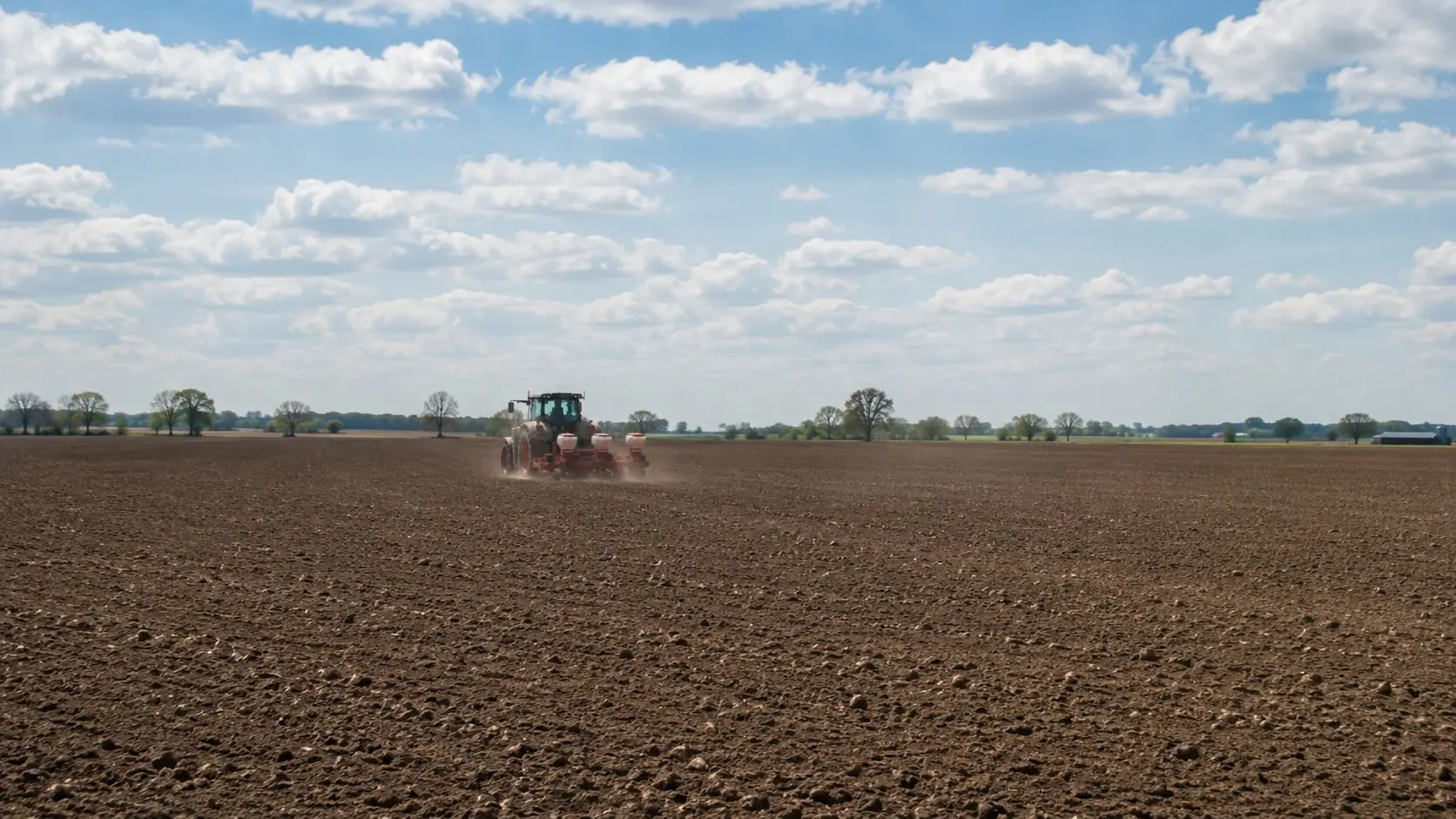
The volcanic terrain of Ecuador’s Arriba cocoa zone is defined by the western cordillera of the Andes, where andesite and basalt volcanic rocks of Tertiary to Quaternary age form the rocky foothills at 100–700 m elevation between the Pacific coastal lowlands and the high Andean peaks. In the foothill cocoa zones of Pichincha, Santo Domingo, and Esmeraldas provinces, volcanic andesite cobbles and outcrops at 20–50 cm depth limit cocoa taproot penetration into the deep volcanic mineral profile below. The cocoa tree’s taproot system — which in ideal conditions reaches 1.5–2.0 m depth for water access in Ecuador’s bimodal rainfall regime — is confined to the shallow soil above the volcanic cobble layer when this layer is not managed. Rock crushing fragments the andesite and basalt cobbles that create this barrier, opening the taproot pathway to the deep, mineral-rich volcanic profile that generates Ecuador’s fine flavour signature.
| Parametro | Ghana Ashanti (Birimian Zone) | Ecuador Arriba (Andean Foothills) |
|---|---|---|
| Primary rock type | Proterozoic Birimian basalt, tuff, greywacke, phyllite (2.1–2.2 Ga) | Tertiary-Quaternary volcanic andesite and basalt (western cordillera) |
| Cocoa classification | COCOBOD Grade 1 bulk; some specialty-grade through direct trade estates | ICCO “Fine or Flavour” classification; 60–65% of world’s fine flavour supply |
| Key flavanoid quality marker | Total polyphenol content (TPC); epicatechin concentration; procyanidin B2 | Floral/fruity volatile aromatic profile; low astringency (balanced epicatechin/catechin ratio) |
| Recommended THOR model | THOR 2.4 (180HP) for smallholder zone; THOR 3.0 for commercial estate blocks above 5 ha | THOR 2.4 (180HP) — Andean foothill slopes require 4WD; andesite harder than limestone, moderate speed |
World-First Insights 2 and 3 — Gold-Cocoa Geology and the EVFTA Fine Flavour Connection
Per cocoa plantation THOR rock crusher specification and export enquiries, Korea Watanabe provides THOR 2.4 and THOR 3.0 specifications for both Ghana Birimian and Ecuador Andean foothill conditions, with maritime export from Busan to Tema (Ghana) or Guayaquil (Ecuador).
Domande frequenti
▶Does the COCOBOD quality system in Ghana specify any soil preparation methods that would be affected by rock crushing?
The Ghana COCOBOD (Ghana Cocoa Board) quality management system governs post-harvest standards — fermentation protocol, drying standards, and bean grading (Grade 1 is less than 5% defective beans; Grade 2 less than 12%) — rather than on-farm cultivation methods. COCOBOD does not specify or restrict pre-planting soil preparation techniques. Ghana’s cocoa farmer support programme (conducted through COCOBOD’s Cocoa Health and Extension Division — CHED) provides agronomic advisory services on cocoa cultivation, but as of the current publication date, the CHED advisory framework does not include rock crusher soil preparation as a standard recommended practice — it has not been formally evaluated under CHED’s technology assessment process. This absence of formal CHED recommendation does not restrict any farmer from using rock crusher services on their plot; it simply means that COCOBOD support for this practice (subsidised equipment, formal agronomic documentation) has not been established. A COCOBOD research pilot comparing productivity and bean quality on Birimian greenstone plots with and without pre-planting rock crushing would generate the data needed to formalise this practice in CHED’s extension recommendations.
▶What is the productive life of a cocoa plantation, and does the rock crusher need to be applied before each replanting cycle?
A cocoa plantation has a productive life of 25–40 years before economic replanting is typically justified, making it one of the longer-lived crop cycles in this E-series (comparable to vanilla and cardamom at 15–25 years, but shorter than tea at 40–50 years before replanting). THOR treatment before initial planting on rocky ground is a one-time investment per 25–40 year planting cycle, with the fragmented rock profile remaining stable throughout the plantation’s productive life — unlike annual crops that periodically bring new stones to the surface. Replanting at end-of-productive-life is the logical trigger for re-treatment: the replanting operation (stumping the old trees, removing root systems, soil disturbance) brings previously-deep stones upward into the planting zone, and a fresh THOR treatment before the new planting cohort is installed restores the open rhizome zone. For Ghana’s Ashanti region, where the average cocoa tree age is currently 30–40 years and replanting programmes are being promoted by COCOBOD, the timing coincides perfectly: the replanting programme creates the natural window for THOR treatment before new seedling or pod planting.
▶Ecuador’s Arriba Nacional is at risk from the spread of CCN-51 hybrid variety — does rock crushing support traditional Nacional variety establishment competitively against CCN-51?
Ecuador’s cocoa sector faces a documented quality threat from the spread of CCN-51 (Colección Castro Naranjal 51), a high-yielding clonal hybrid that produces 3–4× more beans per tree than the traditional Nacional variety but lacks the fine flavour profile that commands premium prices. CCN-51 has expanded from approximately 5% of Ecuador’s cocoa area in 1995 to over 50% by 2020. The traditional Nacional variety, which produces the Arriba aromatic profile, requires 5–7 years from planting to first commercial harvest versus CCN-51’s 2–3 years — making the Nacional’s lower early yield per hectare an economic disadvantage for farmers under financial pressure. Rock crushing on Andean foothill volcanic ground supports Nacional variety establishment by improving the growing conditions that maximise early productivity of the traditional variety, reducing the yield gap in the first 5 years that drives farmers to plant CCN-51. A Nacional plantation on rock-crusher-prepared volcanic soil, with full taproot access to deep mineral reserves and lower competition from root zone constraints, can achieve first-harvest yield 15–25% higher than on unprepared rocky ground — narrowing (though not eliminating) the yield disadvantage relative to CCN-51. The flavour premium for Arriba Nacional (20–60% over CCN-51 commodity grade) combined with improved Nacional establishment yield on prepared ground changes the Nacional-versus-CCN-51 economics for long-term Arriba producers focused on the fine flavour market.
▶How is the THOR 2.4 transported to Ghana — what are the import duties and logistics from Korea?
The THOR 2.4 can be shipped from Busan (South Korea) to Tema Container Terminal (Ghana’s main port, 25 km east of Accra) by standard 20-foot or 40-foot dry container sea freight, or on a flat rack for oversized dimensions. Transit time from Busan to Tema is approximately 28–35 days via major shipping lines (COSCO, MSC, Evergreen) calling at Tema. Ghana’s import duty on agricultural machinery is governed by the ECOWAS Common External Tariff (CET) and the Ghana Revenue Authority Harmonised System codes — agricultural machinery (HS heading 84.33: harvesting or threshing machinery; HS heading 84.32: soil-working machinery) is typically subject to import duties of 0–5% CET under ECOWAS agricultural equipment concession schedules, though the specific duty rate for rock crushers classified under HS 8430 (other moving, grading, or levelling machinery for earth) may differ. The Ghana Revenue Authority and the Ministry of Food and Agriculture’s Plant Protection and Regulatory Services Directorate (PPRSD) can provide current duty classification guidance for the THOR’s specific HS heading. Korea Watanabe can provide export documentation (EUR.1 or other certificate of origin), commercial invoice, and packing list in the format required for Ghana customs clearance at Tema.
▶Which other West African cocoa-producing zones have similar Birimian greenstone geology to Ghana’s Ashanti region?
The Birimian Supergroup extends across a continuous belt from southeastern Guinea through Sierra Leone, Liberia, Côte d’Ivoire, Ghana, and into Burkina Faso and Mali — the entire belt represents the geological foundation of West Africa’s “cocoa belt.” Côte d’Ivoire, the world’s largest cocoa producer, grows a substantial proportion of its cocoa on Birimian greenstone terrain in the southwestern zone (San Pedro, Soubré, and Gagnoa regions) — the same geological substrate as Ghana’s Ashanti with equivalent iron-rich volcanic and meta-sedimentary rock character. The COCOBOD quality system that makes Ghana’s output a premium benchmark relative to Ivorian commodity cocoa is partly attributable to the post-harvest management system, but the underlying Birimian geology is shared. Rock crusher services on Côte d’Ivoire’s Birimian greenstone cocoa zones would offer the same taproot access benefit and Fe²⁺ mineral release mechanism as in Ghana. Smaller Birimian-zone producers — Sierra Leone, Liberia, and Guinea — all have rocky greenstone terrain in their nascent cocoa development zones. As West African cocoa expansion continues onto previously uncultivated rocky Birimian ground, THOR rock crushing services represent a regional agricultural development opportunity across the full extent of the greenstone belt, from Ghana in the east to Guinea in the northwest.
Cocoa Plantation Rock Crusher Enquiry
Share your plantation country, rock type (Birimian greenstone or Andean volcanic), slope gradient, and plantation area. Korea Watanabe will confirm the correct THOR model specification and export logistics to Tema (Ghana) or Guayaquil (Ecuador).
Korea Watanabe Rock Crusher Tractor Co., Ltd. — Ansan-si, Gyeonggi-do, Republic of Korea
Redattore: Cxm