
L'EP-PANTHER è la versione a file regolabili della gamma di seminatrici di patate Watanabe: una singola macchina configurabile per la semina simultanea su 2, 3 o 4 file. Questa regolabilità rappresenta il suo principale elemento distintivo rispetto all'EP-PAI-2100 (a 2 file fisse) e al sistema di raccolta di dimensioni maggiori EP-PAI-480-AR. Per le aziende agricole coreane di alta montagna, dove la struttura a terrazze fa sì che una singola azienda possa includere terrazze strette a 2 file accanto a blocchi più ampi adatti alla semina su 4 file, la capacità dell'EP-PANTHER di modificare il numero di file senza cambiare macchina risolve un limite pratico che le seminatrici a file fisse non possono superare.
Questa guida illustra le specifiche confermate dell'EP-PANTHER, il funzionamento pratico del meccanismo di regolazione del numero di file, i profili delle aziende agricole coreane per i quali l'EP-PANTHER rappresenta la scelta migliore rispetto all'EP-PAI-2100, i requisiti di allineamento del sistema per ciascuna configurazione di numero di file con solcatore e mietitrice, e le interazioni con la rimozione delle pietre che determinano se la flessibilità del PANTHER si traduce nella produttività prevista sui terreni granitici degli altipiani coreani. Questa guida è complementare all'articolo di confronto tra EP-PAI-2100 e EP-PANTHER: mentre tale articolo si concentra sulla decisione di selezione, questa guida si concentra sull'EP-PANTHER come sistema operativo autonomo.
Specifiche confermate per EP-PANTHER
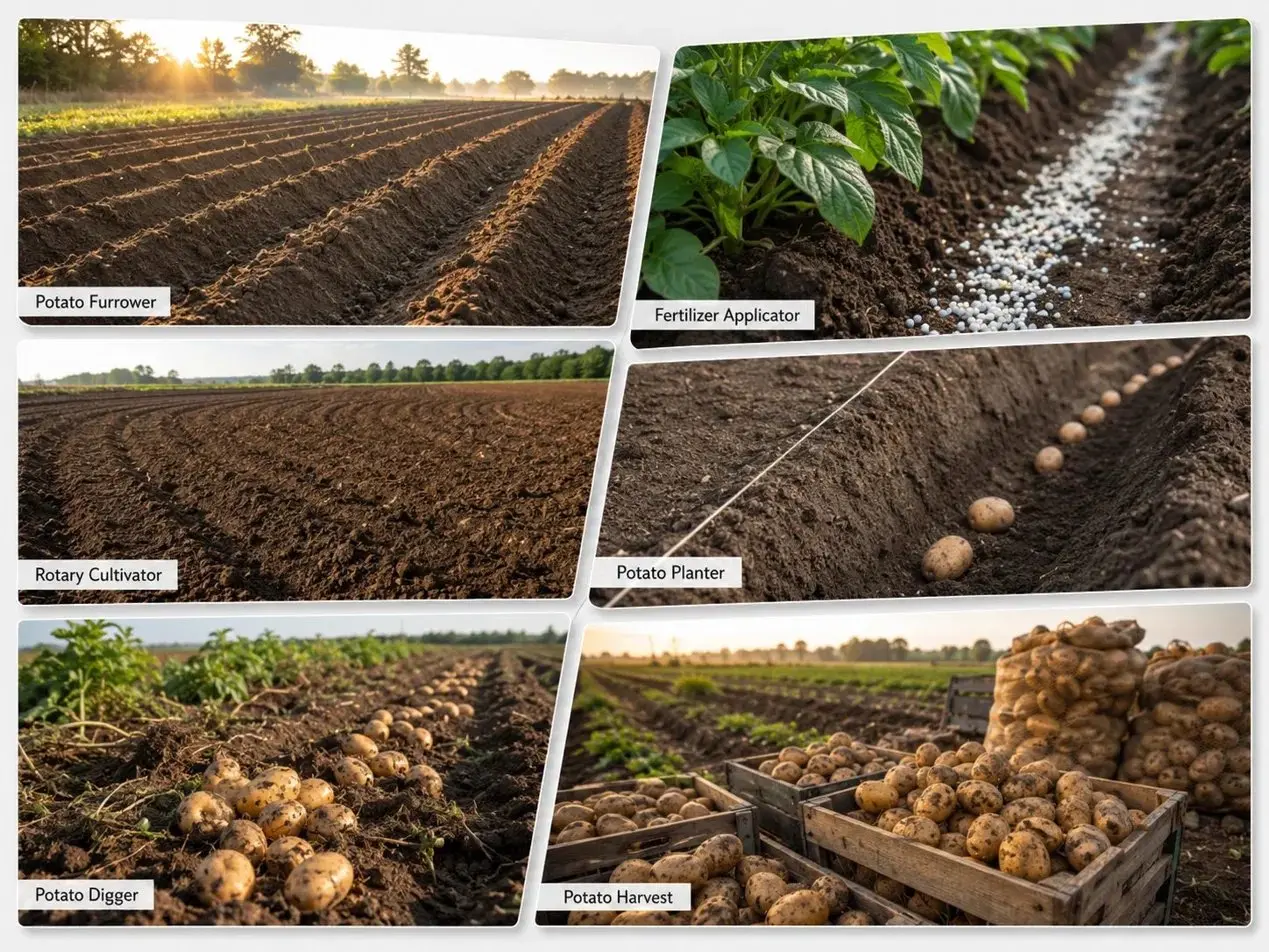
Tutte le specifiche sono tratte dalla brochure ufficiale del prodotto Watanabe.
Il meccanismo di regolazione del numero di file: come PANTHER passa da 2 a 4 file.
La regolazione del numero di file dell'EP-PANTHER è resa possibile da un design modulare dell'unità di semina: il meccanismo di semina di ciascuna fila (sezione della tramoggia dei semi, sistema di alimentazione a catena, dispositivo di semina) è un modulo separato che può essere installato o rimosso dal telaio della macchina. La procedura di regolazione dalla configurazione a 2 file a quella a 4 file è la seguente:
Quali aziende agricole coreane sono adatte al profilo EP-PANTHER — L'azienda agricola a terrazze miste

La coltivazione a terrazze sugli altipiani coreani è caratterizzata da una notevole variabilità: la larghezza delle terrazze varia da un minimo di 3 metri (che consente la semina su sole 2 file) sui tratti a forte pendenza a 8-10 metri sui tratti più ampi, dove la semina su 4 file risulta più produttiva. Un'azienda agricola coreana sugli altipiani con terrazze di larghezza variabile si trova ad affrontare una specifica inefficienza nell'utilizzo di seminatrici a file fisse: o le terrazze più strette risultano sottocoltivate (una seminatrice a 3 file lascia un margine non coltivato significativo su una terrazza di 3,5 metri, dove solo 2 file possono essere piantate senza che le ruote entrino in contatto con le file già coltivate), oppure l'agricoltore deve possedere due seminatrici (una a 2 file e una a 4 file) per coprire l'intera gamma di larghezze delle terrazze.
Profilo ideale dell'azienda agricola EP-PANTHER
Azienda agricola collinare a terrazzamenti misti con sezioni strette (larghezza utile 3,0–4,5 m → 2–3 file) e sezioni più larghe (larghezza utile 5,0–7,0 m → 3–4 file). Superficie totale dell'azienda 5–20 ha. Trattore singolo da 75–100 CV. Operatore disposto a effettuare la conversione del conteggio delle file tra le sezioni del campo in 30 minuti anziché possedere due seminatrici. La PANTHER sostituisce sia una seminatrice a 2 file che una a 4 file con un unico investimento.
Quando EP-PAI-2100 è più appropriato
Aziende agricole con terrazzamenti di larghezza uniforme dove la configurazione fissa a 2 file non necessita mai di modifiche. Aziende agricole di grandi dimensioni (oltre 15 ettari) dove la velocità di semina è la priorità e il tempo di conversione del conteggio delle file rappresenta un costo in termini di produttività. Aziende agricole che già utilizzano un sistema a file fisse allineato con solcatore e mietitrice a file fisse: il passaggio al PANTHER richiede il riallineamento dell'solcatore e potenzialmente anche della mietitrice.
Spaziatura tra le file e allineamento del sistema nelle operazioni con conteggio di più file.
La flessibilità del numero di file dell'EP-PANTHER introduce una sfida di allineamento del sistema che le seminatrici a file fisse non presentano: quando il PANTHER opera con diverse configurazioni di numero di file su diverse sezioni del campo, anche il solcatore (Fase 3) e la raccoglitrice (Fase 7) devono essere riconfigurati di conseguenza. Le regole di allineamento sono le seguenti:
| Configurazione PANTHER | Solcatore necessario (Fase 3) | Rialzatore necessario (Fase 6) | Mietitrice necessaria (Fase 7) |
|---|---|---|---|
| Modalità a 2 file | EP-R-380 (3 file) o EP-ADB-380 azionato in modalità a 2 file, OPPURE solcatore a 2 file specifico | EP-ERA-2100 (2 file) | EP-AWB-1600 (montaggio a 2 file) |
| Modalità a 3 file | EP-R-380 (3 file) — corrispondenza esatta | EP-ERA-3100 (3 file) | EP-AWB-1600 (raccolta di 2 frutti alla volta da semina su 3 file) o EP-AWB-3200 (4 file) |
| Modalità a 4 file | EP-R-580 (5 file funzionanti in modalità 4 file) o EP-ADB-480 | EP-ERA-5100 (5 file, copertura 4 file) o rincalzatore dedicato a 4 file | EP-AWB-3200 (trainato a 4 file) o EP-PAI-480-AR |
La realtà pratica dell'agricoltura a più file:
Nella maggior parte delle aziende agricole coreane di alta montagna, l'EP-PANTHER viene utilizzato in diverse configurazioni di file: una a 2 file per i terrazzamenti più stretti e una a 3 file per i terrazzamenti di larghezza standard, abbinata all'erpice a dischi EP-R-380 (una macchina a 3 file, ma i cui corpi seminatori possono essere impostati selettivamente per la lavorazione a 2 file eliminando la fila centrale). La configurazione a 4 file del PANTHER è utilizzata dalle aziende agricole con almeno alcuni appezzamenti di terrazzamenti larghi e una capacità di raccolta adeguata. L'EP-PANTHER è più comunemente utilizzato con flessibilità a 2/3 file piuttosto che nella gamma completa a 2/3/4 file.
EP-PANTHER vs EP-PAI-2100: la guida definitiva alla scelta.
La scelta tra EP-PANTHER e EP-PAI-2100 per il sistema di semina delle patate di un'azienda agricola di montagna coreana è una delle domande più frequenti che Korea Watanabe riceve dalle aziende agricole che costruiscono o aggiornano i loro sistemi. macchinari per la patata sistema. Il seguente schema risolve la decisione per la maggior parte delle configurazioni di farm:
La vostra azienda agricola presenta terrazzamenti di larghezze effettivamente diverse che richiedono un numero di file differente per una semina efficiente. Desiderate un unico investimento in una seminatrice che copra l'intera gamma di larghezze dei vostri appezzamenti. Siete a vostro agio con il tempo di conversione del numero di file di 30 minuti tra le diverse sezioni del campo. Il vostro solcatore (EP-R-380) e almeno due configurazioni di rincalzatori sono già disponibili o lo saranno a breve. La vostra azienda agricola ha una superficie compresa tra 5 e 15 ettari e dispone di un singolo trattore da 75-100 CV.
I terrazzamenti della vostra azienda agricola hanno tutti la stessa larghezza e una configurazione fissa a 2 file consente una semina efficiente senza sprechi ai margini. Il vostro sistema di raccolta è l'EP-AWB-1600 (a 2 file) e desiderate la configurazione più semplice possibile. La velocità di semina giornaliera è la priorità e non volete tempi di inattività dovuti alla conversione del conteggio delle file tra le sezioni. L'azienda ha una superficie inferiore a 10 ettari e l'EP-PAI-2100 offre una copertura giornaliera sufficiente senza la capacità di semina a file aggiuntive del PANTHER.
L'azienda agricola è abbastanza grande (oltre 15 ettari) da rendere il tempo di semina con una sola macchina un collo di bottiglia nella programmazione, oppure si ha una sezione di terrazzamenti stretti (dove il PANTHER in modalità a 2 file è l'unica opzione praticabile) accanto a un'ampia sezione uniforme dove l'EP-PAI-2100 consente una semina più rapida. Alcune aziende agricole coreane in alta montagna utilizzano entrambe le macchine contemporaneamente su sezioni diverse: un'operazione con due trattori in cui il PANTHER gestisce i terrazzamenti a larghezza variabile e l'EP-PAI-2100 gestisce i blocchi a larghezza standard.
Qualità della rimozione delle pietre e prestazioni di EP-PANTHER: perché la lavorazione fine è importante per tutte le file di terreno.
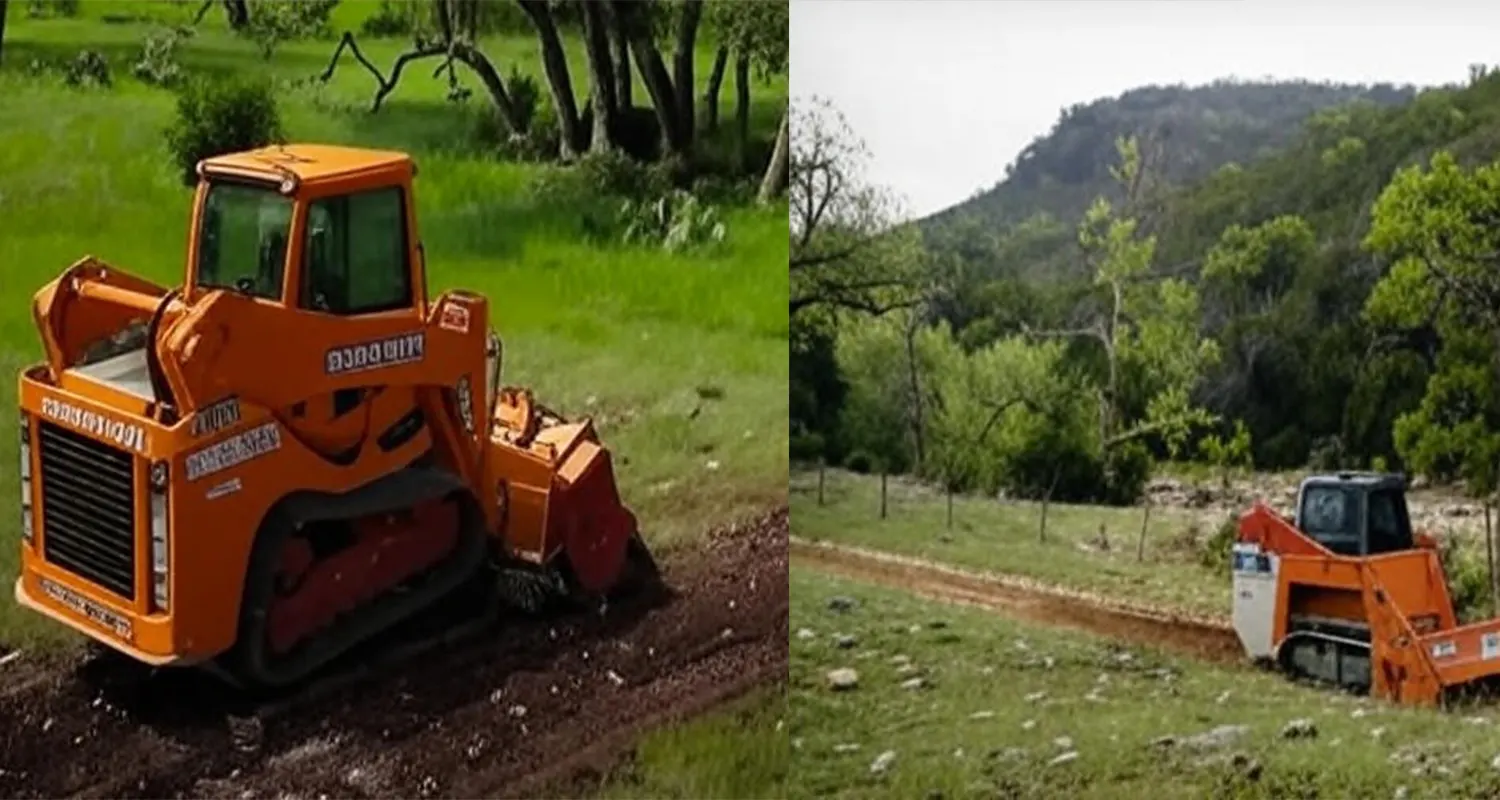
La flessibilità del conteggio delle file dell'EP-PANTHER non modifica la sua sensibilità al contenuto di pietre nella zona di semina. Il pattino di semina di ogni unità di fila deve viaggiare a una profondità costante attraverso il solco: una pietra alla profondità di semina devia il pattino verso l'alto esattamente come devierebbe il pattino dell'EP-PAI-2100, posizionando quel pezzo di seme più in superficie rispetto a quanto previsto. Lo stesso requisito di tolleranza zero per la distanza dalle pietre dell'EP-PAI-2100 è valido anche per l'EP-PAI-2100. Frantumatore di roccia THOR 2.4 E Rotavator PSW-3200 Ciò che si applica all'EP-PAI-2100 si applica ugualmente all'EP-PANTHER in tutte le configurazioni di numero di righe.
La considerazione relativa alla rimozione delle pietre, specifica per il funzionamento a più file dell'EP-PANTHER, riguarda l'uniformità della copertura su tutta la larghezza di semina. In modalità a 4 file, le file esterne del PANTHER operano vicino al bordo esterno della pista di lavorazione del PSW-3200, ovvero la zona in cui la copertura del rotore del PSW-3200 è meno uniforme (le estremità esterne del rotore producono un terreno leggermente più grezzo rispetto alla zona centrale). La qualità di pulizia THOR 2.4 nella zona di lavoro esterna di ogni passaggio è quindi importante per le file più esterne dell'EP-PANTHER nella configurazione a 4 file: il pattino di semina della fila esterna incontra il terreno lavorato dal rotore esterno del PSW-3200 e qualsiasi residuo di pietra in questa zona marginale devia il pattino della fila esterna, mentre le file interne rimangono alla profondità corretta.
Copertura giornaliera e produttività — EP-PANTHER in diverse configurazioni di numero di righe
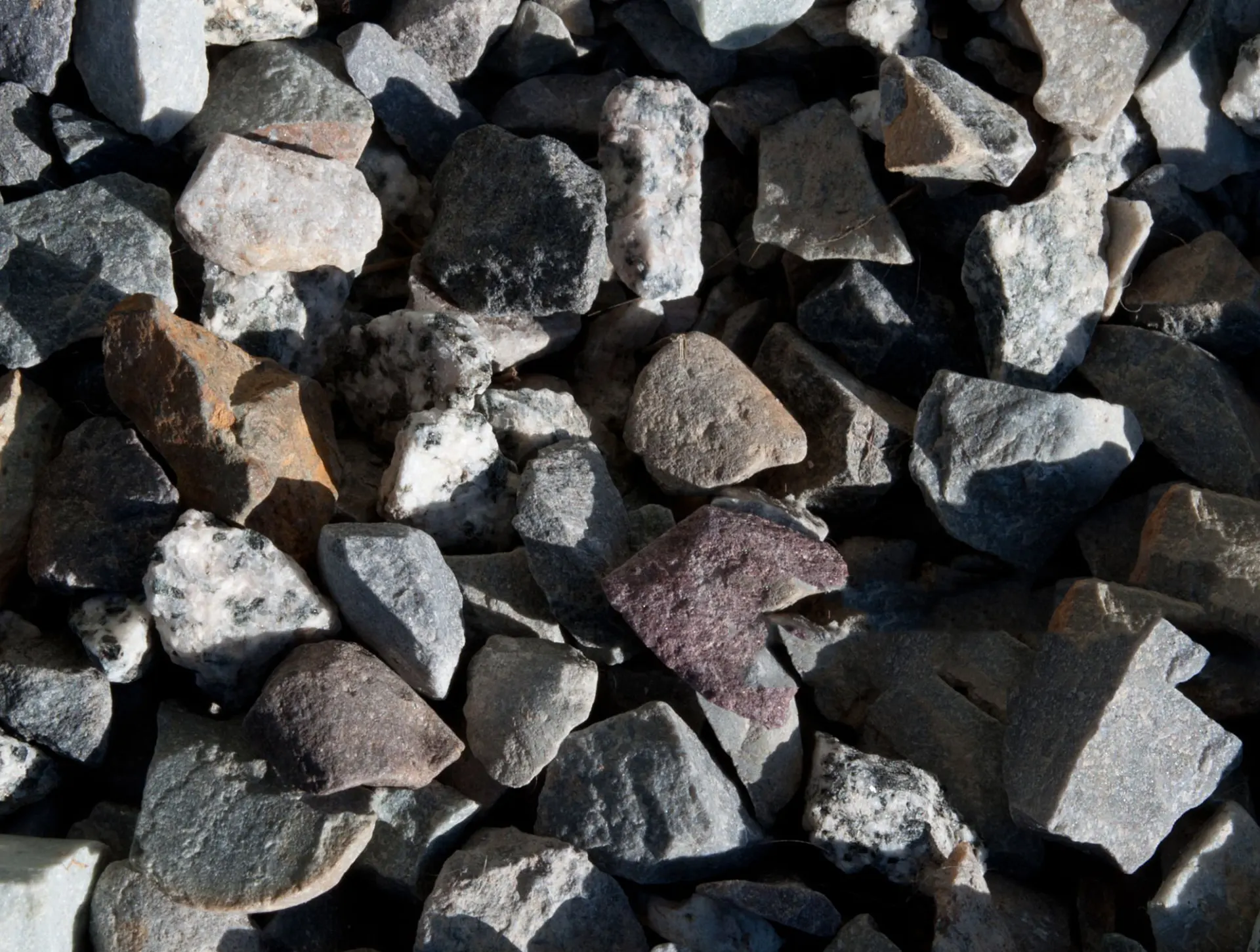
Copertura giornaliera EP-PANTHER in base al numero di file — Condizioni di alta montagna coreana, spaziatura tra le file di 75 cm, velocità di avanzamento di 5 km/h, efficienza di campo 75%:
Meccanismo di rilascio dei semi EP-PANTHER: sistema a catena e compatibilità con i semi coreani.
La seminatrice EP-PANTHER utilizza lo stesso meccanismo di distribuzione a catena di tazze della EP-PAI-2100: una catena continua di tazze che prelevano i singoli semi dalla tramoggia e li trasportano attraverso il tubo di distribuzione fino al dispositivo di semina, dove vengono depositati nel solco alla spaziatura prestabilita. La compatibilità del meccanismo a catena di tazze con i formati di semi certificati coreani è identica sia per la PANTHER che per la PAI-2100.
30–90 g di semi interi o pezzi tagliati entro l'intervallo 30–90 g — le classi di dimensioni standard coreane certificate da S a M e il grado di taglio L/XL. I pezzi di semi al di fuori di questo intervallo (inferiori a 25 g o superiori a 100 g) rischiano di essere raccolti due volte (due pezzi in un unico contenitore) o di non essere raccolti, creando spazi vuoti nella semina.
Il sistema a catena a tazze gestisce semi leggermente germogliati (germogli di 0,5–1,5 cm come descritto nella guida alla preparazione dei semi) senza rottura se la tramoggia viene mantenuta a un livello di riempimento di 60–70% e la temperatura dei semi viene mantenuta a 10–14 °C durante il caricamento. Le stesse precauzioni di gestione della tramoggia descritte per l'EP-PAI-2100 si applicano a tutte le configurazioni di conteggio file PANTHER.
La spaziatura tra i semi sulla fila (la distanza tra i semi adiacenti in una singola fila) è determinata dal rapporto di trasmissione della catena a tazze, ovvero dal numero di maglie della catena per tazza e dal rapporto di trasmissione del pignone. La regolazione della spaziatura tra le tazze dell'EP-PANTHER funziona allo stesso modo dell'EP-PAI-2100: si conferma la spaziatura desiderata (in genere 25-35 cm per le patate coreane di alta montagna con obiettivi di resa standard) e si imposta di conseguenza il rapporto di trasmissione. L'impostazione della spaziatura tra le tazze non cambia al variare del numero di file: deve essere confermata separatamente per ogni configurazione del numero di file dopo la conversione.
Domande frequenti
È possibile utilizzare l'EP-PANTHER con il solcatore per fertilizzanti EP-ADB nella fase 3?
Sì, la fase di semina dell'EP-PANTHER (Fase 4) segue la fase di solcatura e posizionamento della banda di fertilizzante dell'EP-ADB (Fase 3) esattamente nello stesso modo in cui l'EP-PAI-2100 segue l'EP-ADB. L'EP-ADB deposita la banda di fertilizzante alla base del solco e l'EP-PANTHER (in qualsiasi configurazione di numero di file corrispondente a quella dell'EP-ADB) posiziona il seme sopra la banda alla profondità e allo spostamento laterale previsti. La regola di compatibilità è la corrispondenza del numero di file: se l'EP-ADB-380 esegue la solcatura in modalità a 3 file, anche il PANTHER deve essere in modalità a 3 file per la fase di semina. Se l'EP-ADB è in modalità a 4 file (EP-ADB-480), anche il PANTHER deve essere in modalità a 4 file. Le discrepanze nel numero di file tra EP-ADB e PANTHER producono gli stessi problemi di allineamento descritti nella guida di allineamento del solcatore: bande di fertilizzante senza semi sopra di esse (nelle file extra del solcatore) e semi senza bande di fertilizzante sotto di esse (nelle file extra del PANTHER).
Il modello EP-PANTHER richiede una manutenzione maggiore rispetto all'EP-PAI-2100 a causa delle sue parti regolabili aggiuntive?
La EP-PANTHER richiede una manutenzione pre-stagionale leggermente superiore rispetto alla EP-PAI-2100, poiché presenta un maggior numero di punti di connessione che possono sviluppare gioco o disallineamenti: i punti di fissaggio delle unità modulari, la catena di trasmissione estesa e l'hardware per la conversione del numero di file. I controlli aggiuntivi specifici per la PANTHER rispetto alla PAI-2100 sono: (1) ispezionare tutti i punti di montaggio delle unità modulari per verificarne il fissaggio sicuro prima di ogni stagione; (2) controllare la catena di trasmissione completa (più lunga nelle configurazioni a 3 e 4 file) per verificarne la corretta tensione e l'assenza di maglie rigide; (3) verificare che tutte le unità aggiunte o rimosse durante la conversione della stagione precedente siano installate correttamente (se in uso) o riposte correttamente (se rimosse). Il tempo di manutenzione aggiuntivo rispetto alla EP-PAI-2100 è di circa 30-45 minuti a stagione per i controlli specifici della PANTHER, un margine di sicurezza ragionevole considerando la flessibilità offerta dalla macchina.
È necessario reimpostare la spaziatura tra le righe dell'EP-PANTHER quando cambia il numero di righe?
Sì, quando si aggiungono o si rimuovono elementi di semina dall'EP-PANTHER, la spaziatura tra le file (distanza centro-centro tra elementi di semina adiacenti) deve essere verificata rispetto alla posizione delle file pre-solco prima del primo passaggio nella nuova configurazione. Le posizioni di montaggio degli elementi di semina sul telaio PANTHER sono preimpostate sulla spaziatura standard dell'azienda agricola (70, 75 o 80 cm), quindi l'aggiunta dell'elemento corretto nella posizione di montaggio corretta dovrebbe produrre automaticamente la spaziatura corretta. La fase di verifica in campo (passaggio di prova di 10 m e misurazione della spaziatura dopo qualsiasi conversione del numero di file) verifica questo prima di procedere al passaggio di semina completo in campo. Durante il passaggio di prova, verificare che tutti i nuovi elementi depositino il seme alla stessa profondità degli elementi esistenti: una variazione di profondità tra gli elementi indica che la profondità di semina del nuovo elemento non corrisponde alla profondità del solco pre-solco. Regolare l'impostazione della profondità del nuovo elemento prima del passaggio completo in campo.
Il modello EP-PANTHER è idoneo a beneficiare dei sussidi coreani per i macchinari agricoli?
Sì, l'EP-PANTHER rientra nel programma coreano di sostegno all'acquisto di macchinari agricoli nella categoria dei macchinari per la coltivazione delle patate (macchine per la semina delle patate), la stessa categoria dell'EP-PAI-2100. Korea Watanabe possiede la certificazione coreana per i macchinari agricoli per l'EP-PANTHER e fornisce gratuitamente tutta la documentazione necessaria per la richiesta di sovvenzione. Per le aziende agricole che acquistano l'EP-PANTHER come parte di un sistema completo per la coltivazione delle patate, è possibile includerlo nella stessa domanda di sovvenzione annuale dell'erpice a solchi EP-R e dell'incorniatrice EP-ERA, confermando così l'acquisto dell'intero sistema in un'unica domanda. Contattate Korea Watanabe tra dicembre e gennaio per preparare la documentazione per la sovvenzione relativa all'acquisto della stagione successiva.
Come si comporta l'EP-PANTHER sui promontori terrazzati più stretti degli altipiani coreani, dove lo spazio di manovra è limitato?
Il raggio di sterzata a fine campo dell'EP-PANTHER è determinato dal trattore (non dalla PANTHER stessa: la PANTHER è una macchina montata sull'attacco che si ripiega all'interno del raggio di sterzata del trattore). In modalità a 2 file (larghezza di lavoro minima, 1,50 m), la PANTHER non presenta maggiori difficoltà a fine campo rispetto all'EP-PAI-2100. In modalità a 4 file (larghezza di lavoro massima, 3,00 m), la macchina sporge maggiormente dall'asse del trattore su ciascun lato, richiedendo circa 1,5 m di spazio libero aggiuntivo su ciascun lato per il corpo macchina durante le svolte a fine campo rispetto alla modalità a 2 file. Sui terrazzamenti degli altipiani coreani con fine campo molto strette (comuni nei siti terrazzati in forte pendenza dove la fine campo ha la stessa larghezza del terrazzamento), l'EP-PANTHER in modalità a 4 file potrebbe richiedere una manovra a tre punti a ogni fine campo anziché una svolta continua, con un conseguente aumento di 30-60 secondi per fine campo rispetto alle operazioni a 2 file. Questo promontorio sopraelevato è incluso nelle stime di copertura giornaliera fornite sopra.
Configurazione EP-PANTHER: numero di righe, spaziatura e compatibilità completa del sistema.
Intervallo di larghezza delle terrazze (m) + solcatore esistente + mietitrice esistente → Raccomandazione EP-PANTHER o EP-PAI-2100 con piano di configurazione del numero di file. Corea Watanabe, Ansan-si, Gyeonggi-do.
Redattore: Cxm