
EP-PANTHER adalah versi baris yang dapat disesuaikan dari rangkaian penanaman kentang Watanabe — sebuah mesin tunggal yang dapat dikonfigurasi untuk penanaman simultan 2 baris, 3 baris, atau 4 baris. Kemampuan penyesuaian ini adalah pembeda komersial utamanya dari EP-PAI-2100 (2 baris, tetap) dan dari sistem panen EP-PAI-480-AR yang berskala lebih besar. Untuk pertanian kentang dataran tinggi Korea, di mana struktur lahan terasering berarti bahwa satu lahan pertanian mungkin mencakup teras sempit dengan lebar 2 baris di samping blok yang lebih lebar yang mampu menampung 4 baris, kemampuan EP-PANTHER untuk mengubah jumlah baris tanpa mengganti mesin mengatasi keterbatasan praktis yang tidak dapat diatasi oleh alat tanam baris tetap.
Panduan ini mencakup spesifikasi EP-PANTHER yang telah dikonfirmasi, cara kerja mekanisme penyesuaian jumlah baris dalam praktiknya, profil pertanian Korea yang mana EP-PANTHER merupakan pilihan sistem yang tepat dibandingkan EP-PAI-2100, persyaratan penyelarasan sistem untuk setiap konfigurasi jumlah baris dengan pembajak alur dan pemanen, serta interaksi pembersihan batu yang menentukan apakah fleksibilitas PANTHER memberikan produktivitas yang diinginkan pada tanah granit dataran tinggi Korea. Ini merupakan pelengkap artikel perbandingan EP-PAI-2100 vs EP-PANTHER — di mana artikel tersebut berfokus pada keputusan pemilihan, panduan ini berfokus pada EP-PANTHER sebagai sistem operasional mandiri.
Spesifikasi EP-PANTHER yang Telah Dikonfirmasi
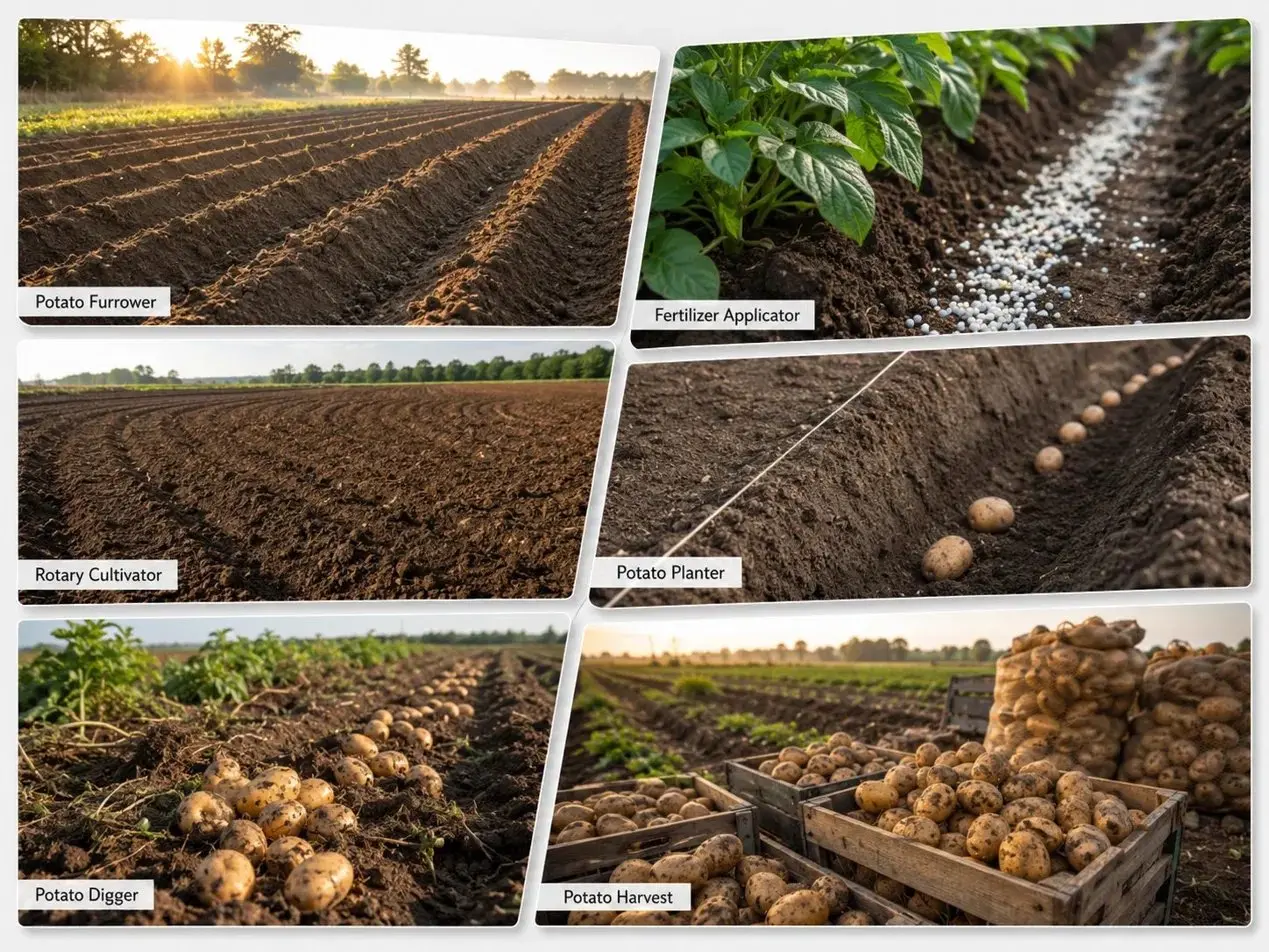
Semua spesifikasi diambil dari brosur produk resmi Watanabe.
Mekanisme Penyesuaian Jumlah Baris — Bagaimana PANTHER Berubah dari 2 menjadi 4 Baris
Kemampuan penyesuaian jumlah baris pada EP-PANTHER dicapai melalui desain unit penanaman modular — mekanisme penanaman setiap baris (bagian hopper benih, pengiriman rantai cangkir, sepatu tanam) adalah modul terpisah yang dapat dipasang atau dilepas dari rangka mesin. Prosedur penyesuaian dari konfigurasi 2 baris ke 4 baris:
Peternakan Korea Mana yang Cocok untuk EP-PANTHER — Profil Peternakan Teras Campuran

Pertanian teras dataran tinggi Korea dicirikan oleh variabilitas — lebar teras berkisar dari sesempit 3 m (hanya dapat menampung penanaman 2 baris) di bagian lereng yang curam hingga 8–10 m di bagian teras yang lebih lebar di mana penanaman 4 baris lebih produktif. Pertanian dataran tinggi Korea dengan lebar teras yang beragam menghadapi inefisiensi khusus ketika menggunakan alat tanam baris tetap: teras yang sempit ditanami kurang (alat tanam 3 baris menyisakan margin yang tidak ditanami secara signifikan pada teras 3,5 m di mana hanya 2 baris yang muat tanpa kontak roda dengan baris yang ditanami) atau petani memiliki dua alat tanam (2 baris dan 4 baris) untuk mencakup seluruh rentang lebar teras.
Profil pertanian EP-PANTHER yang ideal
Lahan pertanian dataran tinggi teras campuran dengan: bagian sempit (lebar yang dapat digunakan 3,0–4,5 m → 2–3 baris) dan bagian lebih lebar (lebar yang dapat digunakan 5,0–7,0 m → 3–4 baris). Luas total lahan pertanian 5–20 ha. Traktor tunggal 75–100 HP. Operator bersedia melakukan konversi jumlah baris selama 30 menit antar bagian lahan daripada memiliki dua alat tanam. PANTHER menggantikan alat tanam 2 baris dan 4 baris dalam satu investasi mesin.
Kapan EP-PAI-2100 lebih tepat?
Lahan pertanian dengan lebar teras yang seragam di mana konfigurasi 2 baris tetap tidak perlu diubah. Lahan pertanian skala besar (15 ha+) di mana kecepatan tanam menjadi prioritas dan waktu konversi jumlah baris merupakan biaya produktivitas. Lahan pertanian yang sudah mengoperasikan sistem baris tetap yang selaras dengan pembajak alur dan pemanen baris tetap — beralih ke PANTHER memerlukan penyesuaian ulang konfigurasi pembajak alur dan mungkin juga pemanen.
Jarak Antar Baris dan Penyelarasan Sistem dalam Operasi Penghitungan Multi-Baris
Fleksibilitas jumlah baris pada EP-PANTHER menghadirkan tantangan penyelarasan sistem yang tidak dimiliki oleh alat tanam baris tetap: ketika PANTHER beroperasi dalam konfigurasi jumlah baris yang berbeda pada bagian lahan yang berbeda, alat pembajak (Langkah 3) dan pemanen (Langkah 7) juga harus dikonfigurasi ulang agar sesuai. Aturan penyelarasan:
| Konfigurasi PANTHER | Diperlukan alat pembajak alur (Langkah 3) | Penanjakan bukit yang diperlukan (Langkah 6) | Pemanen yang dibutuhkan (Langkah 7) |
|---|---|---|---|
| Mode 2 baris | EP-R-380 (3 baris) atau EP-ADB-380 dioperasikan dalam mode 2 baris, ATAU pembajak 2 baris khusus | EP-ERA-2100 (2 baris) | EP-AWB-1600 (dipasang 2 baris) |
| Mode 3 baris | EP-R-380 (3 baris) — cocok persis | EP-ERA-3100 (3 baris) | EP-AWB-1600 (panen 2 sekaligus dari penanaman 3 baris) atau EP-AWB-3200 (4 baris) |
| Mode 4 baris | EP-R-580 (5 baris dioperasikan dalam mode 4 baris) atau EP-ADB-480 | EP-ERA-5100 (5 baris, mencakup 4 baris) atau hiller 4 baris khusus | EP-AWB-3200 (4 baris ditarik) atau EP-PAI-480-AR |
Realita praktis dari pertanian dengan sistem tanam multi-baris:
Sebagian besar pertanian dataran tinggi Korea yang menggunakan EP-PANTHER dalam konfigurasi beberapa baris menggunakannya dalam dua mode: mode 2 baris untuk teras tersempit dan mode 3 baris untuk teras lebar standar, dipasangkan dengan mesin pembajak EP-R-380 (yang merupakan mesin 3 baris tetapi badan barisnya dapat digunakan secara selektif untuk pembajakan 2 baris dengan mengosongkan baris tengah). Konfigurasi PANTHER 4 baris digunakan oleh pertanian dengan setidaknya beberapa blok teras lebar dan kapasitas pemanen yang sesuai. EP-PANTHER paling umum digunakan dalam fleksibilitas 2/3 baris daripada rentang 2/3/4 penuh.
EP-PANTHER vs EP-PAI-2100 — Panduan Pemilihan yang Pasti
Keputusan antara EP-PANTHER dan EP-PAI-2100 untuk sistem penanaman kentang di lahan pertanian dataran tinggi Korea adalah salah satu pertanyaan yang paling sering diajukan kepada Korea Watanabe dari petani yang sedang membangun atau meningkatkan sistem penanaman mereka. mesin kentang sistem. Kerangka kerja berikut menyelesaikan keputusan untuk sebagian besar konfigurasi pertanian:
Lahan pertanian Anda memiliki bagian teras dengan lebar yang benar-benar berbeda yang membutuhkan jumlah baris yang berbeda untuk penanaman yang efisien. Anda menginginkan satu investasi alat tanam yang mencakup seluruh rentang lebar blok lahan pertanian Anda. Anda merasa nyaman dengan konversi jumlah baris 30 menit antar bagian lahan. Alat pembajak alur (EP-R-380) dan setidaknya dua konfigurasi pembentuk gundukan sudah tersedia atau akan tersedia. Lahan pertanian Anda seluas 5–15 ha dengan satu traktor 75–100 HP.
Teras pertanian Anda memiliki lebar yang konsisten dan konfigurasi 2 baris tetap memungkinkan penanaman yang efisien tanpa pemborosan margin. Sistem panen Anda adalah EP-AWB-1600 (2 baris) dan Anda menginginkan penyelarasan sistem sesederhana mungkin. Kecepatan penanaman per hari adalah prioritas dan Anda tidak menginginkan waktu henti konversi jumlah baris antar bagian. Luas lahan pertanian kurang dari 10 ha dan EP-PAI-2100 memberikan cakupan harian yang cukup tanpa kemampuan baris tambahan dari PANTHER.
Lahan pertanian cukup luas (15+ ha) sehingga waktu tanam dengan satu mesin menjadi kendala penjadwalan, ATAU Anda memiliki satu bagian teras sempit (di mana PANTHER dalam mode 2 baris adalah satu-satunya pilihan yang layak) di samping bagian seragam yang luas di mana EP-PAI-2100 memberikan penanaman yang lebih cepat. Beberapa lahan pertanian dataran tinggi Korea mengoperasikan kedua mesin secara bersamaan di bagian yang berbeda — operasi dua traktor di mana PANTHER menangani teras dengan lebar variabel dan EP-PAI-2100 menangani blok dengan lebar standar.
Kualitas Pembersihan Batu dan Performa EP-PANTHER — Mengapa Pengolahan Tanah yang Baik Penting untuk Semua Jumlah Baris
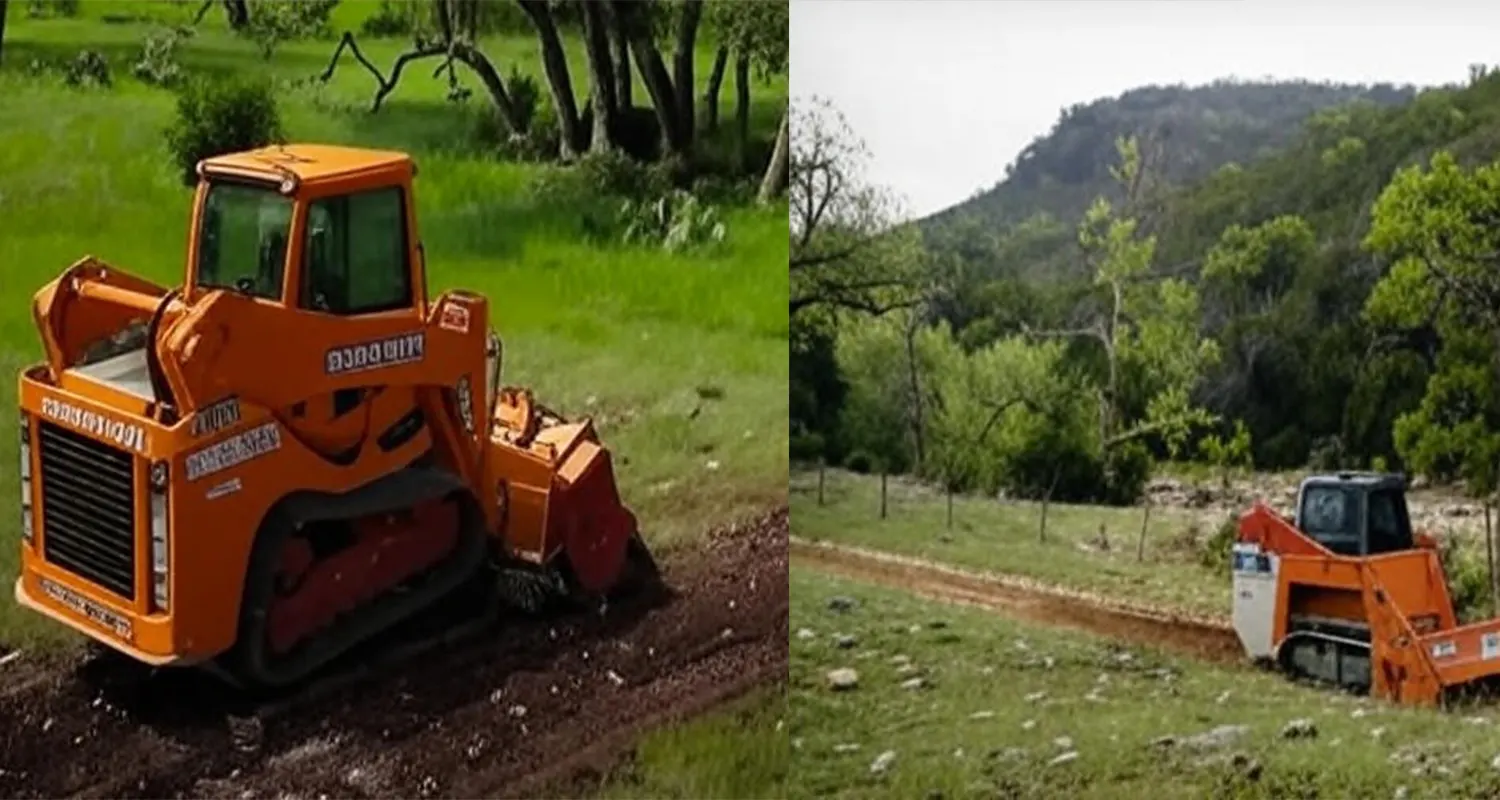
Fleksibilitas jumlah baris EP-PANTHER tidak mengubah sensitivitasnya terhadap kandungan batu di zona tanam. Sepatu tanam setiap unit baris harus bergerak pada kedalaman yang konsisten melalui gundukan — batu pada kedalaman tanam akan membelokkan sepatu ke atas persis seperti yang akan terjadi pada sepatu EP-PAI-2100, menempatkan potongan benih tersebut lebih dangkal dari yang dirancang. Persyaratan jarak bebas batu tanpa toleransi yang sama dari Penghancur batu THOR 2.4 Dan Rotavator PSW-3200 Ketentuan yang berlaku untuk EP-PAI-2100 juga berlaku untuk EP-PANTHER dalam semua konfigurasi jumlah baris.
Pertimbangan pembersihan batu yang spesifik untuk operasi multi-baris EP-PANTHER adalah konsistensi cakupan di seluruh lebar tanam. Dalam mode 4 baris, baris terluar PANTHER beroperasi di dekat tepi luar jalur pengolahan tanah PSW-3200 — zona di mana cakupan rotor PSW-3200 paling tidak seragam (ujung rotor luar menghasilkan tanah yang sedikit lebih kasar daripada zona tengah). Oleh karena itu, kualitas pembersihan THOR 2.4 di zona tepi kerja luar setiap lintasan penting untuk baris terluar EP-PANTHER dalam konfigurasi 4 baris — sepatu tanam baris terluar bertemu dengan tanah yang telah diproses oleh rotor luar PSW-3200, dan setiap batu sisa di zona tepi ini membelokkan sepatu baris terluar sementara baris dalam tetap pada kedalaman yang benar.
Cakupan dan Produktivitas Harian — EP-PANTHER di Seluruh Konfigurasi Jumlah Baris
Cakupan harian EP-PANTHER berdasarkan jumlah baris — kondisi dataran tinggi Korea, jarak antar baris 75 cm, kecepatan maju 5 km/jam, efisiensi lapangan 75%:
Mekanisme Pengiriman Benih EP-PANTHER — Sistem Rantai Cangkir dan Kompatibilitas Benih Korea
EP-PANTHER menggunakan mekanisme pengiriman rantai cangkir yang sama dengan EP-PAI-2100 — rantai cangkir kontinu yang mengambil potongan benih satu per satu dari wadah dan membawanya melalui tabung pengiriman ke sepatu tanam, tempat benih tersebut ditempatkan di alur dengan jarak yang telah dirancang. Kompatibilitas mekanisme rantai cangkir dengan ukuran benih bersertifikat Korea berlaku identik untuk PANTHER dan PAI-2100:
30–90 g potongan benih utuh atau yang sudah dipotong — ukuran benih bersertifikat standar Korea kelas S hingga M dan potongan kelas L/XL. Potongan benih di luar kisaran ini (di bawah 25 g atau di atas 100 g) berisiko terambil ganda (dua potongan dalam satu wadah) atau terlewatnya pengambilan yang menciptakan celah tanam.
Sistem rantai cangkir menangani benih yang sedikit berkecambah (kecambah 0,5–1,5 cm seperti yang dijelaskan dalam panduan persiapan benih) tanpa kerusakan kecambah jika wadah dijaga pada tingkat pengisian 60–70% dan suhu benih dipertahankan pada 10–14°C saat pemuatan. Tindakan pencegahan manajemen wadah yang sama seperti yang dijelaskan untuk EP-PAI-2100 berlaku untuk semua konfigurasi jumlah baris PANTHER.
Jarak tanam antar bibit dalam satu baris (jarak antara bibit yang berdekatan dalam satu baris) ditentukan oleh rasio penggerak rantai-cangkir — jumlah mata rantai per cangkir dan rasio roda gigi sproket. Penyesuaian jarak tanam dalam baris pada EP-PANTHER bekerja sama dengan EP-PAI-2100: konfirmasikan jarak tanam dalam baris yang ditargetkan (biasanya 25–35 cm untuk kentang dataran tinggi Korea pada target hasil panen standar) dan atur rasio roda gigi penggerak sesuai dengan itu. Pengaturan jarak tanam dalam baris tidak berubah ketika jumlah baris diubah — pengaturan ini harus dikonfirmasi secara terpisah untuk setiap konfigurasi jumlah baris setelah konversi.
Pertanyaan yang Sering Diajukan
Apakah EP-PANTHER dapat digunakan dengan alat penabur pupuk EP-ADB pada Langkah 3?
Ya — langkah penanaman EP-PANTHER (Langkah 4) mengikuti langkah pembuatan alur dan penempatan pita pupuk EP-ADB (Langkah 3) persis sama seperti EP-PAI-2100 mengikuti EP-ADB. EP-ADB menempatkan pita pupuk di dasar bedengan, dan EP-PANTHER (dalam konfigurasi jumlah baris apa pun yang sesuai dengan jumlah baris EP-ADB) menempatkan bibit di atas pita pada kedalaman dan pergeseran lateral yang dirancang. Aturan kompatibilitasnya adalah pencocokan jumlah baris: jika EP-ADB-380 membuat alur dalam mode 3 baris, PANTHER juga harus dalam mode 3 baris untuk proses penanaman. Jika EP-ADB dalam mode 4 baris (EP-ADB-480), PANTHER juga harus dalam mode 4 baris. Ketidaksesuaian jumlah baris antara EP-ADB dan PANTHER menghasilkan masalah penyelarasan yang sama seperti yang dijelaskan dalam panduan penyelarasan alat pembajak alur — pita pupuk tanpa benih di atasnya (pada baris alat pembajak alur tambahan) dan benih tanpa pita pupuk di bawahnya (pada baris tambahan PANTHER).
Apakah EP-PANTHER memiliki persyaratan perawatan yang lebih tinggi daripada EP-PAI-2100 karena adanya bagian-bagian yang dapat disesuaikan tambahan?
EP-PANTHER memiliki persyaratan perawatan pra-musim yang sedikit lebih tinggi daripada EP-PAI-2100 karena memiliki lebih banyak titik sambungan potensial yang dapat mengalami kelonggaran atau ketidaksejajaran: titik pemasangan unit modular, rantai penggerak yang diperpanjang, dan perangkat keras konversi jumlah baris. Pemeriksaan tambahan khusus untuk PANTHER dibandingkan dengan PAI-2100: (1) periksa semua titik pemasangan unit modular untuk memastikan sambungan yang aman sebelum setiap musim; (2) periksa seluruh rantai penggerak (yang lebih panjang pada konfigurasi 3 baris dan 4 baris) untuk memastikan tegangan yang benar dan tidak ada sambungan yang kaku; (3) verifikasi bahwa setiap unit yang ditambahkan atau dilepas dalam konversi musim sebelumnya terpasang dengan benar (jika digunakan) atau disimpan dengan benar (jika dilepas). Waktu perawatan tambahan dibandingkan dengan EP-PAI-2100 adalah sekitar 30–45 menit per musim untuk pemeriksaan khusus PANTHER — biaya tambahan yang wajar untuk fleksibilitas yang diberikan mesin ini.
Apakah jarak antar baris pada EP-PANTHER perlu diatur ulang ketika jumlah baris berubah?
Ya — saat menambah atau mengurangi unit baris dari EP-PANTHER, jarak antar baris (jarak pusat ke pusat antara unit tanam yang berdekatan) harus dikonfirmasi terhadap posisi baris yang telah dibajak sebelum lintasan pertama dalam konfigurasi baru. Posisi pemasangan unit baris pada rangka PANTHER telah diatur sebelumnya sesuai dengan jarak antar baris standar pertanian (70, 75, atau 80 cm), sehingga menambahkan unit yang tepat pada posisi pemasangan yang tepat akan secara otomatis menghasilkan jarak yang tepat. Langkah konfirmasi lapangan (lintasan uji 10 m dan pengukuran jarak setelah konversi jumlah baris) memverifikasi hal ini sebelum lintasan penanaman lapangan penuh dilanjutkan. Pada lintasan uji, pastikan semua unit baru menempatkan benih pada kedalaman yang sama dengan unit yang ada — variasi kedalaman antar unit menunjukkan bahwa kedalaman sepatu tanam unit baru tidak sesuai dengan kedalaman alur pra-bajak. Sesuaikan pengaturan kedalaman unit baru sebelum lintasan lapangan penuh.
Apakah EP-PANTHER memenuhi syarat untuk subsidi mesin pertanian Korea?
Ya — EP-PANTHER memenuhi syarat dalam program dukungan pembelian mesin pertanian Korea dalam kategori mesin budidaya kentang (mesin tanam kentang), kategori yang sama dengan EP-PAI-2100. Korea Watanabe memegang sertifikasi mesin pertanian Korea untuk EP-PANTHER dan menyediakan dokumentasi subsidi lengkap tanpa biaya. Bagi petani yang membeli EP-PANTHER sebagai bagian dari sistem kentang lengkap, alat ini dapat dimasukkan dalam aplikasi subsidi tahunan yang sama dengan mesin pembajak alur EP-R dan mesin pembuat gundukan EP-ERA — mengkonfirmasi pembelian sistem lengkap dalam satu aplikasi. Hubungi Korea Watanabe pada bulan Desember–Januari untuk menyiapkan dokumentasi subsidi untuk pembelian musim berikutnya.
Bagaimana EP-PANTHER menangani tanjung teras dataran tinggi Korea yang lebih sempit di mana ruang untuk berputar terbatas?
Radius putar ujung lahan EP-PANTHER ditentukan oleh traktor (bukan oleh PANTHER itu sendiri — PANTHER adalah mesin yang dipasang pada pengait yang dapat dilipat di dalam lingkaran putar traktor). Dalam mode 2 baris (lebar kerja tersempit, 1,50 m), PANTHER tidak menghadirkan tantangan ujung lahan yang lebih besar daripada EP-PAI-2100. Dalam mode 4 baris (lebar kerja terluas, 3,00 m), mesin menonjol lebih jauh dari garis tengah traktor di setiap sisi — membutuhkan jarak bebas tambahan sekitar 1,5 m di setiap sisi untuk badan mesin selama putaran ujung lahan dibandingkan dengan mode 2 baris. Di teras dataran tinggi Korea dengan ujung lahan yang sangat sempit (umum di lokasi teras curam di mana ujung lahan memiliki lebar yang sama dengan teras), EP-PANTHER dalam mode 4 baris mungkin memerlukan pembalikan 3 titik di setiap ujung lahan daripada putaran terus menerus — menambah 30–60 detik per ujung lahan dibandingkan dengan operasi 2 baris. Ketinggian di atas tanjung ini diperhitungkan dalam perkiraan cakupan harian yang diberikan di atas.
Konfigurasi EP-PANTHER — Jumlah Baris, Jarak, dan Kompatibilitas Sistem Lengkap
Rentang lebar terasering (m) + pembajak alur yang ada + pemanen yang ada → Rekomendasi EP-PANTHER atau EP-PAI-2100 dengan rencana konfigurasi jumlah baris. Watanabe, Ansan-si, Gyeonggi-do, Korea.
Editor: Cxm