Frankincense — the aromatic oleoresin produced by trees of the genus Boswellia in response to bark incisions — has been traded across the Arabian Peninsula and the Horn of Africa for at least 5,000 years, forming the commercial backbone of the ancient incense routes from Dhofar in southern Oman through Yemen to the Mediterranean world. Today, its commercial significance has expanded from incense and perfumery into pharmaceutical extraction: boswellic acids — pentacyclic triterpene acids present at 25–45% of oleoresin dry weight — are increasingly researched and marketed as anti-inflammatory agents for joint disease, inflammatory bowel conditions, and asthma, with the pharmaceutical market paying significant premiums for Boswellia extract standardised to high AKBA content.
The two most globally significant frankincense species are Boswellia sacra — the producer of the premium Omani Hojari frankincense on the limestone and ophiolite terrain of Dhofar Province — and Boswellia papyrifera — the Ethiopian species, which grows across the sub-humid highland forests of Tigray, Amhara, and Afar on volcanic basalt and Precambrian metamorphic terrain. Both species produce boswellic acids via the same MVA pathway, and both species’ production terrain includes the Mg-bearing geological formations that constitute the mineral foundation of the AKBA biosynthesis pathway.
Oman Dhofar — The Samail Ophiolite and Hojari Frankincense
Dhofar Province occupies Oman’s southern coastal and mountain zone, separated from the rest of Oman by desert and geographically closer — both geologically and climatically — to the Arabian Sea coast than to the interior. The Dhofar coast and the Qara Mountain escarpment behind it are the world’s premier source of Boswellia sacra frankincense, producing the Hojari grades (Silver Hojari, Royal Hojari) that command the highest prices in the global frankincense market, particularly in the premium incense, luxury perfumery, and pharmaceutical extract sectors.
The Dhofar Khareef Microclimate and the Boswellia sacra Ecology
Boswellia sacra trees grow on the exposed limestone and dolomite escarpments and slopes of the Qara and Dhofar mountain ranges at 500–1,500 m elevation, in a habitat that most other trees could not survive: near-vertical limestone cliff faces, extremely thin rocky soils, high temperatures during the dry season (October–May), and a very specific moisture regime during the khareef (the summer monsoon that affects Dhofar and the adjacent Yemeni coast, June–September) — a season of low cloud, mist, and gentle rain that provides the moisture the trees require while keeping temperatures moderate. This harsh, rocky, limestone-cliff environment is precisely the ecological niche where B. sacra thrives — and the geological materials of that environment are the mineral substrate behind the tree’s oleoresin quality.
The Samail Ophiolite — World’s Largest Exposed Oceanic Crust and Its Mg Mineral Legacy
The geological setting of the Dhofar frankincense zone is exceptional in global terms. The Oman ophiolite — more formally the Samail Nappe or Samail Ophiolite — is the world’s largest and most completely preserved exposure of ancient oceanic crust: a 500-kilometre-long, 30–40-kilometre-wide slab of Cretaceous Tethyan sea floor that was thrust over the Arabian Carbonate Platform approximately 90 million years ago during the collision of the Arabian and Asian plates. It is now exposed as a series of mountain massifs across northern and central Oman, with fingers of ophiolitic material extending into the structural domain that includes the Dhofar Zone.
The rock types of the Samail Ophiolite — in order from the original sea floor upward — include: mantle harzburgite and dunite (peridotite mantle rocks, 30–50% MgO by mass, the highest Mg concentrations of any geological unit on Earth’s surface), serpentinite (hydrated peridotite, typically 30–40% MgO), gabbro, sheeted dyke complexes (basalt), and pillow lavas. Where the ophiolite’s serpentinite and harzburgite components have been weathered by soil processes over millions of years, they produce the most magnesium-rich soils found anywhere in the world — soils where plant-available Mg²⁺ concentrations would ordinarily reach phytotoxic levels for many species, but which Boswellia sacra — a tree adapted to extreme mineral soils — can utilise as a Mg source for boswellic acid synthesis without evident phytotoxic response.
The C30 MVA Triterpene Pathway — Dual Mg²⁺ at HMGR and Squalene Synthase → AKBA
Frankincense’s boswellic acids are C30 pentacyclic triterpenes — the largest isoprenoid class described in this E-series, representing the culmination of the MVA pathway’s isoprenoid scale. The progression through this series illustrates the pathway’s reach: E-65 (lavender, MEP → C10 monoterpene linalool) → E-69 (patchouli, MVA → C15 sesquiterpene patchouli alcohol) → E-70 (frankincense, MVA → C30 triterpene AKBA). Each step up the carbon chain requires the MVA pathway to produce more FPP units, and each additional FPP unit requires another cycle of HMGR-catalysed mevalonate production. Frankincense, at C30, requires the most MVA pathway activity of any crop quality compound in the series.
C30 MVA Triterpene Pathway — Ophiolite Mg²⁺ → Dual Enzyme → AKBA (Boswellic Acid)
The double Mg²⁺ requirement at HMGR and squalene synthase creates a compounding mineral sensitivity for frankincense that exceeds that of any other crop in the series. At HMGR: every additional Mg²⁺ available increases the mevalonate production rate, which increases FPP pool size. At squalene synthase: the additional FPP is then more efficiently dimerised into squalene when Mg²⁺ is abundant. The AKBA output rate is therefore sensitive to Mg²⁺ at two sequential bottleneck points — a cascading amplification where a modest increase in soil Mg²⁺ availability generates a larger than proportional increase in squalene (and thereby AKBA) output.
Ethiopia — Boswellia papyrifera on Ethiopian Traps Basalt and Arabian-Nubian Shield
Ethiopia is the world’s largest producer of frankincense by volume, with Boswellia papyrifera (Ethiopian or “paper bark” frankincense, so named for the distinctive peeling bark of the tree) distributed across the northern highland regions of Tigray, Amhara, and Afar at elevations of 1,000–2,000 m. Ethiopian frankincense produces a different boswellic acid profile from Omani B. sacra — typically richer in α-boswellic acid derivatives and with a different AKBA-to-total-boswellic-acid ratio — and its essential oil component (the monoterpene fraction) is dominated by α-pinene and limonene rather than the octyl acetate character of Omani Hojari resin.
Ethiopian Traps Basalt — Africa’s Cenozoic Flood Basalt Province
The Ethiopian Highlands are underlain by one of the world’s most voluminous Cenozoic continental flood basalt sequences — the Ethiopian (or Afro-Arabian) Large Igneous Province, which erupted approximately 30 million years ago at the initiation of East African rifting. The Ethiopian Traps basalt covers approximately 600,000 km² of the Ethiopian and Eritrean highlands and southwestern Yemen, reaching thicknesses of 2–3 km in the plateau interior. The basalt is chemically tholeiitic (similar to the Paraná basalt of E-66) with iron content of 11–15% FeO + Fe₂O₃ and magnesium content of 5–9% MgO — not as Mg-extreme as the Samail Ophiolite of Oman, but providing a substantial mineral foundation for the MVA pathway enzymes in the Boswellia papyrifera trees growing in the forest remnants above.
The Arabian-Nubian Shield — the Precambrian metamorphic basement that underlies the Ethiopian Highlands beneath and between the basalt flows — adds a further layer of Fe and Mn mineralogy through its schist, gneiss, and greenstone belt components. Where river erosion has cut through the basalt cover and exposed the Shield basement in the valleys and escarpments of Tigray and Amhara, frankincense trees growing on or near the Shield outcrop have access to both the basalt’s Mg richness and the Shield’s Fe mineralogy — providing both the HMGR/squalene synthase Mg²⁺ support and the CYP450 haem-Fe support for the full AKBA biosynthetic pathway.
Rock Crusher Application — Frankincense Terrain Management on Limestone, Ophiolite, and Basalt
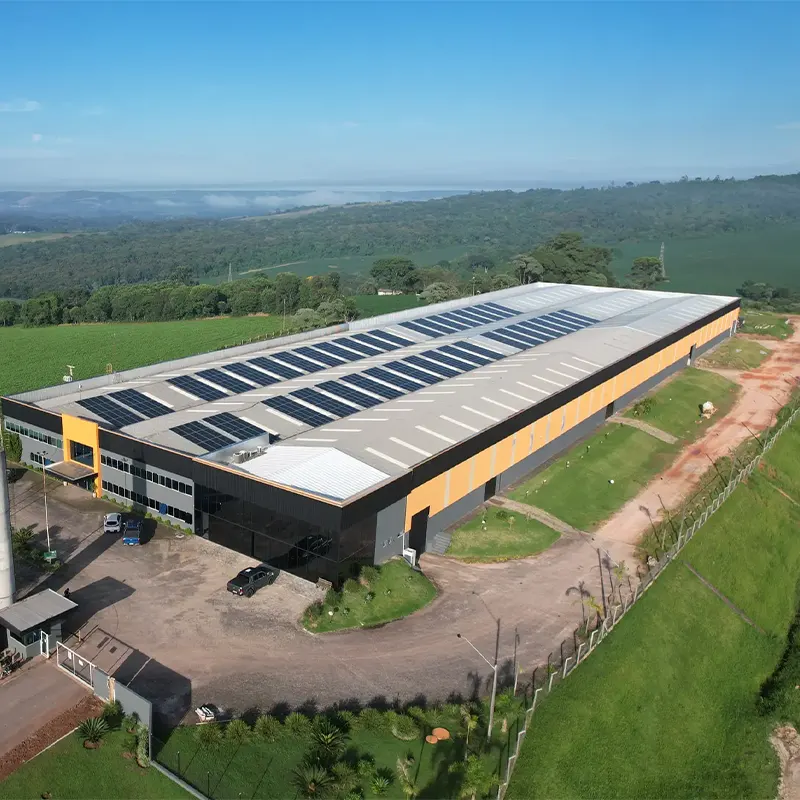
Frankincense collection terrain management differs from conventional plantation agriculture in a fundamental respect: Boswellia trees are wild or semi-wild forest trees tapped by incisions, not cultivated plantation crops planted in rows. The rock crusher’s role in frankincense terrain is therefore not new plantation establishment (which would be unusual for wild-collected Boswellia) but rather terrain management for three specific objectives: first, improving access tracks on rocky escarpment terrain for collection crews and vehicles; second, creating new collection sites on previously inaccessible rocky slopes where Boswellia seedling establishment is impractical without some preparation; and third — the focus of this guide — the mineral quality benefit from fragmenting the limestone, ophiolite, and basalt rock masses whose Fe²⁺ and Mg²⁺ mineral content supports AKBA biosynthesis in the tapped trees.
Oman Dhofar — Limestone, Dolomite, and Ophiolite Fragment Clearance
On the Qara Mountain escarpments of Dhofar, limestone and dolomite outcrops form the primary substrate on which B. sacra trees anchor their root systems in the cliff faces and steep slopes. Rock crusher treatment on accessible Dhofar frankincense slopes (gradient permitting wheeled tractor access — below approximately 20 degrees from horizontal) fragments both the calcareous material (providing Ca²⁺ and Mg²⁺ from dolomitic bands) and the ophiolitic material (where serpentinite or amphibolite is present in the geological sequence). The high Mg²⁺ release from ophiolite fragmentation — particularly from serpentinite (30–40% MgO) — provides a disproportionate HMGR and squalene synthase cofactor benefit relative to limestone fragmentation alone, making the ophiolite-influenced zones of Dhofar terrain the highest-priority targets for rock crusher quality mineral enhancement.
Ethiopia — Basalt Boulder Clearance for New Collection Sites
Ethiopian frankincense collection sites are under increasing pressure from agricultural encroachment and firewood harvesting — both of which have reduced the area of intact B. papyrifera woodland available for sustainable resin tapping. Development of new collection sites on previously uncollected rocky basalt hillsides — areas with surface basalt boulder populations that have discouraged collection crew access and Boswellia seedling establishment — is one management option for expanding the sustainable collection base. Rock crusher treatment on such sites fragments the surface basalt boulder population (Ethiopian Traps basalt, Mohs 6–7 for the columnar-jointed interior), improving access and reducing the root competition the Boswellia seedlings would otherwise face from the impenetrable boulder surfaces. The mineral quality benefit — Mg²⁺ and Fe²⁺ from freshly fractured basalt surfaces — supports the AKBA pathway in trees established on the treated terrain.
Watanabe THOR Range — Specifications for Frankincense Terrain Applications
कोरिया वातानाबे THOR रॉक क्रशर रेंज is specified for frankincense terrain management on both limestone/ophiolite terrain (Oman) and basalt (Ethiopia). The थोर 2.4 (180 HP minimum, 2.4 m working width) handles limestone/dolomite (Mohs 3–4, low hammer wear), ophiolitic serpentinite (Mohs 3–4, moderate wear), and Ethiopian Traps basalt (Mohs 6–7, higher wear).
Frequently Asked Questions — Rock Crusher for Frankincense Terrain
▶Boswellia trees are wild-collected — they are not planted. Does the rock crusher apply to wild tree management, or only to plantation contexts?
The rock crusher’s application to frankincense terrain management operates in a wild or semi-managed forest context rather than the plantation-establishment context most applicable to the other E-series crops. The practical scenarios where a rock crusher deployment makes sense in the Boswellia context are: (1) access track construction on rocky escarpment terrain, where embedded boulder clearance allows collection vehicles to reach remote tapping sites without the risk of damage from surface rock; (2) new site preparation for Boswellia seedling transplanting on previously inaccessible rocky slopes where natural regeneration has been suppressed by rock cover, creating a “collection-site development” programme; (3) the mineral quality enhancement described in this article, which applies to any site where the surface rock has the mineralogy (ophiolite, basalt, dolomite) that provides Mg²⁺ and Fe²⁺ on fragmentation — this benefit is relevant to established wild-tree zones as much as to newly developed sites, since the Mg²⁺ released from crushed rock fragments reaches the root systems of trees already growing on the treated terrain. In the wild-tree management context, the rock crusher therefore serves a different primary objective (access) with mineral quality enhancement as a secondary benefit, rather than the primary land-clearance objective it serves in plantation establishment.
▶The Samail Ophiolite has extreme Mg concentrations — is there a risk of Mg toxicity for Boswellia sacra on ophiolite-influenced soils?
Boswellia sacra is a stress-adapted pioneer species that has evolved specifically on rocky, mineral-extreme soils — it is among the few tree species that can establish on exposed cliff faces with minimal soil accumulation. Its tolerance for elevated mineral concentrations in the root environment is substantially higher than most agricultural crops, and there is no documented evidence of Mg toxicity in B. sacra growing on ophiolite-influenced terrain in Oman, despite the potential for very high Mg²⁺ soil solution concentrations in serpentinite-derived soils. The calcium-to-magnesium ratio (Ca:Mg) of the soil is the relevant management parameter for serpentinite sites: excessively Mg-dominated soils (Ca:Mg below approximately 1:3 by molar ratio) can create conditions where Ca uptake is outcompeted by Mg for root absorption — a concern for most agricultural species but less so for the serpentinite-adapted flora of the Oman ophiolite zone. Rock crusher treatment of ophiolite in the Dhofar context, where the ophiolite is interspersed with calcareous limestone (which provides Ca²⁺ to balance the high Mg²⁺), is unlikely to create a problematic Ca:Mg imbalance when both rock types are present in the boulder population and are fragmented together.
▶Why is AKBA specifically the boswellic acid most targeted by the pharmaceutical market, and does the Mg²⁺ MVA pathway affect AKBA disproportionately relative to other boswellic acids?
AKBA (11-keto-β-boswellic acid, full chemical name 3-O-acetyl-11-keto-β-boswellic acid) is the most potent 5-lipoxygenase (5-LOX) inhibitor in the boswellic acid family — 5-LOX is the enzyme that synthesises pro-inflammatory leukotrienes in human tissue, making its inhibition relevant to inflammatory conditions including rheumatoid arthritis, Crohn’s disease, and asthma. The specificity of AKBA’s 11-keto group (introduced by the CYP450 oxidation step) for the 5-LOX binding site is what differentiates AKBA from the other boswellic acids (β-boswellic acid without the keto group, and α-boswellic acid derivatives with a different skeleton), and this specificity is why pharmaceutical standardisation of Boswellia extracts specifies minimum AKBA content rather than total boswellic acid. The Mg²⁺ MVA pathway affects total boswellic acid output (through HMGR and squalene synthase) rather than selectively promoting AKBA over other boswellic acids — the MVA rate increase produces more of all boswellic acid precursors, with AKBA’s proportion within that total determined by the relative expression of the CYP450 11-oxidase enzyme versus other boswellic acid-modifying enzymes. Higher total boswellic acid output from better Mg²⁺ availability therefore yields higher absolute AKBA mass per unit of oleoresin, even if the AKBA % within total boswellic acids remains relatively constant — which is the commercially significant outcome for pharmaceutical extract producers who pay on AKBA mass per kilogram of raw resin.
▶Ethiopian frankincense populations of Boswellia papyrifera are reportedly declining due to over-tapping and agricultural encroachment. Does rock crusher terrain improvement help support Boswellia regeneration alongside quality improvement?
Yes — this is one of the most significant broader applications of rock crusher terrain management in the Ethiopian frankincense context. Boswellia papyrifera is a light-demanding pioneer species that regenerates best on disturbed, open ground with minimal canopy competition and accessible soil. In overstocked Boswellia woodland where adult trees have been tapped to near-death (a documented problem in Tigray where collection pressure exceeds the trees’ regeneration capacity), the natural regeneration of seedlings is suppressed by both the dying adult canopy and by the undisturbed soil and rock surface conditions that favour perennial grass competition over Boswellia seedling establishment. Rock crusher treatment of the boulder and rock surface fraction in these overstocked woodlands creates soil disturbance and increased mineral availability in the seedling establishment zone — conditions that favour Boswellia seedling survival over grass competition, since Boswellia is specifically adapted to the mineral-rich, low-competition rocky microhabitat. The rock crusher therefore potentially contributes to both the short-term quality enhancement (mineral support for AKBA synthesis in established trees) and the medium-term regeneration objective (creating establishment microhabitats for the next generation of Boswellia trees) — a dual benefit not available from other land management interventions in the Ethiopian frankincense woodland management toolkit.
▶Can the same THOR rock crusher deployed in Oman also work in the high-altitude Ethiopian Highland terrain, or do the deployment conditions require different equipment specification?
The THOR 2.4’s specification (180 HP minimum, Cat.2 three-point hitch, PTO-driven percussion system) is mechanically appropriate for both the Oman Dhofar limestone/dolomite/ophiolite terrain and the Ethiopian Highlands basalt terrain — the implement itself does not require modification for either context. However, the prime mover (tractor) requirements differ between the two contexts. Oman’s Dhofar terrain is hot and dry outside the khareef season, requiring tractor cooling systems adequate for high ambient temperatures. Ethiopian Highland terrain at 1,500–2,000 m is cooler and requires consideration of altitude effects on tractor engine power output (approximately 3% power reduction per 300 m altitude in naturally aspirated engines; turbocharged common-rail engines are less affected). Ethiopian terrain also frequently has steeper working slopes than Dhofar’s accessible zones — many Ethiopian frankincense collection areas are on 20–30+ degree slopes where wheeled tractor stability is marginal. For these steeper Ethiopian Highland sites, a crawler (track) tractor with the THOR implement provides both better stability and better traction than a wheeled tractor at equivalent HP. The practical recommendation: specify the tractor for the site conditions first, then confirm THOR 2.4 compatibility with the selected tractor model through Korea Watanabe — the implement is the same for both contexts; the prime mover adapts to the deployment environment.
Specify THOR Rock Crusher for Your Frankincense Terrain
Share your terrain details — region (Oman Dhofar / Ethiopia / other), rock type (limestone / ophiolite / basalt / mixed), access track requirements, site area, and tractor HP available. Korea Watanabe confirms THOR configuration and export logistics for your programme.
संपादक: सीएक्सएम