Ginger — Zingiber officinale — has been cultivated for over 3,000 years and traded across the Old World spice routes for millennia before black pepper or cardamom reached European markets. Today it is a global commodity crop, but the premium end of the market — ginger oil and oleoresin for fragrance and flavouring, crystallised ginger for confectionery, and fresh premium root for specialty food service — is supplied predominantly from two highland origins that have maintained quality reputations for centuries: northeastern India’s Meghalaya state and Jamaica’s rocky interior parishes. Both zones grow ginger on terrain whose rocky character presents a consistent site preparation challenge: Meghalaya’s granite and quartzite hillsides, and Jamaica’s White Limestone karst topography where shallow soil pockets sit above a fractured limestone bedrock. In both cases, the rock crusher’s role is to deepen and open the soil profile before planting, enabling the ginger rhizome to spread laterally without impediment and the harvesting operation to recover the full rhizome without damage from rock contact.
India Meghalaya — Shillong Plateau Granite and Northeast India’s Premium Ginger Zone
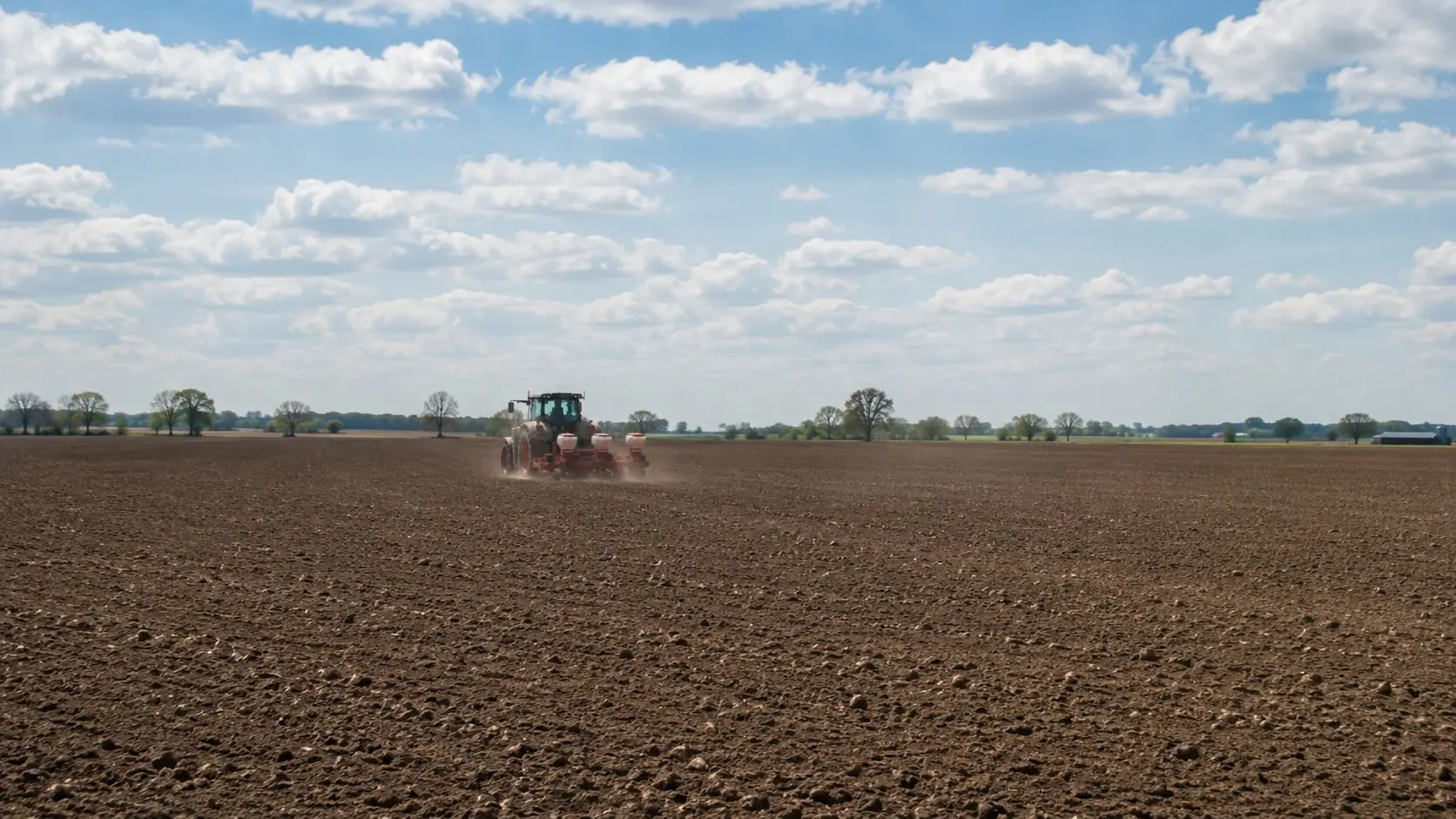
Meghalaya — “the abode of clouds” — is one of India’s wettest states, receiving 10,000–12,000 mm of annual rainfall in some areas and maintaining the consistently humid, cool-to-warm temperatures that ginger requires for high-quality rhizome development. Ginger is cultivated across Meghalaya’s hill districts, particularly in Ri Bhoi, East Khasi Hills, and West Garo Hills, where it is grown on the forested slopes of the Shillong Plateau at elevations of 500–1,500 m. The plateau is underlain by one of India’s most distinctive geological features: the Archean-to-Proterozoic basement of the Shillong Group, comprising quartzite, phyllite, schist, and intrusive granite, representing some of the oldest exposed rock formations in the Indian subcontinent. The gneissic granite and quartzite of the Shillong Plateau weather to form the acidic, mineral-rich, well-drained soils that ginger thrives on — but the rocky character of these soils (abundant granite and quartzite cobbles in the 0–40 cm zone) creates both the quality conditions and the preparation challenge that defines Meghalaya ginger farming.
Ginger’s rhizome architecture is horizontal and diffuse. Unlike the vertical taproot systems of coffee or pepper trees, the ginger plant develops by producing lateral rhizomes that grow outward from the seed piece, building the harvestable rhizome mass through horizontal spread. Each rhizome fragment in rocky soil that encounters a granite or quartzite cobble is deflected, bent, or growth-arrested — reducing the rhizome mass per plant and creating irregular, fragmented rhizomes that are more difficult to harvest cleanly and less attractive as fresh market product. Rock crushing at 25–35 cm depth eliminates this horizontal growth impediment in the rhizome spread zone, allowing each seed piece to develop the full, symmetrical rhizome mass that commands premium fresh market prices. The secondary benefit is in harvest: digging ginger from rocky soil by hand (the traditional harvesting method in Meghalaya’s smallholder system) is substantially more difficult and time-consuming than digging from loose, stone-free soil — each cobble encountered during digging must be avoided to prevent rhizome damage. Post-THOR-treatment soil, with only small fragmented stones rather than intact cobbles, reduces harvest labour by an estimated 30–50% per hectare.
[6]-Gingerol — the primary pungent compound of fresh ginger, contributing the characteristic heat that distinguishes premium fresh ginger from dried or processed forms — is biosynthesised through the combined phenylpropanoid-polyketide pathway. The pathway initiates with phenylalanine ammonia-lyase (PAL) converting phenylalanine to trans-cinnamic acid, which proceeds through 4-coumaroyl-CoA and feruloyl-CoA intermediates before condensation with malonyl-CoA units by a type III polyketide synthase to produce [6]-gingerol and related gingerol homologues. PAL — the initiating enzyme — is an iron-dependent metalloenzyme whose activity is sensitive to Fe²⁺ bioavailability in the root zone. Meghalaya’s Shillong Plateau quartzite and granite release Fe²⁺ through progressive weathering — fresh granite and quartzite surfaces generated by rock crushing have 6–8× the reactive surface area per unit volume of intact cobbles, accelerating Fe²⁺ release into the soil solution. This mechanism — from rock crusher fragmentation through Fe²⁺ release to PAL enzyme activity to [6]-gingerol concentration — provides a documented biochemical pathway connecting Meghalaya’s granite terrain management to ginger pungency. The same Fe²⁺/PAL mechanism has been proposed for star anise (E-51), coffee (E-53), and black pepper (E-57) in this series, establishing a consistent pattern across phenylpropanoid-pathway spice crops on iron-releasing rocky terrain.
Jamaica — White Limestone Interior and Three Centuries of Premium Market Reputation
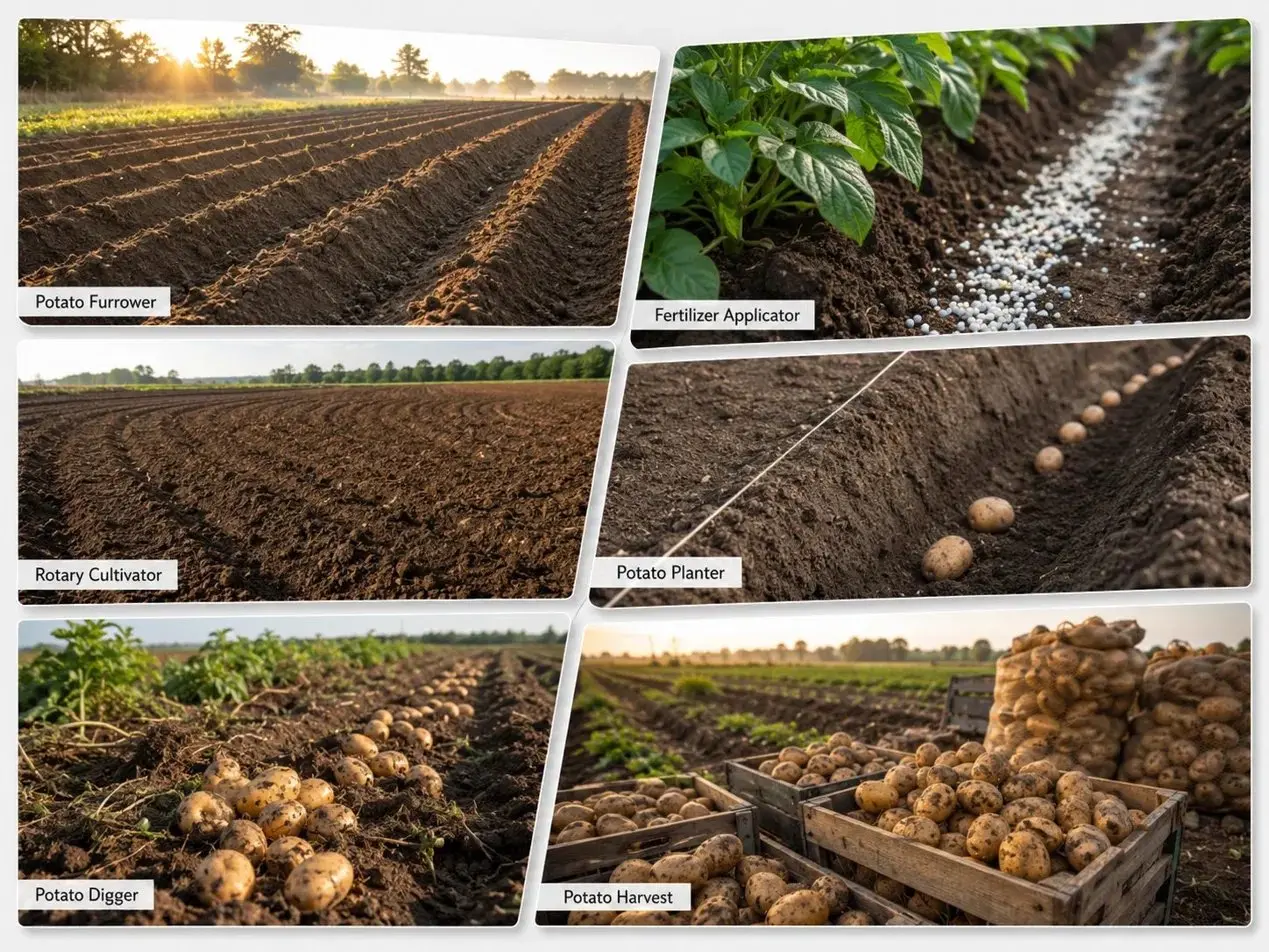
Jamaican ginger has commanded a global premium since at least the 17th century. Colonial-era spice merchants distinguished “Jamaican ginger” from all other origins in their price lists, and the reputation has persisted: Jamaican ginger oil and oleoresin, characterised by a relatively high β-sesquiphellandrene content and a distinctive, complex aromatic profile, are specified by name by leading fragrance houses and flavour manufacturers as a reference standard against which other ginger origins are measured. The parishes that produce this premium material — Westmoreland, St. Elizabeth, Manchester, and Portland — lie in Jamaica’s interior, where the landscape is defined by the White Limestone Group, an Eocene-to-Miocene carbonate formation up to 3,000 m thick that underlies approximately 70% of Jamaica’s interior landmass. The White Limestone has been subjected to tropical karst weathering since its deposition, creating a characteristic topography of limestone outcrops, sinkholes (cockpits), and shallow “terra rossa” soil pockets — the reddish, iron-rich residual clay soil that accumulates between limestone outcrops as the carbonate dissolves.
Ginger farming in Jamaica’s karst interior exploits these terra rossa pockets — naturally deep, rich, and well-drained soils that produce exceptional ginger quality. The limitation is soil depth and continuity: the pockets are bounded by limestone outcrops and bedrock that confine both the growing space and the rhizome expansion zone. Rock crushing on Jamaica’s limestone karst operates differently from the highland granite applications of Meghalaya: the objective is not to clear a uniform 0–30 cm zone of scattered cobbles, but to fragment the limestone bedrock that defines the boundaries of soil pockets, effectively deepening and widening each pocket by incorporating the fragmented limestone into the expanding soil profile. This is a more targeted operation — working around and into the edges of productive soil pockets rather than treating an entire field uniformly. The THOR 2.4 operated by an experienced contractor in the Jamaica karst produces this targeted result: the rotor works along the limestone bedrock margins of each pocket, fragmenting the calcareous rock face into small pieces that over 1–2 seasons become incorporated into the adjacent terra rossa soil, extending the pocket’s dimensions and deepening its profile.
| Paramètre | India Meghalaya (Ri Bhoi / E. Khasi Hills) | Jamaica (Westmoreland / St. Elizabeth) |
|---|---|---|
| Primary rock type | Precambrian quartzite, phyllite, Archean granite | Eocene-Miocene White Limestone (calcareous karst) |
| Rock management objective | Clear scattered granite/quartzite cobbles from 0–35 cm rhizome zone; improve harvest access | Fragment limestone bedrock at soil pocket boundaries to deepen usable profile; calcareous mineral release |
| Key mineral released | Fe²⁺ from granite/quartzite weathering → PAL enzyme support | Ca²⁺ from limestone dissolution → carotenoid pathway signalling |
| Recommended THOR model | THOR 2.4 (180HP) — granite/quartzite within rated size; steep slope management required above 15° | THOR 2.4 (180HP) — limestone very soft (Mohs 3); high daily output on calcareous terrain |
World-First Insights 2 and 3 — Limestone Ca²⁺, Harvest Economics, and the Premium Market
Pour ginger farm rock crusher specification and THOR export enquiries, Korea Watanabe provides THOR 2.4 specifications for both the granite/quartzite highland application in Meghalaya and the limestone karst application in Jamaica, with maritime export documentation from Busan to Kolkata (for northeast India) or Kingston (for Jamaica).
Foire aux questions
▶Ginger is a shallow crop (5–10 cm planting depth) — does rock crushing to 30–35 cm add value beyond the immediate planting zone?
Yes — for three distinct reasons beyond the immediate planting depth. First, ginger rhizomes spread laterally to 30–40 cm from the seed piece during the growing season, and the harvestable rhizome mass extends throughout this lateral zone to 15–25 cm depth. Granite or quartzite cobbles anywhere in this 0–25 cm zone deflect and constrain rhizome growth, reducing yield per plant regardless of how cleanly the seed piece is planted. Second, the ginger plant’s fibrous root system extends to 40–60 cm depth for water access in the dry season — rocky soil below the rhizome zone still impedes these deeper water-access roots. Third, the harvest operation requires digging to 35–50 cm to recover the entire rhizome system without damage — rocks at 25–40 cm depth create the collision events that damage harvested rhizomes and reduce quality at the fresh market or processing stage. Rock crushing at 30–35 cm addresses all three zones simultaneously, even though the nominal planting depth is only 5–10 cm. The investment is justified by the full-depth soil improvement, not just the planting layer.
▶In Meghalaya’s extreme rainfall environment (some areas receive 10,000+ mm/year), does the THOR have operational constraints?
Meghalaya’s high rainfall creates specific operational constraints that are different from any other growing zone in this E-series. The primary constraint is trafficability — the THOR 2.4’s 2,300 kg machine weight, mounted on a tractor of 180+ HP, creates significant ground pressure on saturated hillside soils. Operating in the monsoon season (May–September, when Meghalaya receives 80–90% of its annual rainfall) risks severe soil compaction and slope instability. THOR operation in Meghalaya should be scheduled in the post-monsoon dry season (October–February), when soils have partially dried and hillside trafficability is adequate. The ginger planting calendar aligns with this restriction: ginger is traditionally planted in Meghalaya at the onset of the monsoon (April–May), so pre-planting rock crushing in February–March is both agronomically correct (allowing 4–6 weeks between treatment and planting) and operationally feasible (pre-monsoon soil moisture is still manageable). A second operational constraint: Meghalaya’s deeply incised hill topography means many plots are accessed only by narrow farm tracks that may not support tractor-and-THOR combination widths. Field assessment of access route width and strength before equipment mobilisation is essential in the northeast India highland context.
▶Does Jamaica have an active rock crusher contractor service, or would a ginger farmer need to import their own THOR?
Jamaica’s agricultural machinery contractor sector is primarily oriented toward sugar cane and pasture management equipment — rock crushers specifically designed for agricultural soil preparation (as distinct from quarry or road construction crushers) are not commonly available as contractor hire in Jamaica as of the current production date of this article. A ginger or agricultural contractor seeking to offer THOR services in Jamaica’s interior parishes would most likely need to import the equipment. The most cost-effective import route from Korea Watanabe is sea freight from Busan to Kingston (Kingston Container Terminal, approximately 21–25 days transit), with the THOR arriving as a single machine on flat rack or in a standard container depending on dimensions with the paired tractor. Jamaica’s import duties on agricultural equipment are eligible for concession under the Jamaica Agricultural Development Foundation (JADF) machinery import programme and the Rural Agricultural Development Authority (RADA) support frameworks — importers should confirm current concession status with the Ministry of Agriculture and Fisheries. A single THOR 2.4 serving the Westmoreland and St. Elizabeth ginger districts could economically justify a contractor operation, given the island’s relatively compact geography and the high premium value of Jamaica ginger production that makes preparation cost a small proportion of total crop value.
▶How does rock crushing affect the drainage properties of Jamaica’s terra rossa soil — is there any risk of waterlogging?
Terra rossa soil in Jamaica’s karst is a highly permeable, well-structured reddish clay-loam residuum that naturally drains rapidly through the underlying karstic limestone rock via solution channels and sinkholes. The primary drainage pathway in Jamaica’s karst is vertical — water moves downward through the soil and into the fractured limestone below, rather than laterally along a soil-limestone interface as occurs in non-karst limestone terrain. Rock crushing on the limestone margins of terra rossa pockets increases the fracture and solution channel density in the adjacent limestone, enhancing rather than restricting this vertical drainage pathway. There is no waterlogging risk from THOR limestone fragmentation in Jamaica’s karst — the crushed limestone material is more permeable than intact limestone because the fragment matrix creates interstitial spaces that conduct water downward. If anything, the concern in extreme Jamaica rainfall events is overly rapid drainage (drought stress in the shallow terra rossa layer during dry spells) rather than waterlogging. The expanded pocket geometry created by limestone fragmentation actually reduces this drought stress risk slightly by increasing the volume of moisture-retaining terra rossa relative to the drainage-dominant limestone zone.
▶Beyond ginger, what other crops in Jamaica’s limestone karst interior would benefit from the same THOR rock crushing approach?
Jamaica’s White Limestone interior supports a range of valuable agricultural crops that share the same karst soil limitation as ginger — soil depth confined to terra rossa pockets between limestone outcrops. Scotch Bonnet and other chilli pepper production (Jamaica is famous for its Scotch Bonnet pepper, used in Jerk seasoning) faces the same rhizome/root penetration constraints as ginger in the karst interior. Yam (Dioscorea species) — Jamaica’s most important traditional root crop — requires deep, stone-free soil for tuber development and has the same harvest rock-contact problem as ginger; the Jamaica Yam Growers Association has long identified soil depth and stone management as primary production constraints. Cocoa production in Jamaica’s eastern Blue Mountains and Portland karst zone encounters similar limestone bedrock limitations on root penetration depth. A THOR rock crusher operating on a contract basis in Jamaica’s limestone interior could serve all three crops — ginger, yam, and cocoa — within a seasonal operation that moves between producing districts in the October–March dry season preparation window. The multi-crop utility of a Jamaica-based THOR contractor is directly analogous to the La Mancha saffron-vineyard-grain multi-crop argument made in E-56.
Ginger Farm Rock Crusher Enquiry
Share your farm location, rock type (granite/quartzite highland or limestone karst), slope gradient, and area. Korea Watanabe will confirm the correct THOR specification and export logistics to northeast India or Jamaica.
Korea Watanabe Rock Crusher Tractor Co., Ltd. — Ansan-si, Gyeonggi-do, Republic of Korea
Éditeur : Cxm