Korean livestock farming — beef cattle, dairy, and pigs — generates manure that, managed incorrectly, becomes a significant environmental and operational liability: liquid runoff, ammonia odour, and slurry storage infrastructure that is expensive to build and legally regulated. The Korean compost barn system (fermented manure barn, or straw-based aerobic composting barn) is an alternative management approach that converts cattle or pig manure into high-quality agricultural compost within the barn itself — eliminating the liquid manure problem at its source.
The critical machine in the compost barn system is the aerator — the implement that regularly mixes oxygen into the bedding and manure mass to maintain aerobic microbial conditions. Their 80 cm aeration depth is the specification that separates them from shallow surface-agitation alternatives — and 80 cm is the depth at which the aerobic/anaerobic boundary forms in a well-loaded Korean compost barn, making full-depth aeration to 80 cm the minimum requirement for preventing anaerobic conditions from developing in the lower manure layers.
EP-DESTROYER 2.0 and 3.0 — Confirmed Specifications
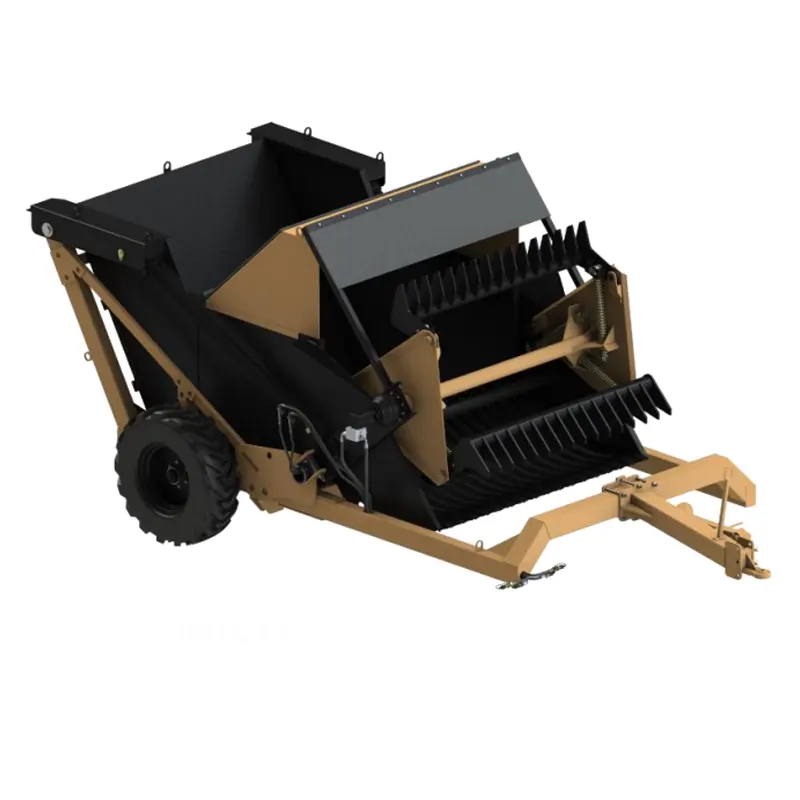
Toutes les spécifications proviennent de la brochure officielle du produit Watanabe.
EP-DESTROYER 2.0
Standard width — smaller barn or narrow aisle
- ▸Power requirement: 75 CV minimum
- ▸Working width: 2.0 m
- ▸Aeration depth: 80 cm
- ▸Attelage trois points : Cat.2
- ▸PTO: 540 RPM
- ▸Best for: barn widths 4–8 m, narrow tractor aisle configurations
EP-DESTROYER 3.0
Wide width — standard cattle barn aisle
- ▸Power requirement: 80 CV minimum
- ▸Working width: 3.0 m
- ▸Aeration depth: 80 cm
- ▸Attelage trois points : Cat.2
- ▸PTO: 540 RPM
- ▸Best for: standard Korean cattle barn aisle width (3.0–4.5 m), higher cattle density
Why 80 cm Aeration Depth Is Not Optional — The Microbiology of Compost Barn Failure
The 80 cm depth specification is rooted in the microbiology of aerobic composting in a loaded cattle barn. Understanding the failure mode of shallow aeration explains why inadequate depth produces the odour, liquid, and compost quality problems that motivate Korean farmers to abandon their compost barn systems and revert to slurry management:
Aerobic zone (0–30 cm) — surface layer
The upper 30 cm of the manure-bedding mass in a functioning compost barn is aerobic — oxygen from the barn atmosphere diffuses into this zone. Aerobic bacteria decompose manure, generating heat (55–70°C in active aerobic zones) and producing carbon dioxide and water vapour rather than methane or ammonia. This aerobic zone exists naturally without aerator intervention, maintained by oxygen diffusion from the surface air.
Transition zone (30–60 cm) — aerator-dependent
Between 30–60 cm depth, oxygen availability depends entirely on how recently the aerator has mixed the material. Without aeration, anaerobic conditions develop here within 12–24 hours of the previous aeration pass — anaerobic bacteria produce methane and hydrogen sulphide (the sources of compost barn odour) and generate liquid effluent rather than dry compost. Regular aeration to at least 60 cm maintains aerobic conditions in this transition zone. A shallow aerator that only reaches 30–40 cm never addresses this critical transition zone.
Anaerobic base (60–80+ cm) — requires maximum depth aeration
Below 60 cm in a heavily loaded Korean cattle barn, the compaction and temperature gradient from cattle body weight and the heat of the composting mass above creates conditions where oxygen depletion is rapid and severe. Without deep aeration to this zone, the base accumulates liquid and anaerobic products that eventually migrate upward, saturating the entire manure depth from the bottom. The EP-DESTROYER’s 80 cm depth reaches this critical base zone — the only effective intervention point for preventing progressive anaerobic failure from the base of the composting mass upward.
Aeration Frequency — How Often to Run the EP-DESTROYER

Aeration frequency is the primary management variable that determines compost barn performance. Too infrequent and anaerobic zones develop in the transition and base layers, producing odour and liquid problems. Too frequent and the high-heat aerobic zone is disrupted before decomposition of each aeration batch is complete — reducing compost quality and increasing fuel cost without additional benefit. The correct frequency depends on cattle loading density and season:
| Barn condition | Recommended frequency | Indicator of correct timing |
|---|---|---|
| Summer, high density loading (above 8 m²/head) | Every 2–3 days | Surface temperature should be 45–65°C; ammonia odour should be minimal between passes |
| Autumn/spring, medium loading | Every 3–5 days | Visible steam from surface after aeration confirms active aerobic zone |
| Winter, Korean highland (below 5°C ambient) | Every 5–7 days | Cold temperatures slow aerobic activity; core temperature check at 30 cm depth should still exceed 40°C between passes |
| Low density, dry conditions (<4 m²/head) | Weekly | Drier material; less anaerobic risk; weekly aeration sufficient to maintain aerobic conditions throughout |
Odour as the primary frequency indicator
The most reliable indicator that aeration frequency needs increasing is odour. A correctly managed compost barn has a mild, earthy decomposition smell similar to garden compost — not the sharp ammonia or sulphide odour of slurry management. When ammonia or sulphide odour becomes detectable in the barn, it indicates anaerobic conditions are developing. The correct response is immediate EP-DESTROYER aeration — not waiting for the next scheduled pass. Once odour develops, one emergency aeration pass typically restores aerobic conditions within 24–48 hours if the underlying frequency has not been severely inadequate for an extended period.
Barn Design Requirements for EP-DESTROYER Operation
The EP-DESTROYER operates inside the livestock barn — making barn design compatibility a critical consideration for both new barn construction and retrofit into existing buildings. Three design requirements must be confirmed before EP-DESTROYER purchase:
Requirement 1: Aisle width
The barn aisle where the tractor operates the EP-DESTROYER must accommodate: the tractor width (typically 2.2–2.5 m for 75–80 CV class tractors) plus the EP-DESTROYER working width (2.0 m for EP-DESTROYER 2.0, 3.0 m for EP-DESTROYER 3.0) plus operator clearance from barn walls or cattle pens on either side. The EP-DESTROYER 3.0 requires a minimum aisle width of approximately 4.5 m for safe operation. The EP-DESTROYER 2.0 requires approximately 3.5 m minimum. For existing barns with narrower aisles, confirm the tractor model’s tight-turning capability in the specific barn before purchasing the wider EP-DESTROYER 3.0.
Requirement 2: Floor load-bearing capacity
The combined weight of the tractor, EP-DESTROYER, and up to 80 cm of manure-bedding material (density approximately 600–800 Kg/m³) creates significant floor loading. Korean compost barn floors must be reinforced concrete designed for 15–20 kN/m² dynamic load from tractor operations. Verify with the barn structural engineer that the existing floor specification supports EP-DESTROYER tractor operation before beginning aeration on a retrofit installation.
Requirement 3: Barn height clearance
The tractor operating the EP-DESTROYER must have adequate height clearance inside the barn. The tractor cab height plus safety clearance to roof trusses, electrical fittings, and ventilation ductwork must be confirmed. Compact 75–80 CV tractors (the minimum for EP-DESTROYER operation) typically have cab heights of 2.2–2.5 m. Korean compost barn roofs are typically 3.5–5.0 m to the lowest structural member — adequate for most configurations, but barn-specific confirmation is required before operating inside enclosed buildings.
Compost Quality and Agricultural Value — What the EP-DESTROYER System Produces
A correctly operated Korean compost barn with EP-DESTROYER aeration at the recommended frequency produces a stable, mature compost after 3–6 months of accumulation — significantly higher agricultural value than fresh manure or slurry:
Nutrient stability
Aerobic composting stabilises nitrogen into organic forms that release slowly to crops — reducing nutrient losses compared to slurry application where liquid ammonia volatilises rapidly. Korean highland potato and ginseng fields receiving well-composted manure show sustained nitrogen release across the growing season, reducing synthetic nitrogen fertilizer requirements by 20–40% in established compost application programmes.
Pathogen reduction
The sustained high temperatures generated in active aerobic zones (55–70°C) kill the majority of pathogenic bacteria present in raw manure — including E. coli, Salmonella, and other enteric pathogens. Mature EP-DESTROYER compost from correctly managed Korean compost barns meets Korean fertilizer safety standards for direct field application without additional treatment.
Organic matter for highland soil
Korean highland granite soils are naturally low in organic matter (1.5–2.5% in unimproved condition). Annual compost application from an on-farm compost barn is the most sustainable and cost-effective way to build soil organic matter toward the 3–5% target that supports productive highland vegetable and potato cultivation — replacing imported organic fertilizer with on-farm produced compost.
EP-DESTROYER in Integrated Korean Farms — Connecting Livestock and Crop Systems
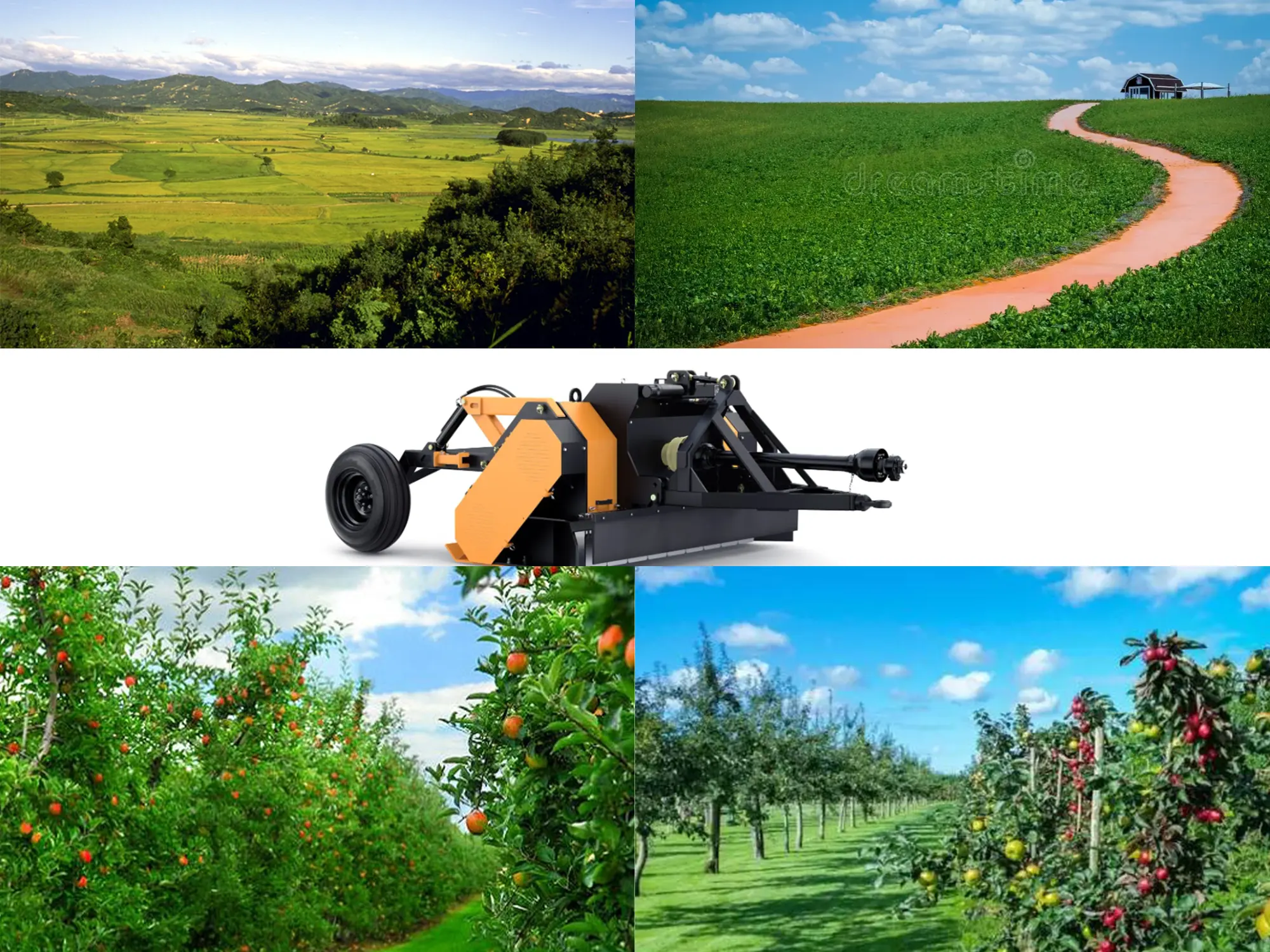
The EP-DESTROYER compost barn aerator connects two parts of the Korean highland farm system that are often managed separately: the livestock component (cattle or pig manure) and the crop component (highland potato, radish, cabbage, or ginseng). Connecting them through on-farm composting creates a closed nutrient cycle that benefits both sides:
Livestock side benefit
The compost barn eliminates the slurry storage infrastructure (tanks, pumping systems, injection equipment) required for liquid manure management. It eliminates the legal compliance burden of Korean livestock liquid waste regulations (Korea’s Act on the Management and Use of Livestock Excreta). It reduces odour complaints from neighbouring farms and residents — a growing issue in Korean highland farming communities where livestock and vegetable farming coexist at close range.
Crop side benefit
Mature EP-DESTROYER compost applied to highland fields at 10–20 tonnes/ha annually builds the soil organic matter that Korean granite soils urgently need — reducing synthetic fertilizer requirements, improving water holding capacity during summer drought periods, and building the biological activity that suppresses soil-borne crop pathogens. The compost application combines with the stone clearing and tillage system to build the soil quality that sustains long-term highland crop productivity.
Foire aux questions
How does the EP-DESTROYER 2.0 compare to the EP-DESTROYER 3.0 — when does the smaller model make sense?
The EP-DESTROYER 2.0 (2 m width, 75 CV) is the correct choice when: barn aisle width is below 4.5 m; the tractor available is 75–79 CV (the EP-DESTROYER 3.0 requires 80 CV minimum); or the livestock holding is small (below approximately 30 cattle) where the additional coverage of the 3.0 m model does not significantly reduce the number of aeration passes needed per barn section. The EP-DESTROYER 3.0 (3 m width, 80 CV) covers 50% more area per pass — reducing aeration operation time proportionally. For a standard Korean beef cattle barn with 30–60 cattle and 3.5–4.5 m aisles, the EP-DESTROYER 3.0 typically completes aeration in 60–70% of the time required for the EP-DESTROYER 2.0. The 5 CV difference in minimum power requirement (75 vs 80 CV) means that many Korean farm tractors in the 80–100 CV class can operate either model — in this power range, the EP-DESTROYER 3.0 is generally the better value per pass.
What bedding material works best in a Korean compost barn with EP-DESTROYER aeration?
Korean rice straw () is the most commonly used and agronomically effective bedding material for Korean compost barns — it is widely available after autumn rice harvest, has a carbon-to-nitrogen ratio (approximately 60:1) that complements cattle manure’s lower C:N ratio to produce balanced compost, and its hollow culm structure provides good initial aeration porosity in the bedding layer. Wood chip or sawdust is a suitable alternative where rice straw availability is limited — its higher C:N ratio (300:1 for clean wood) requires higher addition rates to achieve the same carbon balance. Wheat straw () is also suitable. The critical requirement for any bedding material is maintaining a minimum bedding-to-manure ratio that keeps the composting mass sufficiently porous for the EP-DESTROYER tines to penetrate to 80 cm without compacting excessively — typically 3–5 Kg of straw per cattle per day for Korean beef cattle conditions.
Can the EP-DESTROYER be used for pig barns as well as cattle barns?
Yes — deep litter aerobic composting for pig housing (Korean deep litter pig system) uses the same principle as cattle compost barns and the EP-DESTROYER operates on the same basis. However, pig manure has a higher moisture content and lower carbon-to-nitrogen ratio than cattle manure, requiring more careful bedding management to maintain aerobic conditions. For pig deep litter systems, higher bedding rates (5–8 Kg per pig per day with rice straw, or supplemental carbon addition with wood chip) are typically required compared to cattle systems. The EP-DESTROYER 2.0’s 2 m working width is generally more appropriate for Korean pig barn aisle geometries (narrower than cattle barns). Confirm barn aisle width and pig loading density with Korea Watanabe before purchasing either model for pig litter application.
What are the EP-DESTROYER’s maintenance requirements between aeration passes?
The EP-DESTROYER’s operating environment — inside a compost barn with high ammonia levels, high humidity, and corrosive manure contact — requires specific maintenance attention that differs from outdoor implements: (1) Tine inspection after each session: tines operating in compacted manure-bedding at 80 cm depth experience significant wear and potential bending. Inspect all tines for straightness and length after each barn session — bent tines reduce the effective aeration depth and should be straightened or replaced immediately. (2) Bearing lubrication: the tine rotor bearings operate in a high-humidity, ammonia-laden atmosphere that accelerates bearing corrosion. Lubricate all bearing nipples after each barn session — not weekly. (3) Corrosion protection: rinse the EP-DESTROYER with water after each session to remove manure residue from the tine rotor and frame surfaces. Apply a light corrosion inhibitor spray to exposed metal surfaces if the machine will not be used for more than 5 days between sessions. Storing a manure-coated EP-DESTROYER accelerates corrosion more rapidly than any other machine in the Watanabe product range.
Is the EP-DESTROYER eligible for Korean livestock facility improvement subsidies?
Yes — the EP-DESTROYER qualifies under two Korean government support programs: (1) The agricultural machinery purchase support program (nongop gigye gupip jiwoonseopye) in the livestock facility machinery category — Korea Watanabe holds certification and prepares documentation for the 30–50% subsidy at no charge. (2) The livestock environmental improvement support program (chuksan hwangyeong gaeseon jiwon) which specifically supports manure management system upgrades in Korean livestock farms — the compost barn aerator system qualifies as an odour and liquid runoff reduction investment under this environmental program. The environmental program may provide funding beyond the agricultural machinery subsidy cap, as it covers the full system investment (barn modification + EP-DESTROYER) rather than just the machine purchase. Contact Korea Watanabe to confirm coverage under the aérateur de grange à compost program category and for documentation covering both programs — combining both funding sources is the most economical approach for new compost barn system installations.
EP-DESTROYER — Right Model for Your Barn, Right Configuration for Your System
Barn aisle width (m) + livestock type + head count + existing tractor HP → EP-DESTROYER 2.0 or 3.0 recommendation with aeration frequency plan and dual-subsidy application guidance. Korea Watanabe, Ansan-si, Gyeonggi-do.
Éditeur : Cxm