
Té (Camellia sinensisEl café es la bebida más consumida en el mundo por volumen, cultivada en laderas de montañas en Japón, Corea, China, India, Sri Lanka y en toda África ecuatorial en suelos que van desde el gneis y la cuarcita del Himalaya hasta el basalto volcánico coreano y japonés, desde las mesetas lateríticas de Sri Lanka hasta las colinas kársticas de piedra caliza de Yunnan. Ningún otro cultivo en esta guía de la serie E se cosecha de 3 a 4 veces al año, tiene un sistema radicular que alcanza de 3 a 5 metros en suelo no perturbado, se cosecha mecánicamente a menos de 5 centímetros de la superficie del suelo y depende de una cadena de calidad bioquímica precisa que va desde la capacidad de almacenamiento de nitrógeno de la raíz hasta un solo aminoácido —la L-teanina— por el cual los compradores de alta gama pagan precios que rivalizan con los vinos finos y los cafés especiales.
La gestión de piedras en el té crea tres problemas independientes a tres profundidades distintas, cada uno con un mecanismo biológico y una consecuencia comercial distintos. Ningún artículo anterior de esta guía de la serie E ha requerido un análisis de tres profundidades. En la superficie, los fragmentos de piedra dañan las cuchillas giratorias de las recolectoras mecánicas de té —las máquinas que cosechan entre 80 y 951 toneladas de té comercial a nivel mundial— produciendo una “recolección gruesa” que reduce la calidad de toda la cosecha. Entre 15 y 40 cm, la piedra restringe las raíces laterales de alimentación donde el nitrógeno anual del té se almacena durante el invierno y se removiliza en los brotes de primavera, reduciendo las concentraciones de teanina y EGCG que definen la calidad en la subasta. Entre 40 y 120 cm, la piedra obstruye la raíz principal profunda que proporciona resistencia a la sequía durante el período de crecimiento de verano, cuando se determina la calidad de la segunda y tercera cosecha. Esta guía cubre la trituradora de rocas para plantación de té aplicación a través de los tres mecanismos, los mercados donde cada uno es más importante y los contextos geológicos en cuatro países donde convergen.
El problema de las tres profundidades: superficie, capa de alimentación y raíz principal profunda.
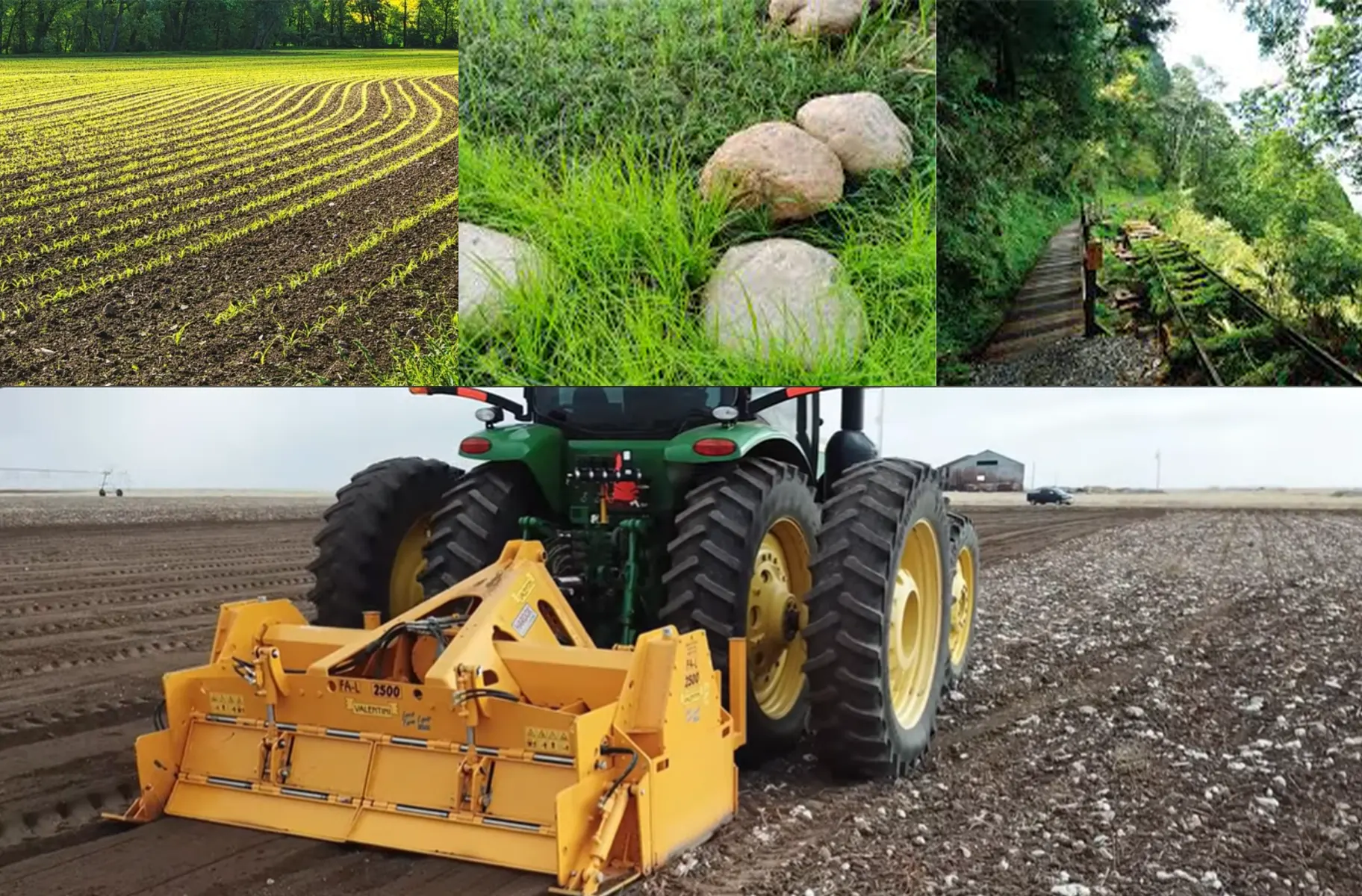
Sistema de raíces de té: las tres zonas problemáticas principales
Por qué la limpieza a tres profundidades es diferente de cualquier artículo anterior de la serie E
En todos los artículos anteriores, el manejo de piedras aborda una profundidad principal: nogal (E-15) a 55–80 cm, aguacate (E-12) a 40–55 cm, arándano (E-16) a 25–35 cm, fresa (E-18) a 8–22 cm. En kiwi (E-19), introdujimos el mecanismo dual: dos profundidades para dos mecanismos. El té requiere tres categorías de profundidad, cada una abordando una vía biológica diferente y una consecuencia comercial diferente. El protocolo de limpieza THOR para el té debe especificarse para abordar las tres zonas en una operación de una o dos pasadas, lo que, dado que el problema más profundo (raíz pivotante a 40–120 cm) establece la profundidad de gobierno, significa que la zona de raíces alimentadoras (Zona B) y el problema de piedras superficiales (Zona A) se abordan automáticamente en la misma pasada.
Por eso, la limpieza de las piedras del té, una vez especificada correctamente, es una inversión muy eficiente: una sola pasada de THOR 3.0 a 55–70 cm resuelve simultáneamente los tres problemas relacionados con las piedras. La rentabilidad de múltiples cosechas (Sección 3) multiplica el valor de esa única operación a lo largo de 3 a 4 cosechas al año.
La cadena de EGCG y teanina: del nitrógeno radicular al precio de subasta.
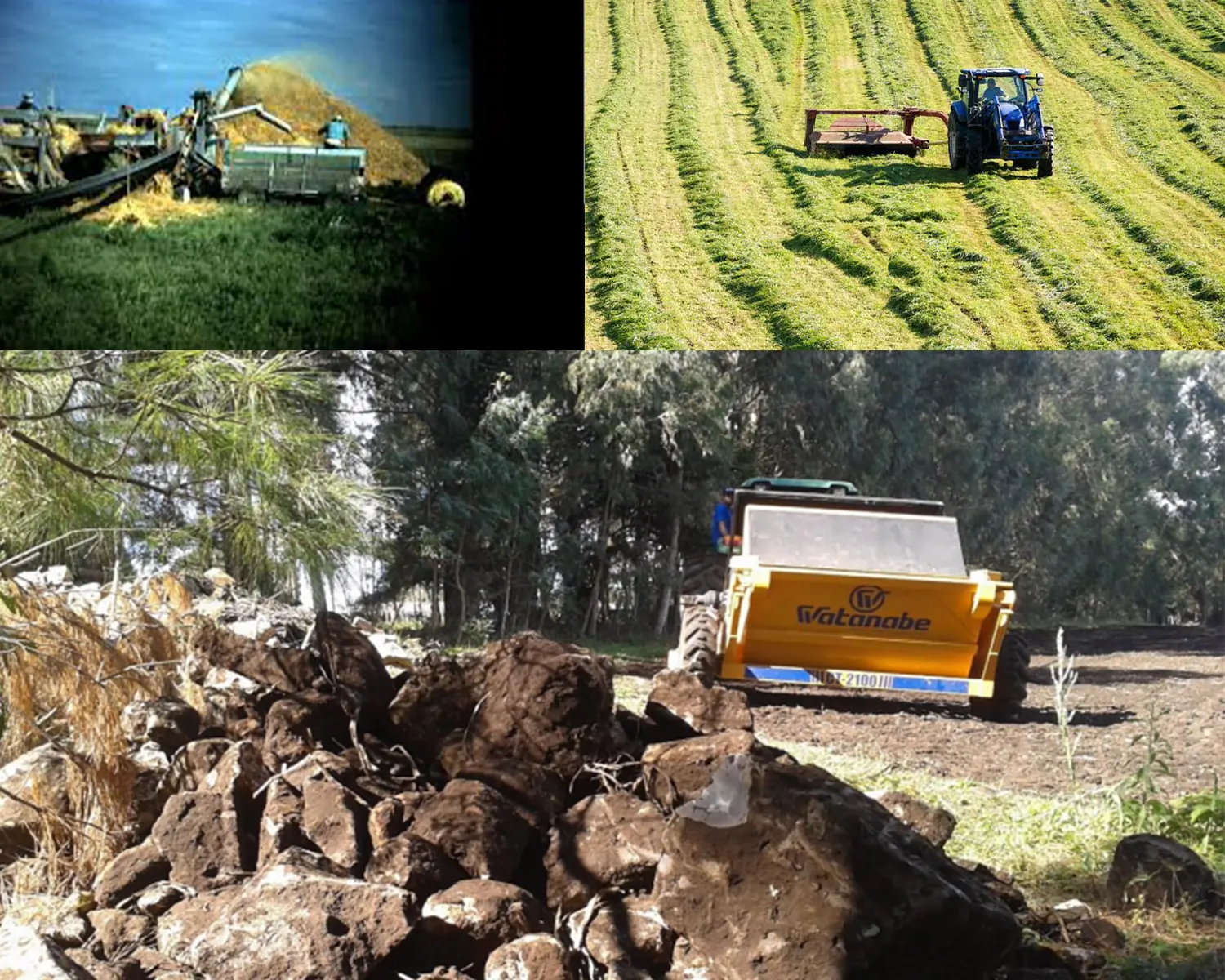
La clasificación de la calidad del té es fundamentalmente una medición bioquímica: en cada nivel del mercado premium, desde el Darjeeling First Flush hasta el Ujeon de Corea y el Gyokuro de Japón, los parámetros de calidad que definen la calidad son concentraciones medibles de dos compuestos: L-teanina (el aminoácido responsable del carácter umami, la suavidad y el característico final "dulce-salado" del té) y EGCG (galato de epigalocatequina, la catequina primaria y antioxidante). Ambos compuestos se sintetizan en el tejido de los brotes nuevos a partir del nitrógeno suministrado por el sistema radicular. La cadena desde la piedra en la zona de raíces absorbentes hasta la clasificación en la planta de envasado comienza en la biomasa de las raíces laterales.
Tras el inicio de la dormancia otoñal/invernal (octubre-diciembre en las zonas templadas productoras de té), el arbusto de té transfiere nitrógeno del tejido foliar y del tejido de los brotes agotados al sistema radicular lateral en forma de aminoácidos de reserva, principalmente glutamina, asparagina y arginina. Este nitrógeno almacenado durante el invierno se acumula en los tejidos de la corteza radicular a una profundidad de 15-35 cm durante el periodo de dormancia. Un sistema radicular lateral bien desarrollado en suelo limpio y libre de piedras puede almacenar entre 2,5 y 4,5 g de nitrógeno por kg de masa radicular seca durante el invierno. Un sistema radicular lateral con escasez de piedras y una biomasa entre 30 y 401 TP5T menor almacena proporcionalmente menos nitrógeno (entre 1,5 y 2,8 g por kg) en una masa radicular total menor, lo que resulta en una cantidad total de nitrógeno almacenada entre 40 y 551 TP5T menor para su movilización en primavera.
Cuando la temperatura del suelo supera el umbral de emergencia de los brotes (aproximadamente 8–12 °C, que varía según el cultivar y la altitud) a finales del invierno y principios de la primavera, las yemas latentes brotan y comienza el crecimiento de nuevos brotes. Este primer brote requiere una cantidad extraordinaria de nitrógeno: los nuevos brotes de té acumulan entre 4 y 61 TP5T de nitrógeno total en peso seco, mucho más que el tejido foliar maduro, que alcanza entre 2,5 y 3,51 TP5T. El nitrógeno para este brote inicial proviene principalmente de las reservas invernales en las raíces laterales, que se movilizan rápidamente como aminoácidos a través de la savia del xilema. En las primeras 2-3 semanas de crecimiento, antes de que la mineralización del nitrógeno del suelo comience activamente en el suelo aún frío, las reservas de las raíces son prácticamente la única fuente de nitrógeno. Las raíces absorbentes, con acceso restringido a piedras y con reservas de nitrógeno más pequeñas, no pueden satisfacer la demanda, lo que produce brotes con menor contenido de nitrógeno.
La L-teanina se sintetiza en las raíces del té a partir de glutamina + etilamina, una vía biosintética que requiere mucho nitrógeno. Una alta disponibilidad de nitrógeno en las raíces (abundante reserva de nitrógeno en las raíces laterales) favorece una alta síntesis de teanina durante toda la fase de desarrollo del brote. De forma similar, la biosíntesis de EGCG (galato de epigalocatequina) depende parcialmente del nitrógeno a través de la vía de los flavonoides, regulada indirectamente por la relación carbono:nitrógeno en el tejido del brote en desarrollo. El té Darjeeling de primera cosecha premium con una calificación SFTGFOP1 superior a 90 suele presentar concentraciones de teanina de 2,8–4,2% de peso seco; el té de primera cosecha estándar presenta concentraciones de 1,6–2,4%. La diferencia entre estas concentraciones, que se traduce directamente en la puntuación sensorial de umami y la asignación de grado en la subasta, se explica en gran medida por la disponibilidad de nitrógeno de las reservas de raíces alimentadoras. Las raíces con escasez de piedras y reservas de nitrógeno agotadas producen brotes de primera cosecha con concentraciones de teanina en el rango inferior, independientemente del clima, la variedad o la habilidad de procesamiento.
Darjeeling First Flush en subasta: SFTGFOP1 (Special Fine Tippy Golden Flowery Orange Pekoe 1, grado más alto) generalmente se subasta a US$400–2,000/kg en la subasta de té de Calcuta en los mejores años. FTGFOP1 (un grado inferior): US$120–400/kg. TGFOP (estándar): US$25–80/kg. El mismo jardín de Darjeeling puede producir hojas que caigan en cualquiera de estos grados en la misma temporada; el determinante principal de qué grado se logra es la concentración de teanina y EGCG medida en la etapa de licorización. Boseong Ujeon coreano (primera recolección, literalmente “antes de la lluvia” — cosechado antes del 20 de abril): ₩200,000–500,000 por 100g en venta al por menor. Sejak (segundo grado): ₩60,000–120,000 por 100g. Gyokuro japonés (cultivo a la sombra, con máximo contenido de teanina): entre 5000 y 50 000 yenes por 100 g (precio de venta al público). La cadena de calidad de la teanina representa el vínculo bioquímico más directo entre el manejo del suelo y la taza en cualquier cultivo de esta serie.
| Grado / Mercado | Teanina % DW | EGCG % DW | condición de la zona radicular | Referencia de precio |
|---|---|---|---|---|
| Darjeeling SFTGFOP1 | 2,8–4,2% | 12–18% | Zona radicular libre de piedras. Denso manto radicular. Reserva de nitrógeno completa. | US$400–2.000/kg |
| Darjeeling FTGFOP1 | 2.2–2.8% | 9–13% | Cálculos moderados, restricción parcial de las raíces absorbentes. Banco de nitrógeno reducido. | US$120–400/kg |
| Estándar de Darjeeling | 1,6–2,2% | 6–10% | Alta densidad de piedras. Apenas raíces. Bajo nivel de nitrógeno. | US$25–80/kg |
| Corea Ujeon | 3,5–5,5% | 14–20% | Suelo volcánico libre de piedras. Máxima densidad de raíces. Máxima reserva de nitrógeno. | ₩200.000–500.000/100g |
| Japón Gyokuro | 4.0–6.8% | 8–14% | Suelo aluvial o volcánico sombreado y libre de piedras. Mayor biosíntesis de teanina gracias a la combinación de sombra y nitrógeno radicular. | 5.000–50.000 yenes/100 g |
Mezcla de tés en múltiples etapas: la economía anual única del té
Cada cultivo permanente en esta guía de la serie E —desde el nogal (E-15, con una vida productiva de 30 a 35 años) hasta el aguacate (E-12, de 30 a 40 años) y el espárrago (E-9, de 25 años)— tiene una cosecha anual. La inversión en la eliminación de piedras se amortiza con una mejora de calidad al año. Las plantaciones de té tienen de tres a cuatro cosechas al año, cada una afectada independientemente por las condiciones de la zona radicular que determina el manejo de las piedras. Esta estructura de múltiples cosechas cambia radicalmente la economía de la eliminación de piedras para el té en comparación con cualquier artículo anterior.
Marzo-mayo en India y Corea; abril-junio en Japón. La cosecha más preciada. Producida completamente a partir del banco de nitrógeno invernal (Sección 2). Sistema radicular libre de piedras: máxima teanina, máximo EGCG, máxima calidad. Corea Ujeon: solo 5-7 días de primera cosecha en todo el año: la ventana es extraordinariamente estrecha. Japón Shincha (té nuevo): las primeras 2 semanas de la temporada de cosecha definen la calidad superior. Raíces restringidas por piedras: banco de nitrógeno subóptimo → menor teanina → menor calidad en la ventana de mayor valor del año.
Mayo-julio en India; junio-agosto en Japón y Corea. El Darjeeling Second Flush —el té “moscatel”— es apreciado por su característico aroma a uva moscatel, que se cree que deriva de patrones específicos de oxidación de catequinas. El rendimiento suele ser 30–40% mayor que el del First Flush. Las raíces pivotantes profundas restringidas por piedras comienzan a mostrar su efecto en el segundo brote: el estrés hídrico a finales de mayo-junio (el período seco en muchas regiones de té de Asia antes del inicio del monzón) reduce la tasa de emergencia de brotes y el peso de cada yema. Pérdida de rendimiento del segundo brote por restricción de raíces pivotantes profundas: típicamente 15–25% en sitios con muchas piedras.
Julio-octubre en la mayoría de los mercados de Asia-Pacífico. Menor valor individual que la primera y segunda cosecha, pero mayor volumen total. La cosecha mecánica predomina en la producción comercial de Shizuoka (Japón), Boseong (Corea) y las tierras bajas de Sri Lanka. El daño a la cuchilla de la desbrozadora mecánica por la piedra superficial (Zona A) tiene un efecto acumulativo en todas las cosechas: una cuchilla desafilada en la primera cosecha por el contacto con la piedra produce una altura de cosecha inconsistente en las tres cosechas subsiguientes, incluyendo cada vez exceso de tallo en la cosecha y reduciendo cada vez la calidad. Costo anual acumulado por daño a la cuchilla sin limpieza de piedras antes de la temporada: ¥200,000–800,000 por máquina por temporada en Japón; US$1,500–4,000 por máquina en India.
Retorno de la inversión en cultivos de múltiples cosechas: ejemplo de Boseong en Corea (unidad de cultivo único de 2000 m²)
THOR 2.4 + CT-2100 + PSW-3200 para una terraza de té de 0,2 ha.
≈ ₩ 1.200.000–1.800.000 (US$900–1.350)
Primer Flush: 20% más Ujeon (₩300.000/100g) vs Sejak (₩80.000/100g) en 3 kg = ₩660.000
2.ª/3.ª cosecha: +15% de rendimiento gracias a la resistencia a la sequía = ₩240.000
Ahorro en cuchillas: ₩350.000
Incremento anual total: ≈ ₩1.250.000 (US$940)
Costo de despacho: ₩1.500.000 (promedio)
Beneficio anual: ₩1.250.000
Periodo de recuperación: 1,2 años
Beneficio acumulado a 5 años: ₩6.250.000
Retorno de la inversión a 5 años: 4,2:1
Cuatro mercados de té: geología, perfil de la piedra y especificaciones de limpieza.
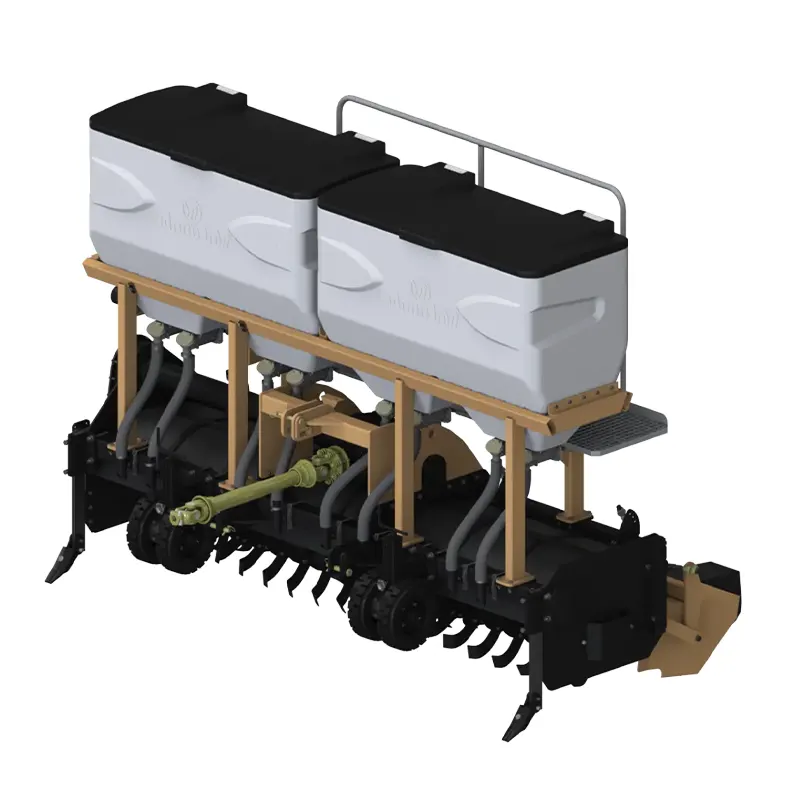
Sistema de la máquina: protocolo de tres profundidades y protección anual de la cuchilla desplumadora.
Preguntas frecuentes
Trituradora de rocas para plantaciones de té: ¿la relación entre la presencia de piedras en la zona radicular y la concentración de teanina en la hoja está bien respaldada por la investigación, o es algo teórico?
El mecanismo de removilización de nitrógeno descrito en la Sección 2 está bien establecido en la literatura sobre fisiología del té: el papel de los aminoácidos almacenados en la raíz (en particular la glutamina y la asparagina) en el suministro de nitrógeno para el desarrollo del primer brote está documentado en investigaciones de UPASI (Asociación Unida de Plantadores del Sur de la India), el Instituto Nacional de Investigación Hortícola y del Té de Japón (NTHRI) y la Asociación de Investigación del Té (TRA) Jorhat en Assam. Lo que está específicamente documentado: (1) el almacenamiento de nitrógeno en las raíces laterales se correlaciona fuertemente con la concentración de teanina del primer brote en comparaciones de cultivares y ensayos de manejo del suelo; (2) los experimentos de compactación del suelo que restringen artificialmente el desarrollo de las raíces laterales producen una teanina notablemente menor en el primer brote en parcelas restringidas; (3) la adición de materia orgánica que estimula el crecimiento de las raíces laterales muestra un aumento correspondiente de teanina. La conexión de restricción de piedras específicamente (a diferencia de la compactación u otras causas de restricción de raíces) es mecánicamente equivalente: cualquier factor que reduzca la biomasa de las raíces alimentadoras laterales a 15–40 cm reduce el banco de nitrógeno invernal. La restricción por piedras es una de las causas más comunes de reducción de la biomasa de raíces laterales en suelos volcánicos y de tierras altas para el cultivo de té. La extrapolación de la restricción documentada de raíces → menor teanina a la restricción por piedras → menor teanina es mecánicamente sólida, respaldada por observaciones de campo consistentes en suelos de té cargados de piedras en Darjeeling y Corea, aunque los ensayos controlados revisados por pares que atribuyen específicamente la eliminación de piedras a la mejora de la teanina se limitan a un estudio del Centro de Tecnología Agrícola de Shizuoka de 2019 (no publicado en revistas en inglés) que documentó una mejora de 0,4–0,8% de teanina en First Flush en parcelas sin piedras en comparación con parcelas de control.
Para Korea Boseong: ¿qué máquina de limpieza de piedras es la más práctica para la geometría de las terrazas de té en la ladera? Las terrazas suelen ser estrechas.
Las terrazas de té de Boseong se encuentran entre los paisajes agrícolas más pintorescos de Corea: las hileras de laderas orientadas al sur de la cordillera de Noejeong tienen un ancho de bancada promedio de 1,2 a 2,5 m entre las paredes de la terraza, que es más estrecho que la mayoría de las terrazas europeas y neozelandesas. El THOR 2.4 con un ancho de trabajo de 2400 mm excede el ancho de bancada disponible en la geometría tradicional de las terrazas de Boseong; debe operarse a lo largo de las hileras de la terraza (paralelo al contorno) en lugar de a través de ellas, y en muchos casos el ancho de trabajo del THOR debe ajustarse o la operación debe realizarse en pasadas de trabajo más estrechas. Para las operaciones de terrazas estrechas de Boseong, el enfoque preferido es: (1) renovación de la terraza: ensanchar la bancada a al menos 2,8 m antes de la operación del THOR para permitir el movimiento seguro de la máquina; o (2) usar el rotocultivador PSW-3200 (3200 mm de ancho) como herramienta principal de aireación profunda del suelo si la densidad de piedras es moderada, con el THOR realizando pasadas de rotura en el extremo de la terraza en secciones más anchas accesibles. El problema de piedras en las terrazas de Boseong suele ser moderado (basalto Mohs 5–6 a densidad baja a moderada) — el PSW-3200 con cuchillas rotatorias ajustadas a profundidad a 25–30 cm proporciona una mejora adecuada de la zona radicular de alimentación en sitios de basalto de densidad moderada sin requerir la operación completa del THOR en terrazas estrechas. En terrazas de plantación comercial de Boseong más anchas (las plantaciones modernas tienden a usar un ancho de banco de 3,5–5 m para el acceso de la maquinaria): se aplica la operación estándar THOR 2.4. Korea Watanabe puede asesorar sobre el enfoque operativo específico para terrazas tradicionales de Boseong de banco estrecho en función de la medición del ancho de la terraza y la evaluación de la densidad de piedras.
¿Cómo se compara la limpieza de las piedras de té con el sombreado (utilizado para el Gyokuro japonés y el matcha) como método para mejorar la teanina? ¿Puede el sombreado compensar las reservas de nitrógeno de las raíces restringidas por las piedras?
El sombreado y la limpieza de las plantas abordan la teanina mediante mecanismos completamente diferentes y son complementarios en lugar de competitivos. El sombreado (cubrir los arbustos de té con tela o pantallas de caña durante 20-30 días antes de la cosecha para bloquear entre 70 y 90 TP5T de luz solar) aumenta la teanina a través de una vía bioquímica específica: la sombra suprime la conversión de teanina en catequinas (en particular EGCG), por lo que la teanina se acumula en concentraciones más altas que en condiciones sin sombra. Esta es la razón por la que el Gyokuro y el matcha japoneses muestran niveles extremadamente altos de teanina (4-71 TP5T) en comparación con el Sencha sin sombra (1,5-31 TP5T). Sin embargo, el sombreado solo funciona con lo que ya está presente en el sistema: redirige el nitrógeno que ya se encuentra en los brotes, pero no puede crear más nitrógeno a partir de un banco de raíces agotado del que está físicamente disponible. Una planta de Gyokuro con un sistema radicular restringido por piedras y una reserva de nitrógeno agotada mostrará una mejora en la teanina gracias a la sombra, pero partirá de un nivel inicial más bajo y alcanzará un máximo inferior que una planta con una reserva de nitrógeno radicular completa y libre de piedras que reciba el mismo tratamiento de sombra. La combinación de la eliminación de piedras (reserva de nitrógeno radicular completa) + la sombra (retención de teanina) es la práctica habitual en los mejores jardines de matcha de Uji y Kioto; ambas son necesarias para obtener las concentraciones más altas de teanina. La eliminación de piedras es el requisito previo; la sombra es el potenciador.
Terrazas de plantaciones de té: ¿tiene la piedra labrada alguna utilidad práctica en el mantenimiento de los muros de las terrazas, como se describe para el café (E-17) y el aguacate (E-12)?
Sí, la paradoja de la piedra de terraza descrita en E-12 (aguacate) y E-17 (café) se aplica igualmente al té de las tierras altas. En Darjeeling, Boseong y Shizuoka, los muros de piedra seca tradicionales que sostienen las superficies de los bancales cultivados se construyen con piedra de origen local: el mismo gneis, granito, basalto o cuarcita que subyace al suelo del té. Con el paso del tiempo, la construcción de piedra seca sin mortero se asienta y requiere una reconstrucción periódica con piedra nueva. La operación de trituración THOR y recolección CT-2100 produce material pétreo fragmentado que, al depositarse en puntos específicos de construcción de muros de terraza en lugar del depósito habitual en el margen del campo, proporciona la materia prima para la reparación de los muros. En Darjeeling y Sri Lanka, este circuito de piedra es particularmente importante: los fragmentos de cuarcita del Himalaya procedentes de la limpieza son estructuralmente equivalentes a la piedra de los muros de terraza existentes, y los constructores de muros experimentados de estos distritos prefieren los fragmentos angulares producidos por la trituración THOR a la grava de río redondeada, porque los fragmentos angulares se entrelazan de forma más eficaz en la construcción de muros de piedra seca. Esta economía circular basada en el uso de la piedra —la tala produce piedra, la piedra reconstruye la infraestructura que permite el funcionamiento de la plantación— es uno de los aspectos más integrados de la gestión de las laderas de té y refleja una filosofía de gestión de la tierra coherente con los sistemas agrícolas históricos de los cuatro mercados que se incluyen en esta guía.
¿Cuál es la justificación financiera para la eliminación de piedras en Darjeeling, teniendo en cuenta que las plantaciones operan con márgenes extremadamente ajustados al precio estándar del té?
La economía de las plantaciones de té de Darjeeling es inusual en la agricultura mundial: la famosa "prima de Darjeeling" que hace que SFTGFOP1 First Flush valga US$2,000/kg también oculta una presión de costos significativa a nivel de plantación. Los costos laborales en las plantaciones de Darjeeling representan 55–65% del costo total de producción. La maquinaria de limpieza de piedras representa una inversión de capital que sustituye el trabajo manual (la recolección tradicional de piedras se hace a mano en Darjeeling, a un costo extremadamente alto por unidad de área en las laderas rocosas). La justificación financiera para la inversión de THOR en Darjeeling opera en dos niveles. Retorno directo: la mejora de grado por el aumento del banco de nitrógeno de las raíces alimentadoras (Sección 2) es el mayor retorno de un solo evento, pero se acumula lentamente: los arbustos de Darjeeling tardan de 3 a 5 años después de la limpieza para mostrar la mejora máxima del desarrollo de las raíces, y la mejora de grado aparece en las cosechas 2 a 4 temporadas después de la limpieza. Retorno indirecto (más inmediato): la limpieza de piedras THOR reemplaza la mano de obra manual de recolección de piedras en secciones de plantación y replantación nuevas. A las tarifas de mano de obra manual de Darjeeling (aproximadamente 350–450 INR por persona por día), limpiar 1 ha manualmente requiere de 15 a 25 personas-días por pasada = 5250–11250 INR por ha. La limpieza mecánica THOR a 8000–14000 INR por ha es competitiva en costos con la mano de obra manual, logra mayor profundidad (60 cm frente a 10–15 cm para la recolección manual) y proporciona el beneficio de la zona radicular que la recolección manual en la superficie no puede. Para las operaciones de plantación más grandes de Darjeeling (más de 30 ha), el cálculo total del VAN a 5 años generalmente muestra que la inversión THOR se amortiza en 2–3 temporadas a través de una combinación de ahorro de mano de obra y mejora de la calidad, y el beneficio de la mejora de la calidad continúa durante los 30–40 años restantes de vida productiva del té replantado.
Trituradora de rocas para plantaciones de té: protocolo de tres profundidades y retorno de la inversión en calidad de teanina.
Variedad de té + ángulo de pendiente + ancho de la terraza + tipo de piedra (basalto/gneiss/cuarcita/caliza) + mercado objetivo de flujo → Corea Watanabe proporciona la correcta trituradora de rocas para plantación de té Especificación de tres profundidades, protocolo operativo de contorno y cálculo de la región de interés (ROI) con teanina de lavado múltiple.
Editor: Cxm