Koreanischer Bergkohl (고랭지배추) ist eines der wirtschaftlich wichtigsten Gemüse Koreas und bildet das Rückgrat der jährlichen Kimchi-Produktion. In den Hochlandgebieten der Provinz Gangwon-do – Taebaek-si, Jeongseon-gun, Pyeongchang-gun und Umgebung – wächst er auf denselben Granitböden des Taebaek-Gebirges, die auch den Kartoffelanbau im Hochland erschweren. Für die Kohlbauern ist die Steinbekämpfung daher ein wichtiges Thema: Oberflächliche und unterirdische Granitfragmente beschädigen Pflanzmaschinen, verursachen Ausfälle von Tropfbewässerungsleitungen, behindern die mechanische Düngung und bergen – auf den schmalen, geneigten Terrassen der Hochlandkohlfelder – während der gesamten Saison bei jedem Arbeitsschritt ein Risiko für die Traktorstabilität.
Dieser Leitfaden befasst sich mit den spezifischen Anforderungen an die Steinräumung beim Anbau von Chinakohl im koreanischen Hochland – die sich in mehreren wichtigen Punkten von der Steinräumung bei Kartoffeln oder Ginseng unterscheiden, jedoch mit der gleichen Watanabe-Maschinenreihe, deren Konfiguration an das Produktionssystem und die Geländeanforderungen der Kohlpflanze angepasst ist.
Warum die Gesteinsbedingungen in den 고랭지배추-Feldern besonders schwierig sind
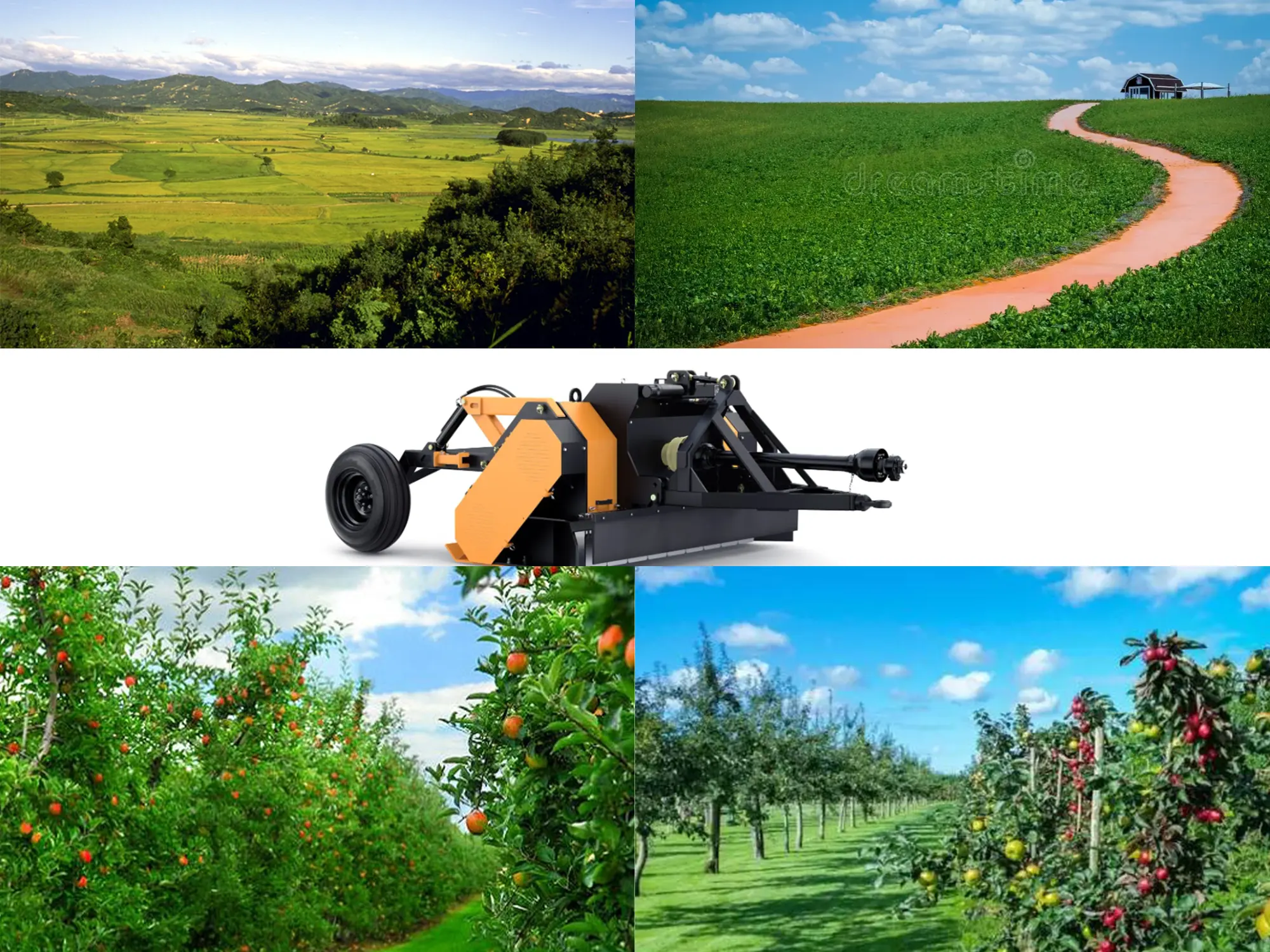
Koreanischer Hochland-Chinakohl wird hauptsächlich in 400–900 m Höhe im Taebaek-Gebirge angebaut – dem höchstgelegenen kommerziellen Gemüseanbaugebiet Koreas. Die geologischen Gegebenheiten dieser Zone bedingen andere Bedingungen für die Steinbearbeitung als in tiefer gelegenen landwirtschaftlichen Gebieten:
Taebaek-Granit-Grundgestein
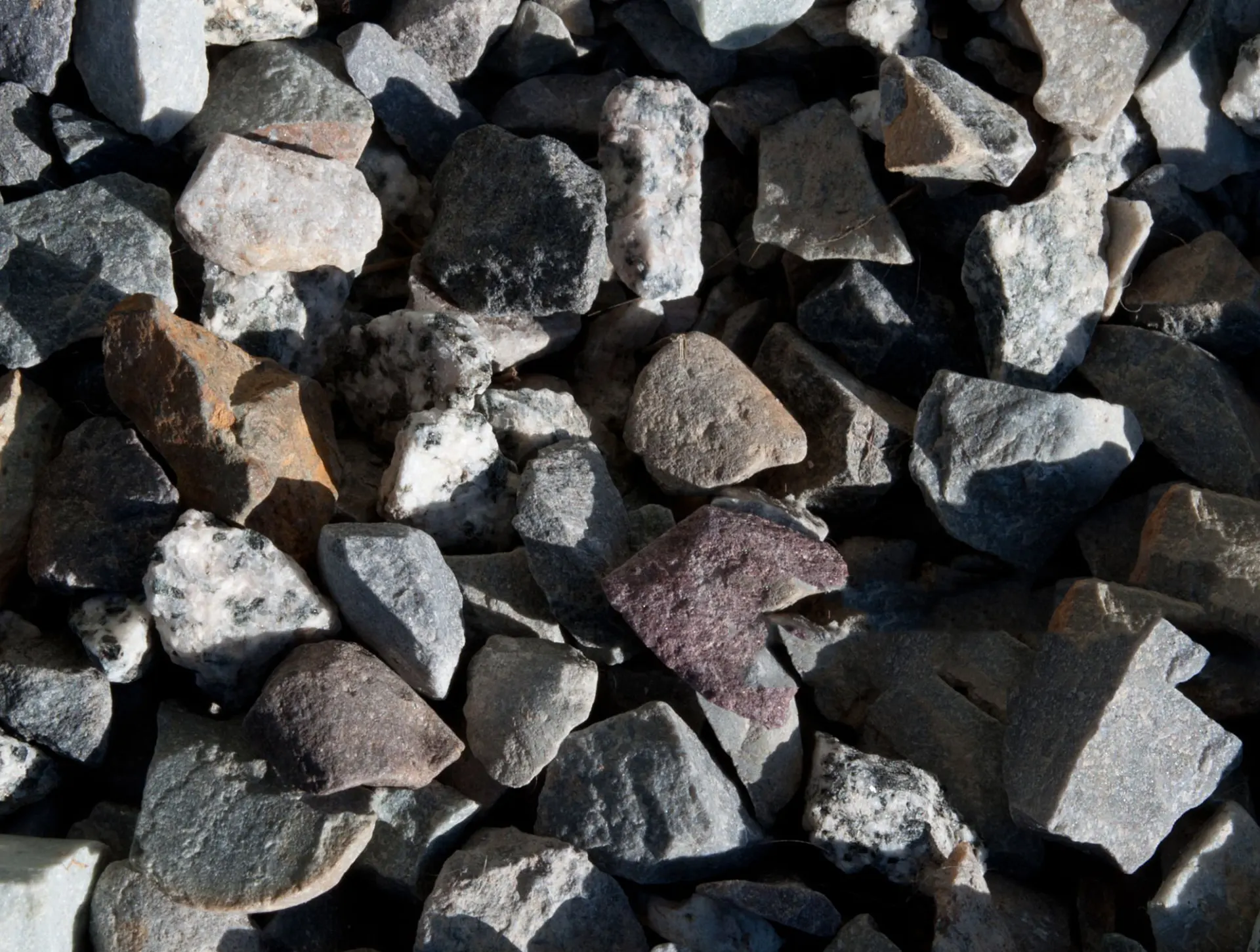
Das Taebaek-Gebirge liegt auf präkambrischem Granit und metamorphem Gestein. Die Böden in landwirtschaftlichen Höhenlagen dieser Zone sind dünn (in vielen Gebieten 30–60 cm tief) und bestehen unmittelbar unter der Ackerkrume aus zerklüftetem Grundgestein und Felsblöcken. Bei jeder Bodenbearbeitung, die tiefer als 25 cm reicht, besteht die Gefahr, auf Grundgesteinsfragmente zu stoßen. Die Steindichte pro Flächeneinheit ist höher als in der übrigen koreanischen Granitzone in tieferen Lagen.
Starke Frost-Tau-Zyklen
In Taebaek-si und dem oberen Jeongseon-gun herrschen in Höhenlagen von 700–900 m winterliche Mindesttemperaturen von -20 bis -25 °C – sie zählen damit zu den kältesten Regionen in Koreas Agrargebieten. Die hier auftretenden Frost-Tau-Wechsel führen zu stärkeren Frosthebungen als in tiefer gelegenen Hochlandgebieten, wodurch pro Winter mehr Steine an die Oberfläche befördert werden. Die jährliche Steinansammlung auf diesen Feldern ist höher als in Höhenlagen von 400–600 m.
Steile Terrassenfelder
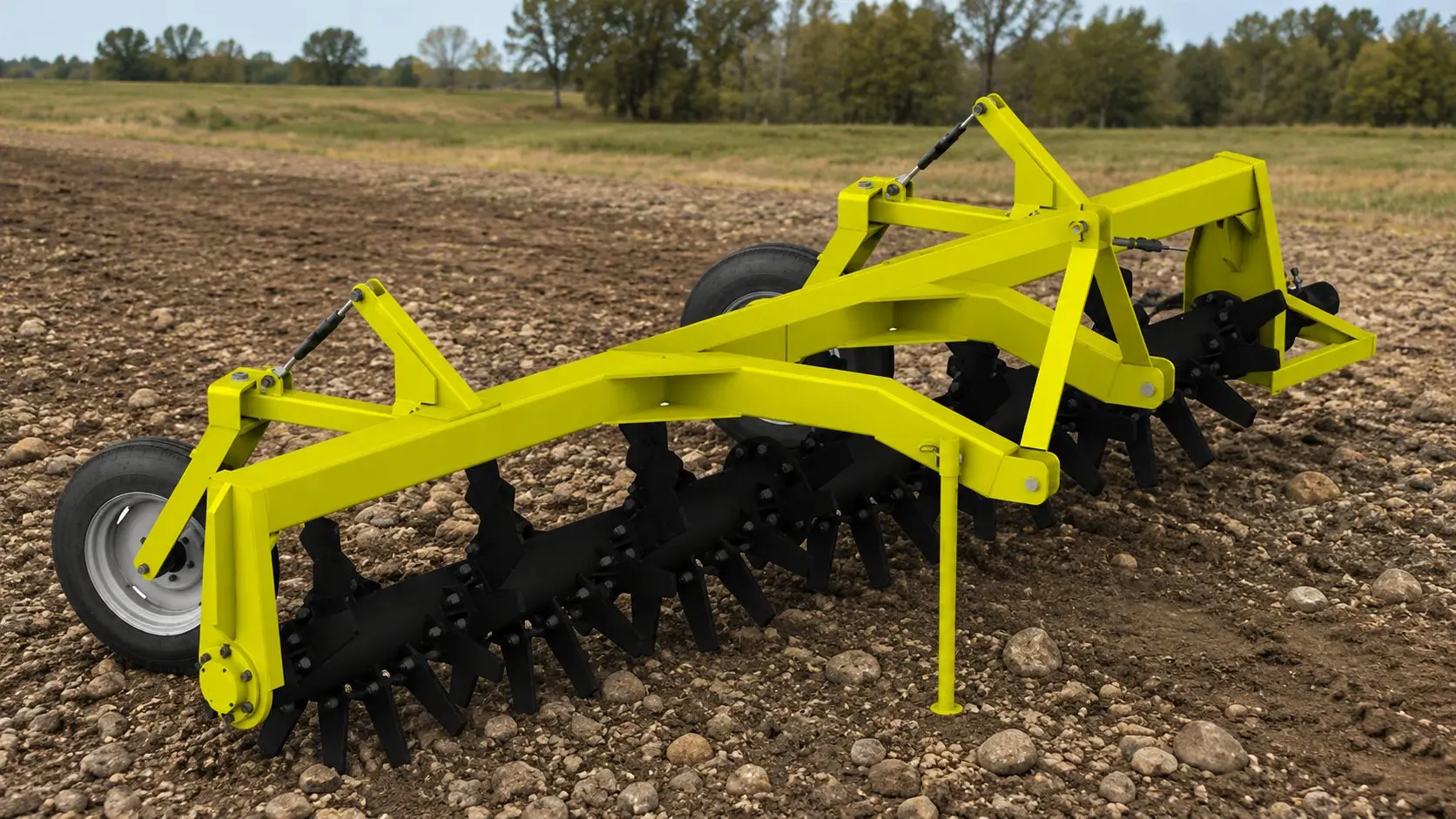
Die Kartoffelproduktion in 고랭지배추 findet auf terrassenförmigen Bergfeldern mit Steigungen von 15–351 TP5T statt – steiler als typische Kartoffelfelder im Hochland. Die Räummaschinen müssen auf diesen Terrassen sicher arbeiten können, da die standardmäßige Heckkupplung bei diesen Steigungen zu einem Anheben der Vorderachse und zu Lenkinstabilität führt. Die Zugvorrichtung des Kit Drawbar ist auf den steilen Terrassen in 고랭지배추 unerlässlich für die Sicherheit des Bedieners.
Wie Reststeine Oberflächenschäden verursachen
Die Produktion von Chinakohl im koreanischen Hochland hängt von einer Reihe mechanisierter Feldarbeiten ab, die unterschiedlich empfindlich auf Oberflächensteine reagieren. Das Verständnis der jeweiligen Ausfallmechanismen hilft dabei, den erforderlichen Grad der Steinentfernung für jede Arbeitsart zu kalibrieren.
Die richtige Reihenfolge zum Freiräumen von Steinen auf 고랭지배추-Feldern
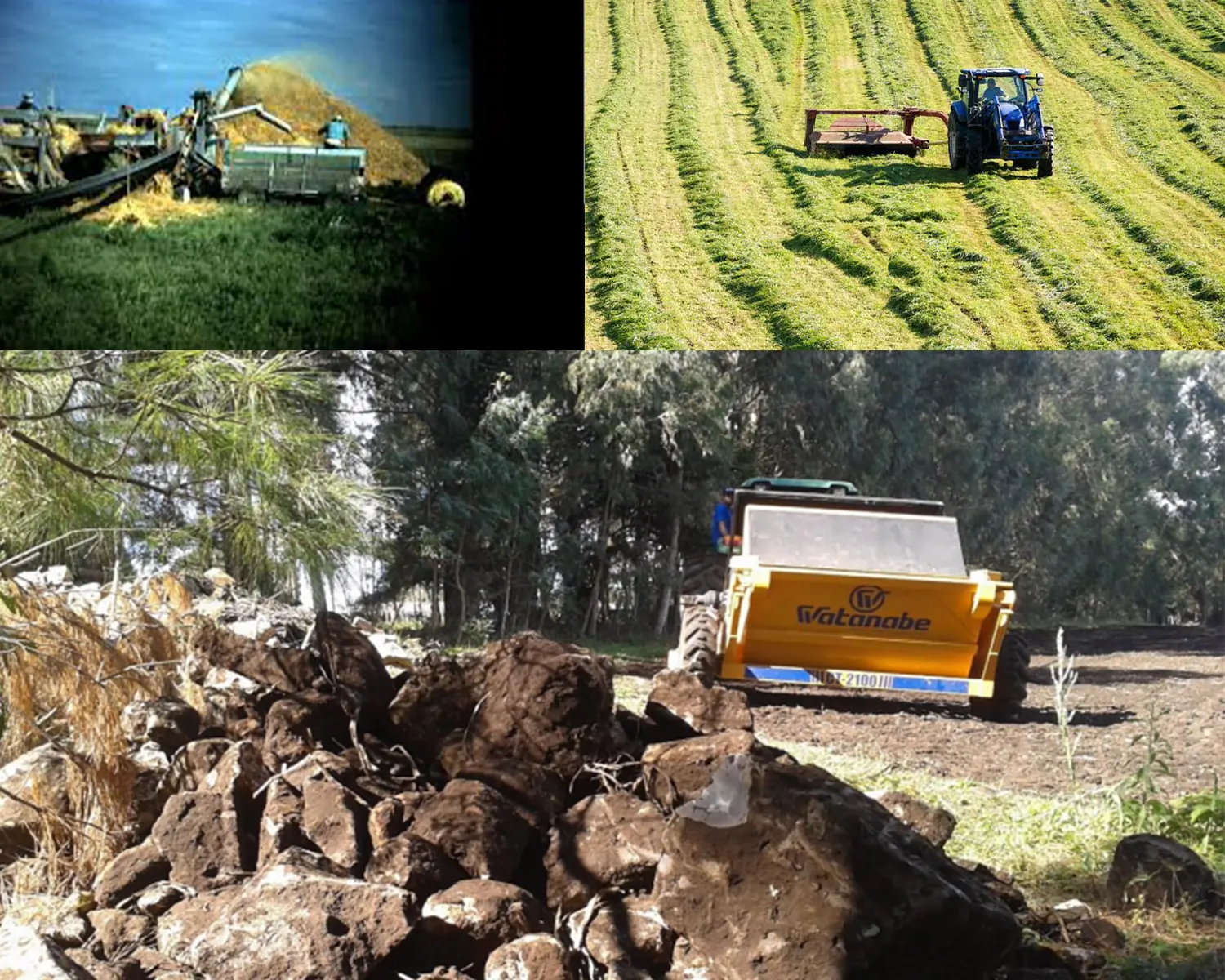
Drei Sequenzen für drei Steinzustände
Kit-Zugvorrichtung auf steilen Kohlterrassen – Sicherheit geht vor
Die Hangneigung ist der wichtigste operative Unterschied zwischen der Steinrodung in koreanischen Hochlandterrassen und der Steinrodung in tiefer gelegenen landwirtschaftlichen Gebieten. Die Hangneigungen der koreanischen Hochlandterrassen für Chinakohl betragen regelmäßig 20–351 TP5T – steiler als typische Hochlandkartoffelfelder und weit über dem Schwellenwert, ab dem die standardmäßige Heckmontage von Steinbrechern ein gefährliches Anheben der Vorderachse verursacht.
⚠ Sicherheitshinweis — Betrieb an steilen Steigungen
Der Betrieb des THOR 2.4 mit serienmäßiger Dreipunktaufhängung hinten auf Terrassen mit einer Steigung von über 201 TP5T führt zu einem Anheben der Vorderachse, wodurch die effektive Lenkung des Traktors beeinträchtigt wird. Auf einer schmalen Bergterrasse mit einem seitlichen Abhang birgt der Verlust der Lenkkontrolle aufgrund des Anhebens der Vorderachse ein hohes Risiko für Überschläge und schwere Verletzungen. Der Kit Drawbar-Zugmodus ist für den Betrieb von THOR 2.4 auf Terrassenneigungen über 15–20% obligatorisch. Die Zugstange ist bei jedem von Korea Watanabe ausgelieferten THOR 2.4 serienmäßig enthalten – sie ist nicht optional erhältlich. Die Zugstange darf nicht mit der Standard-Anhängerkupplung an steilen Terrassen verwendet werden.
Der THOR 2.4 im Kit Drawbar-Zugmodus wandelt die 2.300 kg schwere Last der Maschine von einer Auslegerlast an der Hinterachse (die die Vorderachse anhebt) in eine Zuglast an der Deichsel um (die nahe der Hinterachs-Mittellinie des Traktors wirkt und so den Bodenkontakt der Vorderachse aufrechterhält). Betreiber koreanischer Hochland-Traktoren, die den Kit Drawbar-Betrieb eingeführt haben, berichten, dass Steigungen bis zu 30–351 TP5T mit kontrollierter Geschwindigkeit und korrektem Anfahrwinkel bewältigt werden können.
Arbeitsmuster für Terrassenfelder
Auf schmalen Terrassen, wo die Arbeitsbreite nahe an der Arbeitsbreite des THOR von 2,4 m liegt, erfordert das Arbeitsmuster eine sorgfältige Planung:
Querhangoperation (Kontur)
Der Betrieb des THOR quer zum Hang (entlang der Höhenlinien) ist bei steilen Gefällen sicherer als der Betrieb hangaufwärts und hangabwärts, da der Traktor bei der Vorwärtsfahrt nicht gegen die Schwerkraft arbeiten muss. Die Querrichtung entspricht zudem der längsten Dimension der meisten Terrassen. Planen Sie die Arbeitsgänge so, dass sie entlang der Terrasse von einem Ende zum anderen verlaufen, anstatt quer über die gesamte Hangfläche.
Abbiegen an den Terrassenenden
Der Zugbetrieb mit dem Kit-Deichsel erfordert einen größeren Wendekreis als die Standardkonfiguration mit Anbaugerät. Halten Sie an jedem Terrassenende ausreichend Platz am Vorgewende vor der Feldgrenze oder der Terrassenstützmauer ein. Bei sehr kurzen Terrassen kann ein Wenden in drei Zügen oder ein Rückwärtsfahren erforderlich sein – der Bediener sollte dieses Manöver üben, bevor er mit voller Arbeitsgeschwindigkeit auf der Terrasse arbeitet.
Feldkalender – Steinräumung im Produktionszeitplan
| Zeitraum | Aktivität | Maschine |
|---|---|---|
| Jan.–Feb. | Saisonvorbereitung; Ausrüstung buchen; Bodenprobenergebnisse bestätigen; Setzlinge bestellen | — |
| März (späte) | Steinräumung – Haupttätigkeit | THOR 2.4 Kit Zugstange + CT-2100 (schwer) oder EP-EW-4000 + CT-2100 (leicht) |
| April | Primärbodenbearbeitung + Basisdüngung | Bodenfräse (60–100 PS) + Granulatdüngerstreuer |
| Mai | Transplantation | Mechanische Pflanzmaschine (erfordert steinfreies Saatbett) |
| Mai–Juni | Frühsaisonmanagement – Bewässerungseinrichtung, Schädlingsüberwachung | Traktorspritze, Tropfbewässerung |
| Juni–Aug. | Vegetatives Wachstum; Bewässerungsmanagement; Alternaria-/Schädlingsbekämpfung | Traktordurchfahrten auf dem Feld – ebene, steinfreie Oberfläche wichtig |
| Sep–Nov | Ernte – Hauptsaison der Ernte | Erntewagen, manuelle oder mechanische Schneid- und Bindemaschinen |
| Nov.–Dez. | Bodenbearbeitung nach der Ernte + Vorbereitung auf Zwischenfruchtanbau oder Brache für das nächste Frühjahr | Rotavator; bei sichtbarer Steinansammlung erwägen Sie eine Herbstüberfahrt mit EP-EW-4000. |
Fruchtfolge — Wenn auf den Feldern auch Kartoffeln angebaut werden
Viele Bauern im Hochland von Gangwon-do bauen im Wechsel auf denselben Feldern Kohl und Hochlandkartoffeln an – Kartoffeln im Frühjahr (April–August) und im Herbst Kohl. Diese Fruchtfolge erfordert die gleiche Steinentfernung: Beide Kulturen benötigen steinfreie Felder, und die Steinentfernung im Frühjahr, die dem Kartoffelanbau dient, kommt auch der anschließenden Kohlpflanzung zugute.
Bei Fruchtfolgebetrieben werden die Kosten für die Steinräumung auf beide Fruchtfolgen aufgeteilt – die Kosten pro Anbausaison halbieren sich dadurch effektiv. Die Räumung im Frühjahr (März–April) mit THOR+CT-2100 vor der Kartoffelpflanzung bereitet das Feld gleichzeitig für die anschließende Verpflanzung der Kartoffelsorte „Gumami-Jungba-Chung“ im Mai vor. Die zusätzlichen Kosten für die Steinräumung während der Fruchtfolgesaison „Gumami-Jungba-Chung“ (zusätzlich zu den Kosten der Kartoffelvorbereitung) beschränken sich in der Regel auf die jährliche Herbstbearbeitung mit EP-EW-4000. Dabei werden neu entstandene Oberflächensteine, die im Sommer aufgetaucht sind, entfernt, sodass das Feld für die Kartoffelpflanzung im folgenden Frühjahr bereit ist.
Gemeinsame Nutzung von Maschinen für verschiedene Anbaukulturen
Für die Bauern im Hochland von Gangwon-do, die Fruchtfolge betreiben, kommen in beiden Anbausaisons die gleichen Steinräummaschinen zum Einsatz:
THOR 2.4 (180 PS)
Zugmaul-Set enthalten
Sowohl Kartoffeln als auch die Rodung von Maiskolben erfolgten im selben Frühjahrsbetrieb. Die Investitionen wurden auf beide Kulturen aufgeteilt.
CT-2100 (110 PS)
2,5 m³ Bunker
Sammelt gebrochenes Zuschlagmaterial sowohl aus der THOR-Kartoffelaufbereitung als auch aus der 고랭지배추-Abräumung. Dieselbe Maschine, dieselbe Saison.
EP-EW-4000 (75 PS)
3,6 m
Jährliche Herbstwartung vor dem Winter – für beide Fruchtfolgefelder. Maschine mit der geringsten PS-Zahl im System.
Produktionsökonomie – Wie sich das Steinmanagement auf den Vertragspreis auswirkt
Koreanischer Hochland-Chinakohl wird überwiegend an Kimchi-Hersteller über Terminkontrakte verkauft – typischerweise im März oder April für die Ernte von August bis November. Die Vertragspreise richten sich nach Qualitätsstufe, Kopfgewicht und Liefertermin. Das Verständnis, wie sich die Qualität der Steinentfernung auf die Vertragserfüllung auswirkt, hilft bei der Optimierung der Investitionen in Steinmanagementgeräte.
Einheitlichkeit der Kopfgröße
Kimchi-Hersteller legen Mindest- und Höchstgewichte für die einzelnen Qualitätsstufen fest. Ungleichmäßige Pflanztiefe auf steinigen Böden führt zu ungleichmäßigem Pflanzenwachstum und damit zu uneinheitlichen Kopfgrößen bei der Ernte. Verträge für koreanischen Hochlandkohl sehen typischerweise 2,0–4,0 kg pro Kopf für Standardqualität vor; Köpfe außerhalb dieses Bereichs werden zu einem niedrigeren Preis angenommen oder zurückgewiesen. Auf steinfreien Feldern, die eine gleichmäßige Pflanztiefe gewährleisten, wird ein höherer Anteil normgerechter Köpfe pro Hektar erzielt.
Ernteeffizienz
Die Ernte des koreanischen Hochlandkohls (배추 수확) findet von August bis Oktober statt. Zunächst wird der Kohl von Hand geschnitten, anschließend wird er mit Traktoren und Anhängern abtransportiert. Auf steinigen Feldern muss der Traktor aufgrund der vorsichtigen Fahrweise auf unebenem Untergrund langsamer fahren, und die Gefahr von Reifenpannen an den Anhängern schränkt die Einsatzbereitschaft ein. Glatte, von Steinen befreite Feldoberflächen ermöglichen eine schnellere Erntelogistik und senken so die Arbeitskosten pro Kopf – was die Gewinnspanne bei einer Kulturpflanze, die durch steigende Inputkosten ohnehin schon unter Druck steht, direkt verbessert.
Kosten für den Reifenwechsel
Reifenschäden durch Granitfragmente auf den Feldern des Taebaek-Hochlands sind ein regelmäßiger Kostenfaktor bei nicht geräumten Feldern. Angesichts der marktüblichen Preise für landwirtschaftliche Reifen verursachen selbst ein bis zwei Reifenschäden pro Saison und Traktor bei einem Ernteeinsatz von zehn Maschinen direkte Materialkosten. Jährliche Investitionen in die Steinräumung, die diese Reifenschäden verhindern oder reduzieren, amortisieren sich teilweise allein durch die Einsparungen bei den Reifen – unabhängig von den Ertrags- und Qualitätsvorteilen.
Zugang zu Vertragsgeräten — Wie Gangwon-do-Farmen Zugang zu Steinbrechern erhalten
Nicht jeder koreanische Hochlandkohlbetrieb besitzt einen THOR-Steinbrecher. Die Investition in einen THOR 2.4 (180 PS, Zugvorrichtung) ist beträchtlich – und Betriebe mit 3–5 ha Chinakohl rechtfertigen den Eigenkauf einer Maschine möglicherweise nicht im Vergleich zur Nutzung von Serviceverträgen. In den Gemüseanbaugebieten des Hochlands von Gangwon-do sind drei Zugangsmodelle üblich:
Landwirtschaftlicher Lohnunternehmerdienst (임경 서비스): Koreanische Bergbauunternehmen im Hochland – typischerweise in Pyeongchang-gun, Hoengseong-gun und Taebaek-si ansässig – bieten den Einsatz von THOR-Steinbrechern gegen Tages- oder Hektargebühr an. Für die Frühjahrsrodung (in der Regel Ende März bis Mitte April) ist eine frühzeitige Buchung erforderlich, da die gefragten Unternehmen im Hochland bereits im Februar ausgebucht sind. Kontaktieren Sie Korea Watanabe für Empfehlungen von Unternehmen in bestimmten Hochlandgebieten.
Kooperative Maschinenfreigabe (농협 공동 농기계): Produktionsgenossenschaften in einigen Gebieten der Provinz Gangwon-do haben über das Programm „공동이용 농기계 지원사업“ Steinbrecher von THOR und Steinsammler vom Typ CT-2100 angeschafft. Die Mitgliedsbetriebe können die Maschinen zu festgelegten Terminen während des Erntezeitraums nutzen. Dieses Modell verteilt die Anschaffungskosten auf die Mitglieder und gewährleistet gleichzeitig eine professionelle Steinräumung. Die Zweigstellen von Gangwon-do 농협 in den Hochlandgebieten können Ihnen Auskunft darüber geben, ob in Ihrer Region ein solches gemeinsames Maschinenprogramm angeboten wird.
Einzelbesitz (Betriebe mit mehr als 10 ha): Für Hochlandgemüsebetriebe ab 10 ha mit hohem jährlichem Aufwand zur Steinbekämpfung – insbesondere Betriebe, die Gemüseanbau (Gukaji-Bhaji) und Hochlandkartoffeln in Fruchtfolge kombinieren – ist der Eigenbesitz eines THOR 2.4 in der Regel die wirtschaftlichste Lösung im Vergleich zu den jährlichen Mietkosten für Lohnunternehmer über einen Zeitraum von 5–7 Jahren. Die Maschinenförderung und Finanzierungsberatung von Korea Watanabe machen diese Berechnung für qualifizierte koreanische Hochlandlandwirte realisierbar.
Häufig gestellte Fragen
Meine Felder in Taebaek-si sind sehr schmale Terrassen – kann der THOR 2.4 dort eingesetzt werden?
Der THOR 2.4 mit Zugdeichsel hat eine Gesamtarbeitsbreite von 2,4 m zuzüglich der Traktorreifenbreite von ca. 2,0–2,4 m. Die minimale Terrassenbreite für den Einsatz des THOR beträgt ca. 3,0–3,5 m – schmal genug, um die meisten Terrassenfelder in Taebaek-si zu erreichen, die für die Produktion von 고랭지배추 genutzt werden und typischerweise nutzbare Breiten von 3,5–6,0 m zwischen den Terrassenwänden aufweisen. Für Terrassenbreiten unter 3,0 m sind möglicherweise der Steinharken EP-EW-4000 (1,95 m Zinkenbreite, jedoch 3,6 m Gesamtarbeitsbreite – bitte prüfen Sie die Transport- und Arbeitskonfiguration der Maschine für Ihre schmalste Terrasse) oder der Steinsammler CT-2100 (1,95 m Arbeitsbreite, kompakteres Transportprofil) besser geeignet. Kontaktieren Sie Korea Watanabe mit Ihren Terrassenbreitenmessungen, um eine spezifische Geräteempfehlung zu erhalten.
Sind Steinräumungsarbeiten für 고랭지배추 subventionsfähig für koreanische Landwirtschaftsmaschinen?
Der Steinbrecher (THOR 2.4), der Steinsammler (CT-2100) und der Steinrechen (EP-EW-4000) fallen alle unter die Kategorie „Maschinen zur Bodenverbesserung“ des koreanischen Förderprogramms für den Kauf von Landmaschinen, unabhängig davon, für welche Kulturpflanze das gerodete Feld genutzt wird. Landwirte in den Hochlandgebieten von Gangwon-do sollten zudem prüfen, ob es auf Provinzebene ergänzende Förderprogramme für den Anbau von Hochlandgemüse gibt, die zusätzliche Unterstützung für Maschinen bieten. Das Landwirtschaftliche Technologiezentrum Gangwon-do kann die aktuelle Förderfähigkeit von Maschinen für den Anbau von Hochlandgemüse bestätigen. Korea Watanabe stellt die technischen Unterlagen für alle Förderanträge zur Verfügung.
Wie wirkt sich die Steinräumung auf den Ertrag von 고랭지배추-Feldern im Vergleich zu nicht gerodeten Feldern aus?
Direkte Ertragsvergleiche zwischen gerodeten und ungerodeten Feldern für 고랭지배추 auf demselben Bodentyp sind in der koreanischen Agrarforschungsliteratur selten zu finden. Der Forschungsschwerpunkt lag bisher eher auf der Reduzierung von Maschinenschäden und Betriebskosten als auf der direkten Ertragsmessung. Die koreanische Fachliteratur zur Beratung im Hochlandgemüseanbau hebt jedoch übereinstimmend hervor, dass eine gleichmäßige Bodentiefe, eine einheitliche Pflanztiefe und ausreichend Wurzelraum – allesamt Faktoren, die durch die Steinrodung ermöglicht werden – zu einem gleichmäßigen Pflanzenaufgang und einer einheitlichen Kopfgröße bei der Ernte beitragen. Bei 고랭지배추, das an Kimchi-Hersteller nach Größenvorgaben verkauft wird, beeinflusst die Einheitlichkeit der Kopfgröße direkt den Anteil der Ernte, der den vertraglich vereinbarten Größenvorgaben entspricht. Unregelmäßiger Pflanzenaufgang aufgrund uneinheitlicher Pflanztiefen auf steinigen Böden führt zu unterschiedlich großen Köpfen, was den Ausschussanteil bei der Annahme durch den Hersteller erhöht.
Kann ich den THOR Steinbrecher für die Herbstfeldvorbereitung nach der 고랭지배추-Ernte verwenden?
Die Steinräumung nach der Ernte im Herbst (Oktober–November) nach der Maisernte ist betrieblich sinnvoll – das Feld ist von Pflanzenresten befreit, die Bodenfeuchtigkeit ist nach den Herbstregen in der Regel ausreichend, und die Arbeiten in diesem Zeitraum ermöglichen die rechtzeitige Vorbereitung des Feldes im nächsten Frühjahr. In den koreanischen Hochlagen besteht jedoch Ende Oktober bis November die Gefahr von erstem Frost und frühem Schneefall, wodurch sich das Zeitfenster für die Herbsträumung auf Feldern in Höhenlagen über 800 m auf spätestens Mitte Oktober beschränkt. Der Rechengang EP-EW-4000 ist für die Erhaltungsräumung im Herbst besser geeignet als die vollständige THOR+CT-2100-Sequenz, da er die leichtere Oberflächensteinansammlung aus der Vegetationsperiode schneller und kostengünstiger beseitigt als der Einsatz des kompletten Brechersystems zur Erhaltung der Steindichte.
Terrassenneigung (%) + Feldfläche (ha) + typische Steingröße + Traktorleistung → THOR 2.4 Kit Zugdeichsel, EP-EW-4000, CT-2100 Systemkonfiguration für Ihren spezifischen Gemüseanbaubetrieb im Hochland von Gangwon-do. Lokaler Lagerbestand in Korea, Ansan-si, Gyeonggi-do.