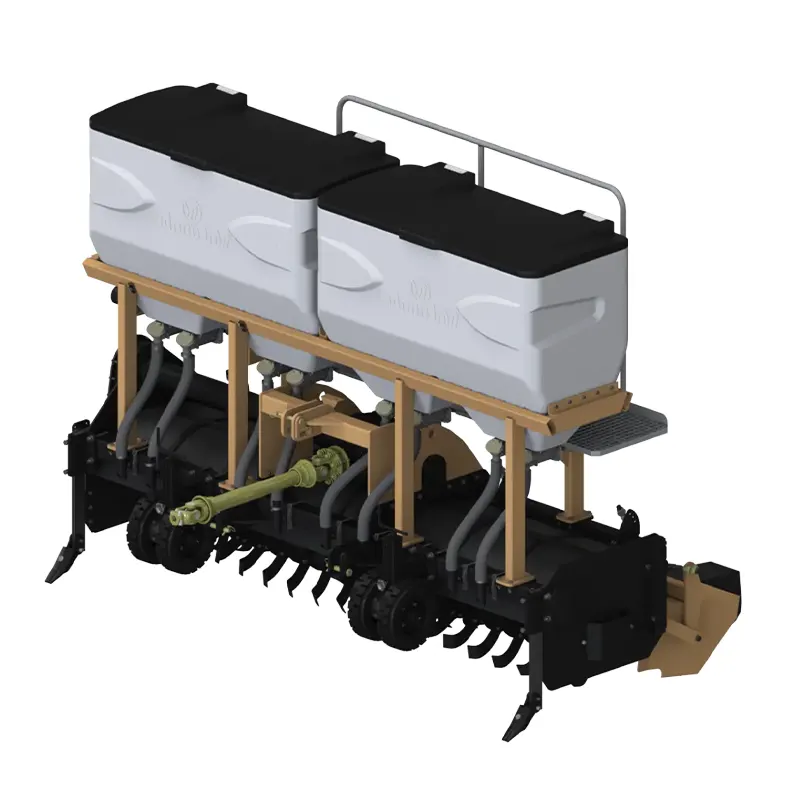
Das koreanische Hochlandkartoffelproduktionssystem aus dieser Reihe – Steinrodung mit dem THOR 2.4 Gesteinsbrecher, feine Bodenbearbeitung durch die PSW-3200, sorgfältige Ernte mit der Kartoffelroder EP-AWB-1600 Das Ziel des Unternehmens ist die Produktion von Kartoffeln der Güteklasse 1, die in optimalem Zustand auf den Markt kommen. Diese Investition ist nach der Ernte einem einzigen Managementrisiko ausgesetzt: der Kühllagerung. Eine Kartoffelernte, die als 85% Güteklasse 1 eingelagert wird, kann vier Monate später nur noch 60% Güteklasse 1 aufweisen, wenn die Lagerbedingungen nicht korrekt gehandhabt werden – nicht aufgrund von Krankheiten, sondern aufgrund vermeidbarer, physiologisch bedingter Qualitätsveränderungen, die durch eine korrekte Lagerung verhindert werden.
Dieser Leitfaden behandelt die gesamte Abfolge der Kühlhauslagerung von koreanischen Hochlandkartoffeln: die Wundheilungsphase, die der Kühlung vorausgehen muss, die sortenspezifischen Temperatur- und Feuchtigkeitszonen, die die Qualität der Güteklasse 1 während der gesamten Lagerzeit erhalten, die Verhinderung von kälteinduzierter Süßung (CIS) bei den für die Chipsherstellung verwendeten Sorten der Sorte Atlantic, das Dormanzmanagement für die Premium-Wintersorte Dubaek sowie die Entscheidungen zum Marktzeitpunkt im Februar, die festlegen, wann die gelagerten Kartoffeln auf den Markt gebracht werden sollen, um den maximalen Preis zu erzielen.
Wundheilung vor der Kühlung – Der unverzichtbare erste Schritt
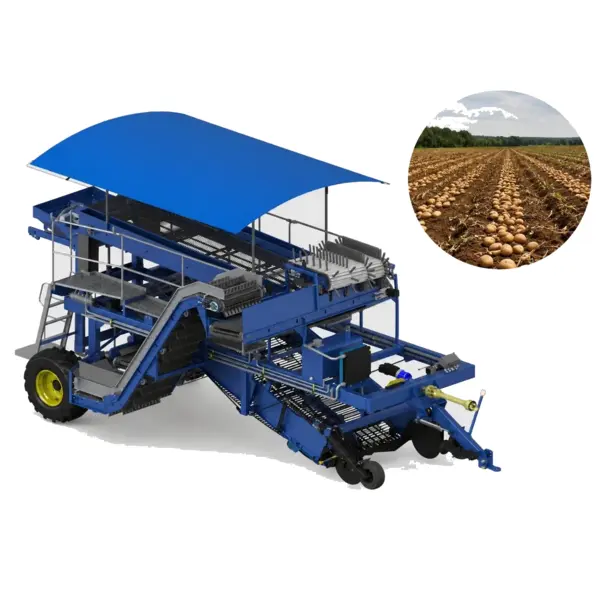
Jede geerntete koreanische Hochlandkartoffel erreicht das Lager mit mechanischen Beschädigungen – leichten Hautabschürfungen durch den EP-AWB-1600-Siebtrenner, Schnittflächen durch den seltenen Kontakt mit dem EP-AWB-1600-Schar, wenn dieser eine Knolle berührt, und kleinen Druckstellen durch die Handhabung. Diese Beschädigungen müssen vor der Kühlung verheilen. Der Heilungsprozess ist die Suberisierung – die Bildung einer korkigen Wundperidermschicht (Suberin) über den beschädigten Oberflächen, die die Wunde gegen Feuchtigkeitsverlust und das Eindringen von Krankheitserregern abdichtet. Die Suberisierung erfordert spezifische Bedingungen, die mit Kühlschranktemperaturen nicht vereinbar sind.
Suberisation (Wundheilung) Anforderungen
(optimal 15–16 °C)
(Hoher Feuchtigkeitsgehalt unerlässlich)
(längere Haltbarkeit bei niedrigerer Temperatur)
(verhindert das Begrünen)
Unter den Bedingungen im koreanischen Hochland im August (Umgebungstemperatur typischerweise 20–25 °C auf 600 m Höhe) verkorken frisch geerntete Kartoffeln in einem dunklen, gut belüfteten Lagerraum auf natürliche Weise, ohne dass eine aktive Kühlung erforderlich ist. Die Wundheilungsphase sollte abgeschlossen sein, bevor mit der Kühlung begonnen wird – in der Regel 10–14 Tage nach der Ernte, bevor die Lagertemperatur auf die für die Langzeitlagerung vorgesehene Temperatur gesenkt wird. Landwirte, die frisch geerntete Kartoffeln sofort kühlen (ein häufiger Fehler aus Sorge vor Hitzeschäden), unterbrechen die Verkorkung. Dadurch entstehen Lagerchargen, bei denen die Wundflächen offen bleiben, was den Feuchtigkeitsverlust und die Eintrittspforten für Infektionen während der gesamten Kühllagerung erhöht.
Sortenspezifische Temperaturzonen – Warum jede Sorte unterschiedliche Einstellungen benötigt
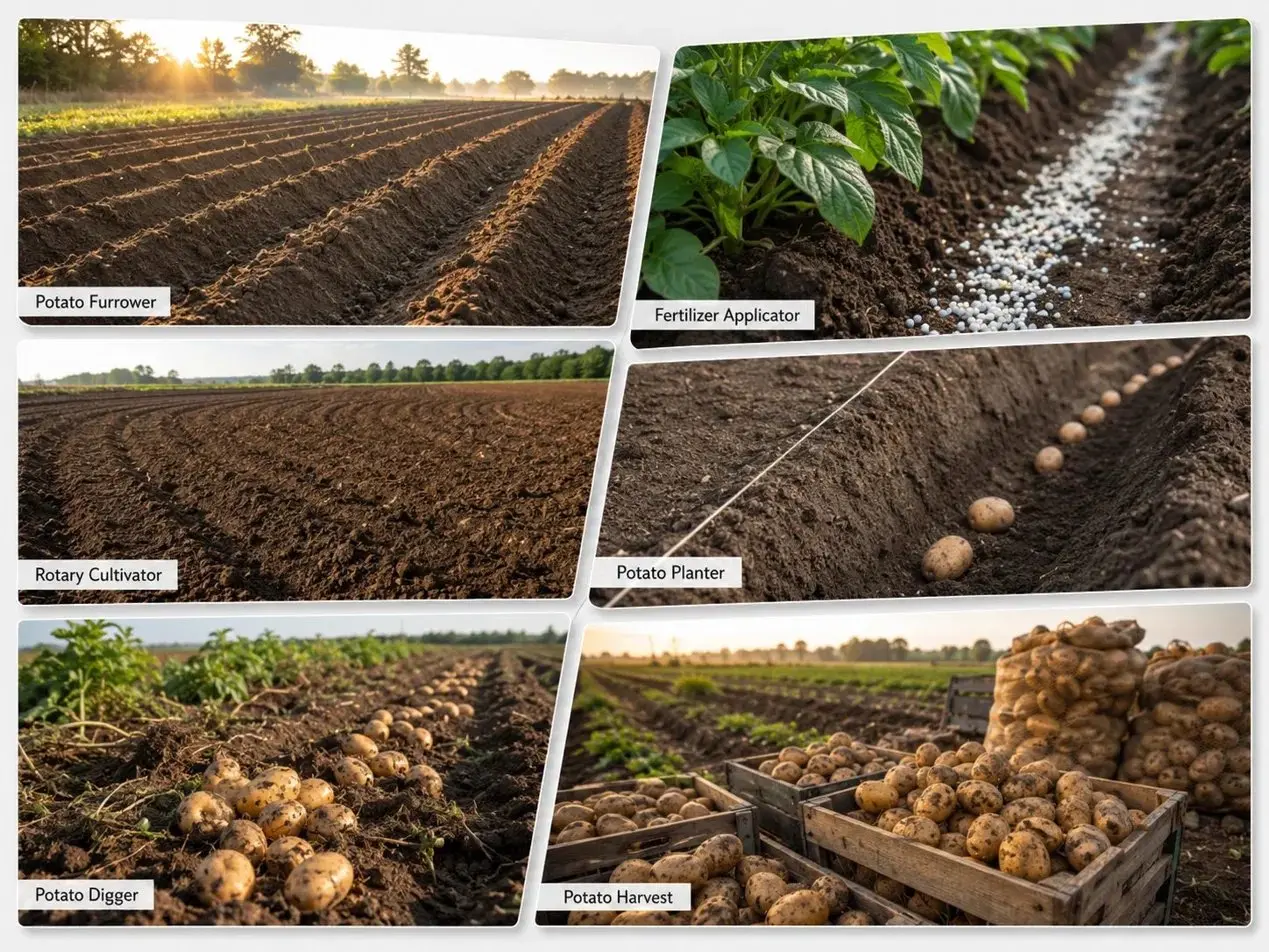
Die vier koreanischen Hochlandkartoffelsorten reagieren unterschiedlich auf Kühltemperaturen – eine einheitliche Temperatureinstellung für alle Sorten in einem gemischten Lagerraum führt daher zwangsläufig dazu, dass mindestens eine Sorte nicht optimal gelagert wird. Das Verständnis dafür, warum jede Sorte unterschiedliche Temperaturziele benötigt, verhindert die häufigsten Qualitätsverluste bei der Kühllagerung koreanischer Hochlandkartoffeln.
Zielwert: 3–5 °C / 90–951 µm relative Luftfeuchtigkeit
Sumi ist mäßig kältetolerant – die Lagerung bei 3–5 °C erhält die Keimruhe effektiv für 3–5 Monate ohne Entwicklung von Kälteschäden. Unter 3 °C kann es bei Sumi unter den Bedingungen des koreanischen Hochlands, wo die natürliche Elastizität der Zellmembranen mäßig ist, zu Kälteschäden (innerer Braunfärbung des Knollenfleisches) kommen. Die Luftfeuchtigkeit sollte zwischen 90 und 95 % liegen. Unter 85 % relativer Luftfeuchtigkeit führt dies bei dieser Temperatur zu Gewichtsverlust (Schrumpfung), wodurch die Festigkeit und das frische Aussehen auf dem Markt beeinträchtigt werden, was sich direkt auf die Klassifizierung als Qualitätsklasse 1 für den Frischmarkt auswirkt.
Zielwert: 8–10 °C / 90–951 ± 5 °C relative Luftfeuchtigkeit — KRITISCH
Atlantic ist die temperaturempfindlichste Sorte in koreanischen Kühlhäusern – die Kälteinduzierte Süßung (CIS) setzt unter 8 °C schnell ein. Bei Lagerung unter 8 °C beschleunigt sich die Umwandlung von Stärke in Zucker, wodurch der Gehalt an reduzierenden Zuckern in der Knolle steigt. Beim Frittieren reagieren diese reduzierenden Zucker mit Aminosäuren (Maillard-Reaktion) und verursachen eine dunkelbraune Verfärbung der frittierten Chips – ein Qualitätsmangel, den koreanische Chipshersteller bei der Warenannahme mittels kolorimetrischer Tests feststellen. Bereits eine Woche Lagerung von Atlantic bei 5 °C statt 9 °C kann zu CIS-Werten führen, die die Farbspezifikation nicht mehr erfüllen. Atlantic darf niemals zusammen mit Sumi oder Dubaek im selben Lagerraum gelagert werden, wenn diese Sorten bei 3–5 °C gelagert werden.
Zielwert: 3–5 °C / 90–95 % relative Luftfeuchtigkeit für mindestens 6 Monate
Dubaek ist die CIS-resistenteste der vier koreanischen Hochlandsorten. Dank ihrer geringen CIS-Empfindlichkeit kann sie bei 3 °C gelagert werden, ohne dass die Gefahr einer Süßung besteht. Diese Toleranz macht Dubaek zur einzigen Sorte, die sich für eine mehrmonatige Kühllagerung eignet und somit für das Premium-Marktfenster von Dezember bis Februar geeignet ist. Die Lagerung bei konstanten 3–4 °C von September bis Januar erhält die Keimruhe von Dubaek über diesen langen Zeitraum aufrecht. So erreicht die Sorte den Markt im Januar/Februar mit voller Festigkeit, sauberer Schale und der Kochqualität, die den Winter-Premiumpreis rechtfertigt.
Kälteinduzierte Süßung – Die Chemie, die koreanische Atlantik-Anbauer verstehen müssen
Kältebedingte Süßung (CIS) ist der wirtschaftlich bedeutendste Lagerfehler für koreanische Produzenten von Atlantik-Chips. Das Verständnis der biochemischen Prozesse hilft zu erklären, warum die Einhaltung der Temperaturvorgaben für Atlantik-Chips unerlässlich ist und warum die untere Grenze von 8 °C nicht konservativ, sondern wissenschaftlich begründet ist.
Das Stärke-Zucker-Verhältnis:
Bei Temperaturen über 8 °C halten Kartoffelknollen ein Stoffwechselgleichgewicht aufrecht, bei dem Stärke das dominierende Kohlenhydrat ist – ein Zustand mit hohem Trockenmasse- und niedrigem Gehalt an reduzierenden Zuckern, der zu hellen, gleichmäßig knusprigen Pommes führt. Unterhalb von 8 °C verschiebt ein temperaturempfindliches Enzymsystem (Amylaseweg) das Gleichgewicht, indem es Stärke schneller in Glukose und Fruktose (reduzierende Zucker) umwandelt, als der umgekehrte Stoffwechselweg sie wieder in Stärke umwandelt. Die Anreicherung reduzierender Zucker im Knollengewebe wird als CIS (Chronic Induced Stearitis) bezeichnet – und ist nach ihrem Eintreten irreversibel.
Aufbereitung:
Wurde Atlantic versehentlich unter 8 °C gelagert und hat sich CIS entwickelt, ist eine teilweise Aufbereitung möglich, indem die Lagertemperatur für 2–3 Wochen vor der Weiterverarbeitung auf 15–18 °C erhöht wird. Die höhere Temperatur kehrt einen Teil der Stärke-Zucker-Umwandlung um und reduziert so den durch CIS erhöhten Gehalt an reduzierenden Zuckern, ohne ihn jedoch vollständig zu eliminieren. Die Aufbereitung ist eine Korrekturmaßnahme, keine Präventionsstrategie. Sie stellt die Qualität teilweise wieder her, kann aber eine stark gesüßte Charge nicht wieder auf die volle Spezifikation bringen. Die Einhaltung der korrekten Lagertemperatur ist stets die bessere Lösung.
Ansaugtests des Herstellers:
Koreanische Chipshersteller (Lotte, Orion, Nongshim) prüfen eingehende Lieferungen von Atlantik-Chips auf ihren Gehalt an reduzierenden Zuckern. Hierfür nutzen sie kolorimetrische Methoden – entweder die Kubelka-Munk-Farbmessung an Testfrittierproben oder die direkte Bestimmung des reduzierenden Zuckergehalts in Gewebeproben. Chargen, die diesen Test nicht bestehen, können nach der Annahmeablehnung nicht mehr nachgebessert werden – sie werden zurückgeschickt oder mit einem hohen Preisnachlass für alternative Märkte verkauft. Die Prüfung Ihrer Atlantik-Chips vor der Auslieferung (entweder durch ein registriertes landwirtschaftliches Prüflabor oder mit der gleichen Testfrittiermethode: Öl bei 175 °C, 60 Sekunden frittieren, Farbabgleich mit der Standardtabelle) verhindert die Lieferung von mit dem CIS-Standard belasteten Atlantik-Chips und schützt Sie vor Schäden in der Geschäftsbeziehung zum verarbeitenden Abnehmer.
Feuchtigkeitsmanagement – Gewichtsverlust verhindern, ohne Kondensation zu verursachen
Die Luftfeuchtigkeitsregulierung bei Kühlhäusern erfordert ein ausgewogenes Verhältnis zwischen zwei Fehlerquellen: Zu niedrige Luftfeuchtigkeit führt zu Gewichtsverlust (Schrumpfung) der Knollen, wodurch deren Frische und Festigkeit beeinträchtigt werden; zu hohe Luftfeuchtigkeit oder unzureichende Luftzirkulation verursachen Kondensation an den Knollenoberflächen, was Weichfäule und Fusariumbefall begünstigt. Der Zielbereich der relativen Luftfeuchtigkeit von 90–951 µT liegt genau zwischen diesen beiden Fehlerquellen – hoch genug, um signifikanten Gewichtsverlust durch Transpiration zu verhindern, aber niedrig genug, damit sich bei guter Luftzirkulation keine Kondensation an den Knollenoberflächen bildet.
Unter 85% RH — Gewichtsverlust fehlgeschlagen
Bei 3–5 °C und unter 85 % relativer Luftfeuchtigkeit verlieren koreanische Hochlandkartoffeln (relativ dünnschalige Sorten wie Sumi) durch Transpiration monatlich 2–41 % ihres Körpergewichts. Nach dreimonatiger Lagerung bedeutet ein Gewichtsverlust von 31 % pro Monat, dass die Charge 91 % leichter ist als zum Zeitpunkt der Ernte – mit sichtbarer Schalenfaltung an qualitätsrelevanten Stellen. Käufer auf Frischmärkten bemerken den Turgorverlust direkt beim Verkauf, was zu einer Herabstufung auf Güteklasse 1 oder zur Rücksendung der Ware führt.
Über 97% RH — Kondensationsausfall
Bei einer relativen Luftfeuchtigkeit über 971 µT oder unzureichender Luftzirkulation kondensiert freie Feuchtigkeit an den kältesten Oberflächen im Lagerraum – typischerweise an den Knollen in der Nähe des Lufteinlasses. Diese Oberflächenfeuchtigkeit bietet ideale Bedingungen für das Eindringen von Weichfäulebakterien (Pectobacterium) in oberflächliche Verletzungen, die beim Ernten entstanden sind. Ein einzelnes Kondensationsereignis an einer Partie mit bereits vorhandenen Ernteverletzungen kann Nassfäule auslösen, die sich durch direkten Kontakt auf benachbarte Knollen ausbreitet und innerhalb von zwei Wochen potenziell 10–20 µT einer Lagerpartie vernichten kann.
90–95% RH mit guter Durchblutung — korrekt
Die Zielzone 90–95% mit geringer Luftzirkulation (0,2–0,5 m/s über den Knollenstapel) gewährleistet eine ausreichende Luftfeuchtigkeit um die Knollen herum, ohne dass sich stehendes Wasser bildet, in dem sich Kondenswasser ansammelt. In koreanischen Kühlhäusern im Hochland wird dieses Ziel zuverlässiger durch einen einfachen Verdunstungsbefeuchter oder eine Wasserschale mit Ventilator erreicht als durch die Eigenbefeuchtung des Kühlsystems, die ohne zusätzliche Befeuchtung typischerweise zu trocken für die Kartoffellagerung ist.
Lagerüberwachungsplan – Wöchentliche Kontrollen zur Vermeidung größerer Verluste
Die Lagerung von Kartoffeln im koreanischen Hochland erfordert eine kontinuierliche Überwachung. Eine Lageranlage, die im September korrekt eingestellt und erst im Februar wieder überprüft wird, weist unentdeckte Geräteausfälle, Schädlingsbefall und Fäulnis auf, die sich nicht mehr rückwirkend beheben lassen. Der folgende Mindestüberwachungsplan beugt größeren Verlusten vor und erfordert nur einen geringen Zeitaufwand pro Woche:
| Frequenz | Überprüfen | Alarmschwelle – bei Überschreitung sofort handeln. |
|---|---|---|
| Täglich (automatisiert) | Datenlogger erfasst Temperatur- und Feuchtigkeitsmesswerte an 3 Positionen im Lagerraum | Temperatur über dem Zielwert von +2 °C für mehr als 4 Stunden; Luftfeuchtigkeit unter 851 TP5T oder über 971 TP5T für mehr als 12 Stunden |
| Wöchentlich (visuell) | Gehen Sie durch den Lagerraum und untersuchen Sie die Oberfläche des Knollenstapels auf: Kondenswasser an den oberflächlichen Knollen; Weichfäule (feuchtes, zusammenfallendes Knollengewebe); Austrieb; Nagetieraktivität | Sichtbare Nassfäulestellen – betroffenen Bereich sofort isolieren. Jegliches Austreiben in Sumi oder Daejima vor Dezember – Temperatur prüfen (möglicherweise zu hoch). |
| Monatlich | Kernprobe von 20 Knollen vom Boden des Stapels: Gewichtsverlust im Vergleich zum dokumentierten Erntegewicht messen; auf innere Bräunung (Kälteschäden) prüfen; Probe aus dem Atlantik frittieren, um die Farbe zu beurteilen | Gewichtsverlust über 21 TP5T pro Monat: Luftfeuchtigkeit erhöhen. Innere Bräunung bei nicht-atlantischen Sorten: Temperatur um 1–2 °C erhöhen. Testbrut des Atlantiks dunkler als spezifiziert: Nachbehandlung einleiten. |
| Ausrüstung (monatlich) | Betriebsdruck des Kältemittelkompressors; Vereisung des Kondensatorregisters; Funktion des Verdampferlüfters; Kalibrierung des Feuchtigkeitsregelungssystems | Bei Anzeichen einer verminderten Leistung Ihrer Kühlgeräte kontaktieren Sie bitte Ihren Servicepartner. Vorbeugende Wartung vor der Einlagerungssaison (August) ist zuverlässiger als Reparaturen im November. |
Markt-Timing – Wann man gelagerte Kartoffeln für den Höchstpreis verkaufen sollte
Die gesamte Investition in Kühlhäuser rechtfertigt sich durch ein einziges wirtschaftliches Ergebnis: den Verkauf von Hochlandkartoffeln zu einem höheren Preis als dem August-Erntepreis, den koreanische Landwirte ohne Lagerkapazitäten akzeptieren. Das Verständnis des koreanischen Hochlandkartoffelpreiskalenders – und der spezifischen Zeiträume, in denen gelagerte Ware einen Aufpreis erzielt – bestimmt den optimalen Zeitpunkt für die Freigabe aus den Kühlhäusern.
August–September:
Erntepreis (Basiswert). Alle koreanischen Hochlandfarmen ernten gleichzeitig – das Angebot ist maximal und der Preis für Frischwaren liegt auf dem oder nahe dem niedrigsten Stand der Saison. Betriebe ohne Kühlhaus müssen zu diesem Preis verkaufen. Betriebe mit Kühlhaus steigen jetzt ein und halten ihre Ware.
Oktober–November:
Erste Preisverbesserung (+15–25% gegenüber der Ernte). Die Lagerbestände im Hochland sind für Betriebe ohne Lagerkapazität erschöpft. Es verbleiben nur noch eingelagerte und importierte Bestände. Erste Preiserholung. Betriebe mit geringer Lagerkapazität oder Daejima (kurze Winterruhe) können ihre Bestände jetzt freigeben und die erste Preiserholung nutzen, anstatt auf den Höchststand im Februar zu warten.
Dezember–Januar:
Starker Aufschlag (+30–50% gegenüber der Ernte). Das Angebot an frischen koreanischen Kartoffeln wird knapp, da die Lagerbestände aus dem Hochland allmählich zur Neige gehen und die Lieferungen aus den südlichen Regionen außerhalb der Saison noch nicht eingetroffen sind. Bis dahin gelagerte Sumi-Kartoffeln erzielen hohe Preise. Beginnen Sie jetzt mit dem Verkauf von Sumi- und Daejima-Kartoffeln in gutem Zustand.
Januar–Februar:
Höchstprämie für Dubaek (+50–80% gegenüber der Ernte). Der Zeitraum Januar/Februar ist die preislich stärkste Phase im koreanischen Hochlandkartoffelmarkt. Hochwertige Dubaek-Kartoffeln (die einzige Sorte, die so lange keimfrei bleiben kann) erzielen die höchsten Preise der Saison. Die Investition in die viermonatige Kühlhauslagerung von Dubaek-Kartoffeln lohnt sich, um diesen Februar-Preisaufschlag zu realisieren – die höchste Wertschöpfungsmöglichkeit im gesamten koreanischen Hochlandkartoffelanbau.
Wie sich die Qualität der Steinräumung auf die Ergebnisse der Kühlhauslagerung auswirkt
Die Verbindung zwischen dem Kartoffelmaschinensystem Die Qualität der Knollen auf dem Feld und ihre Lagerfähigkeit hängen maßgeblich von der Unversehrtheit der Knollenhaut bei der Ernte ab. Knollen mit mehr Ernteverletzungen (durch Steinkontakt und Hautabschürfungen in der EP-AWB-1600-Zone auf nicht gerodeten Feldern) weisen während der gesamten Lagerdauer mehr Eintrittspforten für Weichfäuleerreger auf – unabhängig von der Qualität der Temperatur- und Feuchtigkeitskontrolle. Die Investition in die Lagerung verstärkt somit die Investition in den Anbau.
Steinfreie Ernte: Lagervorteil
Knollen von geräumten Feldern erreichen das Lager mit minimalen Ernteverletzungen – meist nur geringfügigen Hautabschürfungen durch den normalen Kontakt mit dem Siebtrenner. Während der 10- bis 14-tägigen Verkorkungsphase heilen diese kleinen Abschürfungen vollständig ab, bevor die Lagertemperatur gesenkt wird. Die Lagerung von September bis Februar erfolgt mit einem Bestand an Knollen mit wenigen Verletzungen und guter Heilung, wodurch das Risiko des Auftretens von Weichfäule minimiert wird. Der Anteil an Knollen der Güteklasse 1 auf dem Februarmarkt entspricht nahezu dem Anteil bei der Ernte – die Lagerqualität bleibt erhalten.
Nicht abgeräumte Ernte: Lagerungsnachteil
Knollen von nicht gerodeten Feldern weisen stärkere Ernteverletzungen auf – Abschürfungen durch Steinkontakt und Quetschungen, wo die Knollen durch die Schar gegen Steine im Gewebebereich geschleudert wurden. Die Verkorkungsphase heilt oberflächliche Abschürfungen, kann aber tiefe Quetschungen, bei denen das Parenchymgewebe unter der Schale beschädigt ist, nicht vollständig heilen. Diese nicht verheilten Quetschungen werden während der Lagerung zu den Haupteintrittspunkten für Weichfäule – sie breiten sich allmählich zu inneren Fäulnisherden aus, die von November bis Januar Lagerverluste verursachen, die bei der Ernte im August noch nicht sichtbar sind.
Häufig gestellte Fragen
Können verschiedene Kartoffelsorten im selben Kühlraum gelagert werden?
Die Lagerung von Sumi, Dubaek und Daejima im selben Raum bei 3–5 °C ist technisch machbar – alle drei Sorten vertragen diese Temperaturzone. Entscheidend ist jedoch die Trennung der Sorten Atlantic: Diese müssen getrennt von anderen Sorten bei 8–10 °C gelagert werden. Verfügt Ihr Lager nur über eine Temperaturzone, müssen Sie sich zwischen Atlantic (8–10 °C, optimal für die Verarbeitung, aber oberhalb dieser Temperatur suboptimal für Frischmarktsorten) und Frischmarktsorten (3–5 °C, korrekt, aber bei Atlantic anfällig für CIS) entscheiden. Für Betriebe, die sowohl Atlantic- als auch Frischmarktsorten anbauen, bietet sich die Einrichtung separater, isolierter Lagerzonen innerhalb desselben Gebäudes an – jede Zone mit unabhängiger Temperaturregelung. Die Zonentrennung kann durch eine einfache, isolierte Trennwand realisiert werden. Die Investitionskosten für die Trennwand amortisieren sich bereits nach einer einzigen Lagersaison für Atlantic-Sorten durch die Vermeidung eines einzigen CIS-Falls.
Was geschieht mit Dubaek, das über Februar hinaus eingelagert bleibt?
Die 6- bis 8-monatige Keimruhe von Dubaek bei 3–4 °C führt dazu, dass Knollen, die ab September korrekt gelagert werden, typischerweise im März/April (7 Monate nach der Ernte) erstmals nennenswerte Keime zeigen. Das Keimen macht die Knolle weder ungenießbar noch unverkäuflich, jedoch führt sichtbares Keimen am Knollenauge zu einer Herabstufung der Güteklasse 1 auf Klasse 2 für den koreanischen Frischmarkt (Markterwartung: kein sichtbares Keimen zum Zeitpunkt des Verkaufs). Bei Dubaek, die über Februar hinaus gelagert werden, sollte das Keimen ab Anfang Februar wöchentlich überwacht und die Markteinführung geplant werden, bevor die sichtbaren Keime am Knollenauge eine Länge von 3–5 mm erreichen. Die Keimhemmung mit einem zugelassenen Keimhemmstoff nach der Ernte (Ethylengasbehandlung in zugelassenen Lagereinrichtungen in Korea) kann die keimfreie Zeit um 4–8 Wochen verlängern, falls die Marktbedingungen eine Lagerung über Februar hinaus erfordern. Vor der Anwendung ist der aktuelle koreanische Zulassungsstatus jeder Keimhemmungsbehandlung zu prüfen.
Ist eine gewerbliche Kühlanlage notwendig oder reicht eine Lagerung bei Umgebungstemperatur für koreanische Hochlandfarmen aus?
In den koreanischen Hochlagen über 600 m sinken die Umgebungstemperaturen von November bis Januar natürlicherweise auf 0–5 °C – nahe am Zielwert von 3–5 °C für die Lagerung auf dem Frischmarkt. Halb-unterirdische oder erdüberdeckte Lagerstrukturen (traditionelle koreanische Kartoffellagerung) nutzen diese natürliche Kälte und die Wärmespeicherkapazität des Erdreichs, um die Temperatur ohne mechanische Kühlung im Bereich von 3–7 °C zu halten. Diese Lagerung bei Umgebungstemperatur ist für die Frischmarktversorgung von Sumi und Dubaek von November bis Januar geeignet. Ihre Einschränkungen: (1) Die Temperatur ist nicht kontrollierbar – ein ungewöhnlich warmer koreanischer Winter kann die Lagertemperatur über längere Zeiträume auf über 8 °C ansteigen lassen, was zu vorzeitigem Keimen und Austreiben führt; (2) sie ist nicht für die Sorte Atlantic geeignet, die eine präzise konstante Temperatur von 8–10 °C erfordert, die bei Umgebungstemperatur im wechselhaften koreanischen Hochlandwinter nicht gewährleistet werden kann; (3) sie bietet keine Feuchtigkeitskontrolle – die Regulierung der Luftfeuchtigkeit erfordert zusätzliche Maßnahmen. Die Investition in eine mechanische Kühlung mit unabhängiger Temperatur- und Feuchtigkeitsregelung ermöglicht eine zuverlässige Markteinführung von Dubaek im Februar und eine zuverlässige Versorgung mit Produkten aus der Atlantikverarbeitung ohne das Risiko unkontrollierter Schwankungen der Umgebungstemperatur.
Wie stark beeinflussen Ernteschäden auf steinigen Feldern die Lagerverluste im Vergleich zu steinfreien Feldern?
Lagerversuche im koreanischen Hochland, bei denen gerodete und ungerodete Feldernte verglichen wurden, zeigen durchweg, dass ungerodete Feldernte zu 15–30 % höheren Lagerverlusten (Prozentsatz der gelagerten Knollen, die während der Lagerung durch Fäulnis und Qualitätsverlust verloren gehen) führt als gerodete Feldernte, die unter identischen Bedingungen und über denselben Zeitraum gelagert wurde. Dieser Unterschied bei den Lagerverlusten nimmt mit der Lagerdauer zu – er ist nach 6 Wochen gering (kleiner Unterschied), nach 20 Wochen jedoch erheblich (großer Unterschied), da die Eintrittspforten für Weichfäule durch Ernteschäden auf ungerodeten Feldern mehr Zeit haben, sich zu messbaren inneren Fäulnishöhlen auszubreiten. Für Betriebe, die Dubaek bis Februar lagern (20 Wochen Lagerung), kann die Ernte von ungerodeten Feldern zu einer Reduzierung der verkaufsfähigen Chargen der Güteklasse 1 um 20–30 % führen, die im Februar auf den Markt kommen – was die Prämie, die durch die Investition in die 20-wöchige Lagerung erzielt werden sollte, direkt schmälert.
Sind koreanische Kühlhäuser für staatliche Förderprogramme qualifiziert?
Ja – der Bau und die Sanierung von landwirtschaftlichen Kühlhäusern in Korea sind im Rahmen des Programms zur Förderung der landwirtschaftlichen Infrastruktur (nongop gibansi-seol jeongbisaeopbi jiwon) der Korea Rural Community Corporation (KRCC) förderfähig. Dieses Programm finanziert Lagerhäuser als Teil der Infrastruktur zur Reduzierung von Nachernteverlusten. Es deckt Bau, Isolierungsverbesserung, Kälteanlagen und die Installation von Feuchtigkeitsregulierungsanlagen mit einem Zuschuss von 30–501 TP5T für genehmigte Projekte ab. Es gelten Anforderungen an die Lagerkapazität (in der Regel mindestens 30 Tonnen für Einzelbetriebe). Kleinere Betriebe können über gemeinsame Lageranträge, die den Lagerkapazitätsbedarf mehrerer Betriebe zu einem einzigen förderfähigen Projekt bündeln, am Programm teilnehmen. Wenden Sie sich an das zuständige Landwirtschaftsamt (RDA) Ihres Landkreises oder an das regionale Büro der KRCC, um die aktuellen Antragsrichtlinien und Projektspezifikationen für die Förderung landwirtschaftlicher Kühlhäuser in Ihrem Landkreis zu erhalten.
Komplettes Hochlandkartoffelsystem – Feldqualität, die durch Kühlhauslagerung erhalten bleibt
Sortenmix + angestrebte Lagerdauer + aktuelle Erntequetschrate → Systemempfehlung zur Verknüpfung der Feldfreigabe von THOR 2.4 mit den Ernteeinstellungen von EP-AWB-1600 und dem Lagertemperaturprotokoll. Korea, Watanabe, Ansan-si, Gyeonggi-do.
Herausgeber: Cxm