Das koreanische Förderprogramm für den Kauf von Landmaschinen (nongop gigye gupip jiwoonseopye) ist eines der wichtigsten Finanzierungsinstrumente für koreanische Berglandbauern, die in Maschinen zur Steinräumung, Bodenbearbeitung und Kartoffelanbau investieren. Das Programm fördert 30–501 TP5T des förderfähigen Kaufpreises zertifizierter Landmaschinen. Das bedeutet, dass ein über das Förderprogramm erworbener Steinbrecher vom Typ THOR 2.4 nach Abzug des staatlichen Zuschusses einen effektiven Anschaffungspreis aufweist, der 30–501 TP5T unter dem Listenpreis liegt.
Trotz dieses erheblichen finanziellen Vorteils beantragt ein beträchtlicher Teil der koreanischen Berglandbauern, die für eine Subvention in Frage kämen, diese nicht – entweder weil sie die Programmdetails nicht kennen, den Antragsprozess für zu kompliziert halten, annehmen, ihre Maschine sei nicht förderfähig, oder weil sie die Antragsfrist im Januar verpassen und daher annehmen, die Subvention sei in diesem Jahr nicht verfügbar. Dieser Leitfaden erklärt den Prozess: Was das Programm umfasst, wer förderberechtigt ist, welche Dokumente benötigt werden, wie der Zeitplan im Januar abläuft und wie Korea Watanabe alle erforderlichen Unterlagen für Käufer kostenlos vorbereitet.
Was das Programm abdeckt – Förderfähige Geräte und Fördersätze
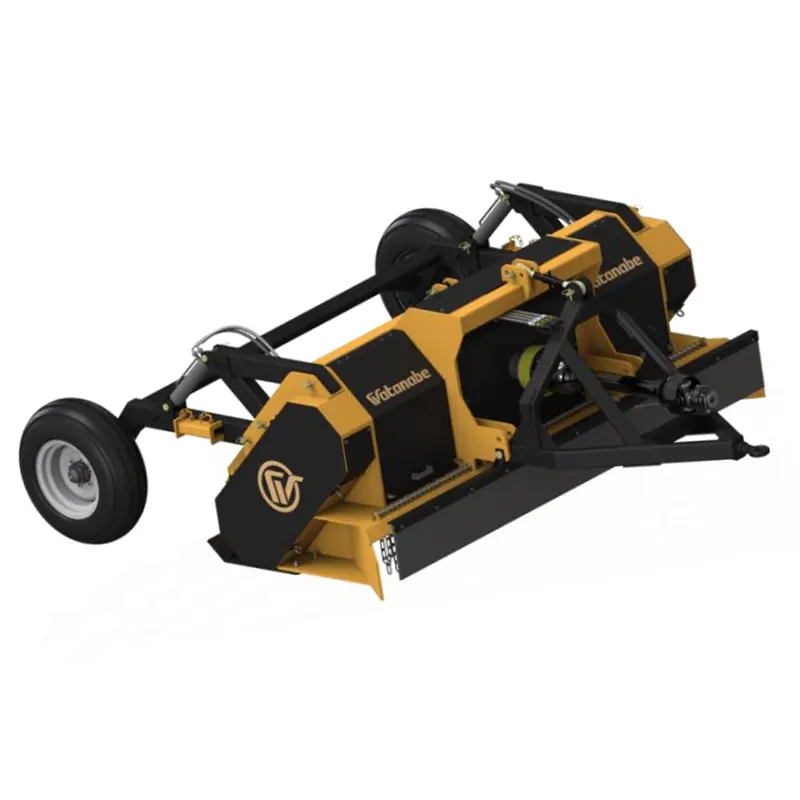
Das Förderprogramm für den Kauf von Landmaschinen deckt ein breites Spektrum an Kategorien ab. Maschinen zur Steinräumung und Bodenverbesserung (einschließlich aller Watanabe-Steinbrecher, Steinsammler, Steinrechen und Fräsen) werden über mehrere Haushaltsjahre hinweg kontinuierlich gefördert. Folgende Maschinen von Korea Watanabe sind für die Förderung zertifiziert:
Steinbrecher-Kategorie (Nongji Jeongbi Gigye). Beide Modelle sind koreanisch zertifiziert. Fördersatz: 30–501 TP5T, abhängig von der Antragstellerkategorie (Einzelbauer vs. Genossenschaftsmitglied) und der jährlichen Budgetzuweisung auf Kreisebene.
Kategorie Steinsammler/Auffangvorrichtung. Koreanische Zertifizierung. Wird üblicherweise zusammen mit dem THOR 2.4 in einem kombinierten Antrag für Landverbesserungsmaschinen eingereicht – beide Maschinen gelten als System und benötigen keine separaten Anträge.
Bodenbearbeitungsmaschinen. Koreanische Zertifizierung. Sowohl Standard- als auch Modell-B-Versionen sind zugelassen. Werden häufig im selben Jahr wie Steinräummaschinen für landwirtschaftliche Betriebe eingesetzt, die innerhalb eines Jahres ein komplettes Hochlandsystem aufbauen.
Pflanzmaschine EP-PAI-2100, Kartoffelroder EP-AWB-1600, Grubber EP-ERA und weitere Kartoffelmaschinen von Watanabe. Kategorie: Landwirtschaftliche Spezialmaschinen. Bitte erfragen Sie den aktuellen Zertifizierungsstatus bei Korea Watanabe zum Zeitpunkt der Antragstellung.
Kategorie: Maschinen zur Bodenverbesserung. Koreanische Zertifizierung. Üblicherweise niedrigerer Kaufpreis als THOR/CT-2100 – der Förderbetrag ist proportional geringer, aber das Antragsverfahren ist identisch und der Förderprozentsatz ist gleich.
Subventionsstruktur – Welcher Prozentsatz gilt für Ihre Situation?
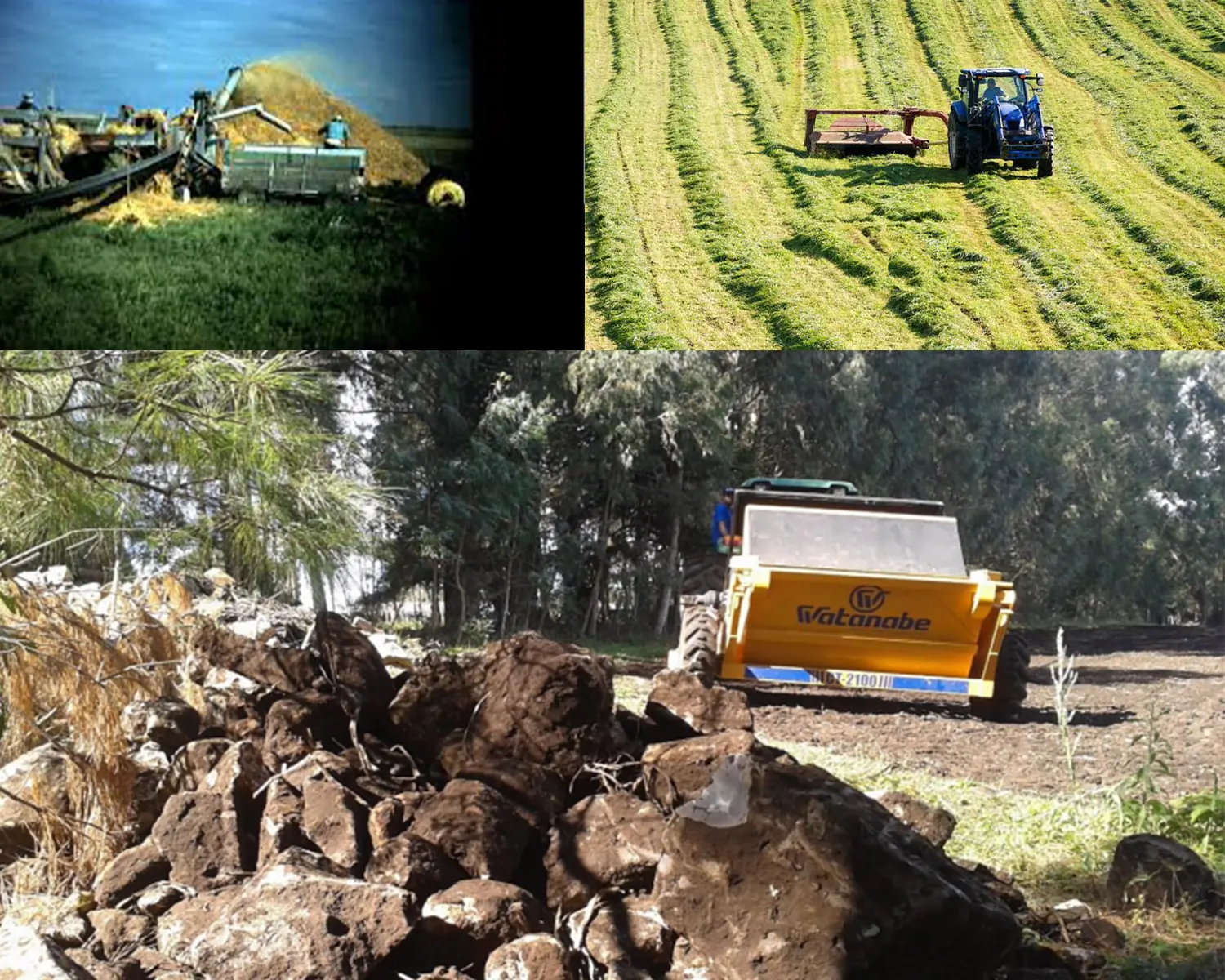
Die Subvention für Landmaschinen in Korea ist nicht einheitlich, sondern variiert je nach Antragstellerkategorie, Maschinentyp und jährlicher Budgetzuweisung auf Kreisebene. Die allgemeine Struktur, die für die meisten koreanischen Berglandwirte beim Kauf von Watanabe-Steinbearbeitungsmaschinen gilt, ist wie folgt:
| Bewerberkategorie | Typischer nationaler Subventionssatz | Anmerkungen |
|---|---|---|
| Einzellandwirt | 30–40% | Nationaler Basissatz; der tatsächliche Satz wird zum Zeitpunkt der Antragstellung im Kreisamt bestätigt. |
| Mitglied einer landwirtschaftlichen Genossenschaft | 40–50% | Genossenschaftsmitglieder erhalten in der Regel höhere Subventionssätze durch den gemeinsamen Antrag der Genossenschaft. |
| Junglandwirt (unter 40 Jahren) | Bis zu 50% | Förderprogramme für Junglandwirte bieten zusätzliche Zuschüsse – bitte erkundigen Sie sich beim Landwirtschaftsamt Ihres Landkreises nach den Voraussetzungen. |
| Ausgewiesenes benachteiligtes Gebiet (nongeo chon) | Bis zu 60% | Einige landwirtschaftliche Hochlandgebiete in Gangwon-do erhalten zusätzliche gebietsspezifische Subventionen – prüfen Sie, ob Ihr Landkreis anspruchsberechtigt ist. |
| Landwirtschaftskonzern (nongup beoppin) | 30% | Standardtarif gilt für eingetragene landwirtschaftliche Unternehmen; gleiches Verfahren wie bei Einzellandwirten. |
Wichtig: Die Preise ändern sich jährlich.
Die oben genannten Subventionssätze entsprechen der nationalen Programmstruktur der letzten Jahre. Die tatsächlichen Sätze für eine bestimmte Maschine in einem bestimmten Landkreis im laufenden Jahr werden mit Veröffentlichung des Landkreishaushalts – in der Regel im Dezember des Vorjahres – bestätigt. Korea Watanabe stellt auf Anfrage die aktuellen Sätze für jede Maschine auf Grundlage der jährlich aktualisierten Programmspezifikationen der Landkreise zur Verfügung. Gehen Sie niemals ohne Bestätigung davon aus, dass der Satz des Vorjahres auch im laufenden Jahr gilt.
Der Zeitplan für Januar – Warum die ersten beiden Januarwochen entscheidend sind
Das Förderprogramm für Landmaschinen basiert auf dem Prinzip „Wer zuerst kommt, mahlt zuerst“ und wird auf Kreisebene vergeben. Die Kreishaushalte für das Förderjahr werden Ende Dezember veröffentlicht, Anträge können ab dem 2. Januar gestellt werden. In Landkreisen mit hohem Antragsaufkommen und starker Landwirtschaft sind die Mittel für gängige Maschinenkategorien in der Regel innerhalb von vier bis acht Wochen erschöpft.
Erforderliche Dokumente – Was Korea Watanabe für Sie vorbereitet

Für den Antrag auf Subventionen für koreanische Landmaschinen werden folgende Dokumente benötigt. Korea Watanabe erstellt die maschinenspezifischen Dokumente (Punkte 1–3) innerhalb von 2–3 Werktagen nach Anfrage kostenlos für den Käufer:
5-jährige verpflichtende Nutzungsfrist – Einhaltungsanforderungen nach Subventionsende
Alle im Rahmen des koreanischen Subventionsprogramms für Landmaschinen erworbenen Maschinen unterliegen einer obligatorischen Nutzungsdauer von 5 Jahren ab Kaufdatum. Während dieser Zeit gilt Folgendes:
Verboten während der obligatorischen Nutzungsdauer
Die Übertragung oder der Verkauf der Maschine an Dritte, die Aufgabe oder Verschrottung der Maschine sowie die Übertragung der Maschine an einen anderen registrierten landwirtschaftlichen Betrieb unter einer anderen Registrierungsnummer des Landwirts sind verboten. Jede dieser verbotenen Handlungen während des Fünfjahreszeitraums erfordert die Rückzahlung des gesamten erhaltenen Subventionsbetrags.
Zulässig während der obligatorischen Nutzungsdauer
Die Maschine darf weiterhin auf dem registrierten landwirtschaftlichen Betrieb genutzt werden; sie darf nur gelegentlich an benachbarte Landwirte verliehen werden (nicht im Rahmen von Lohnarbeiten); für normale Wartung, Reparatur und den Austausch von Ersatzteilen ist sie zugelassen; ebenso für den Transfer zwischen Parzellen desselben registrierten landwirtschaftlichen Betriebs. Die Maschine muss während des gesamten Fünfjahreszeitraums auf Anfrage von den Inspektoren des Landwirtschaftsamtes des Landkreises zur Inspektion zur Verfügung stehen.
Die fünfjährige Nutzungspflicht ist ein wichtiger Planungsaspekt für koreanische Berglandwirte, die über eine Aufrüstung auf eine größere Maschine (THOR 2.4 statt THOR 3.0) oder den Verkauf eines Teils ihres Betriebs nachdenken. Die Subvention muss zurückgezahlt werden, wenn die Maschine innerhalb von fünf Jahren verkauft wird – ein finanzieller Aspekt, der bei der Maschinenauswahl zum Zeitpunkt des Kaufs berücksichtigt werden sollte. Korea Watanabe berät Käufer bei der Konfiguration (THOR 2.4 vs. THOR 3.0, PSW-3200 Standard vs. Modell B) unter Berücksichtigung der fünfjährigen Nutzungspflicht, um sicherzustellen, dass die gekaufte Maschine während der gesamten Nutzungsdauer den Anforderungen des Betriebs entspricht.
Strategie für die Anwendung mehrerer Maschinen – Maximierung der Subventionen im gesamten System
Koreanische Hochlandbauern, die ein komplettes System aufbauen (THOR 2.4 + CT-2100 + PSW-3200 + Kartoffelmaschinen), können die Subventionsbeantragung strategisch angehen, um den gesamten Subventionszugang für alle Maschinen zu maximieren. Die Strategie hängt von der jährlichen Subventionsobergrenze pro Landwirt und der jeweiligen Maschinenpriorität ab.
A
Maximalwert pro Jahr. Wenn der Gesamtpreis aller geplanten Maschinen die jährliche Subventionsobergrenze des Landkreises pro Landwirt nicht überschreitet, können alle Maschinen in einem einzigen Antrag im Januar beantragt werden. Dies ist der einfachste Weg und sichert die volle Subvention innerhalb eines Jahres. Korea Watanabe erstellt die Dokumentation für alle Maschinen gleichzeitig – ein Antragspaket für das Landratsamt, das das gesamte System abdeckt.
B
Zweijähriger, phasenweiser Ansatz. Übersteigt der Gesamtkaufpreis die jährliche Obergrenze pro Landwirt, ist der Kauf auf zwei aufeinanderfolgende Januaranträge aufzuteilen. Priorität im ersten Jahr: die teuersten Maschinen (THOR 2.4 + CT-2100, die zusammen den höchsten Zuschuss pro Maschine generieren). Im zweiten Jahr: PSW-3200 und Kartoffelmaschinen. Dieses Vorgehen maximiert die Zuschüsse in beiden Jahren und verteilt die Gesamtinvestition auf zwei Haushaltszyklen – wichtig für kleinere Betriebe, für die das komplette System eine erhebliche jährliche Kapitalbindung darstellt.
C
Kooperativer Antrag. Mitglieder landwirtschaftlicher Genossenschaften können in einigen Landkreisen höhere Fördersätze (40–50%) und höhere jährliche Höchstbeträge erhalten, indem die Genossenschaft Sammelanträge im Namen ihrer Mitglieder einreicht. Wenn Sie Mitglied einer Genossenschaft sind, erkundigen Sie sich bei Ihrer Genossenschaft, ob in Ihrem Landkreis eine Sammelantragsstellung für Maschinenkäufe möglich ist – der höhere Satz und der höhere Höchstbetrag können die erhaltene Gesamtförderung im Vergleich zu Einzelanträgen erheblich erhöhen.
Korea Watanabe-Subventionsunterstützungsdienst – was ist enthalten?
- ✓Zertifizierungsdokument (geomjeong-seo) für alle berechtigten Watanabe-Maschinen – Gültigkeit für das laufende Jahr bestätigt
- ✓Spezifikationsblatt (gyugyeok-seo), formatiert gemäß den spezifischen Anforderungen des Kreisamts des Antragstellers
- ✓Preisangebot (gyeonjeok-seo) inklusive Preis vor Subventionen, anwendbarem Subventionssatz und Netto-Landwirtszahlung
- ✓Hinweise zum landkreisspezifischen Einreichungsformat und zu den Kontaktdaten der zuständigen Behörde
- ✓Beratung zur Strukturierung von Anträgen mit mehreren Maschinen für maximalen Fördermittelzugang
- ✓Alles wird innerhalb von 2–3 Werktagen nach Anfrage erstellt – kostenlos.
Häufig gestellte Fragen
Ich habe die Bewerbungsfrist im Januar verpasst. Kann ich mich später im Jahr noch bewerben?
Anträge, die nach Januar eingereicht werden, können noch genehmigt werden, sofern das Jahresbudget des Landkreises für die jeweilige Maschinenkategorie noch nicht vollständig ausgeschöpft ist. Die Budgetgrenzen variieren je nach Landkreis und Maschinenkategorie erheblich – einige Landkreise in Gebieten mit geringerer Nachfrage behalten Budgets für Maschinen der Kategorie THOR bis März oder April zurück. Erkundigen Sie sich im Februar bei Ihrem zuständigen Landwirtschaftsamt, ob noch Budgetmittel verfügbar sind, bevor Sie die Chance aufgeben. Der Januar bietet jedoch die höchste Wahrscheinlichkeit für verfügbare Budgetmittel und den längsten Zeitraum zwischen Genehmigung und Beginn der Frühjahrssaison für Landmaschinen – spätere Anträge bergen das Risiko von Budgetausfällen und verkürzten Lieferzeiten. Für die Folgejahre empfiehlt Korea Watanabe, die Vorbereitung der Unterlagen im Dezember zu beginnen, damit der Antrag am 2. Januar eingereicht werden kann.
Kann ich die Maschine zuerst kaufen und die Subvention nachträglich beantragen?
Nein – das koreanische Förderprogramm für Landmaschinen erfordert einen Antrag und die Genehmigung vor dem Kauf. Die Förderzusage legt die förderfähige Maschine, die Höhe der Förderung und die Kauffrist fest. Für eine Maschine, die vor der Förderzusage gekauft wurde, kann die Förderung nicht rückwirkend gewährt werden. Dies ist einer der häufigsten Fehler koreanischer Berglandwirte beim Maschinenkauf: Sie kaufen überstürzt Ende März, ohne zu wissen, dass der Förderzeitraum für das laufende Jahr bereits abgelaufen ist, und verlieren so die gesamte Förderung. Eine frühzeitige Planung des Kaufzeitraums ab Dezember, die Vorbereitung der Unterlagen über Korea Watanabe Anfang Januar und die Antragstellung Mitte Januar stellen sicher, dass die Genehmigung vor dem gewünschten Kauftermin vorliegt.
Erhebt Korea Watanabe Gebühren für die Erstellung der Subventionsunterlagen?
Nein – Korea Watanabe erstellt die Zertifizierungsdokumente, das Datenblatt und das Preisangebot kostenlos für alle Käufer, die Watanabe-Maschinen über den offiziellen Vertriebskanal von Korea Watanabe erwerben. Die Dokumentenerstellung ist Teil des Standard-Kaufservices von Korea Watanabe und wird innerhalb von 2–3 Werktagen nach Anfrage abgeschlossen. Korea Watanabe berät Sie außerdem zu den länderspezifischen Anforderungen an die Antragsformulare und gibt Auskunft darüber, an welches Landratsamt Sie sich bei Betrieben mit mehreren Landkreisgrenzen wenden müssen. Es fallen lediglich die Kosten für den Maschinenkauf selbst an – keine Dokumentationsgebühren, keine Beratungsgebühren.
Was geschieht mit der Subvention, wenn die Maschine während der fünfjährigen Pflichtnutzungsdauer ausfällt?
Maschinenausfälle und -reparaturen haben keinen Einfluss auf die Einhaltung der Förderrichtlinien – die Maschine bleibt während der gesamten Reparaturzeit auf den landwirtschaftlichen Betrieb zugelassen. Die Einhaltung der Nutzungspflicht basiert auf dem eingetragenen Eigentum und der landwirtschaftlichen Nutzung, nicht auf dem durchgehenden Betriebszustand. Eine Maschine, die sich zum Austausch von Lagern oder zur Getriebewartung in der Werkstatt befindet, erfüllt weiterhin die Nutzungspflicht. Dokumentieren Sie alle größeren Reparaturen (Rechnung des Serviceanbieters mit Datum), um bei einer Inspektion eindeutig nachweisen zu können, dass die Maschine während der gesamten Nutzungspflicht aktiv für die Landwirtschaft instand gehalten wurde. Die Zerstörung einer Maschine durch Feuer, Überschwemmung oder einen irreparablen Unfall (dokumentiert und dem zuständigen Landwirtschaftsamt gemeldet) gilt als höhere Gewalt und führt in der Regel nicht zur Rückzahlung der Fördermittel – erkundigen Sie sich bei Ihrem zuständigen Landwirtschaftsamt nach dem für Ihren Fall geltenden Verfahren.
Gibt es eine Mindestgröße für den landwirtschaftlichen Betrieb, um die Maschinensubvention beantragen zu können?
Das koreanische Förderprogramm für Landmaschinen sieht keine feste Mindestbetriebsgröße als absolutes Kriterium für die Förderfähigkeit vor. Hauptvoraussetzung ist die Registrierung als Landwirt (nongop gyeongyeong-che deungnon) mit mindestens 1.000 m² registrierter landwirtschaftlicher Nutzfläche. In der Praxis können die Kreisämter Anträgen größerer Betriebe Vorrang einräumen, wenn das Budget begrenzt ist und mehrere Anträge eingehen. Kleine Berglandbetriebe, die die Mindestregistrierungsvoraussetzung erfüllen, sind jedoch grundsätzlich förderberechtigt. Wenn Sie weniger als 1 ha bewirtschaften und sich nicht sicher sind, ob Ihre Betriebsgröße die praktischen Förderkriterien in Ihrem Landkreis erfüllt, kontaktieren Sie Korea Watanabe. Wir beraten Sie gerne anhand der üblichen Antragsergebnisse in Ihrem Landkreis und Ihrer Maschinenkategorie.
Starten Sie Ihren Subventionsantrag – Korea Watanabe bereitet alle Unterlagen vor
Landkreis der Registrierung + geplante Maschinen + Antragstellerkategorie (Einzelperson / Genossenschaft / Junglandwirt) → Dokumentationspaket innerhalb von 2–3 Werktagen erstellt, zur Einreichung im Januar bereit. Korea, Watanabe, Ansan-si, Gyeonggi-do.
Herausgeber: Cxm