Kore yüksek rakımlı patates tarımı, Sumi, Daejima, Dubaek ve Atlantic olmak üzere ticari olarak kabul görmüş dört çeşit sunmaktadır; her birinin kendine özgü bir pazar hedefi, optimum rakımı ve taşsız yetiştirme ortamıyla etkileşimi vardır. THOR 2.4 kaya kırıcı Sistem üretiyor. Bu 2025 kılavuzu, güncel pazar kanalı gerçekleri, rakım-bölge eşleşmesi ve Kore'deki en başarılı yüksek rakımlı çiftliklerin benimsediği karma çeşit portföy tahsis stratejisi ile çeşit karar çerçevesini güncelliyor.
Bu kılavuz üç katmandan oluşmaktadır: bireysel Kore patates çeşidi Dört ana çeşidin her biri için profiller, rakım ve pazar kanalı eşleştirme matrisi ve farklı ölçek ve gelişim aşamalarındaki çiftlikler için pratik bir karma çeşit portföyü önerisi. Tüm özellikler Kore Ulusal Tarım Bilimleri Enstitüsü (NAAS) çeşit kayıt verilerinden ve güncel Kore pazar fiyatlarından alınmıştır.
Çeşit Seçimi Neden Makine Seçiminden Önce Gelmelidir — Pazarlama Kanalı Mantığı
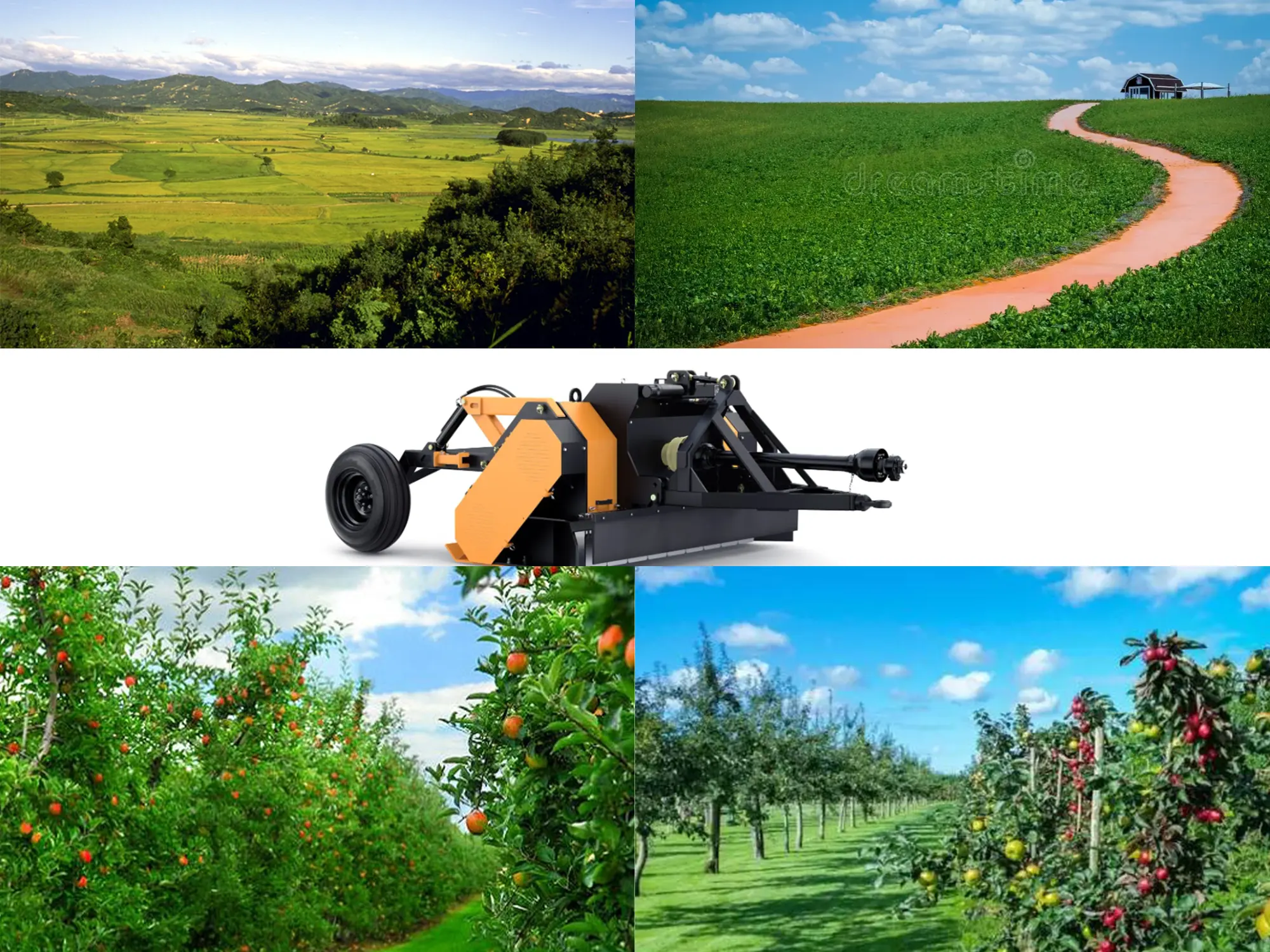
Kore'deki yüksek rakımlı çiftliklerde sık yapılan bir planlama hatası, önce makine seçimini, sonra çeşit seçimini yapmaktır. Doğru sıra bunun tam tersidir. Çeşit seçimi, pazar kanalını belirler; bu da depolama gereksinimlerini, sertifikasyon ihtiyaçlarını ve temizlenen tarlanın karşılaması gereken kalite standardını belirler. Çeşitten önce makine seçimi, taş temizleme sisteminin yanlış ürün kalitesi standardına göre optimize edilmesine yol açabilir.
Üreticiden alınmış ve onaylanmış bir tedarik sözleşmesi mutlaka gereklidir. ekimden önceSözleşme yürürlükte değilse alternatif bir prim piyasası bulunmamaktadır. 8-10°C'de ayrı bir BDT soğuk depolama alanı gereklidir. İlk tohum siparişi verilmeden önce tüm sistemin Atlantik için kurulması gerekmektedir.
Hasattan önce 3-5°C'de soğuk depolama şarttır. Dubaek ekimini haklı çıkaran Ocak ayı primi, ancak ürünün Ağustos'tan Ocak'a kadar saklanabilmesi durumunda elde edilebilir. Soğuk depolama olmadan, Dubaek hasatta Sumi'ye göre herhangi bir fiyat avantajı sağlamaz.
Ticari alana yayılmadan önce, büyük yumru köklü ürünler için yüksek kaliteli alıcılara (restoranlar, yemek servisi, süpermarket büyük paket kanalları) sahip olmak şarttır. Daejima'nın Sumi'ye göre fiyat avantajı, ancak alıcı özellikle büyük yumru köklü ürün formatına değer veriyorsa elde edilebilir; kooperatif toptan satış kanalı bu konuda bir ayrım yapmaz.
Kooperatif, doğrudan taze satış, çevrimiçi satış, kimchi üreticisi ve sertifikalı tohum gibi tüm pazar kanalı esnekliğine sahip tek çeşit. Diğer kanal ilişkileri kurulmadan önce herhangi bir çiftlik için uygun başlangıç seçeneği.
Kore'nin Dört Yayla Çeşidi — 2025 Güncellenmiş Profilleri
Aşağıdaki profiller, her çeşit için NAAS kayıt verilerine ve mevcut Kore yüksek rakımlı pazar fiyatlarına dayanmaktadır. Fiyat aralıkları mevsimsel varyasyonu yansıtmaktadır; en yüksek fiyatlar Ekim-Ocak döneminde görülür; hasat fiyatları genellikle 30-501 TP5T daha düşüktür.
Kuru Madde Karşılaştırması — Pazarlama Kanalı Uygunluğunu Belirlemede Önemi
Rakım × Çeşit Uyumluluğu — Çeşidi Çiftliğinizin Rakımına Uygun Hale Getirme
Kore yüksek rakımlı patates çeşitlerinin performansı rakıma bağlıdır. Her çeşidin, kalite özelliklerinin en üst düzeye çıktığı belirli bir optimum rakım seviyesi vardır. Bu aralığın dışında ekim, mükemmel tarla yönetimiyle bile optimumun altında kalite üretir:
| Rakım bölgesi | Sumi | Daejima | Dubaek | Atlantik |
|---|---|---|---|---|
| 400–500 m (aşağı yayla) | ✅ İyi | ✅ İyi | ⚠ Kabul edilebilir | ✅ İyi |
| 500–600 m (orta yayla) | ✅✅ En İyi | ✅✅ En İyi | ✅ İyi | ✅✅ En İyi |
| 600–750 m (yüksek yayla) | ✅✅ En İyi | ✅ İyi | ✅✅ En İyi | ✅ İyi |
| 750–900 m (yüksek rakım) | ⚠ Sezon kısa — erken hasat edilen çeşitler önerilir. | ❌ Tavsiye edilmez | ✅✅ En İyi | ⚠ Sezon uzunluğu sınırında |
Bu matristeki en önemli ticari bulgu, rakım-Dubaek ilişkisidir. 600 metrenin üzerinde yetiştirilen Dubaek, soğuk depolamayı ve Ocak ayı primini haklı çıkaran kalın kabuk ve yüksek kuru madde içeriği üretir; bu kalite özellikleri, yüksek rakımdaki serin gece sıcaklıklarının doğrudan bir sonucudur ve daha düşük rakımlarda yalnızca çeşit yönetimiyle tekrarlanamaz. 450 metrede yetiştirilen bir Dubaek ürünü kabul edilebilir patates üretir, ancak piyasanın özellikle ödediği premium Dubaek'i üretmez.
Taş Temizleme Etkileşimi — THOR 2.4 Sisteminden Hangi Çeşit En Çok Fayda Sağlar?
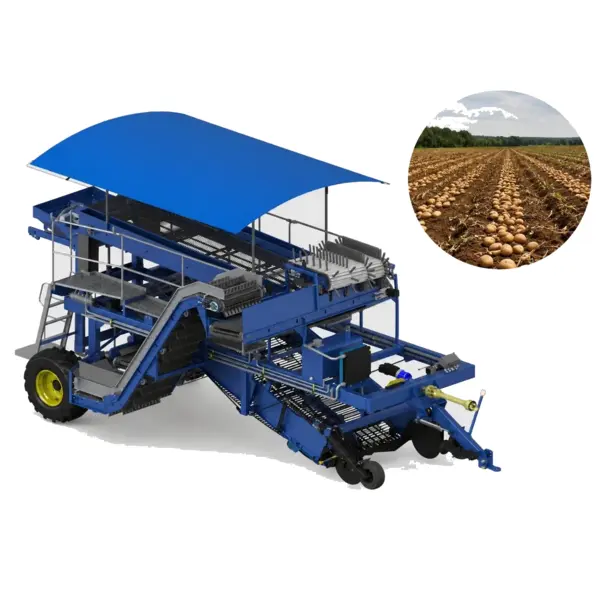
Dört Kore yüksek rakımlı çeşidinin tamamı, THOR 2.4'ün ürettiği sıfır toleranslı taş temizleme işleminden faydalanır, ancak bu fayda eşit olarak dağılmamıştır. Hangi çeşidin en çok fayda sağladığını anlamak, tüm çiftlikte aşamalı olarak taş temizleme planlaması yapılırken, taş temizleme yatırımlarının önceliklendirilmesine yardımcı olur:
Temizlenmemiş alanlardaki içi boş yumru oranı: 15–25%. THOR 2.4 ile temizlenmiş alanlarda: 3%'nin altında. Büyük yumru formatı, daha büyük yumrunun daha geniş bir gelişim bölgesinde daha homojen nem gerektirmesi nedeniyle taş hassasiyetini artırır. Taşla bozulmuş sırtlar, özellikle büyük yumrularda içi boş yumru oluşumunu tetikleyen nem heterojenliği yaratır. Daejima'nın primi tamamen taşsız üretime bağlıdır.
İşleme şartnamesi, homojen kuru madde (minimum 21%) ve pürüzsüz bir kabuk gerektirir. Hacim artışı sırasında taş teması, tutarlı kuru madde oluşumunu sağlayan homojen nemi bozar. Temizlenmiş alanlarda, Atlantic'in kuru madde uyumluluk oranı sınırda olan seviyeden güvenilir seviyeye yükselir. İşleme sözleşmeleri, alım anındaki kuru maddeyi belirtir; uyumsuz bir parti, verimden bağımsız olarak reddedilir.
1. Sınıf oranında 68%'den (işlenmemiş) 90%+'ya (işlenmiş) iyileşme. Doğrudan taze pazar için Sumi yetiştiren 10 hektarlık bir Kore yayla çiftliğinde, 270 ton toplam verimde (27 ton/hektar × 10 hektar) 68%'den 90%'ye 1. Sınıf oranına geçiş, 2. Sınıftan (380 KRW/kg) 1. Sınıfa (1.100 KRW/kg) yeniden sınıflandırılan 59.400 kg'lık ek bir miktarı temsil etmektedir; bu da sadece Sumi alanında yaklaşık 42.768.000 KRW'lik bir gelir farkı anlamına gelmektedir. Dubaek için, kabuk aşınması ve ezilme azaltılması, soğuk depolama başarısını mümkün kılmaktadır; taşla temas etmiş yumrular, soğuk depo denetiminden geçemez ve hemen taze satış gerektirirken, Ocak ayı prim dönemine kadar dayanabilmektedir. Kabuk aşınması ve ezilme azaltılması, Dubaek için soğuk depolama başarısını mümkün kılmaktadır. Sumi'nin gelişimi öncelikle belirli bir kalite özelliğinden ziyade 1. sınıf oranındadır; dört çeşit arasında taşa en dayanıklı olanıdır ve bu da onu erken dönemdeki çiftlikler için en iyi başlangıç çeşidi yapan nedenlerden biridir.
Karma Çeşit Portföy Stratejisi — Piyasa ve Fiyat Riskini Dağıtma
8 hektardan büyük Kore yayla patates çiftliklerinin çoğu tek bir çeşit yetiştirmiyor. Çeşitli bir portföy, herhangi bir pazar kanalındaki aksaklığın tüm sezon gelirini ortadan kaldırma riskini azaltır. Çeşit dağılımı, çiftliğin olgunluk aşamasına göre değişir. Yol gösterici ilke, muhafazakar çeşitlendirmedir: Her yeni çeşit, ancak o çeşidin gerektirdiği altyapı, alıcı ilişkisi ve yönetim deneyimi zaten doğrulandıktan sonra eklenmelidir; bunların beklentisiyle değil. Ticari bir alana yatırım yapmadan önce yeni bir çeşidin küçük bir test alanıyla (0,5-1,0 hektar) başlaması, tüm sezon gelirini denenmemiş bir çeşit, alıcı ve altyapı kombinasyonuna riske atmadan, çeşide özgü yönetim gereksinimlerini belirlemenin en güvenilir yoludur.
1. Aşama Çiftlik (1-2. Yıl, ağaç kesimi yeni tamamlandı)
100% Sumi. İlk 2 yılda çeşitlendirme yapılmayacak. İş birliğine dayalı ilişki kurulacak, 88%'nin üzerinde 1. sınıf oranına ulaşılacak ve GAP sertifikasyon dokümantasyonu hazırlanmaya başlanacak. Temel sistemler kurulmadan önce çeşitlendirme yapılması, orantılı gelir artışı olmaksızın yönetim karmaşıklığını artırır.
2. Aşama Çiftlik (3-4. Yıl, GAP sertifikalı, soğuk depolama imkanı mevcut)
60% Sumi / 40% Dubaek (rakım ≥600 m ise). Soğuk hava deposu yatırımı, Dubaek'in faaliyete geçmesi onaylandıktan sonra haklı çıkar. 3-4. yıllardaki Ocak ayı Dubaek gelirleri genellikle 3. aşama patates makinesi yatırımını finanse eder. 600 m'nin altındaki çiftlikler için, 100% Sumi'yi koruyun veya gıda hizmeti alıcı ilişkileri gelişiyorsa 20% Daejima ekleyin.
3. Aşama Çiftlik (5. yıldan itibaren, tam sistem, kurulmuş alıcı ilişkileri)
Temsili tahsis (650 m'de 10 hektar, soğuk hava deposu, doğrudan alıcılar oluşturuldu): 4 hektar Sumi (doğrudan taze satış + kooperatif desteği), 4 hektar Dubaek (Ocak ayında soğuk depolama), 2 hektar Atlantic (sadece onaylanmış sözleşme ile). Atlantic, sözleşme şartlarından bağımsız olarak maksimum 20% ile sınırlıdır - tek kanallı risk yönetimi. Daejima, yalnızca belirli büyük yumrulu ağaç alıcısı ilişkisi özel bir bloğu (genellikle 1-2 hektar) gerektiriyorsa eklenir.
İlk Kez Yetiştiricilik Yapacaklar İçin Karar Verme Süreci — Seçimi Belirleyen Üç Soru
Soru 1: Onaylanmış bir cips üreticisi tedarik sözleşmeniz var mı?
EVET → Atlantic, patates ekim alanınızın -301 TP5T'si için uygundur. Sözleşme şartlarından bağımsız olarak bu oranı aşmayın.
HAYIR → Atlantik'i tamamen değerlendirme dışı bırakın. Atlantik'i spekülatif olarak büyütmeyin. 2. soruya geçin.
Soru 2: Çiftliğiniz 600 metre veya daha yüksek bir rakımda mı ve soğuk hava deposu faaliyette mi veya finansmanı sağlanmış mı?
EVET → Dubaek, soğuk depolama gerektiren Ocak ayı hasadı için öncelikli yüksek değerli çeşittir. Patates ekim alanınızın -501'ini Dubaek'e, geri kalanını ise Sumi'ye ayırın.
HAYIR (600 metrenin altında veya soğuk depolama yok) → Dubaek'in yüksek rakımlı kalitesi ve onu muhafaza edecek soğuk depolama imkanları olmadan, bu özelliğe erişilemez. 3. soruya geçin.
Soru 3: Büyük boy patates alımı yapan, doğrudan pazarlama yapan yerleşik bir alıcınız var mı?
EVET → Büyük yumrulu çeşitler için 20–30% Daejima'yı ekleyin. İçi boş tohum oluşumunu önlemek için temizlenmiş tarlalarda damla sulama hassasiyeti gerektirir.
HAYIR → 100% Sumi ile başlayın. Kore'de yüksek rakımlı bölgelerde patates yetiştiriciliğine yeni başlayanlar için en geniş dağıtım kanalı, en düşük risk ve en kolay yetiştirilebilen çeşit. Çeşit karmaşıklığını artırmadan önce Sumi aracılığıyla pazar ilişkileri kurun ve sertifikalar edinin.
Sıkça Sorulan Sorular
2025 yılında Kore dağlık bölgeleri için en iyi patates çeşidi hangisidir?
2025 yılında Kore'deki yüksek rakımlı çiftliklerin büyük çoğunluğu için Sumi, en geniş pazar kanalı erişimine, en toleranslı rakım aralığına ve en güçlü kooperatif ve doğrudan pazar alıcı talebine sahip olması nedeniyle en iyi başlangıç çeşidi olmaya devam etmektedir. Dubaek, özellikle soğuk depolama Ocak ayı primine yönelik konumlandırılmış çiftlikler için en iyi çeşittir; 600 m+ rakımda ve soğuk depolama tesisi faaliyetteyken, Dubaek'in Ocak ayı fiyatı (1.600–2.200 KRW/Kg 1. Sınıf), Sumi'nin eşdeğer dönem fiyatından yaklaşık 30–801 TP5T daha yüksektir. Atlantic, yalnızca halihazırda onaylanmış bir cips üreticisi tedarik sözleşmesine ve ayrı bir BDT soğuk depolama bölgesine sahip olan belirli çiftlik profili için "en iyi" çeşittir; bu iki koşul da mevcut değilse, Atlantic yetiştirilmemelidir. Çiftliğin rakımına, pazar ilişkilerine ve altyapısına bağlı olmaksızın tek bir "en iyi çeşit" cevabı yoktur; bu kılavuzdaki karar çerçevesi, her özel çiftlik durumu için seçimi çözmektedir.
600 metrenin altındaki rakımlarda yapılan hasatlarda Dubaek ve Sumi arasında anlamlı bir fark var mı?
Evet, Dubaek çeşidi 450 metrede 700 metredekiyle aynı değildir. 450 metre rakımda, Dubaek'in kabuk kalitesi ve kuru madde oranı, gece sıcaklıklarının (temmuz-ağustos aylarında 450 metrede tipik olarak 15-18°C) premium Dubaek'i karakterize eden kabuk kalınlaşmasını ve nişasta birikimini tetikleyecek kadar soğuk olmaması nedeniyle premium eşiğinin altına düşer. Torbadaki çeşit adı aynıdır, ancak ortaya çıkan yumru kalitesi, premium soğuk depolama Dubaek spesifikasyonunu karşılamaz. Dubaek primini ödeyen Koreli yüksek rakımlı alıcılar genellikle özellikle 600-900 metre rakımdaki çiftliklerden tedarik yapmaktadır. 450-550 metrede Sumi, rakım bağımlılığı olmadan güvenilir bir şekilde iyi kalite üretir ve belirli bir çiftlik, rakımından sürekli olarak Dubaek premium standart yumrular elde ettiğini kanıtlayamadığı sürece Dubaek'e tercih edilmelidir.
Sumi bitkisi, taze pazara yönelik üretiminin yanı sıra sertifikalı tohum üretimi için de yetiştirilebilir mi?
Evet, Sumi, NAAS Kore sertifikalı tohum patates programı için en çok talep gören çeşittir. Birçok Kore yüksek rakımlı çiftliği, Sumi alanlarını ticari blok (taze pazar satışı) ve sertifikalı tohum bloğu (NAAS denetim alanı, 3.000-6.000 KRW/kg'dan tohum satışı) olarak ikiye ayırır. Sertifikalı tohum bloğu şunları gerektirir: NAAS saha kaydı (ekimden önceki yılın Kasım ayı), diğer Sumi ekimlerinden ve solanaceae bitkilerinden izolasyon mesafesi ve sertifikalı tohum üretiminin gerektirdiği asma öldürme ve hasat zamanlaması protokollerine uyum. Korea Watanabe, müşterilerine bu konuda destek vermektedir. taş kırıcı Ayrıca, NAAS denetiminin sertifikalı tohum tarlalarından talep ettiği saha kayıt dokümantasyonu ve taş temizleme standardı doğrulaması (50 pozisyonlu prob testi) ile sertifikalı tohum programı da bulunmaktadır. Sertifikalı tohumun taze pazar Sumi'ye göre (yaklaşık 2-5 kat/kg) sağladığı prim, ticari Sumi alanına sertifikalı bir tohum bloğu eklemeyi, iyi temizlenmiş bir yayla çiftliğinde alınabilecek en yüksek getiri sağlayan yönetim kararlarından biri haline getirmektedir.
Sumi, Daejima, Dubaek ve Atlantic çeşitlerinin ötesinde, 2025 yılında dikkate alınmaya değer daha yeni Kore patates çeşitleri var mı?
NAAS periyodik olarak yeni çeşit adayları piyasaya sürüyor ve geç yanıklık direnci veya daha yüksek kuru madde içeriğine sahip bazı ıslah hatları ticari piyasaya sürülme yolunda ilerliyor. 2025 yılı itibarıyla, bu kılavuzda ele alınan dört çeşit, Kore'nin yüksek rakımlı bölgelerinde ticari piyasaya sürülme statüsüne, onaylanmış tedarik zinciri altyapısına ve çok sezonluk ticari ölçekli performans verilerine sahip çeşitleri temsil etmektedir. İki NAAS ıslah hattının ticari piyasaya sürülmeye yaklaştığı bildiriliyor - bunlar arasında geç yanıklığa dayanıklı bir Sumi tipi çeşit ve yüksek kuru madde içeriğine sahip bir Dubaek tipi aday yer alıyor - ancak her ikisi de henüz 2025 sezonunda ticari üretim planlaması için tavsiye edilebilir hale getirecek ticari pazar alıcı onayını ve sertifikalı tohum tedarik altyapısını almamış ve büyük ölçekli pazar kanallarına sahip olmamıştır. Daha yeni NAAS çeşitleri araştırma denemelerinde iyileştirilmiş performans gösterebilir, ancak henüz dört yerleşik çeşidin sahip olduğu alıcı ağını, sertifikalı tohum tedarikini ve ticari ölçekli agronomik verileri oluşturmamıştır. Korea Watanabe, yeni çeşit lansmanlarını takip eder ve yeni piyasaya sürülen bir çeşidin, çiftliğin rotasyonuna dahil edilmesini haklı çıkaracak pazar kanalı onayına ve ticari ölçekte saha verilerine ulaştığında müşterilerine bilgi verir. Gelecek ekim sezonu için çeşit seçimi yapan çiftlikler için, 2025 yılında dört yerleşik çeşit ticari olarak güvenilir seçenekler olmaya devam etmektedir.
Kore yüksek rakımlı bölgelerinde yetişen patates çeşidi seçimi, Watanabe sisteminden ihtiyaç duyulan özel makineleri nasıl etkiler?
Çekirdek taş temizleme sistemi (THOR 2.4 + CT-2100) dört çeşidin tamamı için aynıdır; taş temizleme standardı, belirli pazar hedefine değil, ürünün kök gelişim gereksinimlerine göre belirlenir. Patates işleme makineleri seçimi, çeşide iki özel şekilde bağlıdır: (1) Atlantic çeşidi, taze çeşit soğuk odasından (3–5°C) bağımsız olarak ayrı bir soğuk depolama sıcaklık bölgesi (8–10°C CIS) gerektirir; bu, tarla makinelerini değil, soğuk depolama altyapısını etkiler; (2) Daejima çeşidi, içi boş kalp oluşumunu önlemek için, ekimden sonraki 55-75. günlerdeki (topraklanma aşamasında) en hassas nem yönetimini gerektirir; bu da damla sulama hassasiyetini ve PSW-3200'den gelen düzgün sırt oluşumunu, Sumi veya Dubaek çeşitlerine göre Daejima için özellikle kritik hale getirir. patates makineleri (EP-PAI ekim makineleri, EP-ERA toprak yığma makineleri, EP-AWB hasat makineleri) serisi, herhangi bir değişiklik yapılmadan dört çeşidin tamamı için uygundur.
Çeşit Seçimi + Sistem Yapılandırması — İlk Ekim Sezonundan Önce
Çiftlik rakımı + mevcut pazar ilişkileri + soğuk depolama durumu + planlanan alan → tahsis yüzdeleriyle çeşit seçimi, çok yıllık çeşitlendirme planı ve Kore Watanabe sistemi yapılandırma önerisi.
Editör: Cxm